Category: spatial practice
-
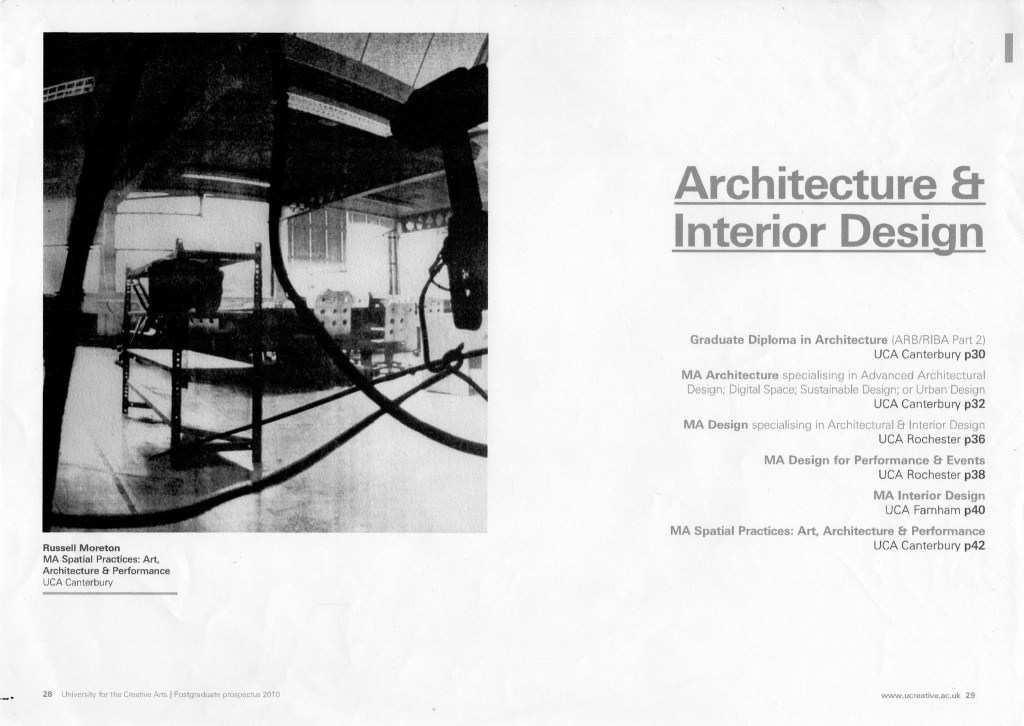
Humanities : Spatial Involvements/The Laboratory of Anthropology, Archaeology, Art and Architecture.
Site ~ Interior ~ Apparatus : Humanities Spatial Relations This earlier body of work begins from a deceptively simple proposition: space is not simply where something happens. Space participates in what can happen. The Scriptorium, the Theatre of Research, the reading room, the collage, the ruin and the various apparatuses gathered around them were attempts…
-
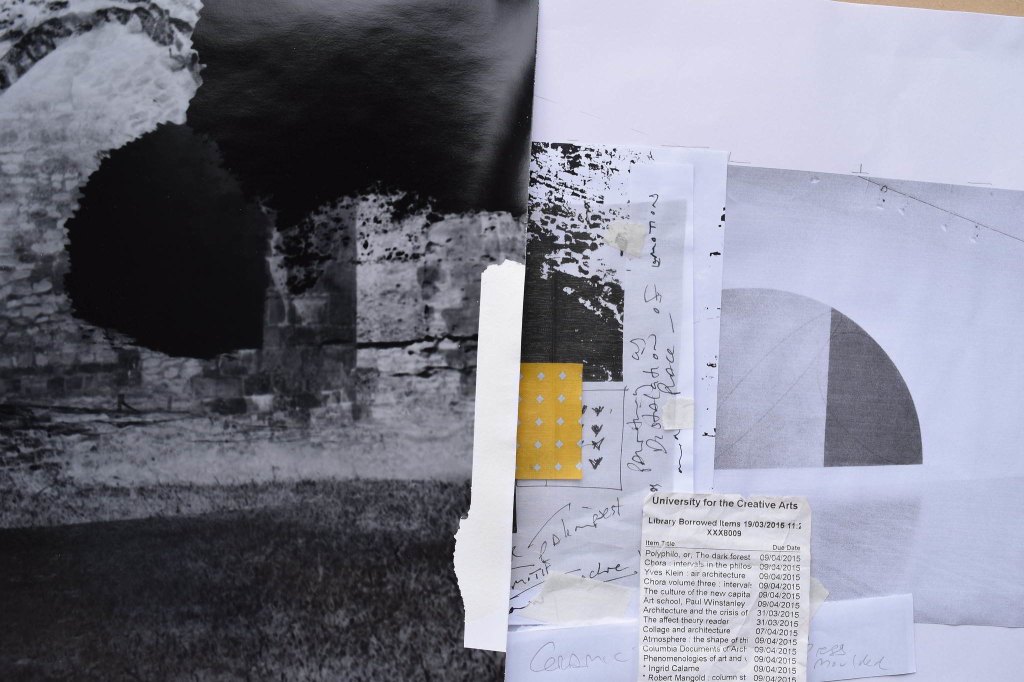
What happens when another body enters making without becoming its subject? An image, a remembered space, a reading or another body may enter clay not as something to be represented, but as a correspondence: a force passing between bodies, gathering within material and becoming otherwise. The research collage becomes a spatial body in which these…
-
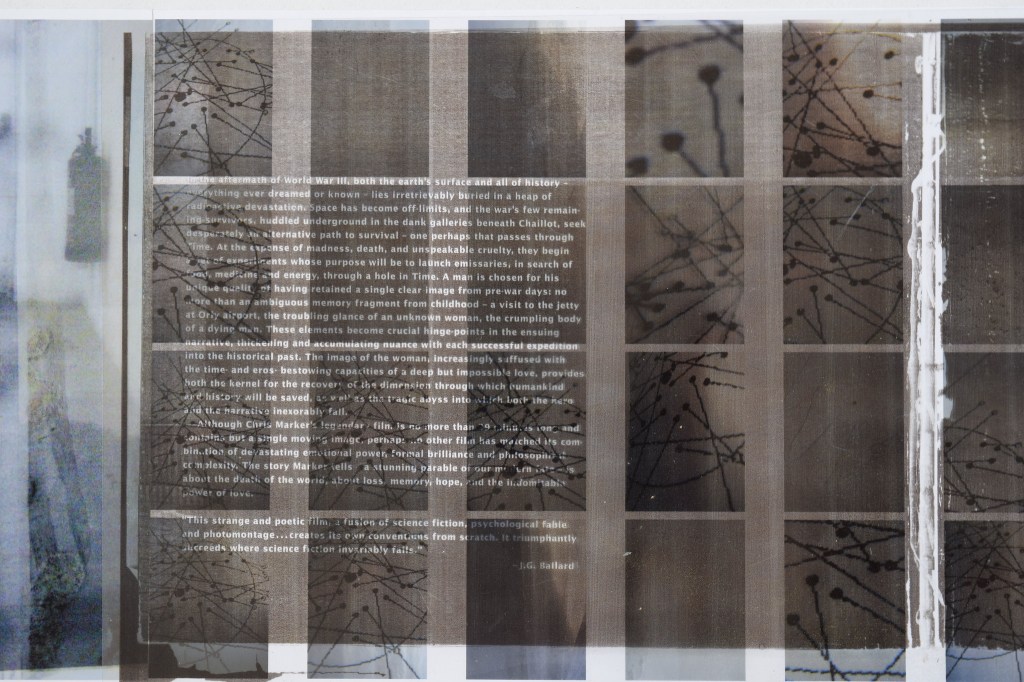
Bodies gather differently in each image. Ceramic surfaces turn, separate, approach and withdraw. Apertures open towards other bodies and towards the spaces around them. Architectural intervals become active: sometimes holding a body apart, sometimes drawing bodies into proximity, sometimes making room for a body that is absent, remembered or imagined. The images therefore do not…
-
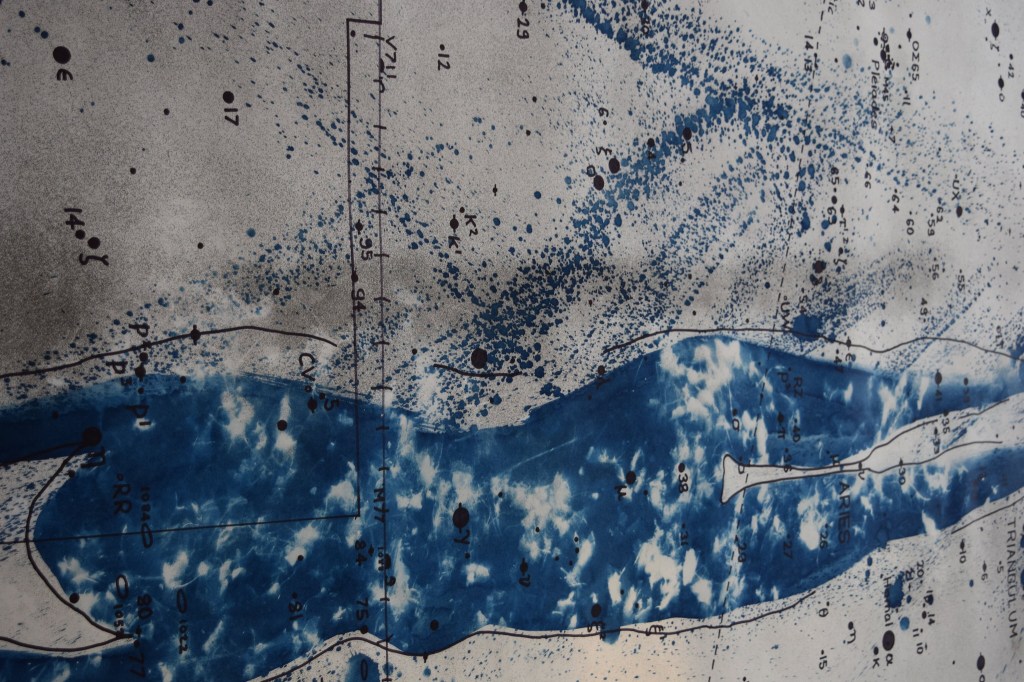
Panspermia begins with a body that cannot quite contain what passes through it. Cyanotype, botanical trace, hand-drawn line and celestial mapping gather upon the same fragile surface, each carrying a different temporality. The body becomes a host rather than a boundary: something is deposited, something seeps, something remains, something exceeds. Read through the present practice,…
-
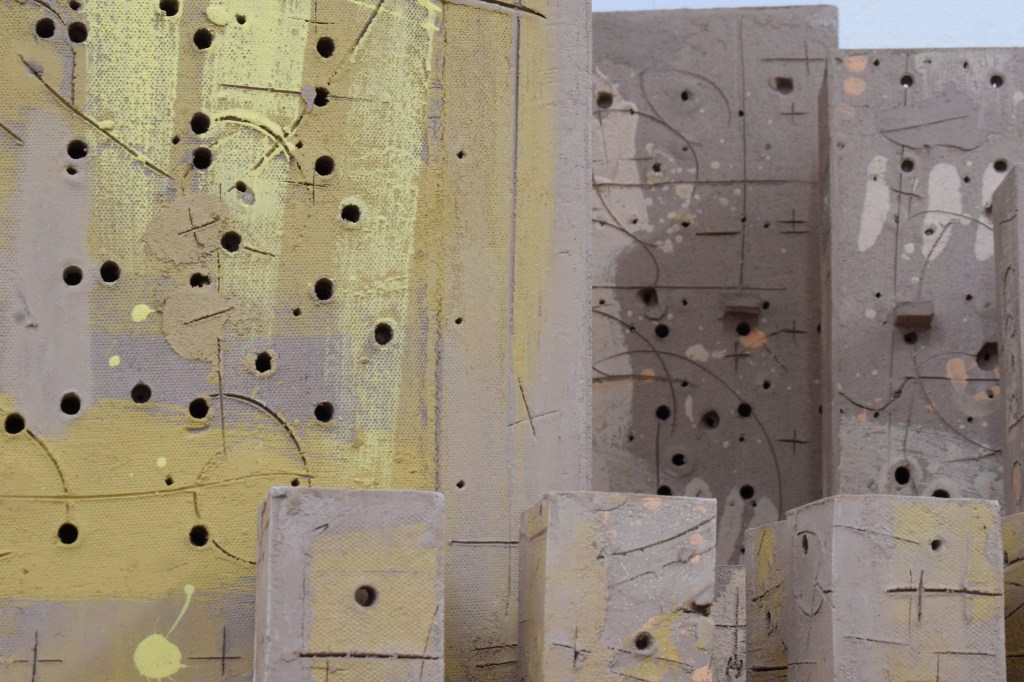
This text adds to the literature by proposing gathering as a spatial and affective mode of inquiry. It develops a vocabulary of force~feeling, permeability, correspondence, interiority and Kairos through which bodies, materials, traces and atmospheres can be encountered beyond established distinctions between research, making and spatial practice. Earlier propositions are not resolved here; they remain…
-
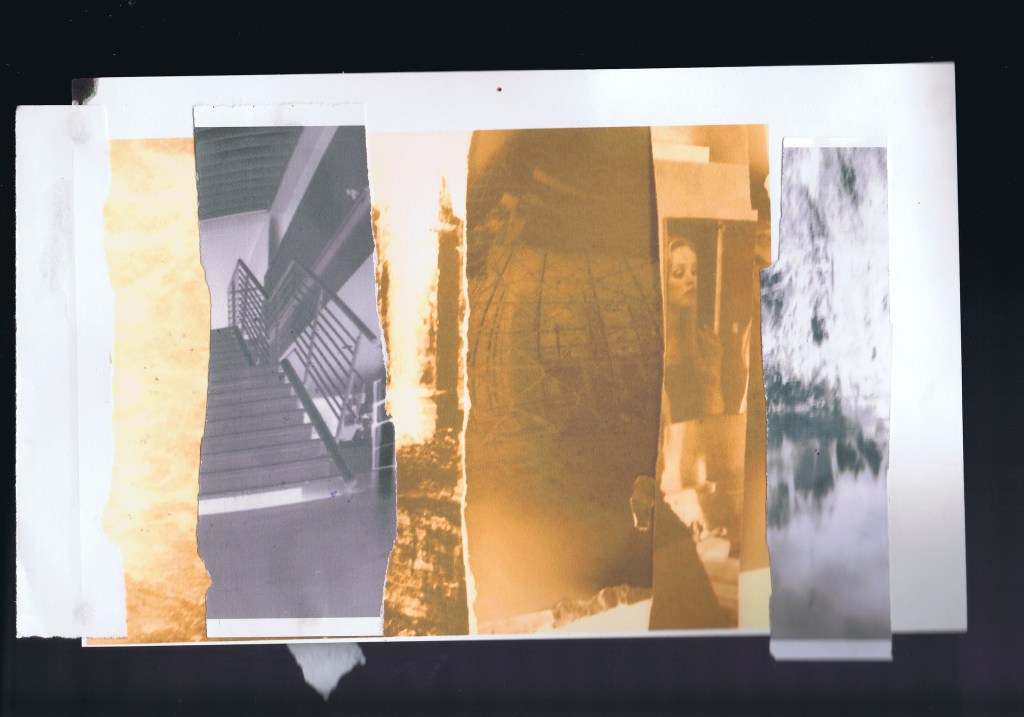
Enchantment begins at the periphery, where the certainty of boundaries starts to loosen. Body and world share a flesh; material and thought begin to move together. The site is not a background to experience but an active body within it. Clay enters this field as something capable of responding, resisting and transforming. To become attentive…
-
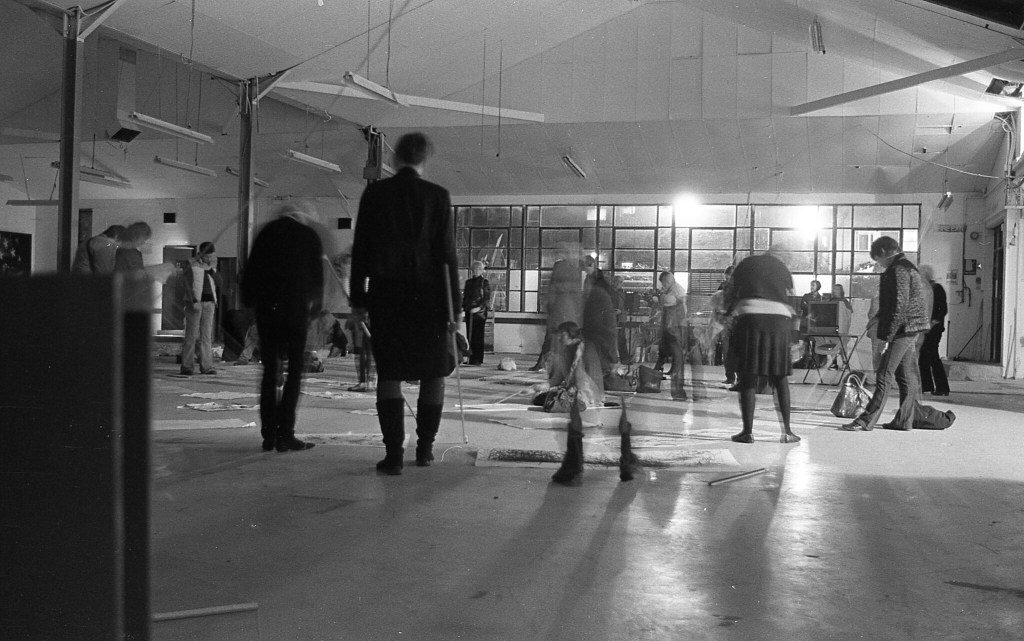
A formwork holds without determining. An enclosure gathers without completely containing. A membrane separates while allowing something to pass through. These provisional structures become ways of thinking with material, where touch, movement, resistance and repetition participate in the making of space. The form is less an endpoint than a temporary registration of forces. Perhaps thinking…
-
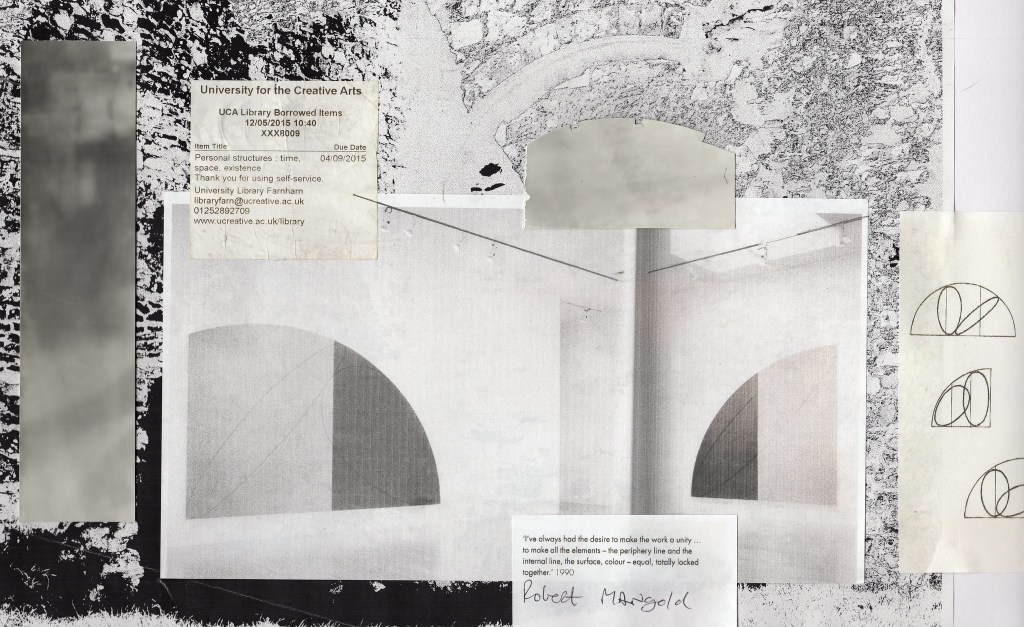
What happens when a space becomes a vessel for things that cannot quite be contained? The Scriptorium brings architecture, memory, reading, image and material presence into a temporary correspondence. Its enclosure is not simply a boundary but an invitation to inhabit the space between bodies, histories and sensations. The site becomes part of the thinking.…
-

What if a space is less a container than a body becoming affected? Spatial and human bodies meet through movement, intensity, leakage, interruption and proximity. Boundaries begin to soften; the situation becomes less predictable. Here, spatial practice becomes an experiment in what might happen between bodies rather than a proposition imposed upon them. The provisional…
-
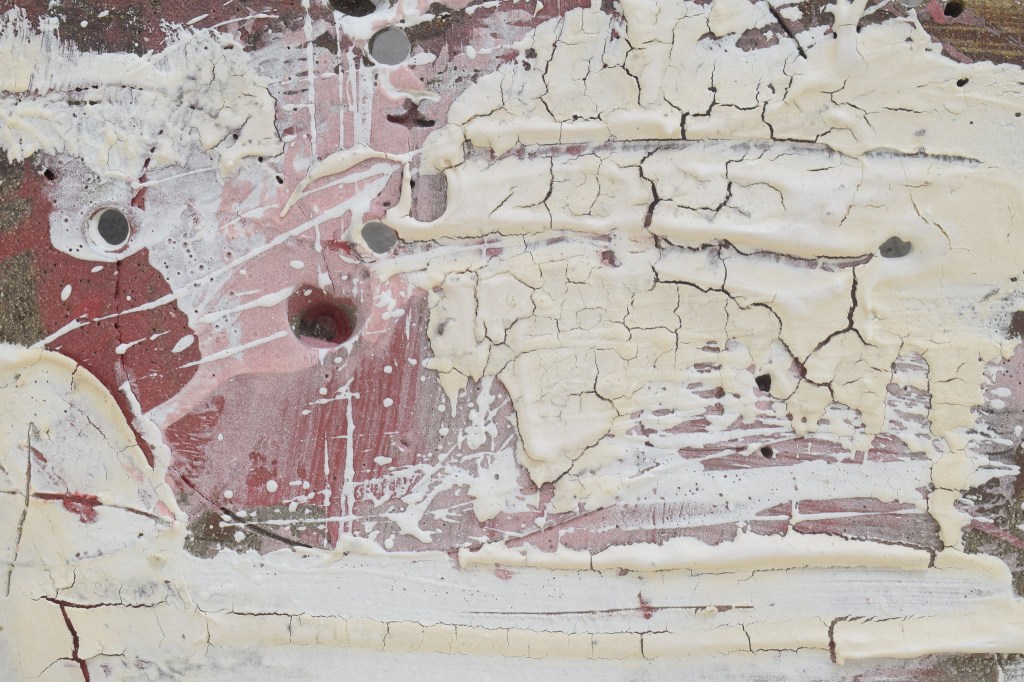
I am referring in particular to Russell Moreton’s ceramics as having a palpable quality way beyond the image of his work that has a force-feeling a landing site in which a hospitality of the alluring object is also strangely withdrawn. Your phrasing captures the exact ontological tension at the heart of Russell Moreton’s spatial ceramic…

