Russell Moreton : Matter(s) in Correspondence

Spatial practices of clay, ceramic, drawing, bodies, places and making.

Spatial Practice

Architecture, sites, spatial situations, bodies, inhabitation, installations, spatial propositions.

Ceramic Bodies

Clay, ceramic sculpture, vessels, apertures, surfaces, firing, ceramic interiors, ceramic atmospheres.

Drawing / Image

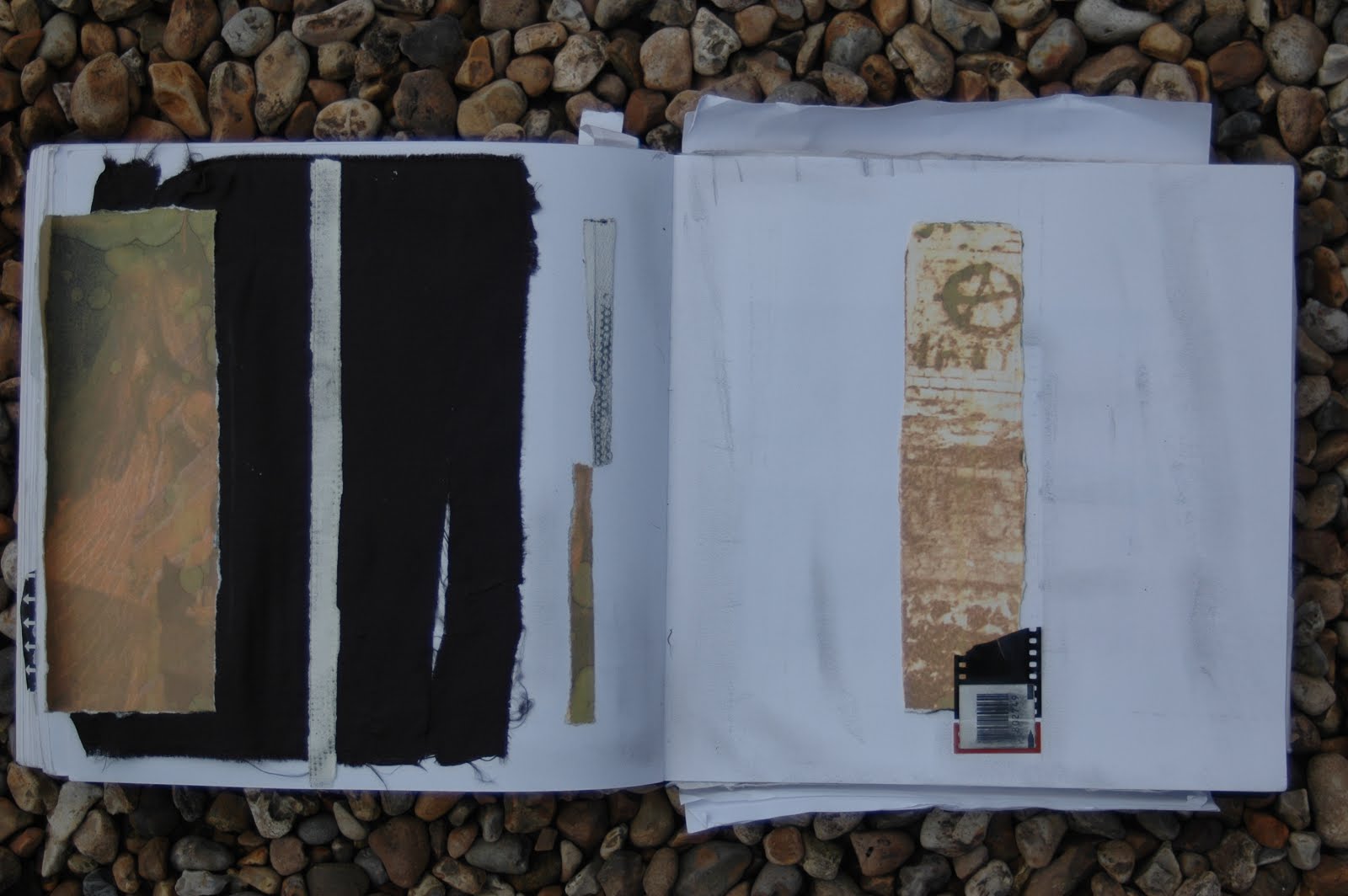
Drawing, cyanotype, photography, diagram, mapping, collage, visual experiments.

Interiority / Atmosphere

Bachelard, refuge, reverie, innerness, thresholds, chambers, light, shadow, atmosphere, sensing.

Making / Materiality

Studio practice, making, material resistance, gesture, process, firing, construction, surface, force.

Research / Working Texts

Reading, theoretical writing, notes, research propositions, older texts being re-entered, speculative learning.

  • The Re-Constituted Reality : Tacita Dean/Hamburger/Sebald

    The Re-Constituted Reality of Photography
    Spatiality : Space over Time

    Space folds : Containing “Spatialities around historicality and sociality”

    All that is solid melts into air”

    Karl Marx, Friedrich Engels,
    (Poetic observation concerning the constant revolutionizing of social conditions)

    Perceptions now gathering at the end of the millennium. Spatiality, Robert T. Tally Jr. 2013
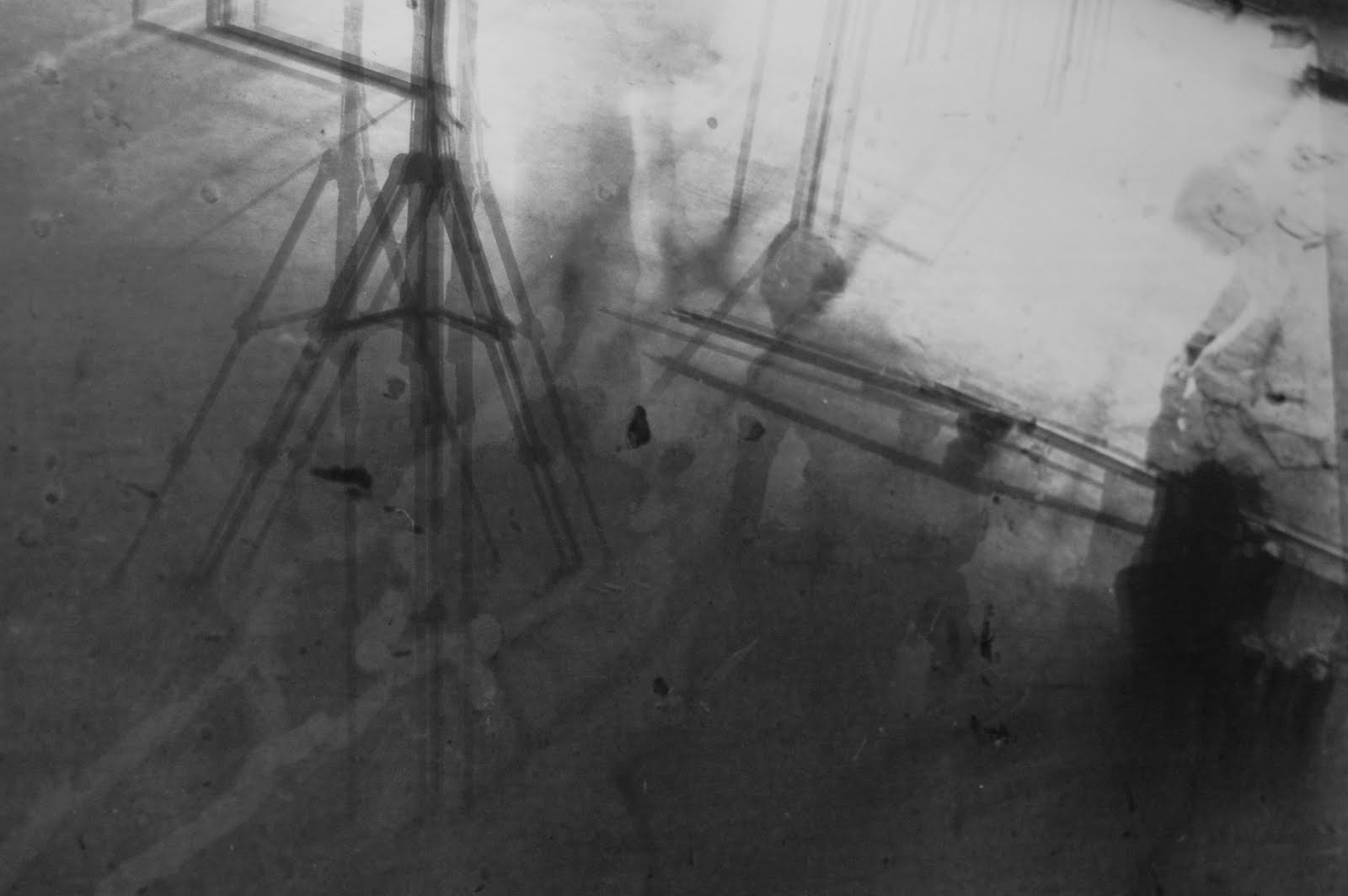
    WATERLOG
    After SEBALD : Essays and Illuminations

    http://www.tate.org.uk/art/artworks/dean-michael-hamburger-t12880

    The film Michael Hamburger was created as a result of a commission for an exhibition entitled Waterlog, held at the Norwich Castle Museum and Art Gallery and the nearby Sainsbury Centre for Visual Arts in early 2007, before it travelled to The Collection in Lincoln in autumn of the same year. Tacita Dean was one of seven British artists invited to respond to ‘the wider landscape of the east of England, with the idea of the literary journey as one its overarching themes’ (curator Steven Bode in Waterlog, p.6). This literary journey is embodied in the book The Rings of Saturn (Frankfurt am Main, 1995) by the German writer WG Sebald (1944–2001), who settled permanently in England in 1970, making Norwich his home. Part memoir, part fiction and part poetic and philosophical meditation, Sebald’s book describes a meandering circular walk that begins and ends in Norwich. Dean chose to make a portrait of the poet and translator Michael Hamburger (1924–2007), whom Sebald visits in the seventh chapter of the book. She has explained:
    I had a personal connection to [Michael Hamburger] and I was told he had an orchard. When I filmed him I filmed quite a lot and I talked to him about Sebald and all sorts of other things but in the end I made my film just about apples. It was in cutting the film that I realized it was the most important thing and through apples he talked about everything else as a metaphor … My work has become about traces and capturing things before they disappear. It’s all about the recording of an atmosphere and usually it’s transient in a sort of way.

    Dean’s anamorphic film is a series of almost exclusively static shots filmed in the Suffolk garden and house of her subject. Utilising natural light and unusual points-of-view – often filming either against the light or looking through windows – the looped 28 minutes of widescreen imagery constitutes a portrait whose subject is barely visible, evoking an intensely private personality. Hamburger features in semi-darkness, as a silhouette, as a pair of hands, handling apples, or seated with his back turned to the audience; in one shot only slivers of him are visible intermittently through a chink in a curtain drawn across an internal glass-paned door. This subtle visual representation is echoed in the words he speaks – a discourse exclusively focused on his apples – the different types, their origins and characteristics. Between shots of him, the camera focuses on apples on trees in the garden, rows of apples on a wooden surface in the house, and many rows and piles of books. One shot lingers on a copy, in English, of poetry by the German writer Günter Grass (born 1927). The climax of the film is a reading of one of his own poems by Hamburger, written on the occasion of the death of his friend, the poet Ted Hughes (1930–98). For Hamburger, the link of their friendship is expressed through an apple – the Devonshire Quarenden apple growing in Hughes’s garden – from pips of one of which donated by Hughes, Hamburger grew two trees. He explains that he did this, partly because he was attracted to it by its dark colour, but also because Hughes ‘was a very good friend and it was a kind of link between us if I could have this apple in a Suffolk garden where it didn’t really belong’. His poem lingers on the apple as remembrance and the notion of the fruit’s continuity in contrast with human mortality, ending with the words: ‘hardened, mellowed the fruit to outlast our days’. Dean extends the theme of mortal transience by following Hamburger’s reading with a shot of him smoking in semi-darkness, succeeded by views of a rainbow in the sky above his house. This climax is rendered more poignant by the fact that Hamburger died in June 2007, only a few months after Dean completed her film.

    Michael Hamburger is the most recent in a series of film portraits Dean has made that include Mario Merz 2003 (a portrait of the artist by chance also made shortly before his death), The Uncles 2004 (footage of two of the artist’s uncles talking about the family’s relation to Ealing Film Studios, set up by Basil Dean, her grandfather) and Presentation Sisters 2005 (featuring a group of five nuns living in Cork, Ireland). All share with Michael Hamburger an elliptical approach to portraiture which functions as a kind of poetical allegory. Dean’s work is based on networks of coincidental linkages that originate – usually invisibly – with the artist, and more visibly with a person, thing or event in the world, extending outwards into the larger macrocosm of time and space. She shares this preoccupation with Sebald; her essay on him, first printed as an artist’s book as part of a seven volume publication in 2003 (Göttingen and Paris) and reprinted in Waterlog (pp.92–109), describes her personal connection to him through a series of historical coincidences. In The Rings of Saturn, Sebald describes Hamburger’s emigration from Germany with his family to the United Kingdom in 1933, the fears and loss of emigration, his memories of his native Berlin and the ways in which they inform his dreams. He meditates on the question of why his identification with Hamburger, as a fellow German who has made his home in England, should run deeper than a question of national identity, writing, ‘how is that one perceives oneself in another human being or, if not oneself, then one’s own precursor? … why it was that on my first visit to Michael’s house I instantly felt as if I lived or had once lived there, in every respect precisely as he does, I cannot explain.’ (The Rings of Saturn, London 2002, pp.182–3.)

    In common with all Dean’s films created since 2001, Michael Hamburger contains no titles, credit sequences or additional sound, other than what is present during filming. It is projected from a booth onto a screen on the opposite wall in a darkened room, showing on a continuous loop. It was produced in an edition of four, of which Tate’s copy is the first.

    Further reading:
    Waterlog: Journeys Around an Exhibition, exhibition catalogue, Norwich Castle Museum and Art Gallery, 2007, pp.40–7, reproduced 42–4.

    Elizabeth Manchester
    July 2009

    Art as Spatial Practice.
    10 Days in the Laundry, Winchester.

    Photograph (13) Illuminated Cathedral
    Photograph (350) Anthropocene

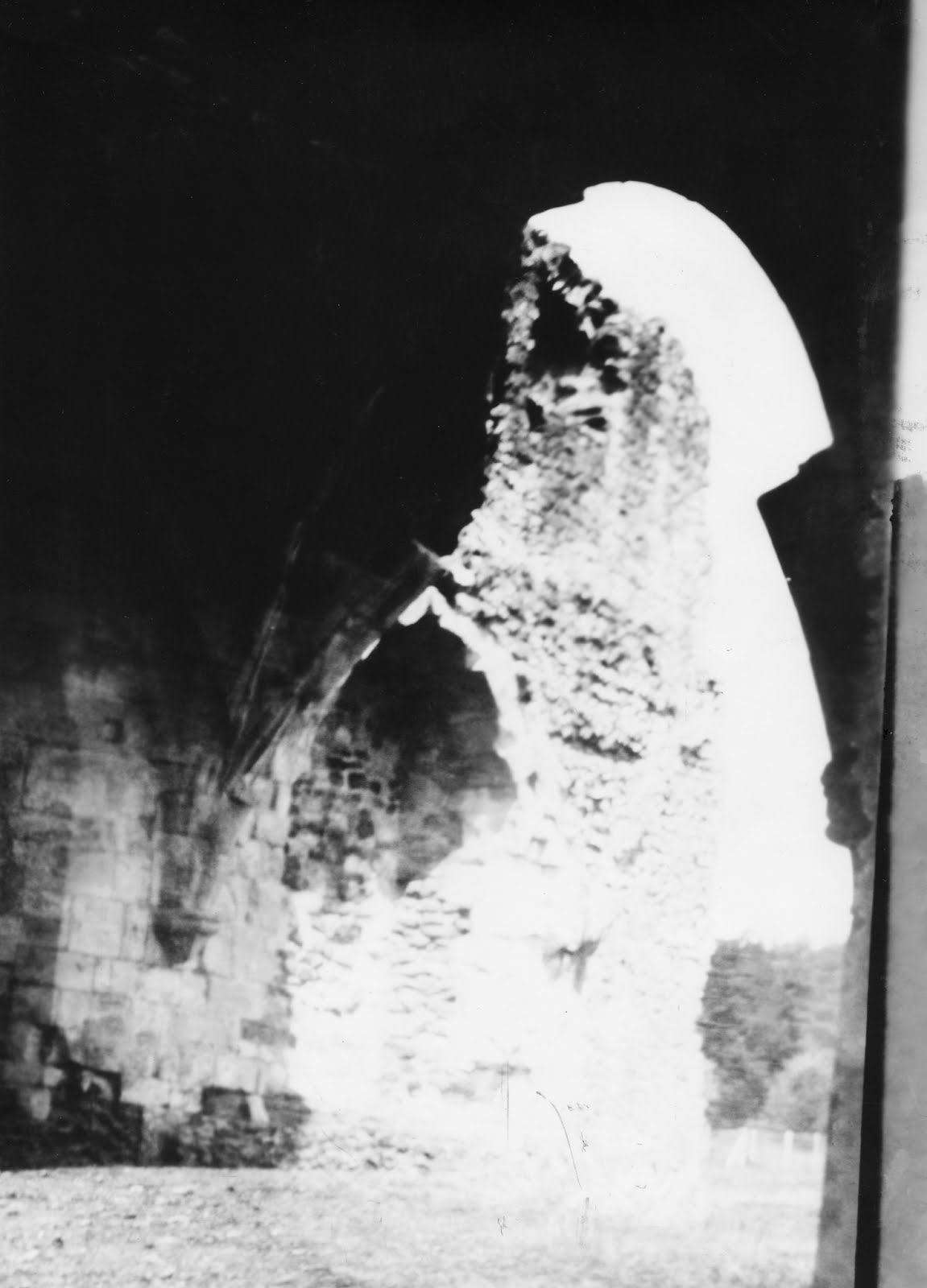
    Spliced Interior : Waverley Abbey
    Pinhole Camera, exposure and movements within the ruined interior.
    Russell Moreton

    Bookmark and Share


    Relationscapes : Open Systems/Speculative,Dynamic, Creative. An assemblage/energy of images,collage, drawing and texts and other disparate elements.

    Source: The Re-Constituted Reality : Tacita Dean/Hamburger/Sebald

  • Wanderlust : Visual Feelings of Anarchism and Beauty

    Wanderlust : A History of Walking, Rebecca Solnit.

    The Mind at Three Miles an Hour
    This kind of unstructured, associative thinking is the kind most often connected to walking, and it suggests walking as not an analytical but improvisational act.

    Land : Antony Gormley, Clare Richardson, Jeanette Winterson.

    Temporary is human. We don’t live long. Our ancestors lived less long. Graveyards and ruins remind us of the atom and jot of our span. Against the reality of temporary, humans stage heroic battles for permanence : Archives, museums, endowments, societies.

    Wandering is “not purposeful”. A lot of art is made while wandering about either in your mind or on foot, Its a necessary aimlessness.
    Jeanette Winterson

    Anarchism : A Very Short Introduction, Colin Ward.

    It is possible to discern four principles that would shape an anarchist theory of organisations: that they should be voluntary, functional, temporary and small.

    The Rings of Saturn : W.G.Sebald.

    I pressed on to towards Dunwich, which seemed so far in the distance as to be quite beyond my reach. It was as if I had been walking for hours before the tiled roofs of houses and the crest of a wooded hill gradually became defined.

    Inside Phenomena/Catching The Light
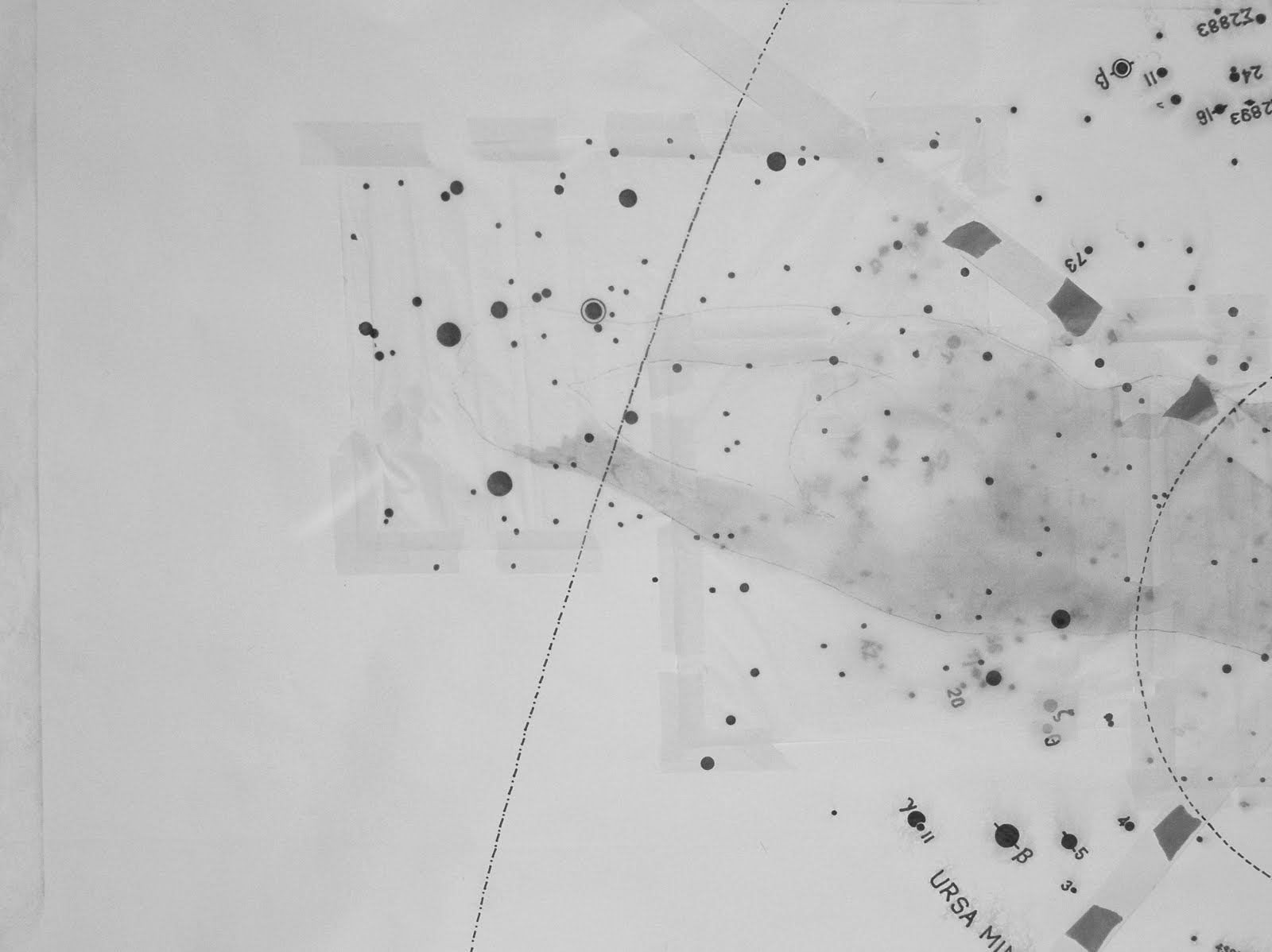
    Layered drawing : Sensuality, Drawing and Astronomical Space.
    Locality/Social Complexity- Works on Paper
    An ephemeral structure built to house a poetic impulse : The Book of Tea/A Hut of Ones Own
    Reading Into the Visual : Exploratory Images
    Littoral Zone

    Bookmark and Share

    Relationscapes : Open Systems/Speculative,Dynamic, Creative. An assemblage/energy of images,collage, drawing and texts and other disparate elements.

    Source: Wanderlust : Visual Feelings of Anarchism and Beauty

  • Relationscapes : Open Systems/Speculative,Dynamic, Creative. An assemblage/energy of images,collage, drawing and texts and other disparate elements.

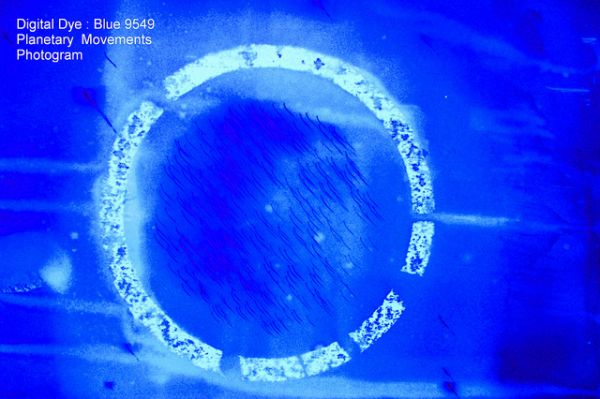
    Planetary Movements : Blue 9549

    Presentation Slide The Architecture of Continuity : Lars Spuybroek, essays and conversations. Rotterdam 2008. The Poetics of Memory “The Cinema of Robert Lepage : Alexsander Dundjerovic. London 2003. Spatiality : Robert T. Tally Jr. London 2013. The Poetics of Reverie “Childhood, Language, and the Cosmos” : Gaston Bachelard (trans Daneil Russell). Boston 1971.

    Source: Planetary Movements : Blue 9549

  • Corporeal Phantoms/Attendants : Alternatives/Others in Photography

    Working Title : Montage Samples
    Historical Presence #4

    Helena Eflerova, 18 minute rehearsal ,GASP 2009

    Art as Spatial Practice.
    Space folds : Containing “Spatialities around historicality and sociality”

    “All that is solid melts into air”

    Karl Marx, Friedrich Engels,
    (Poetic observation concerning the constant revolutionizing of social conditions)

    Perceptions now gathering at the end of the millennium. Spatiality, Robert T. Tally Jr. 2013

    Do you live as Humans in the Holocene or as Earthbound in the Anthropocene? (50.37)

    Dr. Bruno Latour on climate change and the “Anthropocene”: Wall Exchange, Fall 2013

    Camera Obscura : Physical Touch #2

    Photograph (240) drawing

    Sequential Photograph : Performing Photography/The Inseparable Attendant


    Relationscapes : Open Systems/Speculative,Dynamic, Creative. An assemblage/energy of images,collage, drawing and texts and other disparate elements.

    Source: Corporeal Phantoms/Attendants : Alternatives/Others in Photography

  • Relationscapes : Open Systems/Speculative,Dynamic, Creative. An assemblage/energy of images,collage, drawing and texts and other disparate elements.

    Woven : Visual Environs/Notes/Kengo Kuma

    Walking into Emergent Landscapes : Covehithe Beach
    The OLD WAYS, a JOURNEY ON FOOT, Robert Macfarlane
    “ Walking was a means of personal myth-making, but it also shaped his everyday longings:
     Edward Thomas not only thought on paths and of them, but also with them.”
    “To Thomas, paths connected real places but they also led out-wards to metaphysics, backwards to history and inward to the self. These traverses- between the conceptual, the spectral and the personal-occur often without signage in his writing, and are among its most characteristic events. He imagined himself in topographical terms.”
    DSC_0205 Archipelagic/Light Drawing
    ‘Ma’ The space,expanse and distance between objects/events and time that can create ‘boundararies for nothingness/energy’
    Covehithe
    Walberswick : Woven Paths/Digital Pinhole. 2016
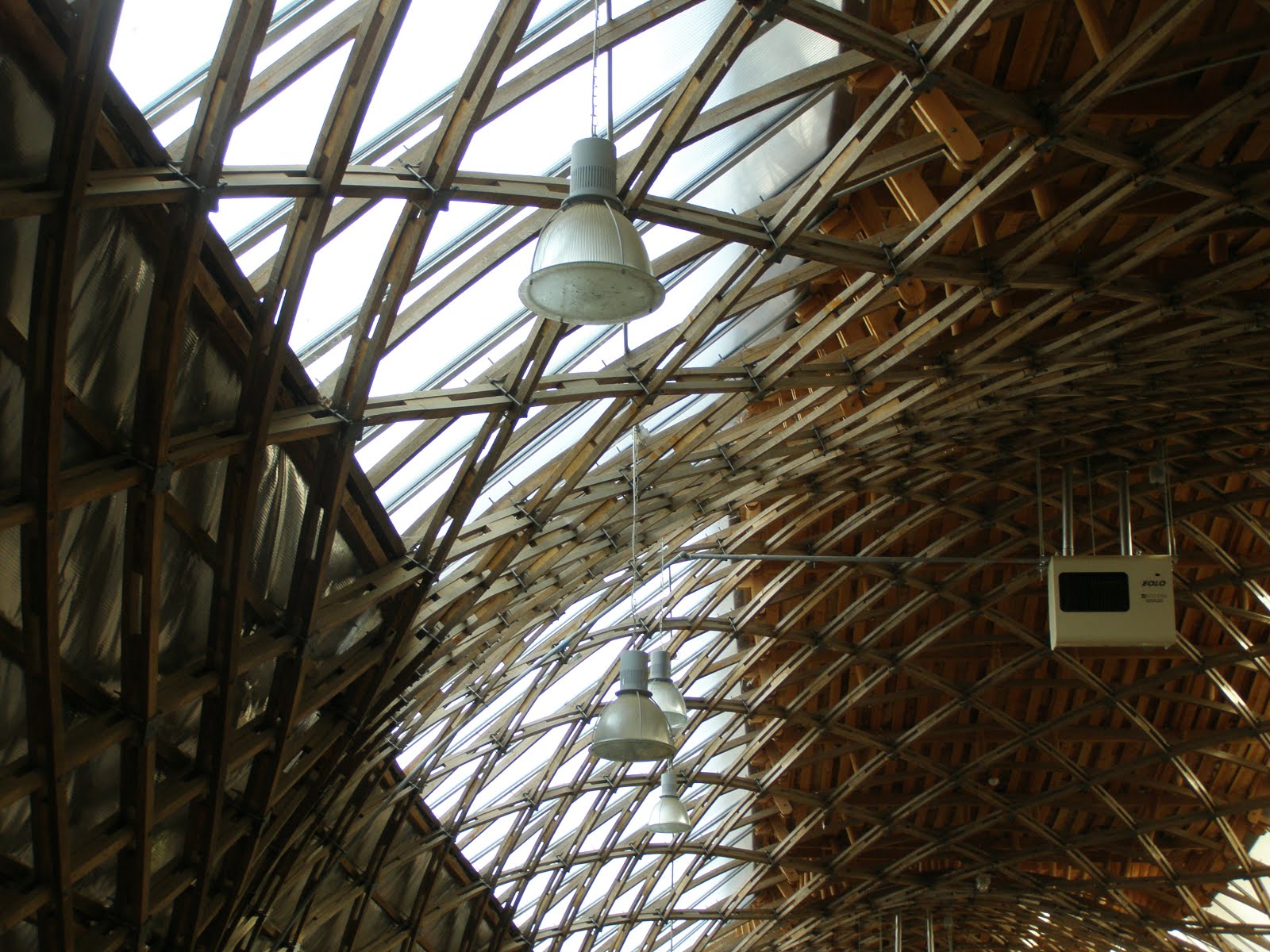
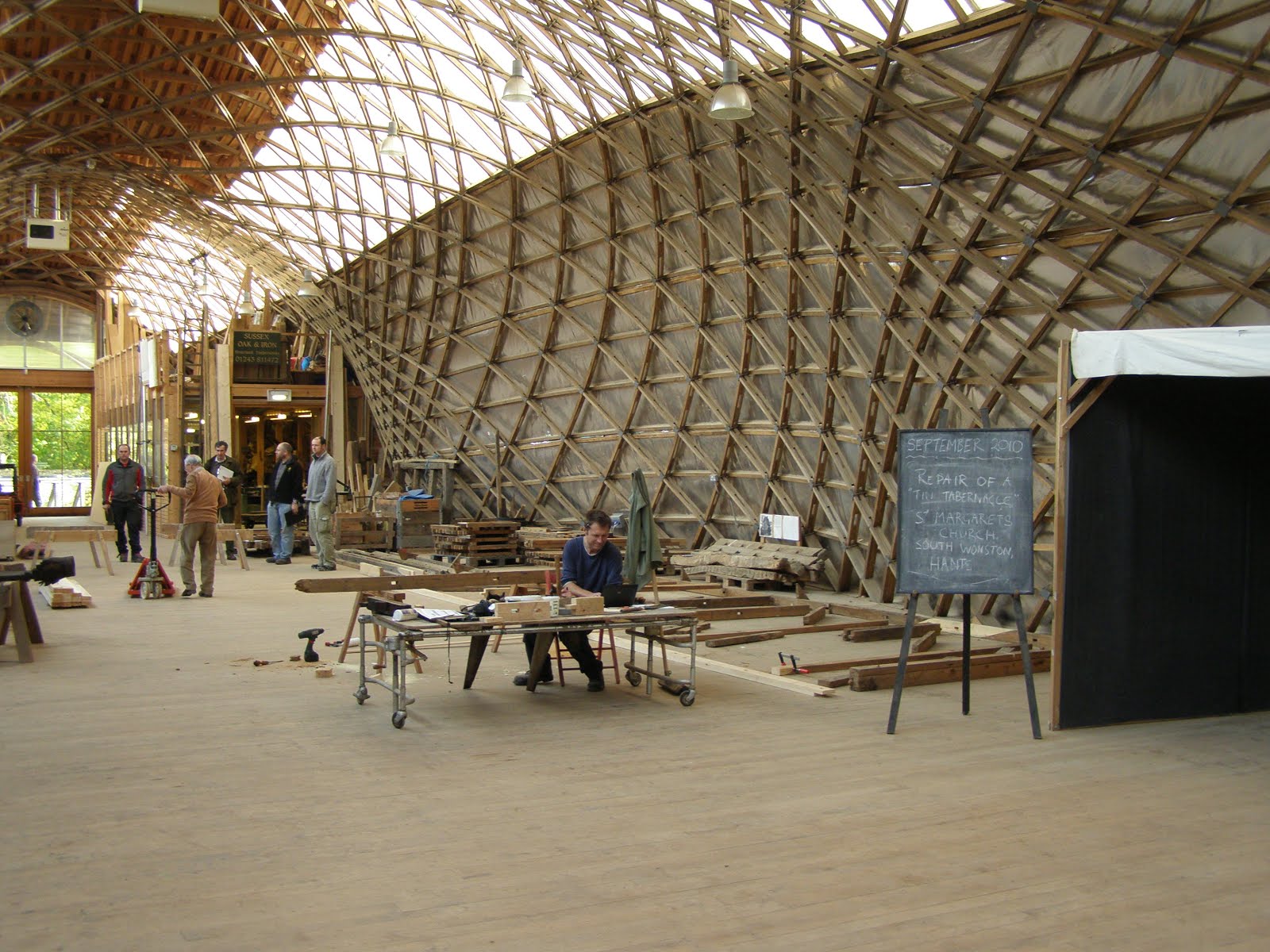
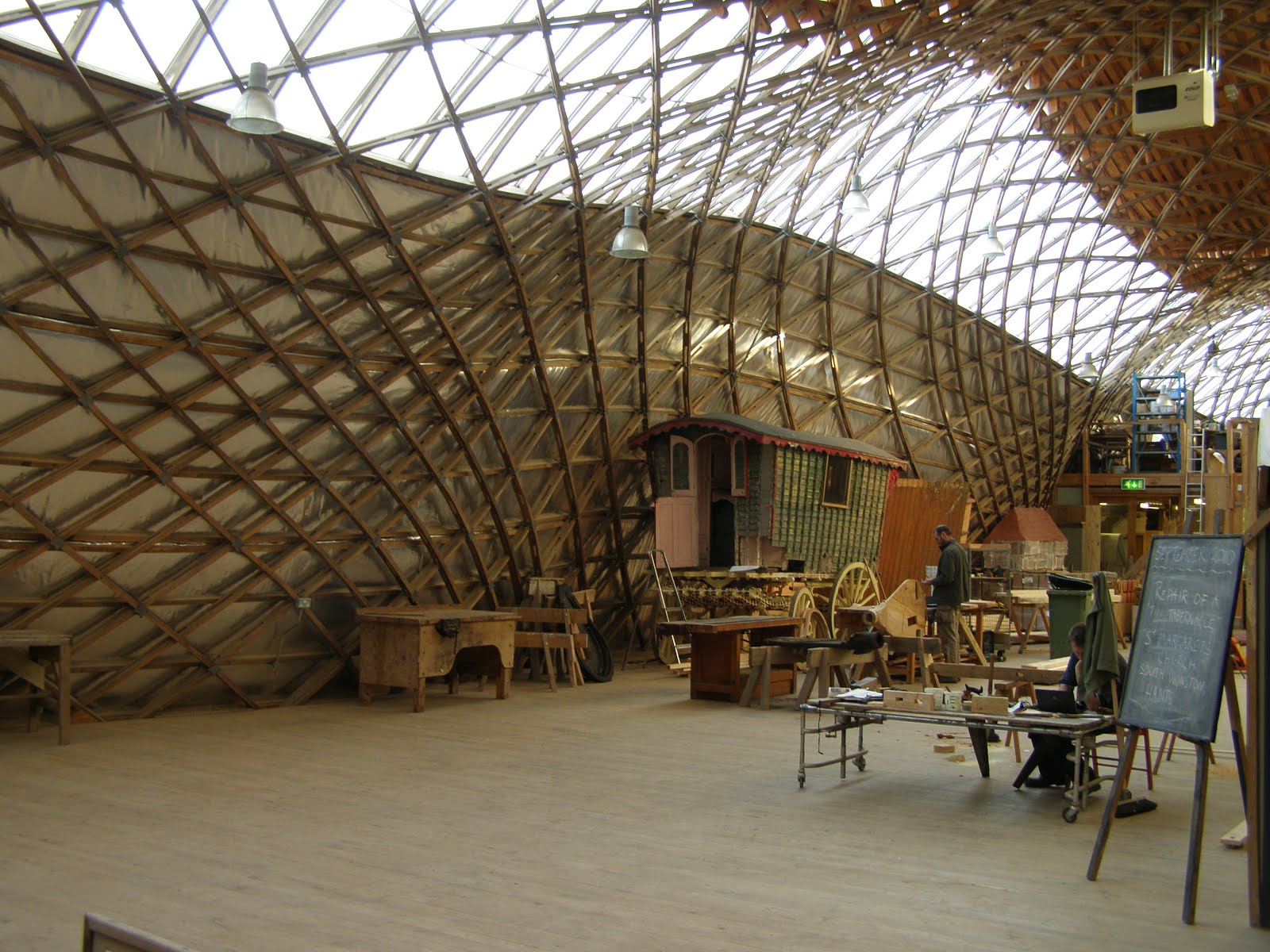
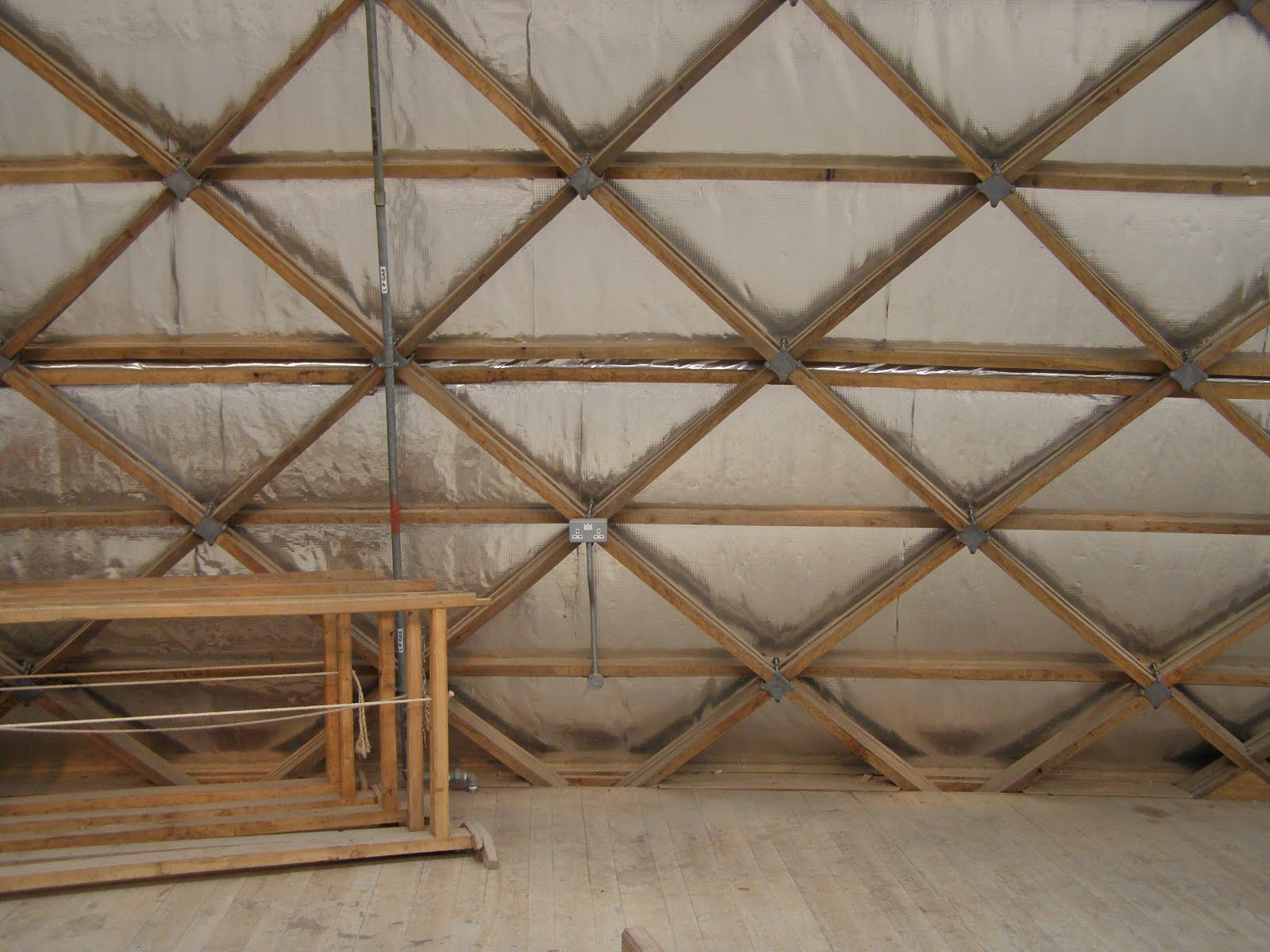
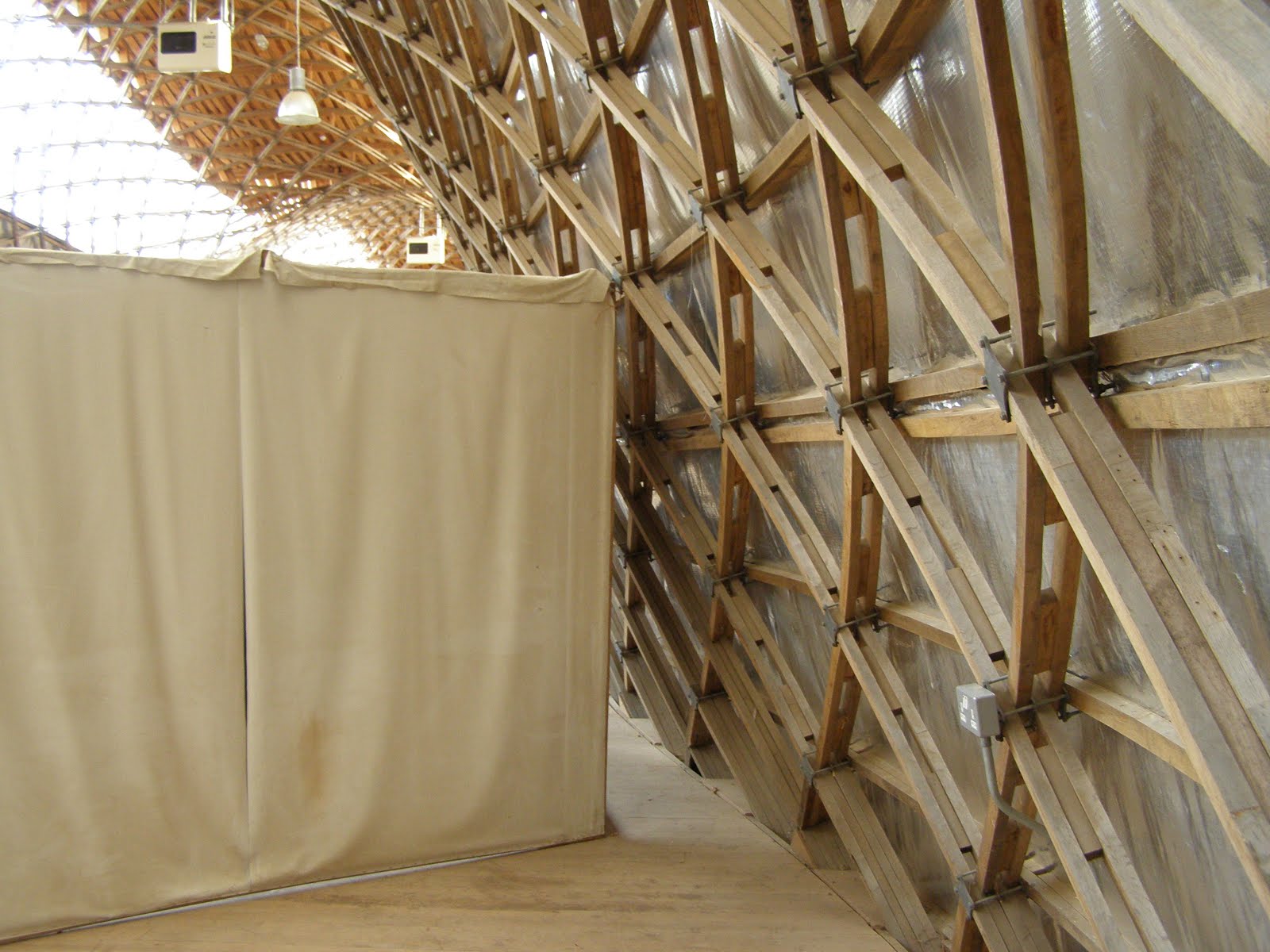
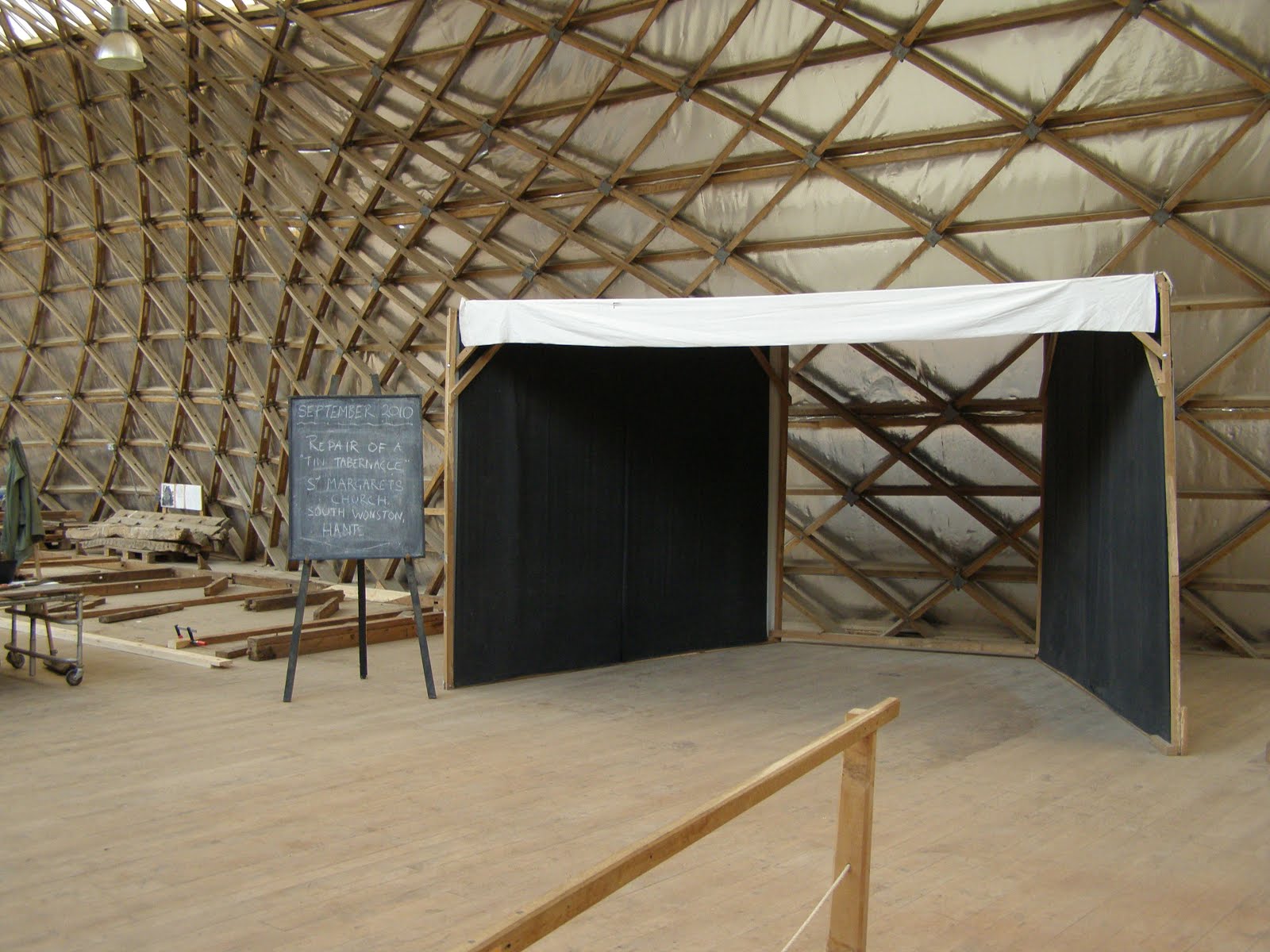
    Gridshell Building, Singleton, West Sussex
    Weald and Downland Open Air Museum
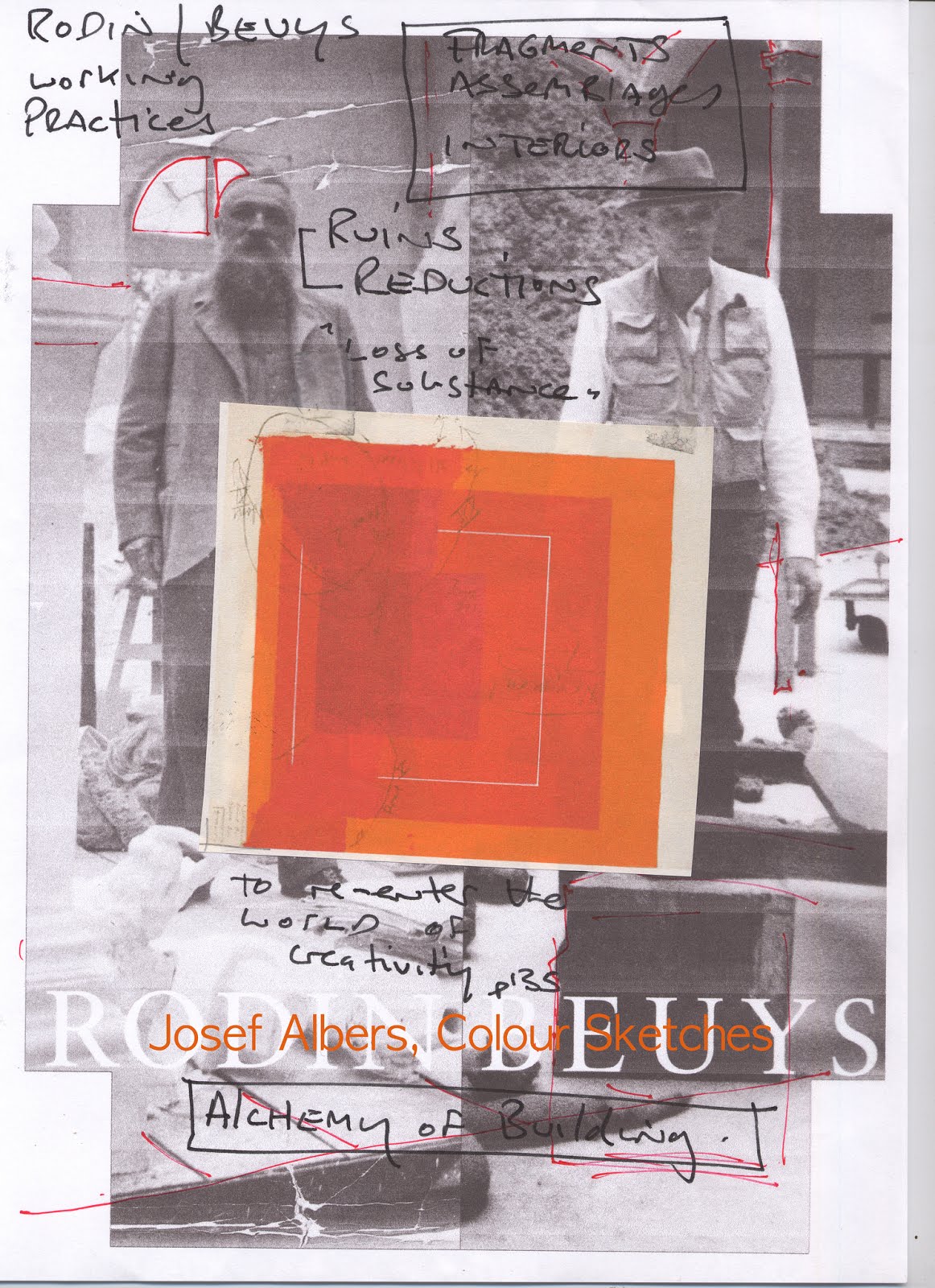
    Making ; Tim Ingold
    Anthropology, Archaeology , Art and Architecture.
    Knowing is ‘understanding in practice’ made from lines of active engagement with the material world.
    Wayfaring : Emergent Landscapes

    Source: Woven : Visual Environs/Notes/Kengo Kuma

  • Relationscapes : Open Systems/Speculative,Dynamic, Creative. An assemblage/energy of images,collage, drawing and texts and other disparate elements.

    Caruso St John : The Phenomenology of Construction

    THE PRESENCE OF THE BUILT OBJECT IN THE WORLD THROUGH THE MANNER IN, WHICH IT IS BUILT.

    Caruso St John : The Phenomenology of Construction

    At the end of the twentieth century, with late capitalism more widely accepted as the economic model than ever before, the ideology of newness has become transparently associated with the workings of the market. Recent interest in airports, shopping malls and infrastructure emerges from an idea that it is these places where the processes of the contemporary economy are most brutally apparent. For architects to engage in these programmes is for architecture to become a commodified product and to be subject to the tyranny of the new.
    Adam Caruso, The Tyranny of the New.
    History is the raw material of architecture.
    Aldo Rossi
    Originality does not consist in making up new words that do not have the fine character of experience, but in using existing words well. They can be sufficient for everything.
    Auguste Rodin
    A radical formal strategy is one that considers and represents the existing and the known. In this way artistic production can critically engage with an existing situation and contribute to an ongoing and progressive cultural discourse.
    Adam Caruso, The Tyranny of the New. Pp70-73
    RADICAL FORMAL STRATEGY
    THEORY PRAXIS MAKING
    DEEP ECOLOGIES OF CONSTRUCTION
    RELATIONSHIPS BETWEEN:
    VENACULAR STRUCTURES and HIGH STATUS ARCHITECTURE
    SPATIAL CONTINUITY: MAKING, DWELLING
    TRADITION
    There is no compelling evidence as to why architecture should reject more than 400 years of working within a liberal arts context, nor is there compelling evidence that architecture is any more marginal than at other times over that period.
    Adam Caruso, The Tyranny of the New.
    Continuity involves the legacy of existing buildings produced by architects as well as the much larger legacy of existing, vernacular structures. In trying to connect these things, Caruso St John are part of a tradition that includes figures as diverse as Adolf Loos, Auguste Perret, Alison and Peter Smithson, Gunnar Asplund, Sigurd Lewerentz, Mies van der Rohe, Roger Diener, or Hans Kollhof. These architects have all questioned the abruptness of the radical break inherent in the formation of orthodox modern architecture.
    Eric Lapierre, Caruso St John, The phenomenology of construction.
    CONSTRUCTION
    Adam Caruso on the medieval ruins of Fountains Abbey, Yorkshire.
    Today the nuances of language that make up these architectures only exist as an intellectual discourse and do not operate at the emotional level that would have engaged the original inhabitants, or audiences of these buildings. And yet we are still emotionally affected by these structures. Denied access to the specific culture of their iconography. We respond, at a more visceral level, to the more general culture of their construction. When this formal language ceases to be novel, a building becomes part of a more normative condition, the condition of not ‘being new’ and its qualities increasingly emerge from the more long-standing and stable world of construction.
    Adam Caruso, Towards an Ontology of Construction, KnittingWeaving Pressing 2002
    By ceasing to be new, a building attains a more ‘normal’ condition, it becomes finally more banal, from a viewpoint that has much in common with Perret’s famous aphorism on ‘a work that would seem to have always existed’.
    AFFECT SPACE POLITICS : NIGEL THRIFT
    REVERBERATIONS : BACHELARD
    RUINS : MARC AUGE
    REFRAINS : AFFECT READER
    SPACES OF ENCOUNTER : RE-DISCOVERY OF SPACE
    CLAY : INNERNESS, CRAFTED FROM THE VALLEY/DWELLING/SITUATION
    CONSTRUCTION AS THE APPLICATION OF MATTER
    PHENOMENOLOGY vs. CONSTRUCTIONAL truth
    THE QUESTION OF RUINS or the differences between the architectural ideologies of Auguste Perret and Caruso St John.
    Beautiful architecture makes beautiful ruins, affirms Perret, since in ruins, only the structure remains visible.
    When Adam Caruso observes the ruins of Fountains Abbey, he is concerned with physical matter.
    The ruined state of the buildings serves to exaggerate the presence of material. The feeling is that of an enormous weight drawn out of the ground into the volume of the valley and held in place by a matrix of structure whose schema is described by the pattern of stone joints.
    Adam Caruso, Towards an Ontology of Construction, KnittingWeaving Pressing 2002
    The essential change in perspective between Perret and Caruso St John is that of a construction as structure to a construction that is the application of matter. Perret observes the organic dimension of buildings from a distance that makes the structural framework’s overall logic intelligible.
    Caruso regards buildings much more closely, at a distance/closeness that enables him to grasp their tactile dimension: he looks at them with his hands. In Fountains Abbey, it is the brickwork joints that are essential; on the rear façade of his Van Nelle factory building, it is the micro-topography of the façade.
    Luis Moreno Mansilla remarks that buildings by Sigurd Lewerentz, one of Caruso St John’s main inspirations, can only be seen close up.
    For Caruso St John, construction does not refer to a constructional technique, nor to the coherence of its application as a technique, but rather the presence of the built object through the manner in which it is built.
    Interestingly Perret’s positivist and absolute approach belongs to a mindset that excludes all form of doubt or ambiguity. To this approach, Caruso St John propose a phenomenological approach in which construction frees itself from pure technological logic to find meaning, both inherent and more relativist, in the field of architecture itself.
    INNERNESS/AFFECT : THE CHANGE OF PERSPECTIVES
    SURFACES, Juxtaposed without articulation.
    QUESTIONING STRUCTURAL LOGIC, by playfully obscuring it.
    INCREASING THE BUILDINGS PHENOMENOLOGICAL AND PERSPECTIVE COMPLEXITY
    CONSTRUCTIVE DIALOGUES/CLADDINGS Through CRAFT, PROXIMITY, INTIMACY and SITUATION.
    The depth of the exposed beams in the exhibition areas is not proportional to their respective spans, but to the overall heights of the rooms in question. Walls with claddings of vertical timber boards alternate with bare concrete walls that seem to have been cast in shuttering identical to the timber cladding. These two surfaces are sometimes juxtaposed, without articulation, and question structural logic by obscuring it, thereby increasing the building’s phenomenological and perspective complexity.
    New Art Gallery, Walsall. Caruso St John
    The load bearing walls appear to be folded along the complex contours of the non-orthogonal site. At the corners, bricks are cut and bonded together with resin to adapt to the geometry, while maintaining the size of standard bricks. Although they are load bearing, these walls become surfaces that have tactile and phenomenological qualities as well as being constructed surfaces with real architectonic weight.
    The Brick House, London, Caruso St John
    ATMOSPHERE: CLADDINGS and ARCHITECTONICS.
    CLADDINGS and their ability/capacity to create ATMOSPHERES
    AESTHETICS AND SUBJECTIVITY: KANT to NIETZSCHE ( Andrew Bowie)
    The artist, the real architect, has firstly the feeling of the effect that he wants to produce, and then he imagines the spaces that he has to create. The effect that he wants to create on the beholder, will come from the material and its form.
    Adolf Loos
    It is through the splendour of truth that the building attains beauty. The truth is in everything that has the honour and task to carry or to protect. He who hides a pole makes a mistake. He who makes a false pole makes a crime.
    Auguste Perret
    The originality of Caruso St John’s work lies the fact that this atmosphere is created by claddings that have a strong architectonic character. As opposed to Loos, they use paint very rarely, and prefer to use construction materials in the traditional sense of the term: brick, concrete and wood. They do so in order to continue to create architecture, not as a spectacle, but by merging two traditions –that of Perret’s structural rationalism and that of Loos’s claddings –to define an architecture that speaks to us of the contemporary world in a truly critical manner.
    Eric Lapierre, Caruso St John, The phenomenology of construction.

    Architecture, Nature and Subjectivity.
    Atmospheric ecologies/architecting through situated learning.
    PROXIMITY OF SPACE
    INTIMACIES IN SOCIAL SPACES
    SCRIPTORIUM
    THREE STAGE METHODOLOGY (Kikutake) Mitsuo Taketani
    KA ‘ESSENCE’
    KATA ‘SUBSTANCE’
    KATACHI ‘PHENOMENON’
    Characteristics of an architect
    CHI ‘BLOOD’
    TACHI ‘TEMPERAMENT’
    KATACHI ‘EMBODIMENT’

    Source: Caruso St John : The Phenomenology of Construction

  • Relationscapes : Open Systems/Speculative,Dynamic, Creative. An assemblage/energy of images,collage, drawing and texts and other disparate elements.

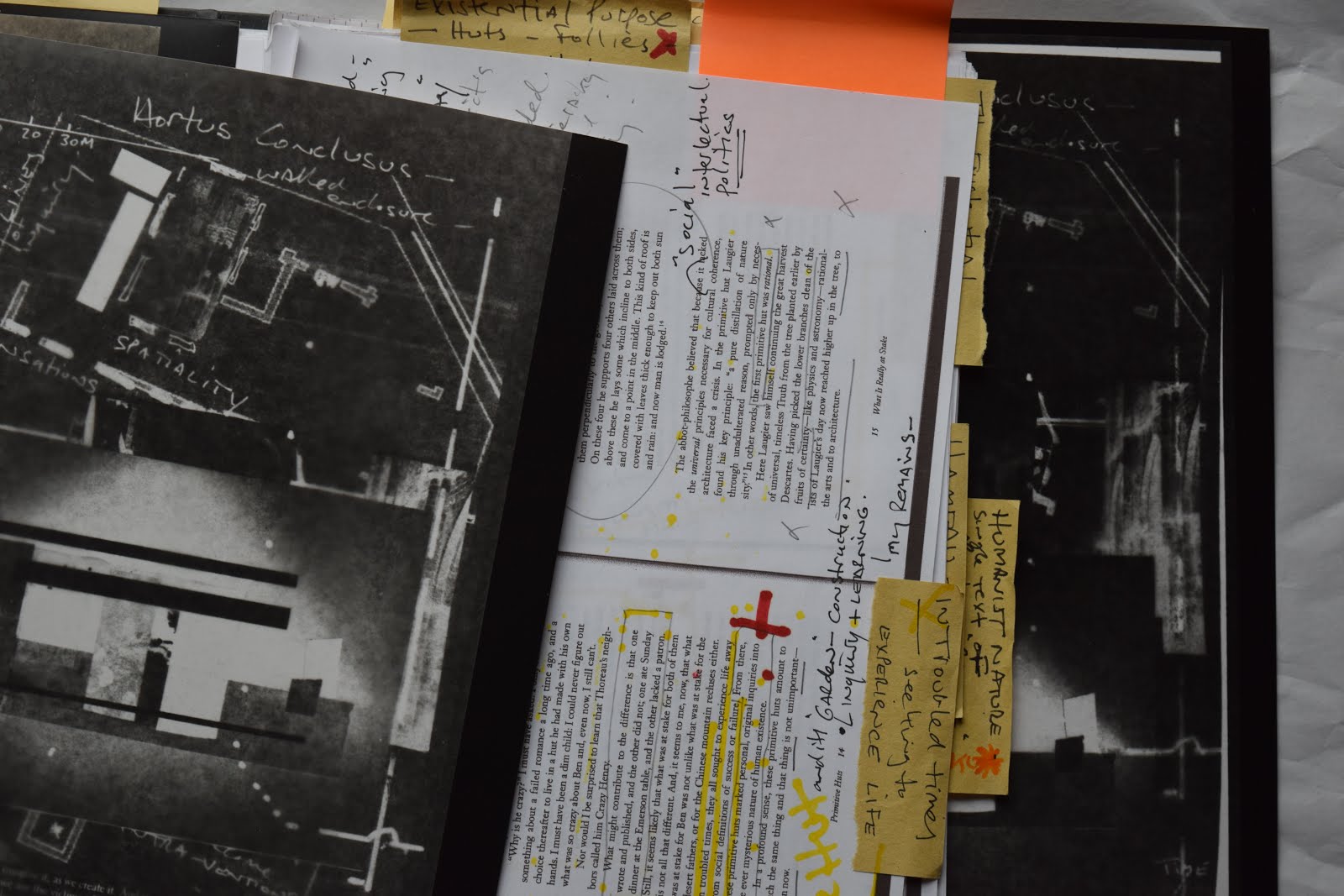
    Source: Hortus Conclusus : A Serious Place


    Hortus Conclusus : A Serious Place

    Hortus Conclusus : Enclosed Garden
    Often translated as meaning “a serious place”
    To construct a contemplative room, a garden within a garden.
    Pavilion as both a monumental physical structure and as a site of emotional encounter.

    With a refined selection of materials he has created a contemplative space that evokes the spiritual dimension of our physical environment, in so doing he is successfully emphasising the role the senses and emotions play in our experience of architecture. (Zumthor 2011: 15)
    Enclosed all round and open to the sky.
    A garden in an architectural setting.
    “ Sheltered places of great intimacy where I want to stay for a long time.” (Zumthor 2011: 15)
    Every plant name listed here evokes a distinct image; with each of them I associate specific lighting, smells and sounds, many kinds of rest, and a deep awareness of the earth and its flora.
    A garden is the most intimate landscape ensemble I know of. In it we cultivate the plants we need. A garden requires care and protection. And so we encircle it, we defend it and fend for it. We give it shelter. The garden turns into a place.
    There is something else that strikes me in this image of a garden fenced off within the larger landscape around it: something small has found sanctuary within something big.
    (Zumthor 2011: 15)
    Illustration of “Orchard” from Bible of Wenceslaus IV,Vienna, Austrian National Library
    Depicts in the manner of an illuminated manuscript, the husbandry and community of the medieval workforce in the secure and sheltered space of a walled garden. This pastoral craft/gathering is evocative of Zumthor’s Hortus Concluses.
    Working with ones hands, with the earth in sheltered spaces of a pastoral community.
    Zumthor underscores this pastoral setting when he places a pavilion at the centre of the garden; he talks of future meeting there, of looking forward “to the natural energy and beauty of the tableau vivant of grasses, flowers and shrubs. I am looking forward to the colours and shapes, the smell of the soil, the movement of the leaves.” (Zumthor 2011: 15)
    The Vintner’s Luck, Elizabeth Knox.
    Tasting the soil in the wine, the soil and the wine are of the same substance, from the same locality; they are bonded together by the landscape.
    Gardens Are Like Wells: Alexander Kluge
    Inside every person (however serious or playful) lies an “enclosed garden”
    Monasteries in medieval Europe were wells in which the clear waters of antiquity mingled with the dark waters of faith. At the centre of these monasteries was a garden, the most important part of which was enclosed. It was here that the most beautiful plants and medicinal herbs were concentrated. (Kluge 2011: 19)
    Interestingly Kluge notes that these gardens were not everyday places, they were “timeless” because they were not subject to the general daily rituals of monastic life. These gardens were dedicated to the Blessed Virgin, but exposed perhaps to other texts, Homer, Ovid or the Gnostics. This relationship of literature finding a place of contemplation in the enclosed garden speaks perhaps of an “innerness”, an ability to unite mind and eye in the confusing realities of our age.
    Civilisation and societies need ground that is uncultivated, gaps that are not subject to the principle of unity, something that is sufficient unto itself, which we do not consume: a sacrifice. Cities need spaces of piety. (Kluge 2011: 21)
    “We need places in which we can engage in acts of mourning” Richard Sennett
    (Sociologist)
    Gardens of Information: DCPT (Development Company for Television Programmes)
    Using the emblem of the Hortus Conclusus/The Enclosed Garden to stand for the relationship between the barren wastes on the one hand, and the happy isle on the other.
    “To rescue facts from human indifference”
    “To make gardens out of raw material and the bare bones of information.”
    “A precursor of individualism, but has unmistakable traits in a way individualism never can.” (Kluge 2011: 21)
    Spatial Practices for the Next Millennium.
    Forming relationships not through superstructures, concepts or societies, but through inclusive structures/practices and localities. The Hortus Conclusus could stand for this type of concentration of identity (an inquiry, a person and a practice) within an intimate setting or situation.