Spatial Practices : Experimental drawing and alternative photography.

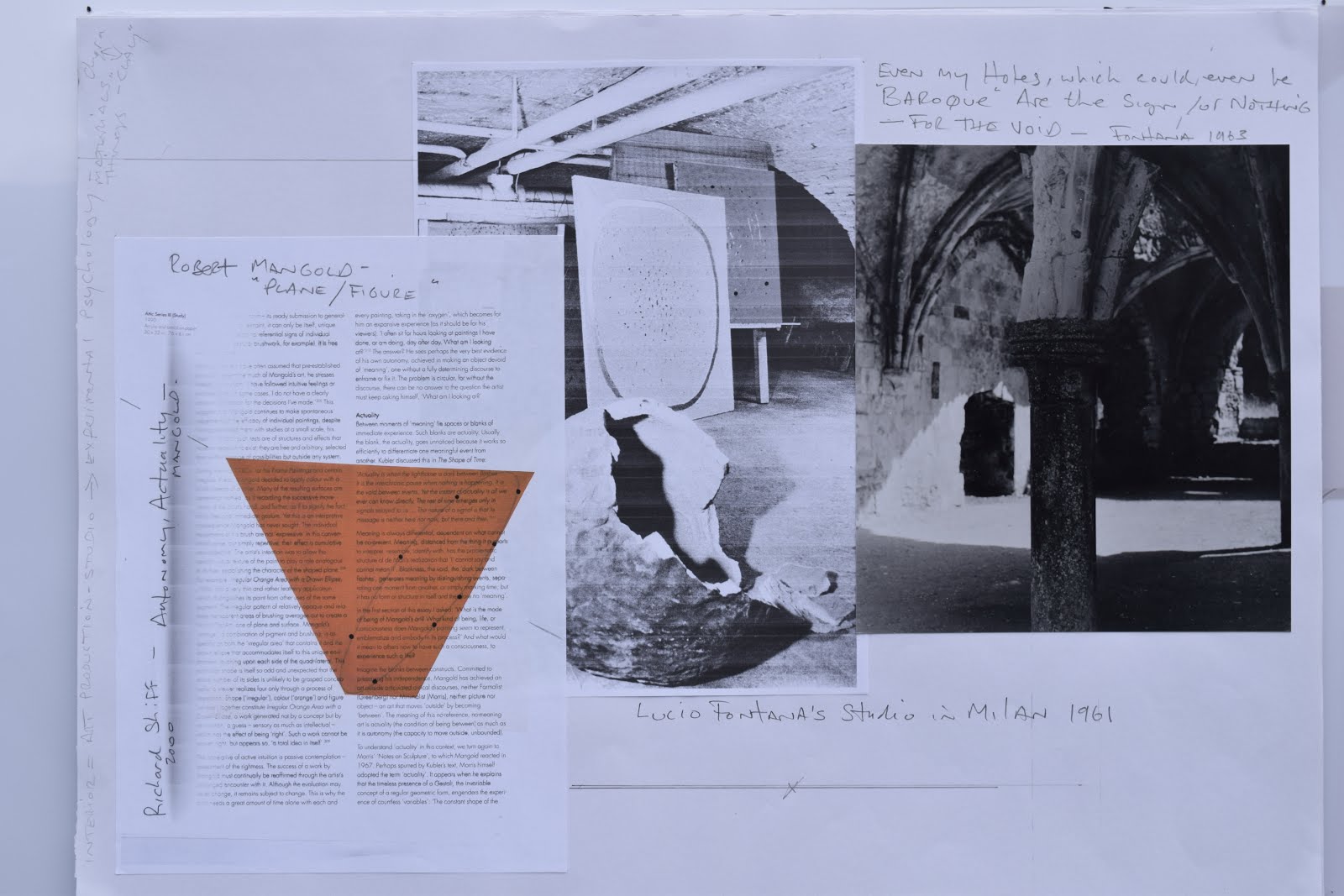
  • Experimental Vision : Research Collage #1

    Body, Personal Relations, and Spatial Values.
    Composition, Concept, Object.

    Space is an abstract term for a complex set of ideas.

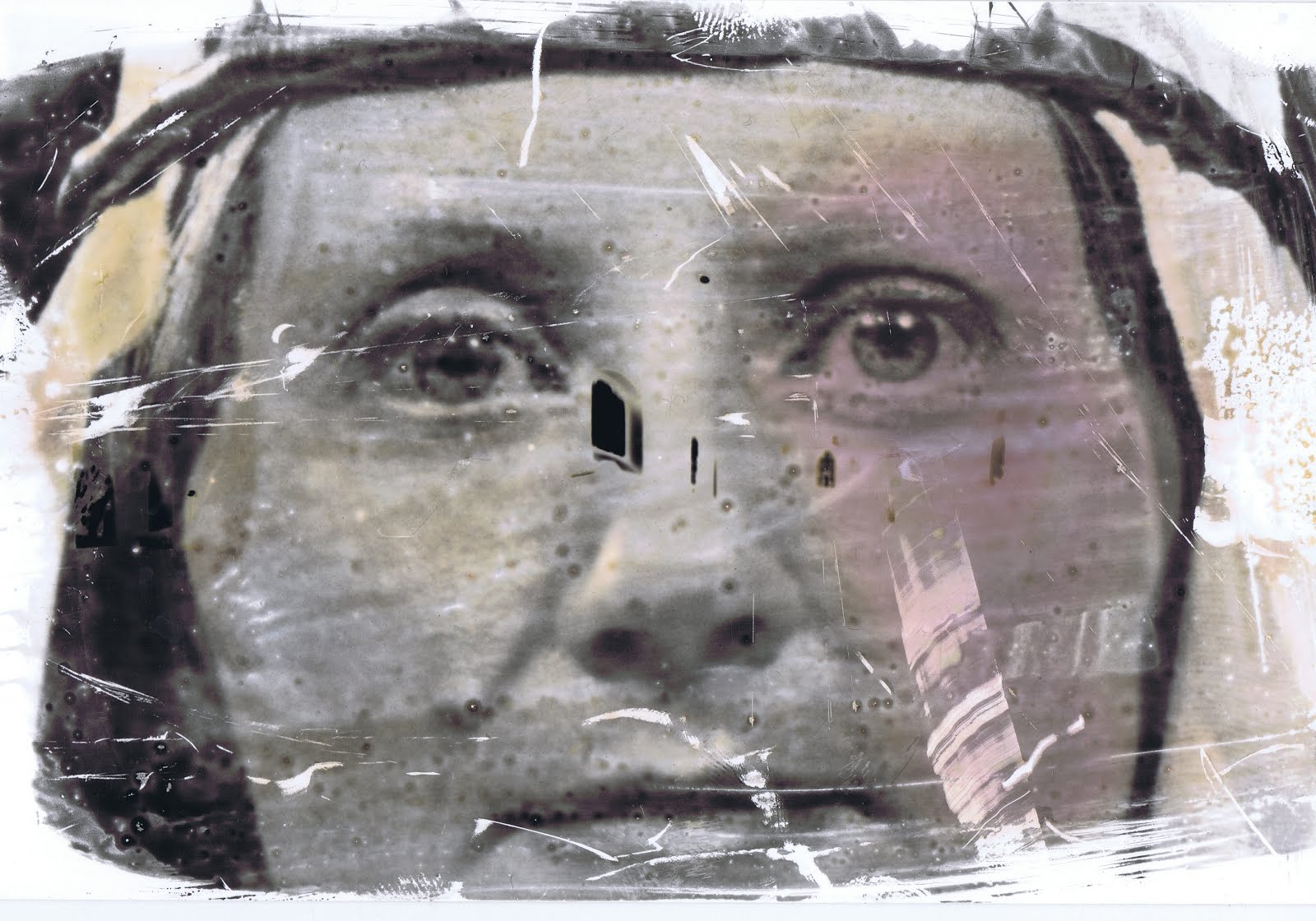
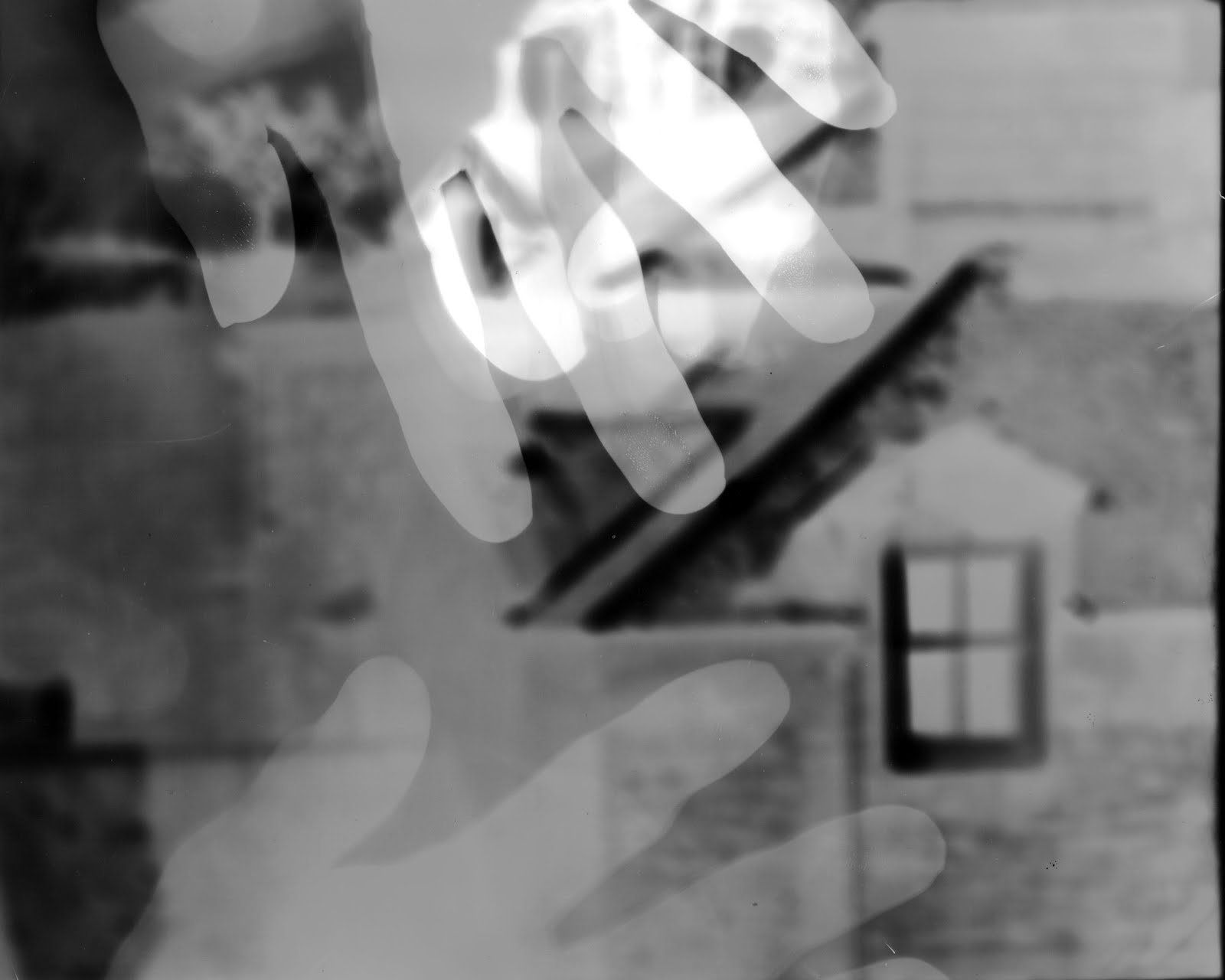
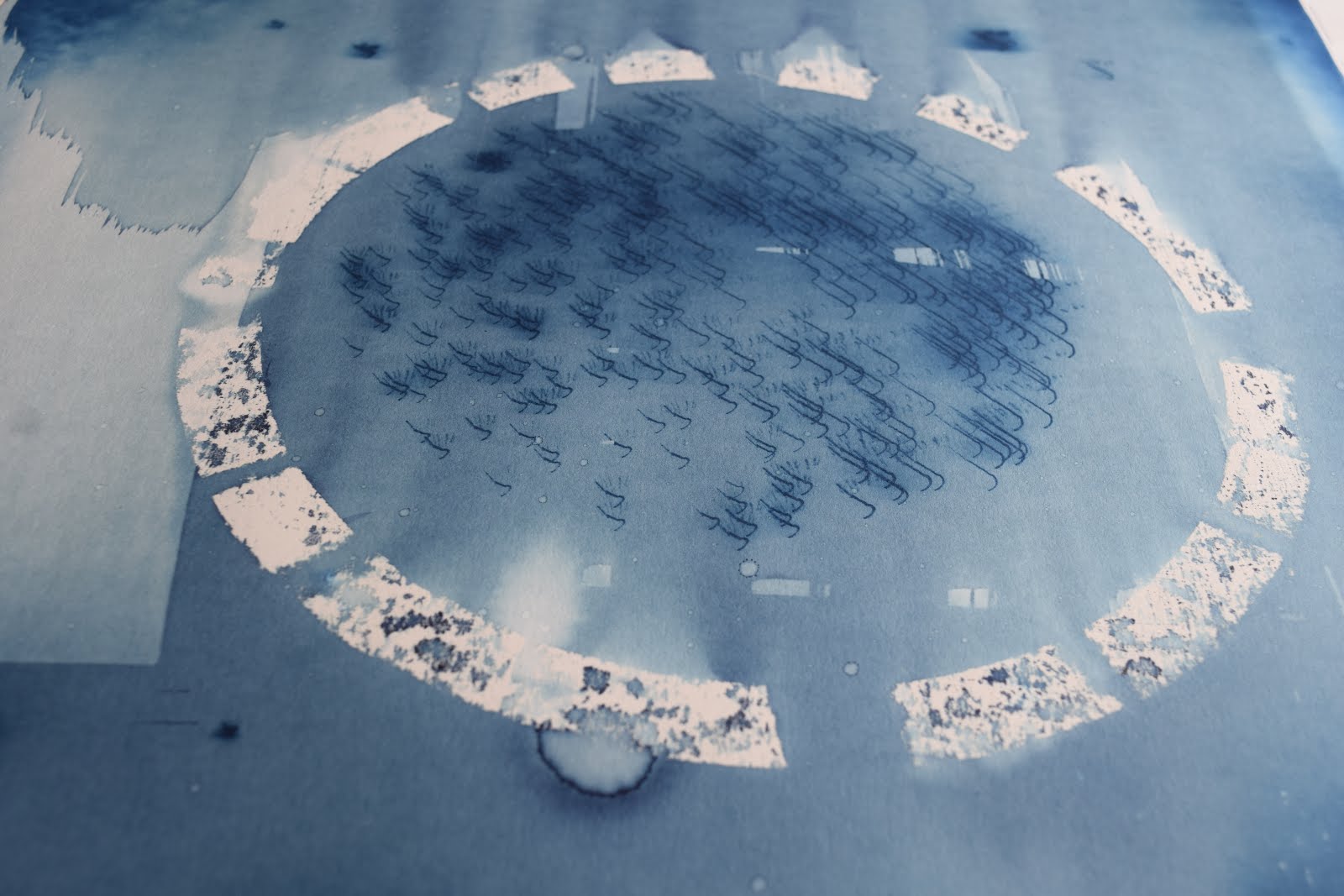
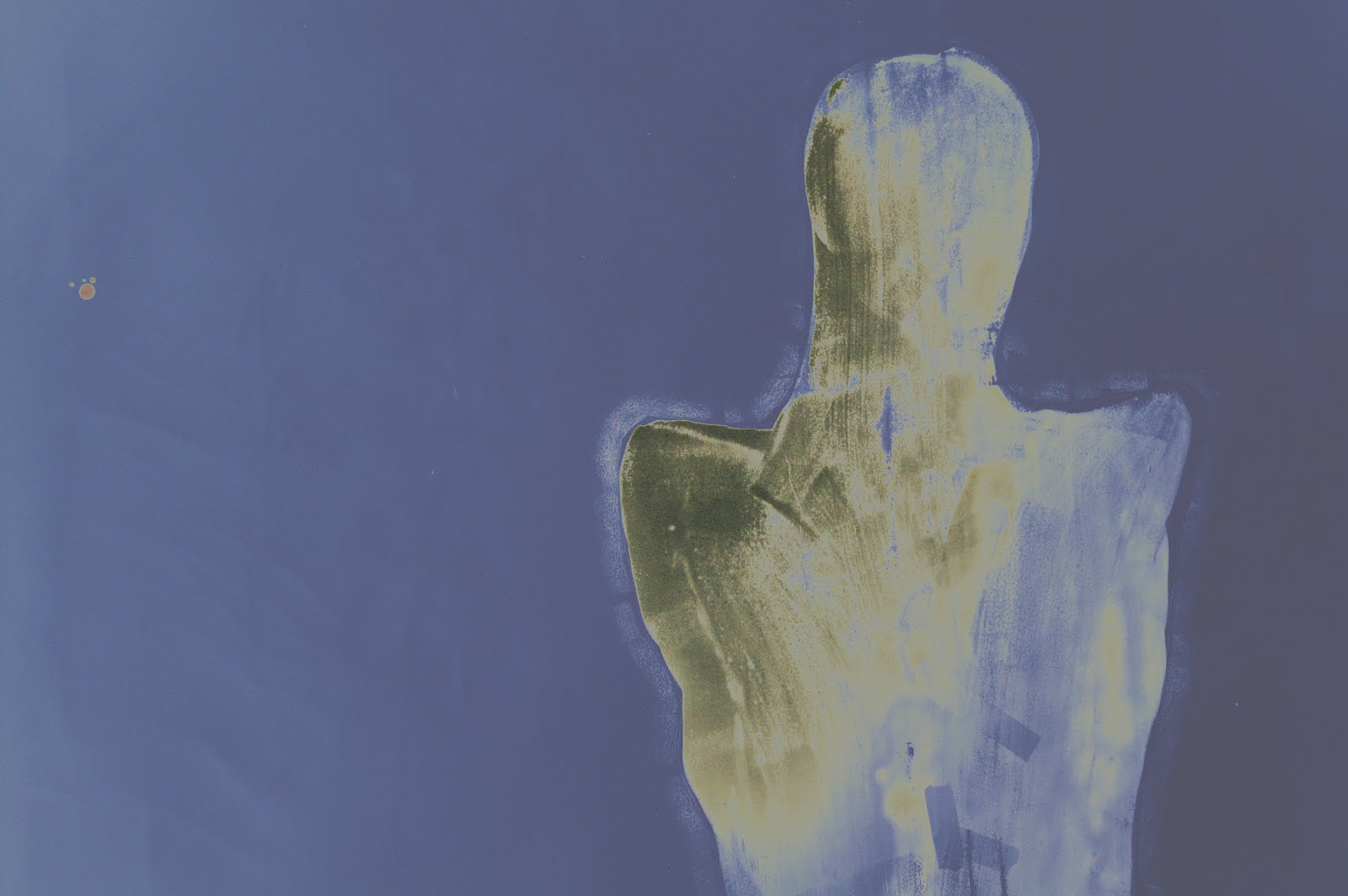
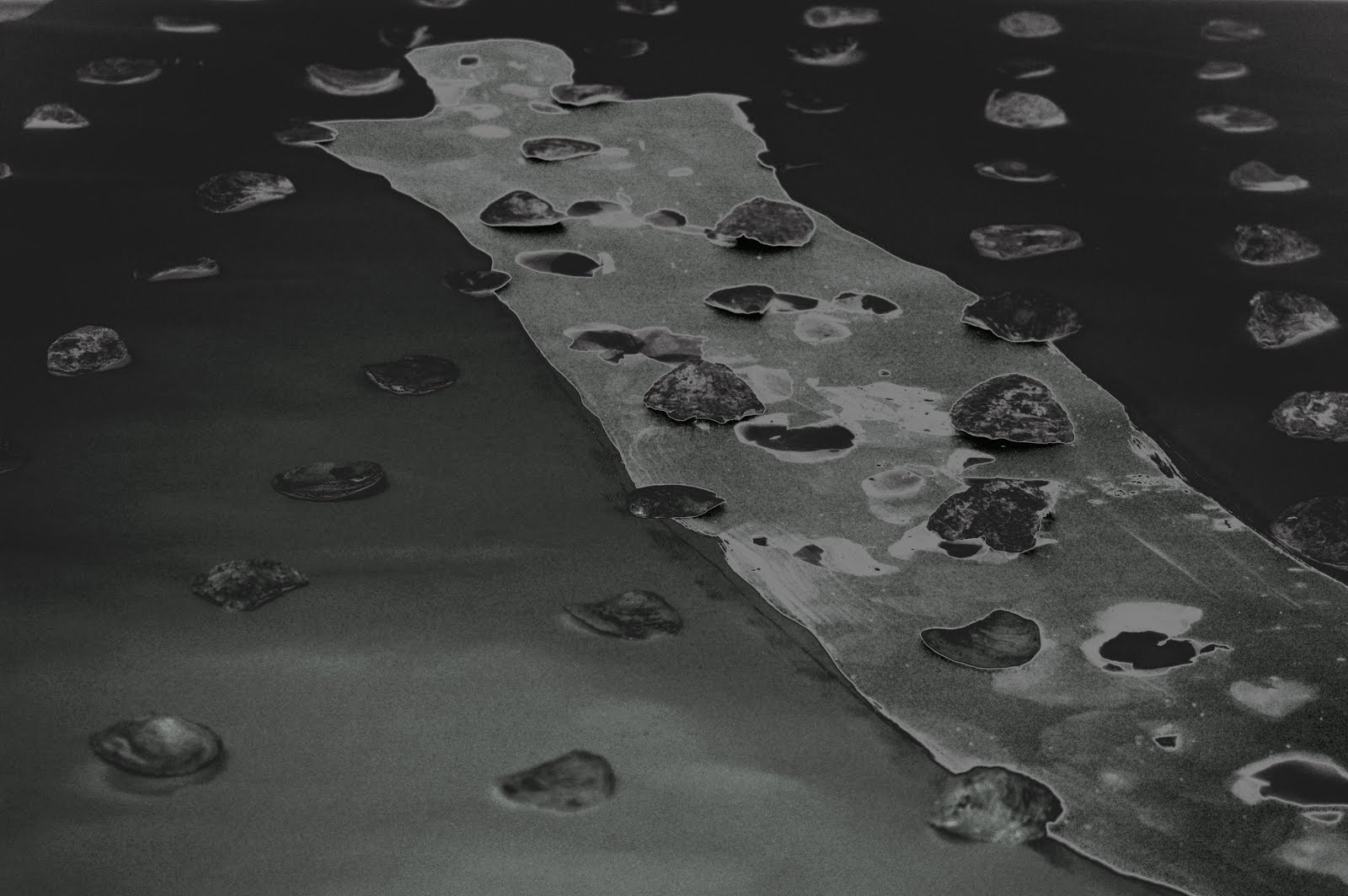
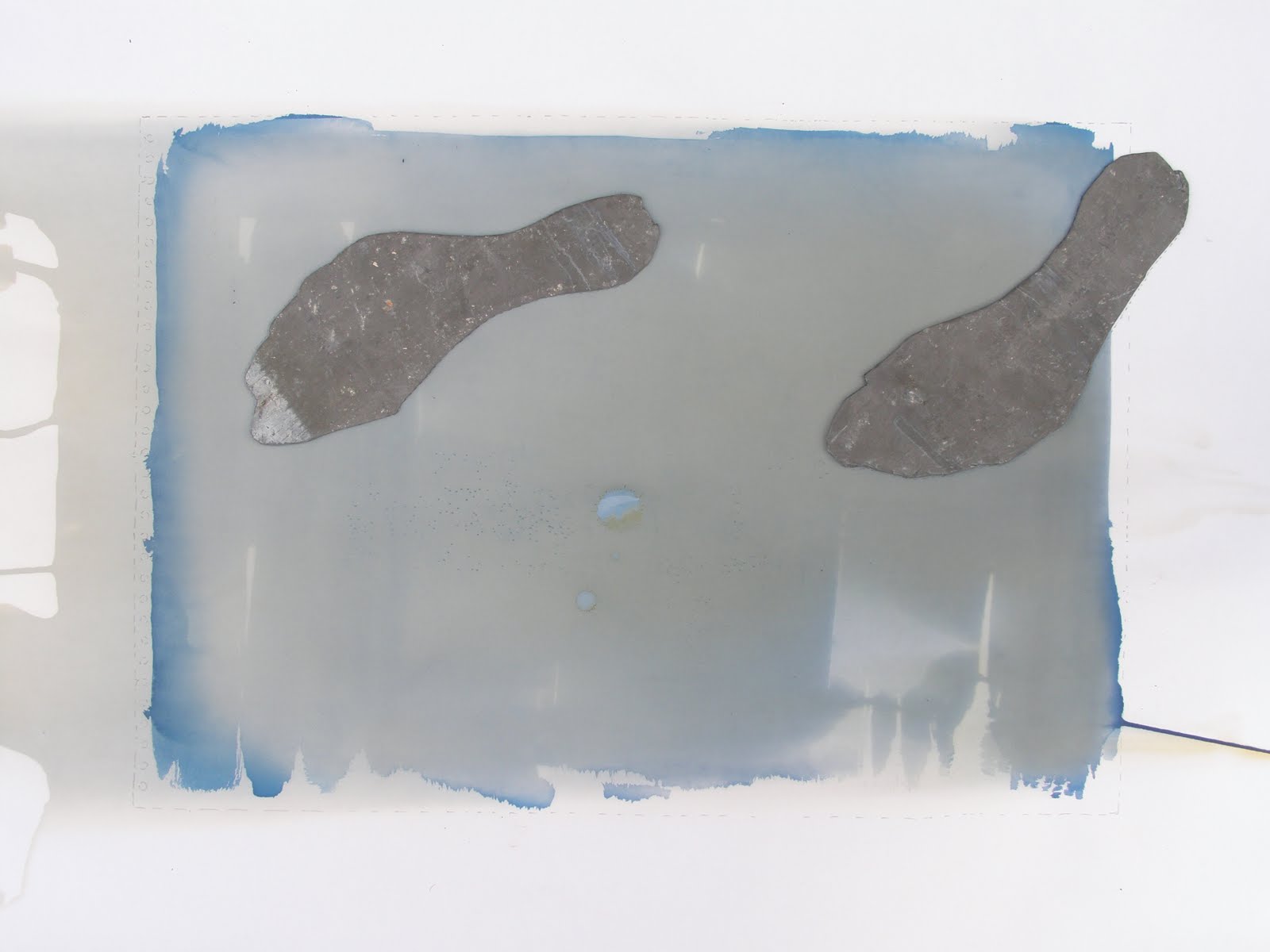
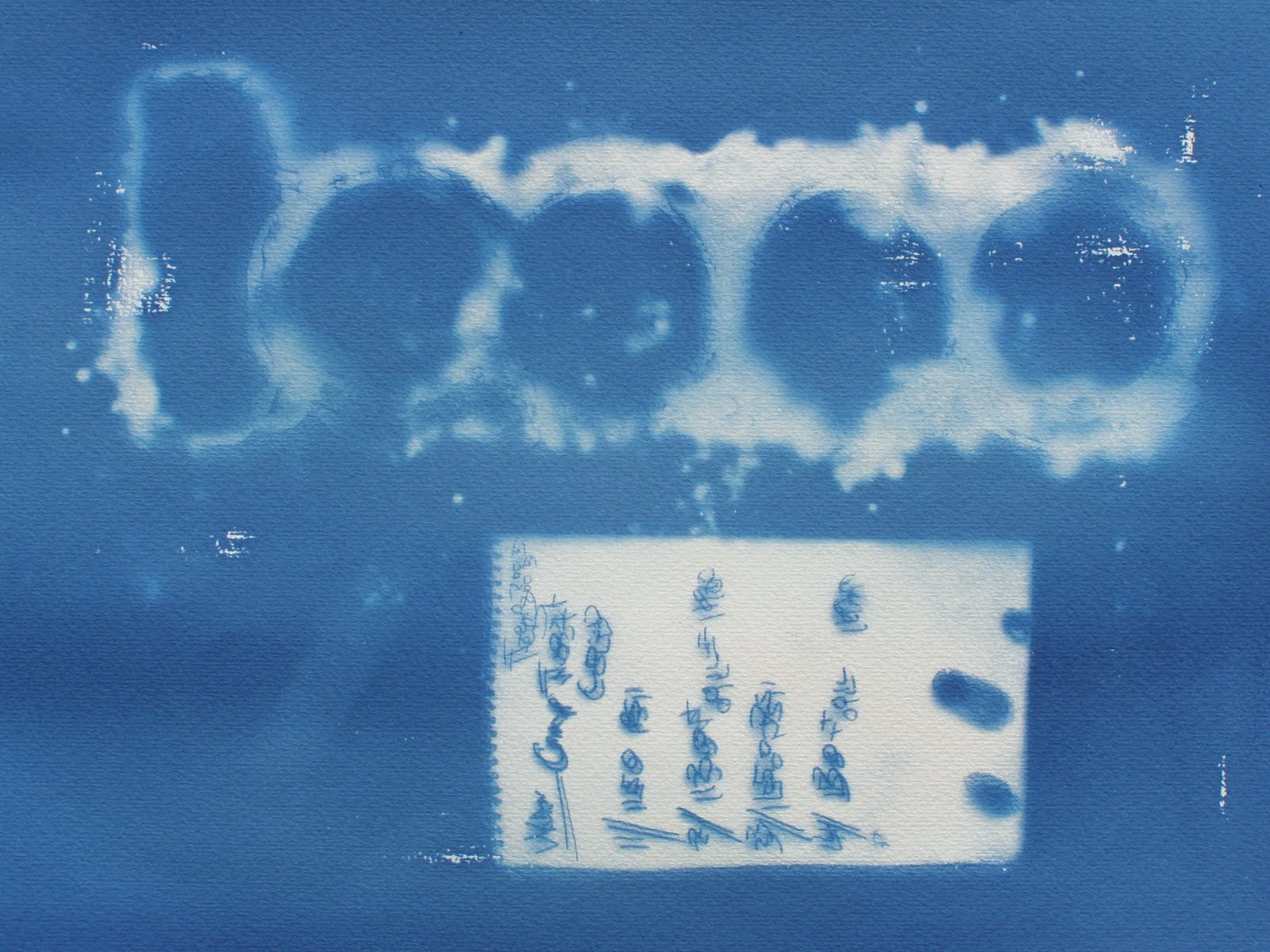
    The photogram is the immediate result of a constellation of light, three-dimensional object and photosensitive material.

    Experimental Vision
    FROM BEYOND VISION
    Photograms
    Flouris M. Neusus

    Work in the light laboratory was a standard part of the curriculum.

    The photogram became a functional element of a personal time curve, allowing the artist to continually endeavour to see or put phenomena into new relations.

    Moholy-Nagy and the Chicago Bauhaus
    Thomas Barrow

    THE COLOUR OF TIME
    Garry Fabian Miller

    The Majesty of Darkness
    Adam Nicolson

    The Unmade
    The Pregnant
    The Half Erotically Unmade

    ADYNATA- Time’s Colour, impossible Beauty
    Marina Warner

    TIME AND LIGHT
    Nigel Warburton

    TRACING LIGHT
    David Alan Mellor
    Garry Fabian Miller

    Derrida
    Blindness
    Butades
    Trace and Trait

    Karl Blossfeldt
    WORKING COLLAGES


    Relationscapes : Open Systems/Speculative,Dynamic, Creative. An assemblage/energy of images,collage, drawing and texts and other disparate elements.

    Source: Experimental Vision : Research Collage #1

  • Aesthetics of the Everyday : A Creative Human Praxis

    Working Praxis into Creative Research
    Clay, Paint, Matter/Everyday Landscapes

    The Subject Matter of Lived Experience

    The Potter’s wheel creates cognitive enactments (materiality) through encountering clay.

    The Heideggerian Roots of Everyday Aesthetics
    A Hermeneutical Approach to Art
    Cristian Hainic

    The mere aesthetic experience of understanding one’s being-in-the-world as made up by everyday phenomena, is in itself overwhelmingly sufficient to constitute a foundation for an aesthetic of everyday life.

    Textuality/Interpretations (Texts and their inherent lack of perceptual immediacy)

    Everything in language belongs to the process of understanding

    Human understanding/interpretation takes place not in the immediacy of representational thinking but rather in the lack of  objects and experiences available for direct confrontation.

    John Dewey
    Live Creature, an aesthetic experience comes to be defined as active and alert commerce with the world. Life does not merely go on in an environment, but rather because of an environment and because we interact with it.

    Up, Across and Along
    Tim Ingold

    J.M.W. Turner (1775-1853)
    Dunwich, Suffolk,c. 1830

    THE ART OF SURVIVAL
    Jacqueline Rose’s catalogue essay on Therese Oulton

    How to paint the earth lovingly but without false solace,a world in which love might be impotent?

    But then, at the very moment you have ceded such intimacy, she manages to give you the sensation of a world hurtling to the point when there might no longer be anything, or anyone there.

    The Art of Jeremy Gardiner
    UNFOLDING LANDSCAPE

    LANDSCAPE, MEMORY, AND PLACE
    Robert Ayers

    Often for these painters the experience that they concern themselves with most directly, is that of nature, which in its vast and enormously inflected range can act as a metaphor for lived experience.

    They are concerned more with how nature feels than how landscape looks. They share too an awareness that it is the translation of that feeling into paint mark, the achievement of an equivalence, that is of crucial importance. It is in the consummation of paint and experience that picture-making finds experience.

    Paint marks flicker as we look at them between substance and illusion.

    CONTESTED SPACE
    Urban/Social/Landscapes

    Landscapes are contested, untidy and messy, tensioned, always in the making. Our landscapes of modernity are frequently on the move and peopled by diasporas and migrants of identity, people making homes in new places.
    An Anthropology of Landscape

    Christopher Tilley, Kate Cameron-Daum

    ORDINARY LIVES
    Studies in the Everyday
    Ben Highmore

    Lukács’s Literary Cartography:
    Spatiality, Cognitive Mapping, and The Theory of the Novel
    Robert T. Tally Jr.

    https://www.flickr.com/photos/russellmoreton/26224308391


    Working Praxis into Creative Research Clay, Paint, Matter/Everyday Landscapes The Subject Matter of Lived Experience The Potter’s wheel…

    Source: Aesthetics of the Everyday : A Creative Human Praxis

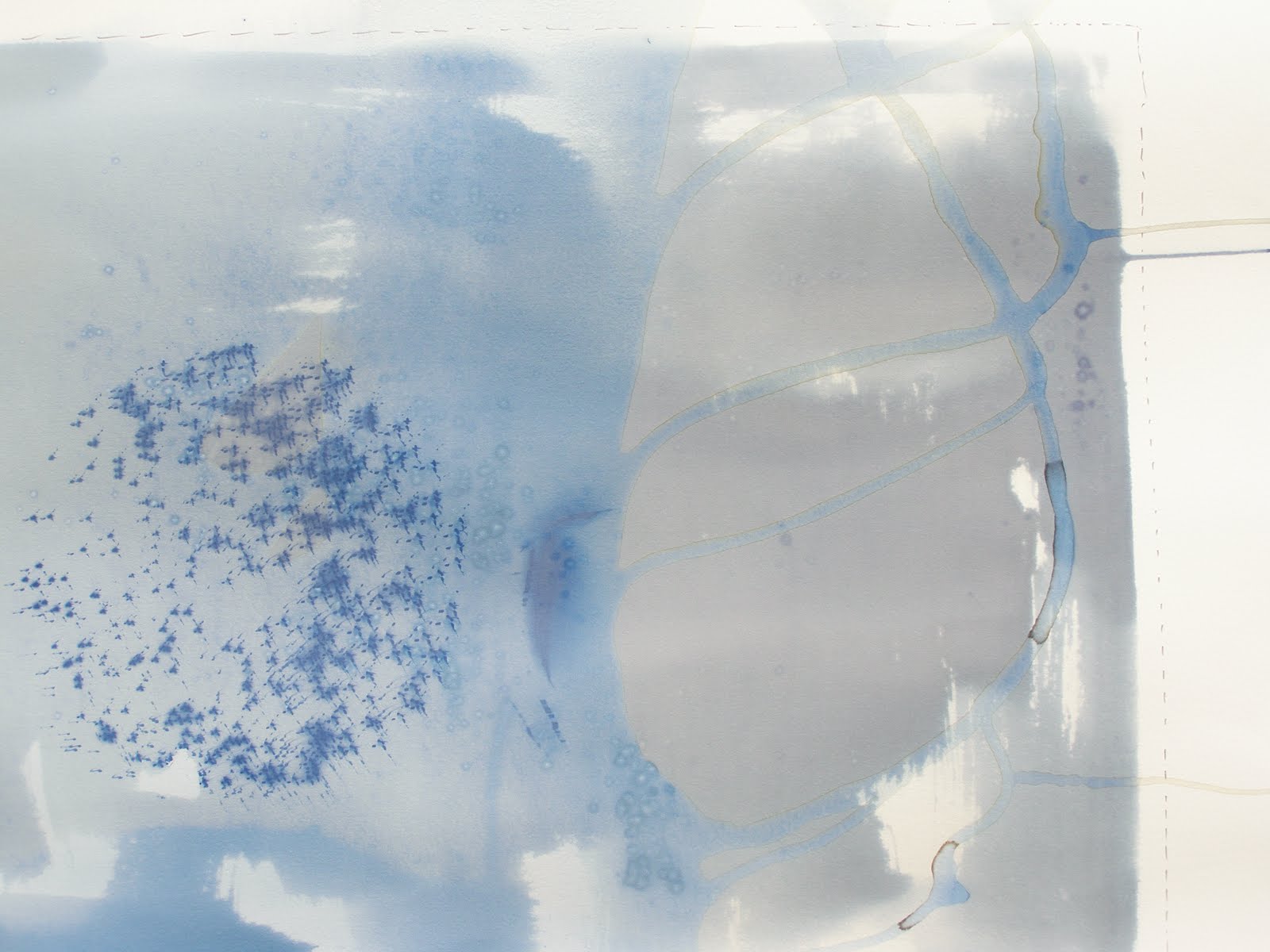
  • Light’s Windows And Rooms : Cyanotype/Leaded Window

    Tracing Light : Petworth House, West Sussex 2000
    David Alan Mellor, Garry Fabian Miller.

    Light And The Genius Loci
    For Derrida, the sun not only marks the beginning of metaphoricity but it is also an inescapable reminder of the solar system and oscillations, hidings and occultrations, inherent in ‘a certain history of the relationships; earth/sun in the system of perception’.

    Mutations Of Light
    Petworth Window, 6 July 1999

    Light’s Windows And Rooms
    Passing towards the Invisible.
    The prospect of some metaphysical realm beyond the blue end of the spectrum and beyond material things illuminated to carnal sight, was a recurrent  theme in William Henry Fox Talbot’s early speculations.

    BROUGHT TO LIGHT
    PHOTOGRAPHY AND THE INVISIBLE 1840-1900

    Sight Unseen
    Picturing The Universe
    Corey Keller
    Invisible objects, penciled by nature’s own hand.
    In his introduction to the exhibition catalogue Iconoclash: Beyond the Image Wars in Science, Religion, and Art, the historian of science Bruno Latour argues that scientific pictures are powerfully affective because they more than mere images; they are, as he puts it, the ‘world itself’.

    The Social
    Photographic Eye
    Jennifer Tucker
    Nineteenth century science was characterized by both the appeal to visual evidence and the need for confirmation by the testimony of eyewitnesses. The latter explains why scientists pursued public viewings of their photographs by means of illustrated slide lectures, exhibitions, and reproduction in newspapers and magazines.
    An understanding of the social boundaries of nineteenth century science helps make sense of a certain paradox within contemporary attitudes towards photography of the invisible. The ideal of mechanical objectivity in documenting visual knowledge demanded the elimination of the artist-observer and all of the subjectivity implicit in drawing by hand.

    Invisible Worlds
    Visible Media
    Tom Gunning
    William Henry Fox Talbot, Slice of horse chestnut, seen through the solar microscope, 1840, salt print 18.6×22.5 cm.

    Techniques Of The Observer
    On Vision And Modernity In The Nineteenth Century
    Jonathan Crary
    The Camera Obscura and its Subject
    Above all it indicates the appearance of a new model of subjectivity, the hegemony of a new subject-effect. First of all the camera obscura performs an operation of individuation; that is, it necessarily defines an observer as isolated, enclosed, and autonomous within its dark confines. It impels a kind of askesis, or withdrawal from the world, in order to regulate and purify one’s relation to the manifold contents of the now ‘exterior’ world.
    UNDER THE SUN
    By The Light Of The Fertile Observer
    Metaphors of illumination in the photography of Christopher Bucklow, Susan Derges, Garry Fabian Miller, and Adam Fuss.
    An Epiphany Of Light
    David Alan Mellor


    Relationscapes : Open Systems/Speculative,Dynamic, Creative. An assemblage/energy of images,collage, drawing and texts and other disparate elements.

    Source: Light’s Windows And Rooms : Cyanotype/Leaded Window

  • Working Towards a Secular Retreat in the Landscape

    The ‘exigencies’ of the situation at hand.
    Tim Ingold, MAKING.

    Spatial Intelligence
    New Futures for Architecture
    Leon van Schaik
    Spatial intelligence builds our mental space.

    Sensing Spaces
    Architecture Reimagined

    Oak-Framed Buildings
    Rupert Newman

    Heidegger for Architects
    Adam Sharr

    MAKING
    ANTHROPOLOGY, ARCHAEOLOGY
    ART AND ARCHITECTURE
    Tim Ingold
    Touching objects, feeling materials
    The Cathedral and the Laboratory

    A Hut of One’s Own
    Anne Cline

    Solar Pavilion
    Alison and Peter Smithson
    Architecture is not made with the brain
    The Parallel of Art and Life
    Aesthetics about Perception
    Poetics about Production

    HERZOG & DE MEURON
    NATURAL HISTORY
    My studio is a piece of architecture that is silent.
    Speculative Architecture
    On The Aesthetics of Herzog & De Meuron
    Robert Kudieka

    The Thinking Hand
    Existential and Embodied Wisdom in Architecture
    Juhani Pallasmaa

    The Architecture of Natural Light
    Henry Plummer

    Peter Zumthor
    Hortus Conclusus
    Serpentine Gallery Pavilion

    The Potentials of Spaces
    The Theory and Practice of Scenography and Performance
    Alison Oddey, Christine White

    See Yourself Sensing
    Redefining Human Perception
    Madeline Schwartzman

    Collage and Architecture
    Jennifer A. E. Shields

    COLLAGE
    Assembling Contemporary Art
    Sally O’Reilly
    Construction/Abstraction
    Body/Identity
    Environments/Geographies


    Relationscapes : Open Systems/Speculative,Dynamic, Creative. An assemblage/energy of images,collage, drawing and texts and other disparate elements.

    Source: Working Towards a Secular Retreat in the Landscape

  • Transactive Memory : INFORMATION/MOVEMENT differentiated/integrated

    Research Outpost Norwich #1

    Transactive Memory
    Systems Virtual Teams
    The Body
    Minds and Metaphors
    Laban-CHOREUTICS

    The Mind In The Cave
    David Lewis-Williams

    The Matter of The World
    Minds and metaphors
    Cathedrals of Intelligence
    The ‘Looking mind’

    Information Processing and Performance in Traditional and Virtual Teams
    The Role of Transactive Memory
    Terri Griffith, Margaret A. Neale

    Acquisition/Sharing of Implicit and Explicit Information

    Organisations increasingly rely on teams to do much of the work traditionally accomplished by individuals.
    Successful groups are those who are able to create synergies in the form of information aggregation and innovation that is beyond the ability of any single member.

    Nascent Knowledge
    Information Diversity
    Task Conflict

    The knowledge and perspectives of group members from the same social networks may be more redundant than diversified. However a total diversity among work group members is not desirable; some ‘redundancy’ (agreement in perspective) among group members is necessary to ensure enough common ground to facilitate successful group interaction.

    Transactive Memory : Knowing and Accessing What We Know

    For teams to have synergy they must be able to access their information, it is important to know who does what.
    Wegner 1987; 1995)

    RELATIONAL DEVELOPMENT
    TIME
    Synchronous/ Asynchronous
    COMMUNICATION

    Transactive Memory : A Contemporary Analysis of the Group Mind
    Daniel M. Wegner

    The study of transactive memory is concerned with the prediction of group (and individual) behaviour through an understanding of the manner in which groups process and structure information.

    Individual Memory
    Information is entered into memory at the encoding  stage, it resides in memory during a storage stage, and is bought back during the retrieval stage.

    Organisation : differentiated/integrated
    Label
    Location

    THE LABAN SOURCEBOOK
    Dick McCaw

    Rudolf Laban (1879-1958) was a pioneer in dance and movement, who found a extraordinary range of application for his ideas; from industry to drama, education to therapy. Laban believed that you can understand about human beings by observing how they move, and devised two complimentary methods of notating the shape and quality of movements.

    Diagram : Three Planes of Movement from Choreography
    Inner and Outer Tension : Inner and Outer Form

    CHOREUTICS : Principles of Dynamic Space and Movement

    Choreutics presents the grammar and syntax of spatial form in movement and the nature of movement’s harmonic content.

    Effort
    Exertion of Power, Physical or/and Mental

    Force
    Space
    Time
    Flight

    Indulging/Contending
    SPACE Flexible/Direct
    WEIGHT Light/Strong
    TIME Sustained/Quick
    FLOW Free/Bound

    Shadow Moves
    An acute observer of Shadow Movement of a person in different situations and at different times will show the consistency of that individual’s basic attitude and personality.

    Effort and Recovery
    Movement Psychology
    Thinking
    Intuiting
    Sensing
    Feeling


    Relationscapes : Open Systems/Speculative,Dynamic, Creative. An assemblage/energy of images,collage, drawing and texts and other disparate elements.

    Source: Transactive Memory : INFORMATION/MOVEMENT differentiated/integrated

  • ANTHROPOLOGY : Urban Materiality/Movement

    Research Outpost Norwich #2

    RELATIONSCAPES
    Movement, Art, Philosophy
    Erin Manning

    Prelude : What moves as a body returns as a movement of thought

    Something in the world forces us to think. This something is not an object of recognition, but a fundamental encounter.
    Gilles Deleuze, Difference and Repetition

    AN
    ANTHROPOLOGY
    OF
    LANDSCAPE
    Christoper Tilley, Kate Cameron-Daum

    Materiality
    From our perspective in this book representations of landscape, textual or pictorial, are of secondary significance and we should treat them as such; they are selective and partial, and often highly ideological, ways of seeing and knowing.
    It forms a material medium in which we dwell and move and think.
    Redirecting the study of landscape from representation to the materially grounded messiness of everyday life and the minutiae of material practices that constitute it.
    Landscapes are contested, untidy and messy, tensioned, always in the making. Our landscapes of modernity are frequently on the move and peopled by diasporas and migrants of identity, people making homes in new places.

    Field Observations
    Spatial relations within the landscape are complex.
    The manner in which persons and their bodies cannot be understood apart from the landscapes of which they are a part, reciprocally involved in forms of movement, action, awareness and social memory.
    Embodied Identities
    Art in and from the landscape
    Fragile Environments : Nature and Culture

    On Ways of Walking and Making Art
    A personal reflection
    M Collier
    Making art is a practical application of phenomenology
    Engaging  with an embodied experience of space and depth (what Merleau-Ponty called the ‘flesh of the world’).

    WATERLOG
    Journeys Around An Exhibition
    Landscape and Memory

    AFTER SEBALD
    Essays and Illuminations
    Edited by Jon Cook


    Relationscapes : Open Systems/Speculative,Dynamic, Creative. An assemblage/energy of images,collage, drawing and texts and other disparate elements.

    Source: ANTHROPOLOGY : Urban Materiality/Movement

  • Body Politics : Drawing Geographies

    Figure/Foreground : Drawing/Sensing

    In drawing the moments of choice have been kept visible.
    John Berger, Berger On Drawing.

    A drawing is essentially a private work, related only to the artists own needs.
    The Drawn Line-A Recession-A Past Statement Brought Forward

    The Body of Drawing
    Drawings by Sculptors
    South Bank

    Drawing registers the transforming effects of the imagination and the memory.
    Drawings are images of flux; flux both imaginative and physical.

    Drawing is a verb.
    There is no way to make a drawing-there is only drawing.
    Richard Serra

    The Drawing Book
    Tania Kovats
    Drawing is something where you have  a really direct-immediate relationship with the material. You make a mark, and then you make another mark in relation to that mark.
    Kiki Smith
    The Body
    Rodin’s lines dont just represent carnality; they are themselves carnal, invasive, sexy. Uninterrupted by the space between the material and the body; the line made by the drawing hand stands in for other haptic things. The body is where drawing begins and where it ends.

    Looking at images does not lead us to the truth, it leads us into temptation.
    Marlene Dumas

    Sexuality and Space
    Beatrice Colomina

    Drawing and Random Interference
    From Chaos To Order And Back Again
    Sally O’Reilly

    Quantum Chance
    Janna Levin

    AFTERIMAGE : Drawing Through Process
    Cornelia H. Butler

    Fiona Banner
    Life Drawing
    Performance Nude

    Marking Time
    Examining Life Drawing as Methexis
    Margaret Mayhew

    Rather than regarding life-drawing as an event of realism, it may be more productive to
    explore it as an assemblage of events, a field of practices, or as a cluster of performances.


    Relationscapes : Open Systems/Speculative,Dynamic, Creative. An assemblage/energy of images,collage, drawing and texts and other disparate elements.

    Source: Body Politics : Drawing Geographies

  • Open Systems/Speculative,Dynamic, Creative. An assemblage/energy of images,collage, drawing and texts and other disparate elements.

    Source: The Re-Constituted Reality : Tacita Dean/Hamburger/Sebald


    The Re-Constituted Reality of Photography
    Spatiality : Space over Time

    Space folds : Containing “Spatialities around historicality and sociality”

    All that is solid melts into air”

    Karl Marx, Friedrich Engels,
    (Poetic observation concerning the constant revolutionizing of social conditions)

    Perceptions now gathering at the end of the millennium. Spatiality, Robert T. Tally Jr. 2013

    WATERLOG
    After SEBALD : Essays and Illuminations

    http://www.tate.org.uk/art/artworks/dean-michael-hamburger-t12880

    The film Michael Hamburger was created as a result of a commission for an exhibition entitled Waterlog, held at the Norwich Castle Museum and Art Gallery and the nearby Sainsbury Centre for Visual Arts in early 2007, before it travelled to The Collection in Lincoln in autumn of the same year. Tacita Dean was one of seven British artists invited to respond to ‘the wider landscape of the east of England, with the idea of the literary journey as one its overarching themes’ (curator Steven Bode in Waterlog, p.6). This literary journey is embodied in the book The Rings of Saturn (Frankfurt am Main, 1995) by the German writer WG Sebald (1944–2001), who settled permanently in England in 1970, making Norwich his home. Part memoir, part fiction and part poetic and philosophical meditation, Sebald’s book describes a meandering circular walk that begins and ends in Norwich. Dean chose to make a portrait of the poet and translator Michael Hamburger (1924–2007), whom Sebald visits in the seventh chapter of the book. She has explained:
    I had a personal connection to [Michael Hamburger] and I was told he had an orchard. When I filmed him I filmed quite a lot and I talked to him about Sebald and all sorts of other things but in the end I made my film just about apples. It was in cutting the film that I realized it was the most important thing and through apples he talked about everything else as a metaphor … My work has become about traces and capturing things before they disappear. It’s all about the recording of an atmosphere and usually it’s transient in a sort of way.

    Dean’s anamorphic film is a series of almost exclusively static shots filmed in the Suffolk garden and house of her subject. Utilising natural light and unusual points-of-view – often filming either against the light or looking through windows – the looped 28 minutes of widescreen imagery constitutes a portrait whose subject is barely visible, evoking an intensely private personality. Hamburger features in semi-darkness, as a silhouette, as a pair of hands, handling apples, or seated with his back turned to the audience; in one shot only slivers of him are visible intermittently through a chink in a curtain drawn across an internal glass-paned door. This subtle visual representation is echoed in the words he speaks – a discourse exclusively focused on his apples – the different types, their origins and characteristics. Between shots of him, the camera focuses on apples on trees in the garden, rows of apples on a wooden surface in the house, and many rows and piles of books. One shot lingers on a copy, in English, of poetry by the German writer Günter Grass (born 1927). The climax of the film is a reading of one of his own poems by Hamburger, written on the occasion of the death of his friend, the poet Ted Hughes (1930–98). For Hamburger, the link of their friendship is expressed through an apple – the Devonshire Quarenden apple growing in Hughes’s garden – from pips of one of which donated by Hughes, Hamburger grew two trees. He explains that he did this, partly because he was attracted to it by its dark colour, but also because Hughes ‘was a very good friend and it was a kind of link between us if I could have this apple in a Suffolk garden where it didn’t really belong’. His poem lingers on the apple as remembrance and the notion of the fruit’s continuity in contrast with human mortality, ending with the words: ‘hardened, mellowed the fruit to outlast our days’. Dean extends the theme of mortal transience by following Hamburger’s reading with a shot of him smoking in semi-darkness, succeeded by views of a rainbow in the sky above his house. This climax is rendered more poignant by the fact that Hamburger died in June 2007, only a few months after Dean completed her film.

    Michael Hamburger is the most recent in a series of film portraits Dean has made that include Mario Merz 2003 (a portrait of the artist by chance also made shortly before his death), The Uncles 2004 (footage of two of the artist’s uncles talking about the family’s relation to Ealing Film Studios, set up by Basil Dean, her grandfather) and Presentation Sisters 2005 (featuring a group of five nuns living in Cork, Ireland). All share with Michael Hamburger an elliptical approach to portraiture which functions as a kind of poetical allegory. Dean’s work is based on networks of coincidental linkages that originate – usually invisibly – with the artist, and more visibly with a person, thing or event in the world, extending outwards into the larger macrocosm of time and space. She shares this preoccupation with Sebald; her essay on him, first printed as an artist’s book as part of a seven volume publication in 2003 (Göttingen and Paris) and reprinted in Waterlog (pp.92–109), describes her personal connection to him through a series of historical coincidences. In The Rings of Saturn, Sebald describes Hamburger’s emigration from Germany with his family to the United Kingdom in 1933, the fears and loss of emigration, his memories of his native Berlin and the ways in which they inform his dreams. He meditates on the question of why his identification with Hamburger, as a fellow German who has made his home in England, should run deeper than a question of national identity, writing, ‘how is that one perceives oneself in another human being or, if not oneself, then one’s own precursor? … why it was that on my first visit to Michael’s house I instantly felt as if I lived or had once lived there, in every respect precisely as he does, I cannot explain.’ (The Rings of Saturn, London 2002, pp.182–3.)

    In common with all Dean’s films created since 2001, Michael Hamburger contains no titles, credit sequences or additional sound, other than what is present during filming. It is projected from a booth onto a screen on the opposite wall in a darkened room, showing on a continuous loop. It was produced in an edition of four, of which Tate’s copy is the first.

    Further reading:
    Waterlog: Journeys Around an Exhibition, exhibition catalogue, Norwich Castle Museum and Art Gallery, 2007, pp.40–7, reproduced 42–4.

    Elizabeth Manchester
    July 2009

    Art as Spatial Practice.
    10 Days in the Laundry, Winchester.

    Photograph (13) Illuminated Cathedral
    Photograph (350) Anthropocene

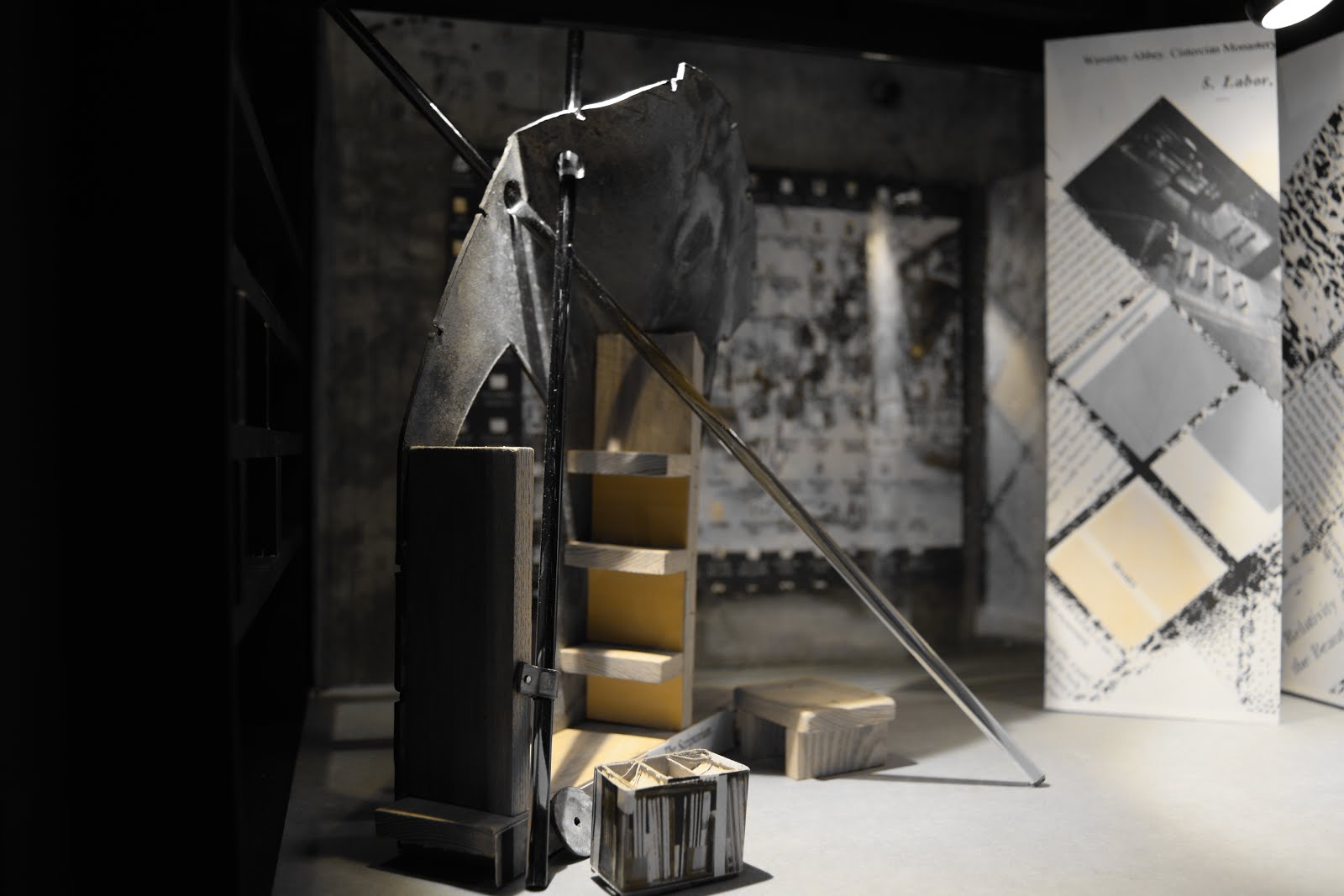
    Spliced Interior : Waverley Abbey
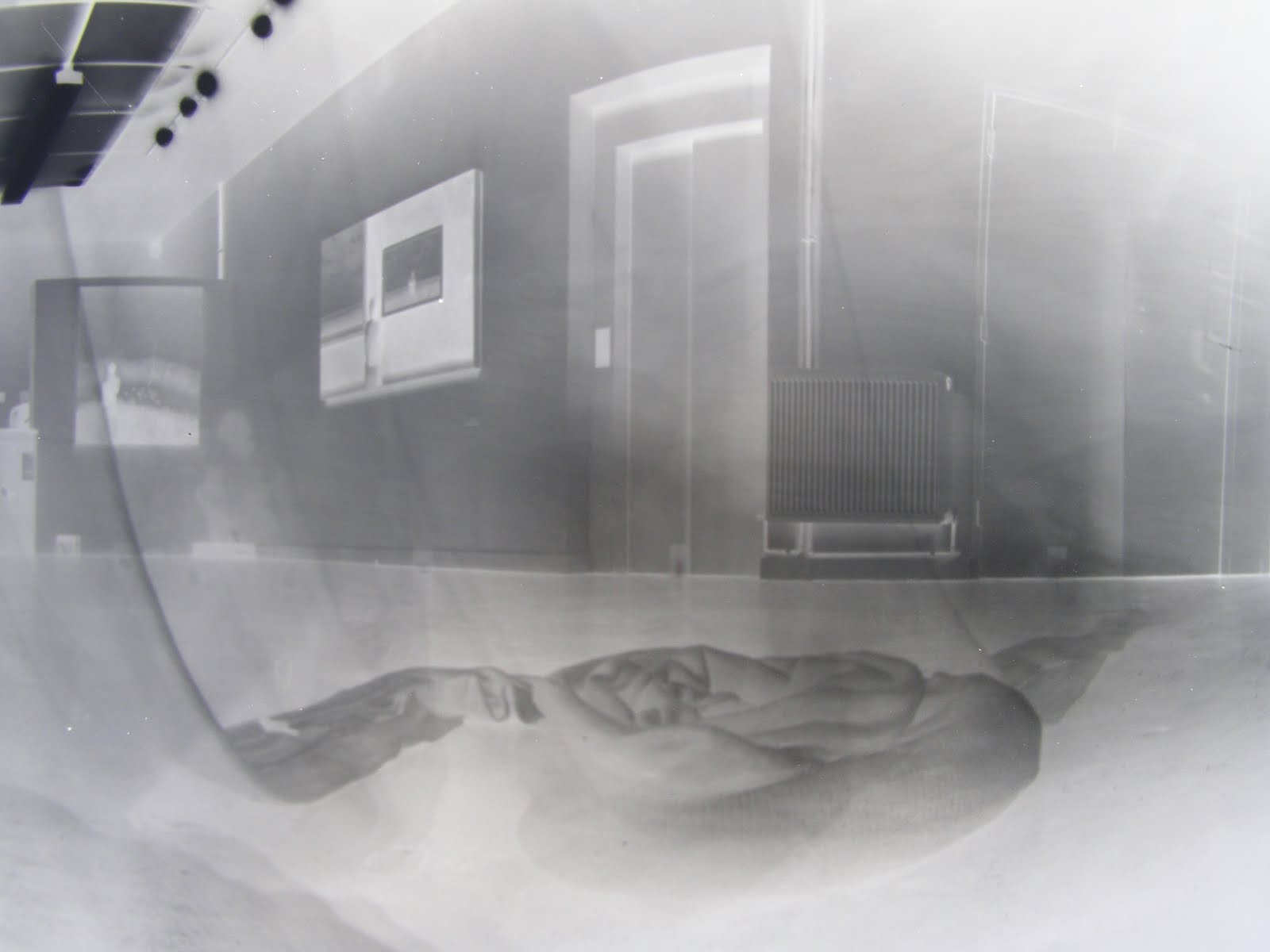
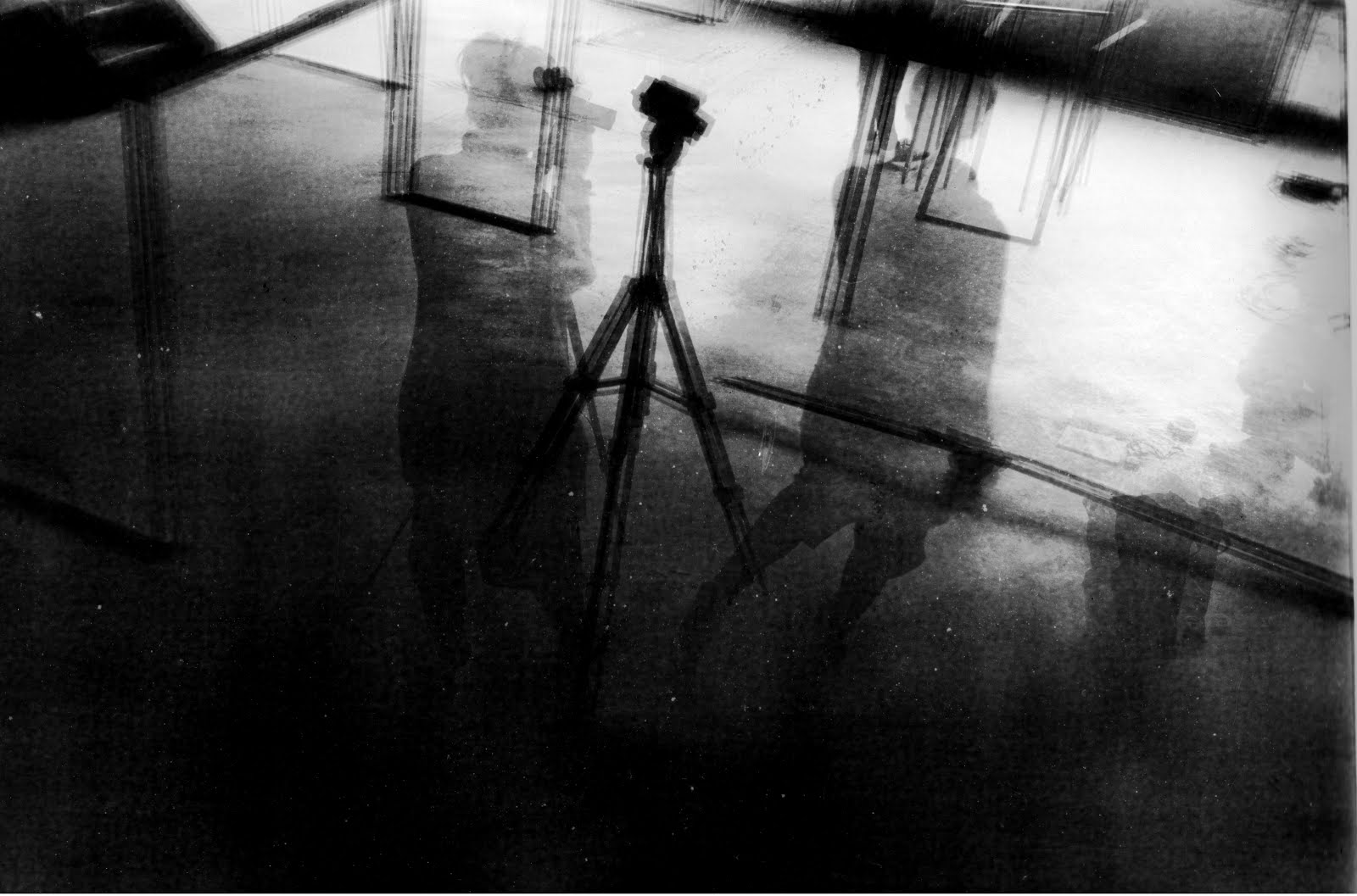
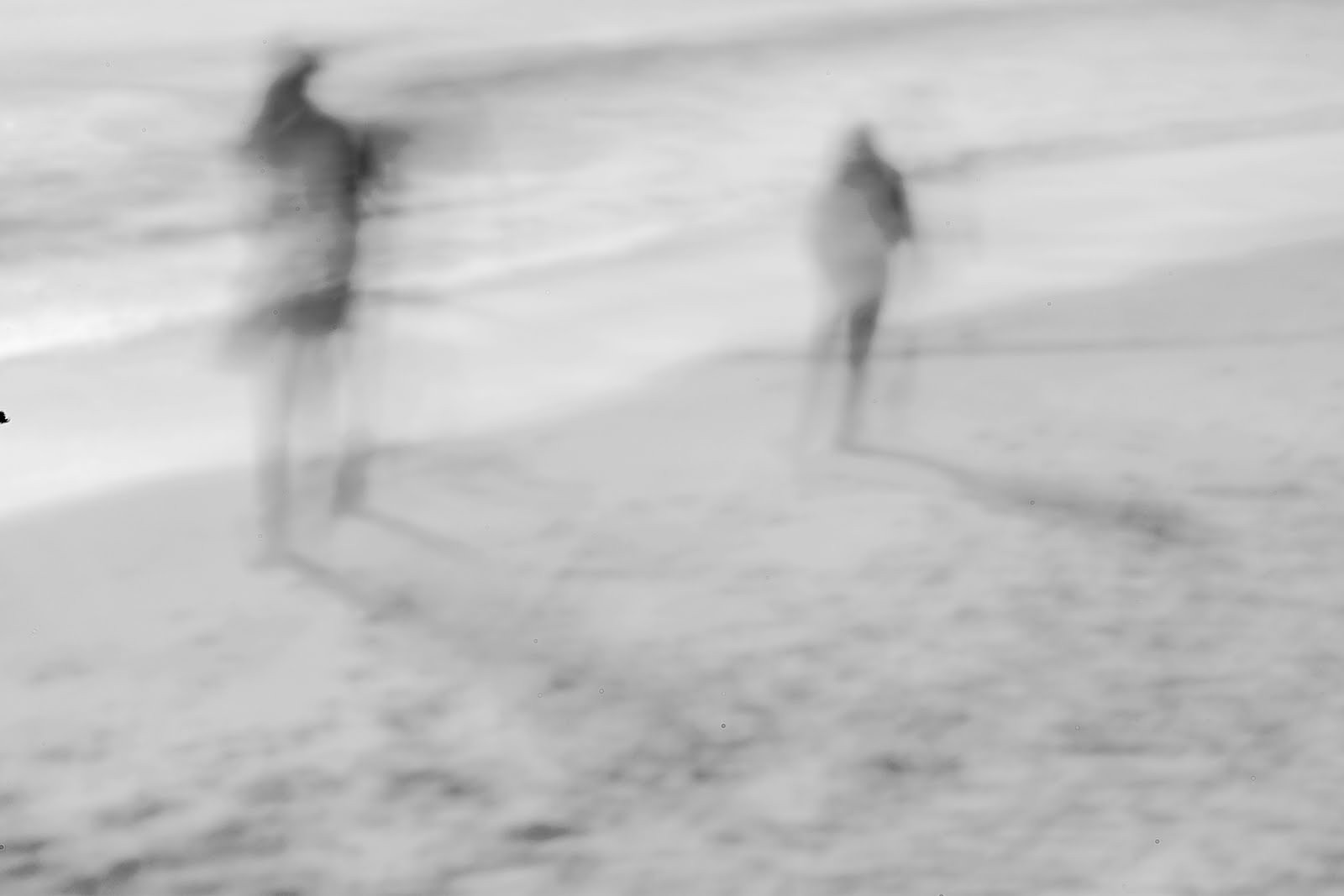
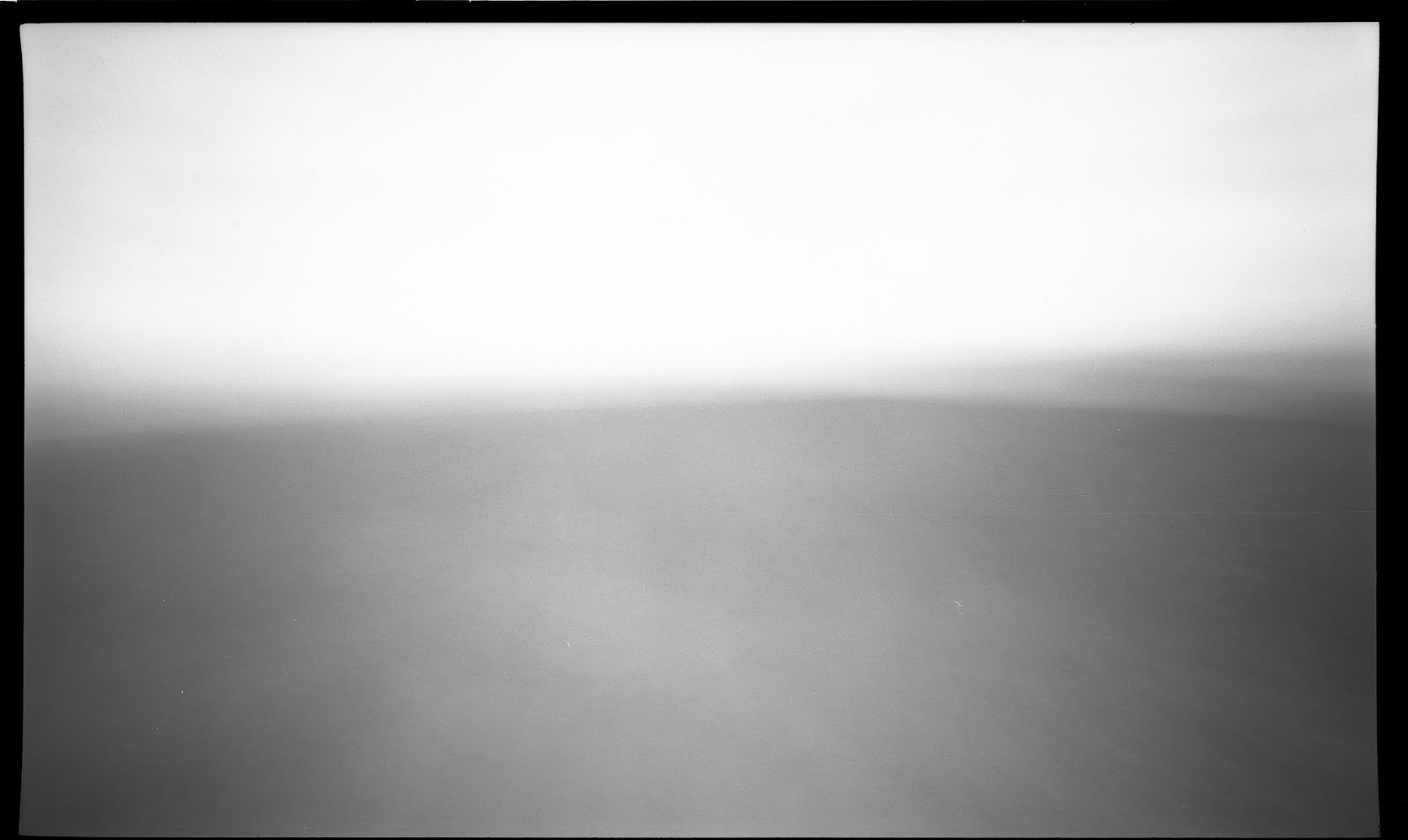
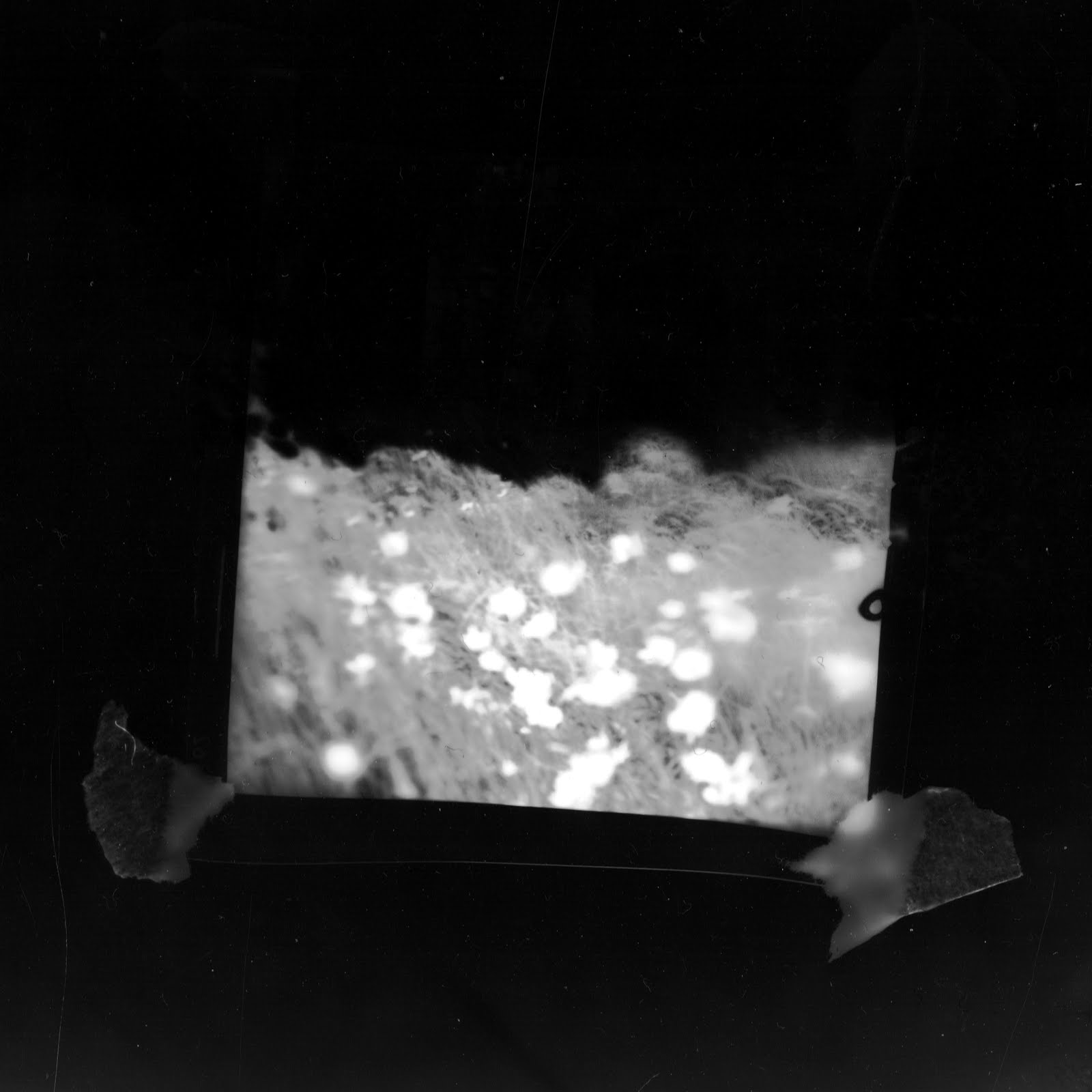
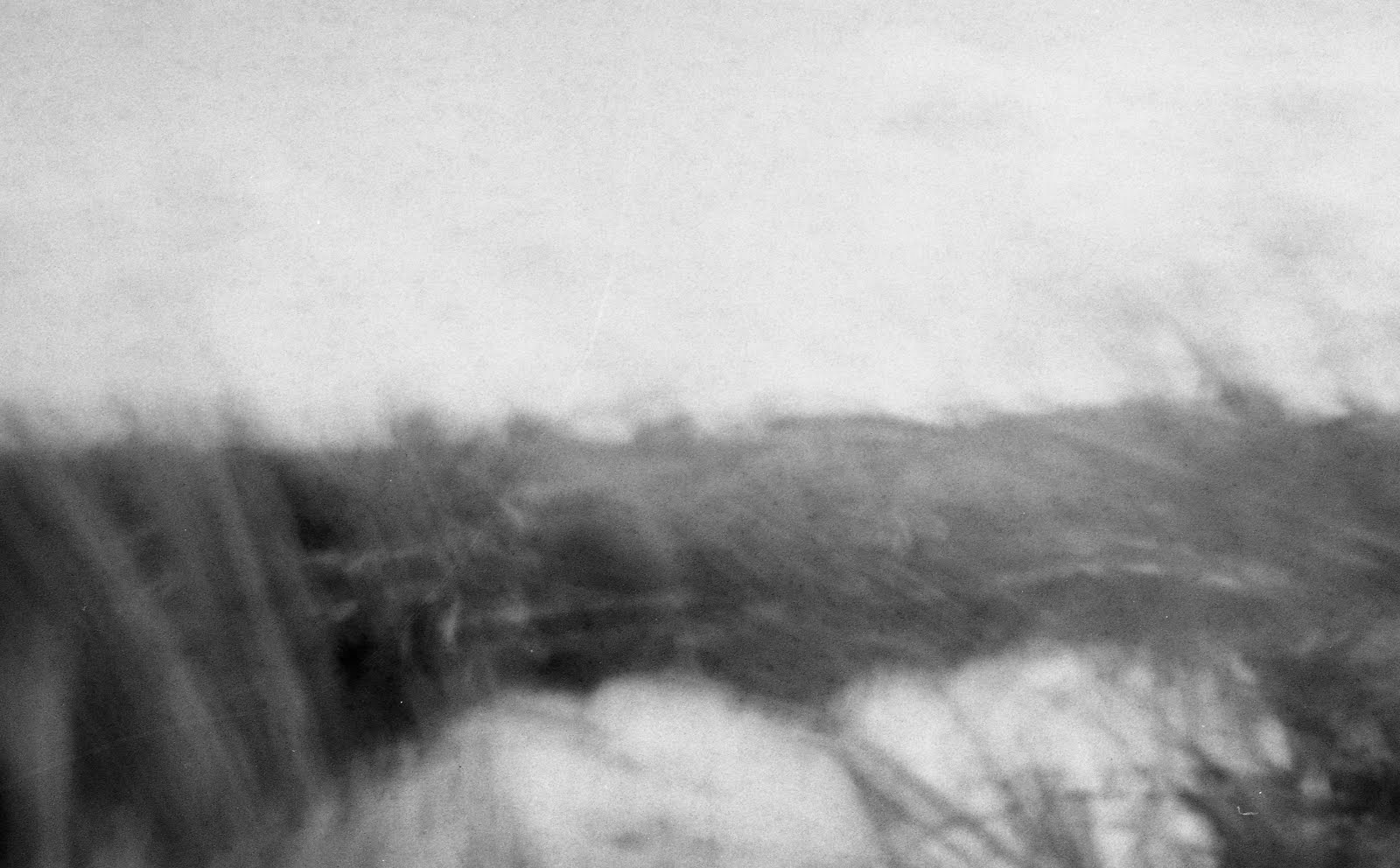
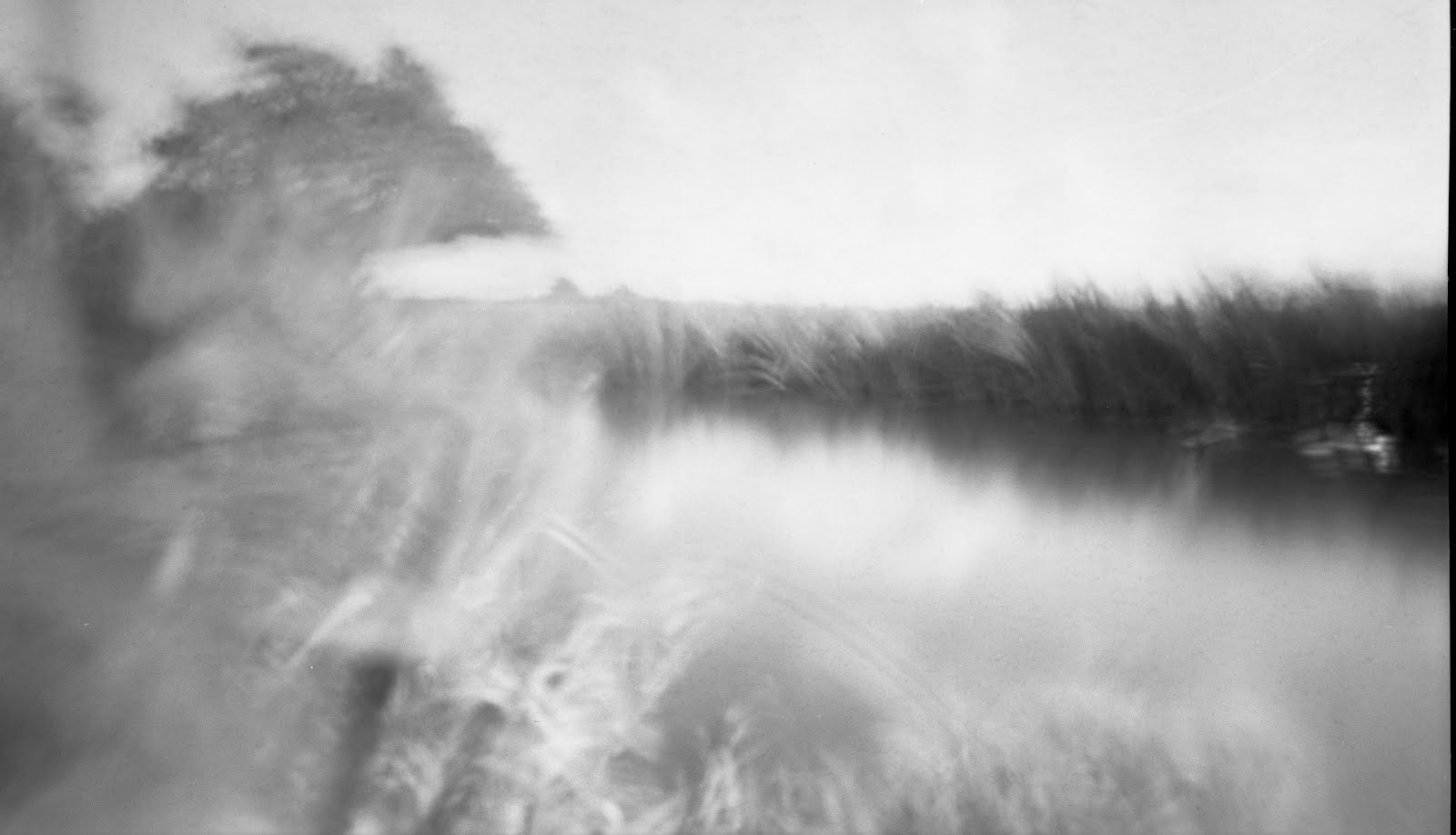
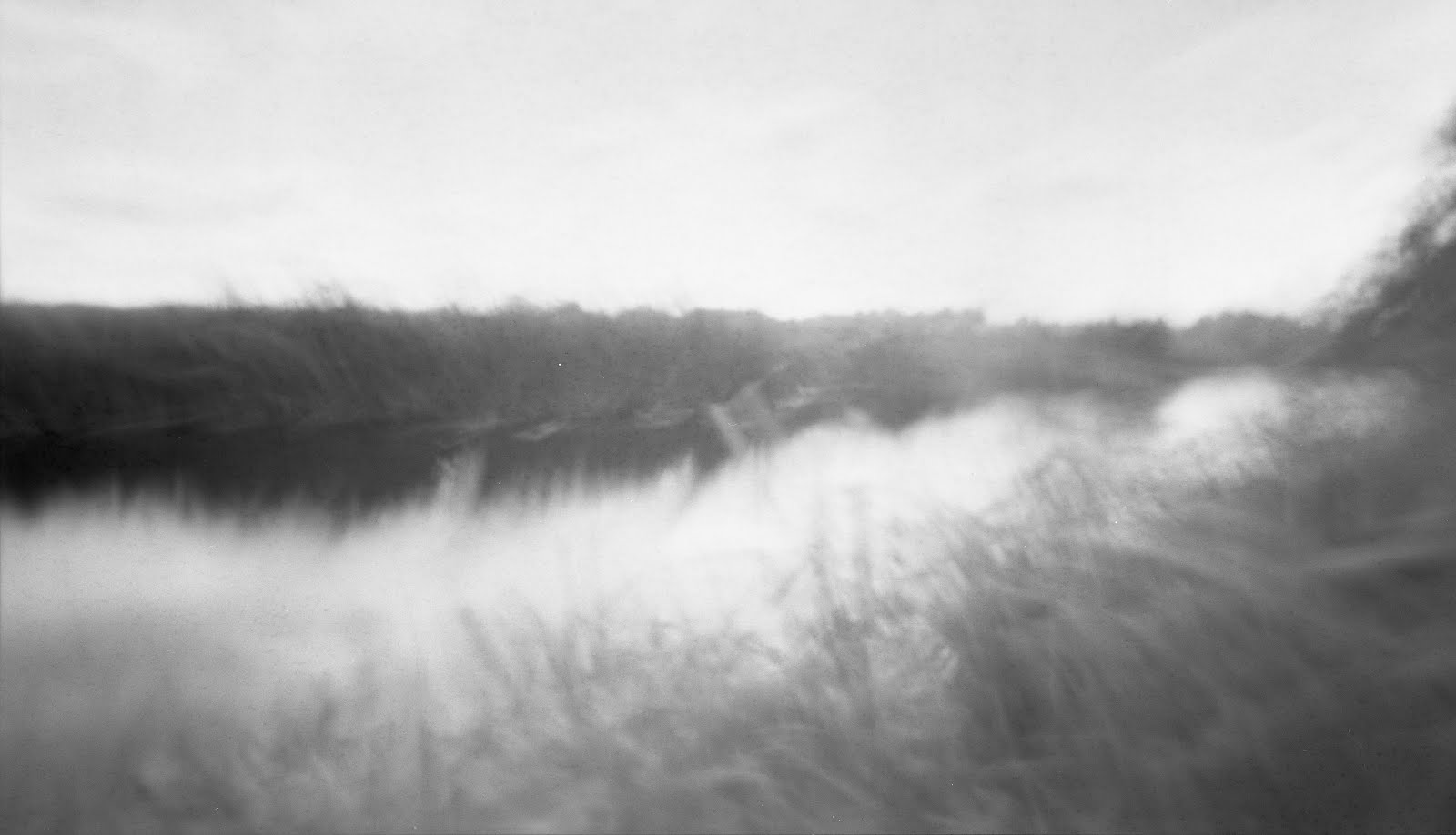
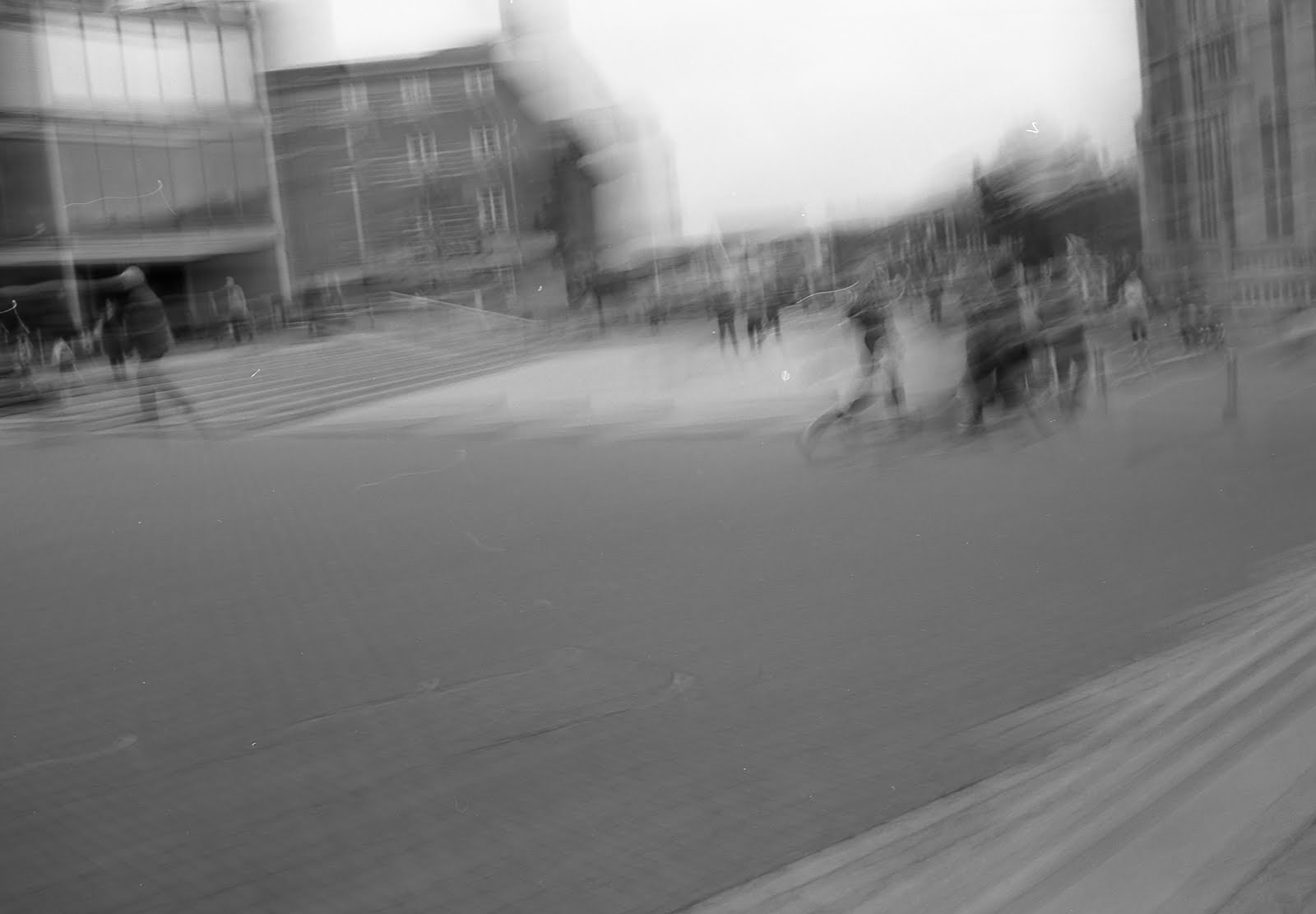
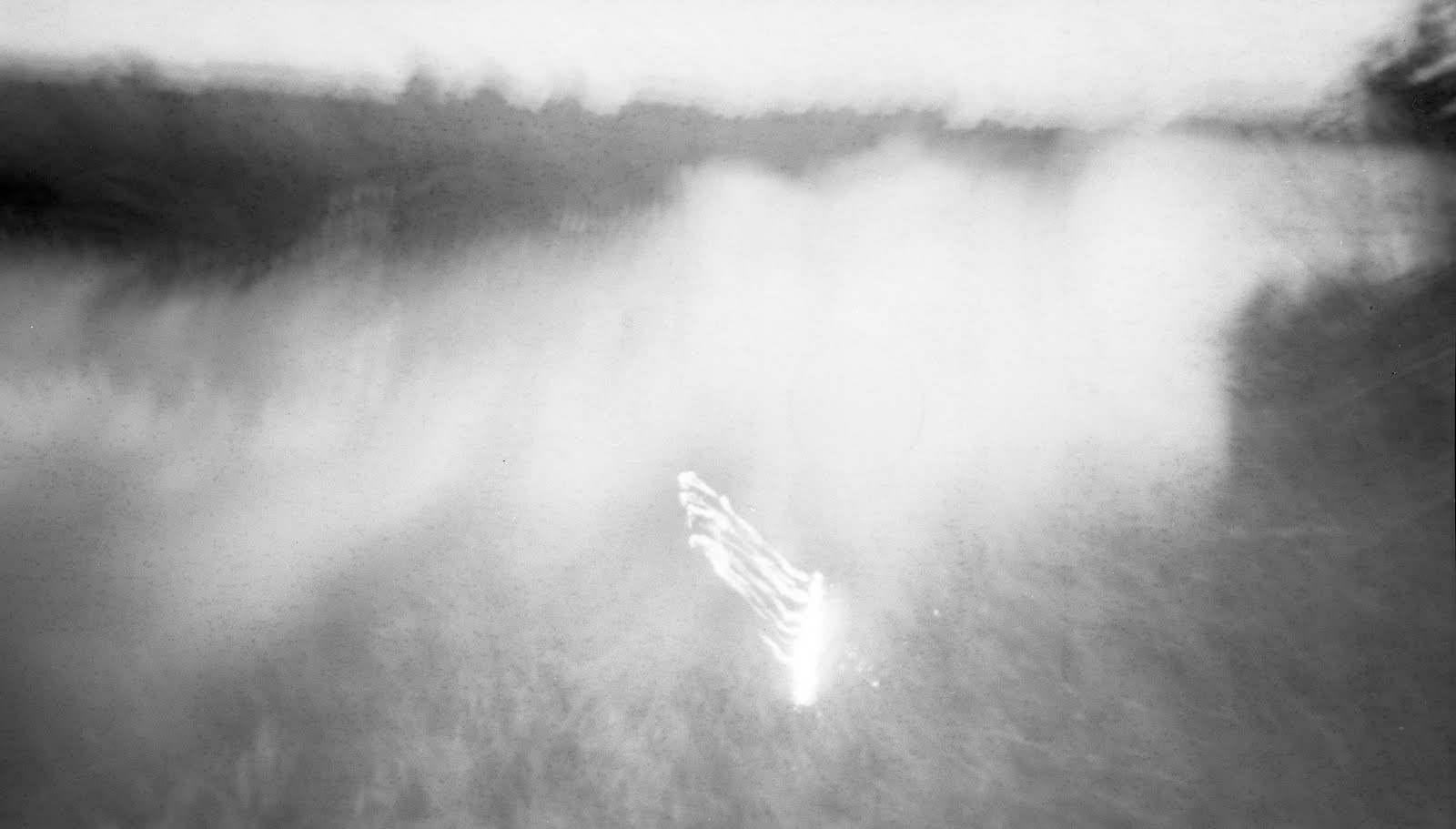
    Pinhole Camera, exposure and movements within the ruined interior.
    Russell Moreton