Landscape : Entanglements of Affect/Aesthetics
The site is not simply a place to be remembered, but a surface through which buried relations continue to surface.
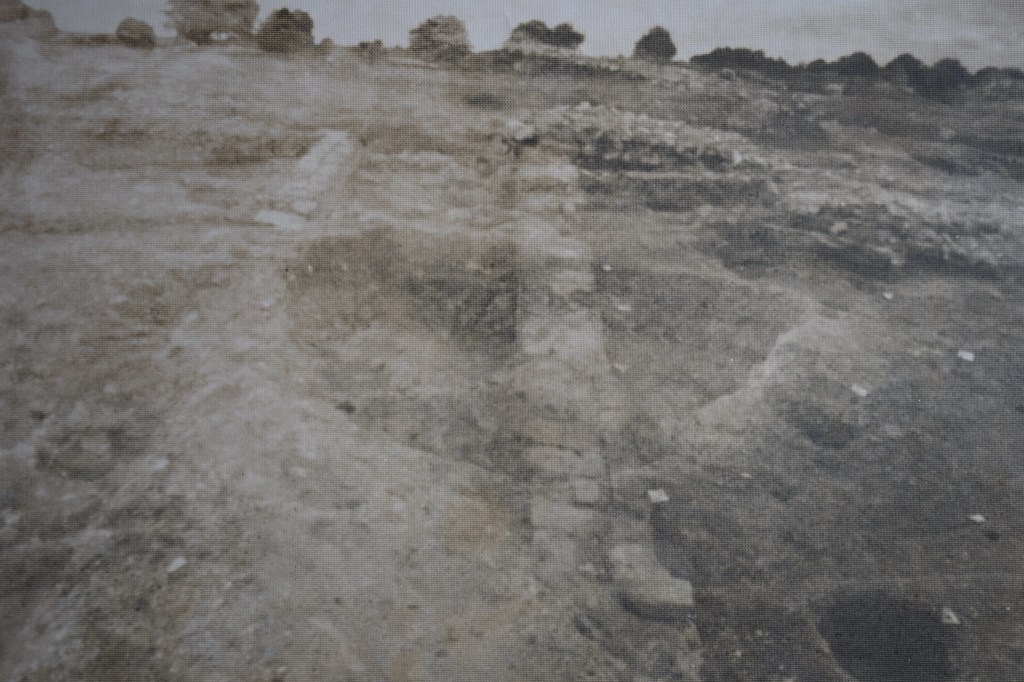
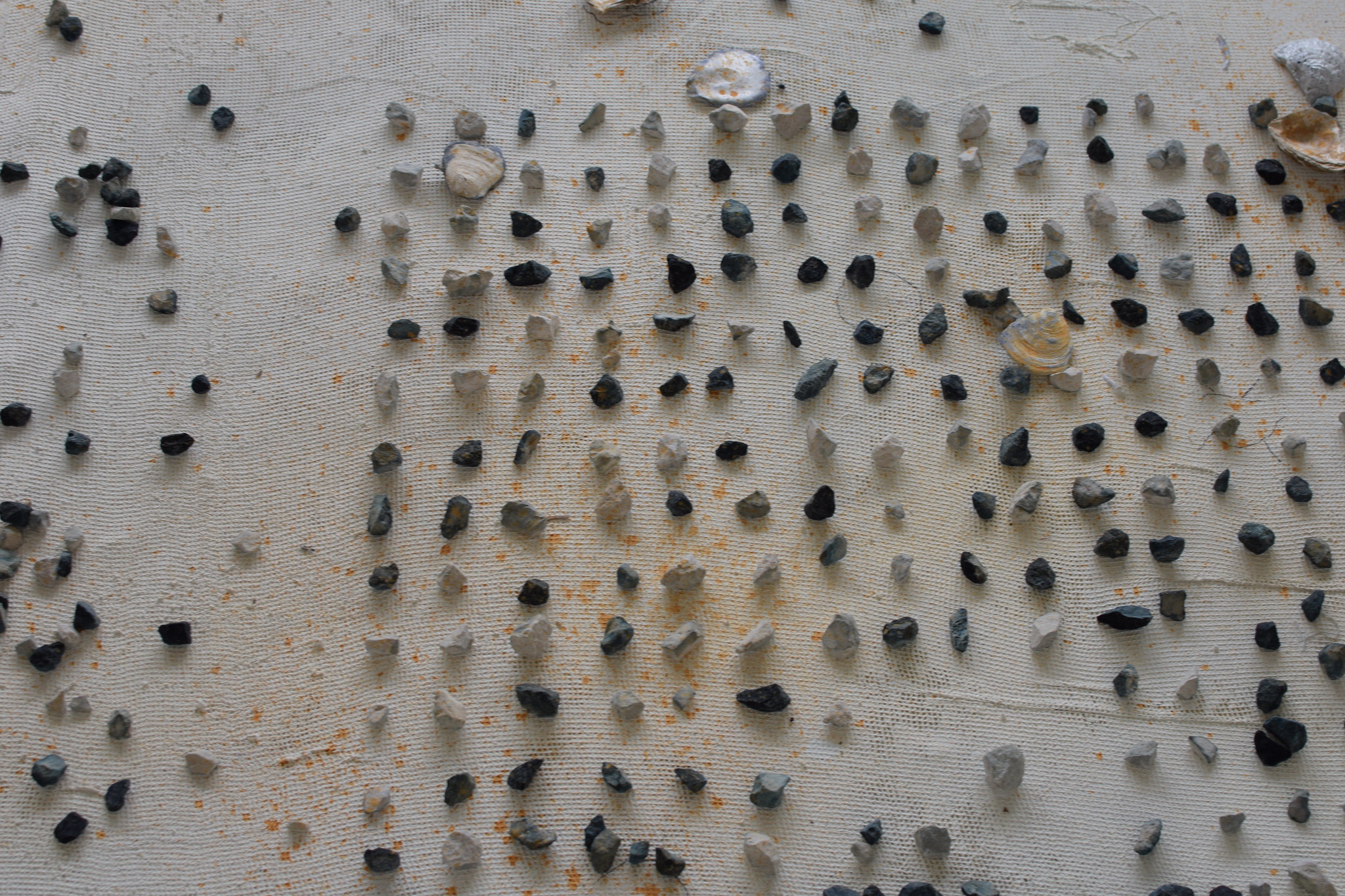
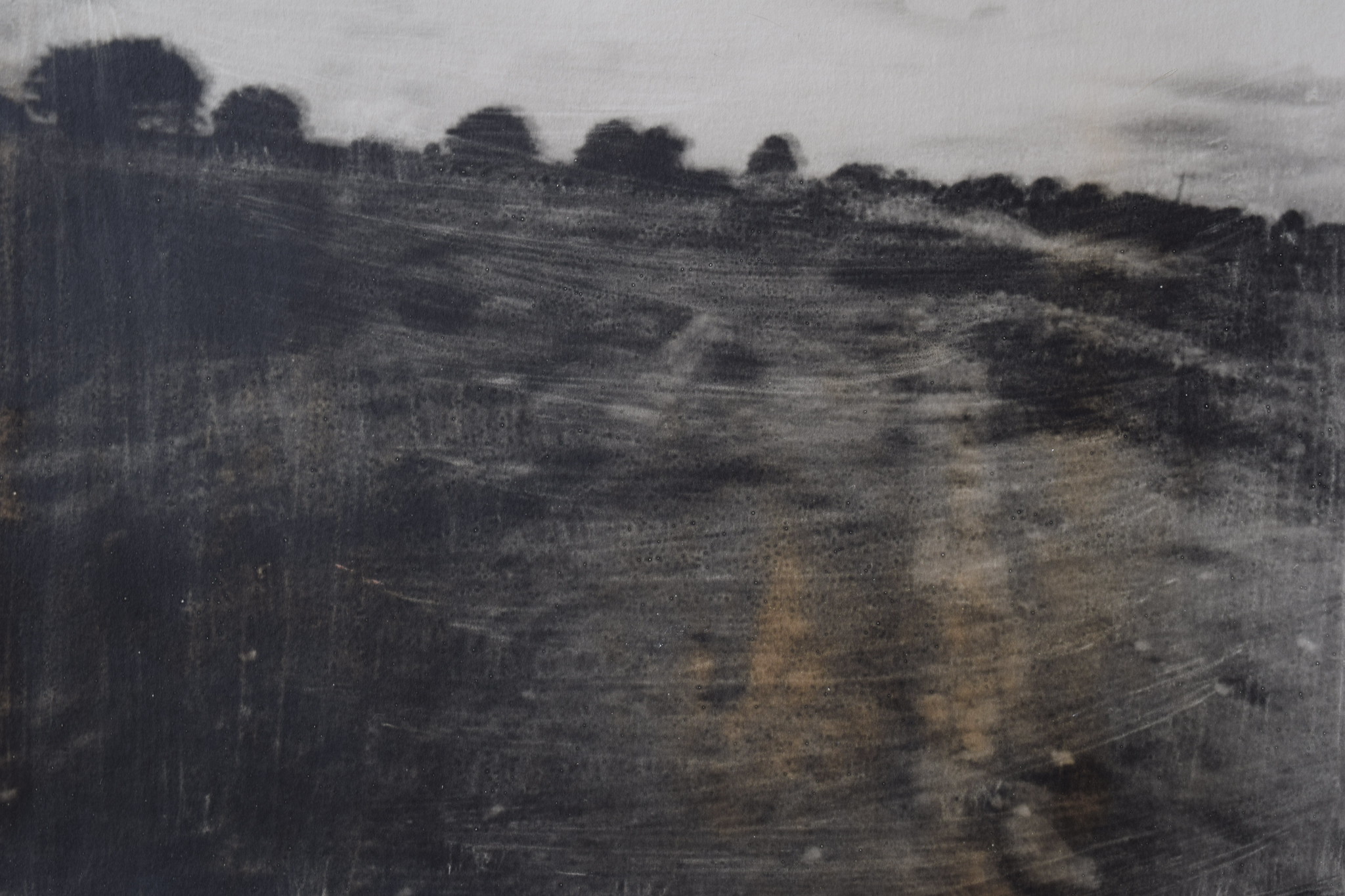
This post is materially centred on pinhole photography, the archaeological site, contour lines, land drawing and remote sensing. The Morn Hill site is encountered through photographic and diagrammatic means rather than through the construction of a spatial intervention.
Morn Hill
landscape → excavation → trace → contour → absence → site
The site is read through what is missing, buried, eroded or left behind.
The Poetics of Space. Gaston Bachelard. The classic look at how we experience intimate places.
The Eroded Steps. Giuseppe Penone. Dean Clough Contour Lines.
Land Drawings, Installations, Excavations. Kate Whiteford. Remote Sensing. Colin Renfrew.
Negative Capability part I is an exhibition of visual and written responses to the University of Winchester’s Magdalen Hill Archaeological Research Project (MHARP), one of the most extensive excavations to date of a medieval leper hospital, almshouse and cemetery complex. The artists observed the excavation team at work, witnessing their process then displaying the results in the gallery and inviting writers to respond.
Year
2013
Medium
Pinhole photography, liquid light emulsion, selenium toner.
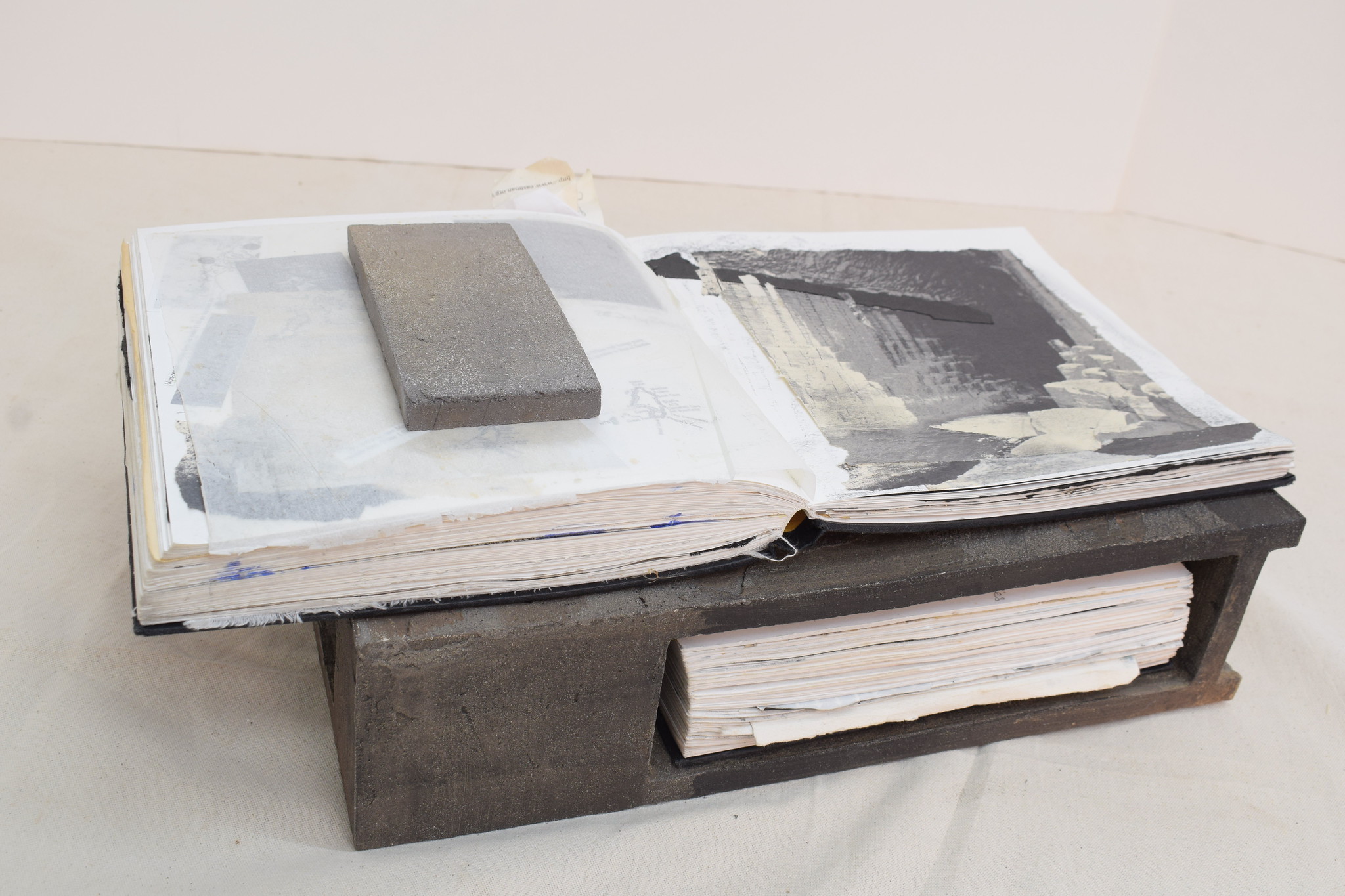
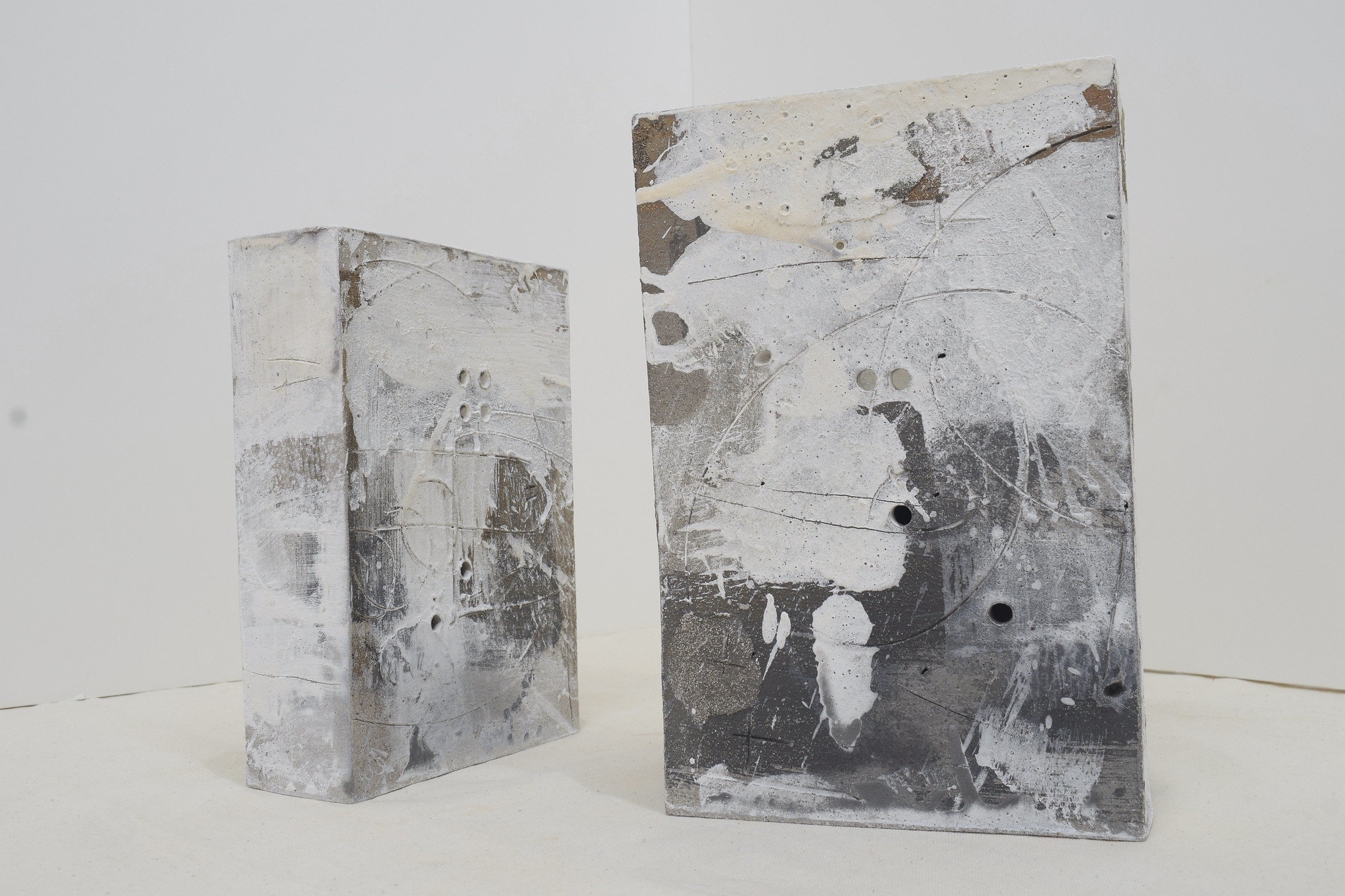
site~place
I think this is worth introducing as a relational tag because it gets very close to what you’ve just been saying about the site as the undoing of place.
Morn Hill isn’t simply a location documented photographically. The archaeological excavation already unsettles the apparent stability of the place: layers of occupation, absence, buried bodies, traces and historical processes become perceptible. The pinhole camera then adds another kind of temporal and spatial displacement.
Morn Hill → Simple Dwelling Places
At Morn Hill, the site contains traces of bodies that are no longer present.
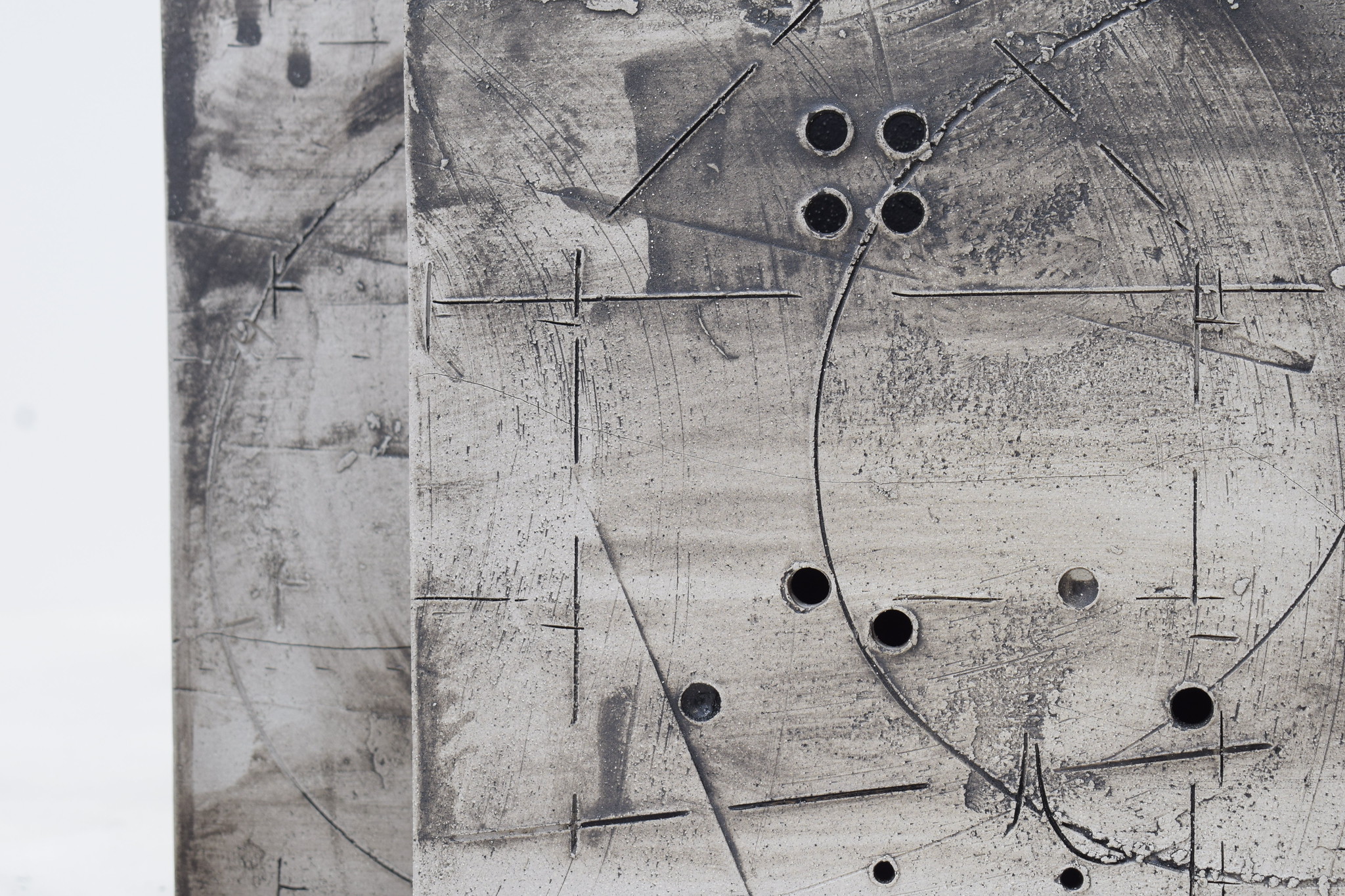
In Simple Dwelling Places, the ceramic begins to construct spaces for bodies that may or may not arrive.
So there is a reversal:
archaeology reads the remains of dwelling; ceramic constructs the possibility of dwelling.
That is a very strong anarchival relation.
The archaeological site looks backwards through traces.
The ceramic dwelling leans forwards through proposition.
And your line from earlier comes back beautifully:
The trace looks backwards. The proposition leans forwards.
Morn Hill is almost the trace.
Simple Dwelling Places is the proposition.


Leave a Reply