Russell Moreton : Matter(s) in Correspondence

Spatial practices of clay, ceramic, drawing, bodies, places and making.

Spatial Practice

Architecture, sites, spatial situations, bodies, inhabitation, installations, spatial propositions.

Ceramic Bodies

Clay, ceramic sculpture, vessels, apertures, surfaces, firing, ceramic interiors, ceramic atmospheres.

Drawing / Image

Drawing, cyanotype, photography, diagram, mapping, collage, visual experiments.

Interiority / Atmosphere

Bachelard, refuge, reverie, innerness, thresholds, chambers, light, shadow, atmosphere, sensing.

Making / Materiality

Studio practice, making, material resistance, gesture, process, firing, construction, surface, force.

Research / Working Texts

Reading, theoretical writing, notes, research propositions, older texts being re-entered, speculative learning.

  • Inhabiting Intensified Surfaces through Minor Gestures.

    Intensified Surfaces : Anthropocene Aesthetics : Ceramics and Environmental Engagement.

    Making / Materiality

    The emphasis is less on a particular ceramic body and more on what minor actions do to material and how those actions intensify the surface. This makes it an important precursor to your current thinking about holes, perforation, incision, abrasion, repetition and surfacing.

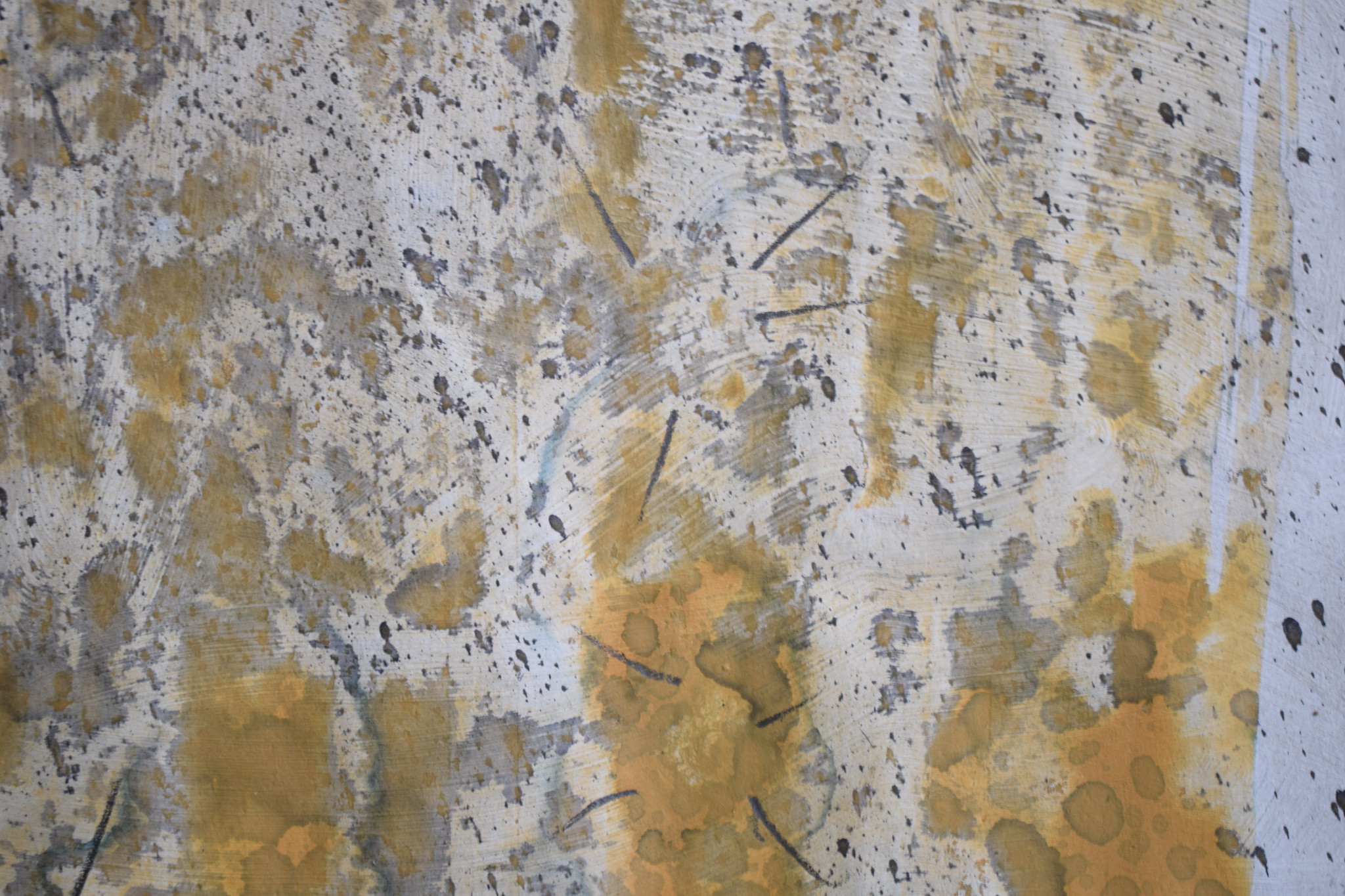
    The wider archive around this period describes the work through minor gestures, clay~ceramic, conceptualising environments, slab-built forms, drawn and brush-marked surfaces, divided spatial interiors and piercings that allow light into those interiors.

    minor gesture → accumulation → surface → perforation → interior → spatial condition

    Clay+Ceramic : Minor Gestures~Interstitial space of emergent expression.

    Clay: Transitive Forces of a Minor Key.

    Clay Bodies : Ceramic Atmospheres.

    The Ceramic Surface~interiority~Made From Clay. Interiors and their ‘interiority’ made from the intensity of fire to create ceramic surfaces and volumes constructed through the malleability of clay and water particles.

    Clay+Ceramic : Complexity grounded in basic things. Inhabiting Building Places : Eartha+Ceramic.

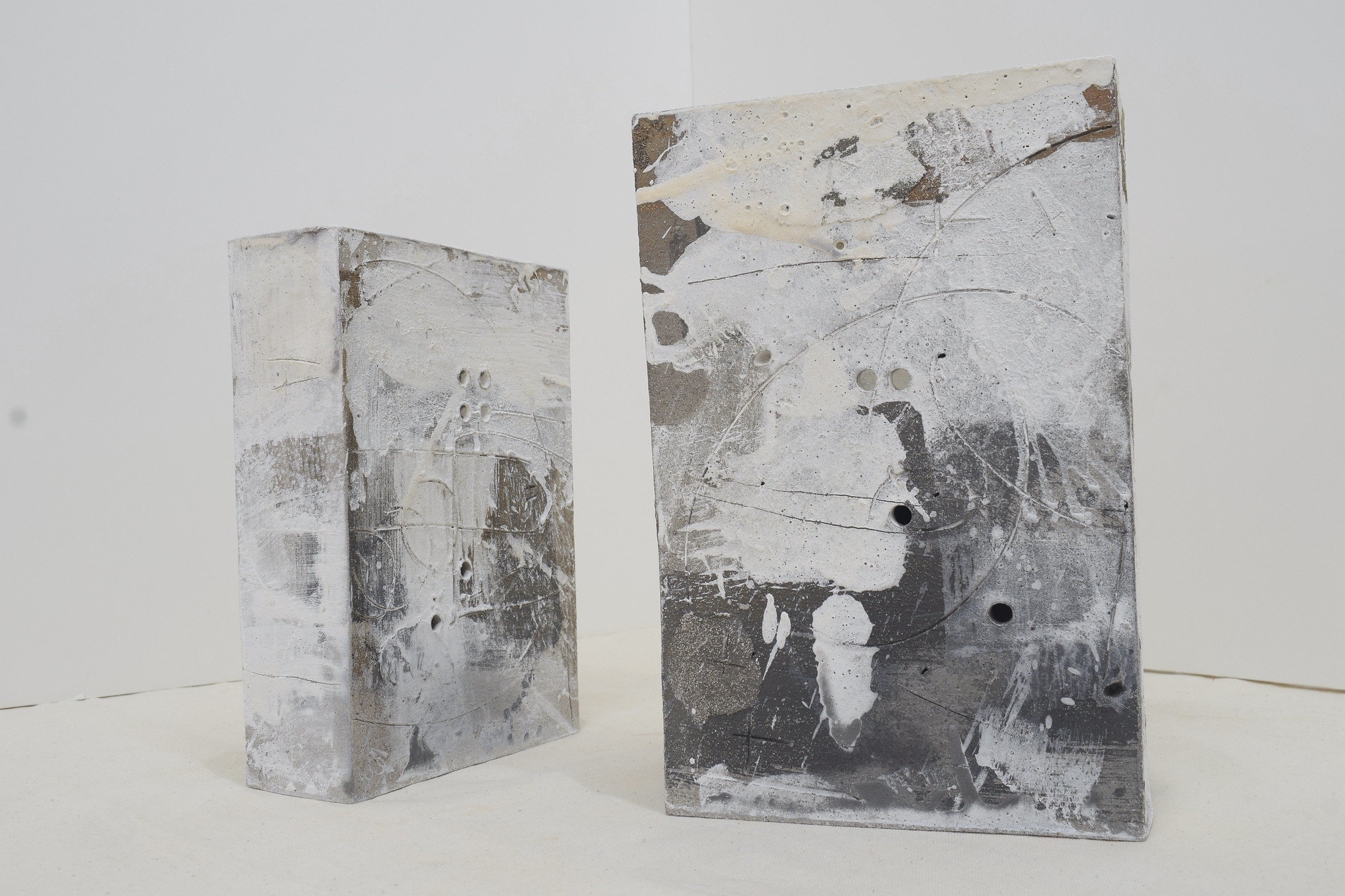
    These are mixed-media ceramic artworks by artist Russell Moreton, part of his “Clay/With Fire” exploratory research.
    The works explore themes around “making” and the interconnectedness of interior spaces, using clay as the primary material.
    The artist uses a site-based practice, where ideas evolve from the direct experience of working with the material.
    The pieces are processual in nature, intended to demarcate and define space.
    Moreton is interested in how craft, theory, art, and architecture can intersect.

    Materialisms : Interstitial Attentionality
    Collage~Spatial Bias

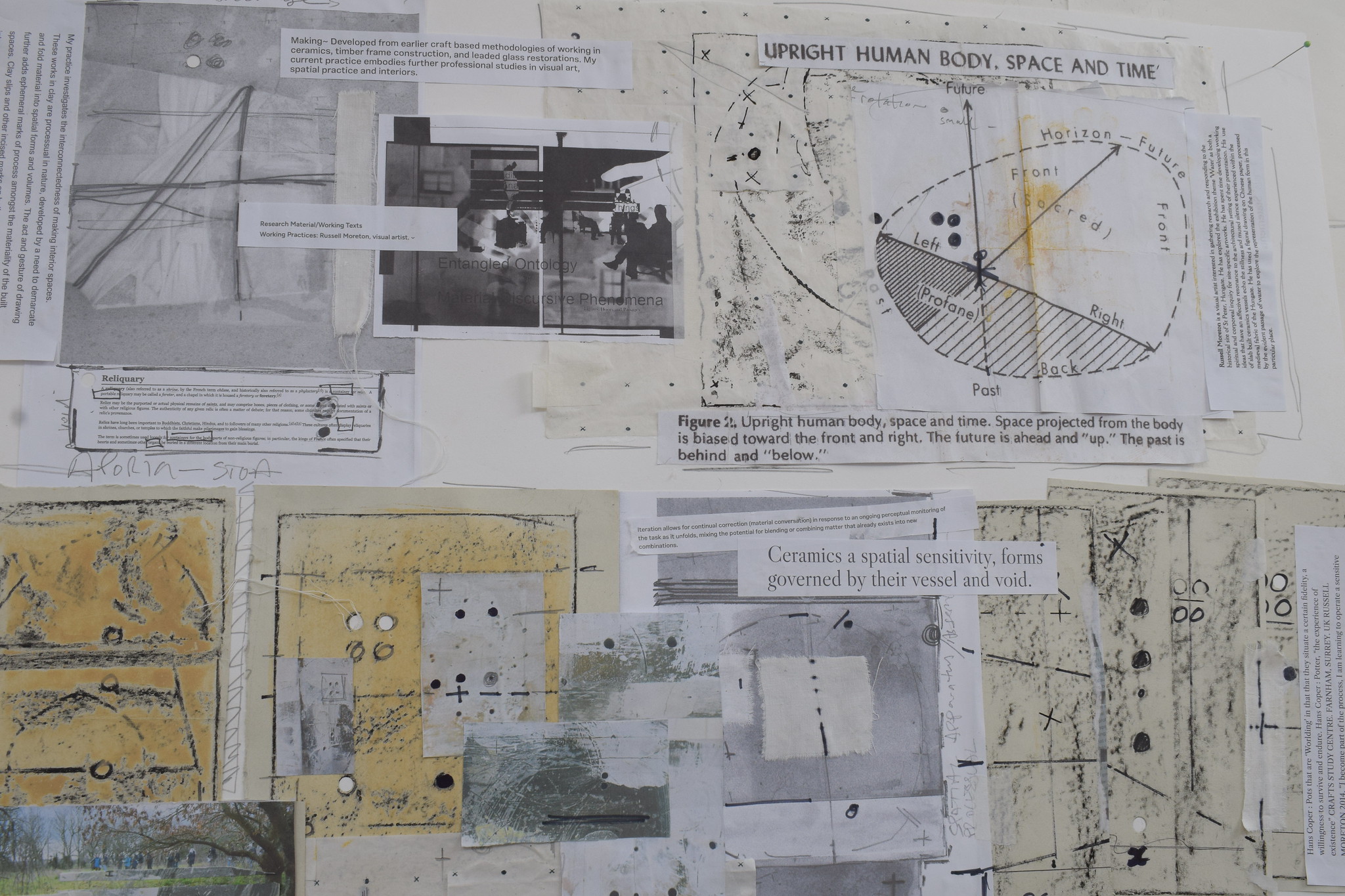
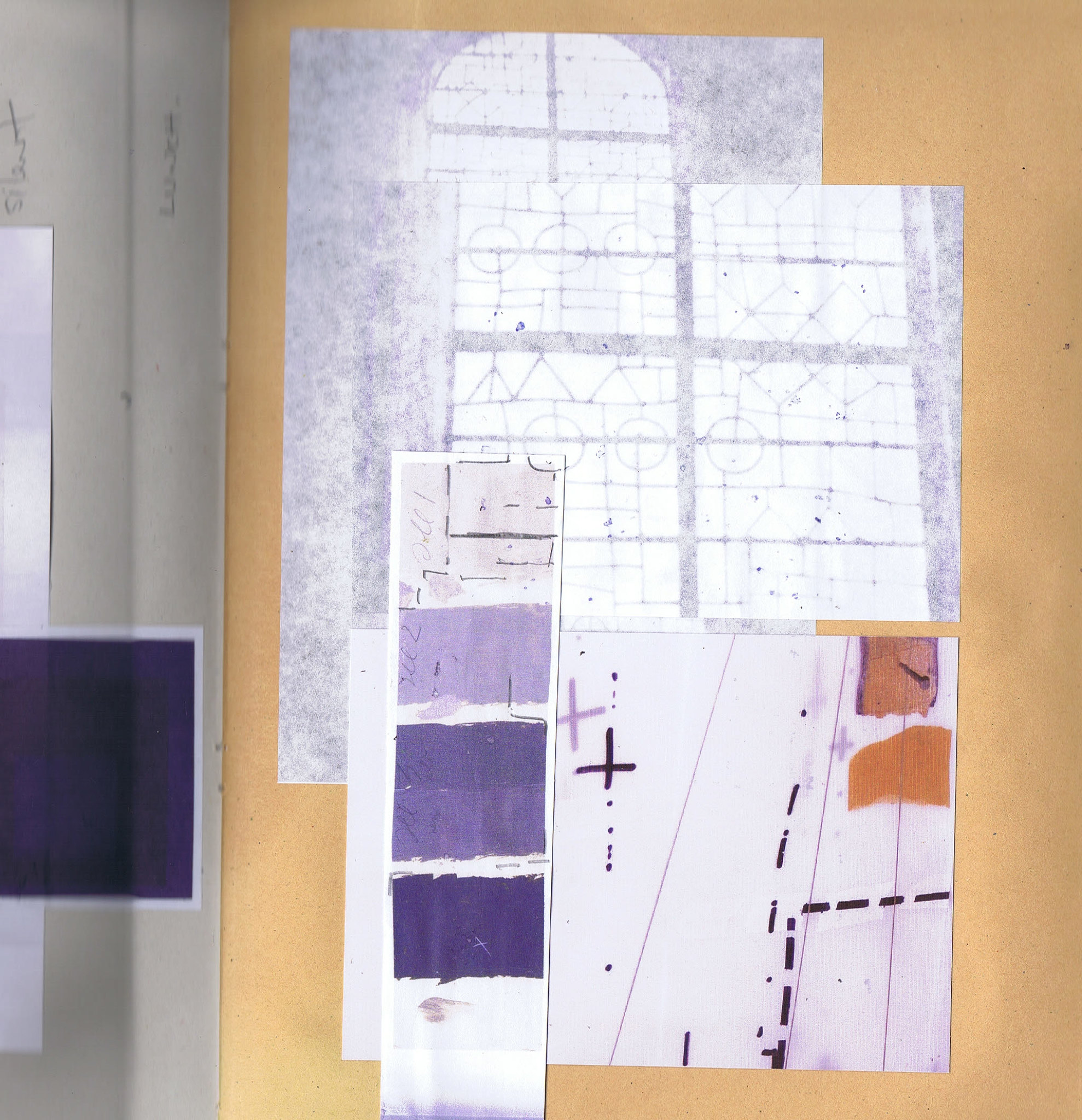
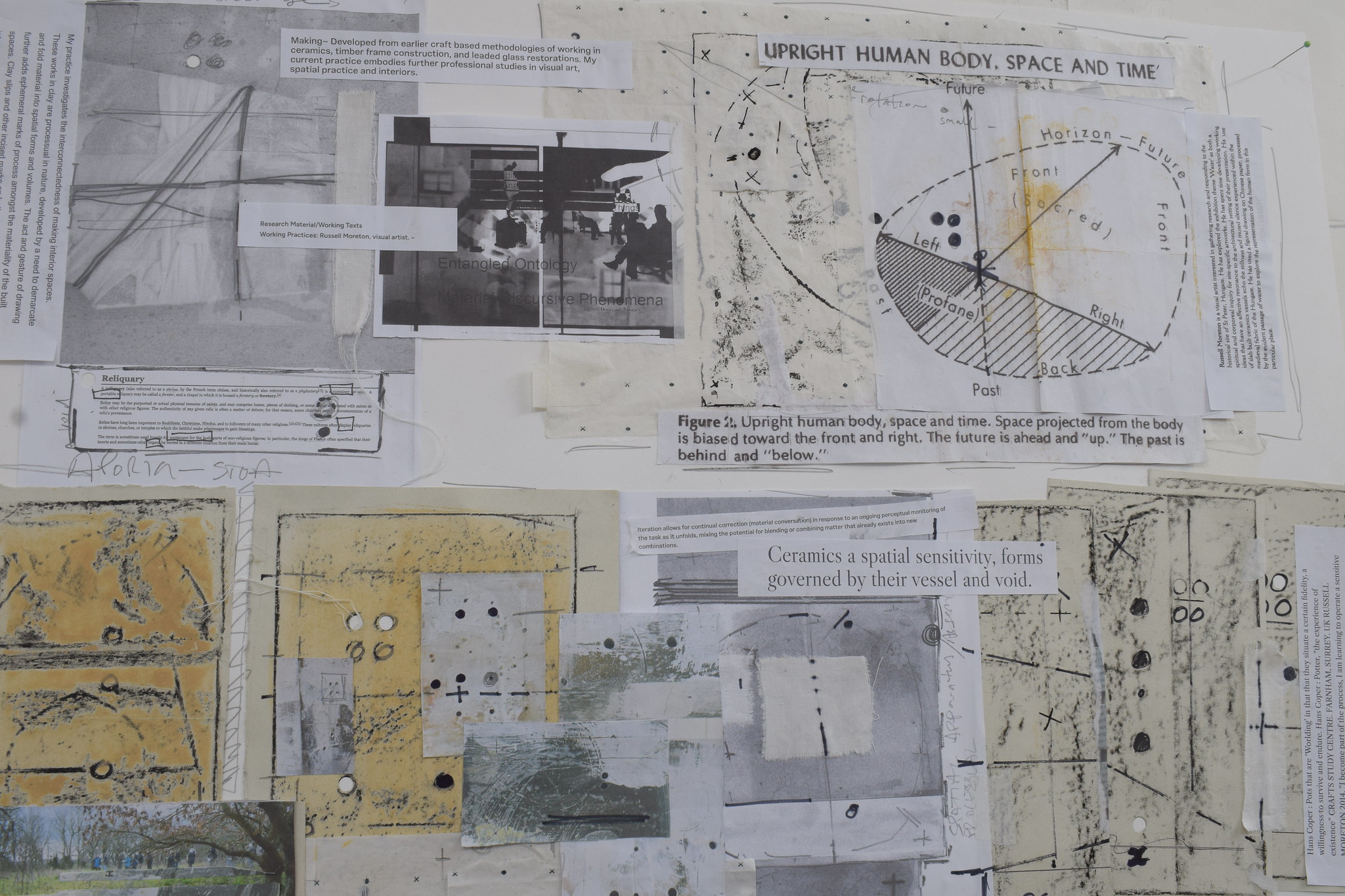
    The image provided is an art collage incorporating diagrams and text snippets from the book Space and Place: The Perspective of Experience by geographer Yi-Fu Tuan. The artwork explores concepts of human spatial perception and time.
    Key Concepts
    Spatial Bias: The collage uses a specific diagram to illustrate that “Space projected from the body is biased toward the front and right”. This suggests a natural human tendency to perceive and prioritize space differently depending on its relation to our body’s orientation.
    Time Perception: The diagram visually represents the future as “ahead and ‘up’” and the past as “behind and ‘below’,” linking spatial metaphors to human conceptions of time.
    Art and Perception: The text “Ceramics a spatial sensitivity, forms governed by their vessel and void” suggests the artwork itself is a study in how form and negative space interact to create meaning, a common theme in art and design that explores kinaesthetic and multisensory perception.
    This collage integrates geographical, psychological, and artistic ideas about how humans experience and structure their environment.

    Correspondences.

    Painterly Ruination

    surface → weathering → residue → architectural decay

    Inhabiting Intensified Surfaces

    gesture → incision → perforation → intensified surface → interior

    And then the later work seems to carry both trajectories forward:

    ruination ~ minor gesture ~ surface ~ puncture ~ interior ~ atmosphere

    That is precisely why I think surfacing should remain a relatively important relational tag in your archive. Your recent writing describes surfacing not as revealing something hidden underneath a surface, but as an intensity finding another spatial condition through which it can be sensed. And this is very close to what you’ve just been describing in relation to the puncture.
  • “Leylines” an art based inquiry.

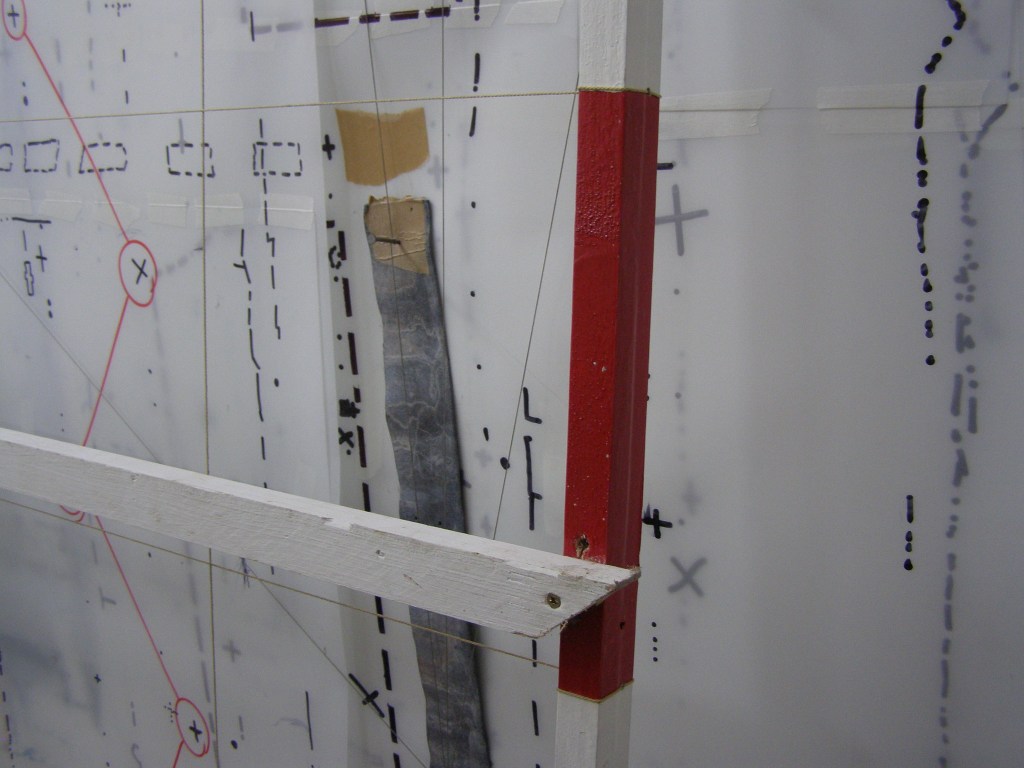
    “Leylines” has been appropriated and employed as both a practical and as a conceptual strategy to inquiry into places and localities. Site visits and sensitive dialogues with the other artists at a number of locations have further brought materials and processes into the creative realm. The spatial practice of setting-up this work has also produced insightful local knowledge from those dwelling nearby.

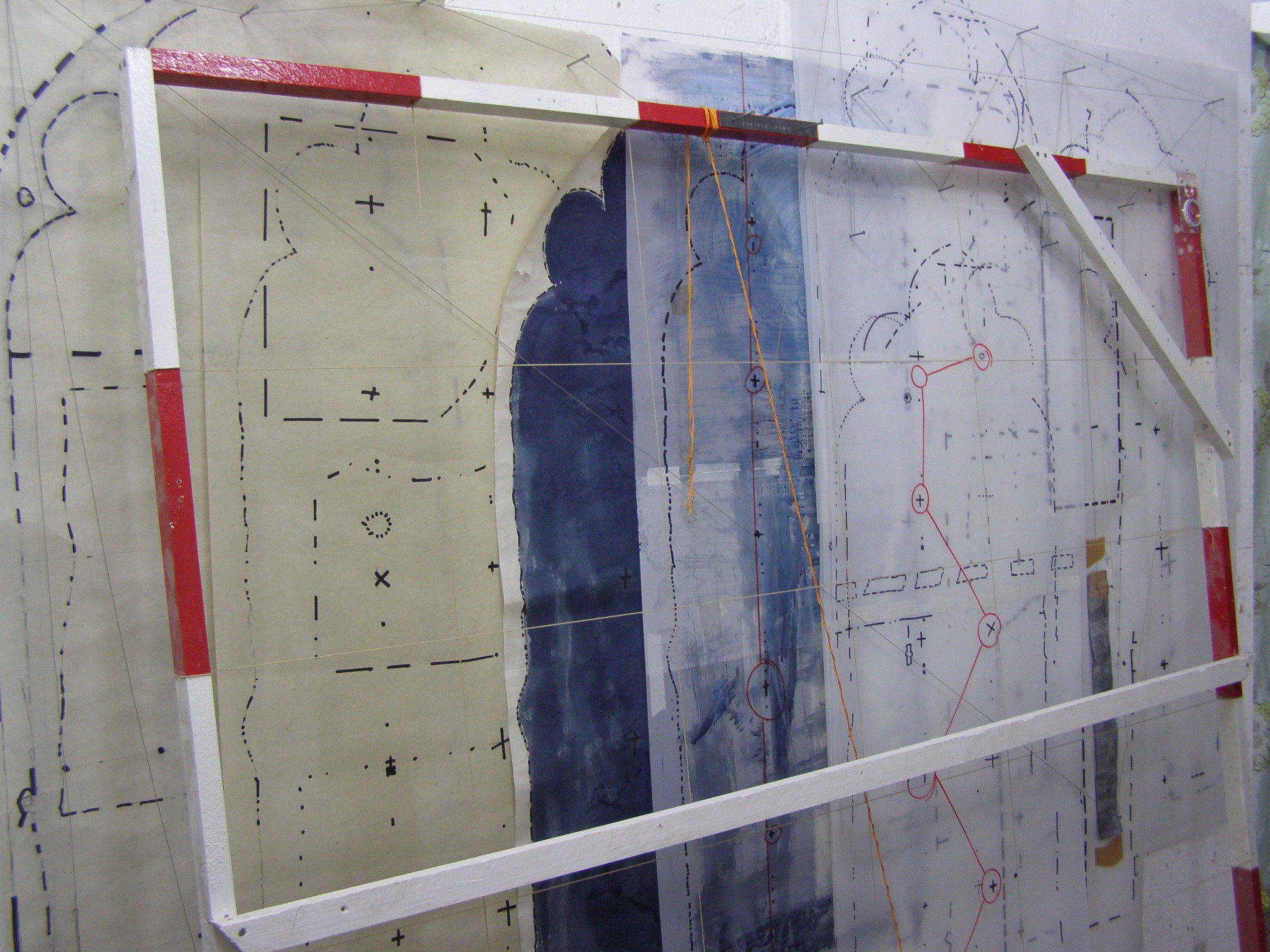
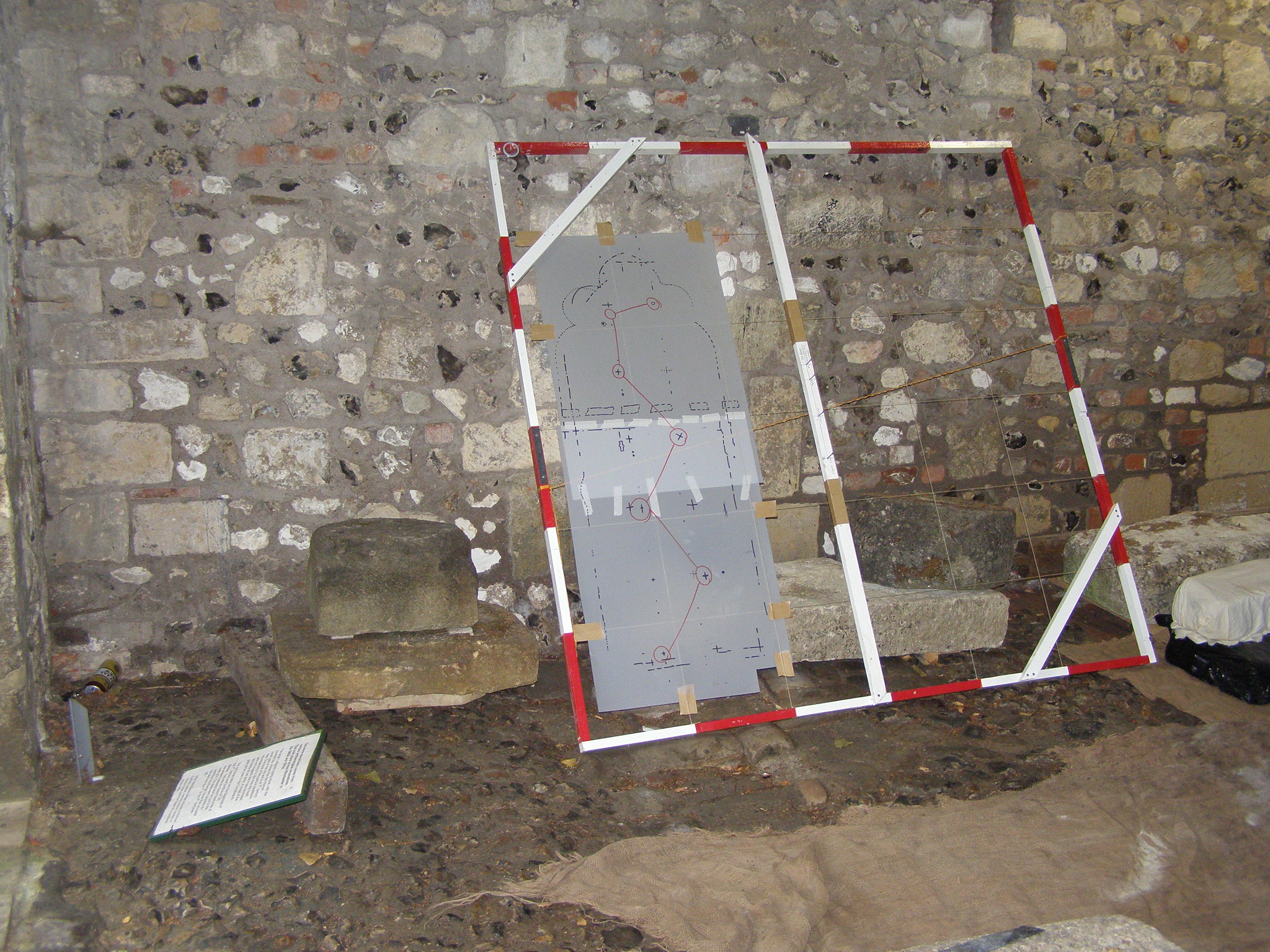
    Beams and Netting: Negotiations in the chamber.

    Clay, Hessian, drawings and transparencies from architectural openings, drawing frame, antique glass, lead and nylon lines.

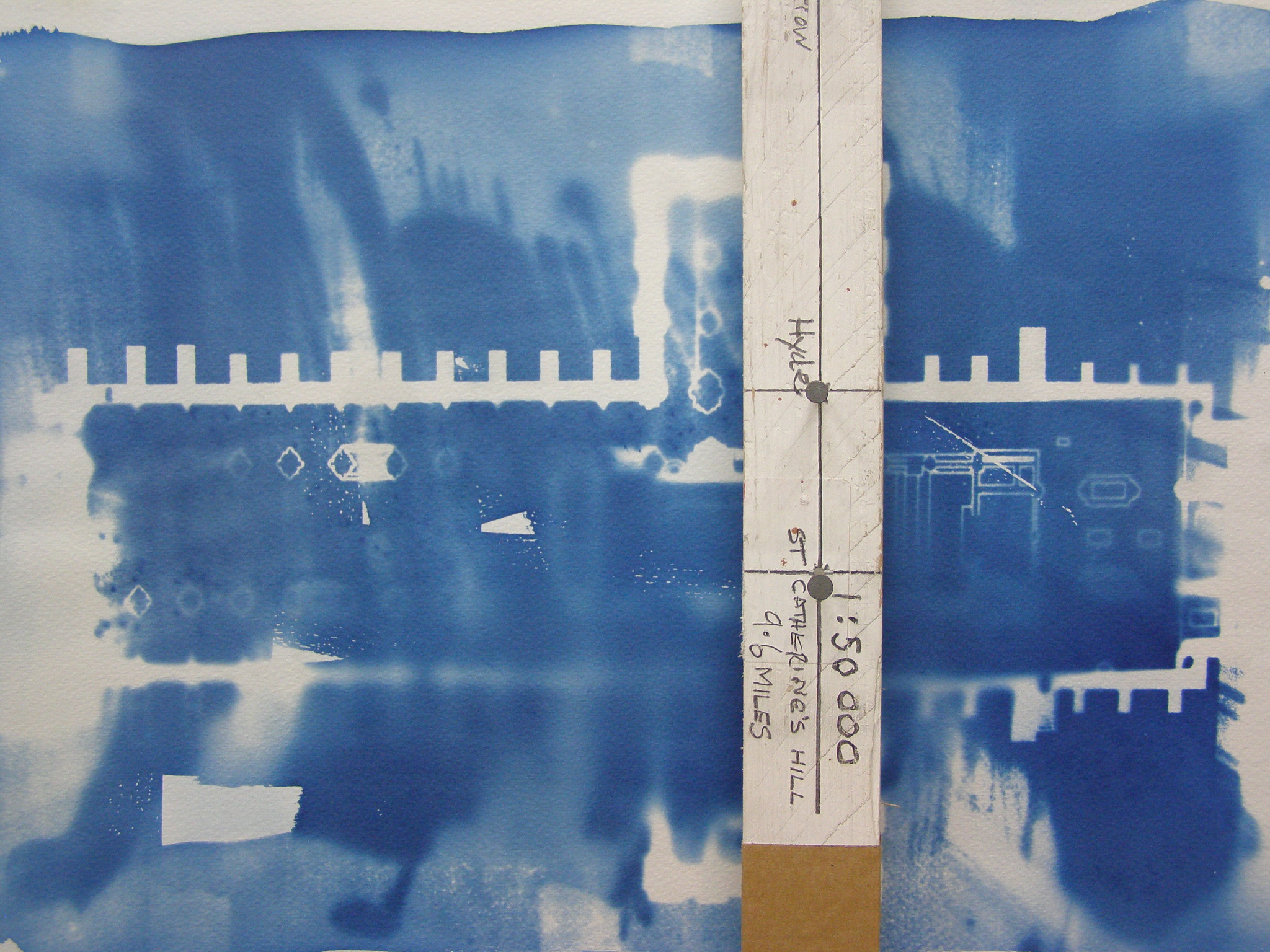
    This intervention into a listed building has become a temporary refuge for a work in progress. The work attempts to show a creative agency as it encounters a host of installed hierarchies and conditions. The architectural motif on the drawings has been derived directly from the open apertures of the chamber, and these drawings also reference the supportive ironwork (Ferramenta) which has been playfully re-registered as a graphic leyline . A drawing frame similar to that used in archaeology for drawing has been adapted to illustrate the relative positions of the leyline as registered by the ordnance survey grid, both terminuses being labelled on the frames periphery.

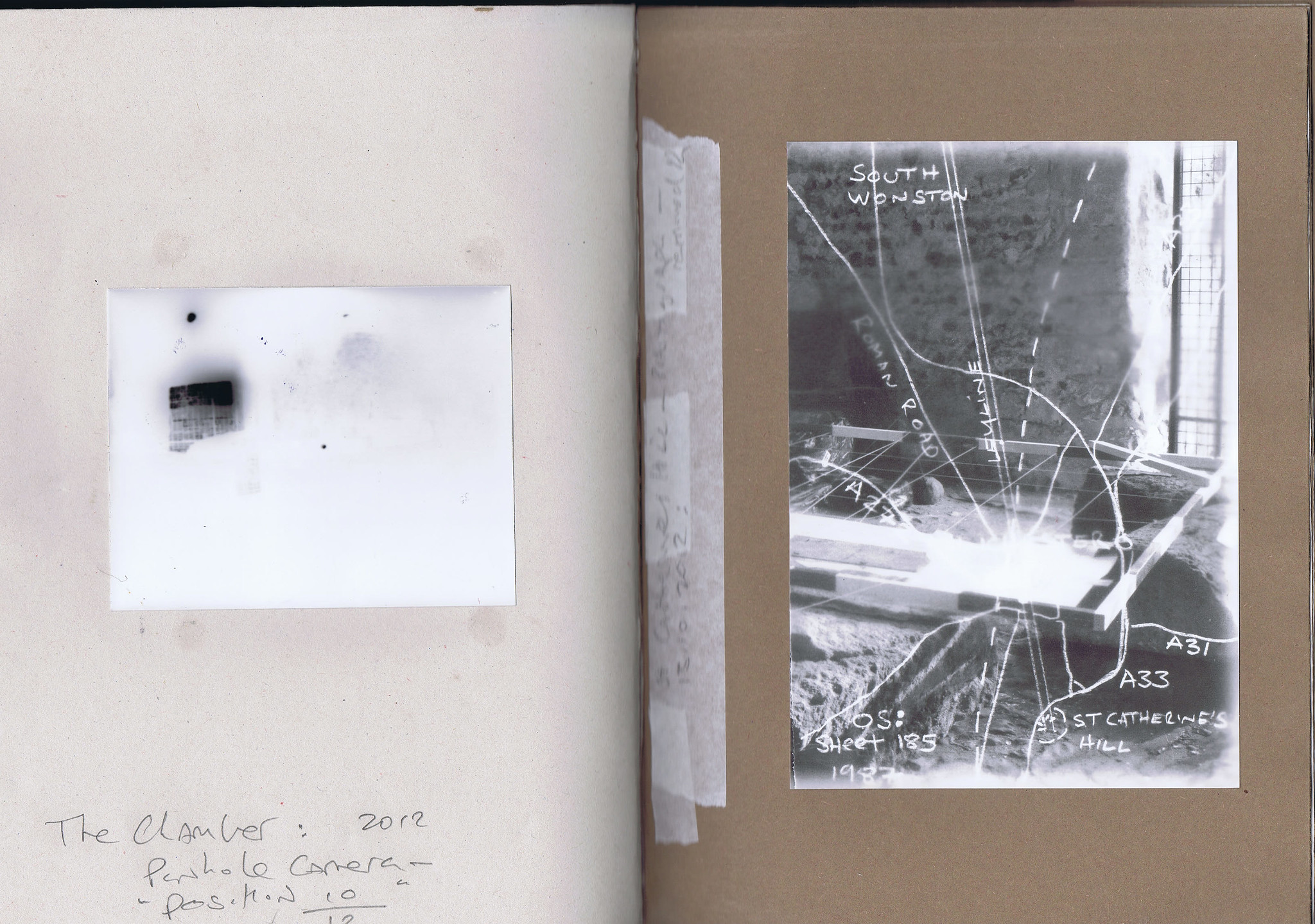
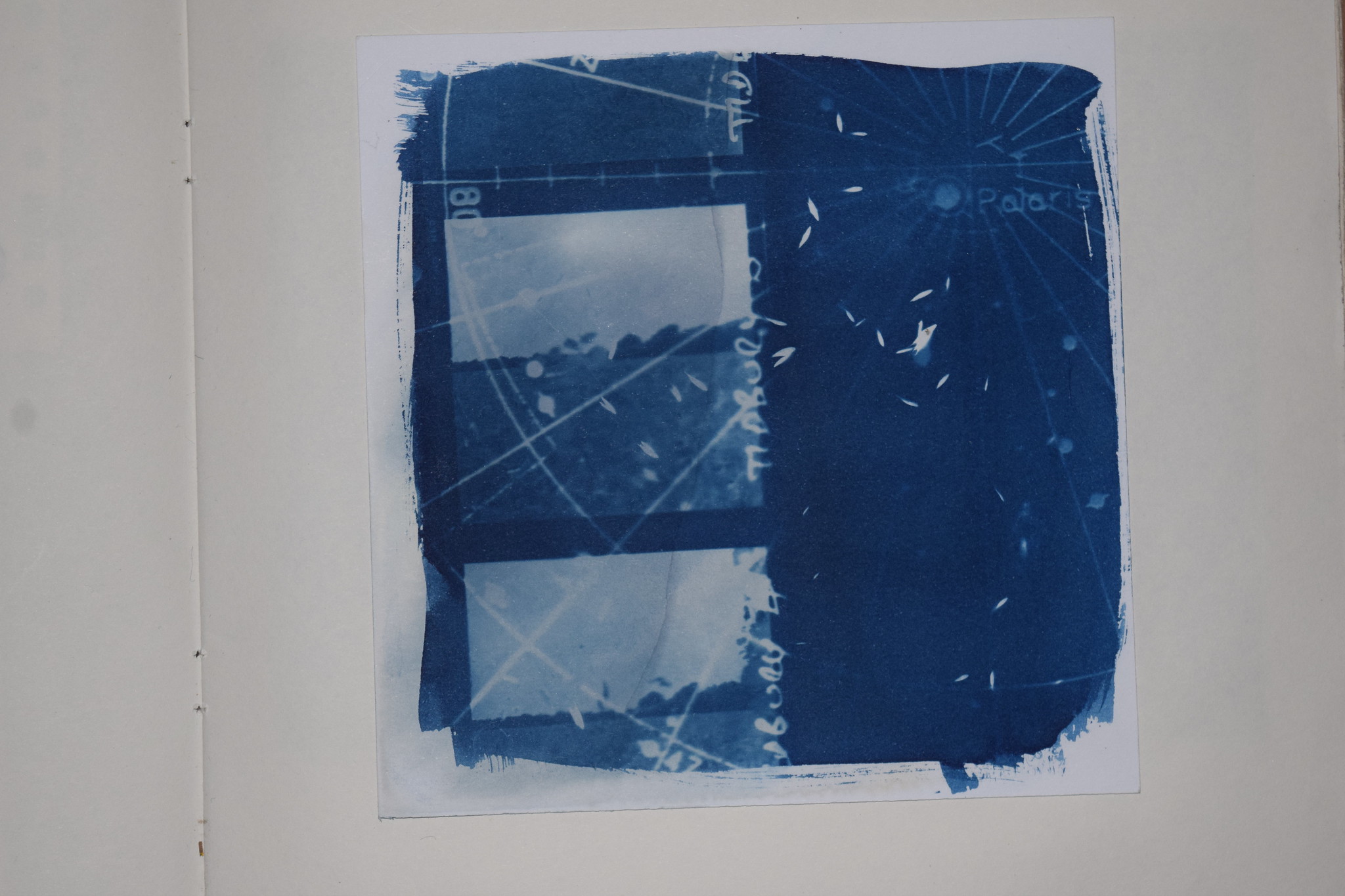
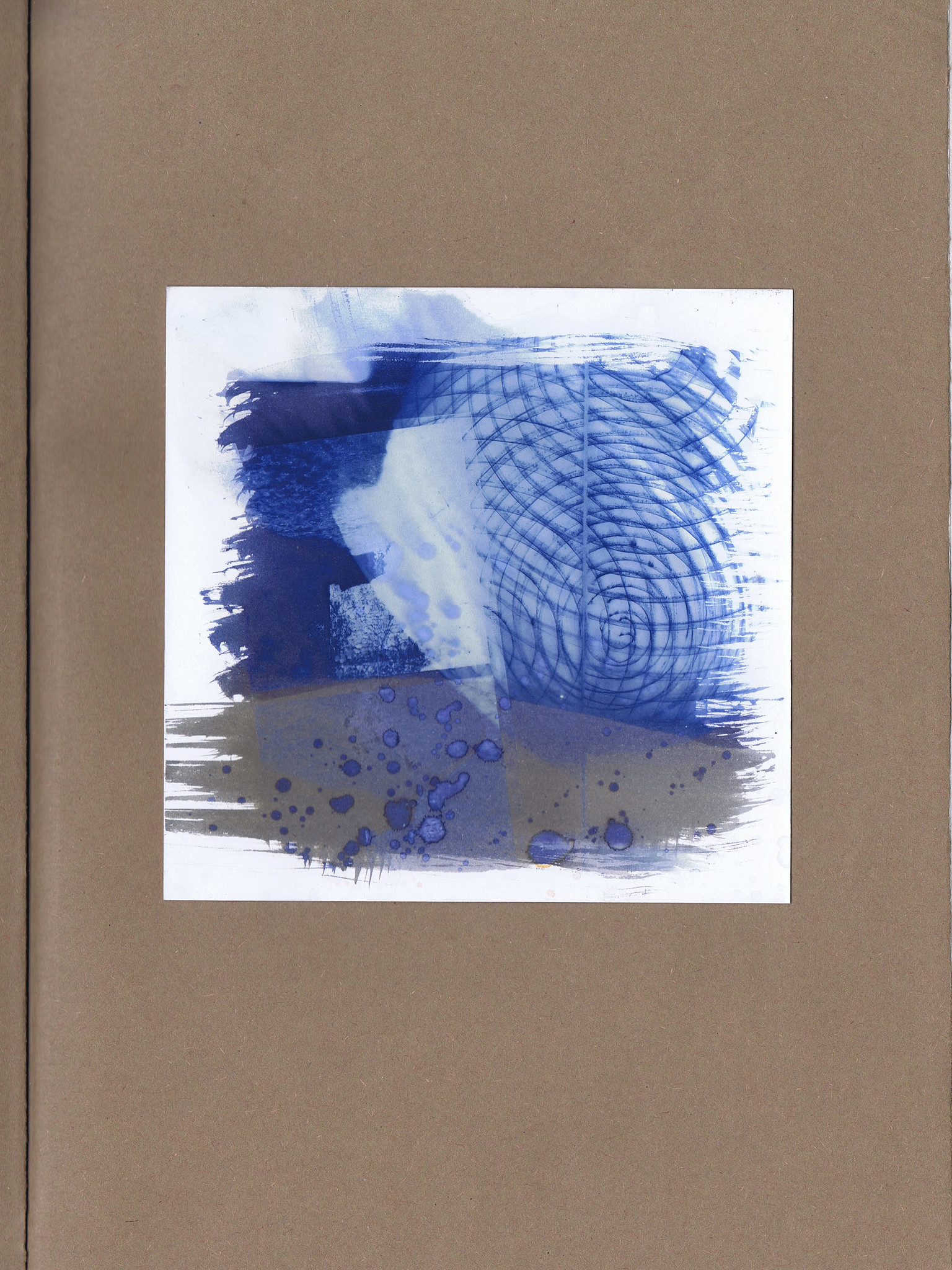
    Artist’s Book: white and coloured pages, card covers with cyanotype of Winchester Cathedral.

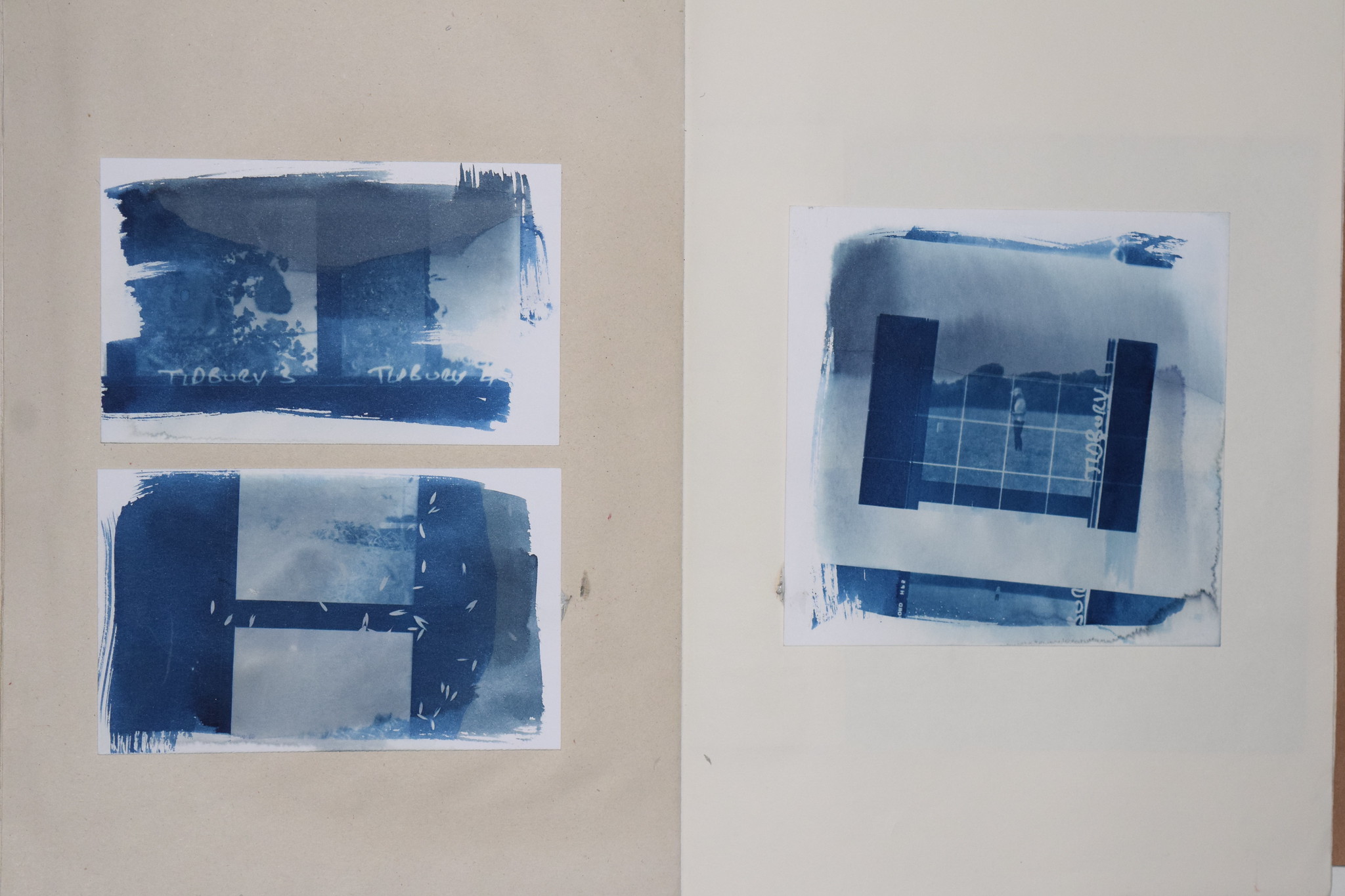
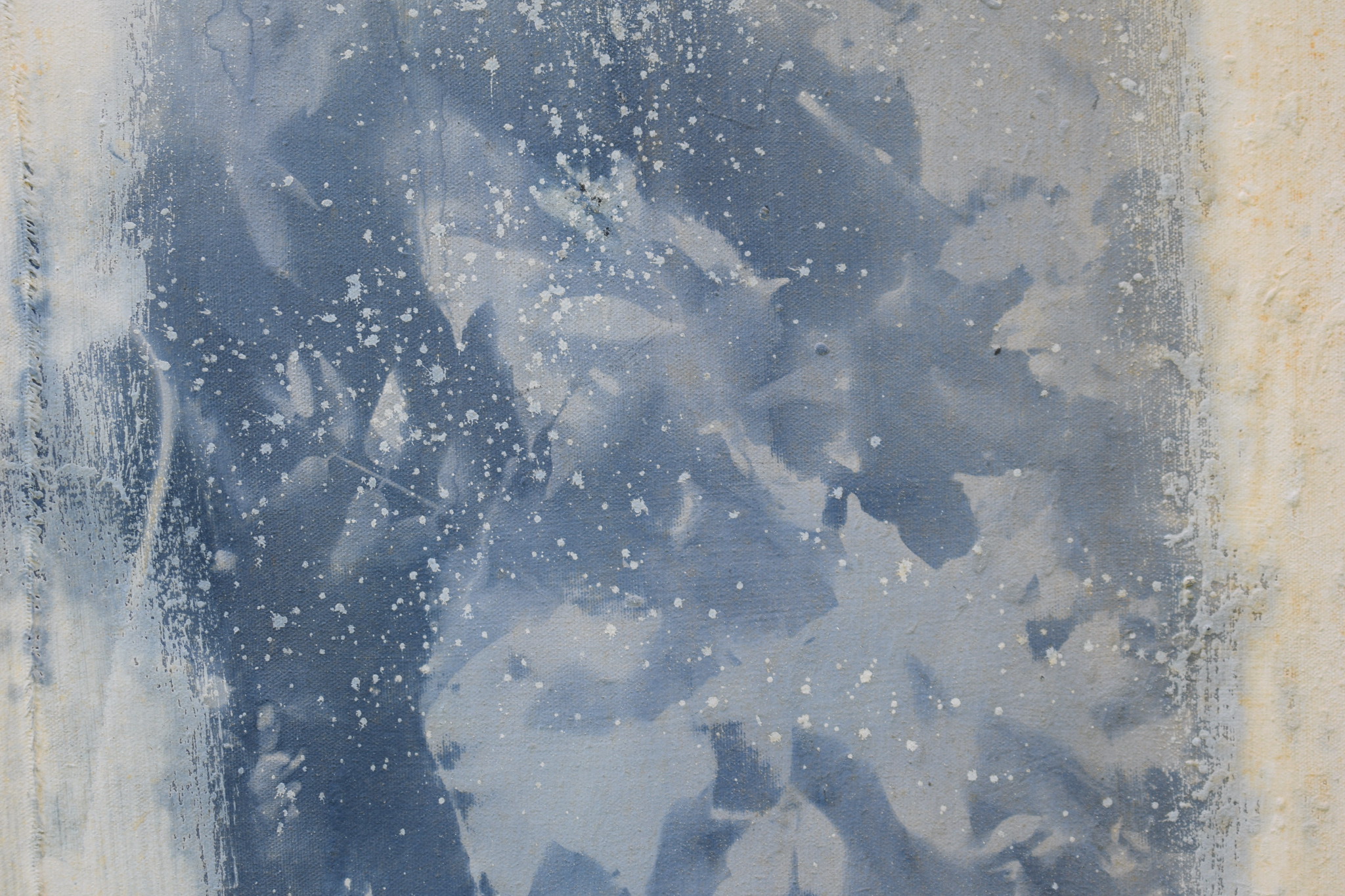
    A hand bound book comprising of five signatures each with four folios. This book contains a collection of postcards made from contact prints and photograms from Tidbury Ring using the cyanotype process. Other pages contain some cyanotype paintings/abstracts around the theme of dwelling and hut. Silver gelatin images of St Catherine’s Hill are present as are some experimental pinhole photography.

    Writing has nothing to do with signifying, it has to do with surveying, mapping, even realms that are yet to come. Deleuze, Guattari. 1988.

    Year
    2012

    Medium
    Hand bound artist’s book with alternative photographic documents, images and diagrams.

    Size
    225mmL x 300mmH x 20mmD

    Date(s)
    01/10/2012

    Venue
    St Bartholomew’s Church and Hyde Abbey Gatehouse.

    Location
    Winchester

    Exploring Leylines: Art and Local Knowledge
    This title focuses on key concepts like ‘leylines’ and ‘local knowledge’, improving search visibility for users interested in art and geography.

    Creative Interventions in Architectural Spaces
    Highlighting ‘creative interventions’ and ‘architectural spaces’ targets audiences looking for innovative art practices, aiding in niche search rankings.

    Spatial Practices: Art’s Dialogue with Environment
    This title emphasizes ‘spatial practices’ and ‘dialogue’, attracting an audience interested in interactive and site-specific art, enhancing SEO relevance.

  • Site : Morn Hill Winchester.

    Landscape : Entanglements of Affect/Aesthetics

    The site is not simply a place to be remembered, but a surface through which buried relations continue to surface.

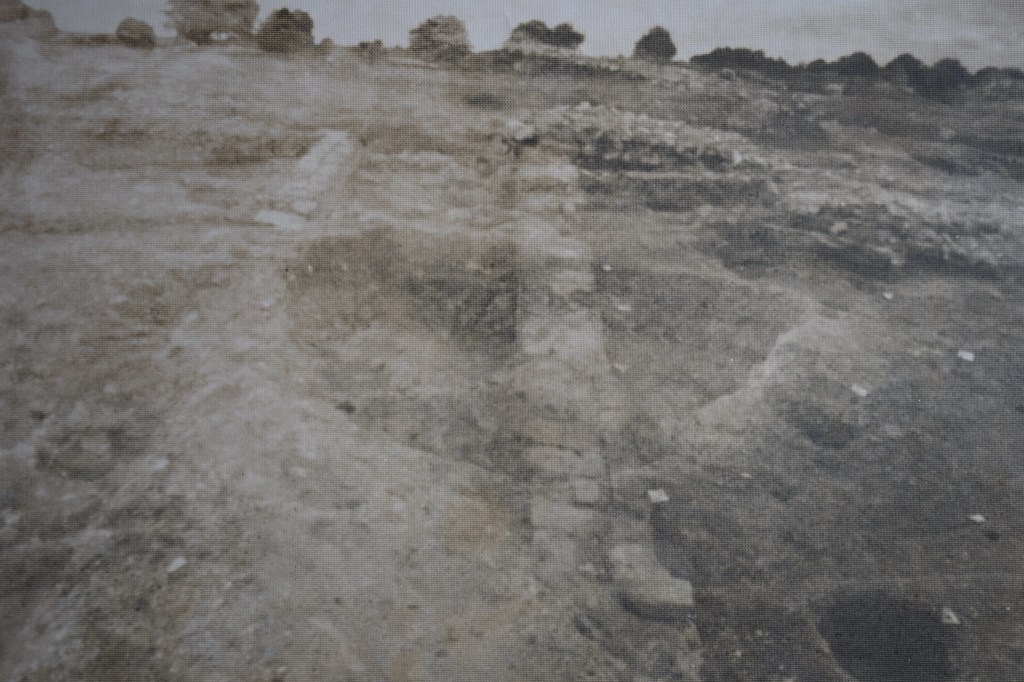
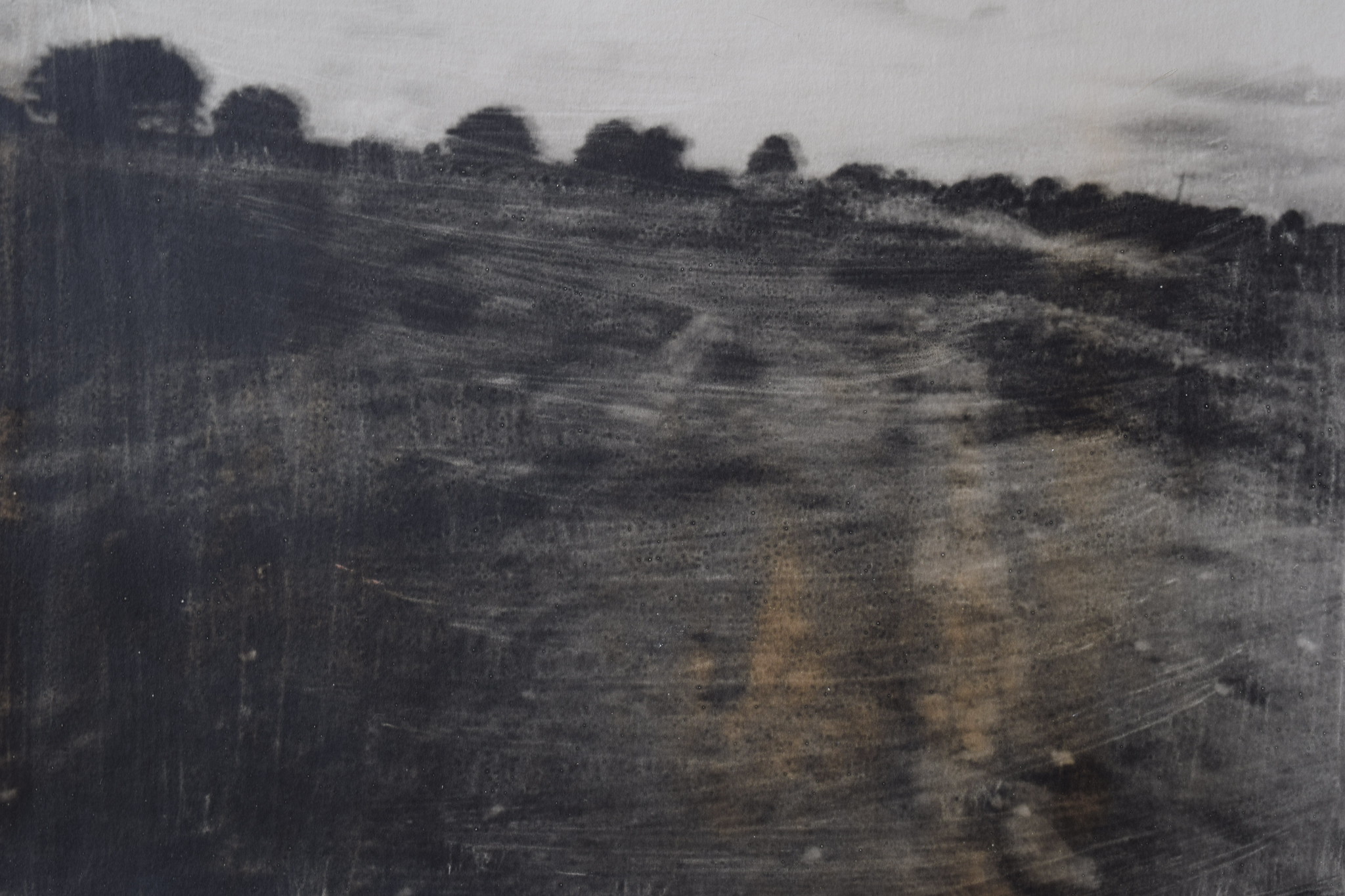
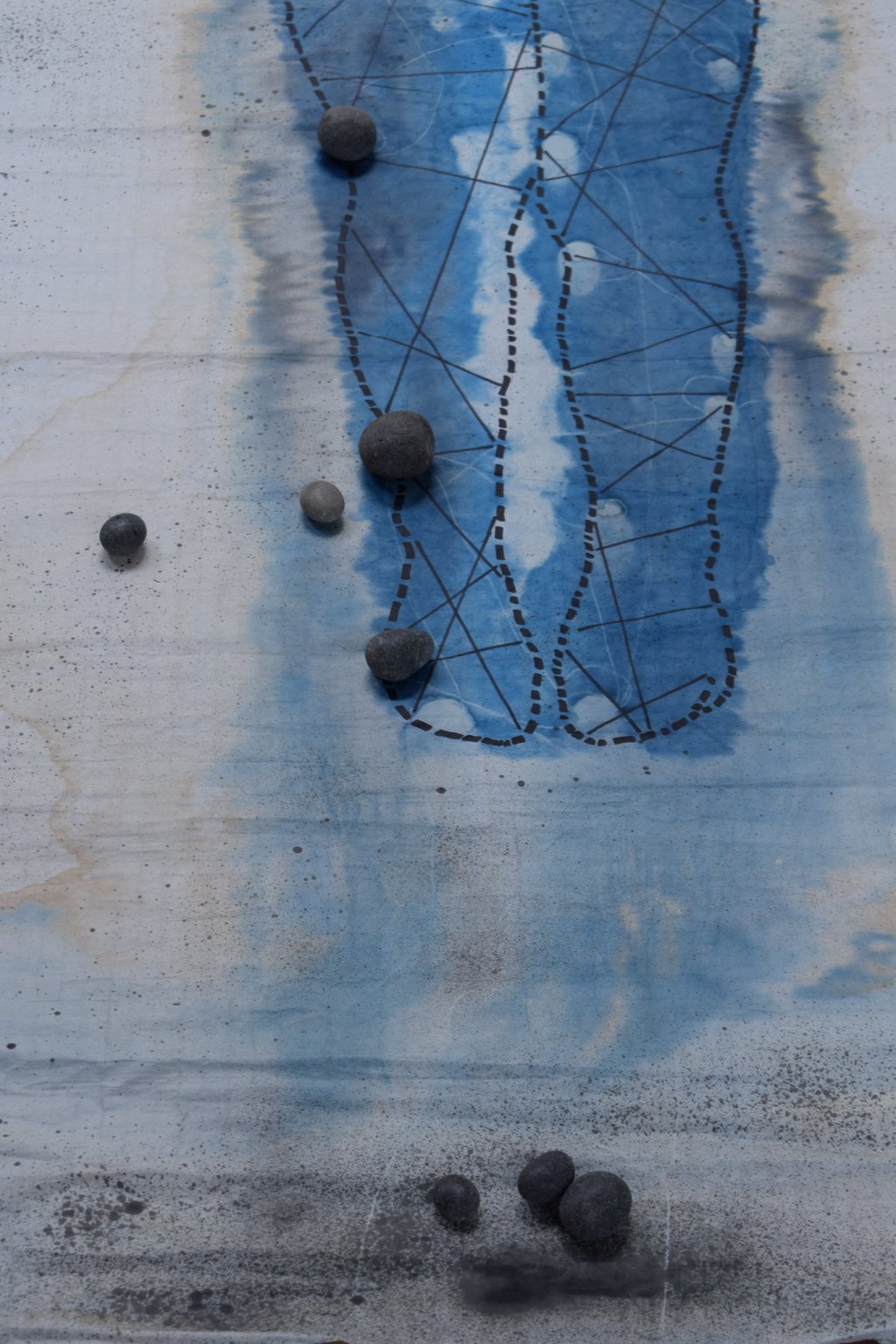
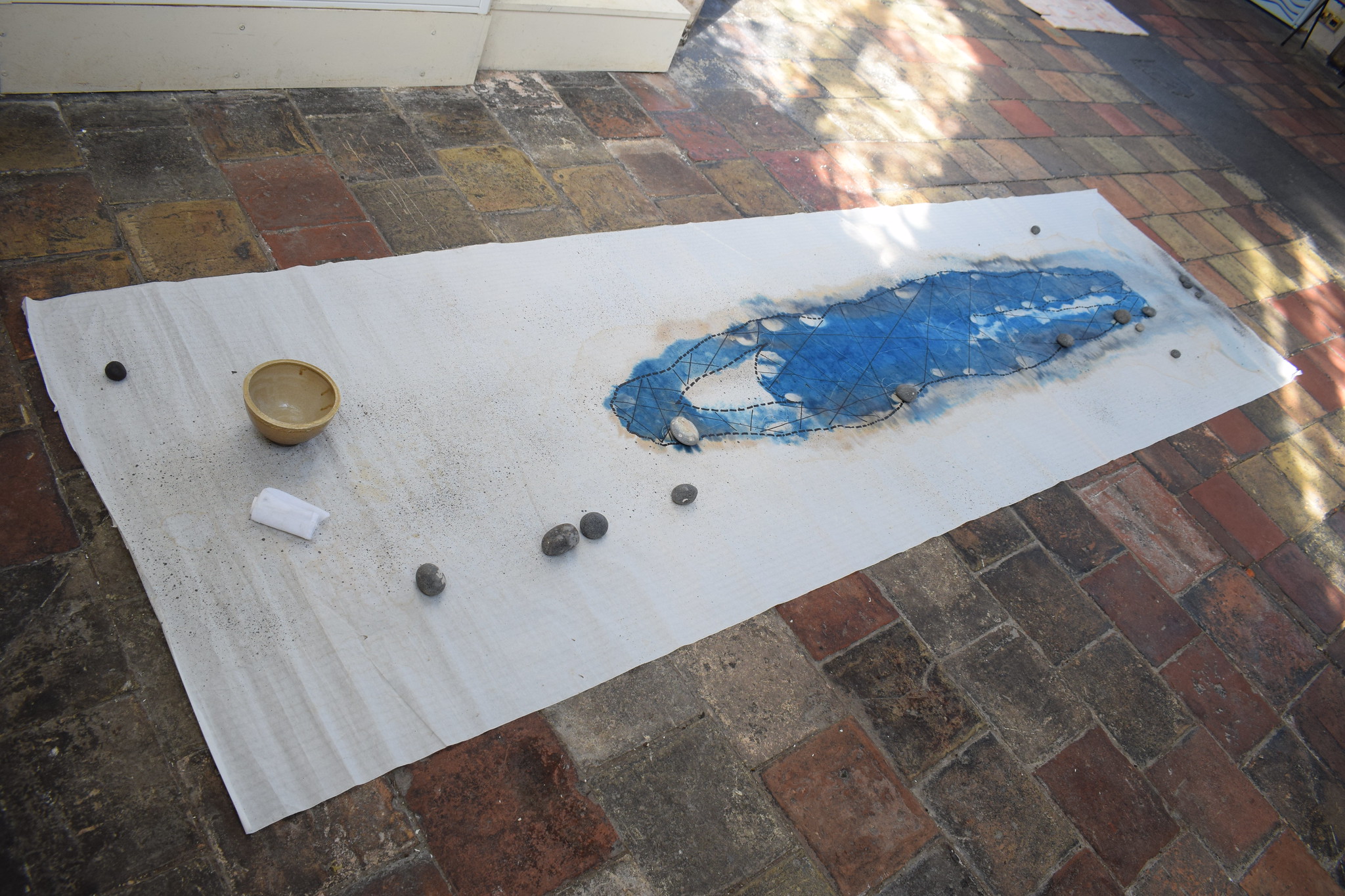
    This post is materially centred on pinhole photography, the archaeological site, contour lines, land drawing and remote sensing. The Morn Hill site is encountered through photographic and diagrammatic means rather than through the construction of a spatial intervention.

    Morn Hill

    landscape → excavation → trace → contour → absence → site

    The site is read through what is missing, buried, eroded or left behind.

    The Poetics of Space. Gaston Bachelard. The classic look at how we experience intimate places.

    The Eroded Steps. Giuseppe Penone. Dean Clough Contour Lines.

    Land Drawings, Installations, Excavations. Kate Whiteford. Remote Sensing. Colin Renfrew.

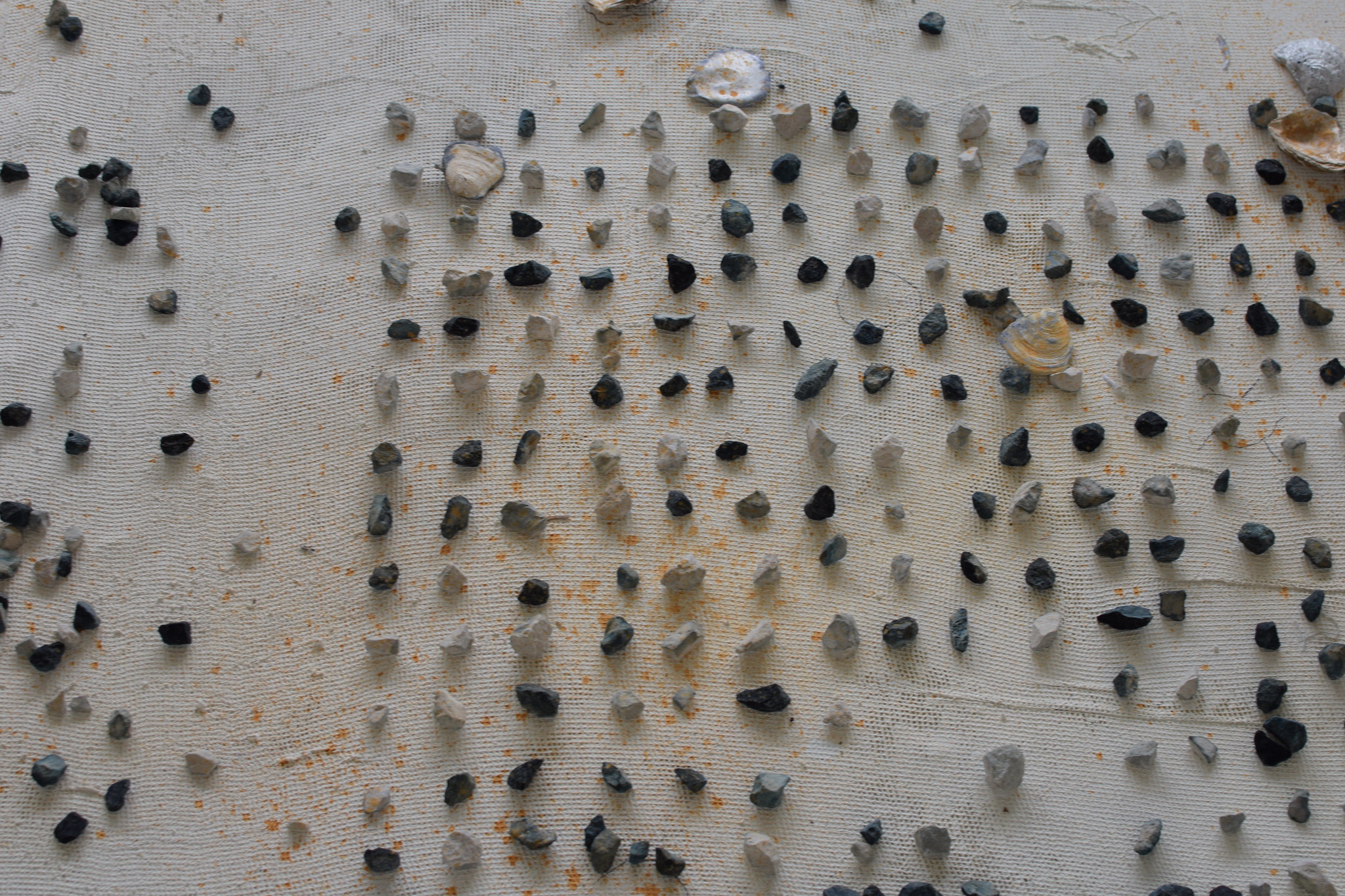
    Negative Capability part I is an exhibition of visual and written responses to the University of Winchester’s Magdalen Hill Archaeological Research Project (MHARP), one of the most extensive excavations to date of a medieval leper hospital, almshouse and cemetery complex. The artists observed the excavation team at work, witnessing their process then displaying the results in the gallery and inviting writers to respond.

    Year
    2013

    Medium
    Pinhole photography, liquid light emulsion, selenium toner.

    site~place

    I think this is worth introducing as a relational tag because it gets very close to what you’ve just been saying about the site as the undoing of place.

    Morn Hill isn’t simply a location documented photographically. The archaeological excavation already unsettles the apparent stability of the place: layers of occupation, absence, buried bodies, traces and historical processes become perceptible. The pinhole camera then adds another kind of temporal and spatial displacement.

    Morn Hill → Simple Dwelling Places

    At Morn Hill, the site contains traces of bodies that are no longer present.

    In Simple Dwelling Places, the ceramic begins to construct spaces for bodies that may or may not arrive.

    So there is a reversal:

    archaeology reads the remains of dwelling; ceramic constructs the possibility of dwelling.

    That is a very strong anarchival relation.

    The archaeological site looks backwards through traces.

    The ceramic dwelling leans forwards through proposition.

    And your line from earlier comes back beautifully:

    The trace looks backwards. The proposition leans forwards.

    Morn Hill is almost the trace.

    Simple Dwelling Places is the proposition.

  • Simple Dwelling Places.

    Dwelling begins here not as occupation, but as the material proposition of an interior.

    Simple Dwelling Places

    template → gesture → construction → dwelling → interior

    The spatial condition is made rather than excavated.

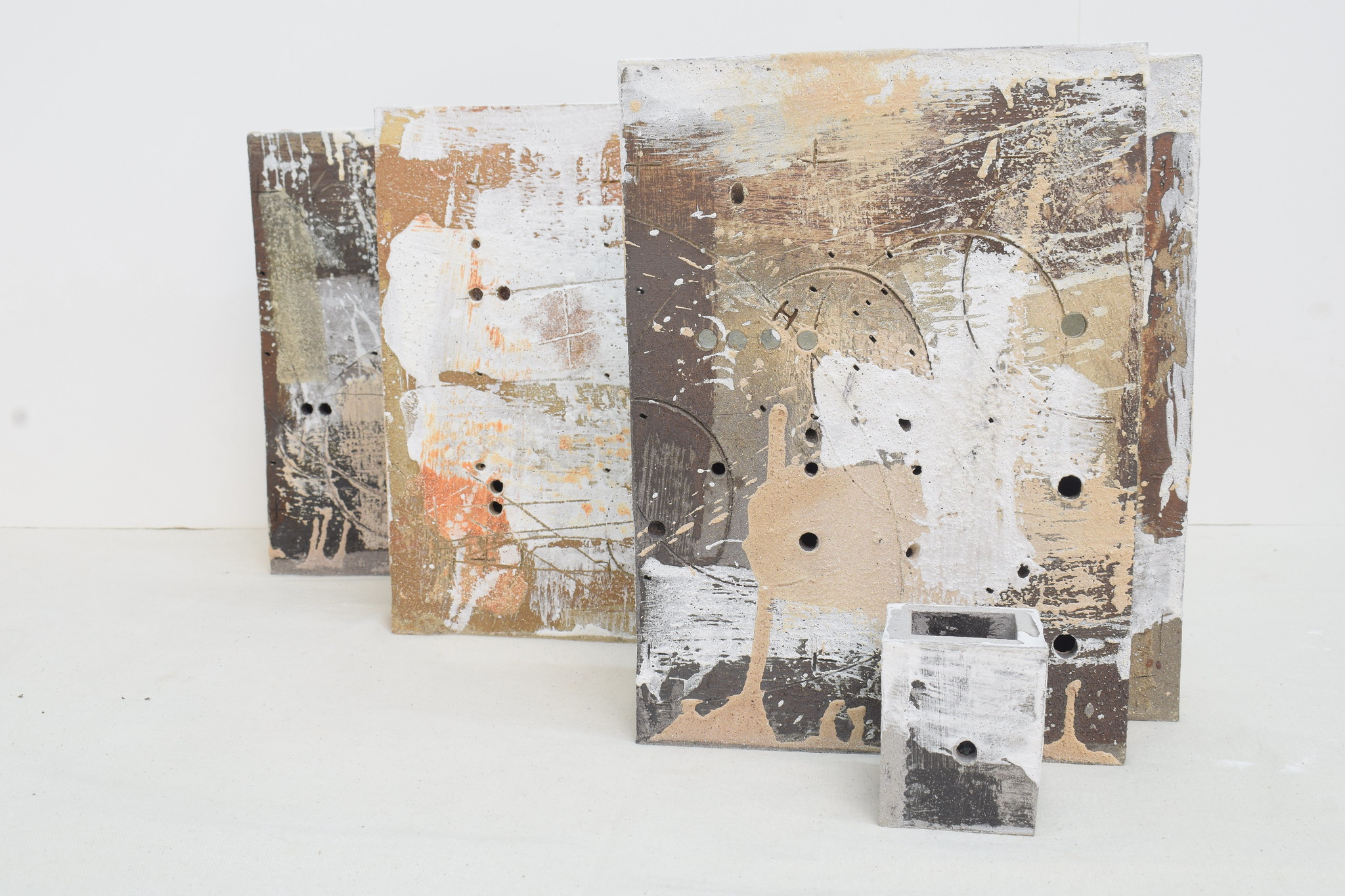
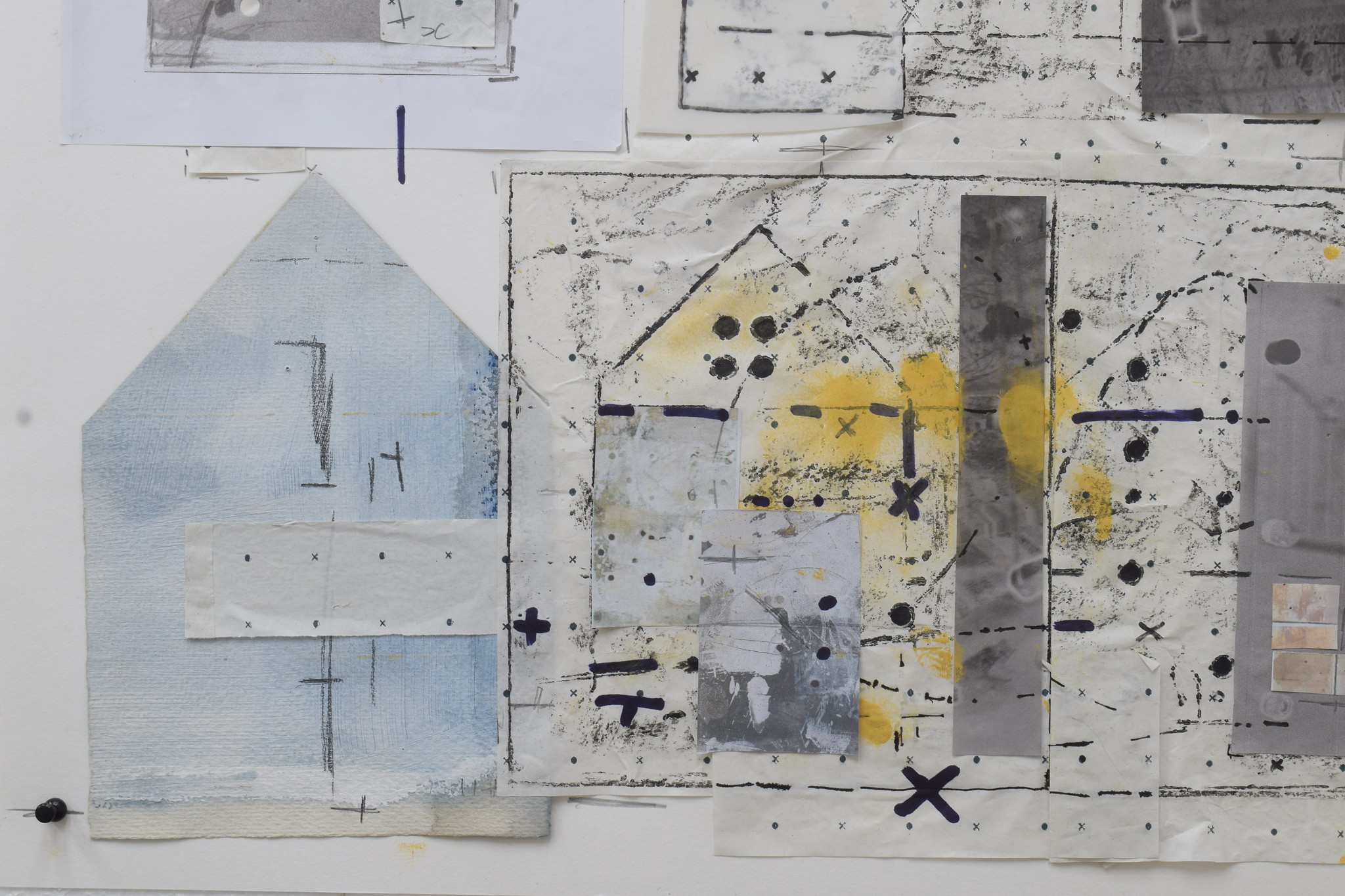
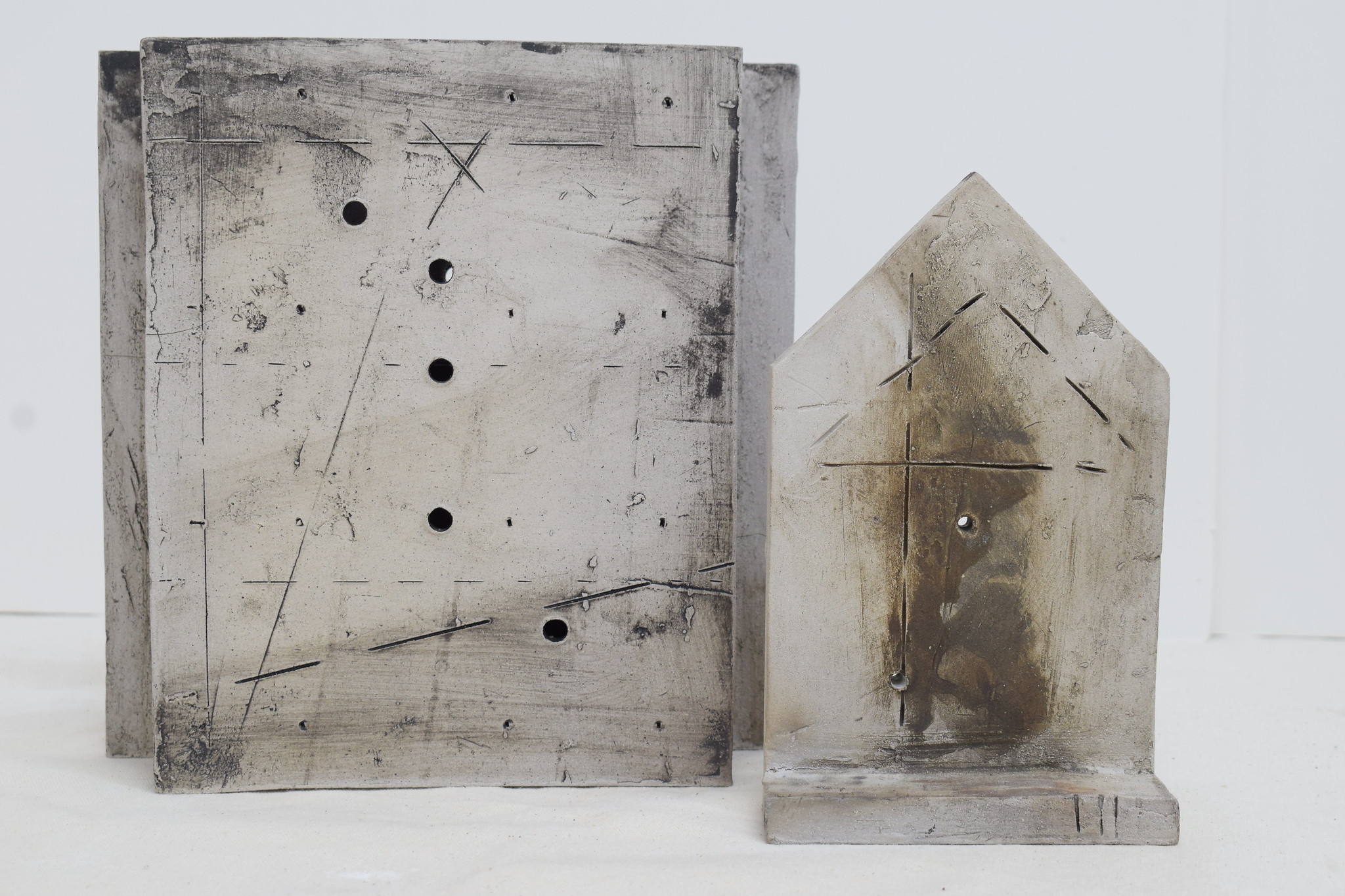
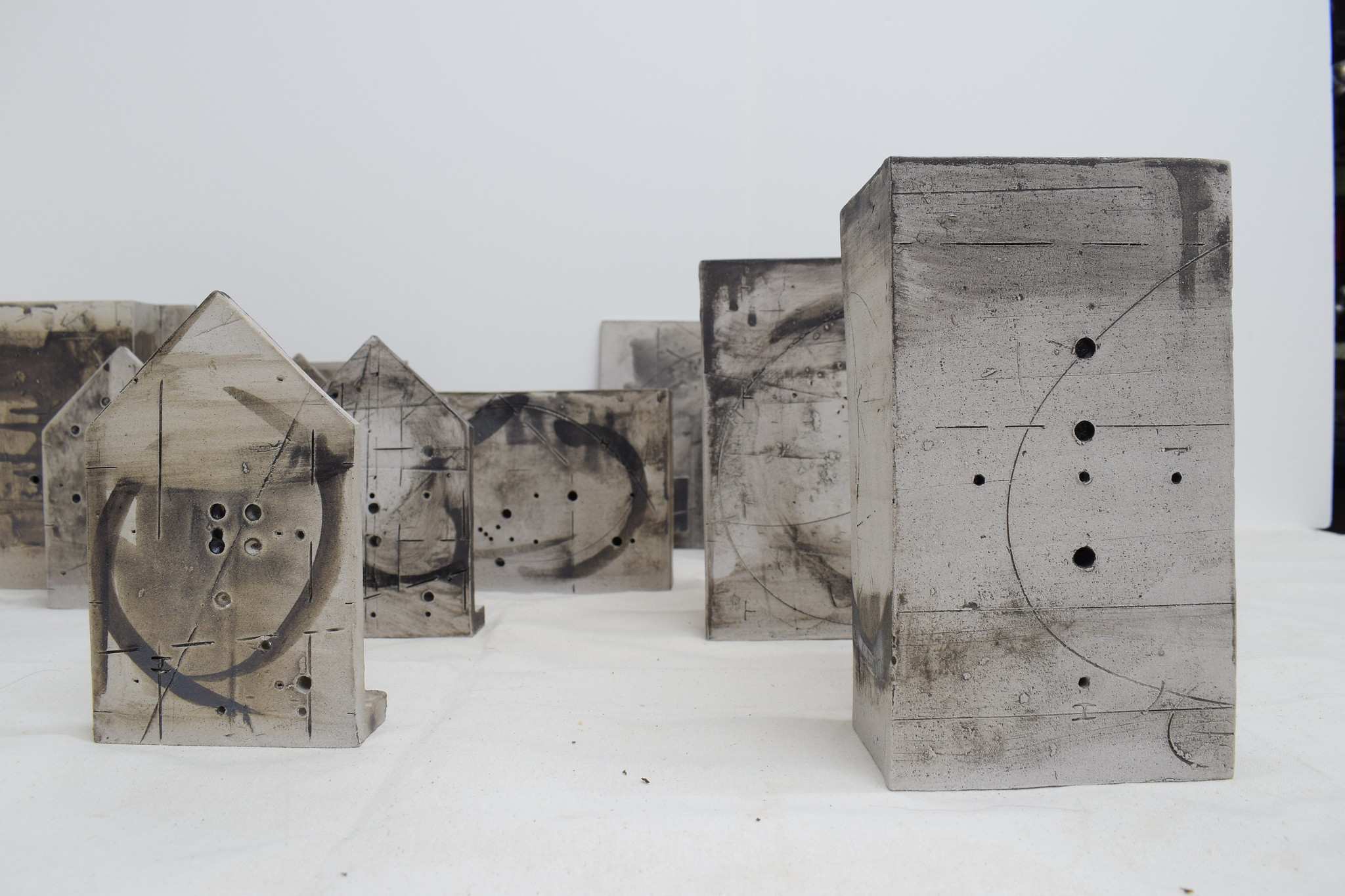
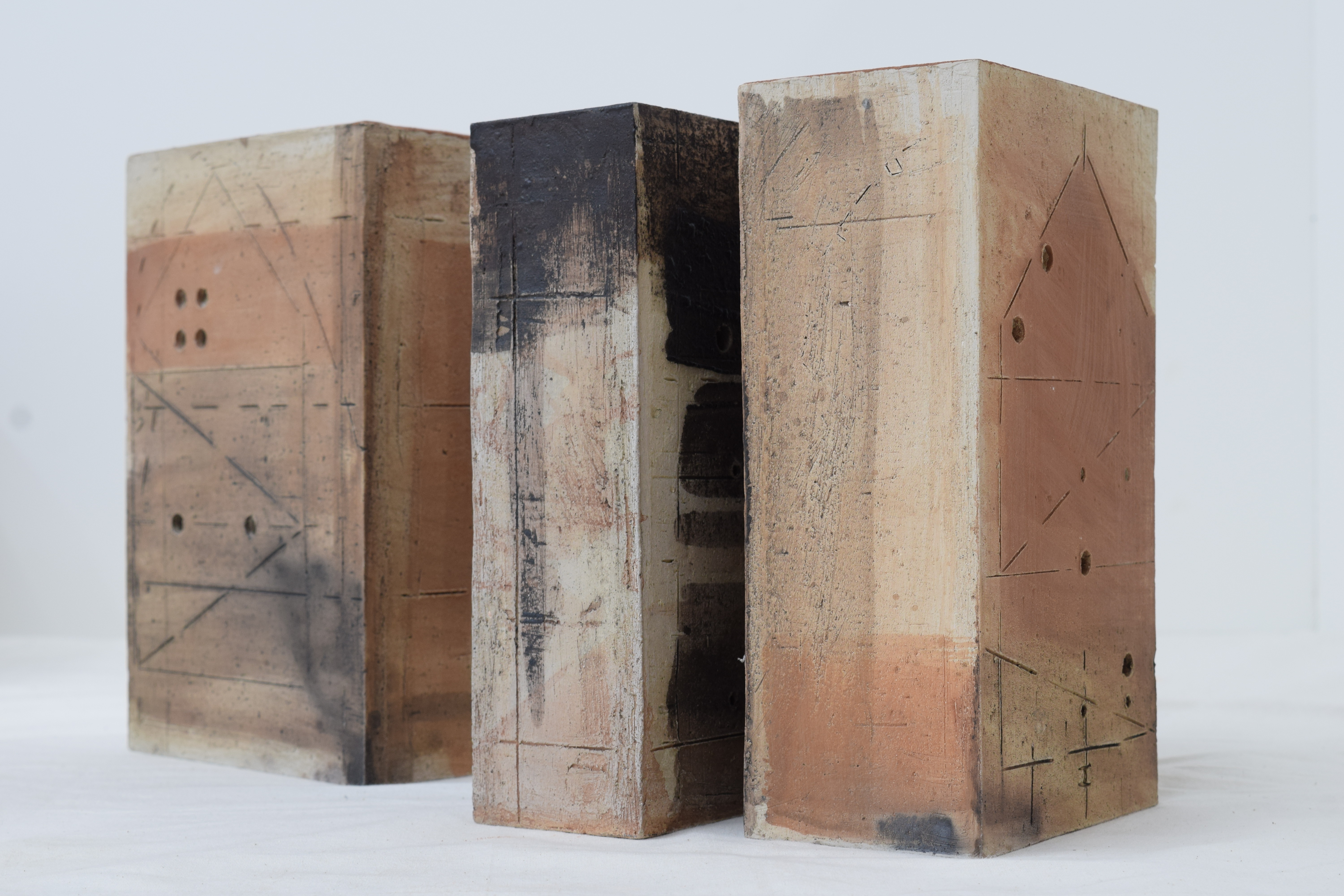
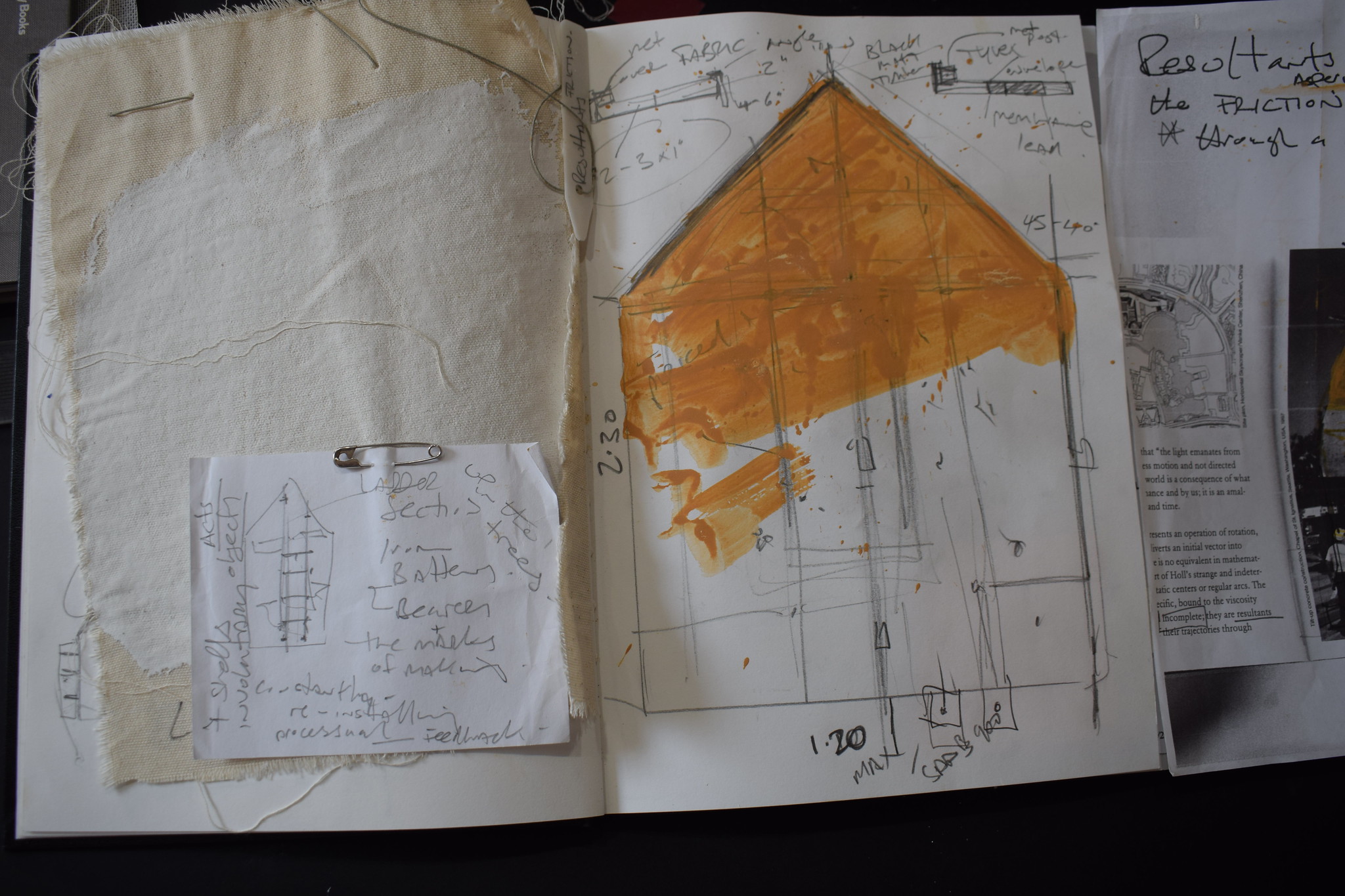
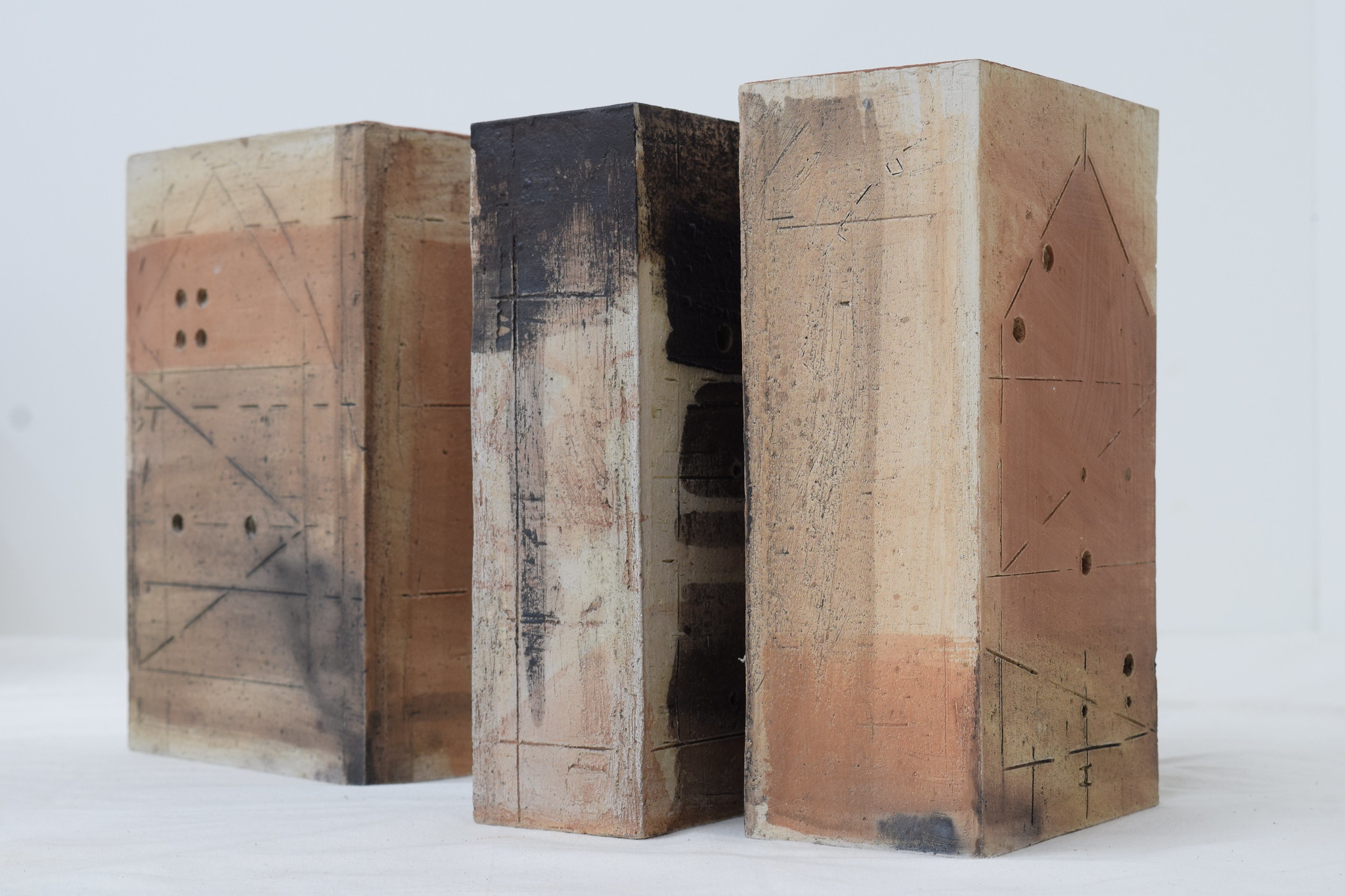
    Slab built ceramic from templates and drawn annotations added throughout the construction process.

    Working with an attention to material : Architectural forms as the excitement of making/building/dwelling.

    Dwelling.

    Rethinking the animate, re-animating thought.

    Tim Ingold.

    Ingold insists on a flat, continuous and processual ontology of dwelling and becoming.

    Year
    2024

    Medium
    Ceramic

    Size
    220mmL x 240mmH x 60mmW 130mmL x 240mmH x 90mmW

    Category

    Ceramic Bodies

    This one is much more clearly a ceramic body than the Morn Hill post. It describes slab-built ceramic forms made from templates, with drawn annotations entering the construction process, and explicitly connects making / building / dwelling through Ingold’s processual ontology.

    Simple Dwelling Places → Eartha~Ceramic

    Here the relationship becomes more materially explicit.

    Simple Dwelling Places is concerned with making/building/dwelling and slab construction.

    Eartha~Ceramic then intensifies this into:

    material → volume → interior → piercing → light → environment.

    The dwelling becomes increasingly less like a model of architecture and more like a material environment in itself.

    This is where your current ceramic thinking starts to become visible retrospectively.

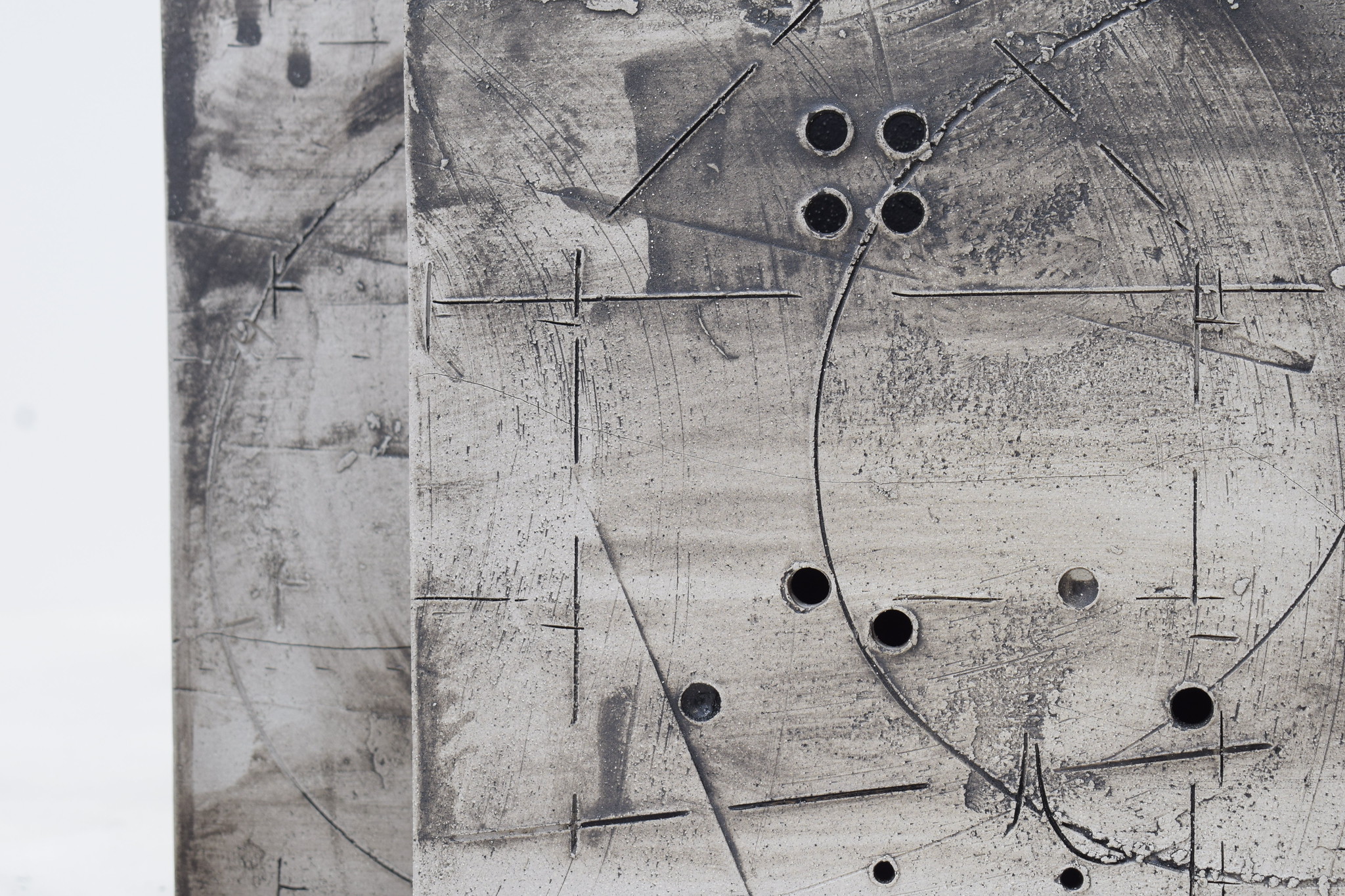
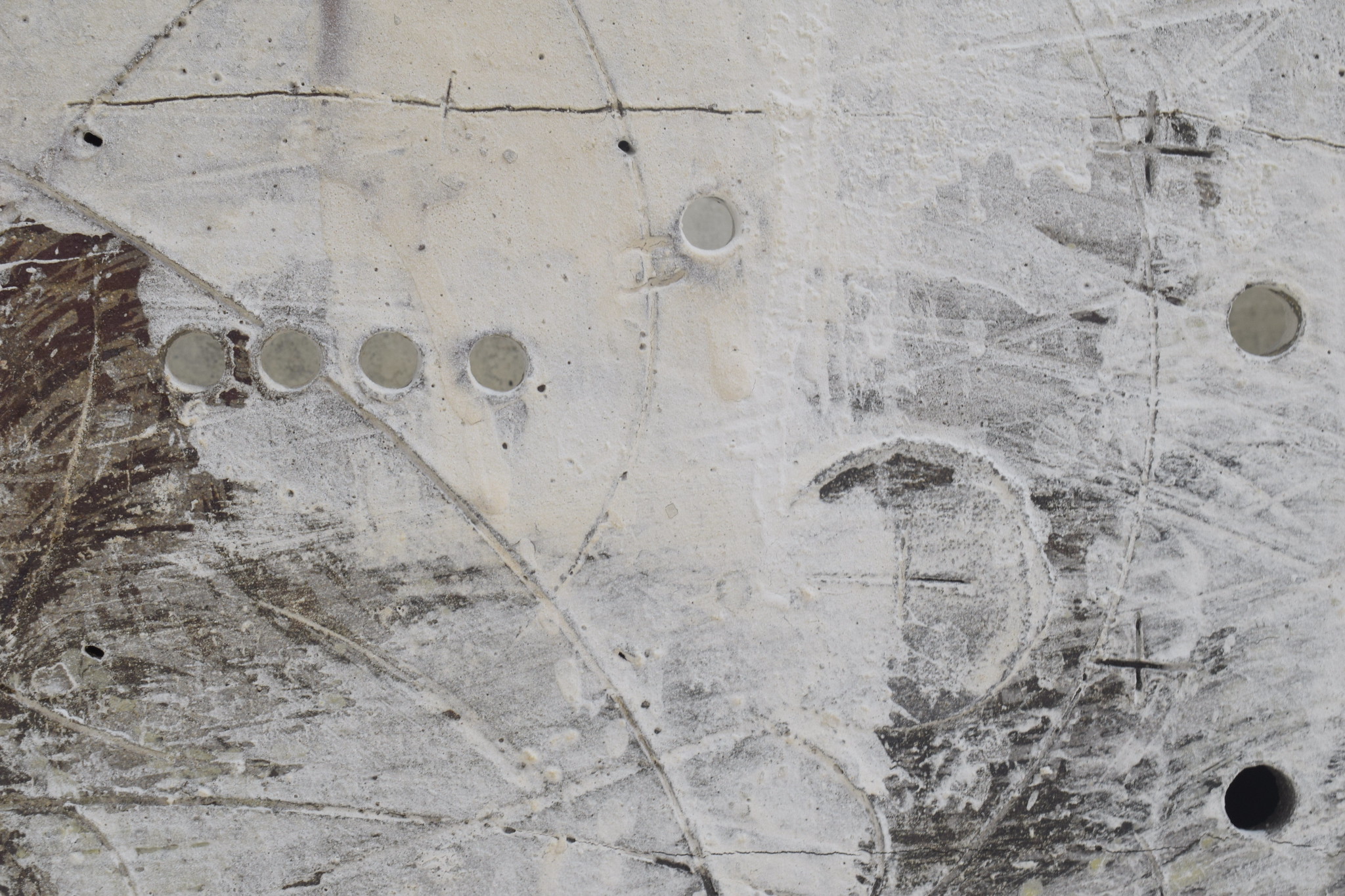
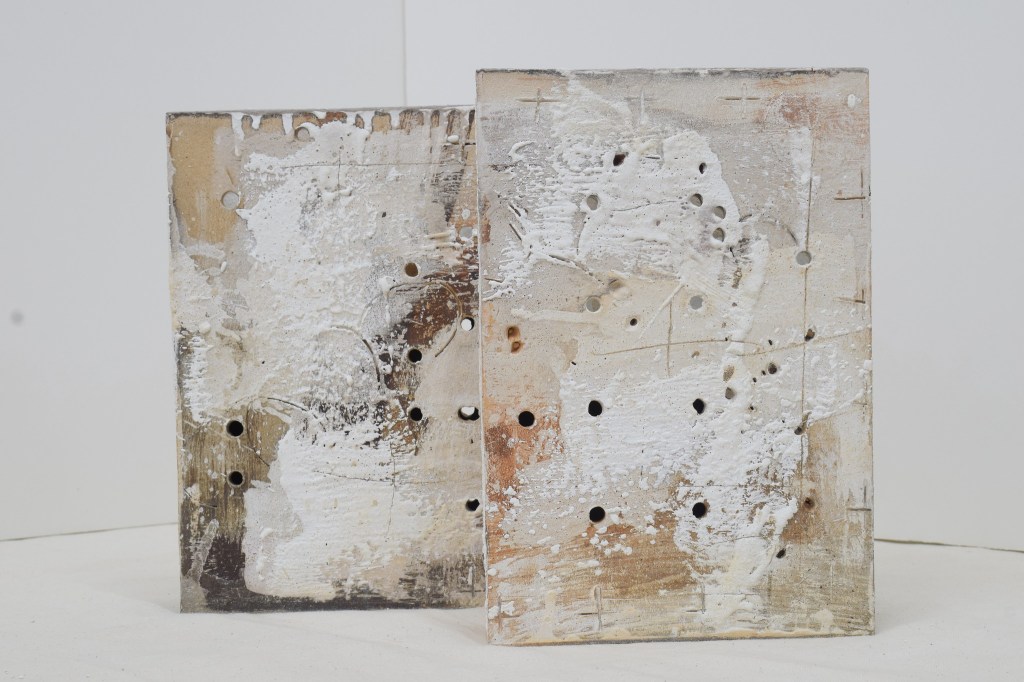
    The holes in Eartha~Ceramic aren’t simply decorative perforations. They establish a circulation for light into the interiors.

    That is remarkably close to the aperture/camera-obscura thinking you’ve just been developing.

  • Water at Hungate. 2023 Hungate Architectural Explorations.

    Air/Place/Breath/Light/Architecture/Ritual/Social Spaces

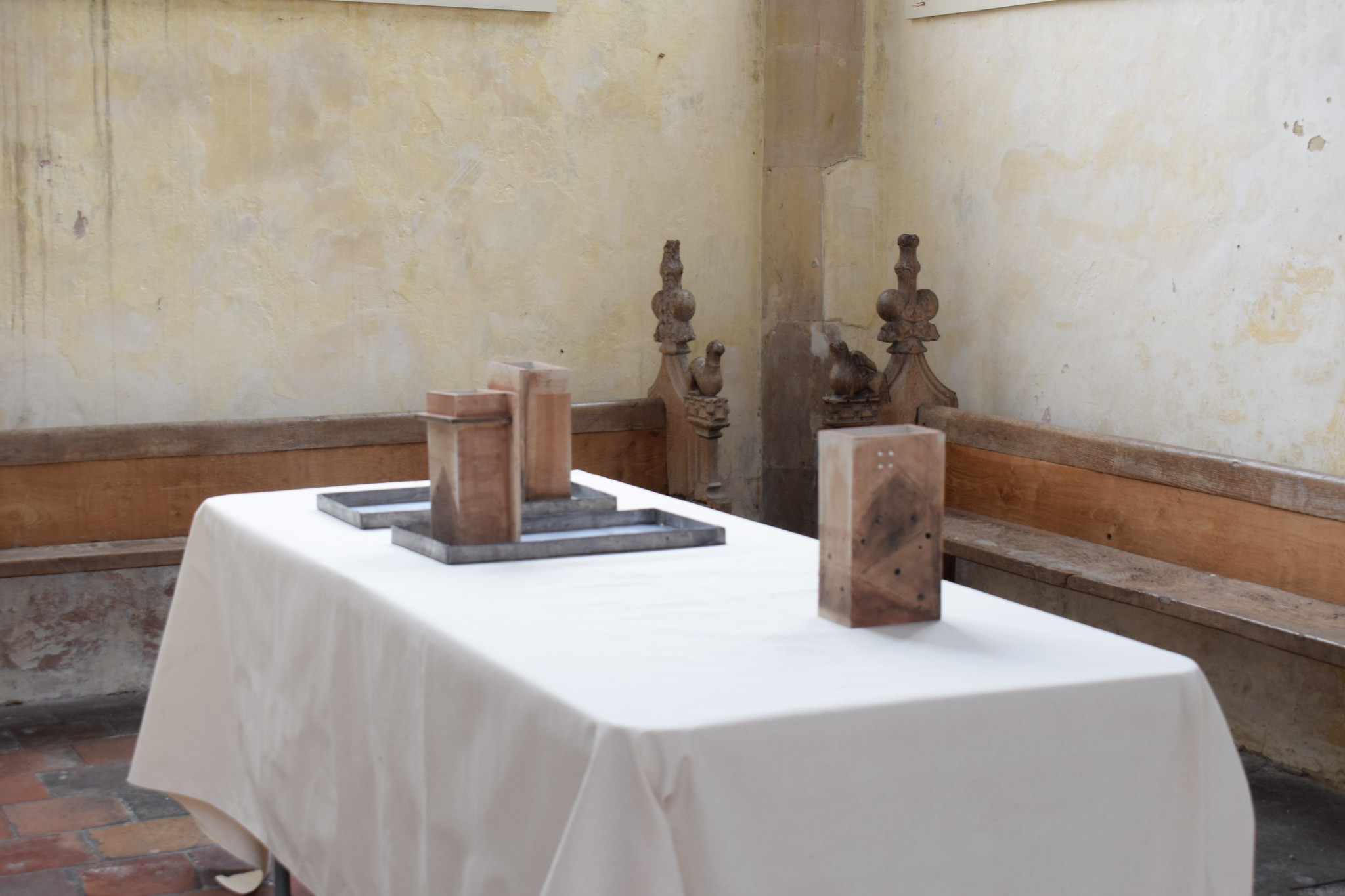
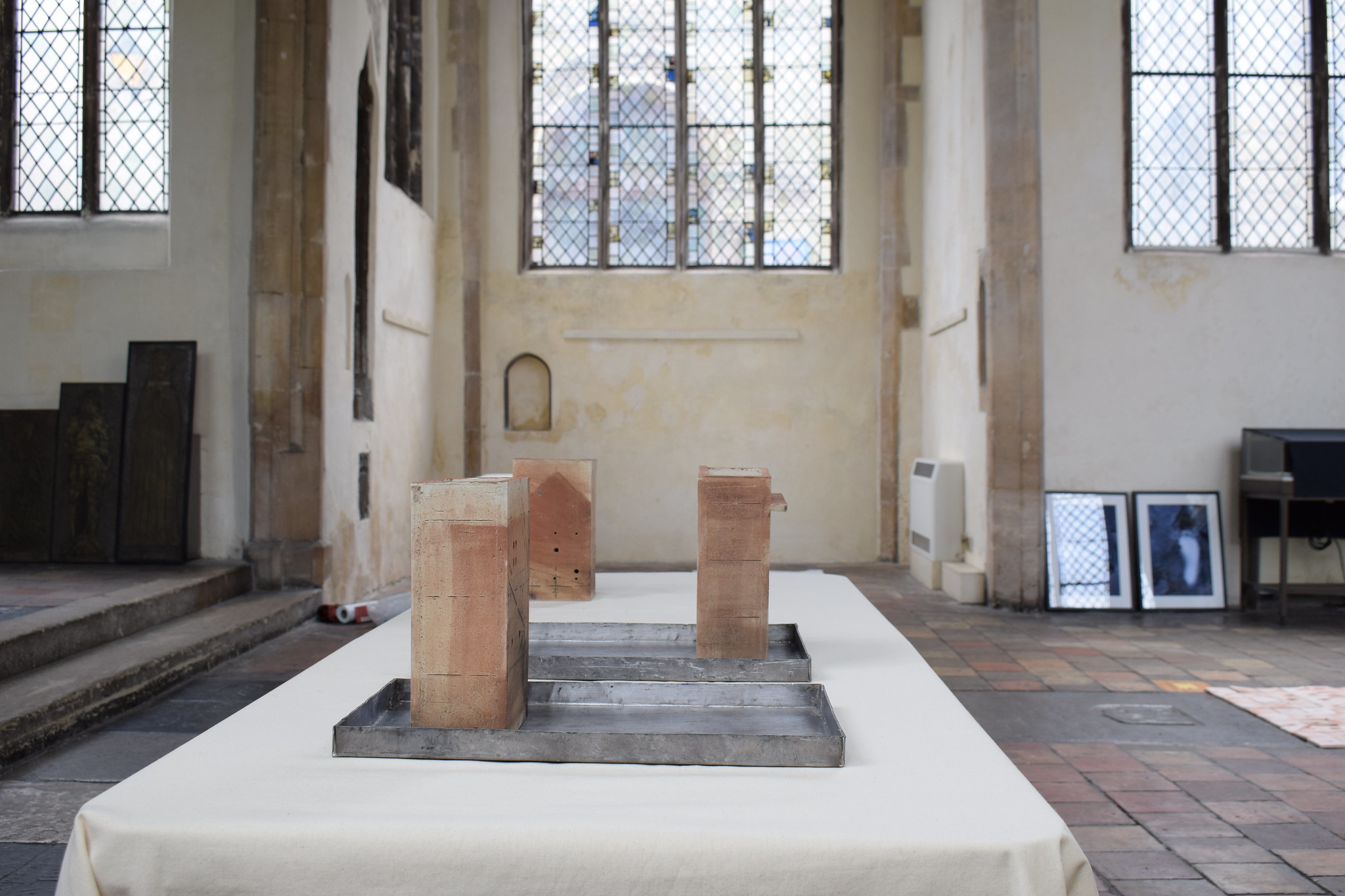
    This is fundamentally a site-based spatial practice. The work emerges through St Peter Hungate, water, architecture, ritual, social space, breath and light, with the ceramic vessels acting as spatial responses to the medieval fabric of the site. The post itself describes the vessels as echoing the stillness and muted silence of Hungate.

    The refuge becomes a vessel; the vessel becomes a chamber; the chamber becomes a site; the site begins to breathe.

    What Bachelard approaches through reverie becomes spatially and materially operative at Hungate: refuge becomes vessel, vessel becomes interior, and interior becomes a condition of relation between body, architecture, water, light and place.

    The vessel carries the interior into the site. Water, breath, light and architecture begin to occupy the same spatial condition.

    At Hungate, refuge leaves the room and becomes a site which is also the undoing of place.

    Hungate gives us interiority becoming site.

    interiority → aperture → chamber → site → correspondence


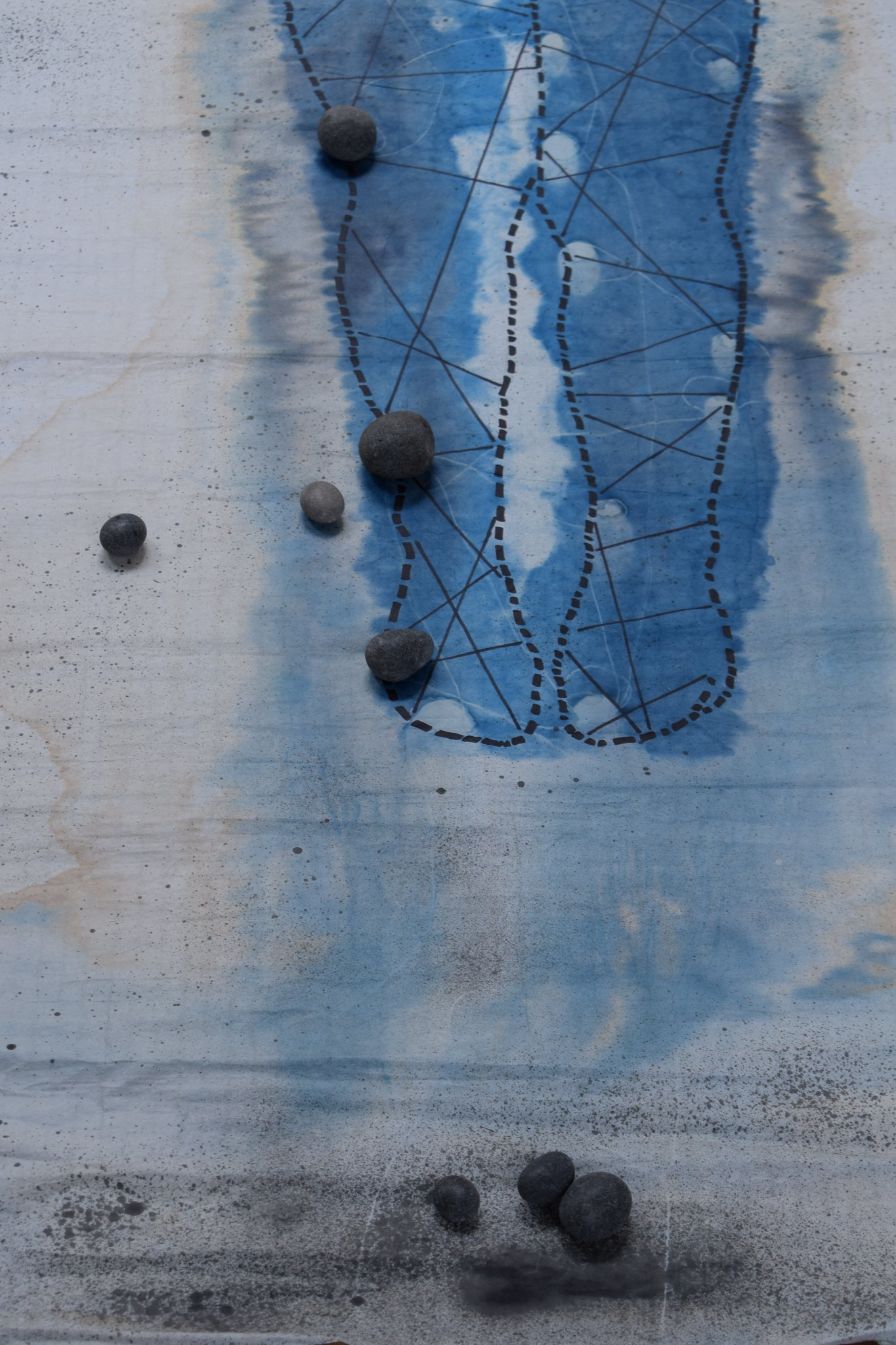
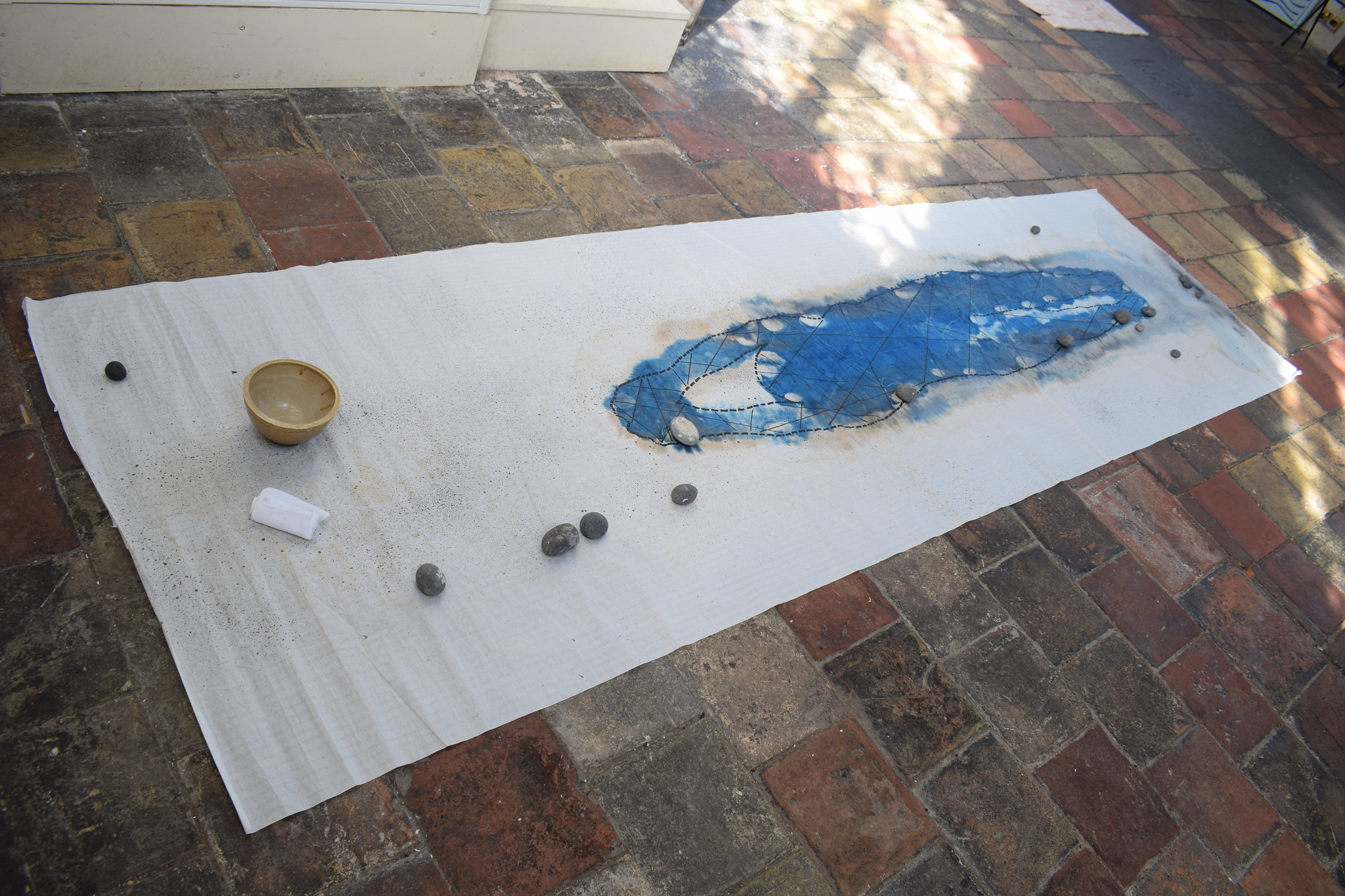
    Russell Moreton is a visual artist interested in gathering research and responding to the historical site of St Peter, Hungate. He has explored the exhibition theme ‘Water’ as both a spiritual and corporeal inquiry for site-specific artworks. He has spent time developing working ideas that have an affective resonance to the architectural setting of their presentation. His use of slab built ceramics vessels echo the stillness and muted silence experienced within the medieval fabric of the Hungate. He has used a figural drawing on Chinese paper, processed by the evident passage of water to explore the representation of the human form in this particular place.

    Date(s)
    23/06/2023

    Venue
    The Hungate

    Location
    Norwich

    Exploring Water in Architectural Art at Hungate
    This title includes key terms like ‘water’ and ‘Hungate’, enhancing search visibility for users interested in art exhibitions.

    Russell Moreton’s Ceramics: A Reflection on Water and Place
    By highlighting the artist’s name and the themes of ‘ceramics’ and ‘water’, this title targets specific audiences seeking both art and cultural studies.

    Site-Specific Art: Water and Space at St Peter, Hungate
    This title uses ‘site-specific art’ and ‘St Peter, Hungate’, improving relevance to niche searches related to local art installations and historical sites.

    Then Water at Hungate seems to take that instability into the site:

    inside ↔ outside
    architecture ↔ atmosphere
    water ↔ body
    vessel ↔ space
    site ↔ place
    object ↔ environment

    The ceramic vessel becomes the intercessor.

    It doesn’t merely sit inside the architecture. It allows architectural, corporeal and atmospheric relations to gather around it.
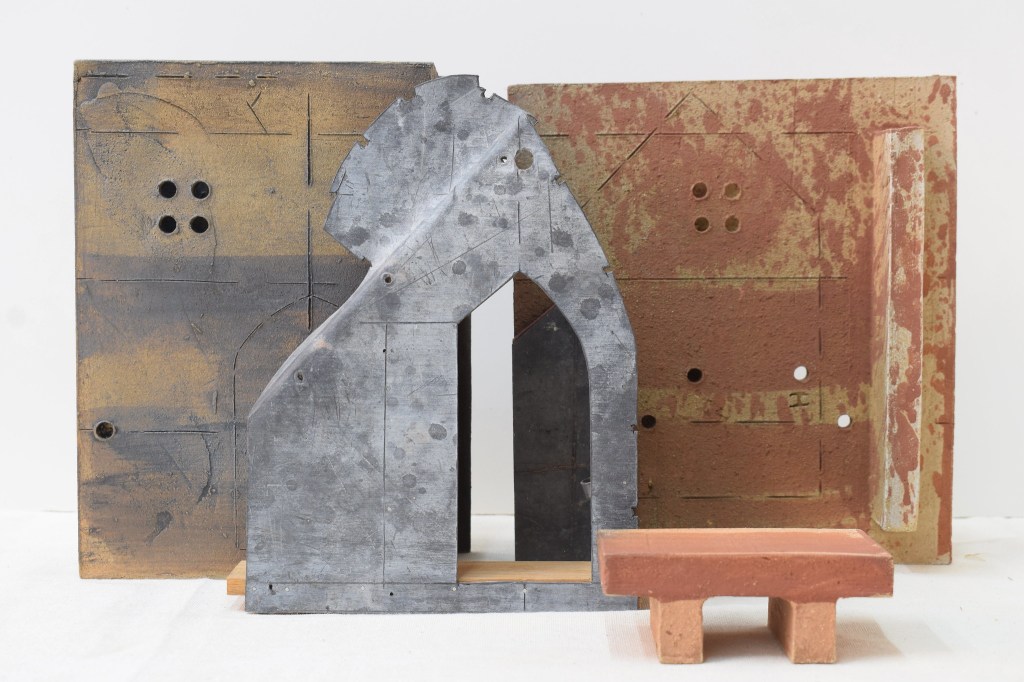
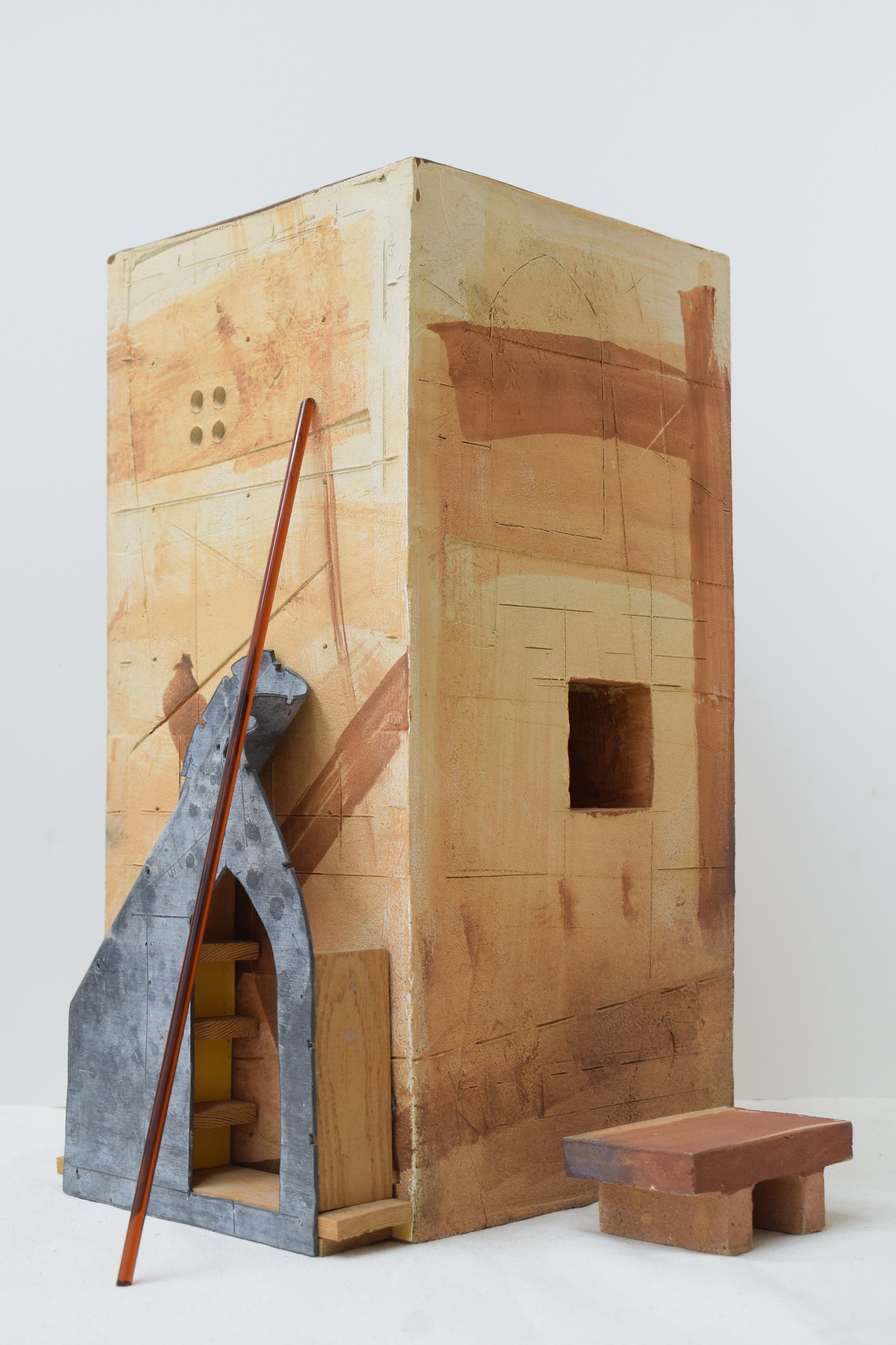
  • Scriptorium~Studio~Spatial Theatre.

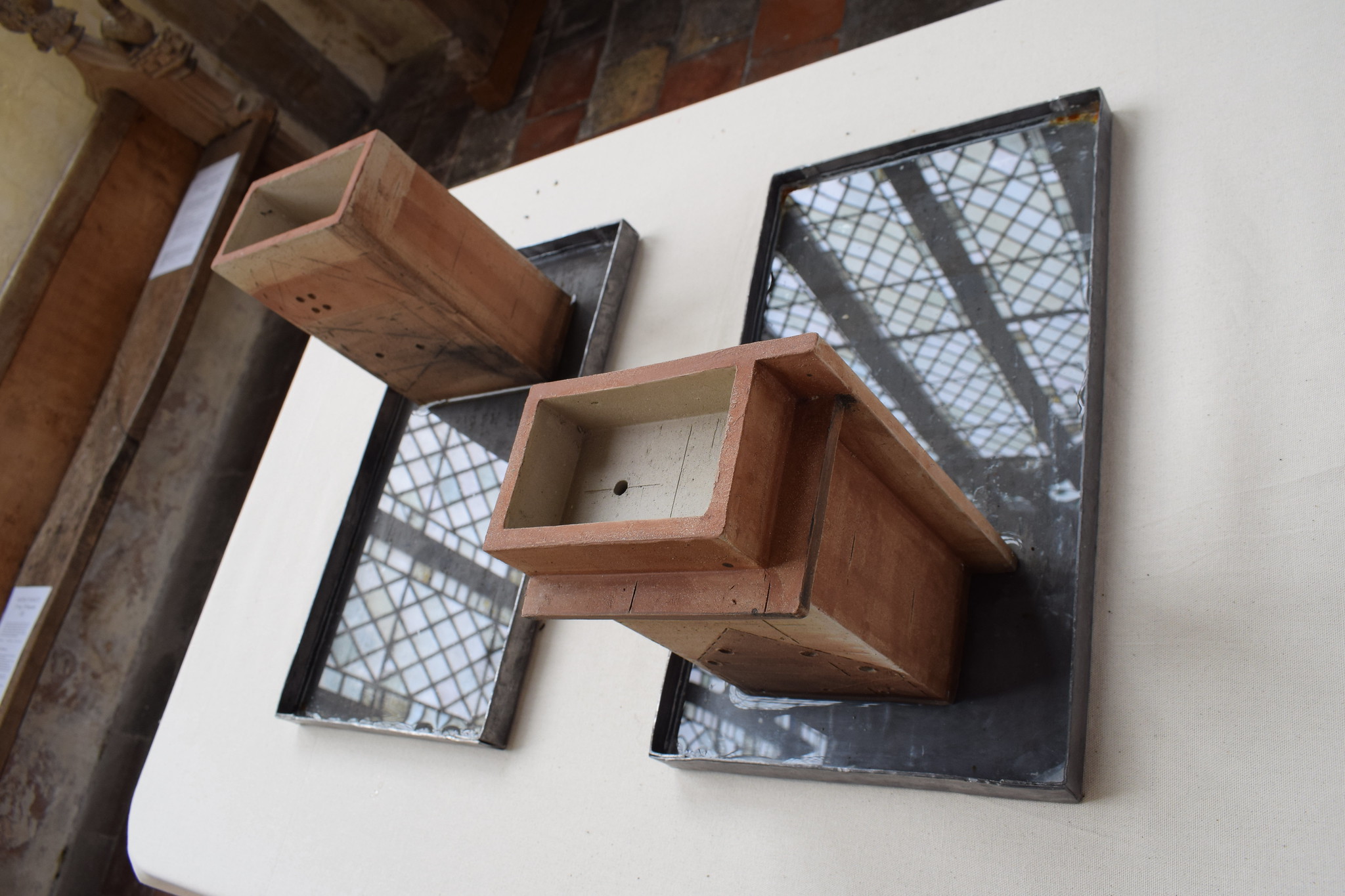
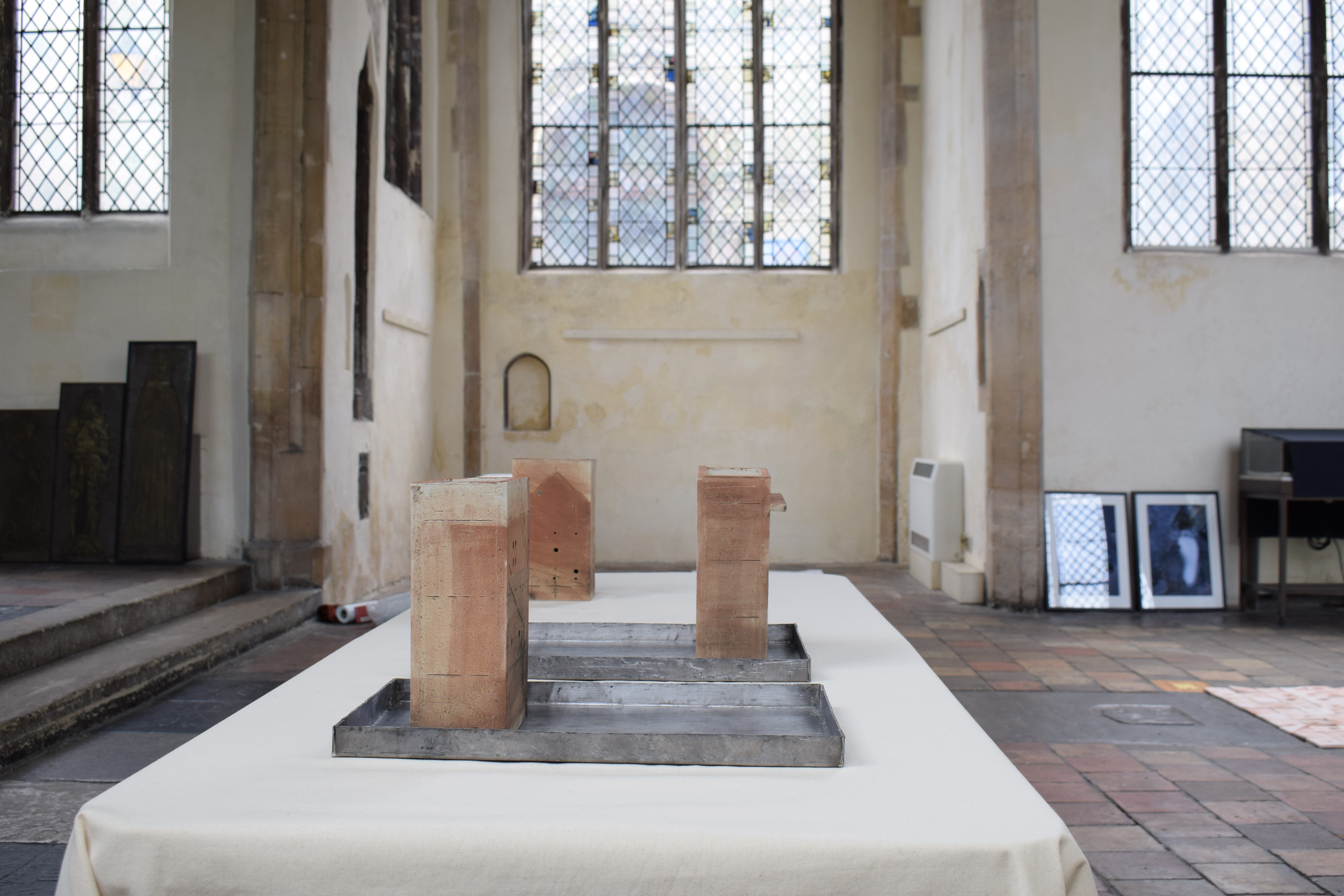
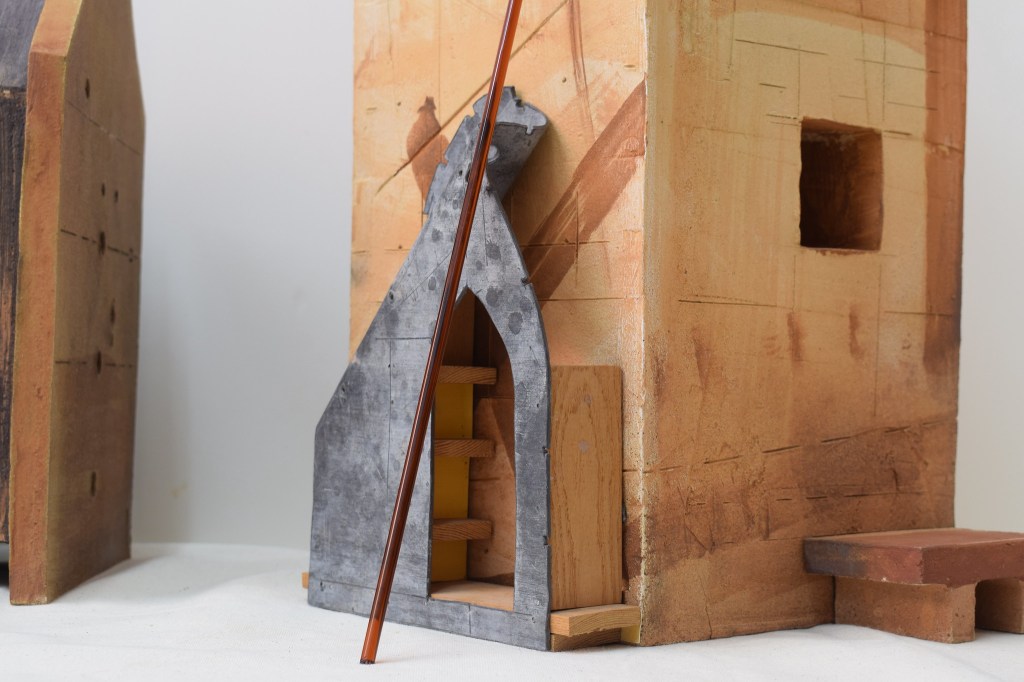
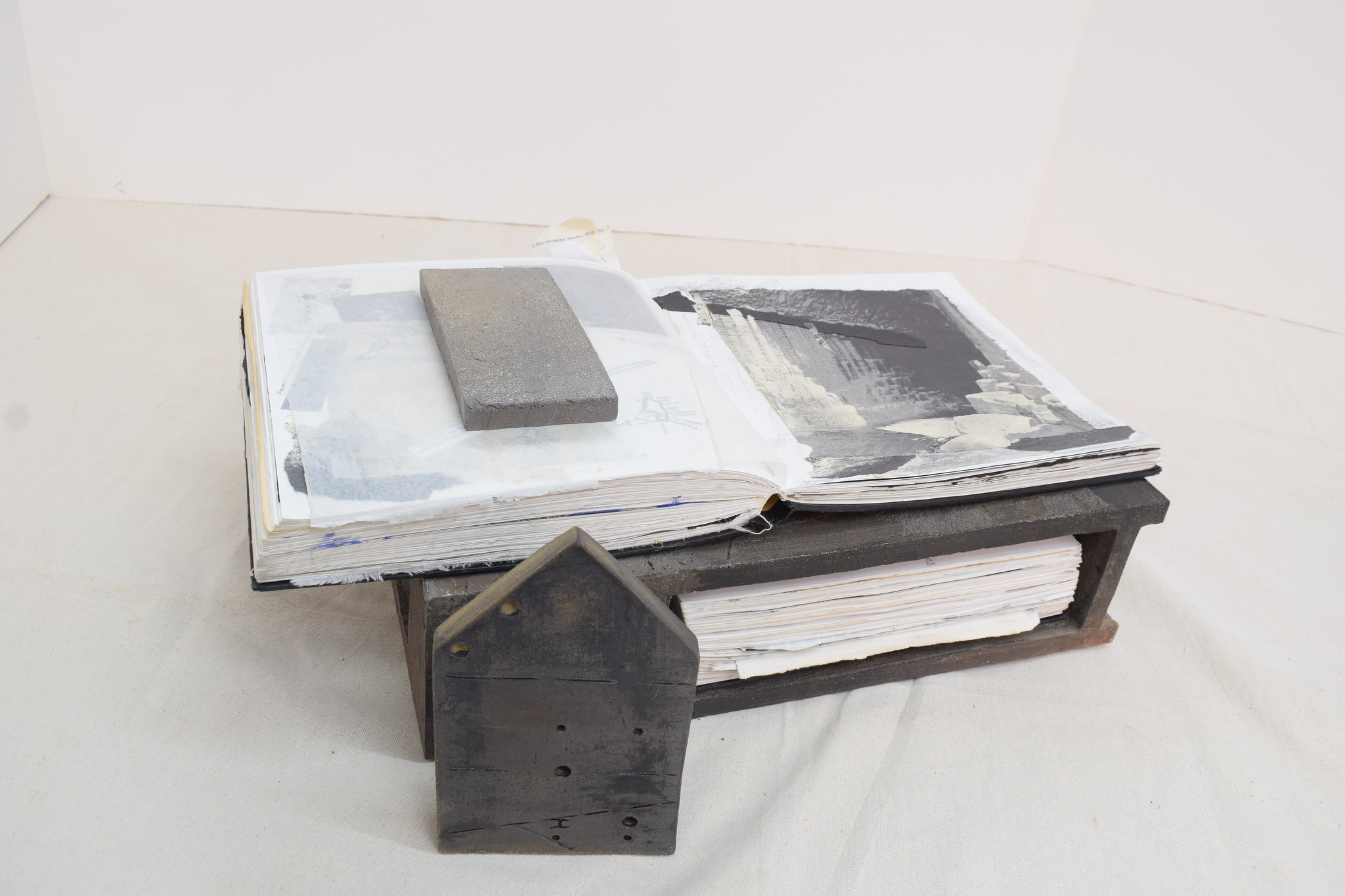
    Assemblage of spatial components centred around speculative interiors as discursive spaces of study and making.

    Year
    2024

    Medium
    Ceramic, Wood, Lead, Glass

    Size
    200mmL x 420mmH x 200mmW

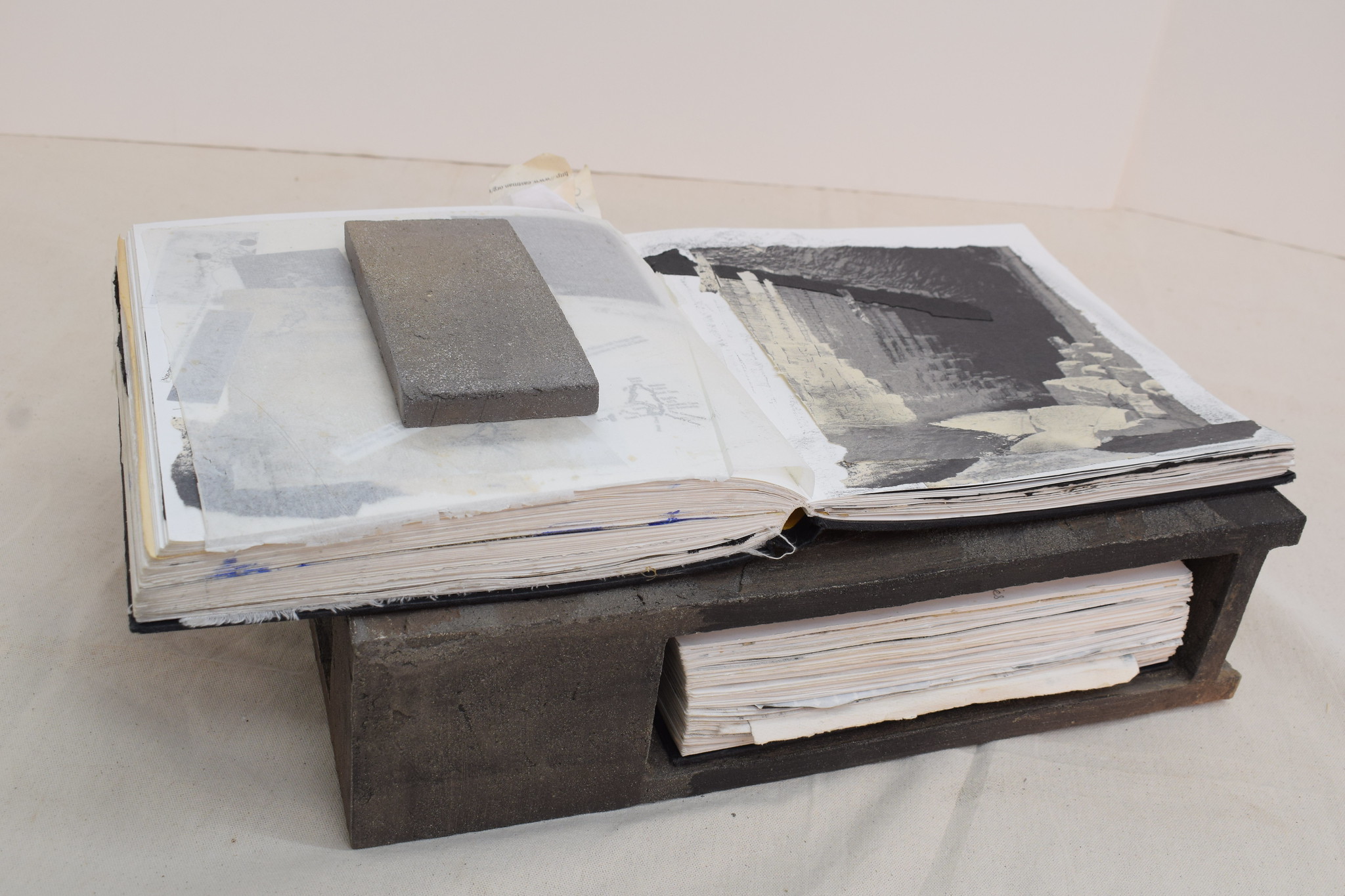
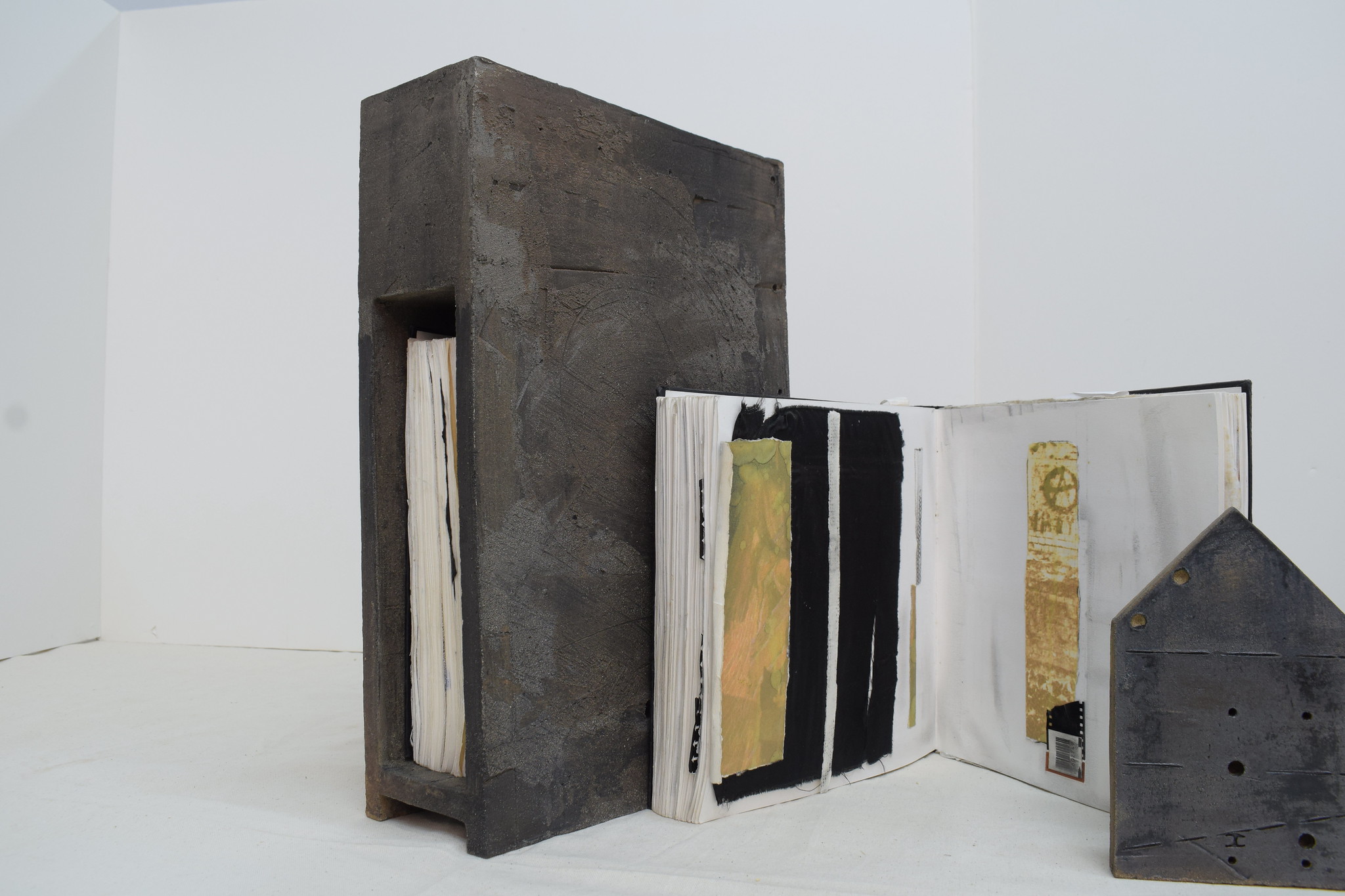
    Artist Books : Ceramic Scriptorium.

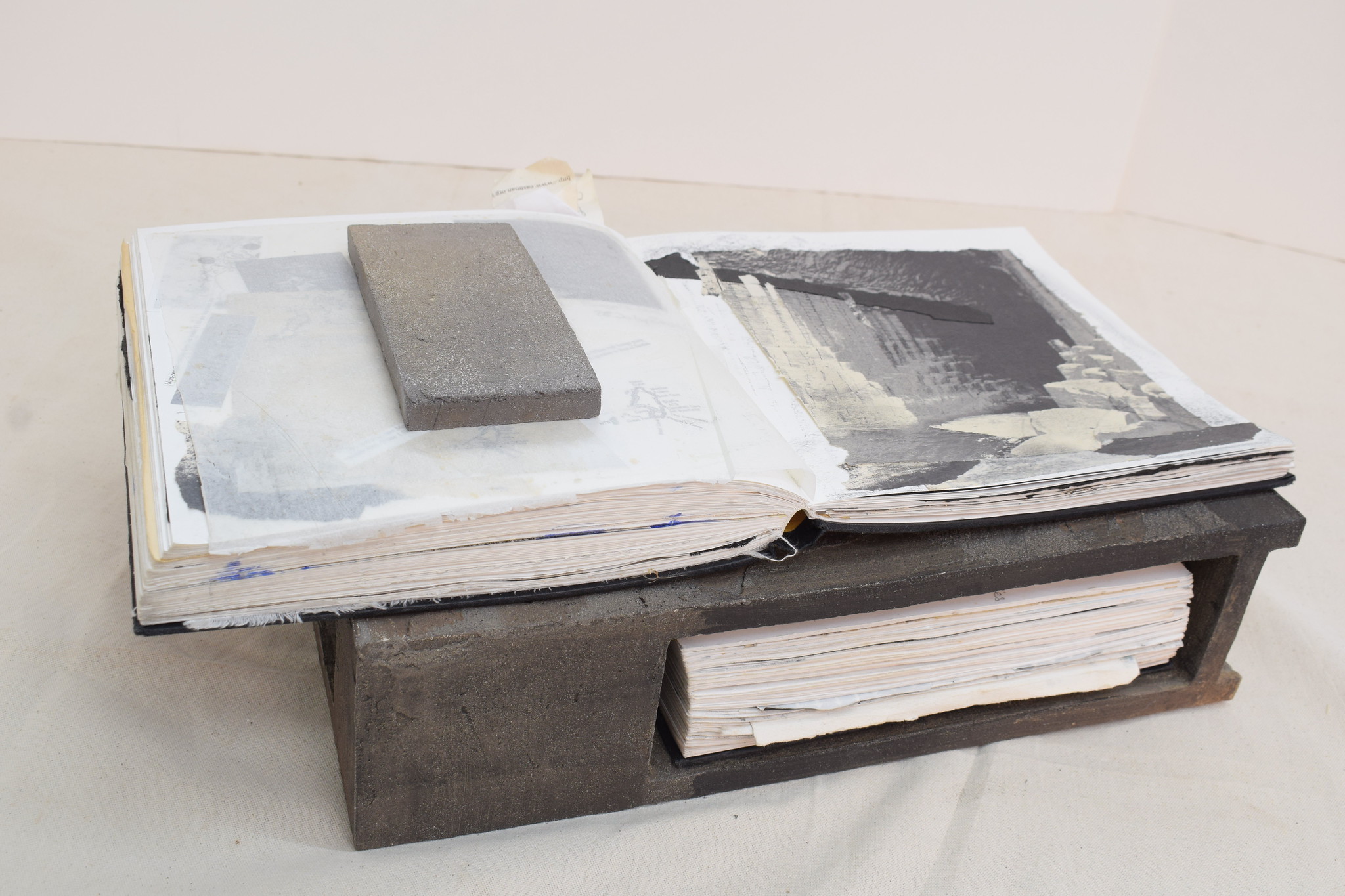
    Artist books from visual art practice, housed in a ceramic slipcased/scriptorium space.

    Year
    2023-2024

    Medium
    Ceramic, Paper, Photography and Collage.

    Size
    440mmW X 120mmH x 295mmD

    Exploring Speculative Interiors in Contemporary Art
    This title includes keywords like ‘speculative interiors’ and ‘contemporary art,’ which can help attract search traffic interested in modern artistic practices.

    Ceramic Scriptorium: A Fusion of Art and Writing
    Using specific terms such as ‘Ceramic Scriptorium’ targets niche audiences looking for unique art forms, enhancing discoverability.

    Artist Books: Merging Ceramic Craft and Visual Storytelling
    Highlighting ‘Artist Books’ and ‘Visual Storytelling’ appeals to both art enthusiasts and scholars, improving search relevance in educational contexts.

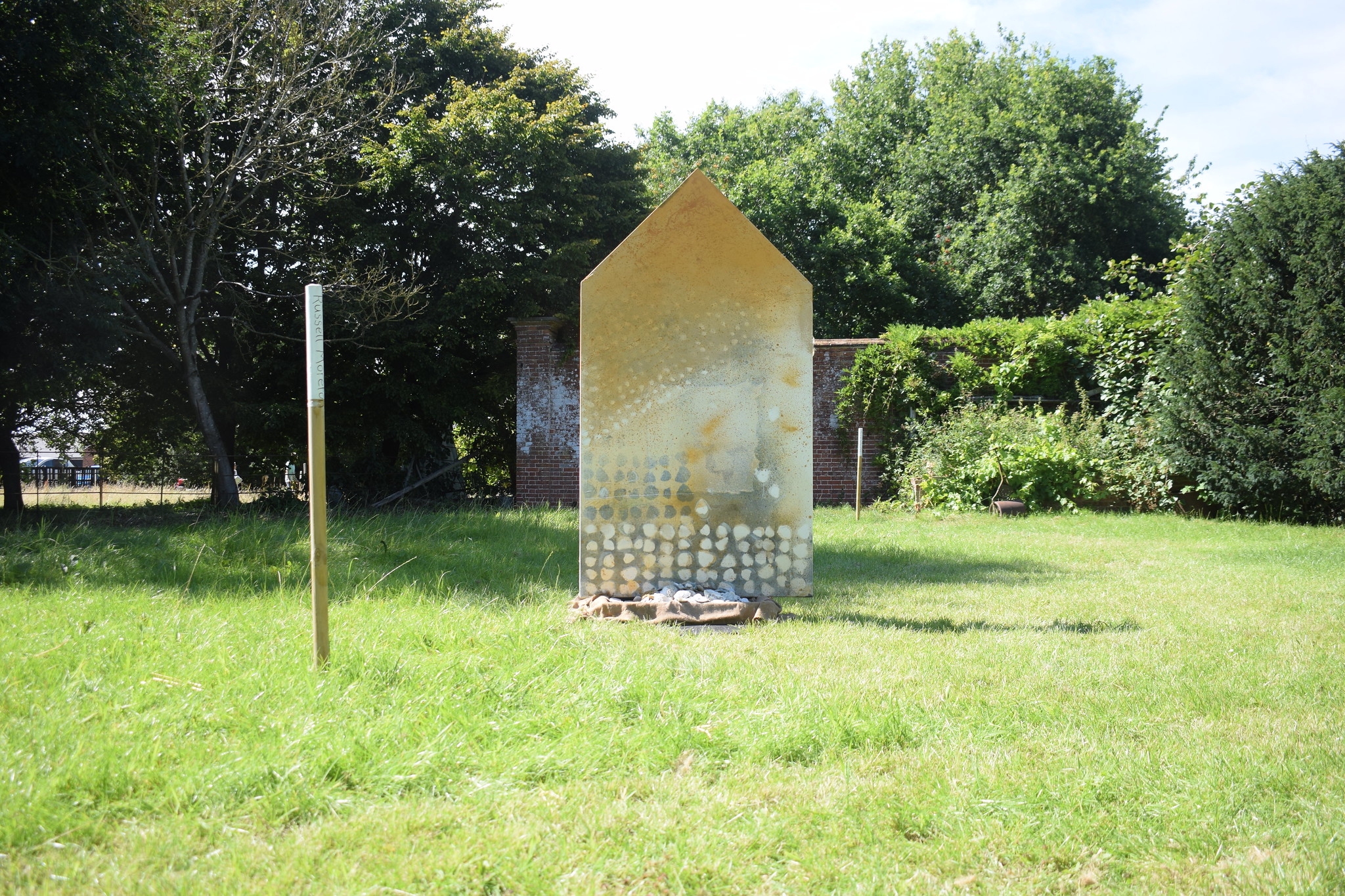
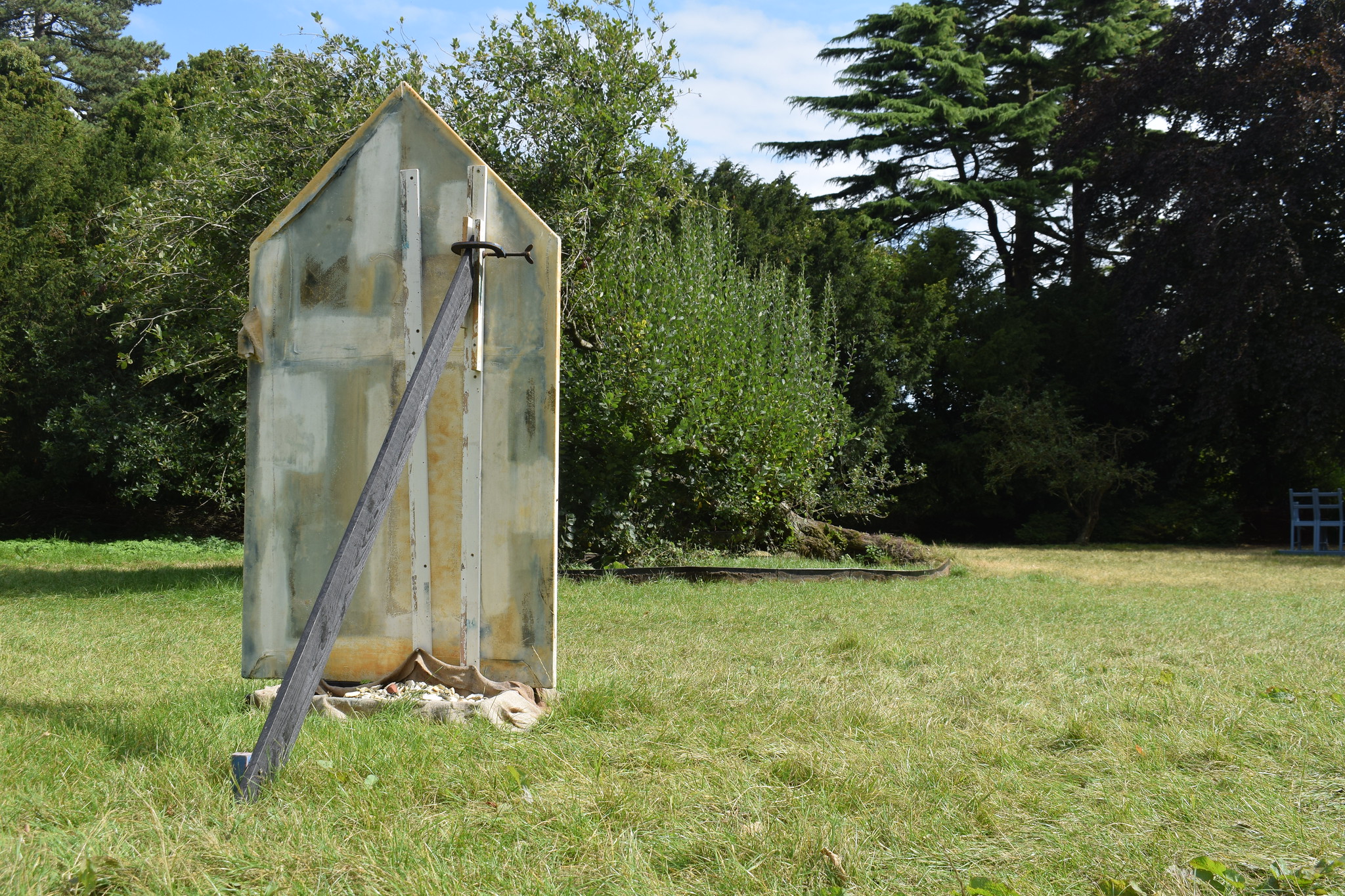
  • Numinous Odyssey : Raveningham Sculpture Trail.

    Description
    Numinous Odyssey : Architectural Canvas/Painting in an English Garden. Raveningham Architectural Canvas/Form

    Framed-Un-Framed Construction Sensing/Site 2020

    Aesthetics between objects

    Fragments from note books

    Art Works, a constellation of coincidences/intuitions resting the not being made

    Re-animating context

    Aesthetic perception, how aesthetics are represented in a object by philosophers and scientists

    Espace-Milieu : Painting as environment entanglements

    Painting in a landscape situation.

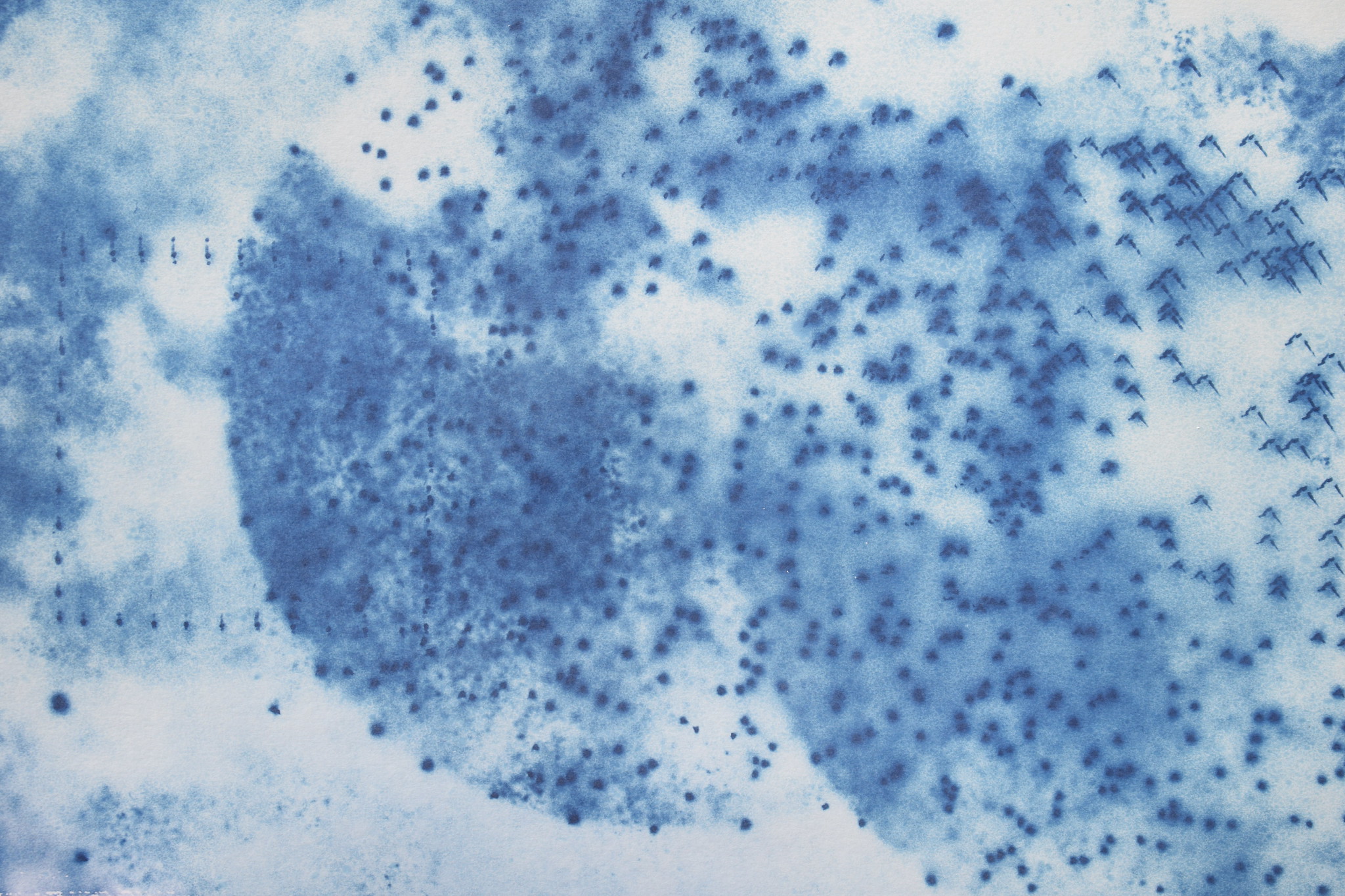
    Canvas as spatial phenomena, reading both sides.

    Asymmetries between a particular past and a general future

    The passing of the present through the pure past

    Difference and Repetition : Production/Synthesis of Temporality

    Art Practice/Gathered from Everyday Life : Micropolitics of slowness and repetition.

    The Living Present, constructed from habits, anticipations and recurrences

    Chaos, territory, art Deleuze and the framing of the earth Elizabeth Grosz

    Evaluation
    Architectural form/canvas submitted as part of the Raveningham Sculpture Trail. A spatial practice that explores the fragility of a painting in the landscape. This work continues themes and feelings evoked by an earlier intervention, Sensing Space, Raveningham Sculpture Trail 2018.

    Collected Notes : Raveningham Sculpture Trail 2020

    Studio Blackboard

    ODYSSEY Aesthetic Intervals/Timbre/Traces

    Immateriality/Temporal/Transitions material and movement/Human agency

    A Species of Spaces

    Construction/Making/Collage

    Forming, slowness and repetition, elements of painting

    Assemblage, sensation, surface, objects and spaces between them gathered/thresholds

    Sheltering/Weathered/ Exploring a fragility of a painting in the landscape

    Robert Mangold, Paintings and Architectural Forms

    Fragments from sketchbooks

    Ephemeral Architecture

    Canvas as spatial verb

    Yellow Ochre, Molochite, Gesso, Canvas, Paper, Textiles, Wood, Lead, Nails

    Canvas as folded construction/shelter/place

    Operative Design, A Catalogue of Spatial Verbs

    Georg Simmel, text Frames, Handles, Landscapes and the aesthetic ecology of things

    Date(s)
    24/07/2020

    Venue
    Raveningham

    And then the later Raveningham material — Numinous Odyssey, Curriculum Making, The Garden of Ongoing Differences, etc. — starts to create a much larger constellation around:

    Raveningham → garden → landscape → dwelling → sensing → making → gathering → speculative learning → spatial bodies → ceramic bodies

    That is exactly the kind of relational cluster I think the new taxonomy should allow to emerge, rather than forcing every Raveningham post into a single “Raveningham” category.

  • Volatile Readings~Everyday Enchantments : Biosphere Projects. 2012-2022

    Description
    Diffractive Readings/Blue Spaces Of Everyday Enchantments.

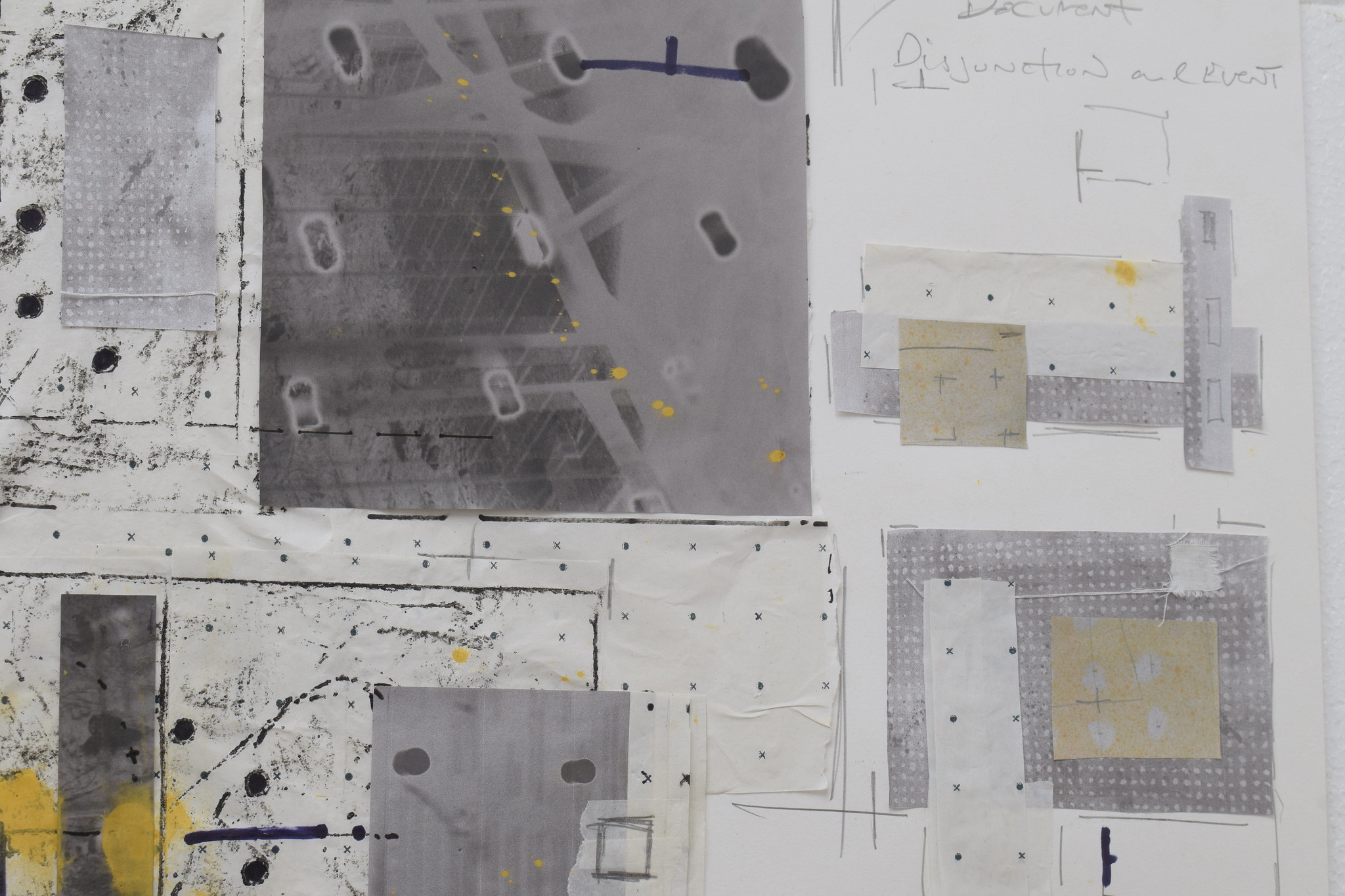
    Spatial blueprints/propositional diagram on the speculative readings from The Order of Time. Carlo Rovelli.

    The sun has gone mad and stripped the earth of its ionosphere. For decades blasting radiation has poured upon earth, melting the polar caps and turning permafrost into streams, rivers, oceans. Huge deltas have been built, lakes formed, seas have risen. The Drowned World, JG Ballard.

    Evaluation
    Although the human condition is a crisis condition if ever there was one, few individuals and societies act with the dispatch a state of emergency requires. The fact that the human condition is a crises condition gets routinely covered up, with culture invariably functioning to obscure how dire the condition is and to float it as bearable

    If organisms form themselves as persons by uptaking the environment, then they involve not only bodies but domains, spheres of activity and influence.

    ARCHITECTURAL Body An ORGANISM that PERSONS Gins and Arakawa 2002

    Date(s)
    01/09/2022

    Venue
    Outpost Studios Members Show

    Location
    Norwich

    Exploring Blue Spaces in Everyday Enchantments
    This title incorporates specific keywords like ‘Blue Spaces’ and ‘Everyday Enchantments’ that can boost search visibility and attract readers interested in architectural and environmental themes.

    The Drowned World: Reflections on Crisis and Space
    Using ‘The Drowned World’ directly references a well-known literary work, enhancing the title’s relevance and encouraging clicks from those familiar with the topic.

    Rovelli’s The Order of Time: Architecture and Human Condition
    This title emphasizes Carlo Rovelli’s work while connecting it to broader themes of architecture and the human condition, which can appeal to academic audiences and improve SEO.

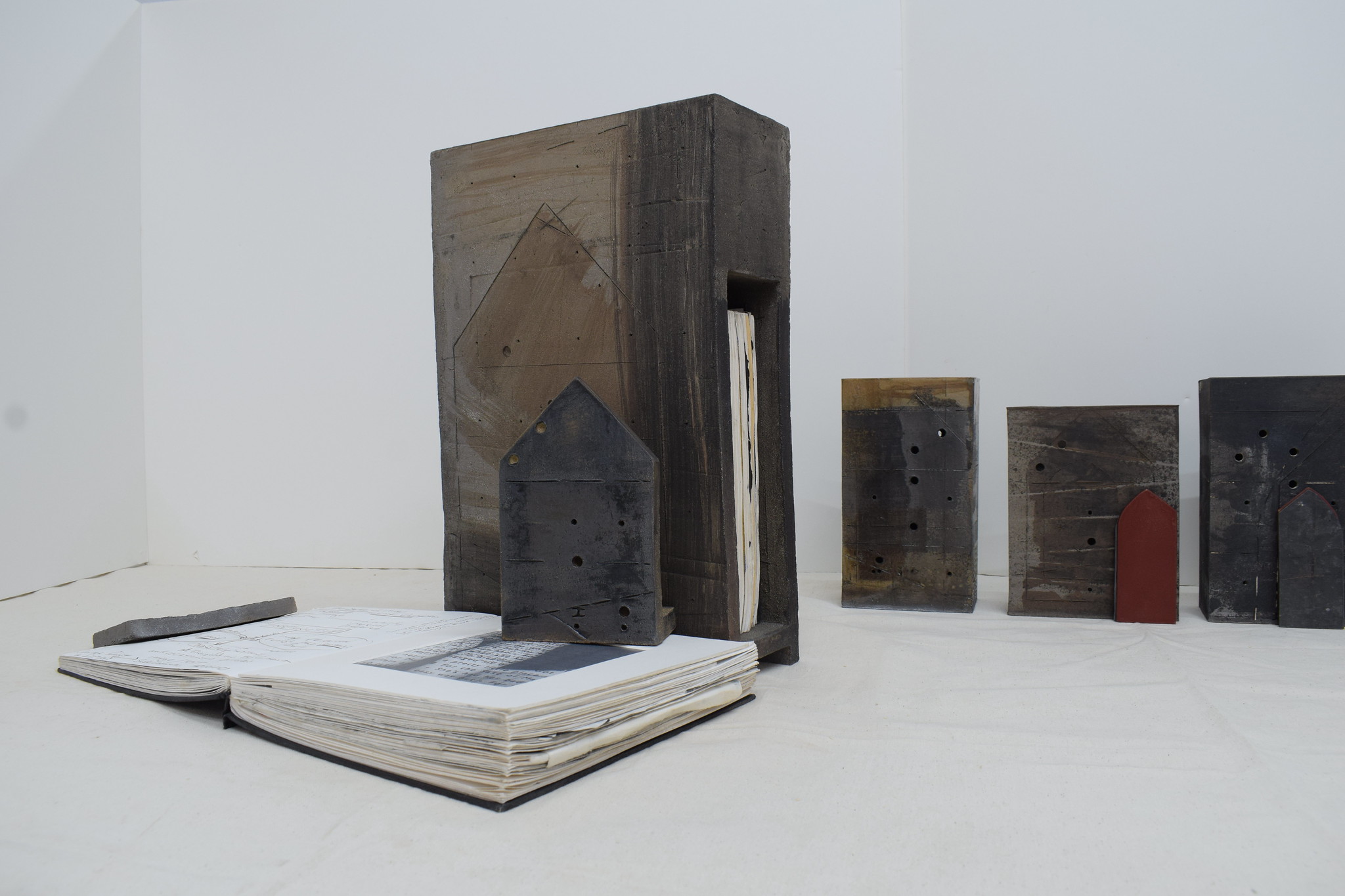
  • On the Inner Life of Things : Painterly Dissolutions~Emulsions~Viscous Light.

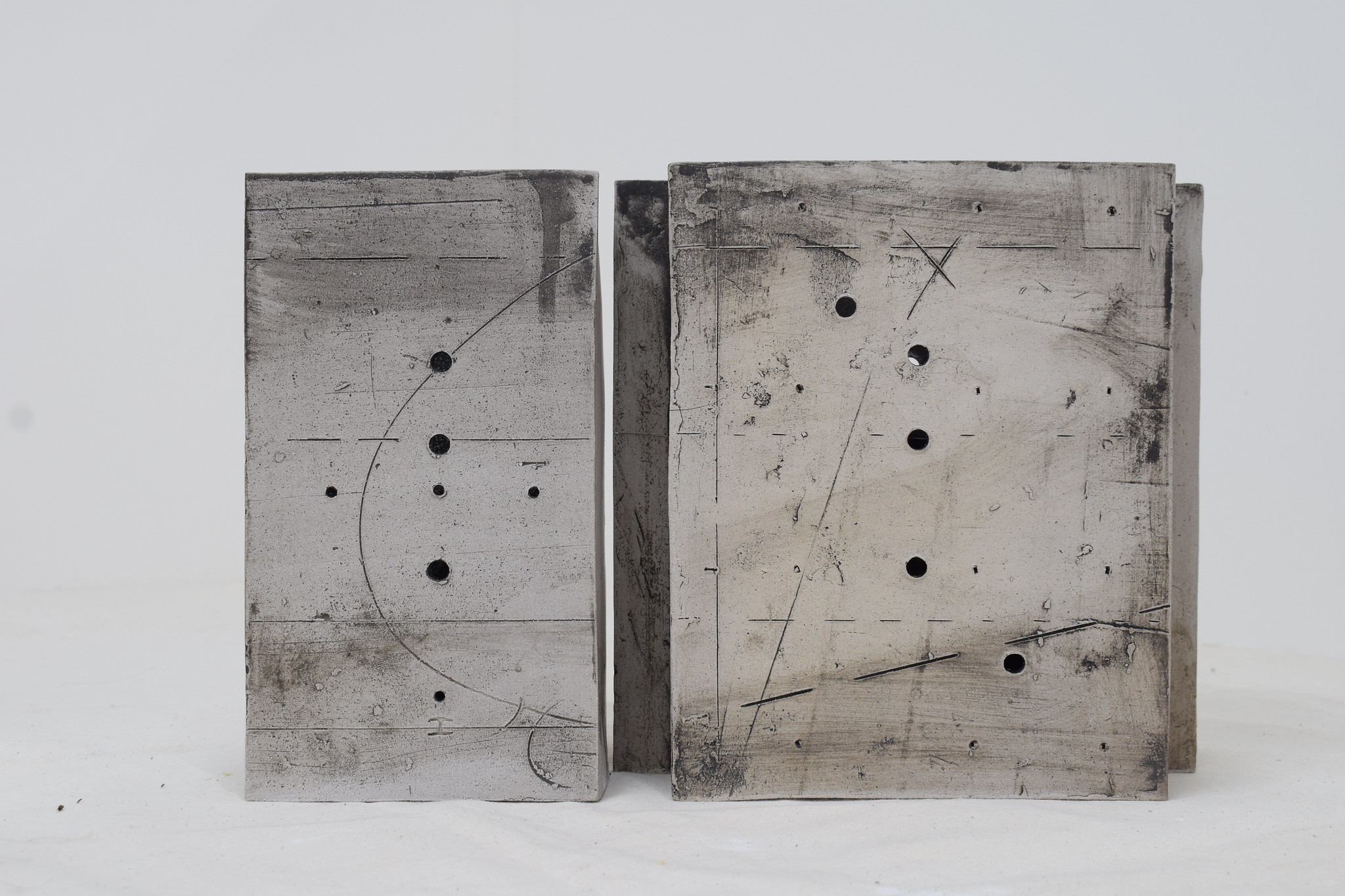
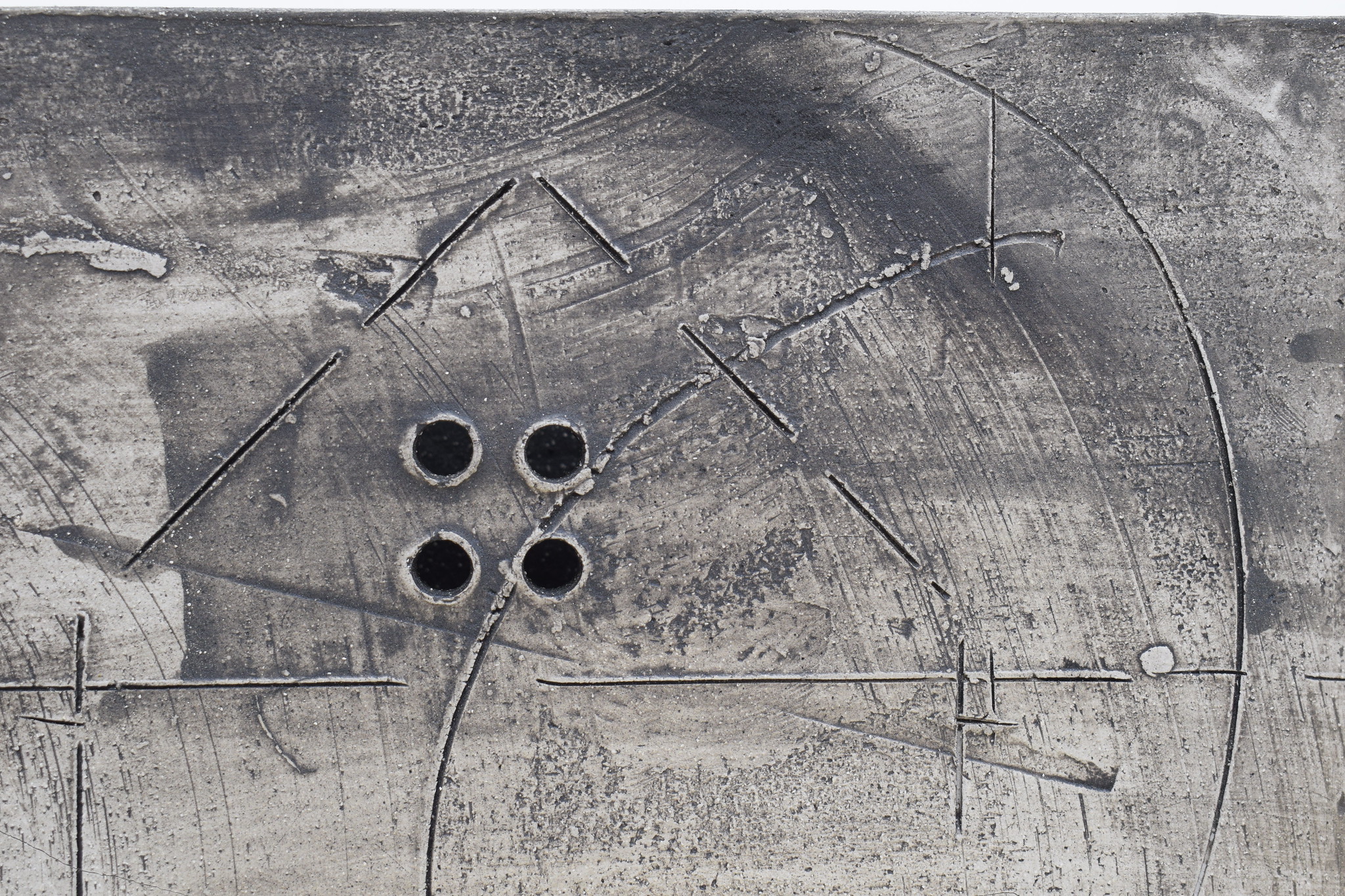
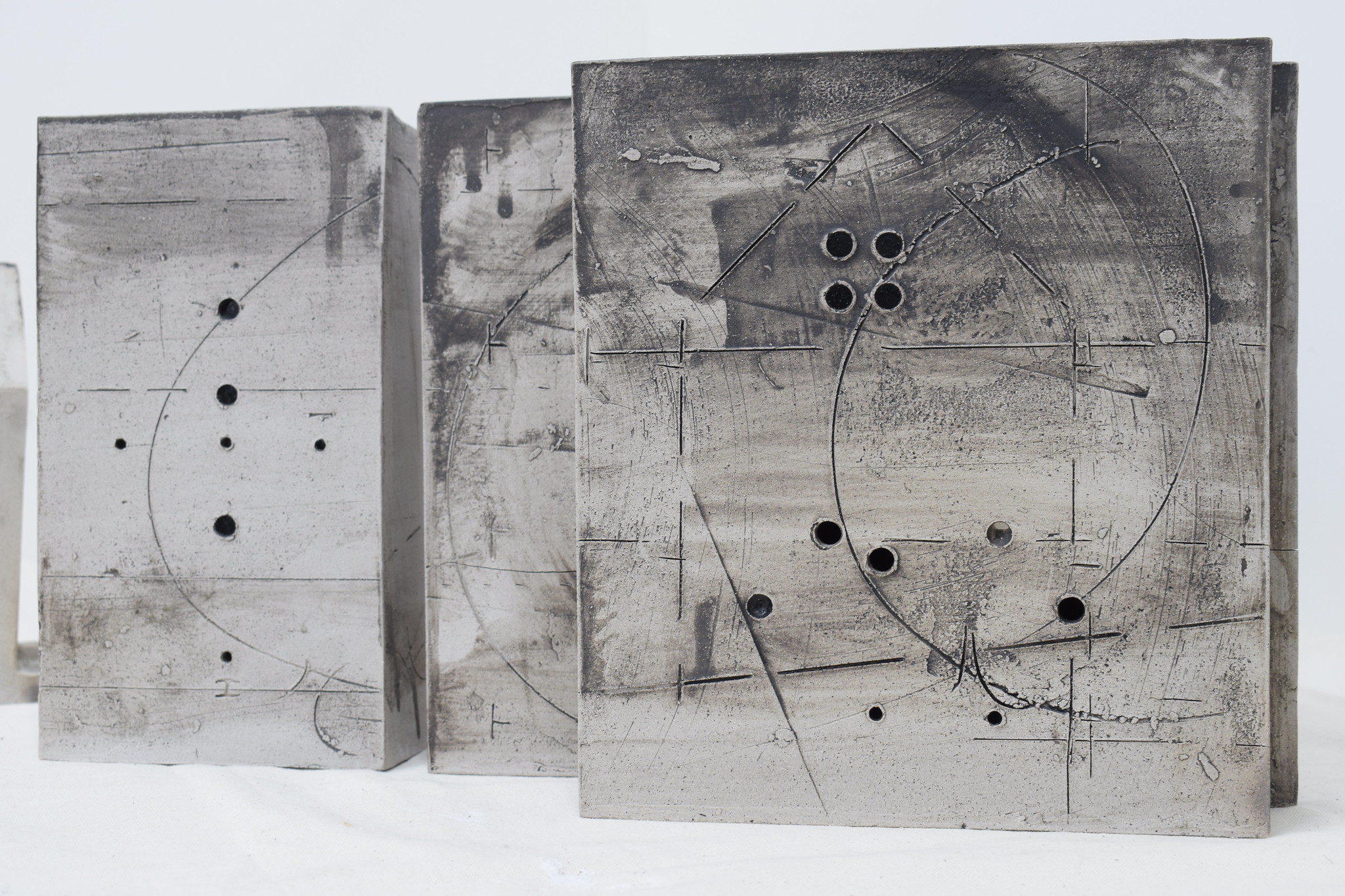
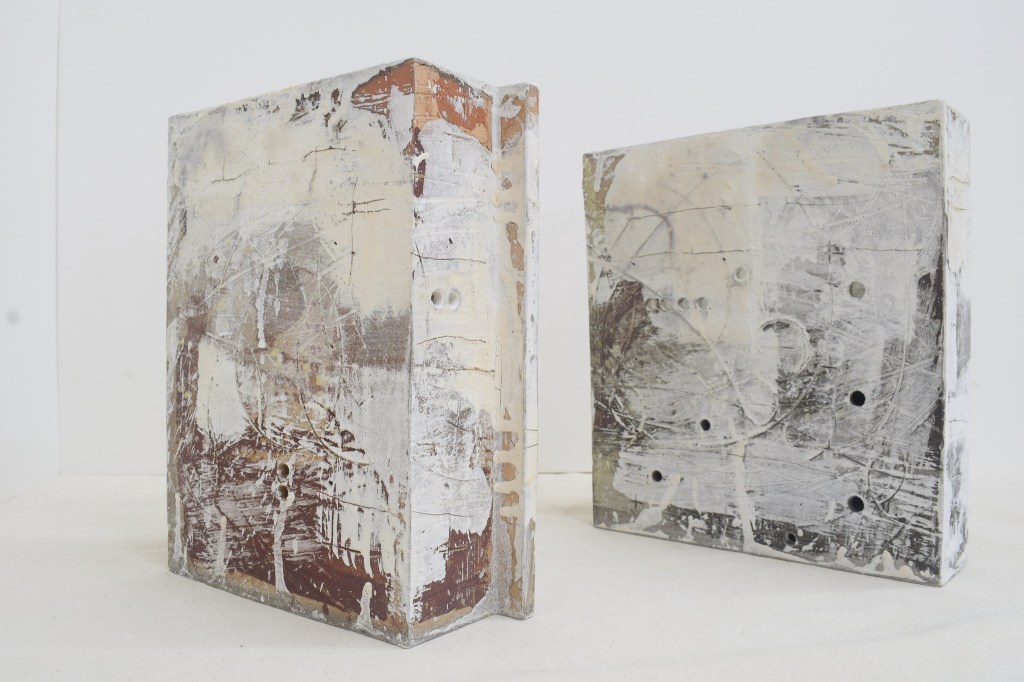
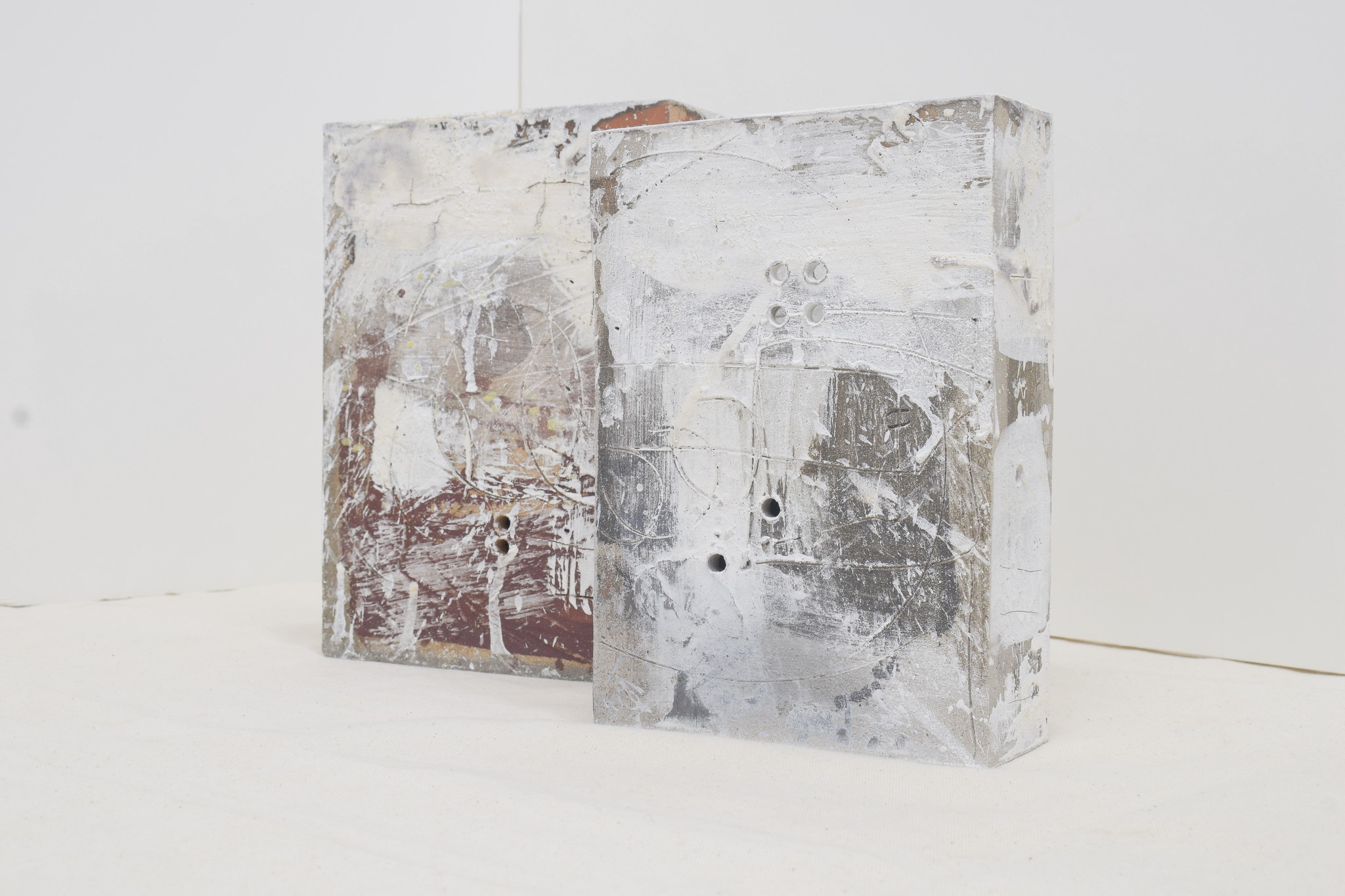
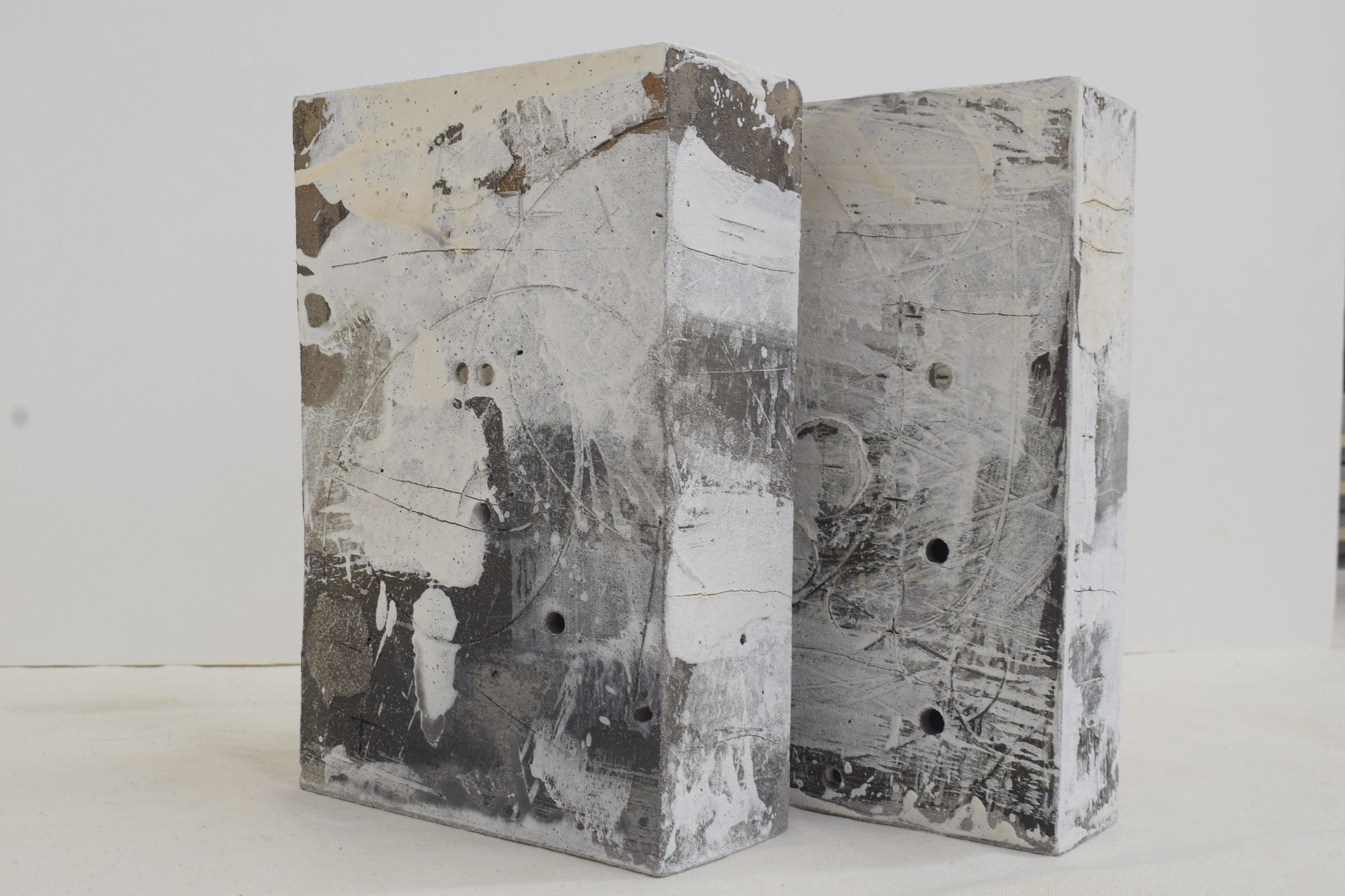
    Interstitial Workings of Minor Gestures : Clay~Ceramic

    Conceptualising Environment(s) Continuity and Change.

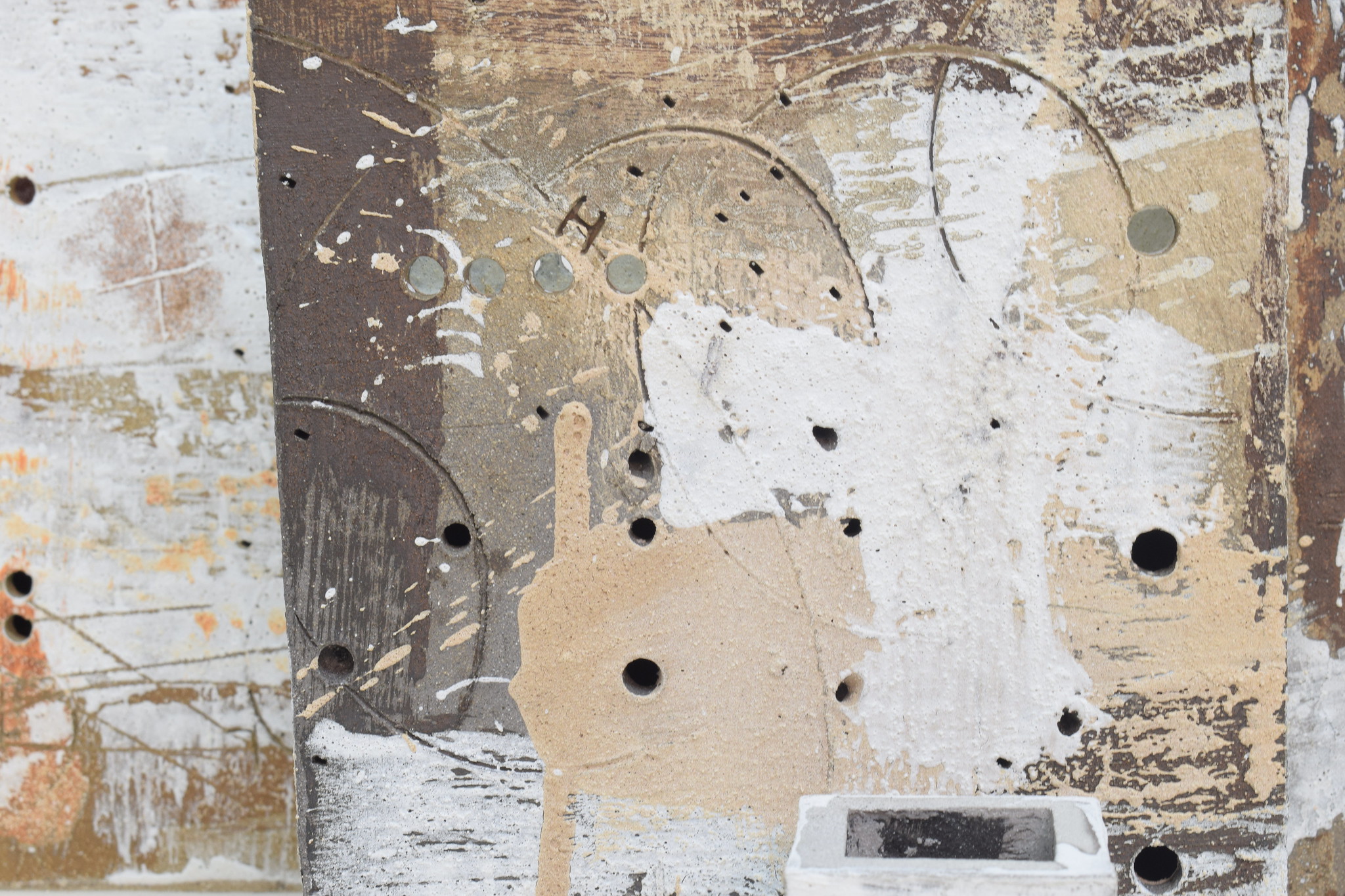
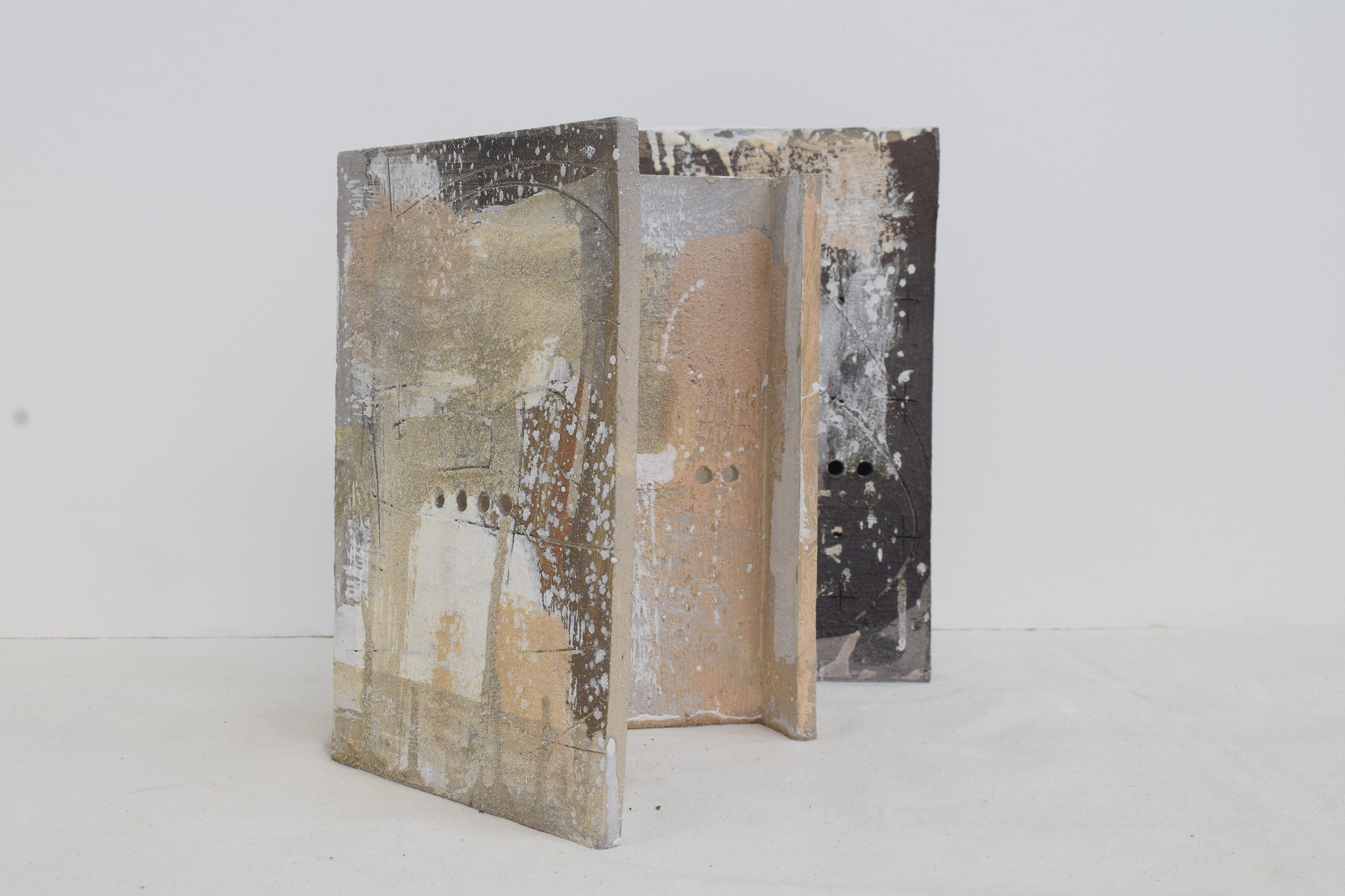
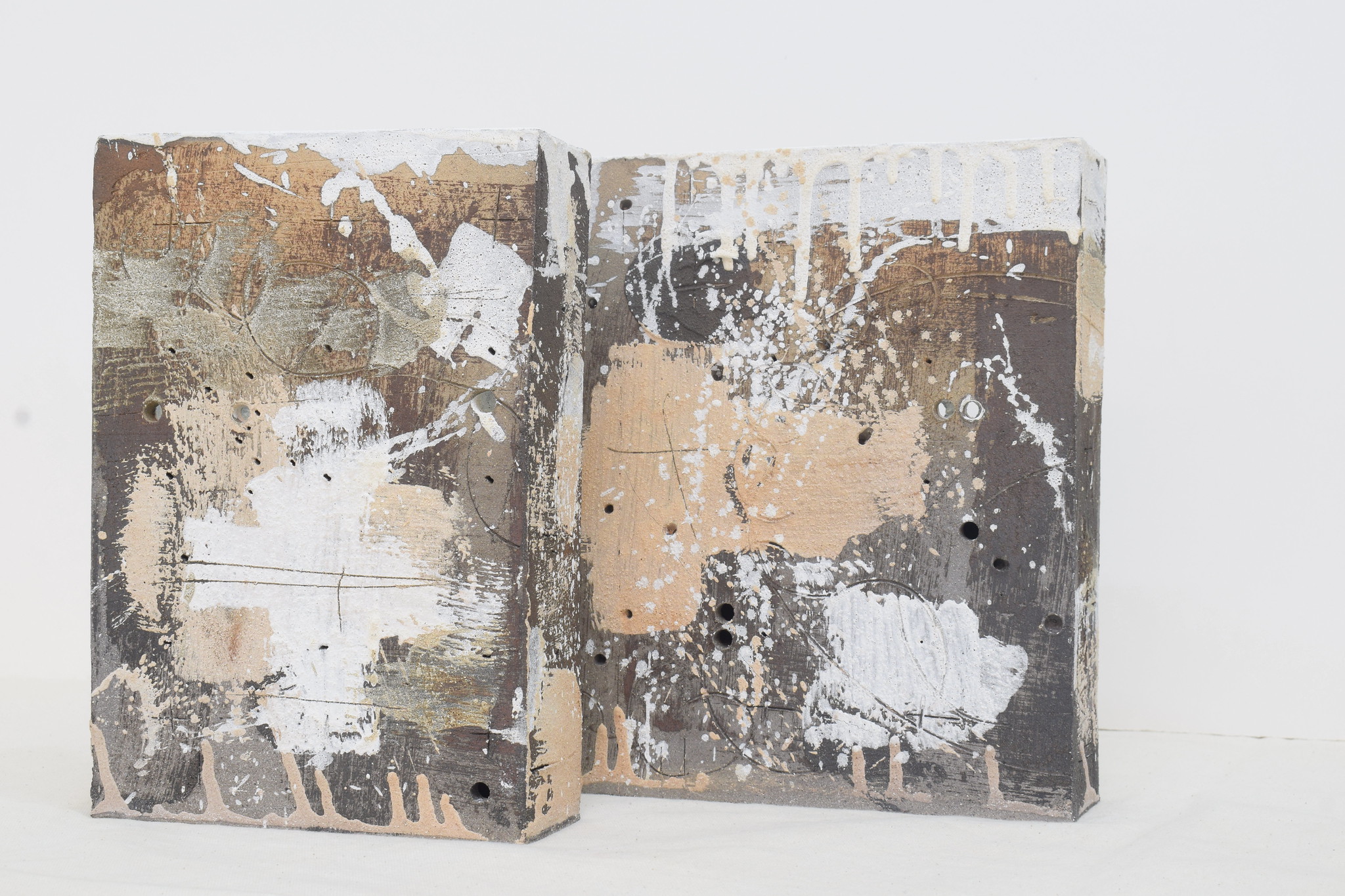
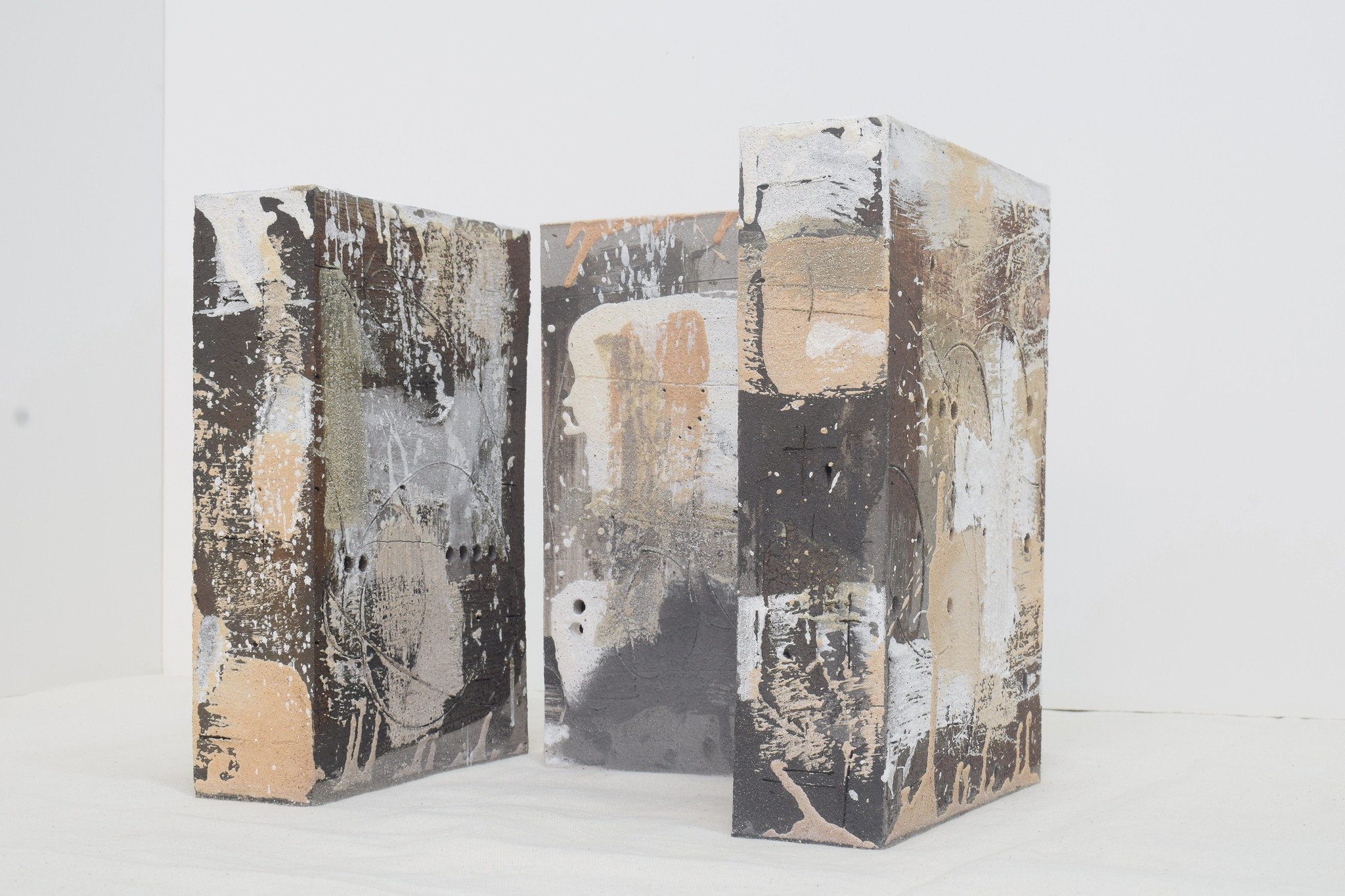
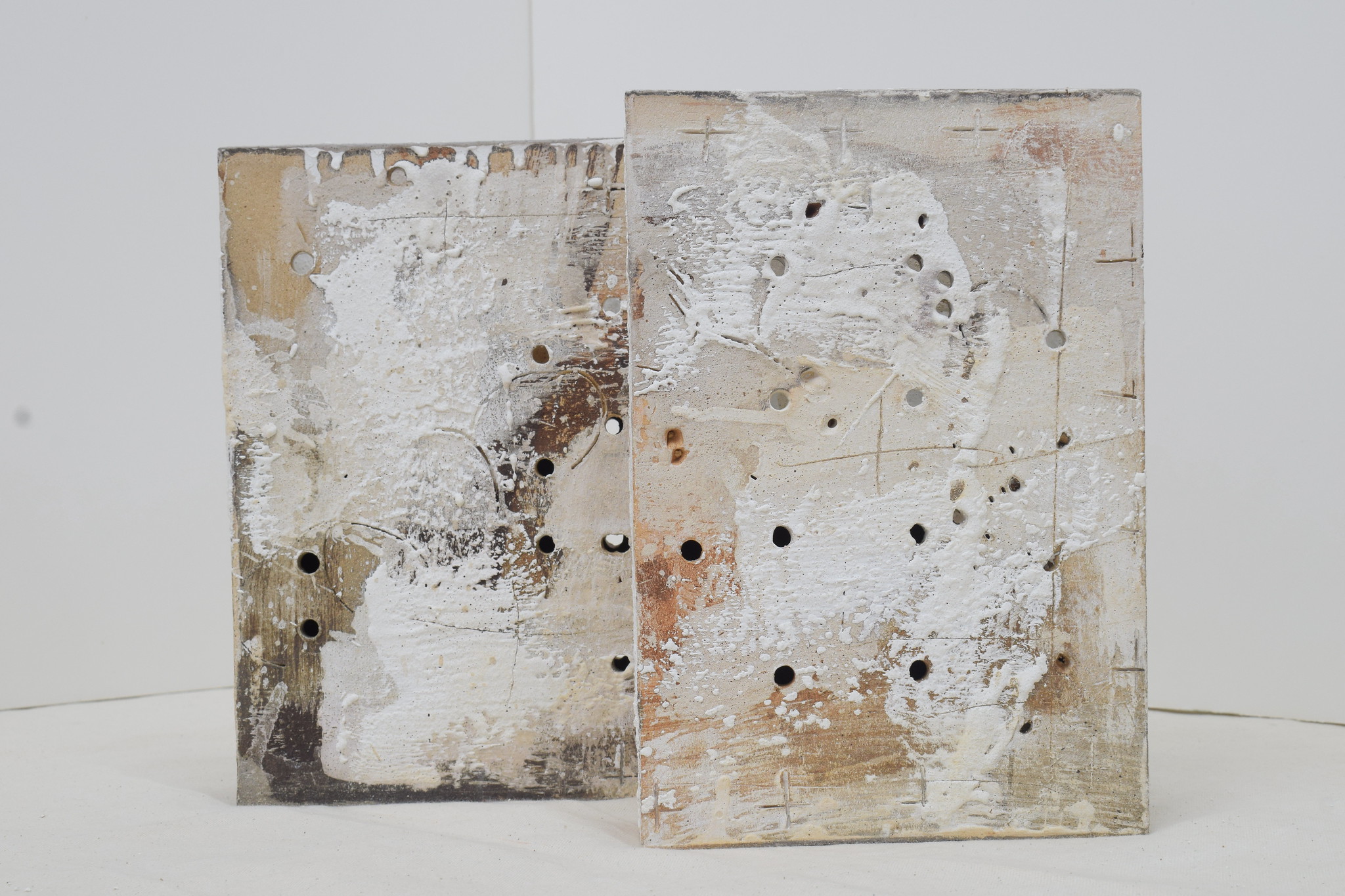
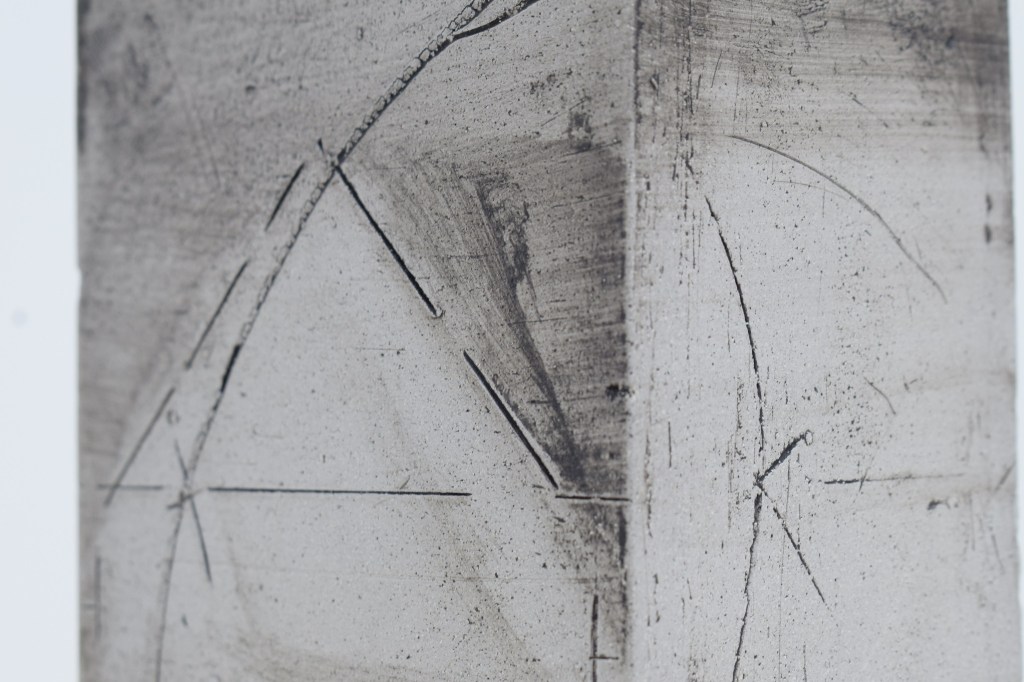
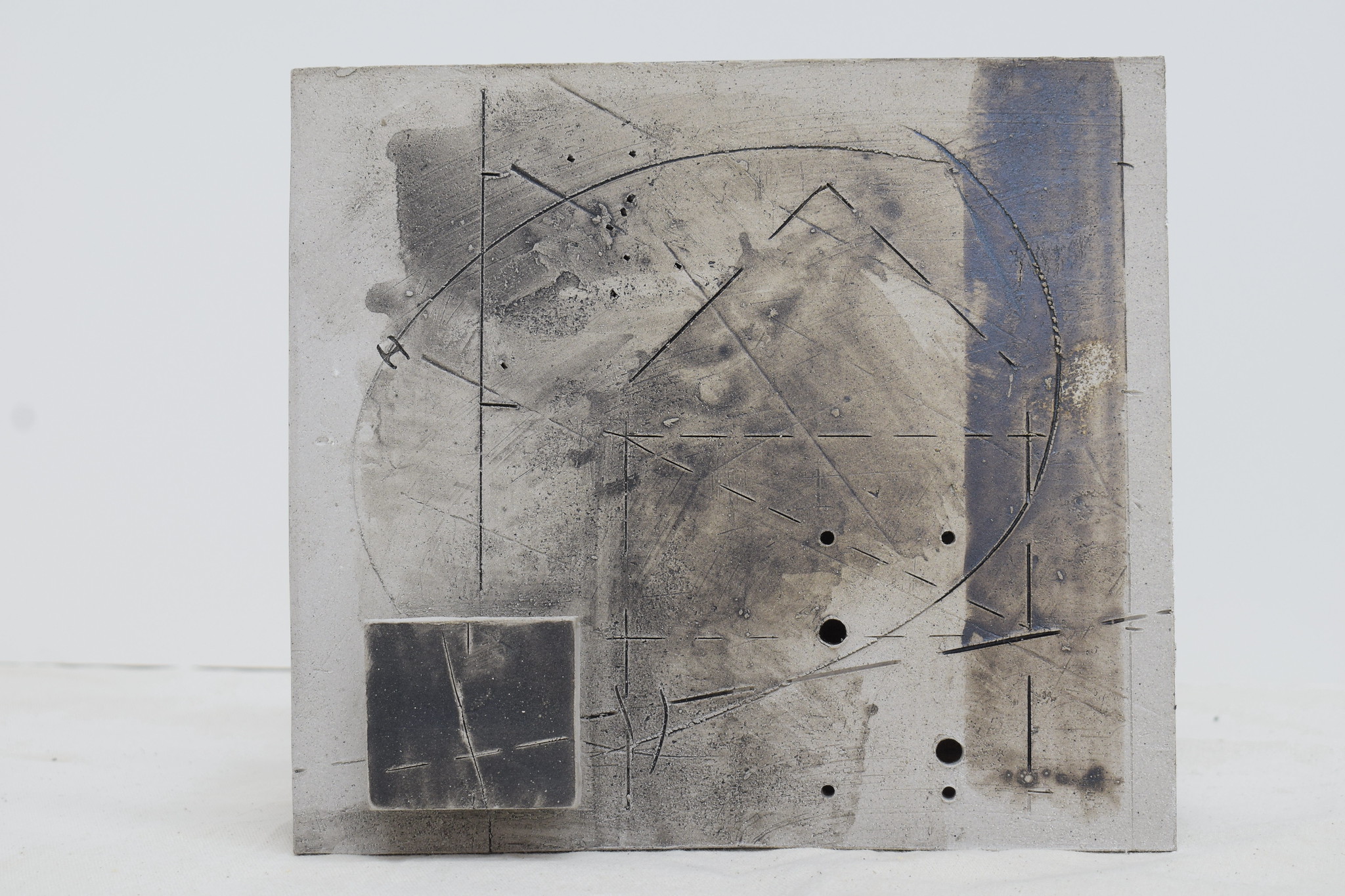
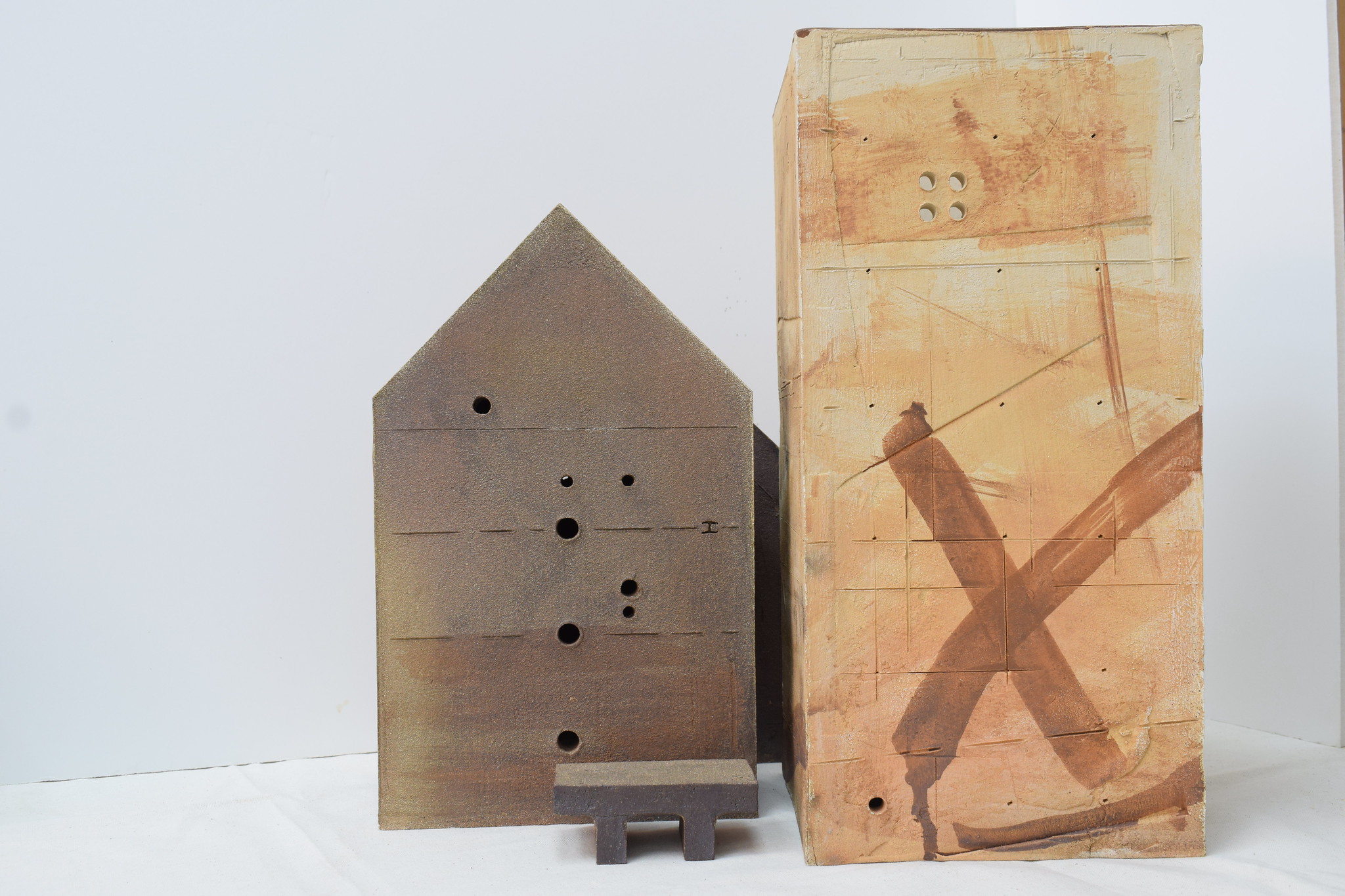
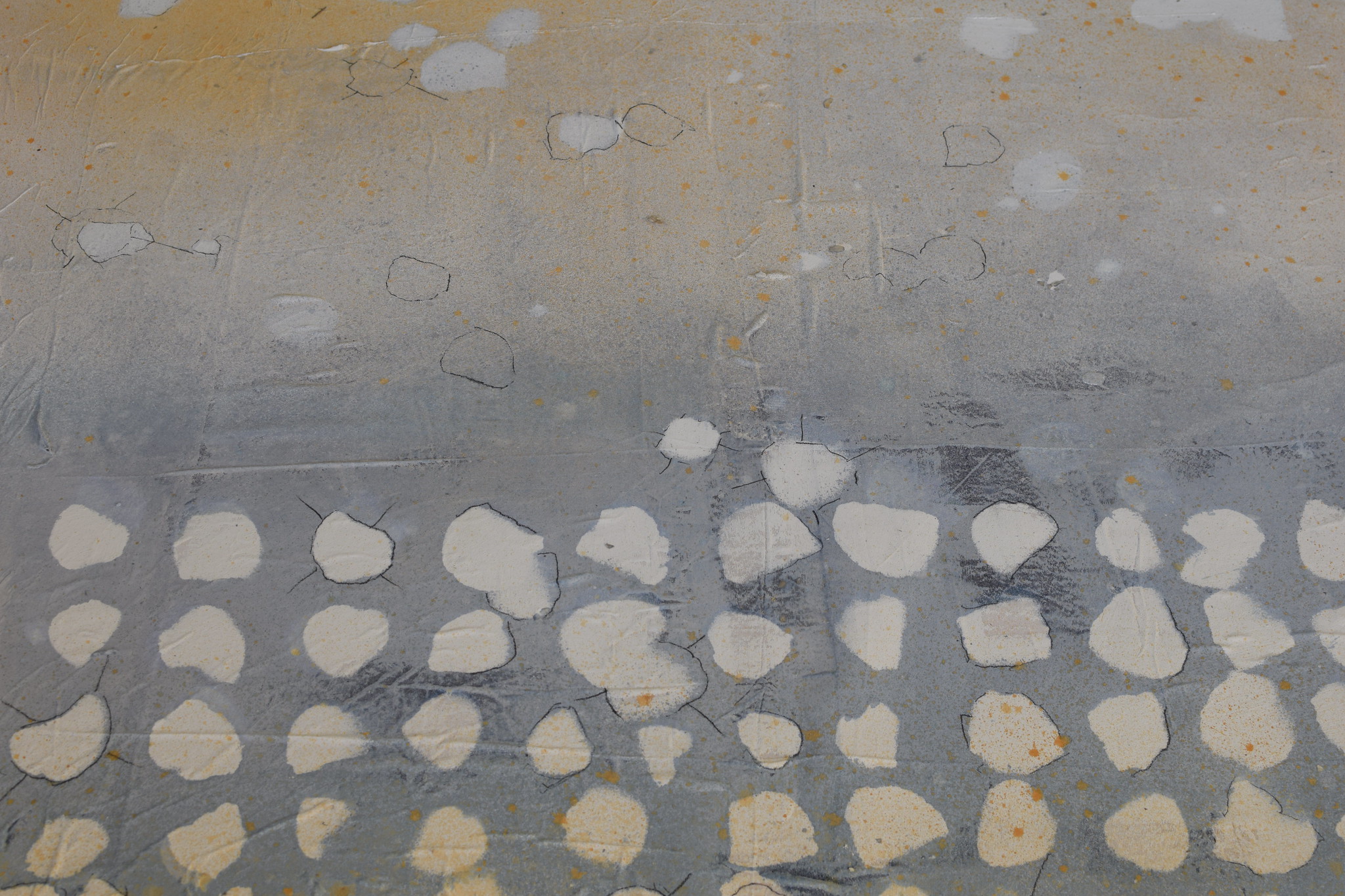
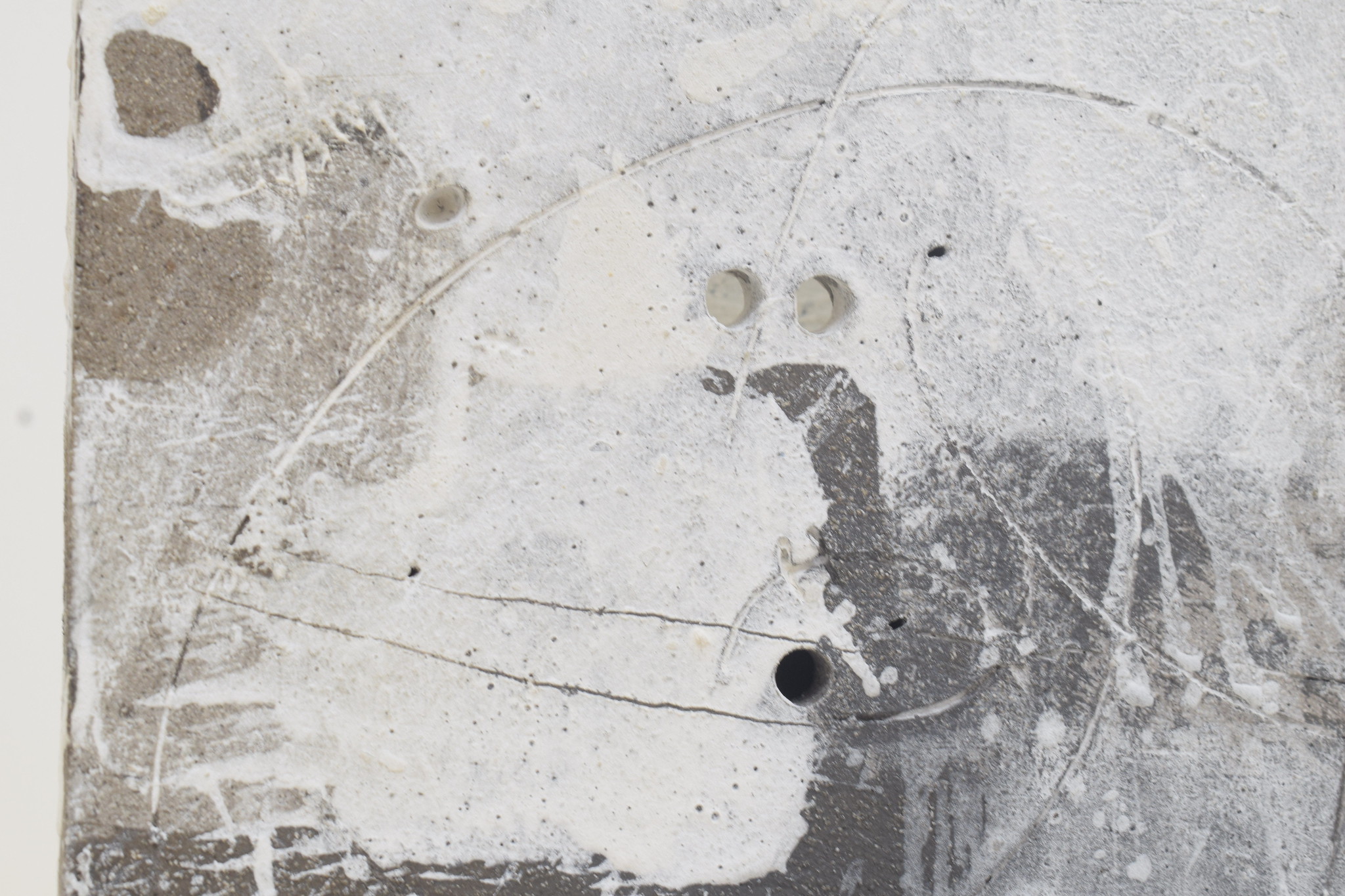
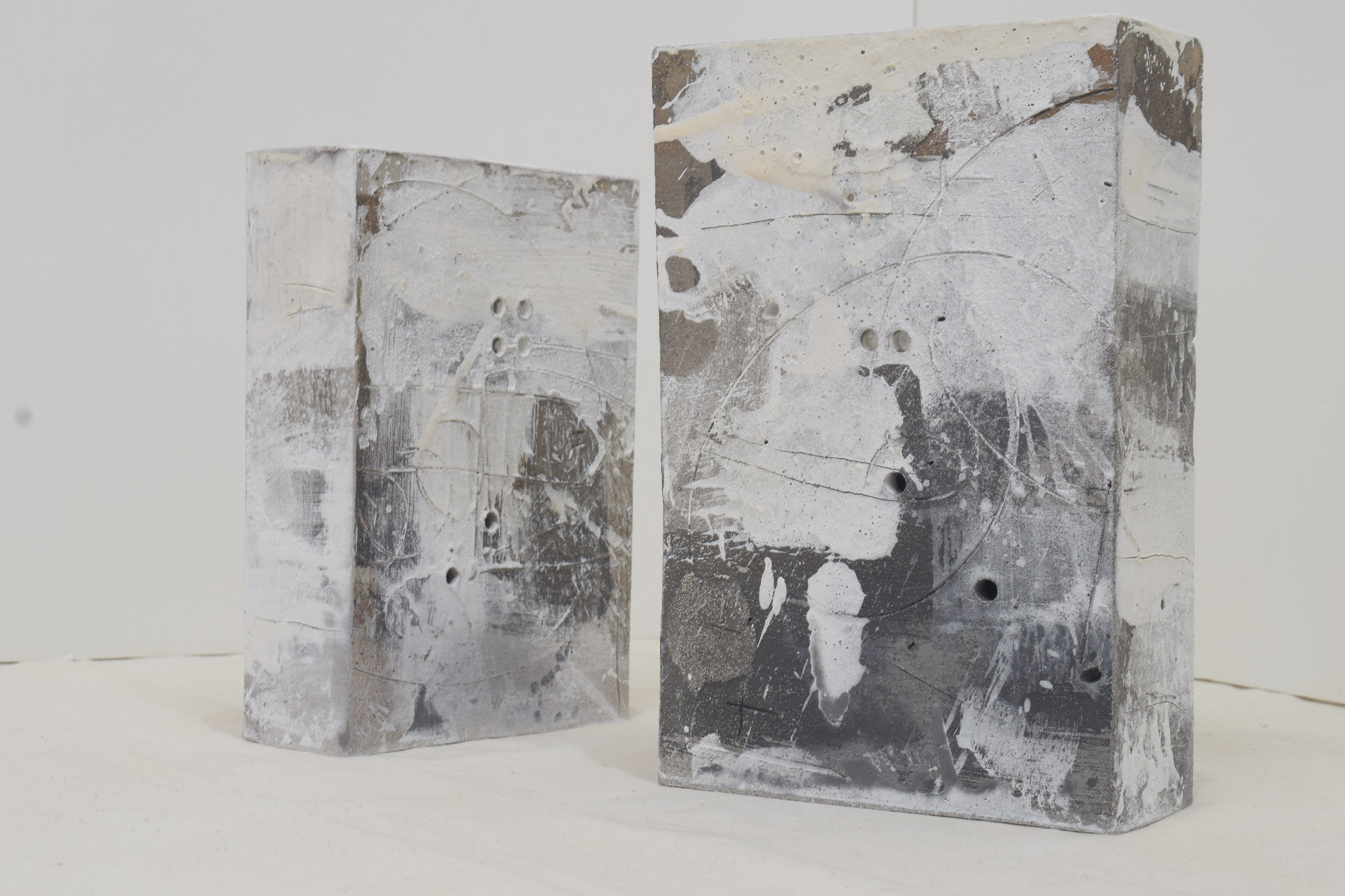
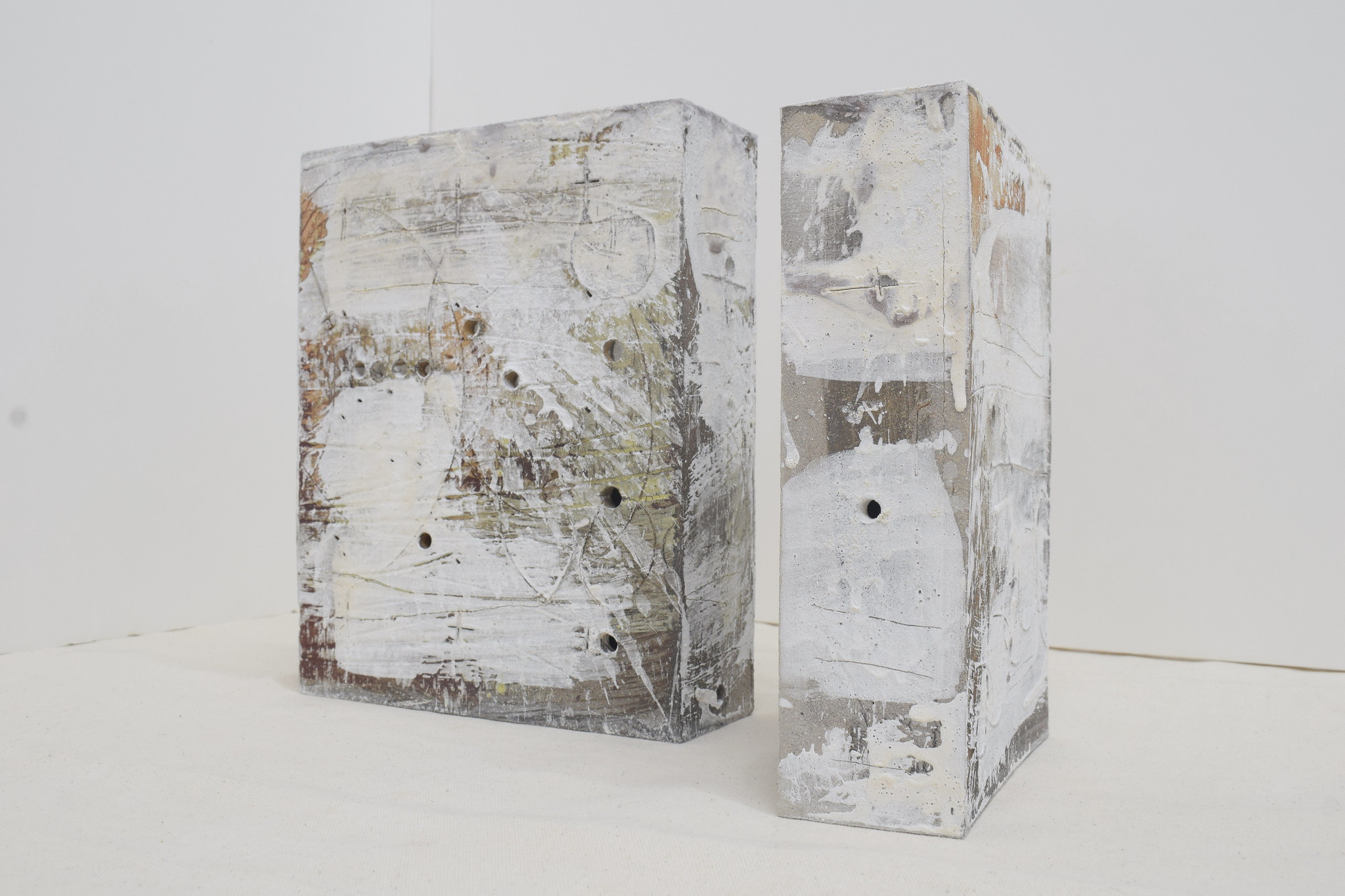
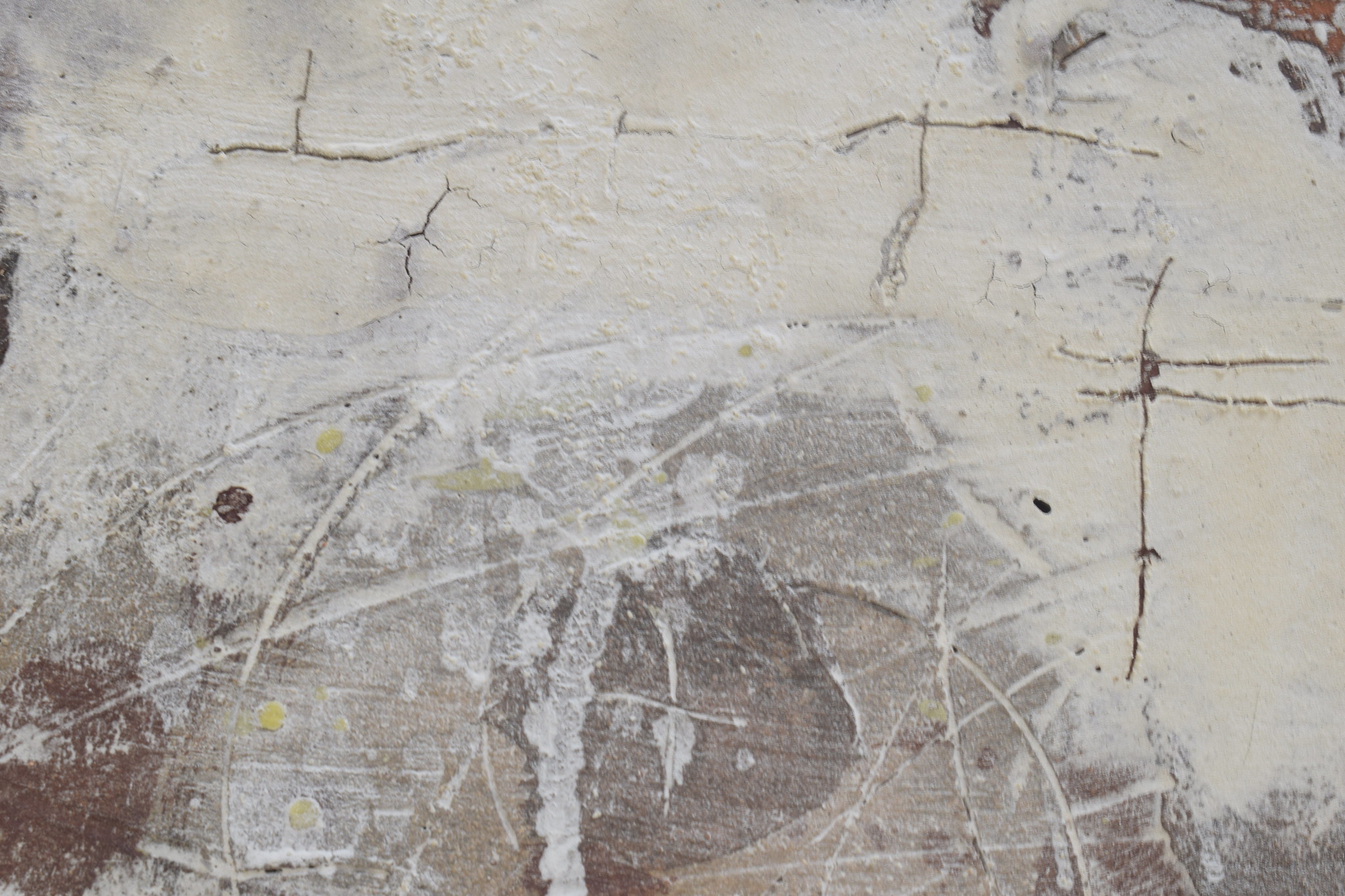
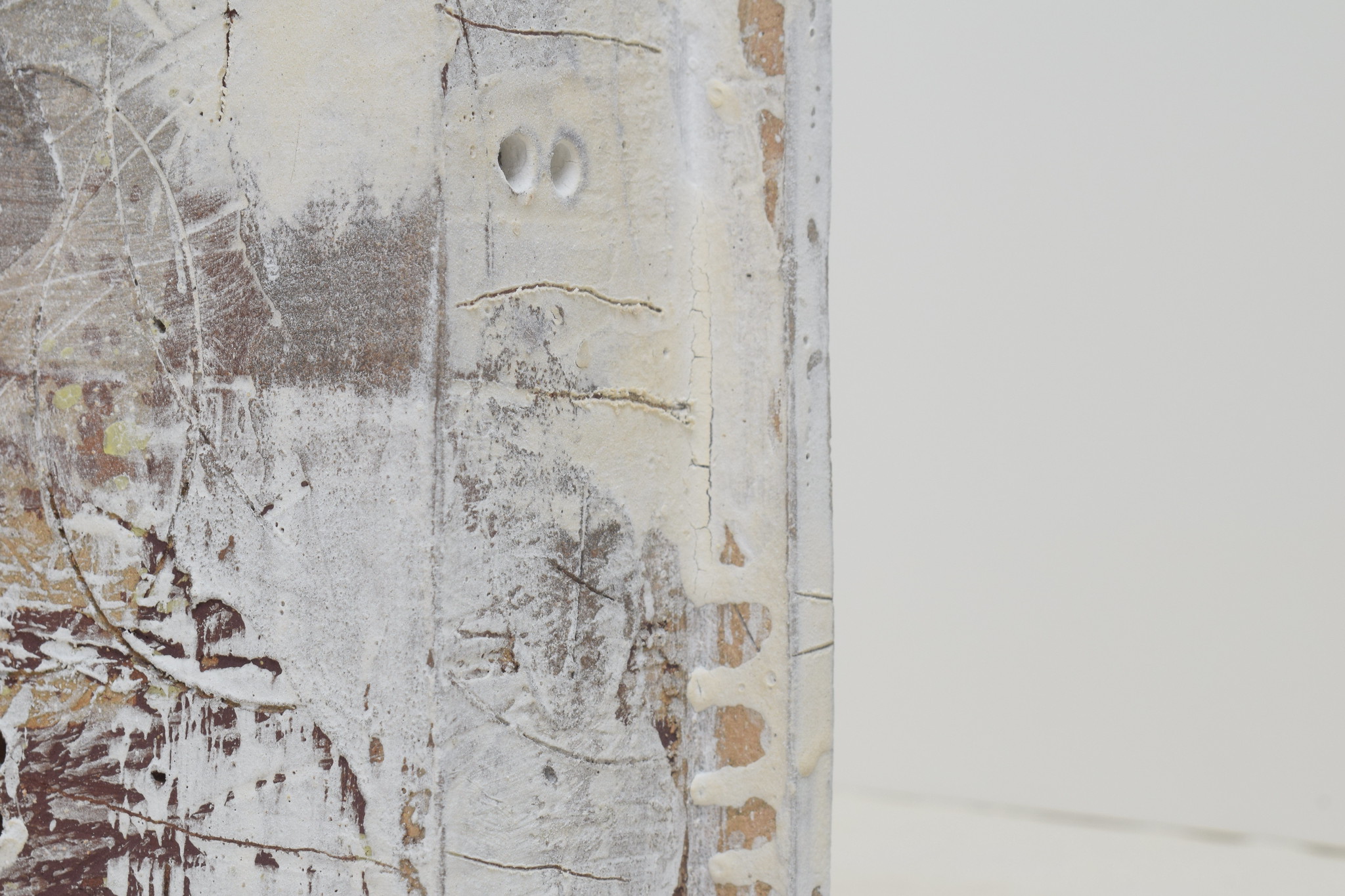
    Slab built forms from clay slabs that have previously been drawn into and brush marked with slips. Assemble forms then divided into several spatial interiors. Piercings through the surface set up a circulation for light to enter into the interiors. Further firings and more ceramic coatings are applied to further investigate the involuntary relationships that have emerged. These objects are unknowable as they are extracted from the kiln, and as such they act as forms that can take on a theoretical nature, gathering my discursive researches and readings into a performative spatial body.

    Year
    2025

    Medium
    Ceramic

    Size
    240mmL x 270mmH x 70mmW.

    AI Overview
    These are likely ceramic or mixed media architectural art pieces by artist Russell Moreton.
    The artist is known for exploring themes around “making” and the metaphysical immersive nature of materials, often using clay as a primary medium.
    The works investigate the interconnectedness of making interior spaces.
    The raw, distressed appearance suggests an interest in material vocabulary and process-based inquiry.
    The pieces are potentially part of an exploratory research project titled “CLAY/WITH FIRE : Thinking Architecture/Exploratory Research/Vocabulary”.


    These are untitled clay and mixed media artworks by British visual artist Russell Moreton.
    The pieces are part of his exploratory research into “Spatial Bodies” and “Thinking Architecture”.
    The artist uses materials to explore a sense of place and time, with the act of drawing adding a performative element.
    The work often involves layers that peel and reveal their own histories, like those seen on the surfaces of these pieces.
    Moreton’s practice investigates the interconnectedness of making interior spaces.

    Exploring Continuity and Change in Ceramic Art
    This title highlights key themes in the artwork, aiding in search visibility for art enthusiasts.

    Russell Moreton’s Spatial Bodies: A Ceramic Journey
    Focusing on the artist’s name and key concepts enhances recognition and targeted search traffic.

    The Metaphysical Nature of Clay in Architecture
    Emphasizing the metaphysical aspects attracts a niche audience interested in art theory and materials.

    Show all

    The image provided is an art collage incorporating diagrams and text snippets from the book Space and Place: The Perspective of Experience by geographer Yi-Fu Tuan. The artwork explores concepts of human spatial perception and time.


    Key Concepts
    Spatial Bias: The collage uses a specific diagram to illustrate that “Space projected from the body is biased toward the front and right”. This suggests a natural human tendency to perceive and prioritize space differently depending on its relation to our body’s orientation.
    Time Perception: The diagram visually represents the future as “ahead and ‘up’” and the past as “behind and ‘below’,” linking spatial metaphors to human conceptions of time.
    Art and Perception: The text “Ceramics a spatial sensitivity, forms governed by their vessel and void” suggests the artwork itself is a study in how form and negative space interact to create meaning, a common theme in art and design that explores kinaesthetic and multisensory perception.
    This collage integrates geographical, psychological, and artistic ideas about how humans experience and structure their environment.

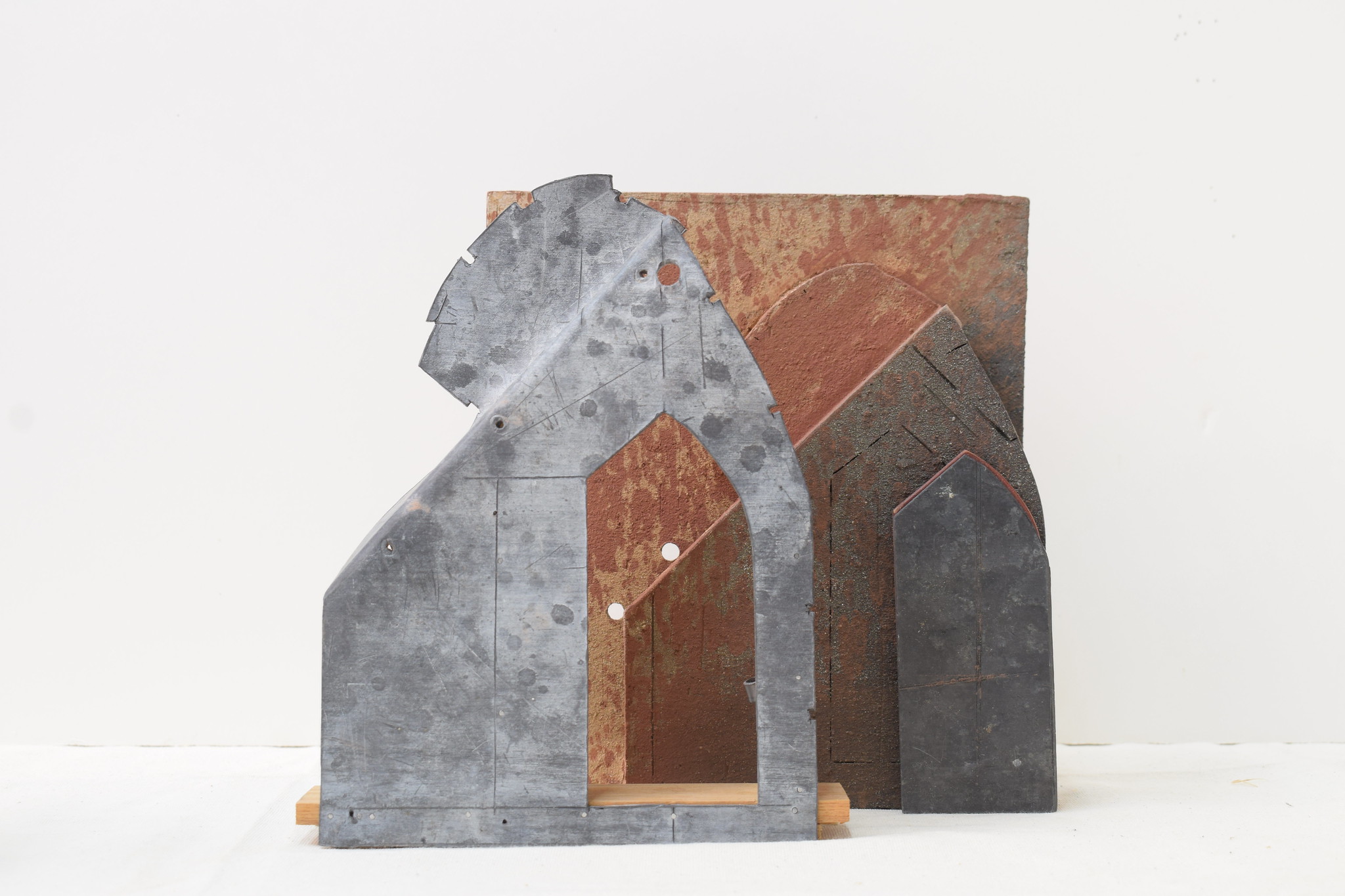
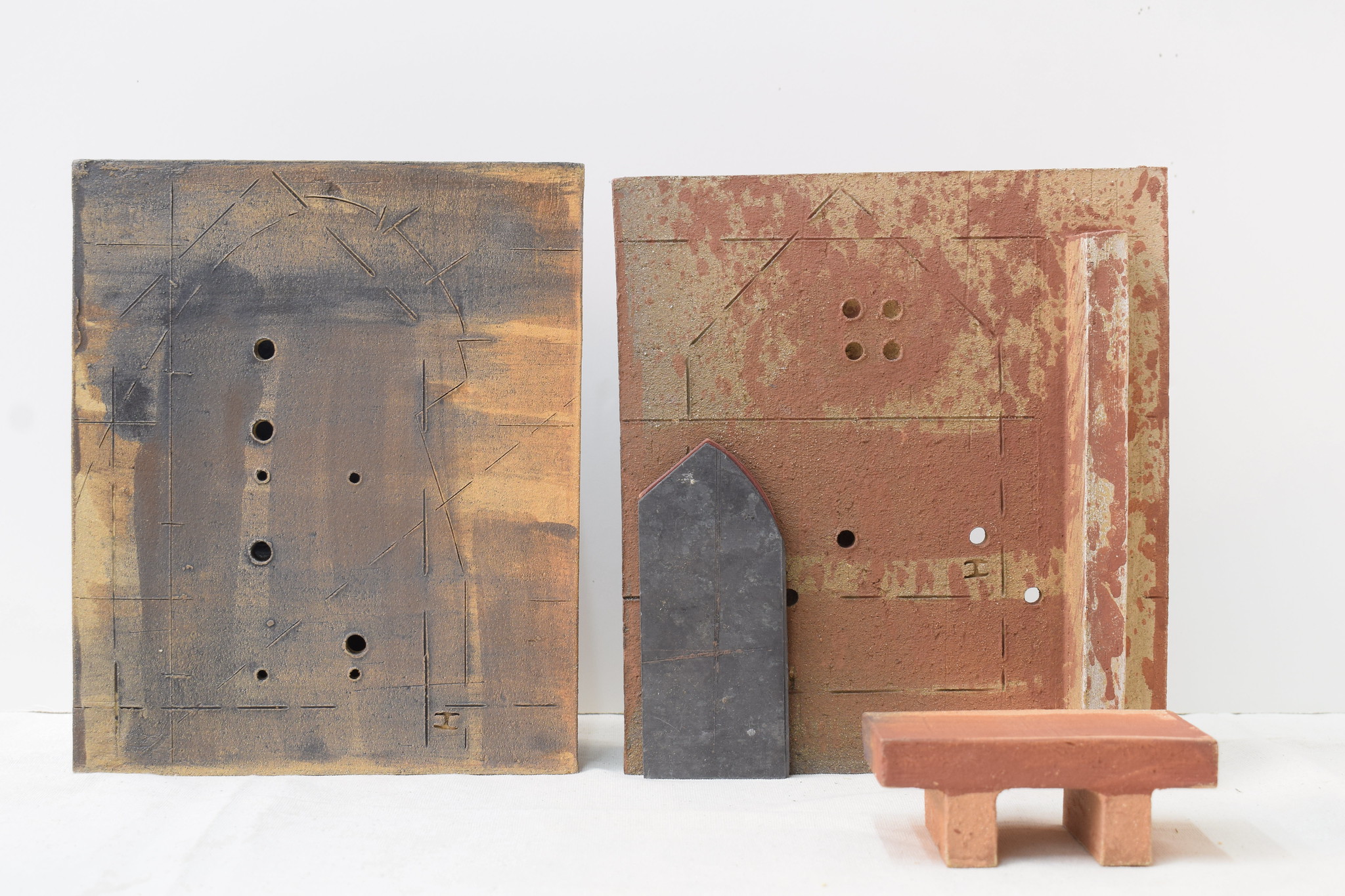
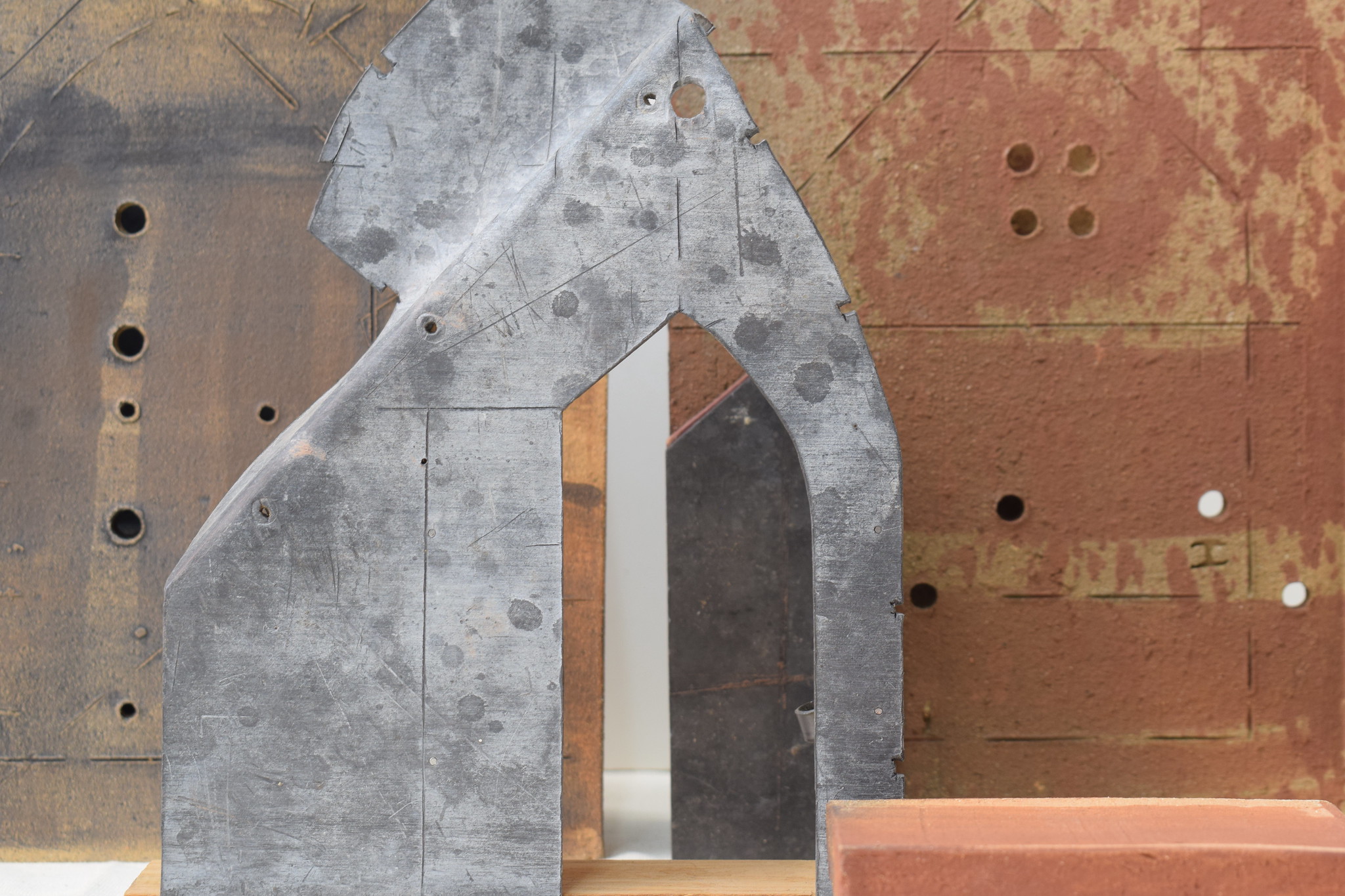
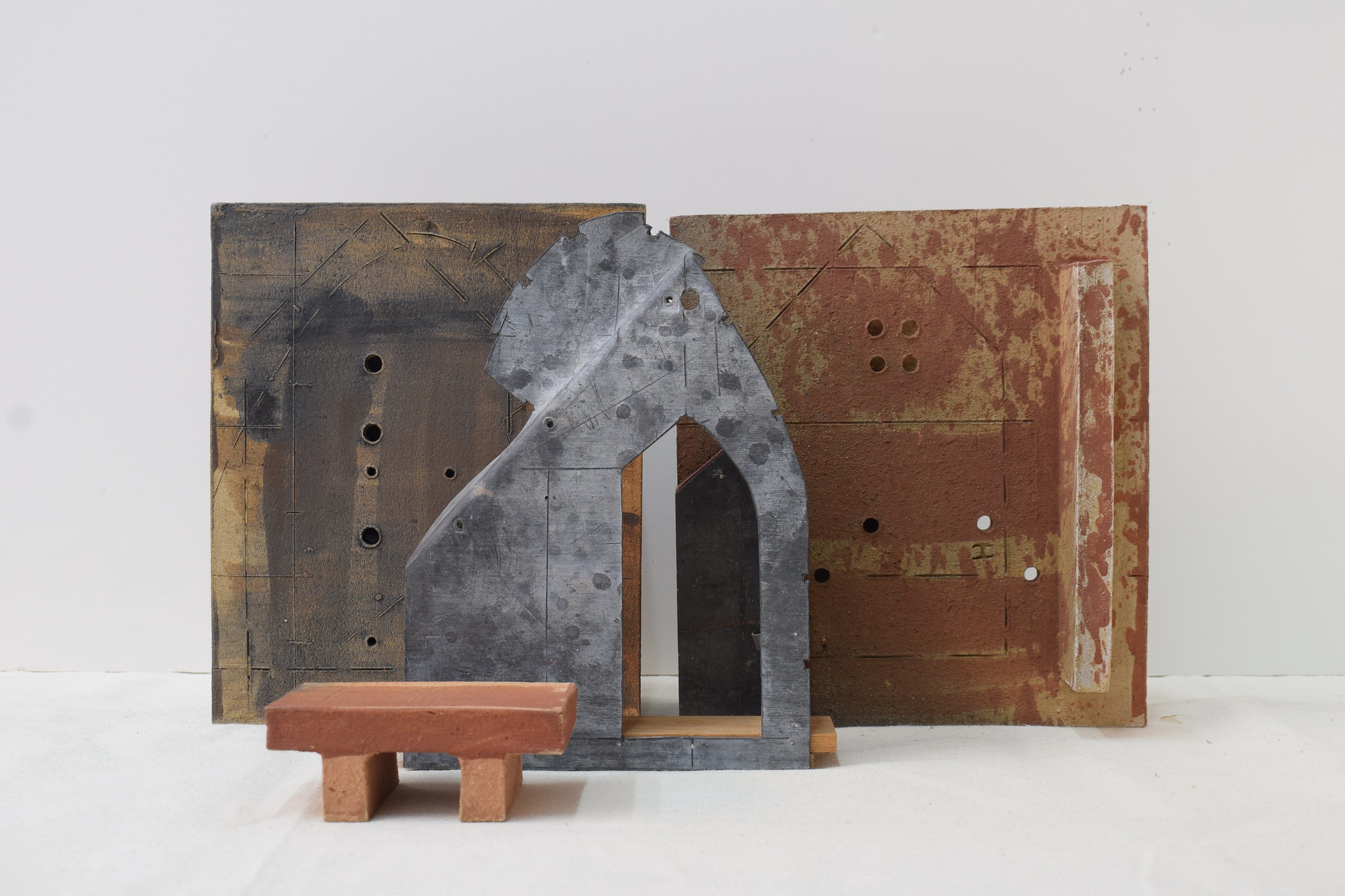
  • Bachelard Readings~Reverberations of Refuge/Reverie.

    Composite assemblages developed around spaces, interiority and aesthetics.

    The refuge is not simply an enclosure. It is a material threshold between exposure and protection, where the body encounters the weight, resistance and permeability of its surroundings.

    Year
    2024

    Medium
    Ceramic, Lead, Wood.

    Size
    190mmL x 230mmH x 80mmW 220mmL x 230mmH x 100mmW

    Category

    Interiority / Atmosphere

    This is one of the clearest examples of that category. The post gathers spaces, interiority, aesthetics, refuge, reverie, vessel, architecture and the sensate experience of being within space. It also returns directly to your earlier thinking around Bachelard, vessel, inside/outside and “defined air.”

    Re-reading / 2026 — The refuge imagined through Bachelard begins to surface materially through the vessel, where interiority is no longer contained within architecture but produced through relations between body, matter, atmosphere and place.

    The refuge is not simply an enclosure. It is a material threshold between exposure and protection, where the body encounters the weight, resistance and permeability of its surroundings.

    Lead shields the body; the aperture exposes it. Between them, interiority becomes a spatial accord.

    Lead changes the spatial accord quite profoundly. It introduces a material register that isn’t simply another material in the work, but one that carries unusually strong associations with the body, protection, weight, toxicity, inscription, shielding, conductivity and vulnerability.

    That makes the relationship between Bachelard Readings and Water at Hungate more interesting. The accord isn’t only between refuge and dwelling, or interiority and architecture. It is also between materials and bodies.
    Lead has an almost paradoxical spatial behaviour. It can be:

    protective — a shielding material, creating a boundary between bodies and forces;
    heavy — giving spatial situations a bodily sense of weight and gravity;
    soft — unusually malleable, capable of receiving pressure and imprint;
    cold / tactile — its surface has an immediate bodily register;
    toxic — protection and danger are held together;
    opaque — unlike the aperture, it refuses passage;
    inscriptive — it can register contact, pressure, touch and duration.

    So alongside the ceramic hole, which opens, lead introduces a material that closes, shields and withdraws.

    That gives us a really productive polarity:

    puncture ~ shielding
    aperture ~ opacity
    exposure ~ protection
    permeability ~ resistance
    light ~ weight
    interior ~ enclosure

    And these aren’t oppositions that need resolving. They are spatial relations held in tension.

    Lead and the body

    Water at Hungate. 2023

    Hungate Architectural Explorations.

    Air/Place/Breath/Light/Architecture/Ritual/Social Space

    Cell-Court-Domain.

    Hungate Vessels, Architectural Explorations, 2023, Ceramic, 165mmW x 250mmH x 90mmD.

    Russell Moreton is a visual artist interested in gathering research and responding to the historical site of St Peter, Hungate. He has explored the exhibition theme ‘Water’ as both a spiritual and corporeal inquiry for site-specific artworks. He has spent time developing working ideas that have an affective resonance to the architectural setting of their presentation. His use of slab built ceramics vessels echo the stillness and muted silence experienced within the medieval fabric of the Hungate. He has used a figural drawing on Chinese paper, processed by the evident passage of water to explore the representation of the human form in this particular place.

    Anarchival Correspondence.

    The interesting thing is that Bachelard Readings appears to provide a conceptual vocabulary for something that Water at Hungate later makes materially and spatially operative.

    Bachelard

    refuge → reverie → interiority → vessel → emptiness → defined air → inside/outside → inhabitation

    Hungate

    site → architecture → water → breath → light → vessel → interior → ritual → social space

    So the correspondence isn’t simply:

    Bachelard influenced Hungate.

    That’s too linear.

    I’d say something more like:

    The refuge becomes a vessel; the vessel becomes a chamber; the chamber becomes a site; the site begins to breathe.

    What Bachelard approaches through reverie becomes spatially and materially operative at Hungate: refuge becomes vessel, vessel becomes interior, and interior becomes a condition of relation between body, architecture, water, light and place.

    That feels much closer to the nowness you’ve just been talking about.

    And there is another important movement

    The Bachelard post is concerned with inside / outside, but it doesn’t finally accept that division as stable. Your own text explicitly moves towards the idea that the lived experience is “more kinetic, more fluid and interchangeable.”

    Then Water at Hungate seems to take that instability into the site:

    inside ↔ outside
    architecture ↔ atmosphere
    water ↔ body
    vessel ↔ space
    site ↔ place
    object ↔ environment

    The ceramic vessel becomes the intercessor.

    It doesn’t merely sit inside the architecture. It allows architectural, corporeal and atmospheric relations to gather around it.
    The Bachelard post gives us refuge as interiority.

    Hungate gives us interiority becoming site.
    And your current ceramic work potentially gives us:

    interiority → aperture → chamber → site → correspondence

    That is a very strong little anarchival constellation.
    Bachelard gives you the phenomenological interior.

    Lead gives you a bodily material boundary.

    Hungate gives you the situated architectural site.

    The ceramic vessel gives you the volume in which these relations can become tangible.

    And then the aperture introduces the possibility that the withdrawn interior is never entirely withdrawn.