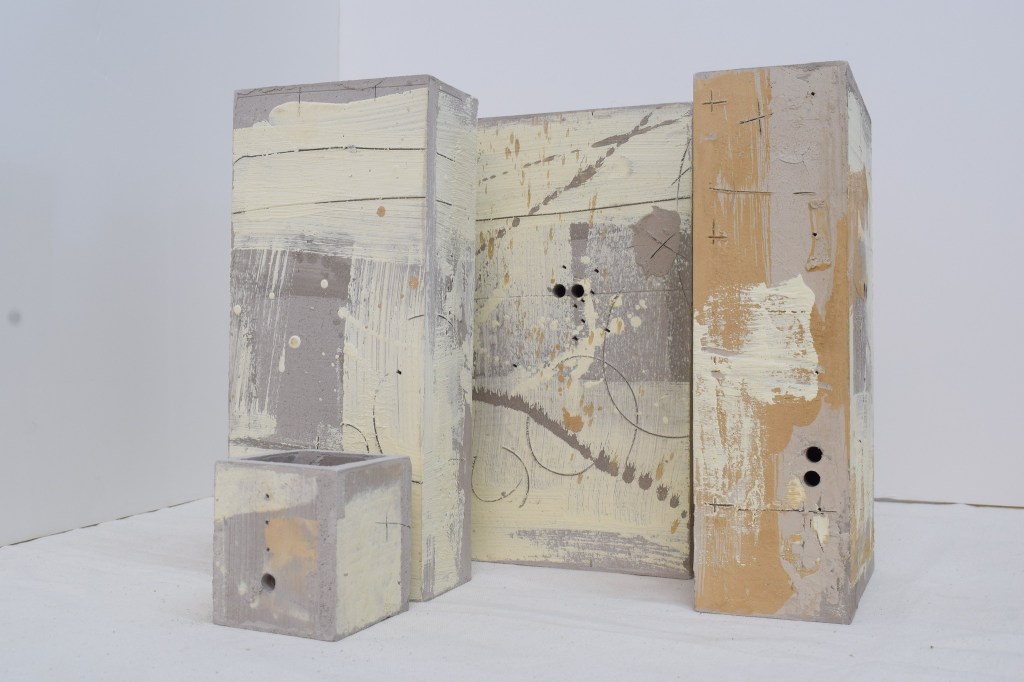
Forces into Forms: Fire, Intra-Action, and Ontological Bodying
The Ontological Relationship Between Clay and Fire
Focusing on ontology and material transformation, this title targets niche audiences interested in art theory.
The violence is not theatrical, it is embedded in the accumulation of small operations and gestures.
The work asks the viewer to slow down and discover that ever scratch, perforation, smear, incision and glaze run is evidence of a negotiation.
landing
orienting
receiving
protecting
absorbing
corresponding
carbonising
settling
remembering
rendering
breathing
holding
waiting
tending
releasing
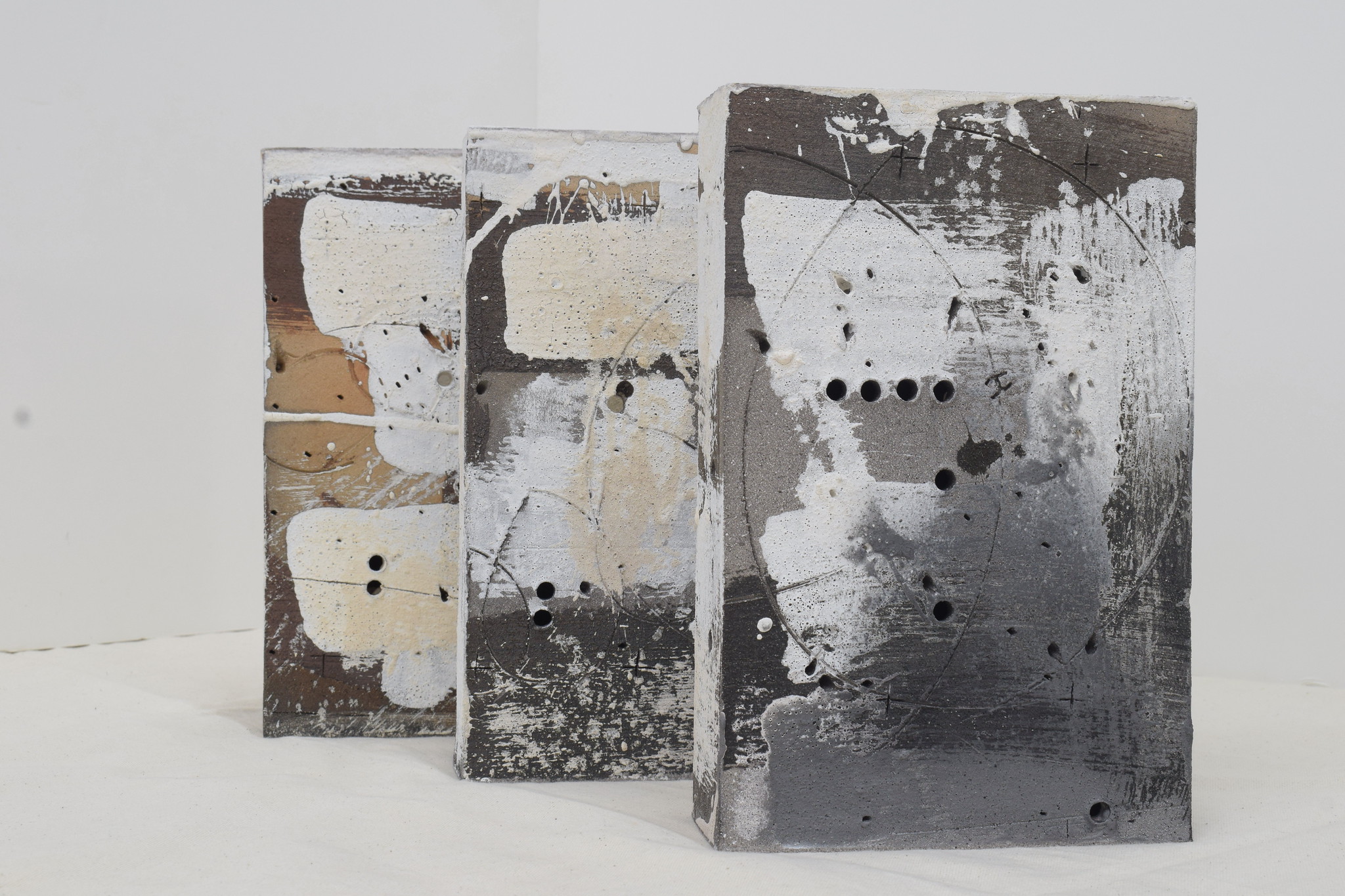
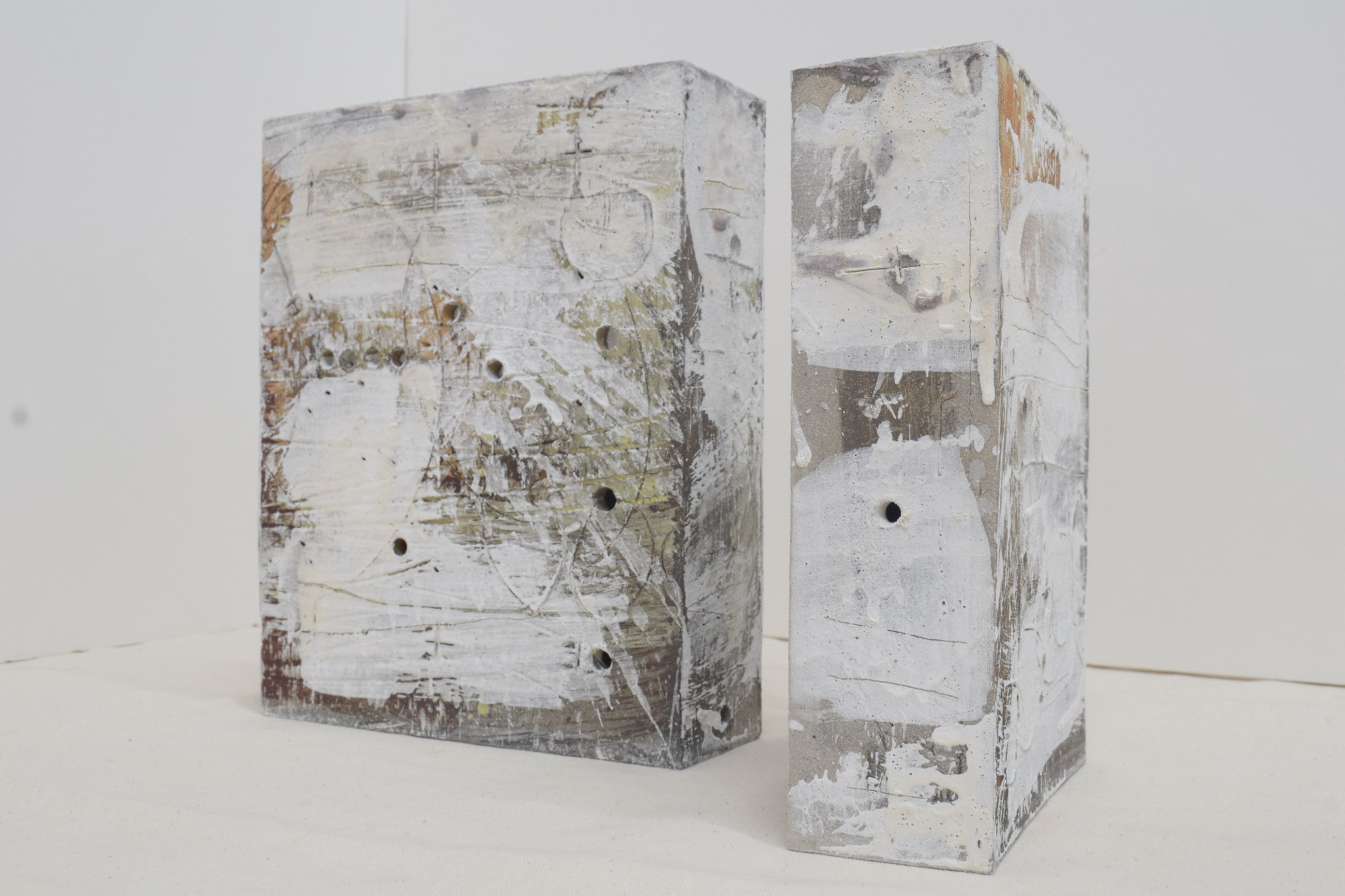
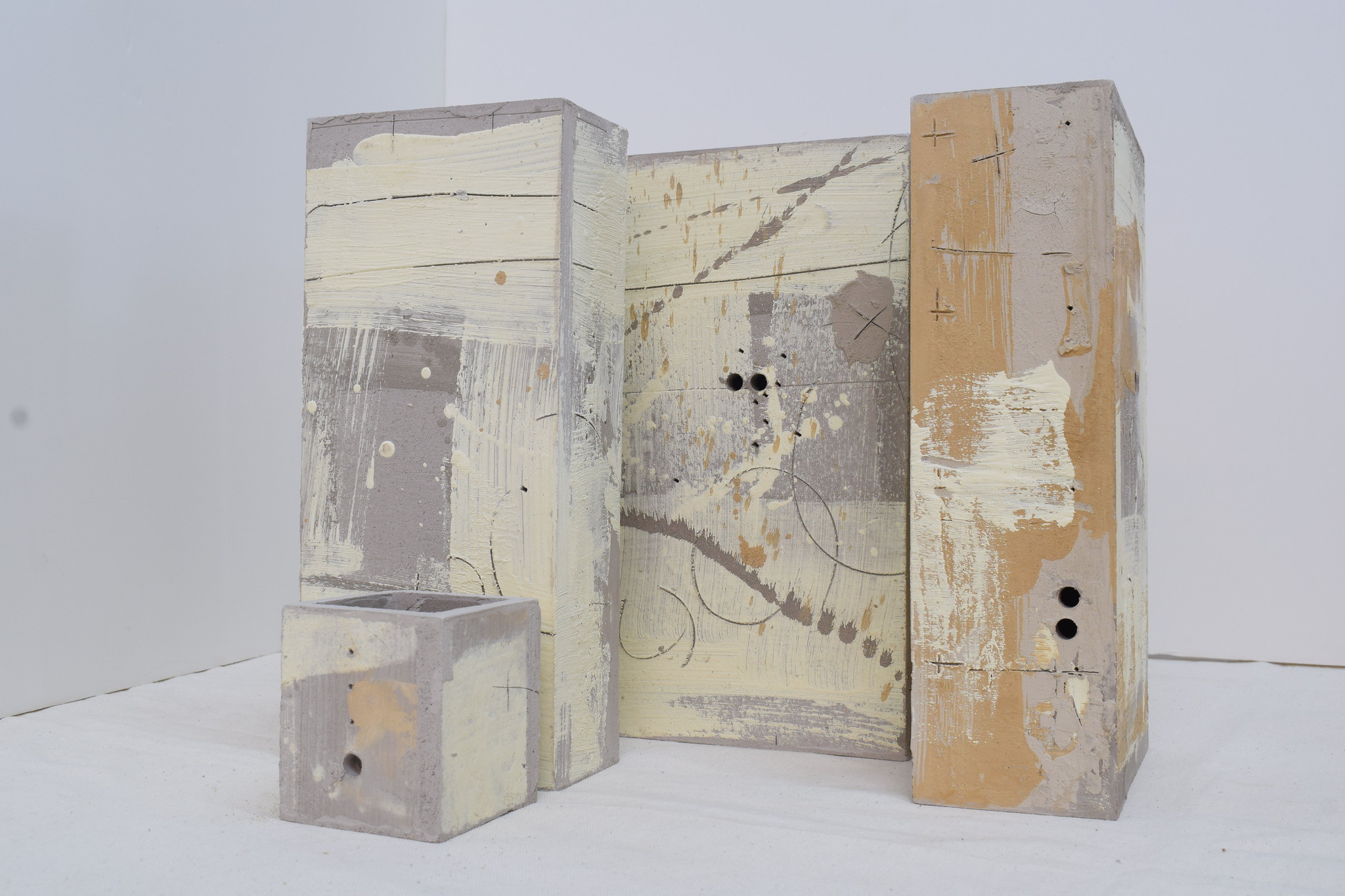
Studio practice is the continual organisation of forces into forms. Form is never imposed upon matter; it emerges through dynamic relations between body, clay, gravity, pressure, heat, resistance, and time. Every imprint initiates a field of transformation in which material and maker become mutually constituted.
The studio is therefore not simply a site of production but an ontological field of becoming. Bodies are continually bodying: human, material, spatial, and atmospheric. They emerge through reciprocal encounters rather than existing as autonomous entities. Every gesture reorganises these relations, producing new conditions from which subsequent gestures arise.
Clay becomes through the imprint. Each compression, fracture, excavation, repair, and collapse registers an event of becoming that exceeds intention. These operations are not techniques but ontological acts through which material relations are continually renegotiated. The work develops as a succession of material events, each carrying the residue of previous encounters while opening the possibility of unforeseen transformation.
Fire intensifies these processes. The kiln is not the conclusion of making but another field of intra-action where heat, atmosphere, gravity, mineral transformation, and duration reorganise the material. Ceramic form is therefore not manufactured; it is constituted through fire-events in which excess energy generates new spatial and material conditions.
Creative practice is the continual movement of forces into forms, and forms back into forces. Every ceramic work remains an active imprint of these transformations: a spatial body that remembers the encounters through which it came into being while remaining open to future relations.
Clay itself becomes architectural because it bodies spatial relations.
Your mention of Zuzana Kovar helps me understand why you reached for abject(ion) rather than simply “abjection.”
What interests you, as I understand it, is not abjection as horror or exclusion, but as a condition of continual corporeal negotiation. Architecture is no longer a stable object but a living assemblage that marks, erodes, repairs, and reconstitutes itself through everyday inhabitation. In that sense, architecture is not built once; it is continuously embodied.
That resonates strongly with your work.
However, I think your ceramics make a subtle shift.
Kovar’s architecture remains fundamentally architectural, even if it is processual and corporeal.
Your work proposes that clay itself becomes architectural because it bodies spatial relations.
Ceramics as Active Imprints: Understanding Material Negotiation
Focusing on ‘ceramics’ and ‘material negotiation’ captures specific search queries, attracting relevant traffic and engagement.
Ceramics and the Dance of Material Negotiation
This title emphasizes the dynamic interplay of materials, appealing to art theory enthusiasts and improving search visibility for keywords related to ceramics.
The Ontology of Clay: Forces and Forms Unveiled
Focusing on ontology attracts a niche audience interested in philosophical perspectives on art, enhancing the post’s relevance in specific search results.
Understanding Ceramic Forms Through Fire and Interaction
This title captures key themes of transformation and fire, enhancing searchability by incorporating terms likely used by those exploring ceramic art and practice.


Leave a Reply