Making is the production of relations through material events.
What I think is emerging is an ontology of making.
The clay isn’t the subject.
The object isn’t the outcome.
Even process isn’t the central concern.
The central concern is relation.
Relation between body and matter.
Relation between force and resistance.
Relation between object and space.
Relation between time and form.
Relation between making and knowing.
Visual artist working in the UK.
UCA Farnham, Interior Design MA.
Canterbury School of Architecture, Spatial Practices MA.
University of Southampton, Visual Fine Art BA hons.
Epsom School of Art and Design, Ceramics HSND.
For Marcel Mauss, real-life human beings inhabit a fluid reality in which nothing is ever the same from one moment to the next and in which nothing ever repeats. In this oceanic world every being has to find a place for itself by sending out tendrils which can bind it to others.
Thus hanging on to one another beings strive to resist the current that would otherwise sweep them asunder. Things do not aggregate and they do not fuse. They do however interpenetrate their many tendrils and tentacles interweave to form a boundless and ever extending meshwork.
On The Gift~Octopuses and Anemones.
The Life of Lines.
Tim Ingold
Processual Drawing~Interiorities of Atmosphere and Sentiment.
The Fluid Reality of Marcel Mauss: Understanding Interconnectedness This title directly references key concepts from the content while highlighting Marcel Mauss, attracting search interest for those studying his theories.
Exploring Tim Ingold’s Perspective on Mauss and Human Connection By including Tim Ingold’s name alongside Mauss, this title targets readers interested in contemporary interpretations, improving visibility for related searches.
Interweaving Tendrils: The Dynamics of Human Connection This title creatively encapsulates the main theme of interconnectedness while using engaging imagery, making it appealing for readers and search engines alike.
Phronesis~Poetics only encountered in movement. Generative Claywork. Correspondences in Ceramics. Mutant Sponge : Spatial Bodies~Human Bodies~Performativity.
Re-entering / 2026 — Phronesis is encountered in movement: a practical intelligence emerging between body, clay, force, gesture and space.
Exploring Movement in Generative Claywork This title incorporates key terms like ‘movement’ and ‘claywork’, improving relevance for searches related to ceramics and artistic processes.
Spatial Bodies and Human Performativity in Ceramics By including ‘spatial bodies’ and ‘human performativity’, this title targets niche audiences interested in the intersection of art and performance, enhancing discoverability.
Correspondences in Ceramics: A Study of Poetics This title emphasizes ‘correspondences’ and ‘poetics’, appealing to an audience seeking academic and artistic discussions, thus boosting potential traffic from educational searches.
Archival / Anarchival
I would place this in Ceramic Bodies.
This feels like an especially important post to retain because it is already very close to the language of your current practice. The post frames Spatial Poetics~Phronesis through “encounters in the making,” “generative claywork,” “correspondences in ceramics” and the relation between spatial bodies, human bodies and performativity.
The important distinction here is between poetics as an interpretation of the work and phronesis as knowledge encountered through making. That makes the title particularly productive now. Phronesis is not simply theoretical knowledge; it suggests a situated, practical intelligence emerging through action and encounter.
That connects directly to your developing idea that making is a way of knowing without separating knowing from material action.
I would therefore keep this as a relatively concentrated tag set rather than loading it with every theoretical association. The key terms are poetics, phronesis, movement, encounter, claywork, correspondence and generativity.
There is also a strong connection to the current Making Begins with an Imprint formulation: your work now describes making as an encounter between body, material, tool, force, resistance and time. The older Spatial Poetics~Phronesis post can be read as an earlier attempt to articulate that same practical intelligence.
Migration judgement: This is a high-value ancestral post. It should sit quite close to Mattering Space / Flow and Fold and CLAY/WITH FIRE, but unlike those more theoretical entries, this one begins to articulate making itself as situated knowledge. That makes it particularly relevant to your present movement toward an ontology of making.
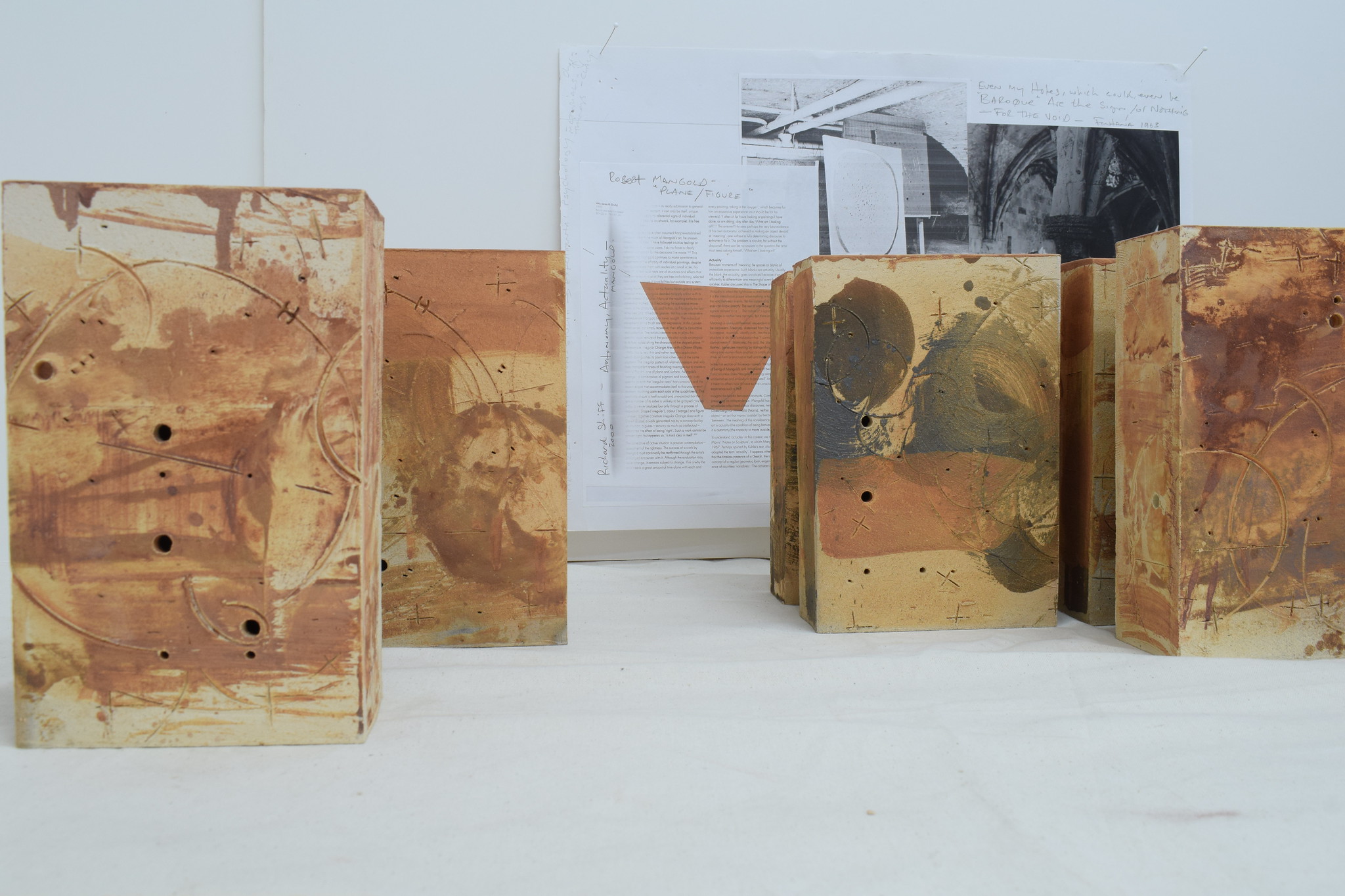
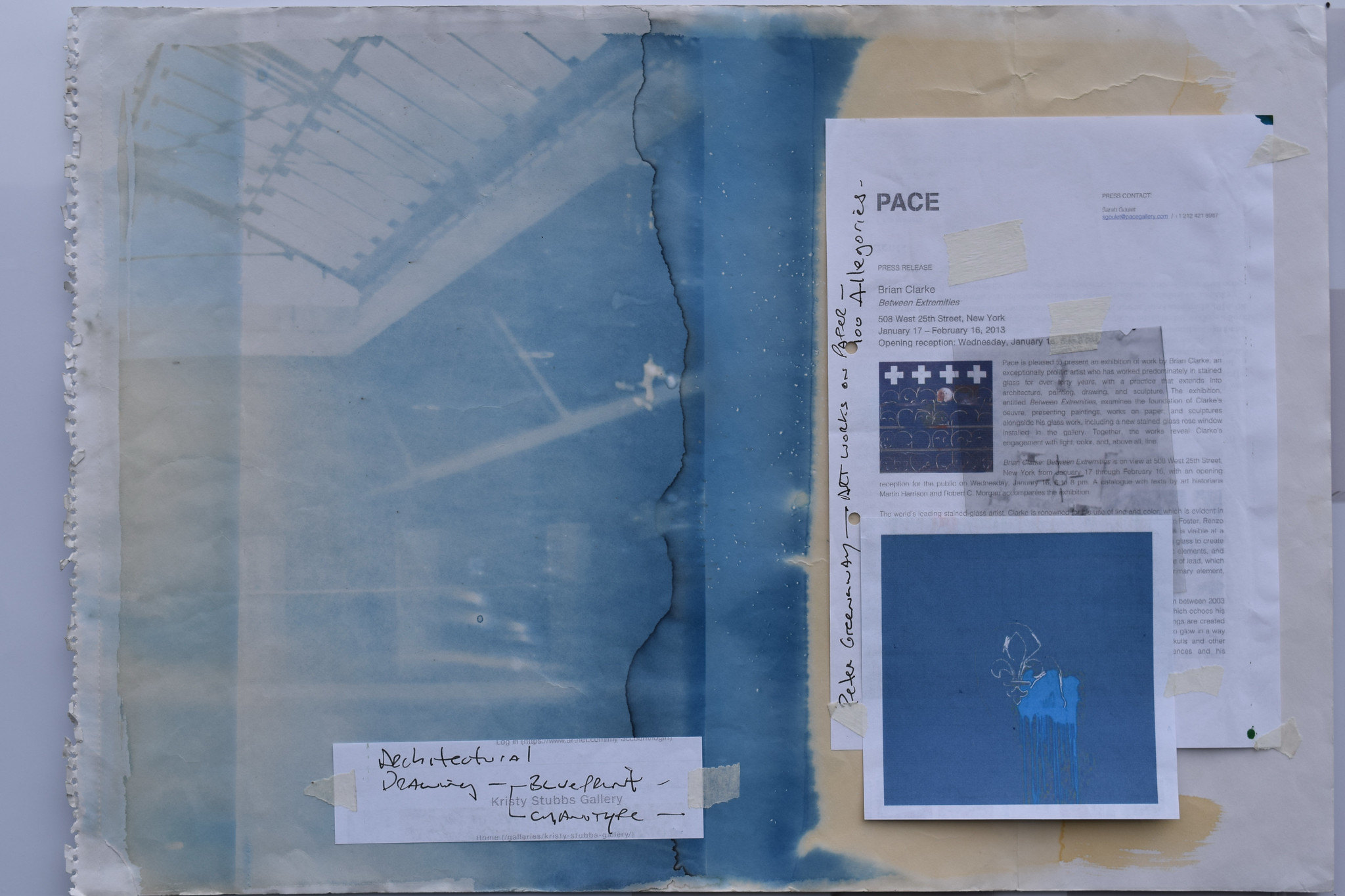
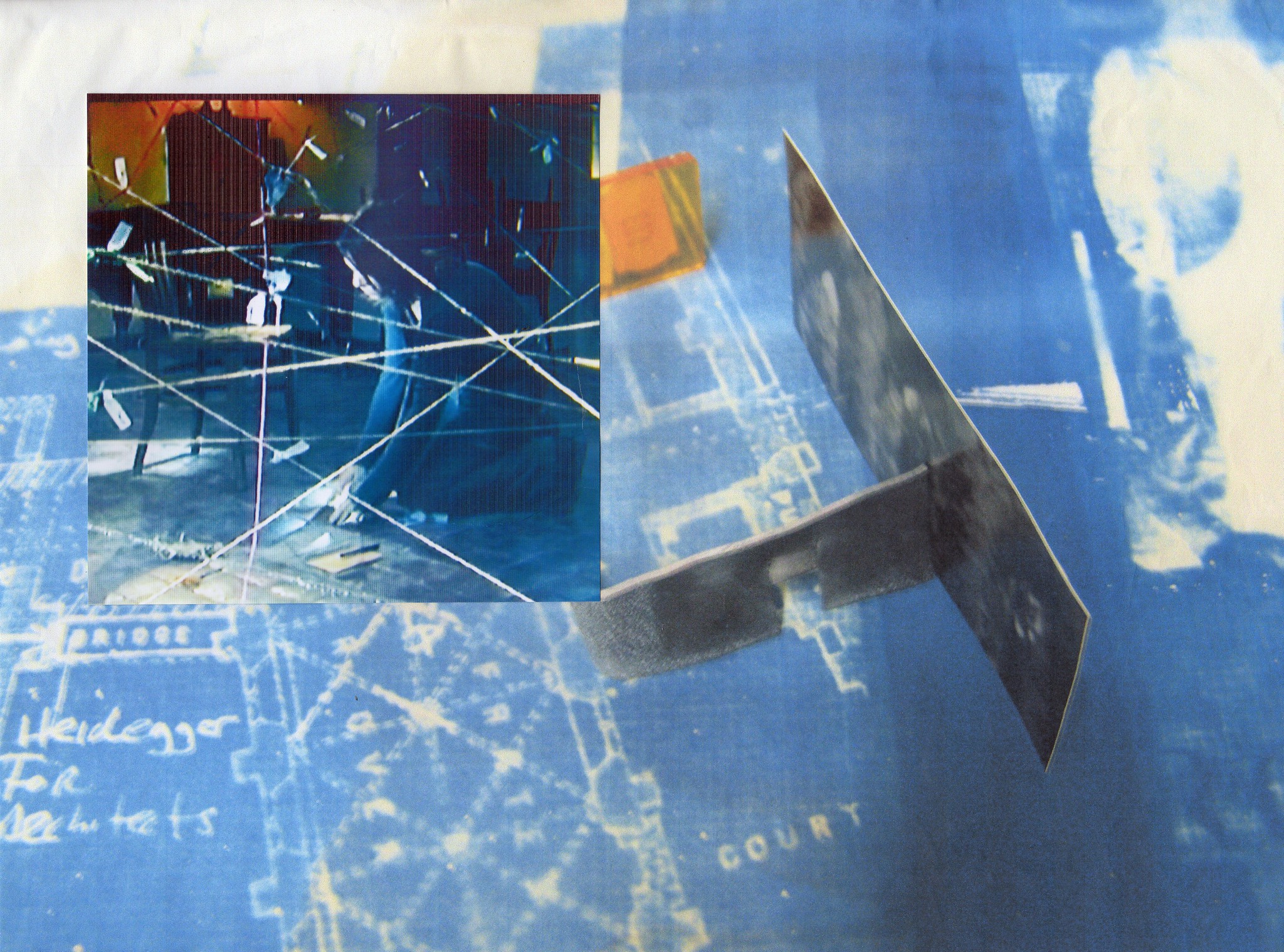
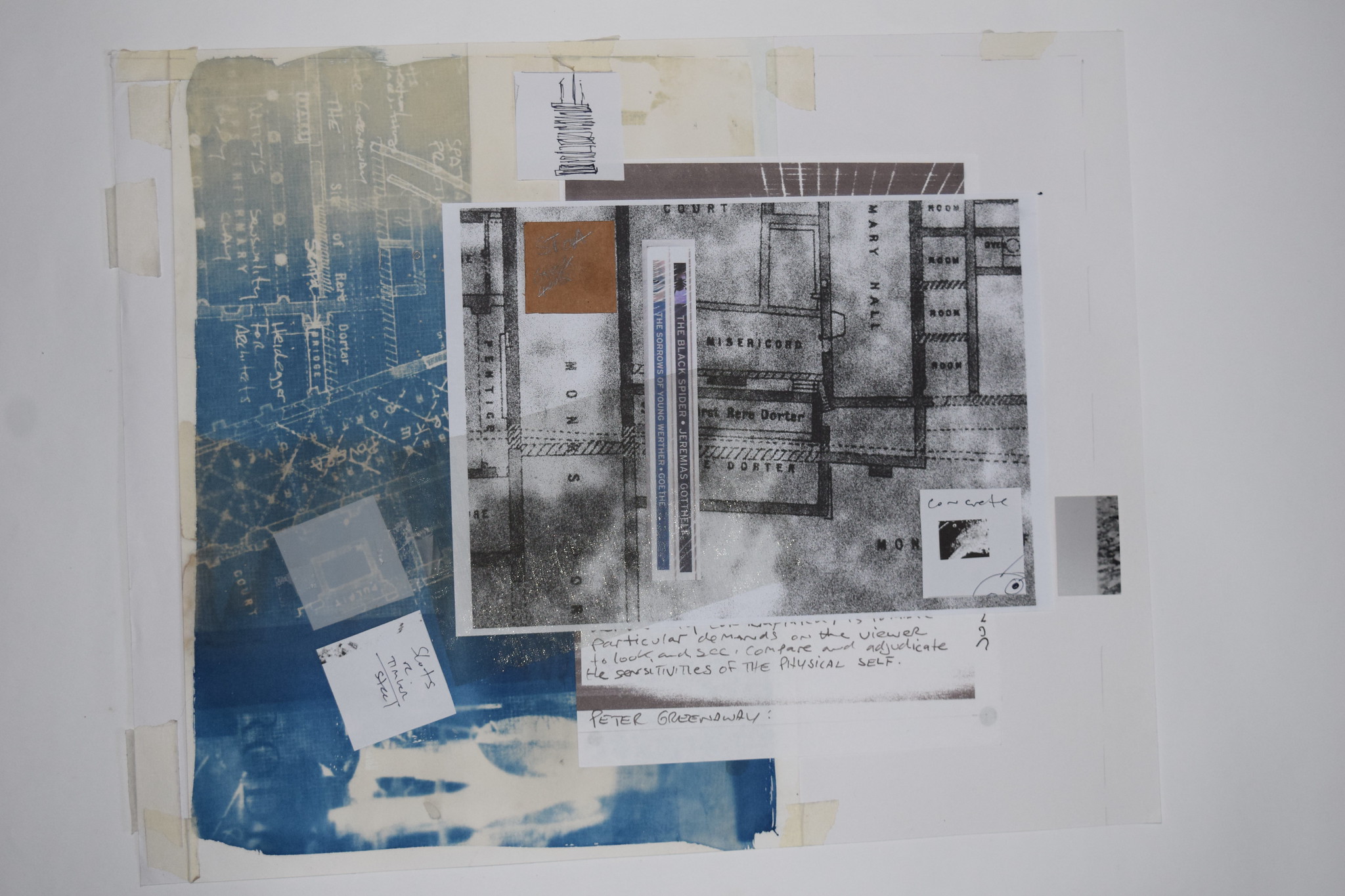
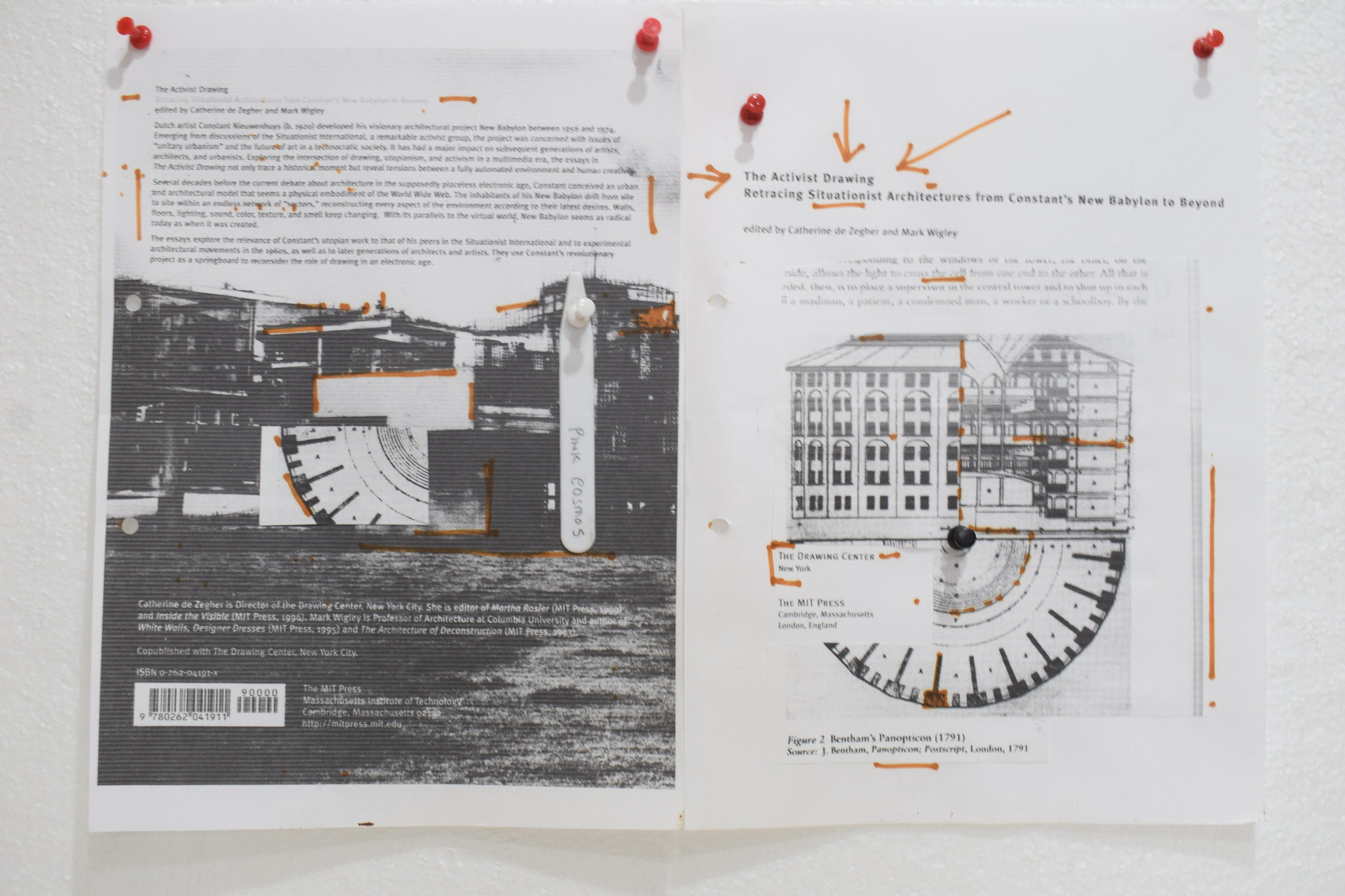
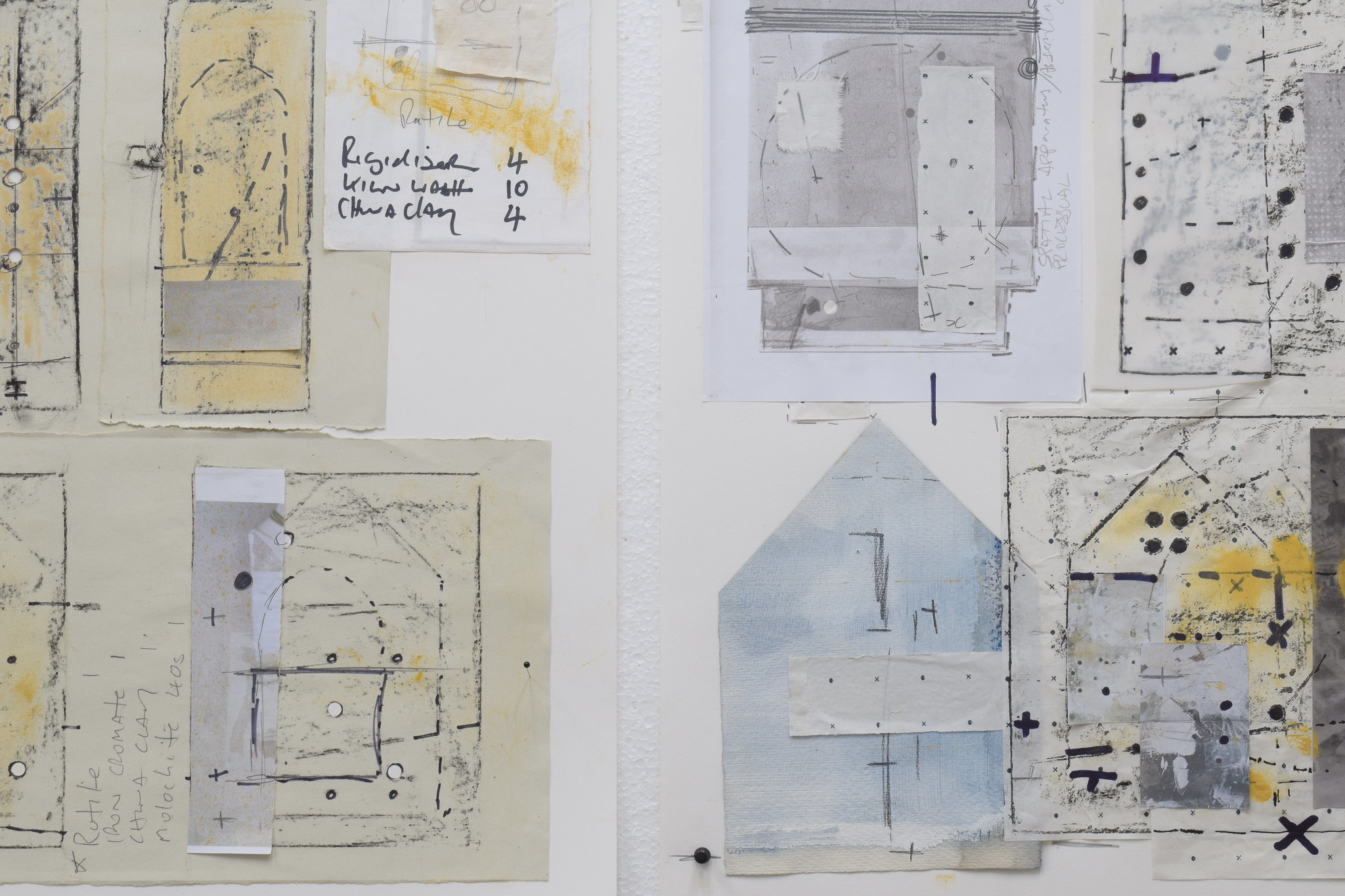
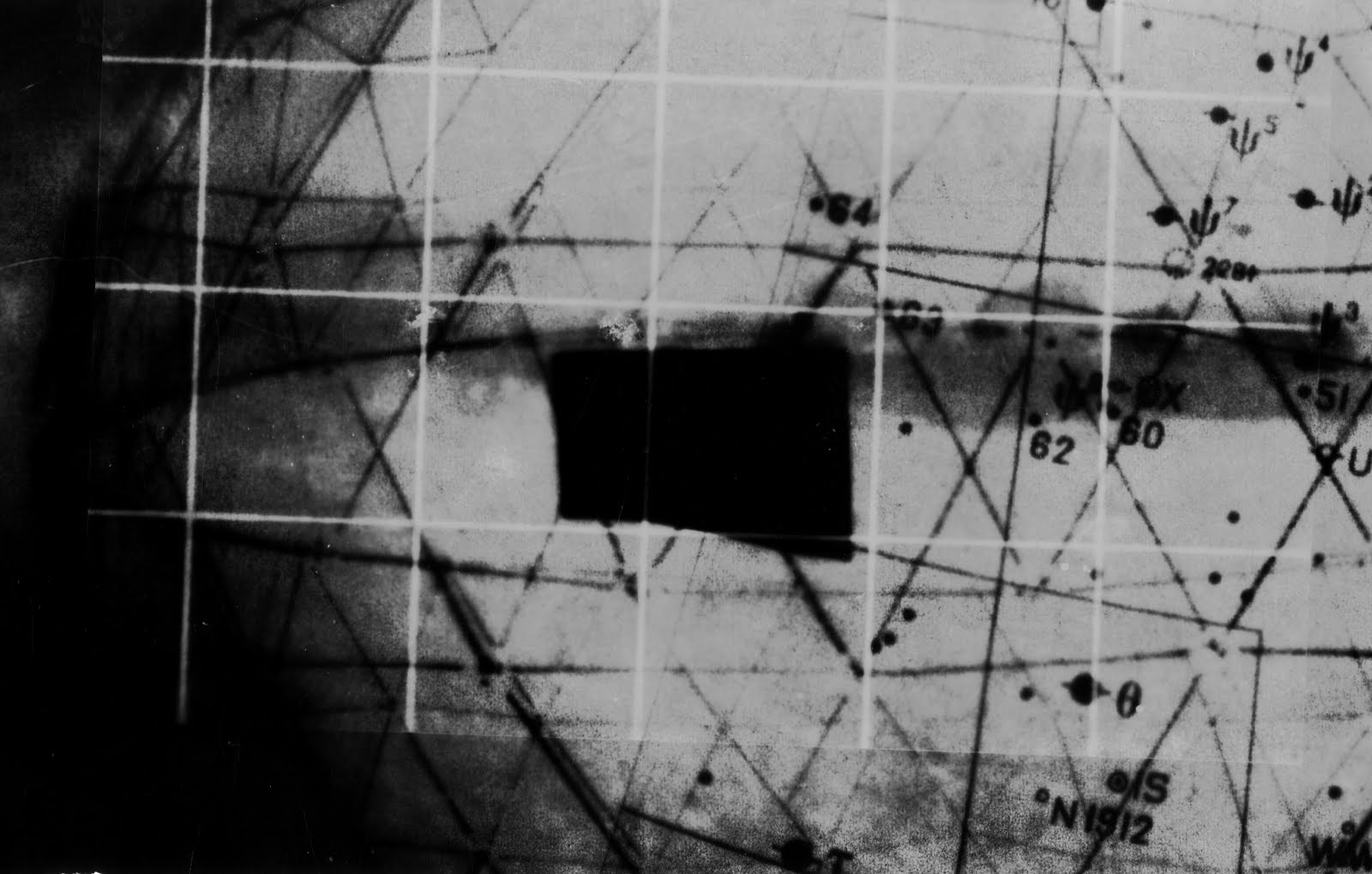
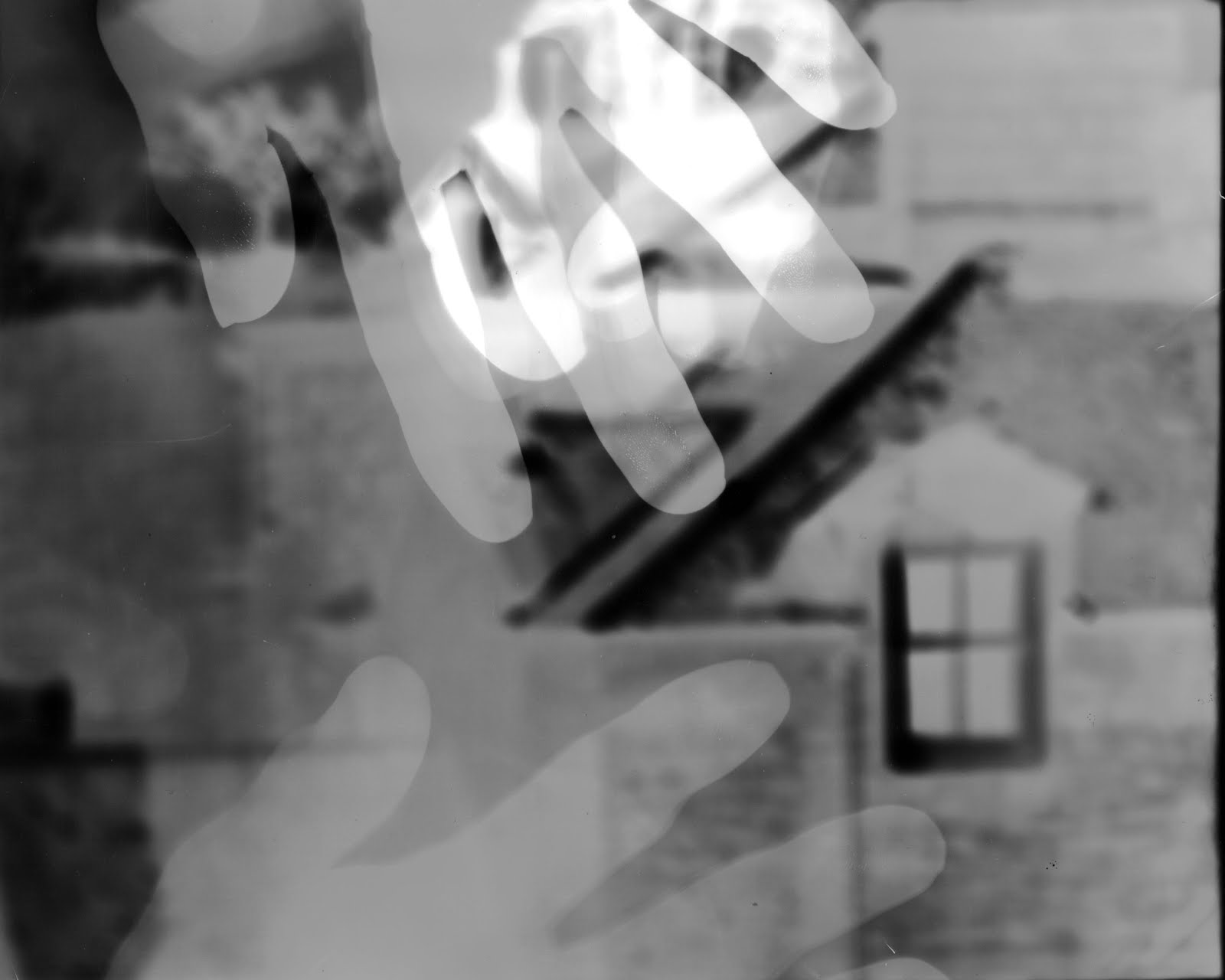
Research collages, using texts, handwriting, diagrams, alternative photographic processes with which to explore and document spatial possibilities.
Year 2011-2024
Medium Collage
The Unfolded Garment
Landscape, asperity/kinship/collage/photogram.
Embracing Subjectivity
Pierced Assemblage on Photogram
What is Philosophy?
Gilles Deleuze, Felix Guattari
Their book is a profound and careful interrogation of what it might mean to be a ‘friend of wisdom’, but it is also a devastating attack on the sterility of what has become, when ‘the only events are exhibitions and the only concepts are products which can be sold’. Philosophy, they insist, is not contemplation, reflection or communication, but the creation of concepts.
Movement and Attention in Art: The Work of Russell Moreton Focusing on the artist’s name and conceptual themes adds a personal touch, improving search relevance for both the artist’s portfolio and discussions on movement in art.
Anthropological, Art Based, Speculative Social Inquiry.
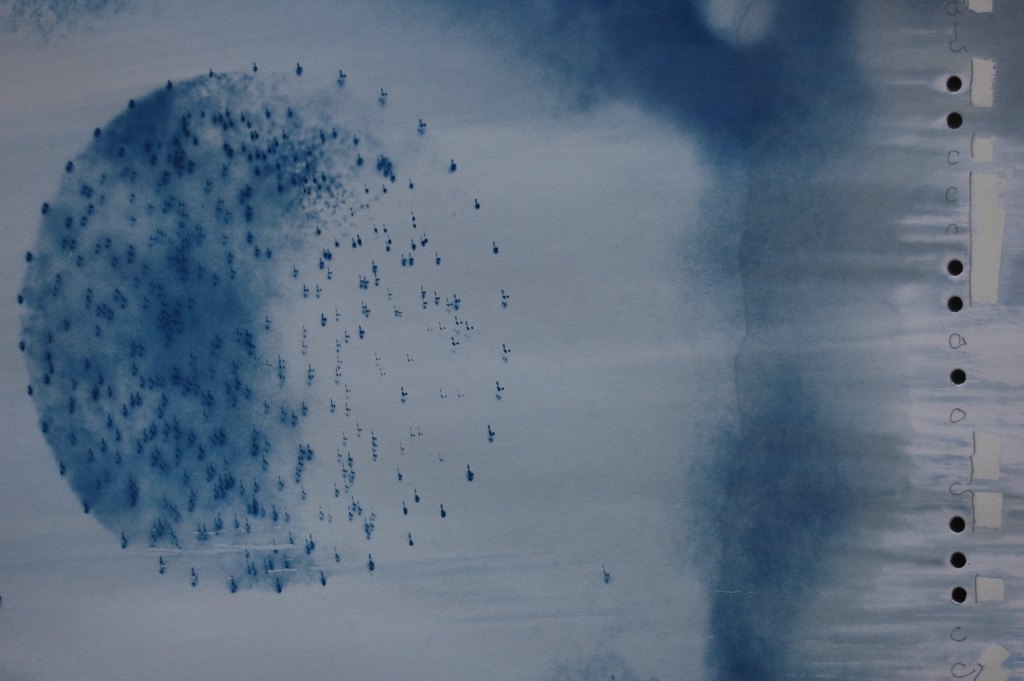
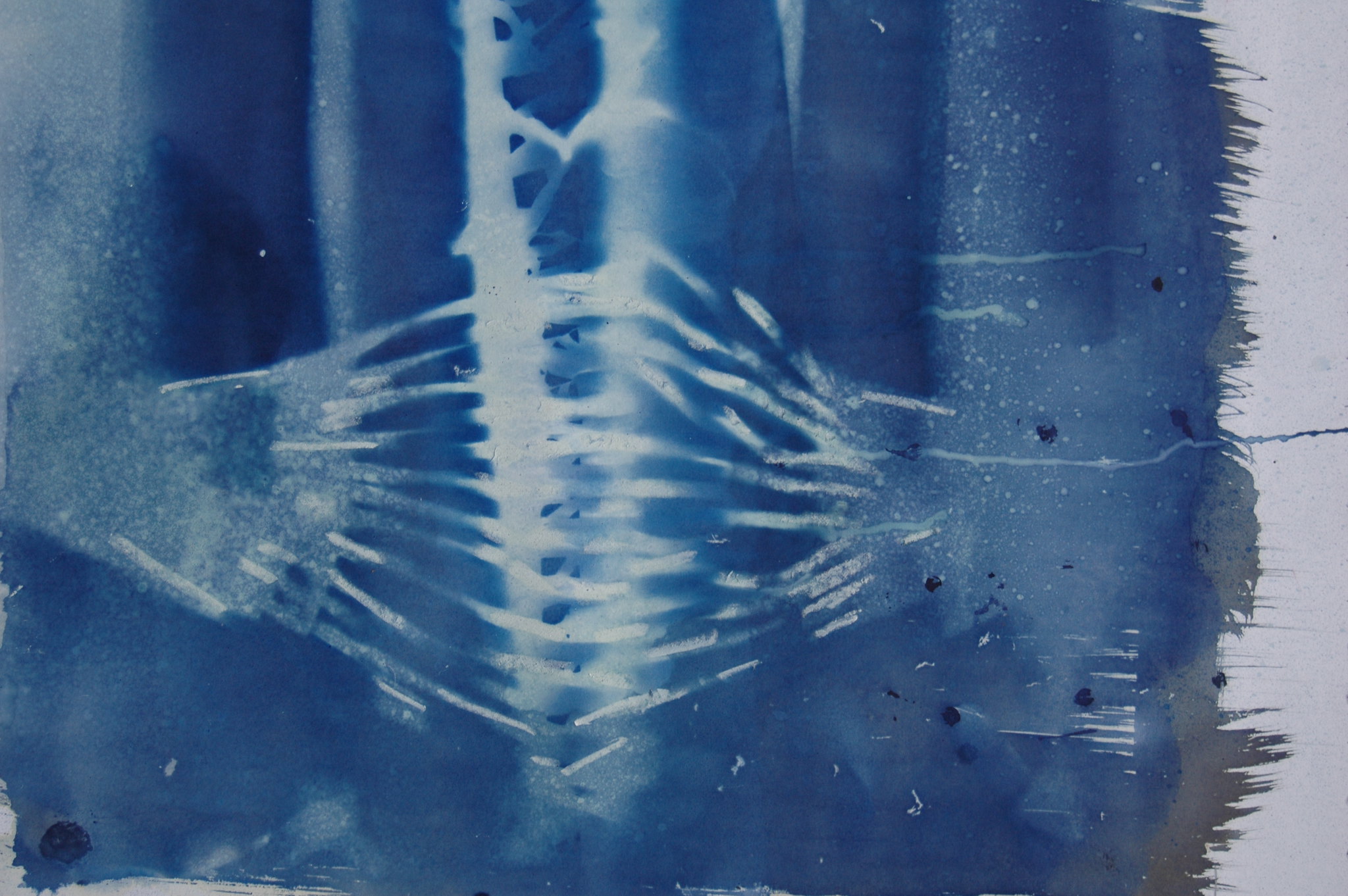
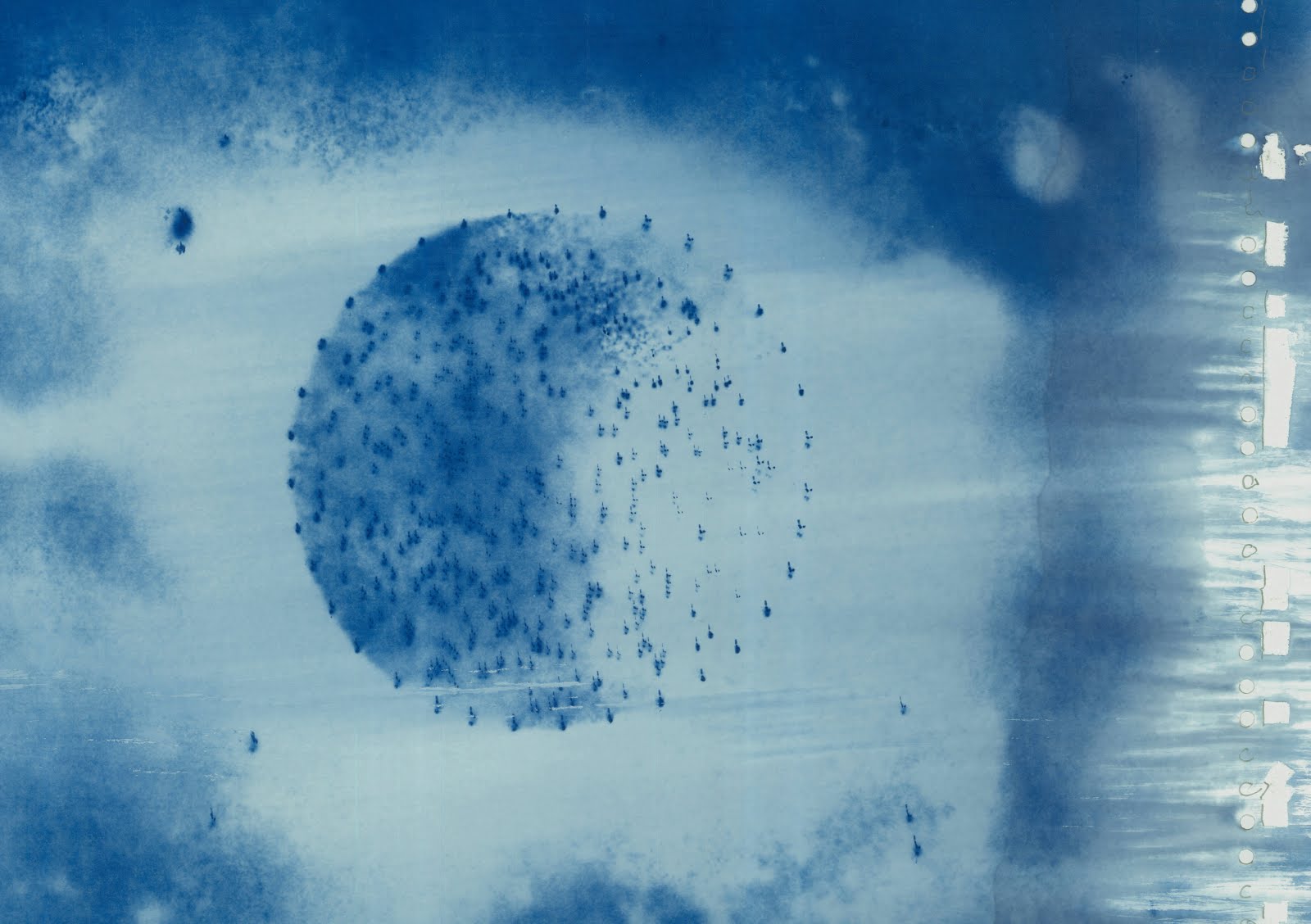
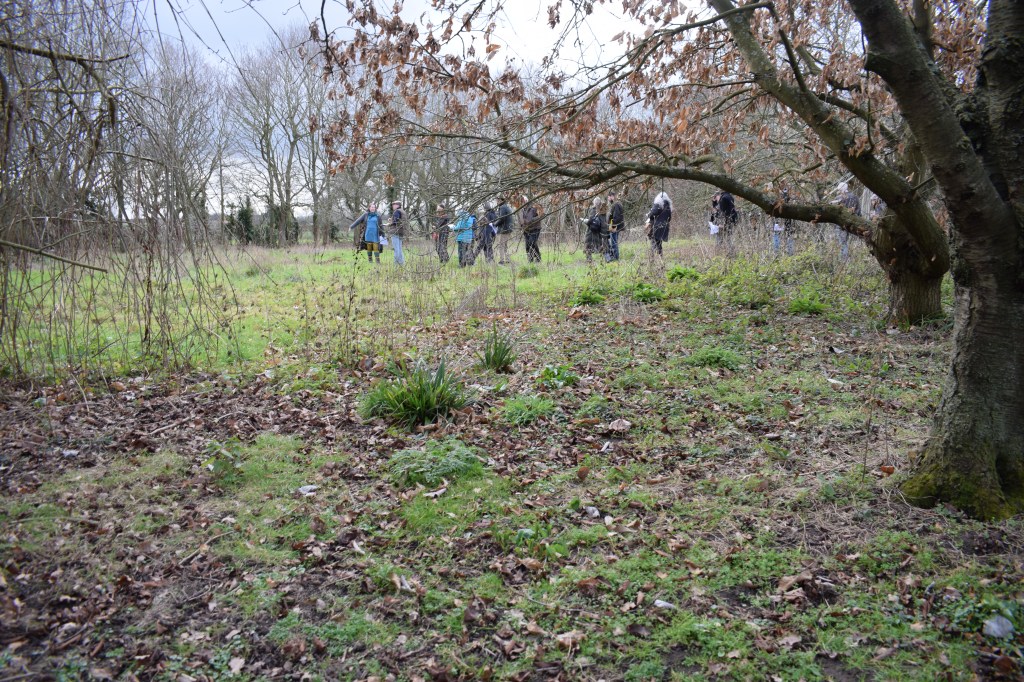
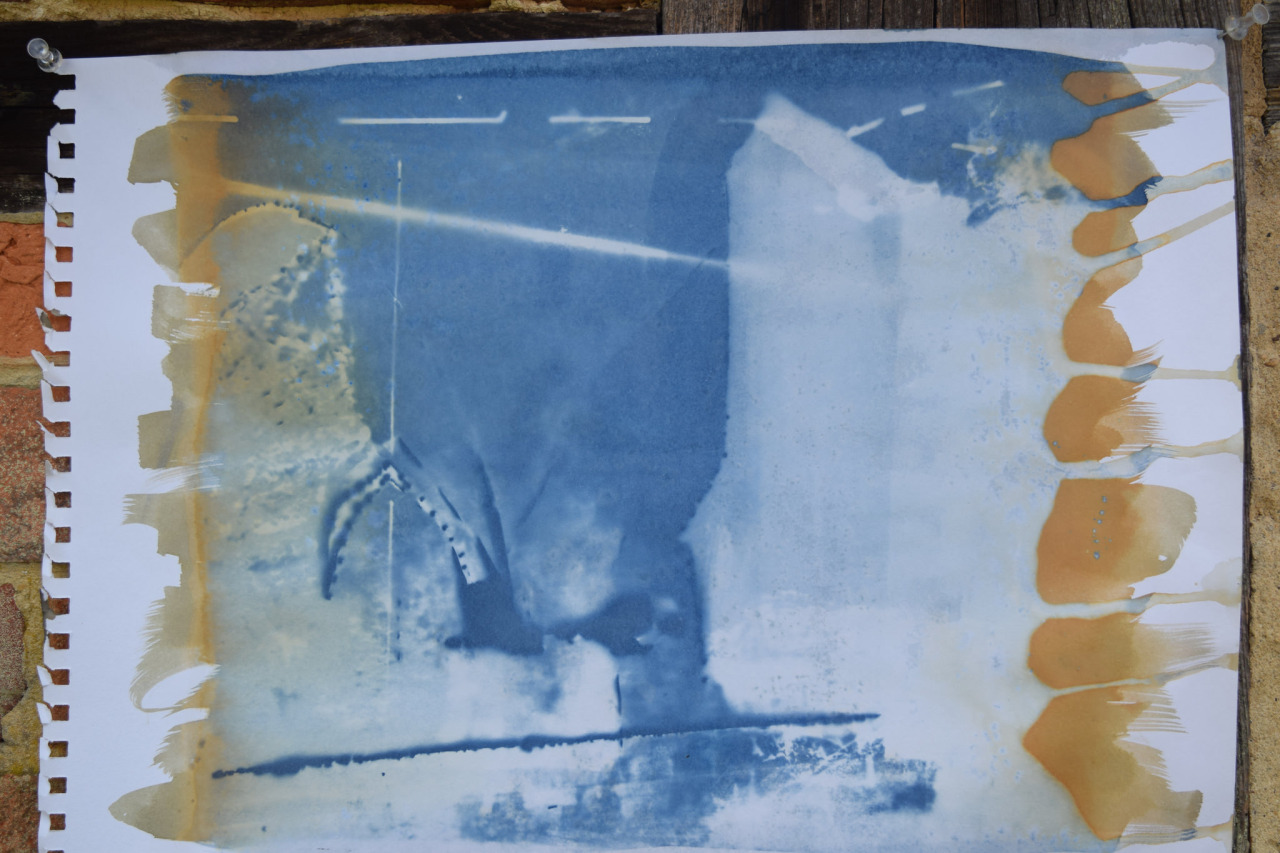
Space For Peace, Winchester Cathedral. 2011 Cyanotype painting from a gathered site drawing, mapping participants within the architectural interior of Winchester Cathedral.
Living Architectures/Wayfaring.
Environments formed/experienced through Movement and Attention. Lines. Tim Ingold.
russellmoreton.blogspot.com
AI Overview
This image is a work of art by Russell Moreton, titled Aerial~Espace-Milieu : Affective Processual Experiences.
The work is a processual site-based drawing developed through the cyanotype process.
It was created from an event called ‘Space for Peace : Espace-Milieu’.
The artist explores the exhibition theme of ‘Water’ as both a spiritual and corporeal inquiry for site-specific artworks.
The artist uses specific media such as photo maps, sensitized through the cyanotype method, and allows them to interact with the environment, such as ice as it changes state, to create the final image.
Spatial Bodies in Architectural and Contemporary Art.
Exploratory Clay/Ceramic Based Inquiry.
The material is just part of the vocabulary of meaning.
Thinking Poetics : Architecture and Ceramics.
Urns : Immersive Cells of Containment~Dissolution.
Re-entering / 2026 — Clay is no longer simply a material within architectural thinking. It becomes a body through which space, surface, interiority, light and movement are generated.
I think this is a high-value archive post. It sits almost exactly at the point where your earlier architectural research begins to become the ceramic practice you are now articulating.
Archival / Anarchival
I would make this Ceramic Bodies, rather than Research / Working Texts.
This is an important shift from the earlier research material because clay is no longer simply being investigated as a material within architecture; it is becoming the means through which architectural and spatial thinking is materially enacted. The post brings together slab-built ceramics, drawing, piercings, surfaces, volumes, voids, filtered light and “vessels for relationships between movements.”
It is also particularly important because of the phrase “Spatial Bodies in Architectural and Contemporary Art” and the later description of the ceramic forms as bodies divided into spatial interiors, with piercings establishing circulation for light. That feels very close to where your current thinking has arrived: the ceramic body as permeable, internally differentiated and relational, rather than as a closed object.
The Tony Cragg material is useful here too. His idea of the work generating itself through previous work gives you an early vocabulary for what you now call emergence, correspondence and making as an unfolding relation.
In And Out Of Material. 2007.
Tony Cragg.
All our senses scan the space in front of us; the future, in both a literal and metaphorical sense, lies before us.
Tony Cragg, 1998.
Cutting Things Up.
Material In Space.
Scale.
Impulses through Drawing.
Working Things.
Generation/Generative/Material.
I think mass and energy need to be generated, any effective change has to be generated. It’s to do with a positive directed initiative to change things.
“Generative” for me, in terms of my work, is the fact that within my own work, within any given period the work generates itself and there is a self-generating characteristic. The work I’m making today is only possible because of the previous work of three or four months ago and that was only possible because of the work of nine or twelve months ago.
Even if it’s not a linear thing, things are generating. There is a sort of self-propagating, self-generative energy that is inherent in the material, I think. And even in the term “generative”, from “genus”, is the idea of making a family group of things, whether making an associative group of things or creating a population, a species of things which “relativise” generation.
Tony Cragg.
The material is just part of the vocabulary of meaning.
Cragg wanted to give the materials ‘more meaning, mythology and poetry. He used the skills available to him at the EKWC residency to create ambiguities and tensions, to suggest past and present, to complicate rather than to describe.
European Ceramic Work Centre, Netherlands. 1990, 1992.
With the return of Cragg to studio based work in the early 1990s, when he was experimenting with clay; ideas around humanness, archaeology, and ritual were being explored within different areas of the fine arts. In addition, studio ceramics were frequently using the vessel as an initiating point to develop new forms and sculptural ideas.
Laibe, with its rich possibilities of interpretation that incorporates the past in the present and the universal aspects of human survival within the ceramic vessel form, lies at the heart of these complex and overlapping areas of practice.
Imogen Racz. 2009.
The Ceramics Reader. 2017.
Andrew Livingstone.
Kevin Petrie.
Ceramics : Materiality and Metaphor.
Why are Ceramics Important?
The Existential Base, Philip Rawson.
Containers of Life: Pottery and Social Relations, Silvia Forni.
Ceramics and Metaphor.
Analogy and Metaphor in Ceramic Art, Philip Rawson.
Sculptural Vessels, Tony Cragg’s Laibe and the Metaphors of Clay, Imogen Racz.
Ceramics in Contexts.
Historical Precedents.
Studio Ceramics.
Sculptural Ceramics.
Ceramics and Installation.
Theoretical Perspectives.
Conceptual and Post Studio Practice.
Contemporary Clay, Clare Twomey.
Extending Vocabularies: Distorting the Ceramic Familiar
Clay and the Performative ‘Other’, Andrew Livingstone.
Gender, Sexuality and Ceramics.
Identity and Ceramics.
Image.
Figuration and the Body.
Ceramics in Education.
Ceramics, Industry and New Technologies.
Museum, Site and Display.
Re-defining Ceramics through Exhibitionary Practice (1970-2009), Laura Breen.
Re-entering / 2026 — Dwelling is no longer simply inhabiting a place. It becomes a way of learning through the material relations of body, surface, space and movement.
This is worth keeping as an ancestral chamber in the archive. The newer work can now read its “dwelling” less as a theory of habitation and more as a material condition of correspondence: bodies, clay, architecture and place learning through their encounters.
What shall I do next?
Tim Ingold
Re-registering Overlapping Spaces
Spatial Practices.
UCA Canterbury.
A diffractive methodology is a knowledge-making process.
Liminality/Glass/Display/Presentation.
How things work in art museums.
Creative processes of presentation, a spatiality for narratives that can navigate the spaces between objects
What shall I do next?
Tim Ingold
Reading Matter/Rooms.
The Lake of The Mind.
Stochastic Thinking.
Steven Holl.
Raveningham : Site-specific project place
The Garden of Ongoing Differences.
Diffraction/Energy/Analysis/Attunement
Public intimacies, personal dialogues in social spaces.
‘Blocking In’ of a private studio space of creative inquiry into the public realm as a permeable intervention.
Curriculum Making.
The Enactment of Dwelling in Places.
An Ontology of Dwelling.
The dwelling ontology we want to describe rejects any possibility of living in the world through mental schemas of the world, and insists that the material-relational world is the only world in which we live, the only source of our capacities to communicate and learn, the only world in which our activities take effect, and the only world in which meaning inheres.
Greg Mannion, Hamish Ross.
Tim Ingold is an anthropologist who has looked at the interface between people and the environment. In The Perception of the Environment, he argues that ecological psychology and the philosophical writings of Heidegger and Merleau-Ponty share the view that the world becomes meaningful through active inhabitation, or ‘dwelling’, rather than cognitive representation.
Exploratory Ceramic/Spatial Practice
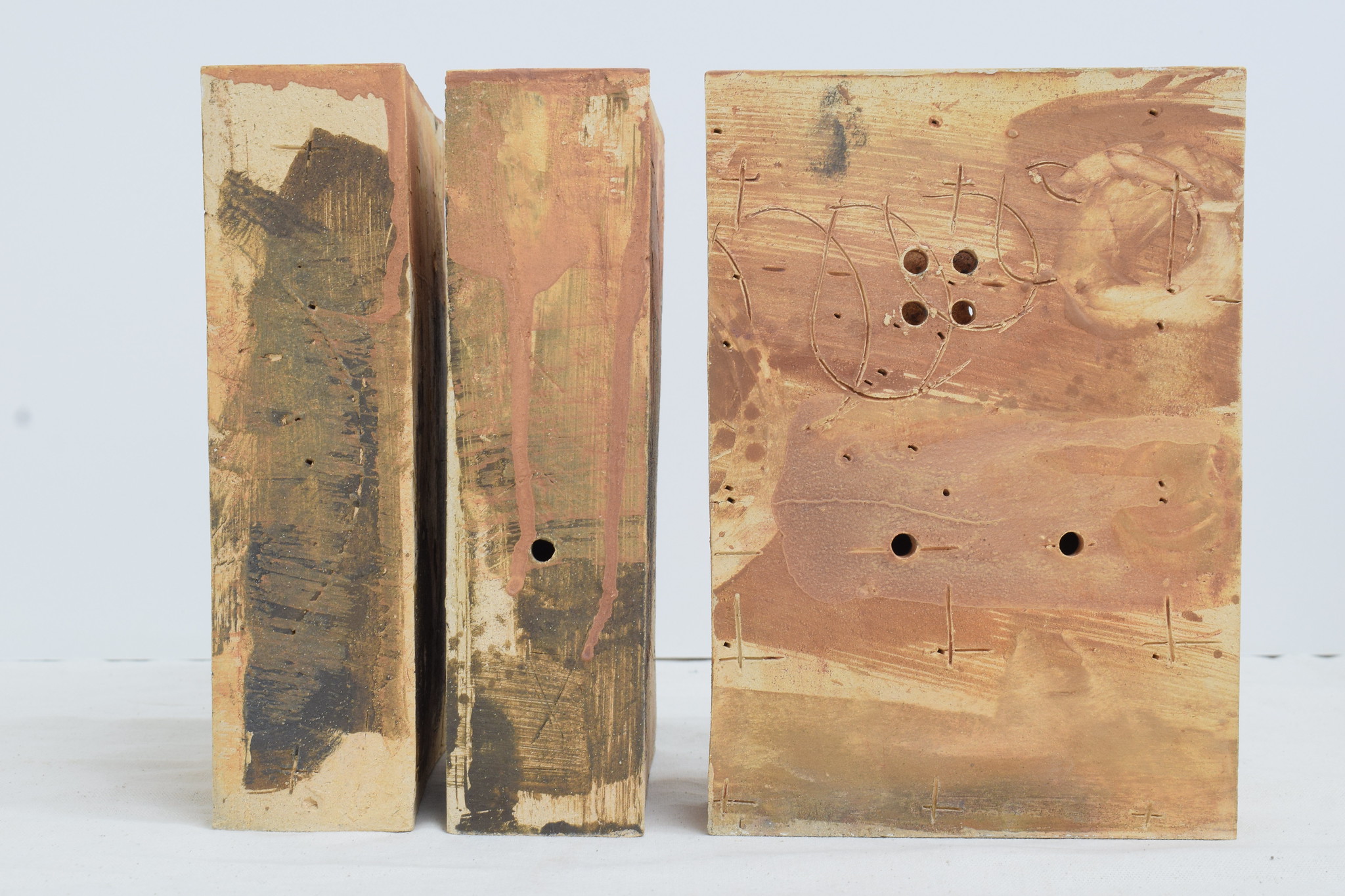
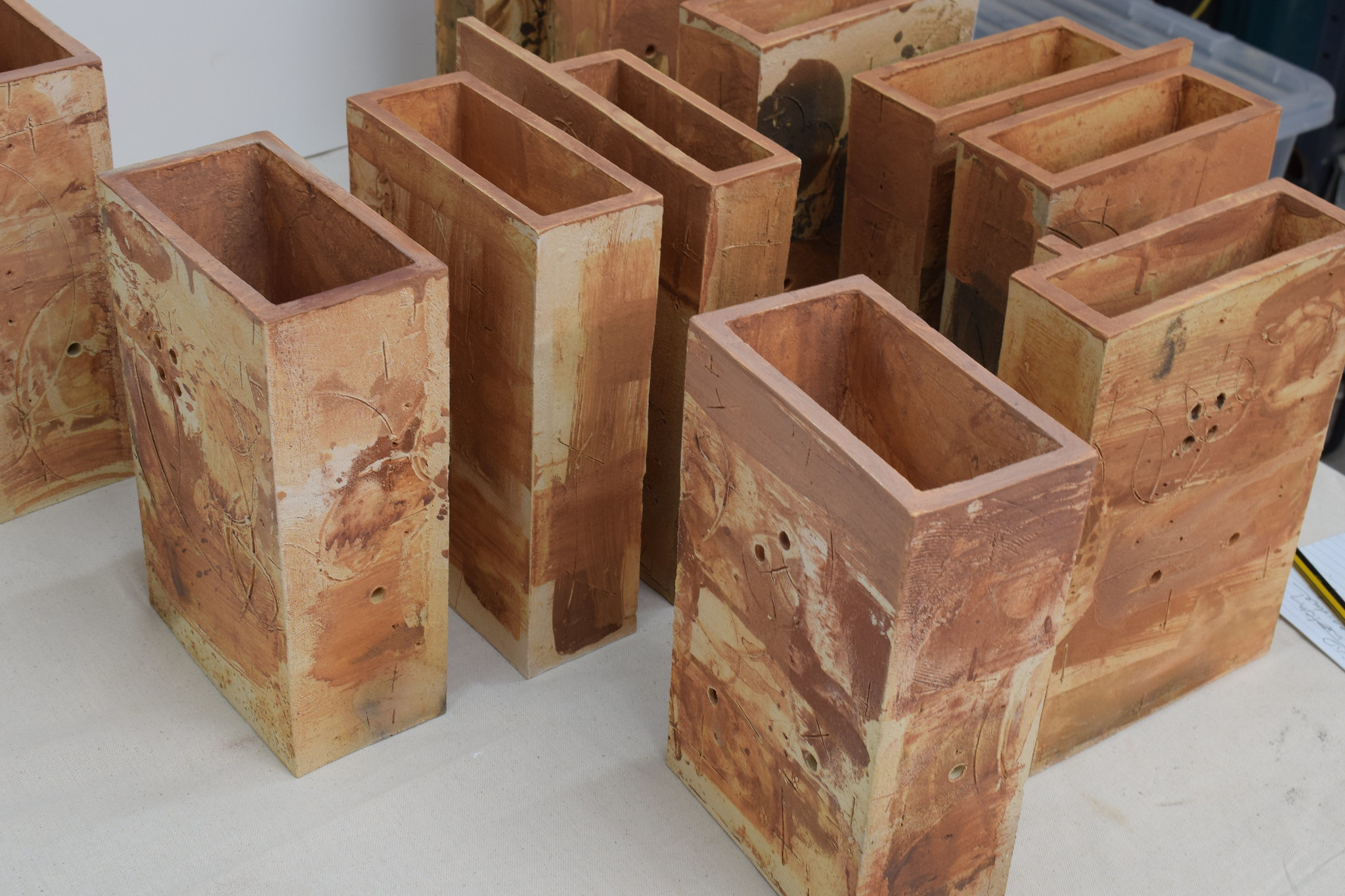
Slab Built Ceramics.
Ferini Gallery 2023.
‘ Splitting ‘ constructions after Gordon Matta-Clarke.
Terracotta and Oxides/Glaze.
Intermediaries/Making
Capacitances.
Vessels for relationships between movements.
Space/Surface/Volume
Spatial Agency/Enactments of Organism-Person-Environment.
Gins and Arakawa.
Physical Models
Speculative Drawings/Diagrams/Maps and Charts are all a symbolic depiction emphasizing mapping relationships.
Assemblages
Liminality/Superposition/Luminous
Coloured and Filtered Light.
Architectural Glazes/Surfaces/Textures.
Materials/Substances/Natural Qualities.
Lead/Iron/Cotton/Canvas/Clay
Painting and Drawing Substances/Chemicals/Raw Materials.
This is a significant bridge post because it brings together several strands that have since become central to your practice: dwelling, active inhabitation, material-relational knowledge, spatial learning, permeability, ceramic bodies and the relationship between body, surface, volume and void.
The strongest conceptual thread is the move away from knowledge as representation towards knowledge as something enacted through inhabitation. The post explicitly draws on Ingold’s argument that meaning emerges through active dwelling rather than through mental representations of the world.
It also contains an important early formulation of “vessels for relationships between movements”. That now reads particularly well against your current understanding of the ceramic body as a threshold or chamber rather than simply a container.
I would therefore move this from Uncategorized → Spatial Practice, while retaining curriculum making as a tag. It is fundamentally about how spatial practice becomes a mode of learning and dwelling.
The constructed body becomes an environment in miniature.
Russell Moreton
Making~Environment(s)~Artist Statement. 2025
Makers work in a world that does not stand still. Tim Ingold, 2010.
The Studio is no longer a retreat but it now integrates. It is all exterior. Ways of Curating, Hans Ulrich Obrist.
Ceramic Shelters : Transitional Zones between Thinking and Making.
Russell Moreton : A visual fine artist working with clay is exploring themes around ‘Making’ involving the imprint of the artist, and metaphysical immersive nature of contemporary art practices and architecture. He is Interested in developing speculative making spaces where craft, theory, art and architecture can come together.
Moreton’s site-based practices using clay as his principle material further develops his inquiry into a site based speculative learning, and with it creative propositions for knowledge production through his ceramic objects. He finds in ceramics an analogy with architecture, in particular a resonance of a spatial structure in which the the drama of the building has now ceased.
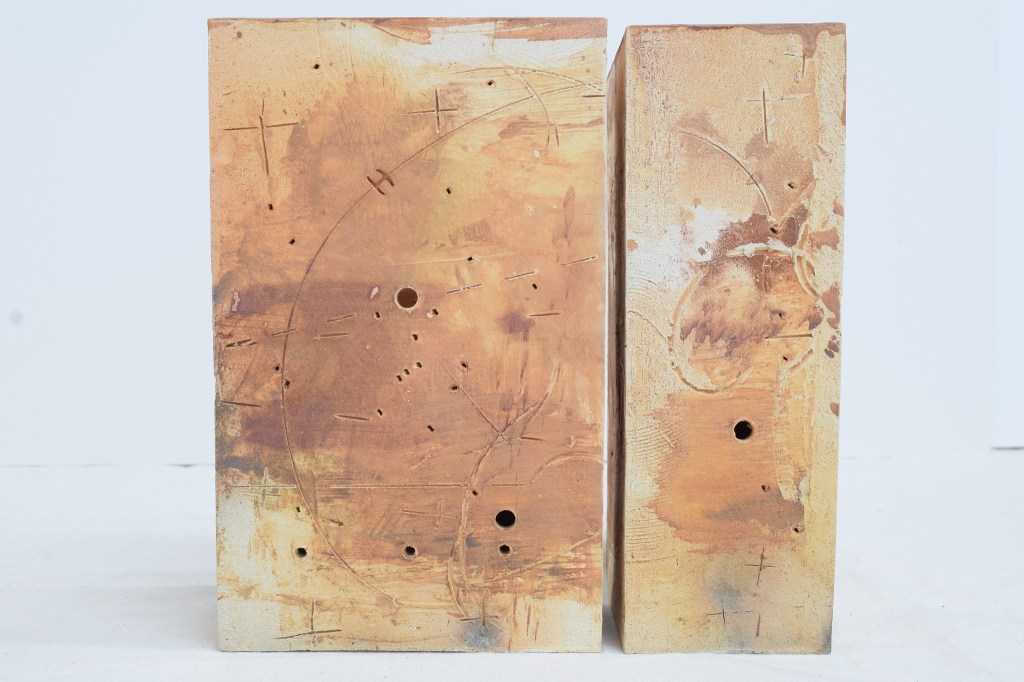
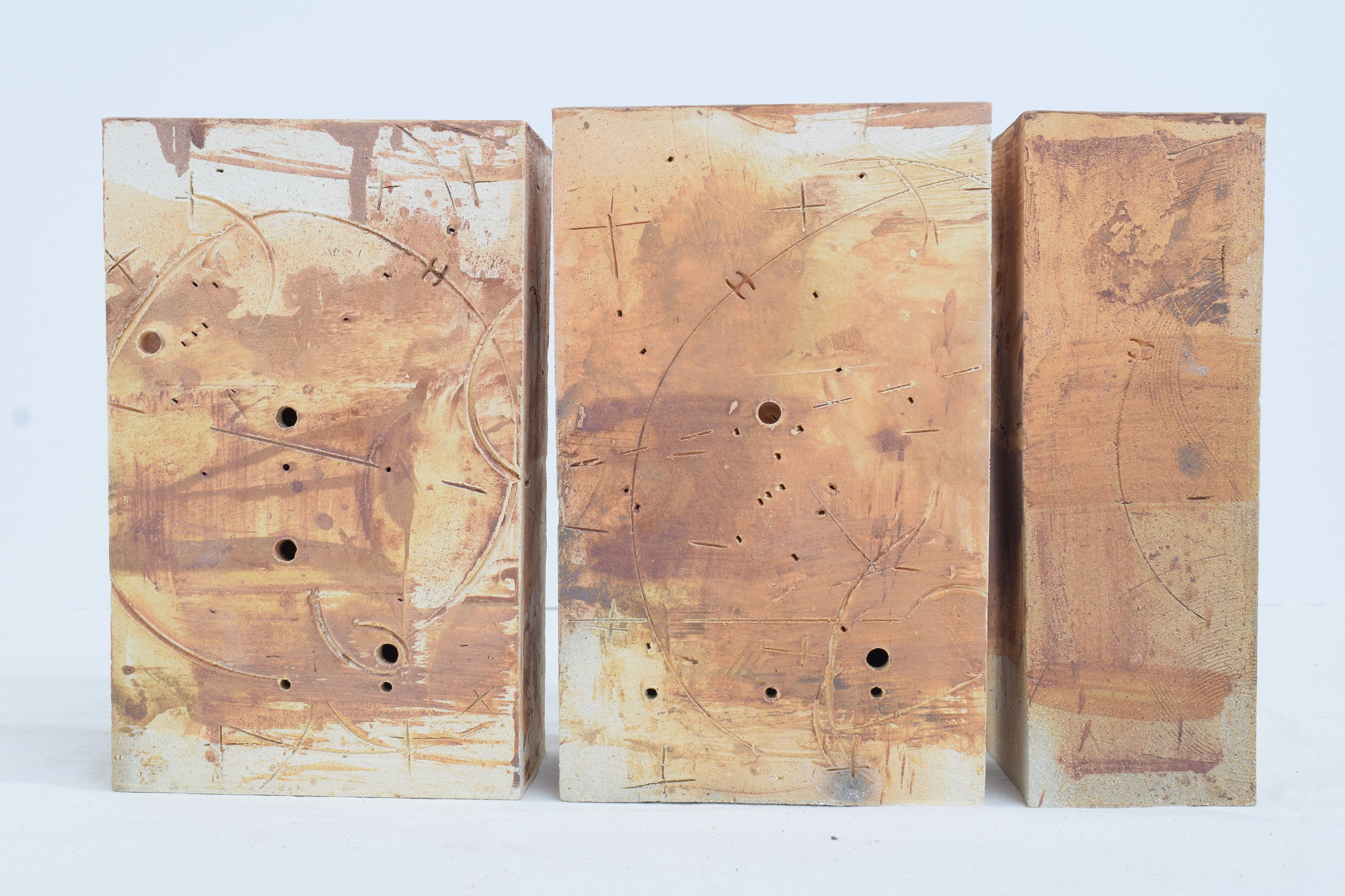
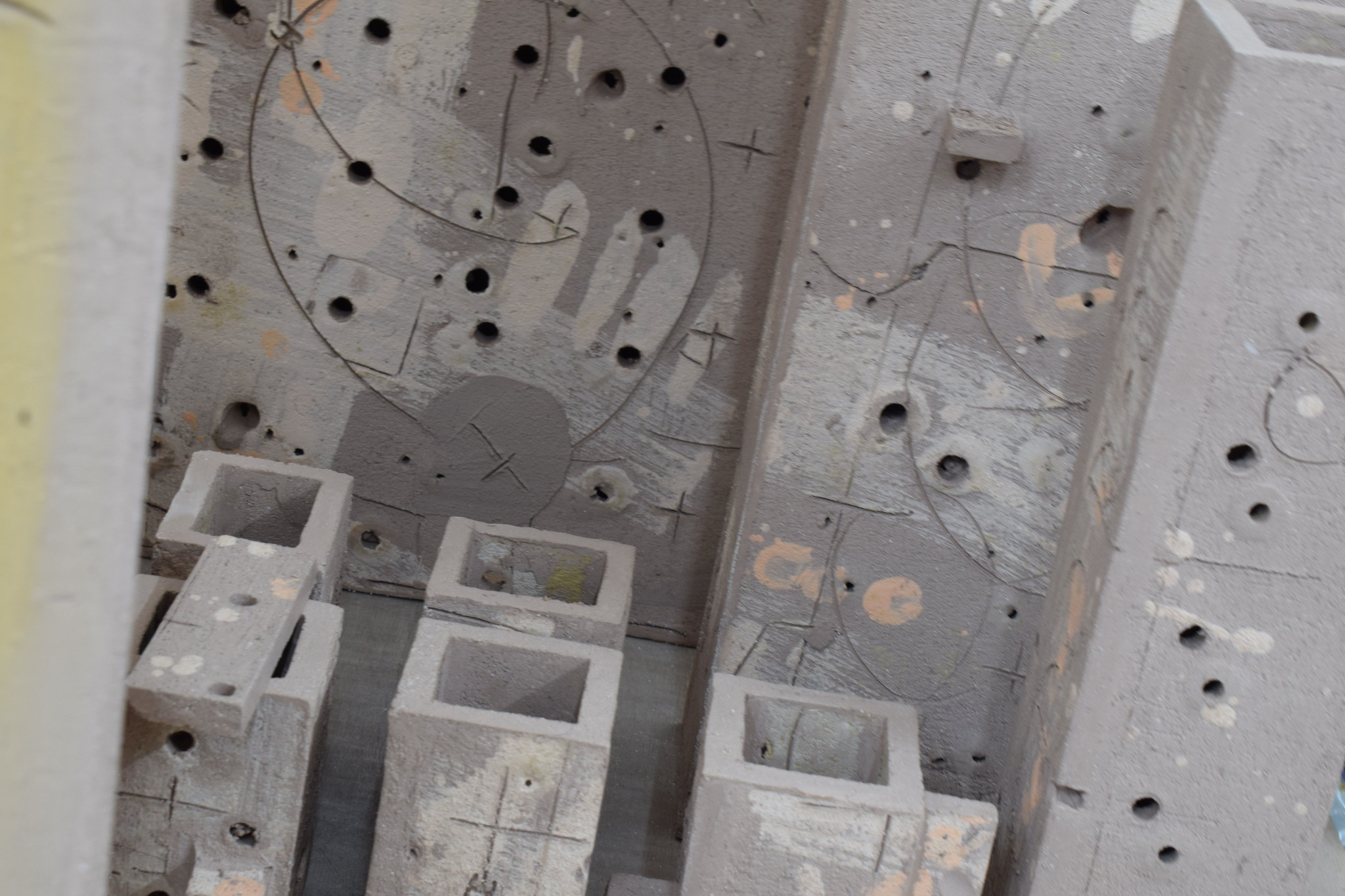
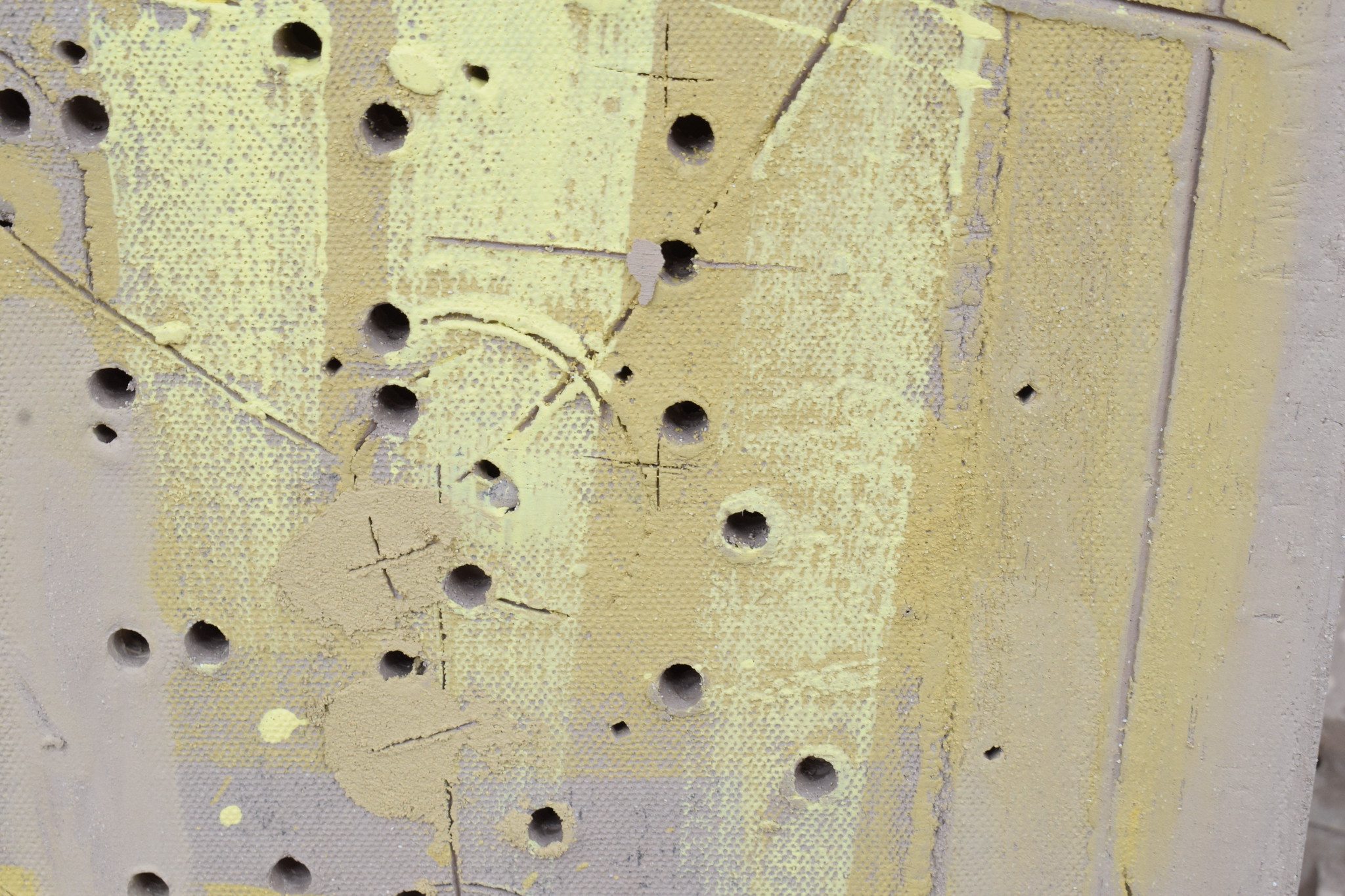
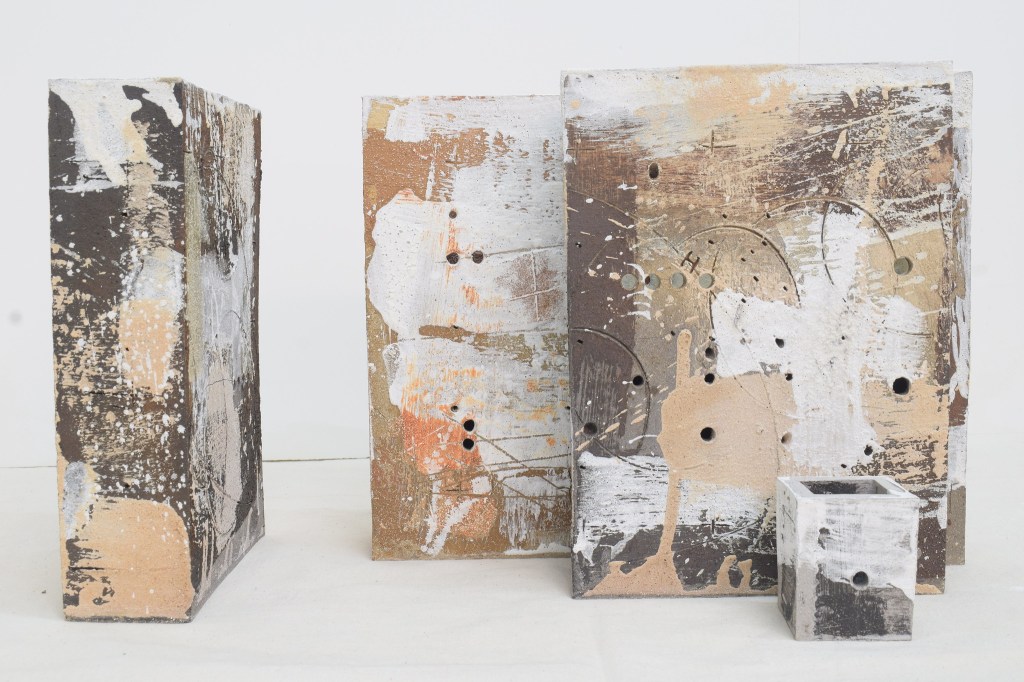
His practice investigates the interconnectedness of making interior spaces. These works in clay are processual in nature, developed by a need to demarcate and fold material into spatial forms and volumes. The act and gesture of drawing further adds ephemeral marks of process amongst the materiality of the built spaces. Clay slips and other incised marks on both sides of the clay are all interwoven into his spatial forms.
Category
Making / Materiality
This is the strongest of the three for Making / Materiality.
It is almost a foundational statement for the ceramic spatial practice that follows: Making~Environment(s), ceramic shelters, speculative learning, clay as architectural analogy, spatial interiors, drawing, piercings, circulation of light, firing, coatings, unknowability and the ceramic body as a gathering of research and reading.
Assemble forms are then divided into several spatial interiors, in which the use of piercings are used through the surface to set up a circulation for light to enter into the interiors. Further firings and more ceramic coatings are applied to further investigate the involuntary relationships that have emerged. These objects are unknowable as they are extracted from the kiln, and as such they act as forms that can take on a theoretical nature, gathering his discursive researches and readings into a performative ceramic body.
For Moreton ceramics help to facilitate the essential auditory experience of silence, as experience by architecture as tranquillity. He is drawn by the solitudes of libraries and the sounds of construction, of pounding on materials, of making and constructing space. Architecture also presents this drama of construction silenced into matter, space and time. His finished fired constructions could become a museum for a waiting, patient silence. The silence of architecture, like that of clay is a responsive, remembering and meditative gathering, a correspondence of matter(s).
The enchantment of modern life: attachments, crossings, and ethics : Jane Bennett 2001.
It is a commonplace that the modern world cannot be experienced as enchanted–that the very concept of enchantment belongs to past ages of superstition. Jane Bennett challenges that view. She seeks to rehabilitate enchantment, showing not only how it is still possible to experience genuine wonder, but how such experience is crucial to motivating ethical behavior. A creative blend of political theory, philosophy, and literary studies, this book is a powerful and innovative contribution to an emerging interdisciplinary conversation about the deep connections between ethics, aesthetics, and politics.
As Bennett describes it, enchantment is a sense of openness to the unusual, the captivating, and the disturbing in everyday life. She guides us through a wide and often surprising range of sources of enchantment, showing that we can still find enchantment in nature, for example, but also in such unexpected places as modern technology, advertising, and even bureaucracy. She then explains how everyday moments of enchantment can be cultivated to build an ethics of generosity, stimulating the emotional energy and honing the perceptual refinement necessary to follow moral codes. Throughout, Bennett draws on thinkers and writers as diverse as Kant, Schiller, Thoreau, Kafka, Marx, Weber, Adorno, and Deleuze. With its range and daring, The Enchantment of Modern Life is a provocative challenge to the centuries-old ”narrative of disenchantment,” one that presents a new ”alter-tale” that discloses our profound attachment to the human and nonhuman world.
The making of things and discovering relationships.
Constructing site and situation based methodologies.
Playing out in the public realm, exploring through spatial engagements the “virtues” of courage, caution, confidence and risk.
Social apparatuses and agents that explore the possibilities of space. Other Worlds : Insistent moments of mark making/subjectivity.
The House is all about the poetry of shelter and siege from the elements and cosmos.
Gaston Bachelard.
Volume And Space.
Alberto Giacometti’s sculpture, ‘Man Pointing,’ is an important statement in Western art for many reasons, not the least of which is what it says about volume and space. The elongated and spindly form gestures vaguely in the vastness of the space surrounding it. The gesture seems more about the space opened up by it and around it than it does about the physical. There is power in space more palpable than substance. This also is the conceptual heart of the Japanese garden.
Scott Meyer.
With Fire.
Richard Hirsch.
A Life Between Chance And Design.
Scott Meyer.
The Psychoanalysis Of Fire.
Gaston Bachelard.
Gaston Bachelard was intrigued by the process of imagination, the way in which the pensive mind brings to any given reality a multiple perspective. About many substances such as earth, air, water, and fire, he contended, we harbour subconscious convictions which modern science may disprove in fact but cannot seem to eradicate from artistic reverie.
Northrop Frye. 1964.
Against Hylomorphism.
Gilbert Simondon. 1964-89-2005.
Individuation, the generation of things, should be understood as a process of ontogenesis in which form is ever emergent, rather than given in advance.
The Clay can take to the mould and mould the clay.
Simondon, took the essence of matter or the material to lie in form-taking-activity.
Brian Massumi. 2009.
Concepts rendered into material relations.
Making new aesthetic utilities, materialities for thinking about the world.
Making is central to our legacy as a society, materially, economically, ecologically and socially.
A modern version of hylomorphism is enacted by a culture that furnishes the forms and nature the material. In the superimposition of one upon the other, human beings create the material culture with which, to an ever increasing extent, they surround themselves.
Tim Ingold.
Frames, Handles and Landscapes.
Georg Simmel and the Aesthetic Ecology of Things. 2016
Eduardo de la Fuente.
The tool/the thinking hand, has grown to be a part of the hand, using a tool is both a practical and aesthetic action involving the artful manipulation of material by hand.
Juhani Pallasmaa.
Affordances of Things.
Affordances provide strong clues to the operation of things. A psychology of causality is at work as we use everyday things.
Donald Norman. 2002.
Ecological Approaches to Aesthetics.
Aesthetic Patterning/Matters in Everyday Life.
Organism-Person-Environment
Ecological, interested in the organism-environment relationship.
An aesthetic ecology, each thing is a mere transitional point for continuously flowing energies and materials, comprehensible only from what has preceded it, significant only as an element of the entire natural process.
Theory/Culture/Society, Simmel 1994.
Matter and materials are lively and require attention.
Materials continue to thwart us in unpredictable ways.
Jane Bennett.
Aleatory, by chance, lots of the ‘acts’ of nonhuman agents are aleatory exactly because they are not directed by any intension.
In And Out Of Material. 2007.
Tony Cragg.
All our senses scan the space in front of us; the future, in both a literal and metaphorical sense, lies before us.
Tony Cragg, 1998.
Cutting Things Up.
Material In Space.
Scale.
Impulses through Drawing.
Working Things.
Generation/Generative/Material.
I think mass and energy need to be generated, any effective change has to be generated. It’s to do with a positive directed initiative to change things.
“Generative” for me, in terms of my work, is the fact that within my own work, within any given period the work generates itself and there is a self-generating characteristic. The work I’m making today is only possible because of the previous work of three or four months ago and that was only possible because of the work of nine or twelve months ago.
Even if it’s not a linear thing, things are generating. There is a sort of self-propagating, self-generative energy that is inherent in the material, I think. And even in the term “generative”, from “genus”, is the idea of making a family group of things, whether making an associative group of things or creating a population, a species of things which “relativise” generation.
Tony Cragg.
The material is just part of the vocabulary of meaning.
Cragg wanted to give the materials ‘more meaning, mythology and poetry’ He used the skills available to him at the EKWC residency to create ambiguities and tensions, to suggest past and present, to complicate rather than to describe.
European Ceramic Work Centre, Netherlands. 1990, 1992.
With the return of Cragg to studio based work in the early 1990s, when he was experimenting with clay; ideas around humanness, archaeology, and ritual were being explored within different areas of the fine arts. In addition, studio ceramics were frequently using the vessel as an initiating point to develop new forms and sculptural ideas.
Laibe, with its rich possibilities of interpretation that incorporates the past in the present and the universal aspects of human survival within the ceramic vessel form, lies at the heart of these complex and overlapping areas of practice.
Imogen Racz. 2009.
The Ceramics Reader. 2017.
Andrew Livingstone.
Kevin Petrie.
Ceramics : Materiality and Metaphor.
Why are Ceramics Important?
The Existential Base, Philip Rawson.
Containers of Life: Pottery and Social Relations, Silvia Forni.
Ceramics and Metaphor.
Analogy and Metaphor in Ceramic Art, Philip Rawson.
Sculptural Vessels, Tony Cragg’s Laibe and the Metaphors of Clay, Imogen Racz.
Ceramics in Contexts.
Historical Precedents.
Studio Ceramics.
Sculptural Ceramics.
Ceramics and Installation.
Theoretical Perspectives.
Conceptual and Post Studio Practice.
Contemporary Clay, Clare Twomey.
Extending Vocabularies: Distorting the Ceramic Familiar
Clay and the Performative ‘Other’, Andrew Livingstone.
Gender, Sexuality and Ceramics.
Identity and Ceramics.
Image.
Figuration and the Body.
Ceramics in Education.
Ceramics, Industry and New Technologies.
Museum, Site and Display.
Re-defining Ceramics through Exhibitionary Practice (1970-2009), Laura Breen.
Re-entering / 2026 — What was once approached as an ecology of materials now begins to surface through the ceramic body itself. Clay does not simply take form; it gathers relations, absorbs encounters and carries them towards another material condition.
Archival / Anarchival note
Archival: This is an important theoretical and material bridge between your earlier architectural/spatial investigations and the later development of the clay~ceramic condition. The post gathers Bachelard, Simondon, Ingold, Bennett, Simmel, Pallasmaa and Tony Cragg around questions of material agency, emergence, generation, space and the relationship between making and environment. It is therefore less a finished argument than a record of the vocabulary being assembled around clay and making.
Anarchival: This post is particularly valuable now because several of its older propositions have become materially active in the later practice. Its concern with emergent form, material resistance, generative processes, ecological relations and the space opened by gesture can now be read through the ceramic body. Rather than treating the post as an early theoretical statement that has been superseded, the archive can allow it to surface again through the present vocabulary of material reciprocity, permeability, correspondence and futurity.
spatial practice, alternative photography, fine art, ceramics,making,






.jpg)


.jpg)




.jpg)







 Russell Moreton : Matter(s) in Correspondence