
“I can take any empty space and call it a bare stage”
An energetic and first-person account of the work done by ‘the group’ in the nineteen-sixties and seventies at the International Centre for Theatre Research.
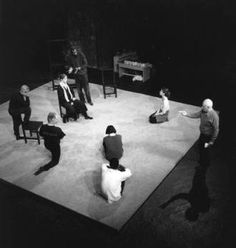
“I can take any empty space and call it a bare stage”
An energetic and first-person account of the work done by ‘the group’ in the nineteen-sixties and seventies at the International Centre for Theatre Research.
Working Title
Creating Loops
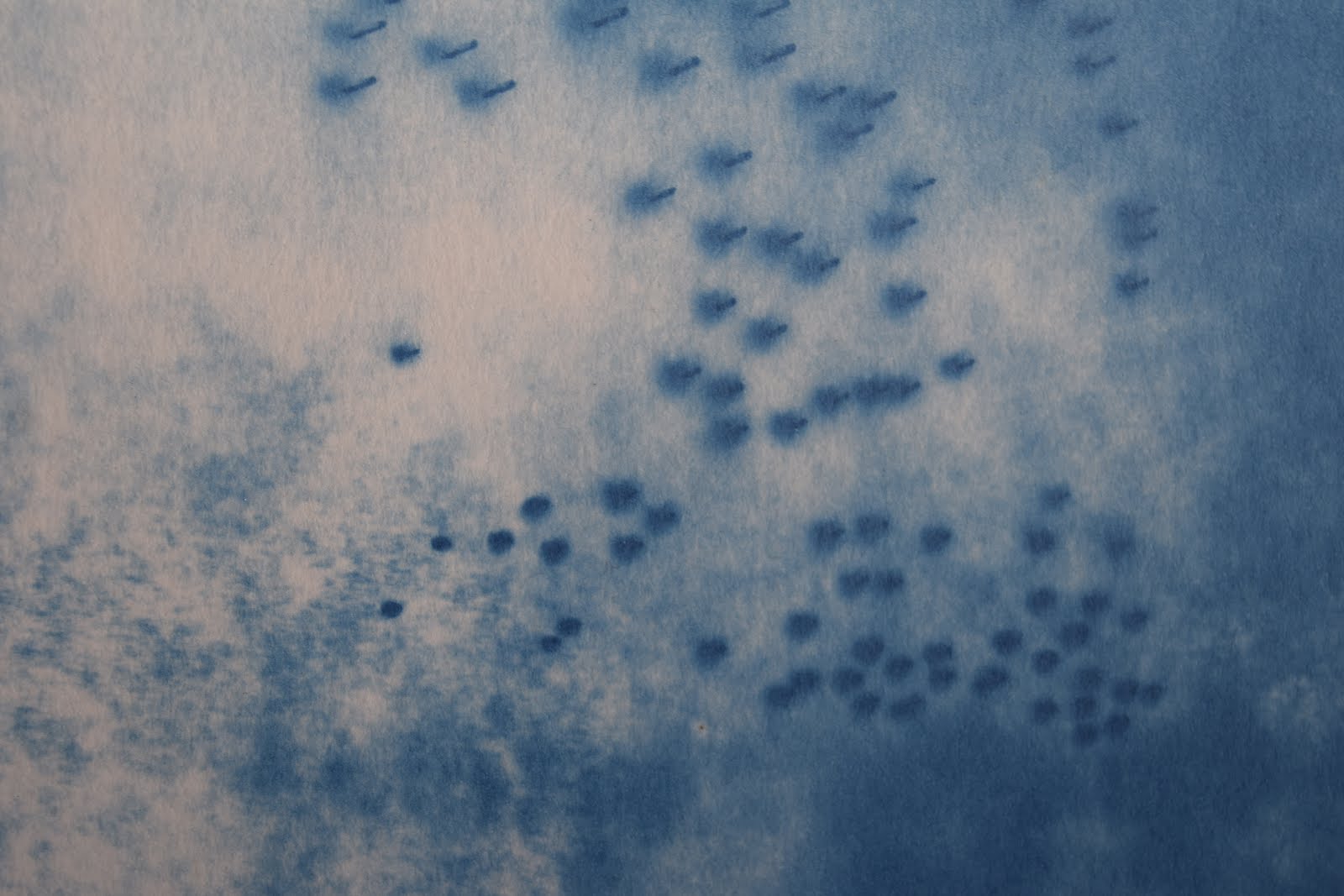
Cyanotype Process
Behind Appearance
A Study of the relations between painting and the natural sciences in this century
C. H. Waddington
Strange Loops
Art, Science and Consciousness
An Exploration of Mind, Matter and Form through the Work of Susan Derges
Stephen Gaughan
The Music of Waves
The Poetry of Particles
Thoughts on Implicate Order for Susan Derges
Martin Kemp
Adam Fuss
Eugenia Perry
‘There is no stage at which ‘man’ does not demarcate, beacon or sign his space, leaving traces that are both symbolic and practical.’ Lefe…
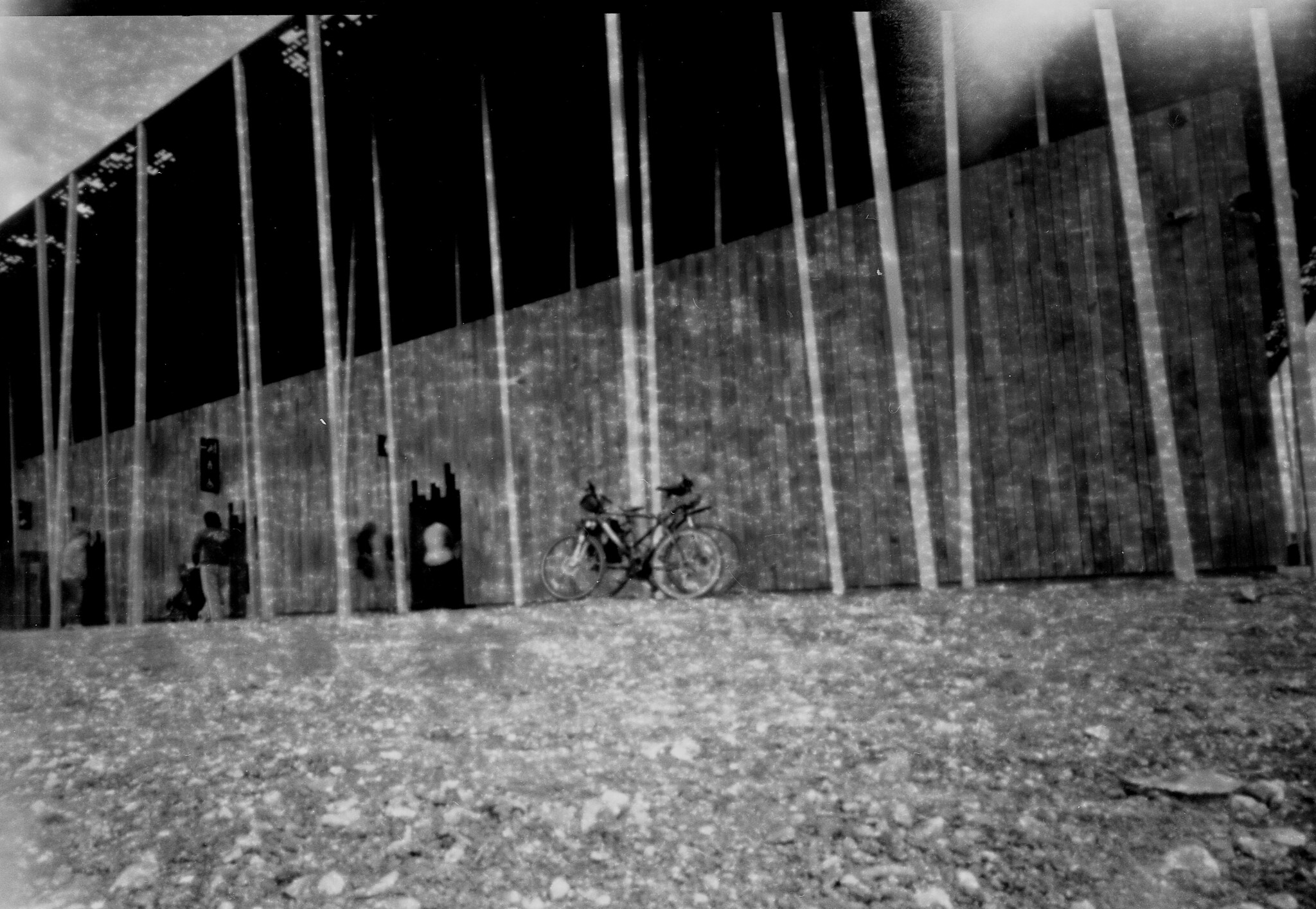
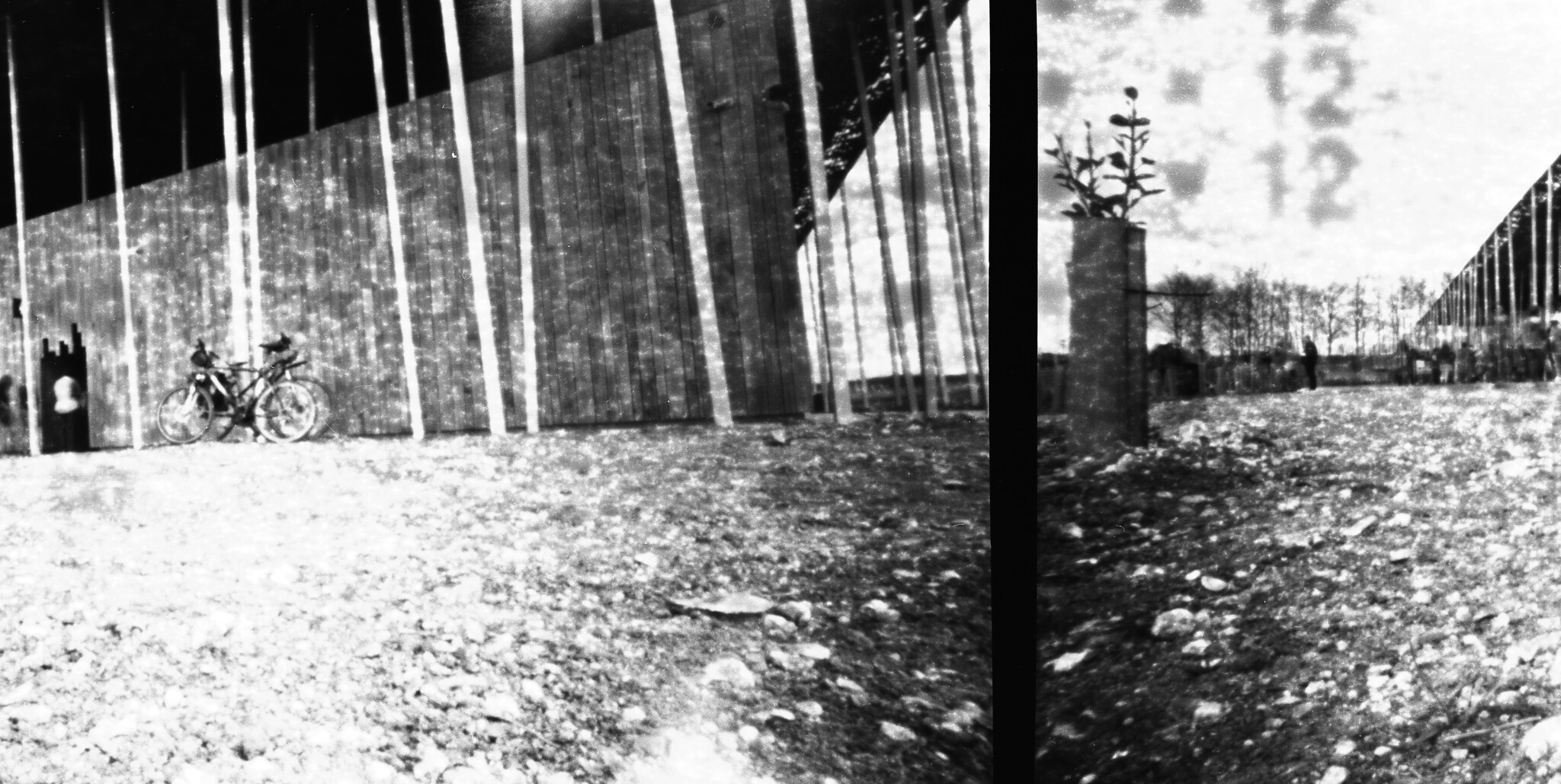

New Topographics in Photography and Architecture.
Alternative photographic processes in both digital and analogue image manipulation.
New Topographics in Photography and Architecture. Alternative photographic processes in both digital and analogue image manipulat…
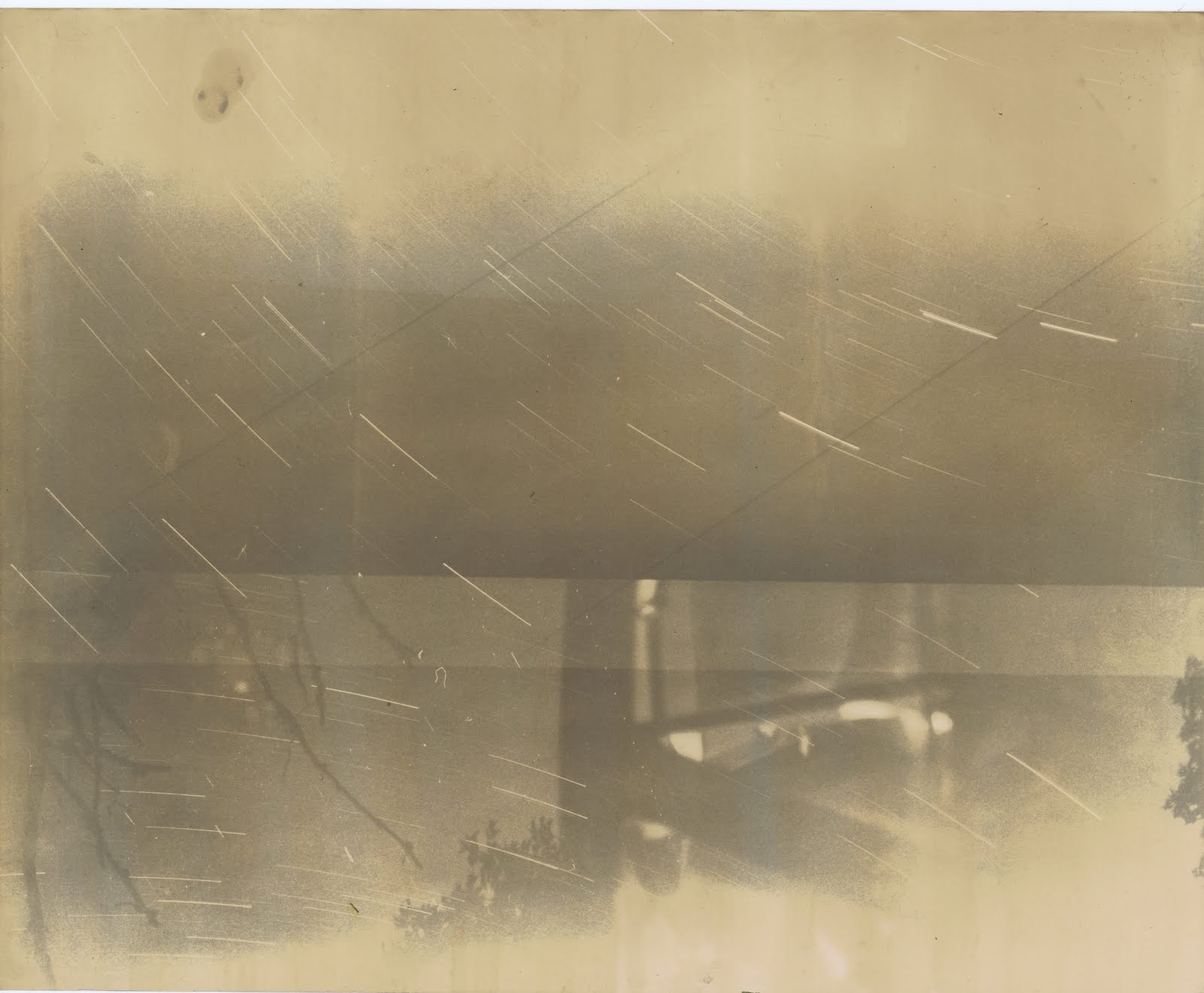
Source: Russell Moreton Sheltered Environments : Photographic Architectures : Stonehenge Visitors Centre .
The English scientist and astronomer Sir John Herschel discovered the procedure in 1842.[1] Though the process was developed by Herschel, he considered it as mainly a means of reproducing notes and diagrams, as in blueprints.[2] It was Anna Atkins who brought this to photography. She created a limited series of cyanotype books that documented ferns and other plant life from her extensive seaweed collection.[3] Atkins placed specimens directly onto coated paper, allowing the action of light to create a silhouette effect. By using this photogram process, Anna Atkins is regarded as the first female photographer.[4]
From Wikipedia, the free encyclopedia
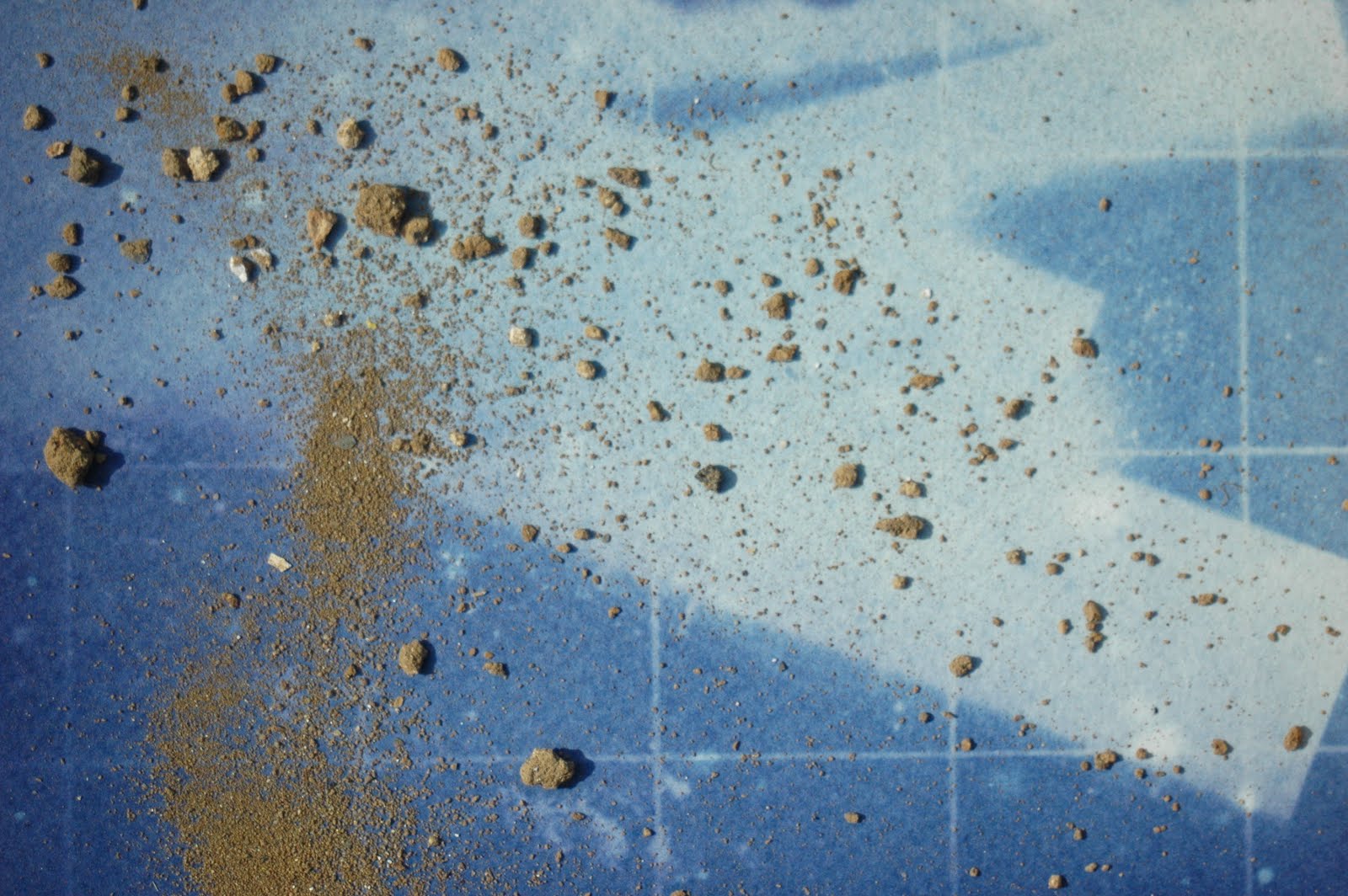
Mesh/Material/Light, Cyanotype Process
Locality/Social Complexity- Works on Paper
DSC_6026 Hortus Conclusus
https://www.flickr.com/photos/russellmoreton/42235368954/in/dateposted-public/
Source: Locality/Social Complexity and the Everyday : Works on Paper
Marking Stick : Leylines, Directions and Sites.
Found Objects : Archaeological Photogram
When you make photograms, without the use of a camera, you can indeed call that abstract photography, as the lens and the corresponding registration medium are lacking. No longer do you have pictures of reality or objects; you only have their shadows. It is a bit like Plato’s cave, where one could only imagine reality; the objects themselves were not visible.
—Thomas Ruff
Waverley Abbey, interior with pinhole camera

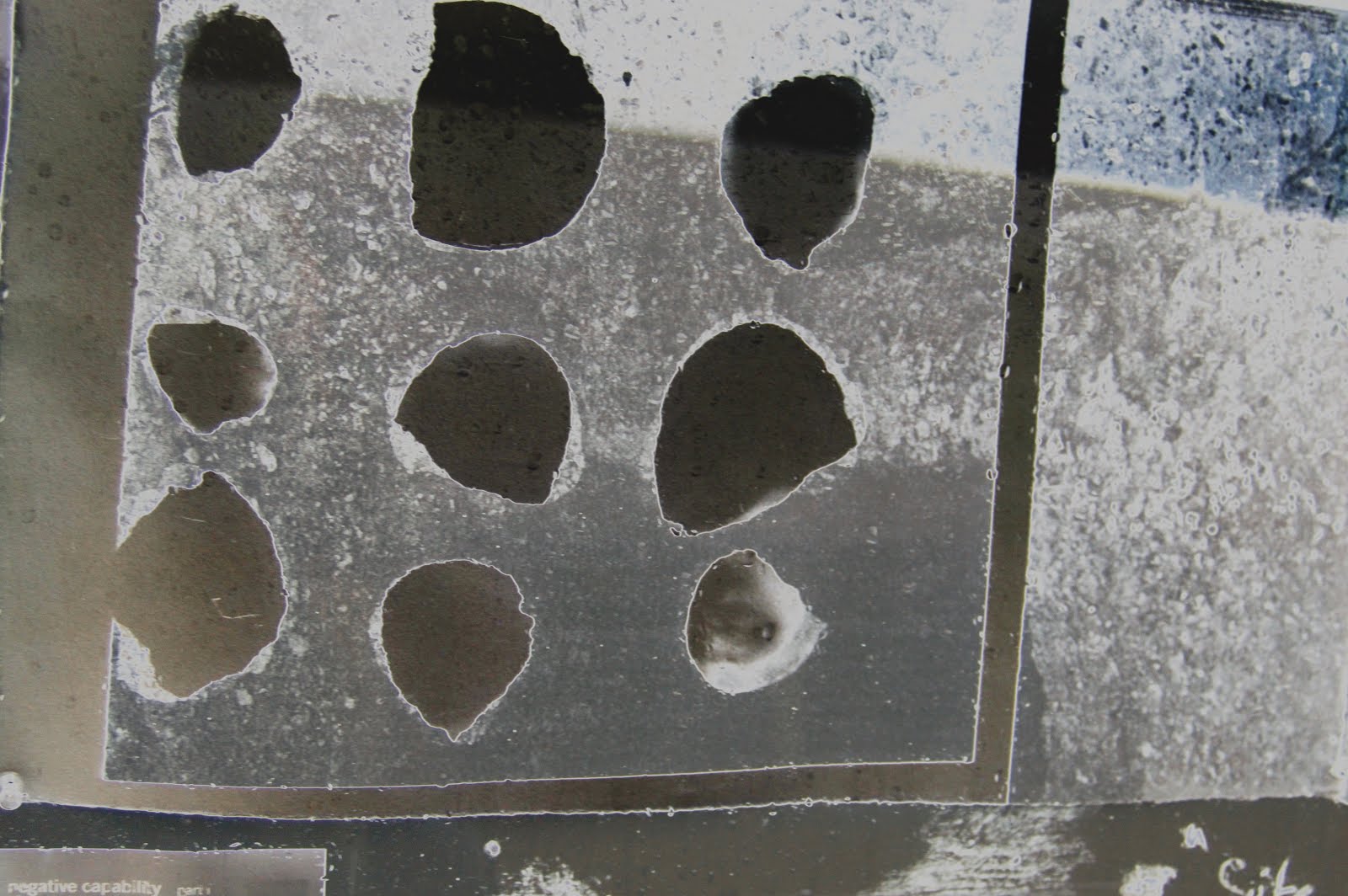
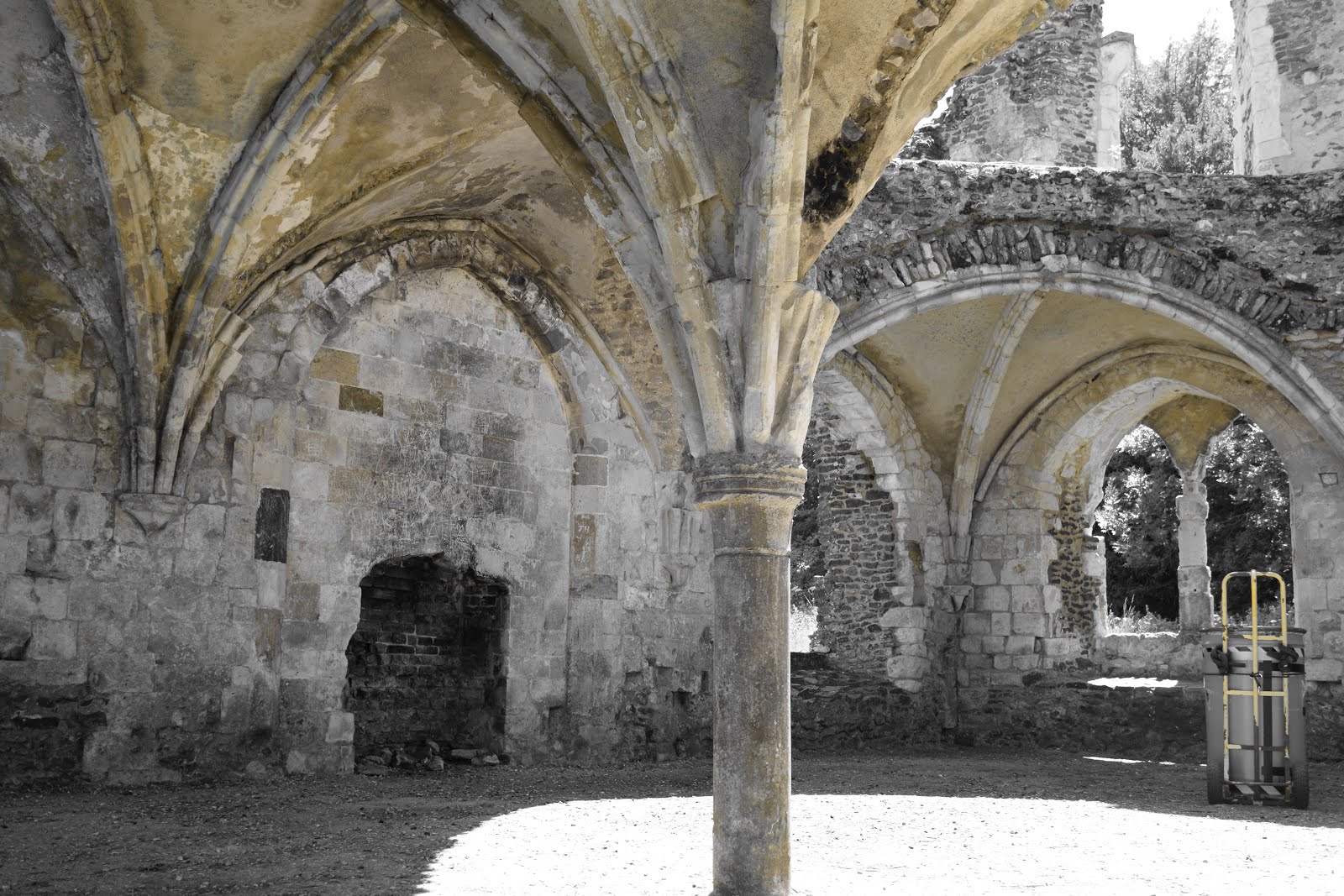
Source: Alternative Realities : Experimental documents, visual material from site based projects.
a thousand plateaus
Deleuze, Guattari
Assemblage
The beauty of the assemblage is that, since it lacks organization, it can draw into its body any number of disparate elements. The book itself can be an assemblage, but its status as an assemblage does not prevent it from containing assemblages within itself or entering into new assemblages with readers, libraries, bonfires, bookstores, etc.
Becoming
Body Without Organs
Nomad
Rhizome
Smooth Space
State
War Machine
http://www.rhizomes.net/issue5/poke/glossary.html
https://www.flickr.com/photos/russellmoreton/7459535864
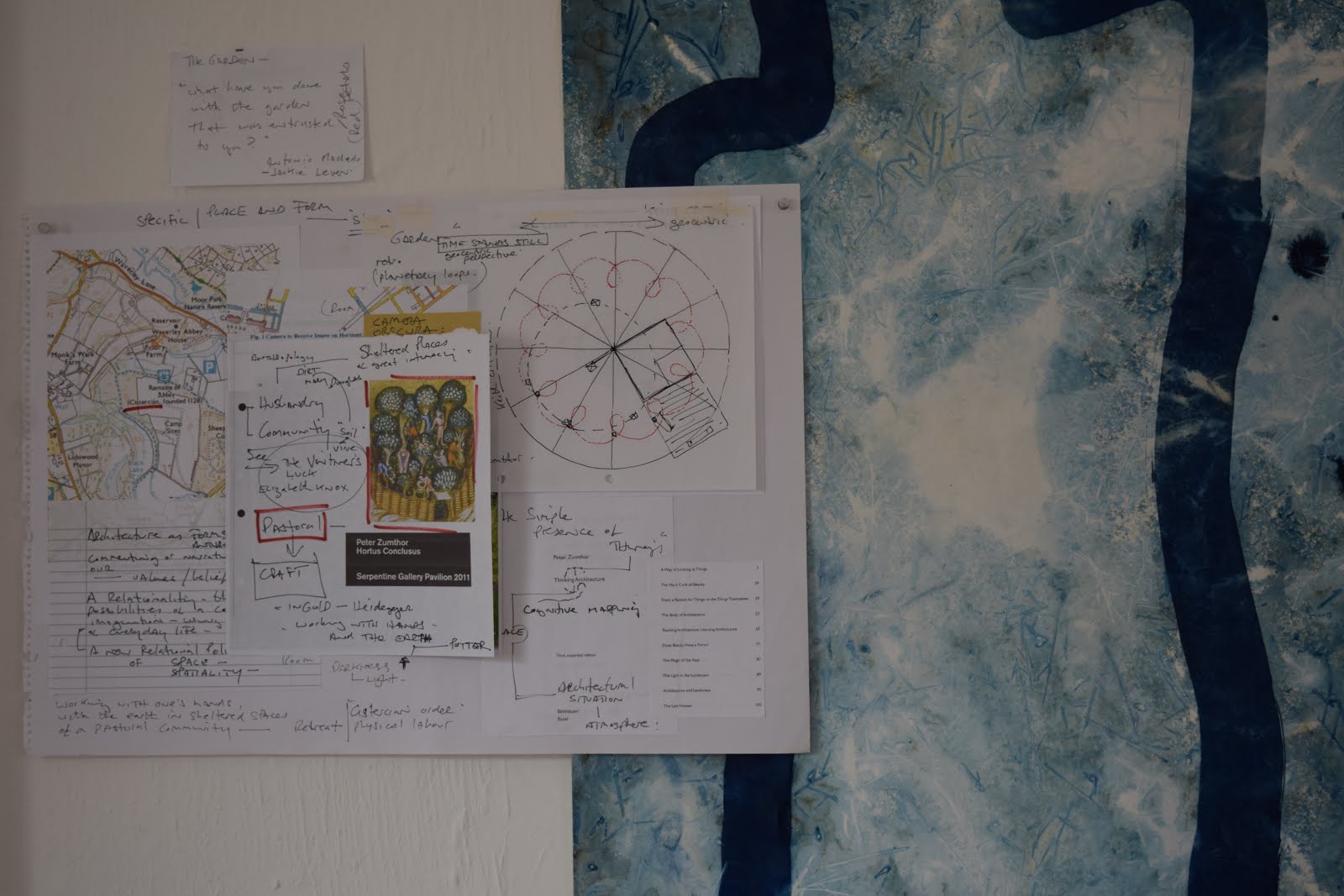
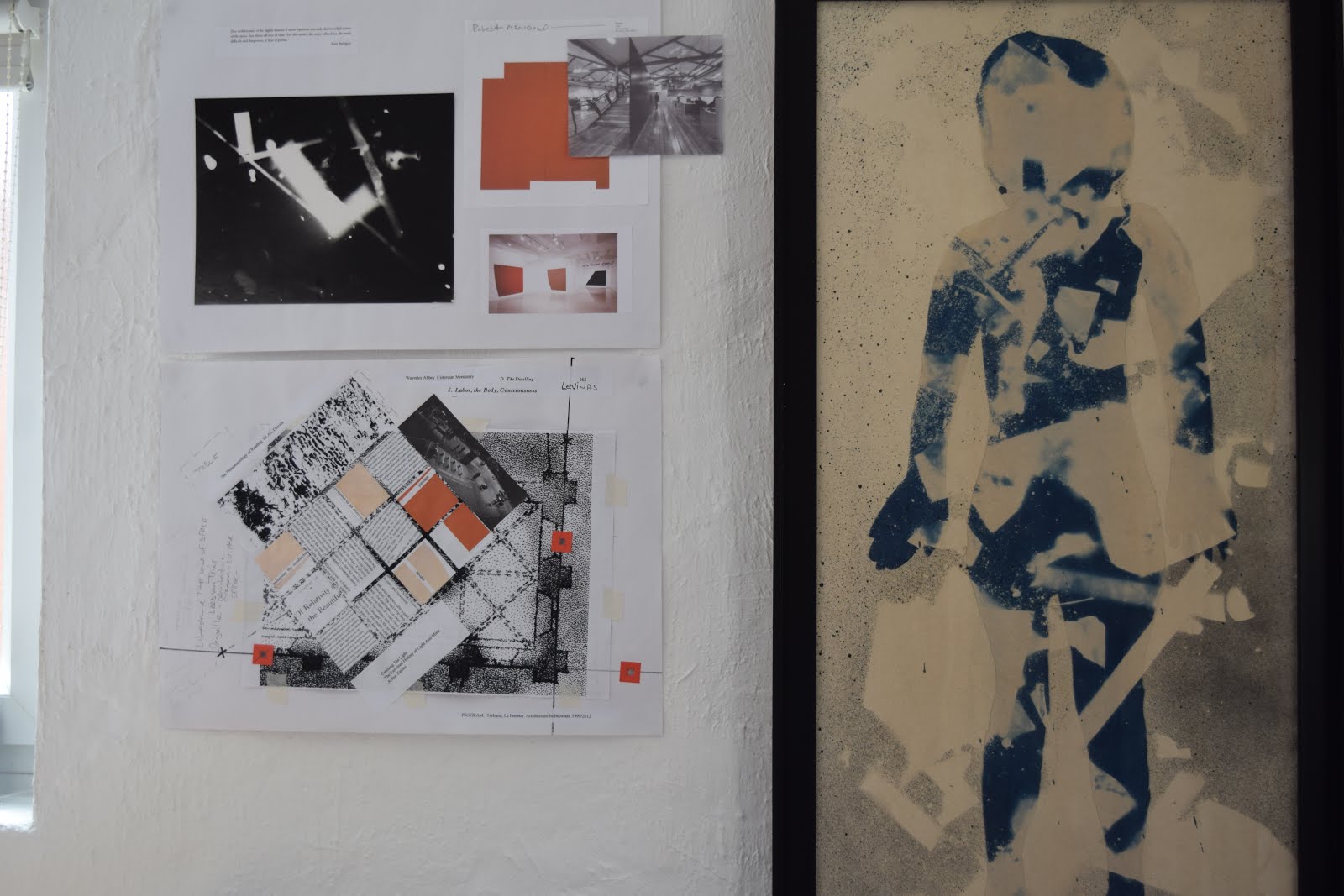
Assemblage/Garden Design : Architectural Plan/Victorian Corset
DSC_6288 Studio Assemblages
The 1960s Body Through Sculptural Movement and Static Dance
Maya Bartel
DSC_6217 Winchester Cathedral : Static Movement/Space for Peace
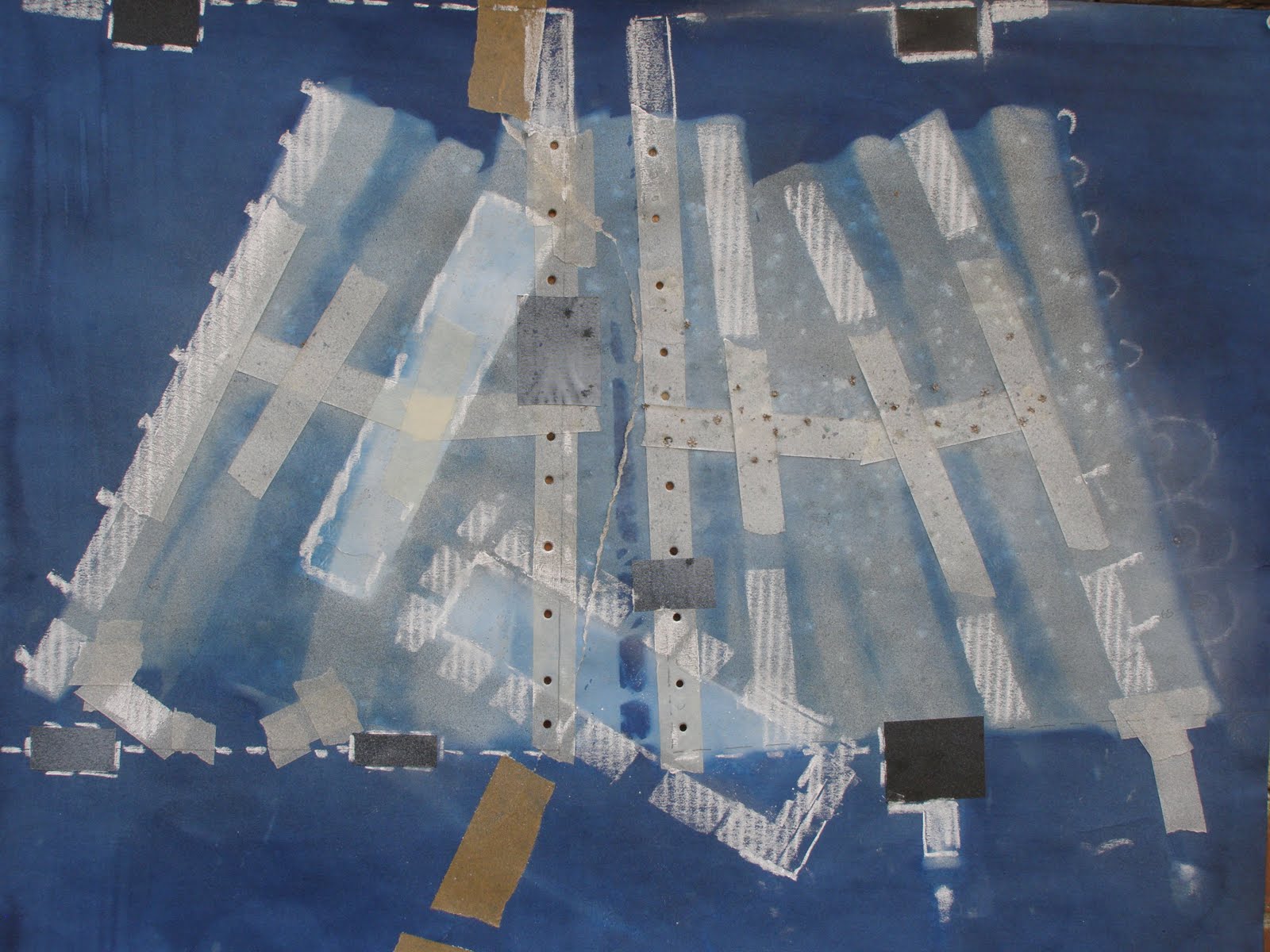
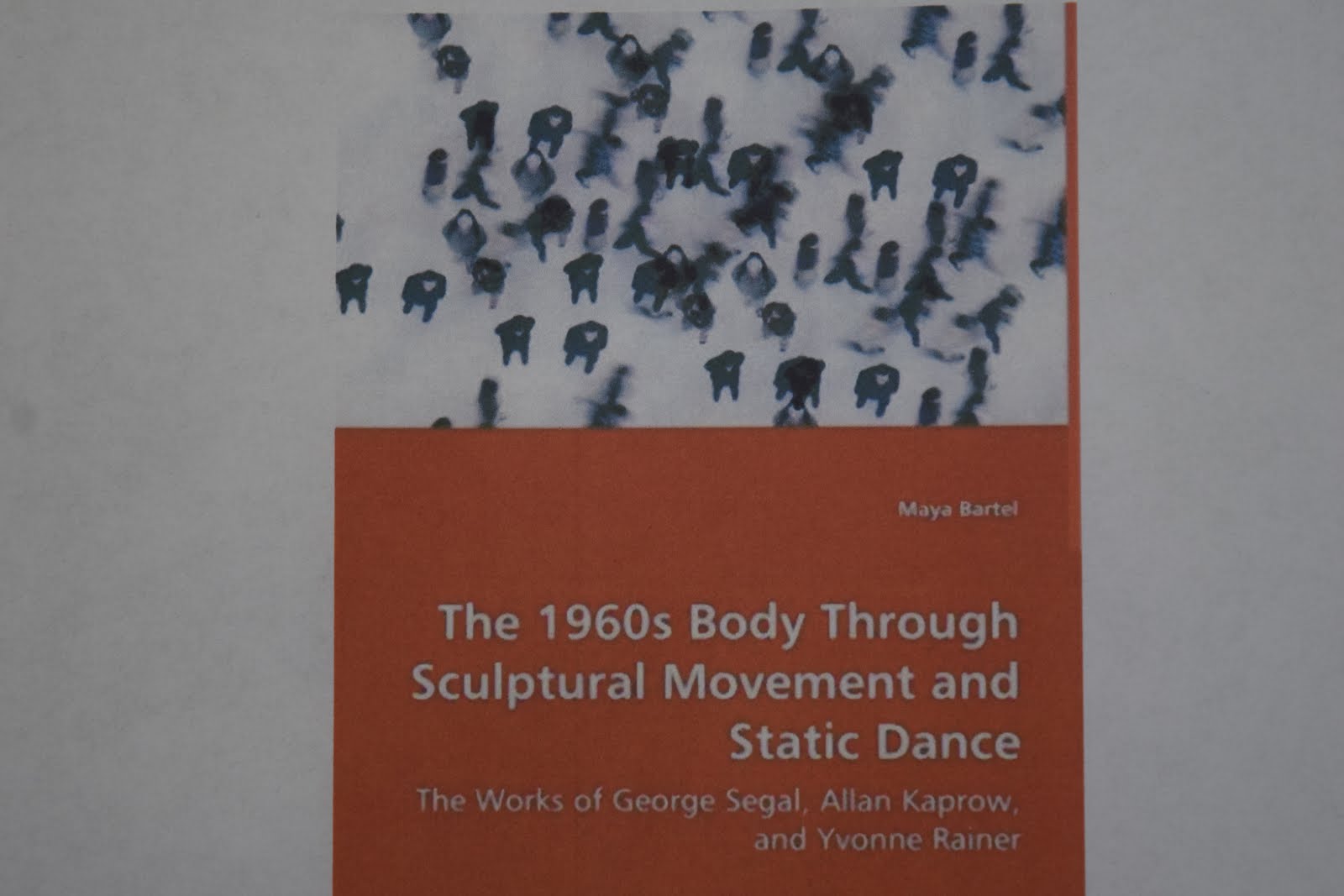
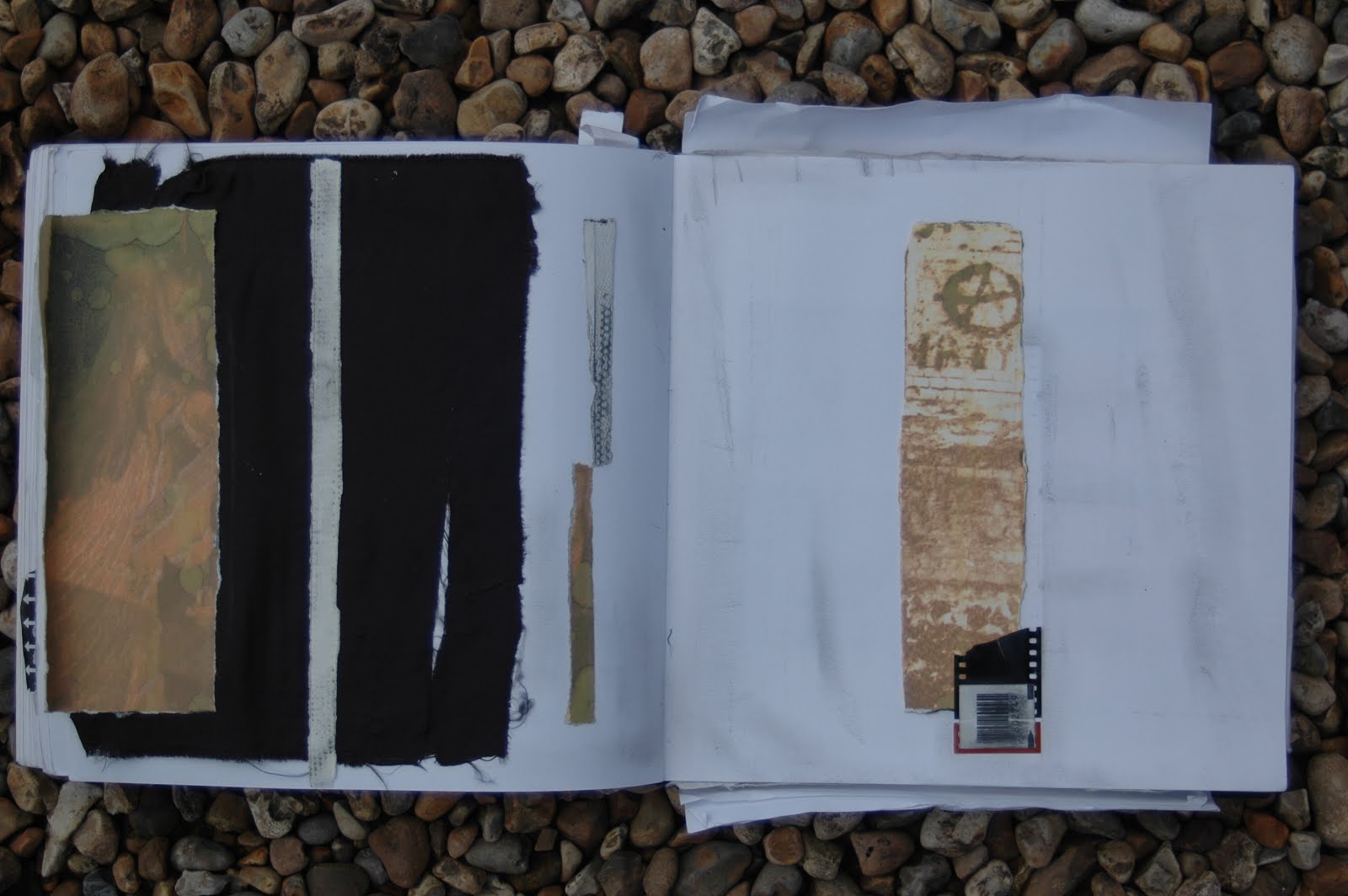
Source: Book/Assemblages/Mapping : Body, Static Movement, Blueprints
Spatial Apparatus : Pinhole Photography/Cyanotype, Tate Turbine Hall.
From the photogram to the pictogram : on Chris Markers La Jetee, Reda Bensmaia.
Camera Obscura, Sept 1990.
Nostalgia and La Jetee
Karla Huebner
The Mirrored Abbey : The Photographic Aesthetics of Decay
Nothingness, Nostalgia and the Absence of Reason.
The Aesthetics of Decay, Dylan Trigg,
The Custodians, Richard Cowper 1976.
https://russellmoreton.wordpress.com/
Humanity : An Emotional History
Stuart Walton. 2004
Fear
Anger
Disgust
Sadness
Jealousy
Contempt
Shame
Embarrassment
Surprise
Happiness
Camera/Room Obscura : Physical Contact Print
Light Writing : Surface Architectures
Kilquhanity, Scotland.
Sculptural Form/Everyday Interior (Bramdean)
Scarred Time/Photographic Surface/Negative
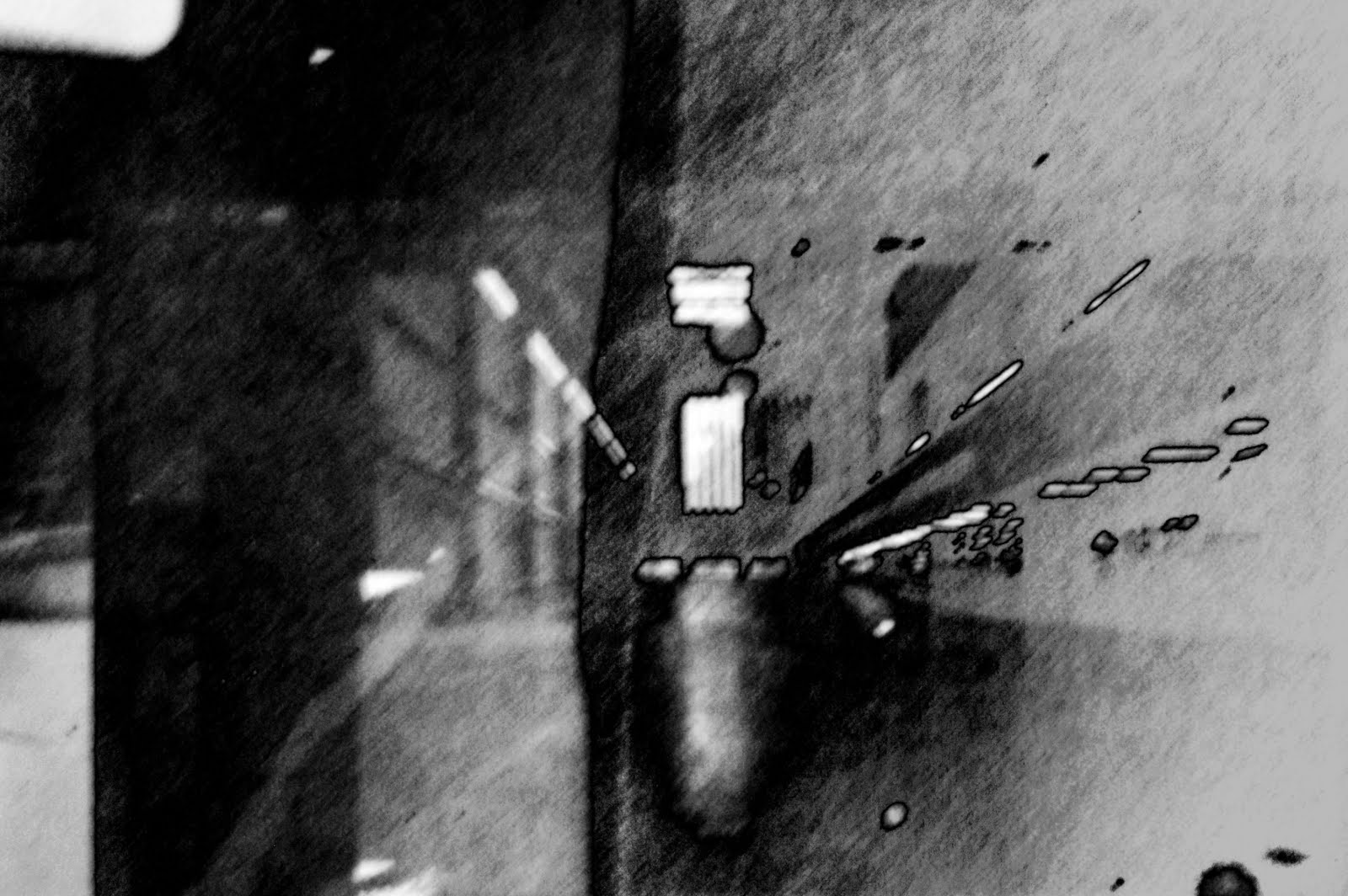
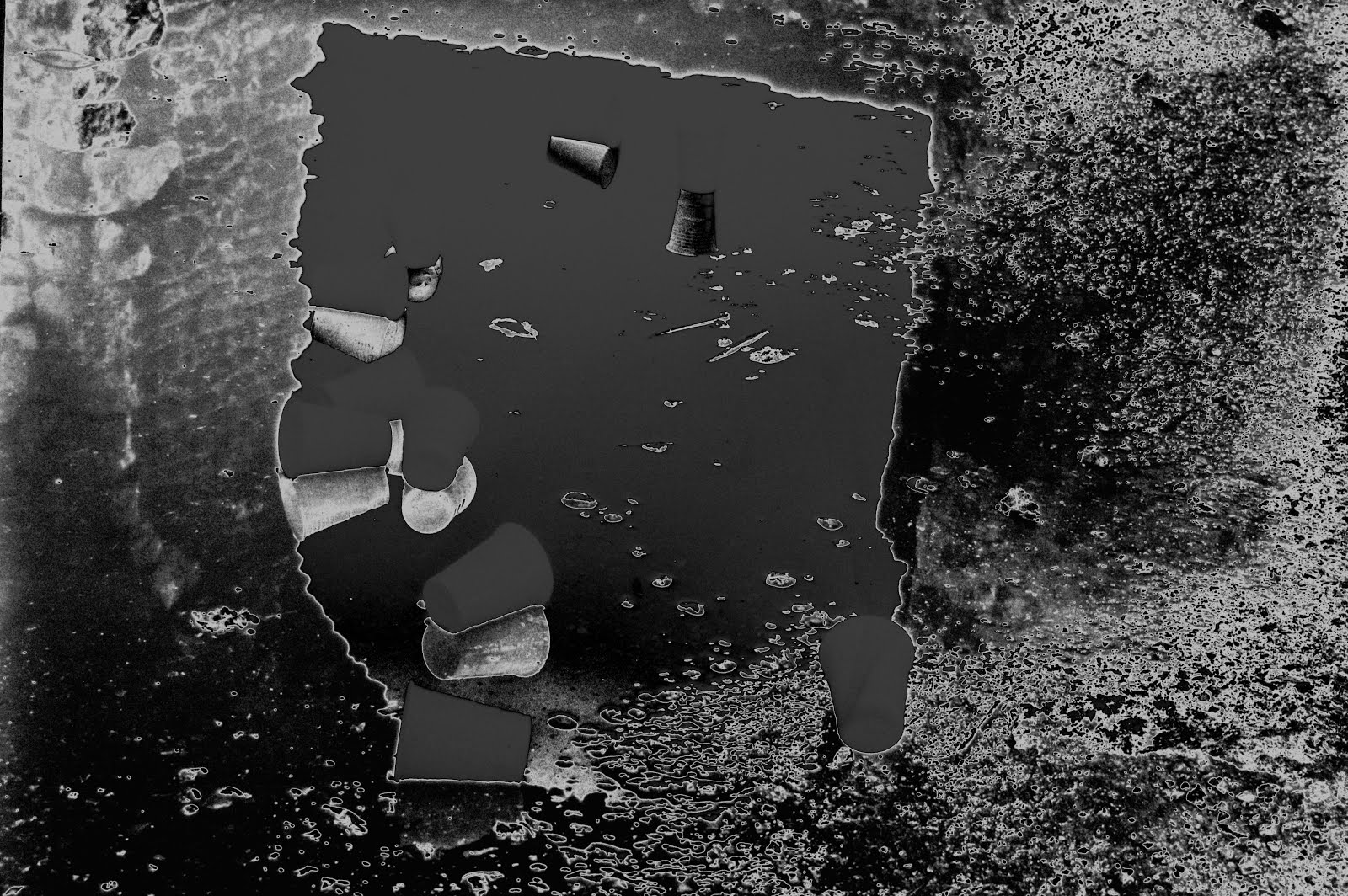
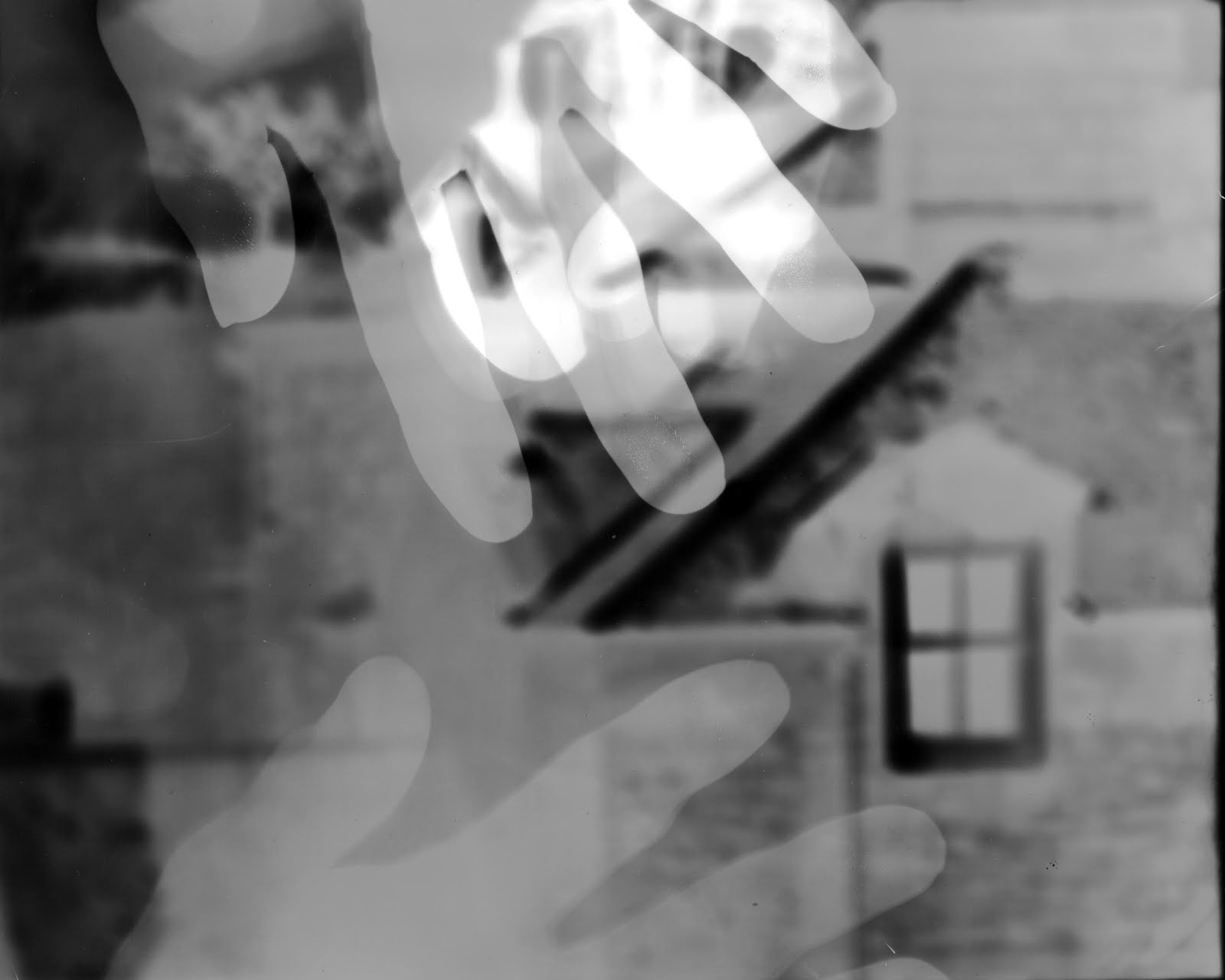
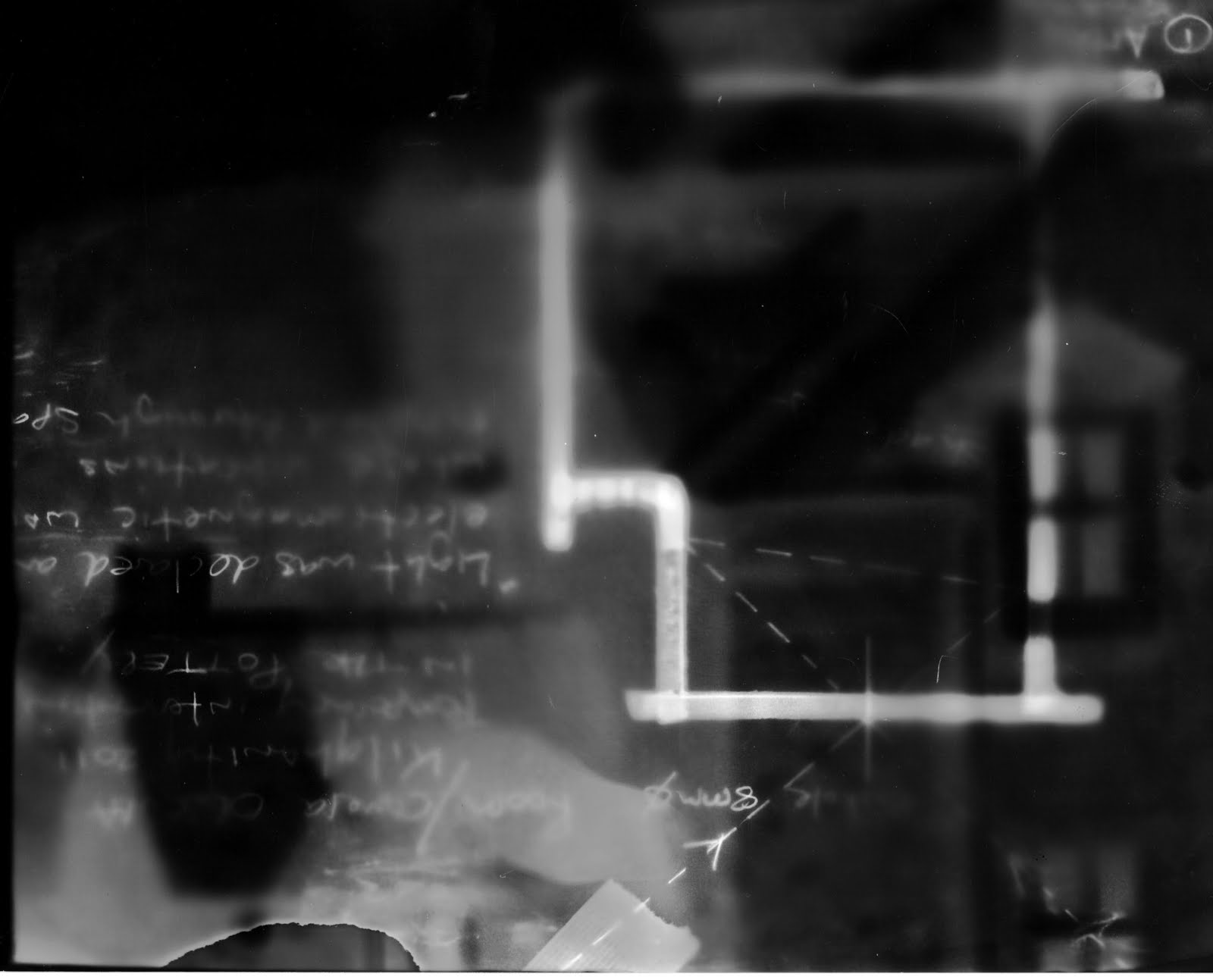
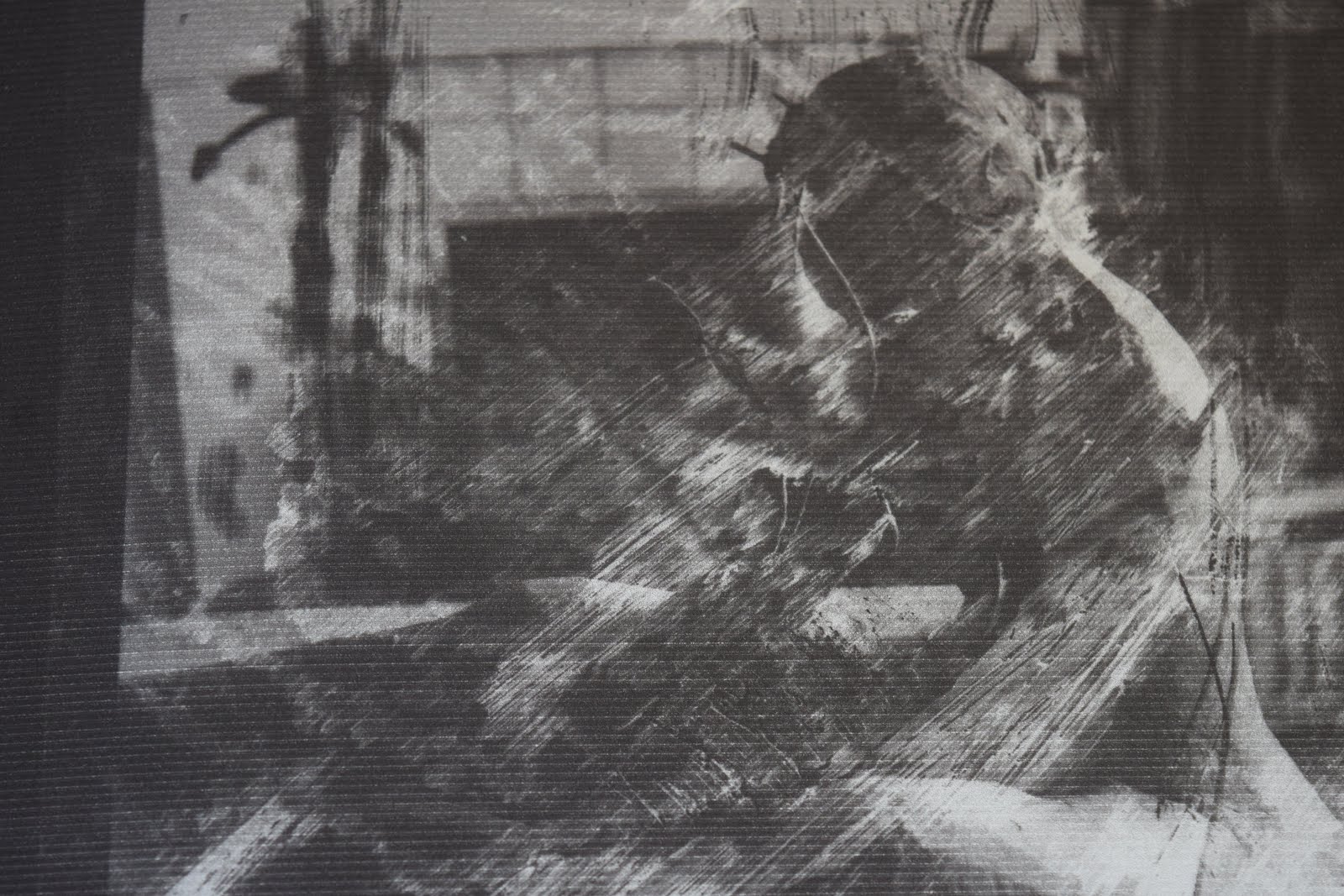
Source: The Film Stilled : Photograms/Assemblages/ Reading Texts
 Russell Moreton : Matter(s) in Correspondence