Russell Moreton, Material Practices Blog, Historical Site, Alternative Photography, Spatial Practice, Fine Art,
The Poetics of Space : The house, from cellar to garret. The significance of the hut.
“He will revive the primitivity and the specificity of the fears. In our civilization, which has the same light everywhere, and puts electricity in its cellars, we no longer go to the cellar carrying a candle. But the unconscious cannot be civilized. It takes a candle when it goes to the cellar.”
Gaston Bachelard.
Reading Into the Visual : Exploratory Images
Prints From Secrets and Ambiguity
Is there still an aesthetic illusion? And if not, a path to an “aesthetic” illusion, the radical illusion of secret, seduction and magic? Is there still, on the edges of hypervisibility, of virtuality, room for an image?
— Jean Baudrillard, The Conspiracy of Art, 2005
Jana Sterbak
Remote Control 1989
A heuristic technique (/hjᵿˈrɪstᵻk/; Ancient Greek: εὑρίσκω, “find” or “discover”), often called simply a heuristic, is any approach to problem solving, learning, or discovery that employs a practical method not guaranteed to be optimal or perfect, but sufficient for the immediate goals.
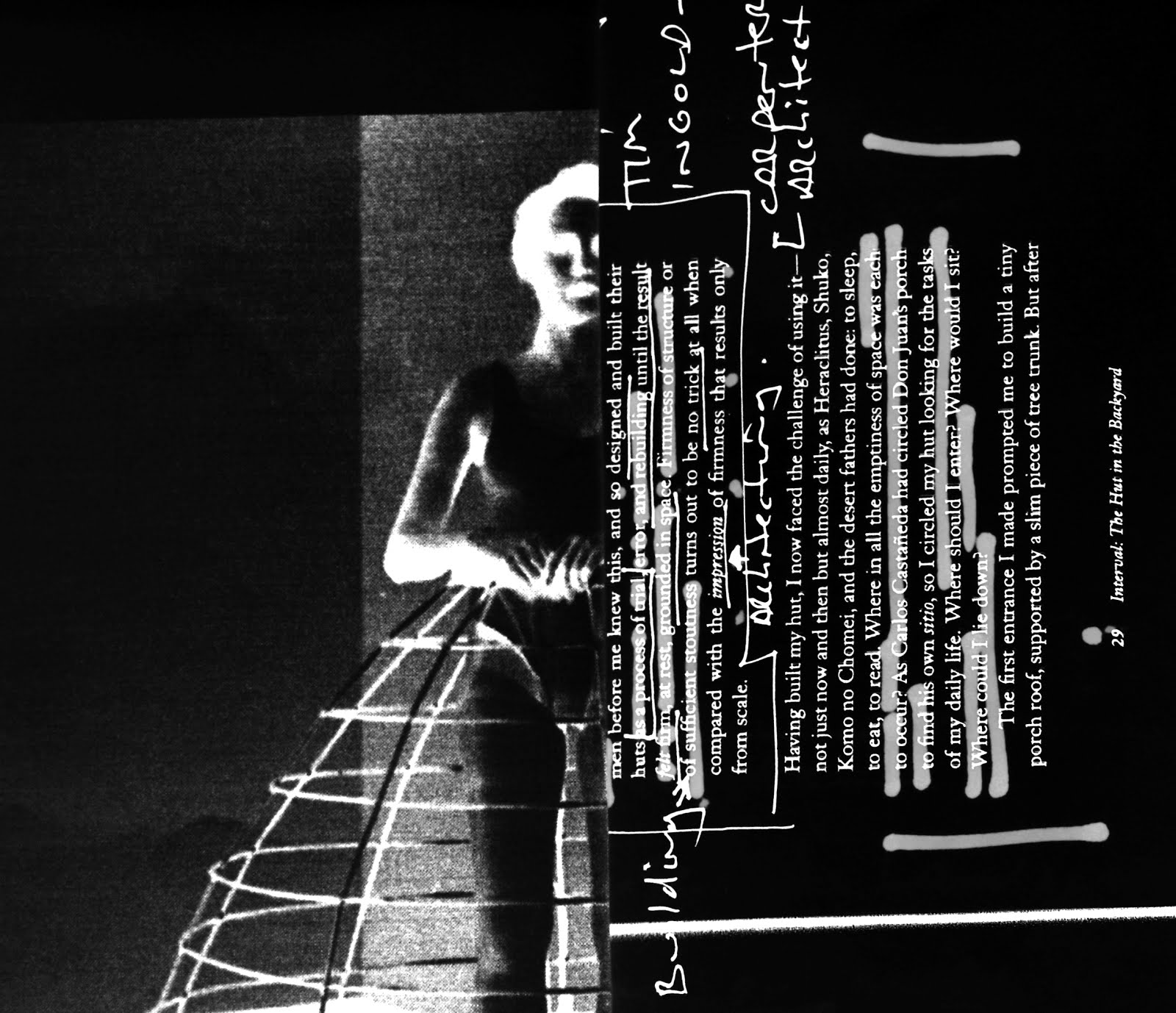
A Hut of One’s Own, Ann Cline
Texts,Annotations, Foundations, Pathways, Corridors, Bookmarks, Walking, Thinking, Ramble, Cross Country, Disciplines,
Intermezzo : Nomadic Photographic Assemblage
a thousand plateaus
Deleuze, Guattari
Assemblage
Becoming
Body Without Organs
Nomad
Rhizome
Smooth Space
State
War Machine
The Uberficiation of the University
BY MARK CARRIGAN ON NOVEMBER 22, 2016
The Sharing Economy
Platform Capitalism
Uber.edu
The Reputation Economy
The Microentrepreneur of the Self
The Para-academic
The Artrepreneur
Affirmative Disruption
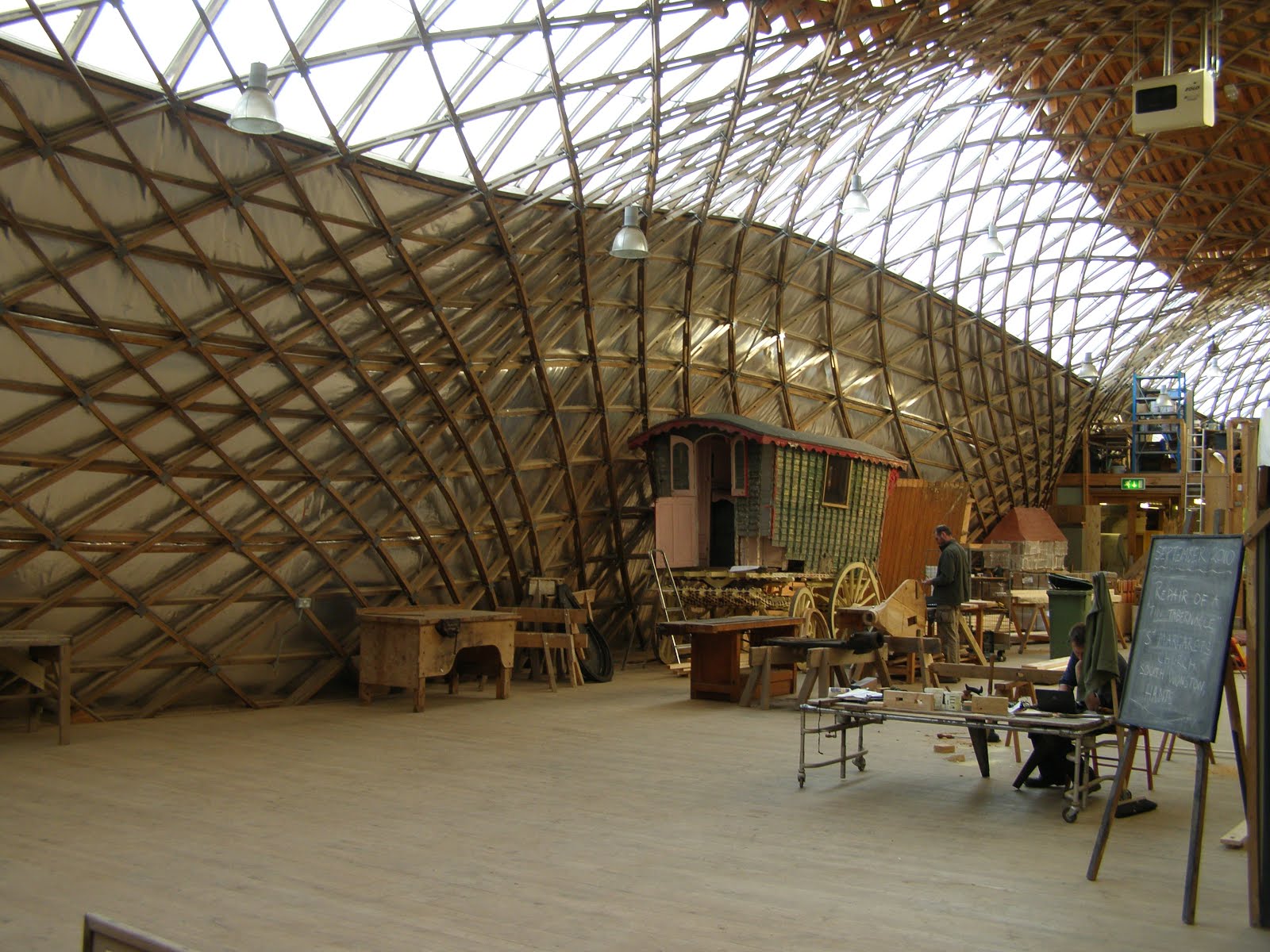
Interior : Gridshell
Singleton, West Sussex
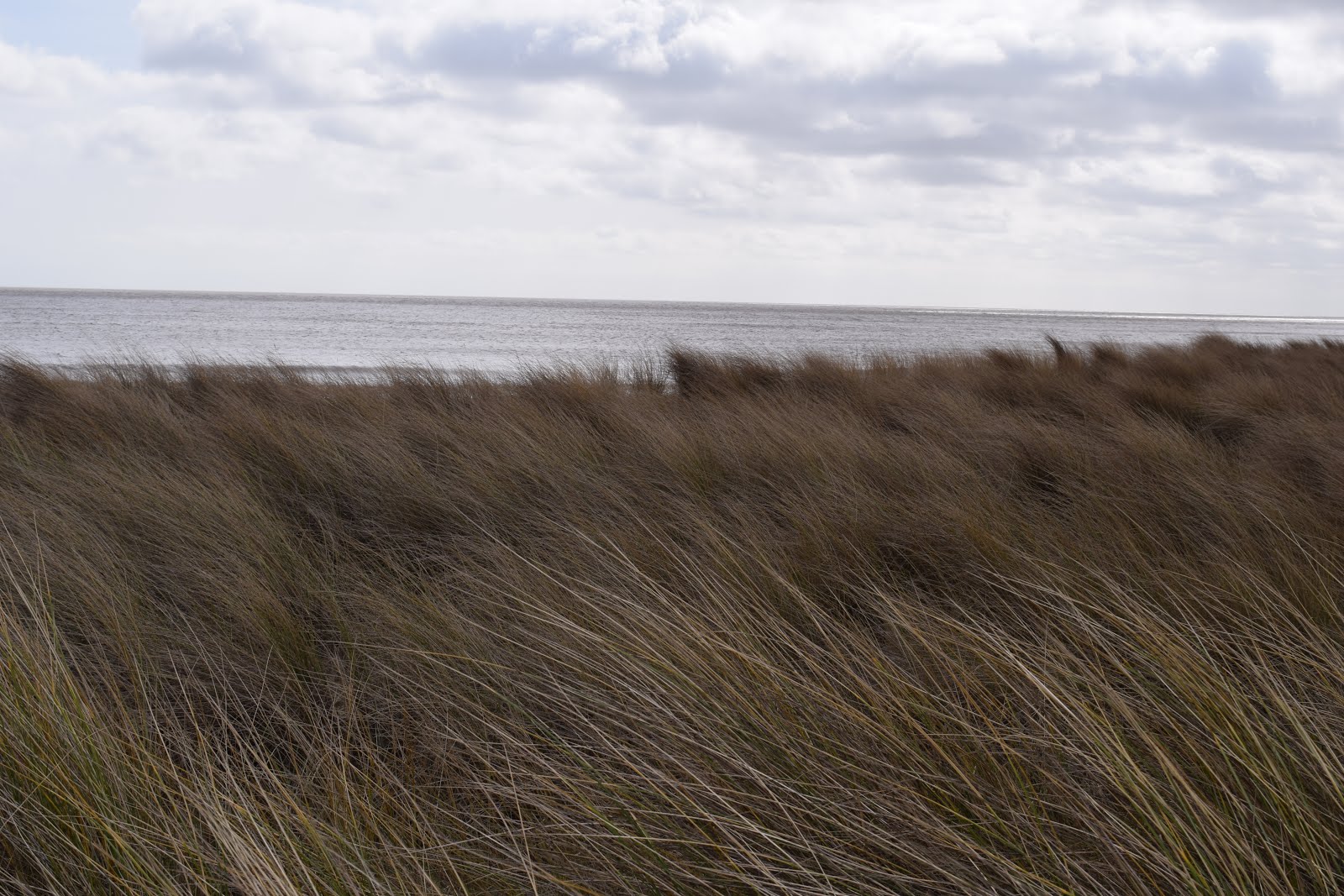
Covehithe : Walking/Thinking/Physical Entanglements in the Landscape
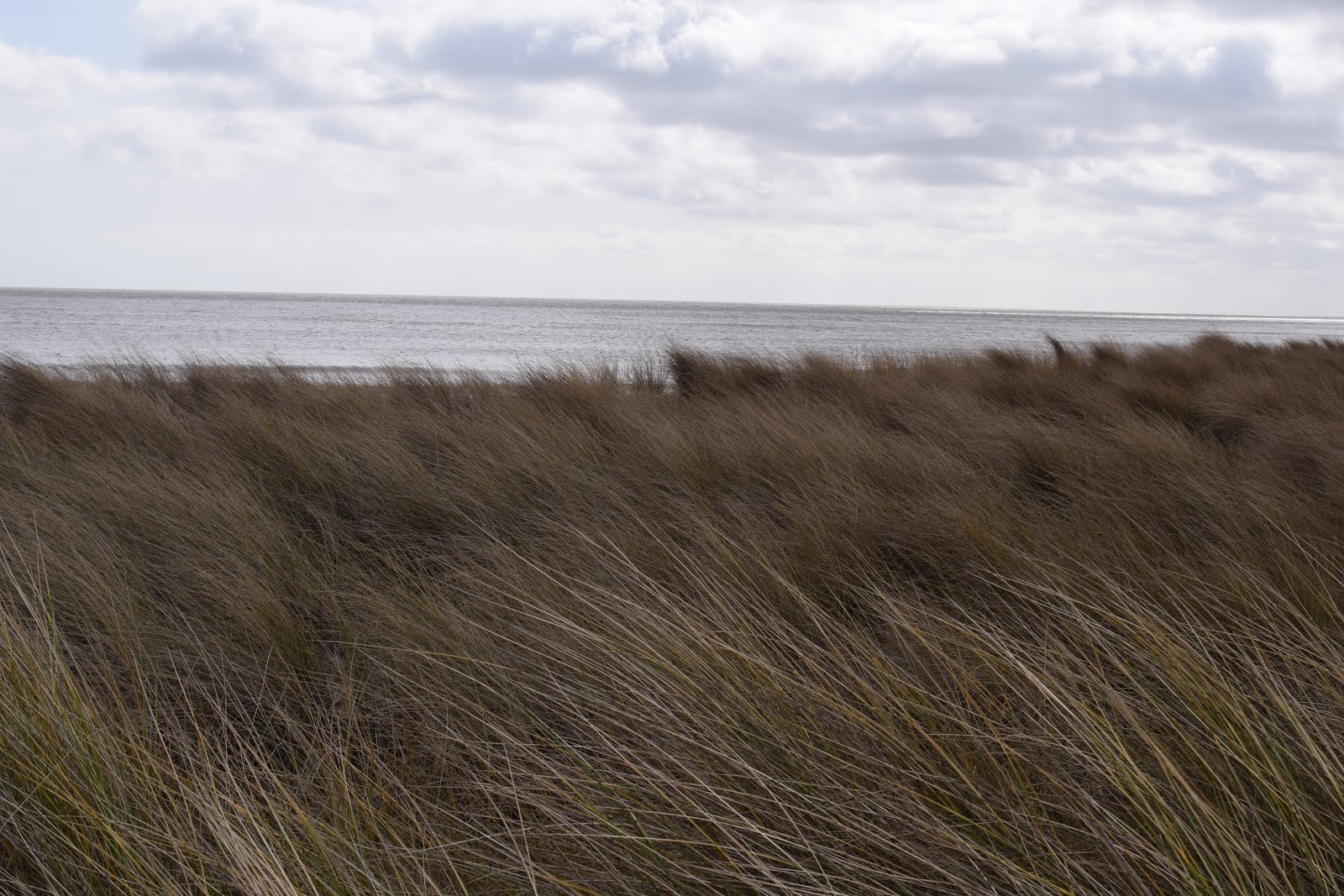
Walking into Emergent Landscapes : Covehithe Beach
The OLD WAYS, a JOURNEY ON FOOT, Robert Macfarlane
“ Walking was a means of personal myth-making, but it also shaped his everyday longings:
Edward Thomas not only thought on paths and of them, but also with them.”
“To Thomas, paths connected real places but they also led out-wards to metaphysics, backwards to history and inward to the self. These traverses- between the conceptual, the spectral and the personal-occur often without signage in his writing, and are among its most characteristic events. He imagined himself in topographical terms.”
Assemblage/Design/Collage






 Russell Moreton : Matter(s) in Correspondence