Russell Moreton : Matter(s) in Correspondence

Spatial practices of clay, ceramic, drawing, bodies, places and making.

Spatial Practice

Architecture, sites, spatial situations, bodies, inhabitation, installations, spatial propositions.

Ceramic Bodies

Clay, ceramic sculpture, vessels, apertures, surfaces, firing, ceramic interiors, ceramic atmospheres.

Drawing / Image

Drawing, cyanotype, photography, diagram, mapping, collage, visual experiments.

Interiority / Atmosphere

Bachelard, refuge, reverie, innerness, thresholds, chambers, light, shadow, atmosphere, sensing.

Making / Materiality

Studio practice, making, material resistance, gesture, process, firing, construction, surface, force.

Research / Working Texts

Reading, theoretical writing, notes, research propositions, older texts being re-entered, speculative learning.

  • Making Spaces : Between Speculative Movements of Reading Architecture

    DRAWING INTO THE READING ROOM

    MAKING SPACES PARTIAL to the material flows and currents of sensory awareness in which IMAGES and OBJECTS reciprocally take shape/meaning.

    FLEDGLING ARCHITECTURE IN THE MAKING ISOTROPIC SPACE

    SOCIALIZED SOCIABLE

    INTERIOR ARCHITECTURE through a sensitive adaptation of place studies, and using materials and built spaces to form the container/scaffold/stage for an activity not its contents. Working spaces that can be given a multiplicity of tasks that can accommodate the humanities and the life sciences.

    Architecture and landscape, together with the localised weather, and the sheltering buildings all contribute to finding the mental spaces for the retreat.

    APPARATUSES DURATIONS EFFECTS

    THINGS-MAKING-PEOPLE-IN THE WORLD

    Heightening the experiential experiences of place. Ramps, stairs and passages as devices (movable) to examine and to create immediate architectural interventions. Notion of the observatory as being part built/part still under development through drawing, (monuments as instruments, Japor).

    The camera obscura’s darken room becomes a stage and a cinema; a drawing black boarded room for making creative reciprocal social practices.
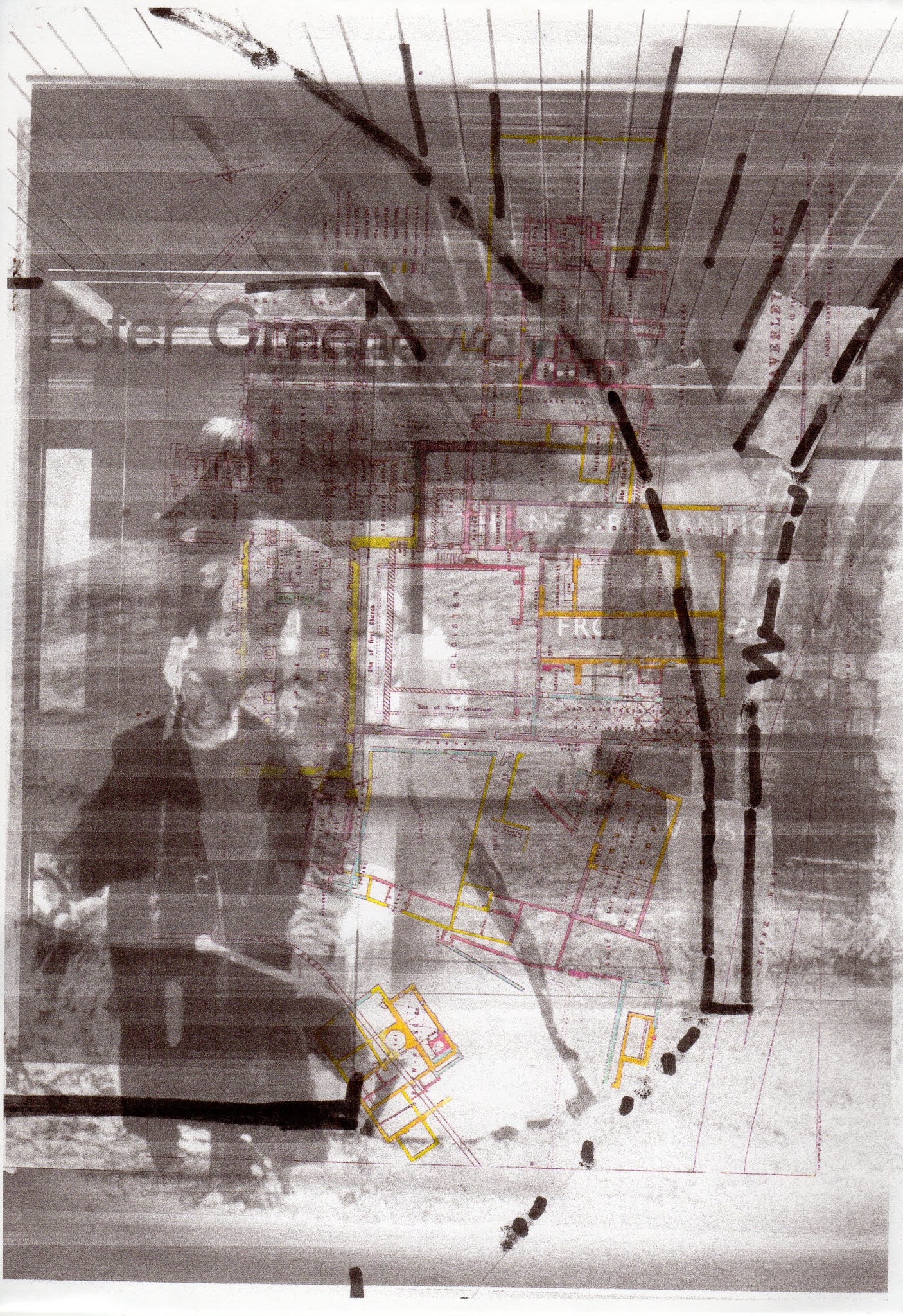
    Working Towards a Secular Retreat in the Landscape.

    The task of architecture is to maintain the differentiation and hierarchical and qualitative articulation of existential space. Instead of participating in the process of further speeding up the experience of the world, architecture has to slow down experience, halt time, and defend the natural slowness and diversity of experience, architecture must defend us against excessive exposure, noise and communication. Finally, the task of architecture is to maintain and defend silence.

    Juhani Pallasmaa : The Thinking Hand.

    Existential and Embodied Wisdom in Architecture. 2009

    This exploratory project centers around the heritage site of Waverley Abbey. This site has ruins from its ecclesiastical architecture that could be utilized in the sensory aspects of an architectural experience. The site offers up the possibility of constructing and choreographing enclosures and interiors by directly working with its unique sensitivities of place, mass, light, materials and surfaces. This project sets up real potentials to explore the possibility of crafting interior spaces that can host a rich layering of place perceptions. Currently my research has explored a number of themes and formal structures that might engender these concerns through my professional engagements with contemporary art practices and experience in the construction industry.

    Peter Zumthor, Hortus Conclusus, Serpentine Gallery Pavilion 2011 Adam Sharr, Heidegger for Architects 2007

    Leon van Schaik, Spatial Intelligence 2008

    Henry Plummer, The Architecture of Natural Light 2009

    The sewer is the conscience of the city. Here, no more false appearances, no possible plastering, the filth takes of its shirt, absolute nakedness, rout of illusions and of mirages, nothing more but what it is, wearing the sinister face of what is ending. Reality and disappearance.

    Victor Hugo, Les Miserables.

    Philosophy is the microscope of thought. Everything desires to flee from it, but nothing escapes it. In the effacement of things which disappear, in the lessening of those which vanish, it recognizes everything. It reconstructs the purple from the rag and the woman from the tatter. With the cloaca it reproduces the city; with the mire it reproduces its customs.

    Peter Zumthor, interested in the authentic core of things, in emotions and imagining things and not theories. From the emotional/existential experience of things, Zumthor further embodies sensations of remembrance and memory into the fabric of his architecture.

    For a moment there fell on Jude a true illumination: that here in the stone yard was a centre of effort as worthy as that dignified by the name of scholarly study within the noblest of colleges.

    Thomas Hardy, Jude The Obscure.

    An architecture that responds to the evanescence of natural light, in praise of shadows.
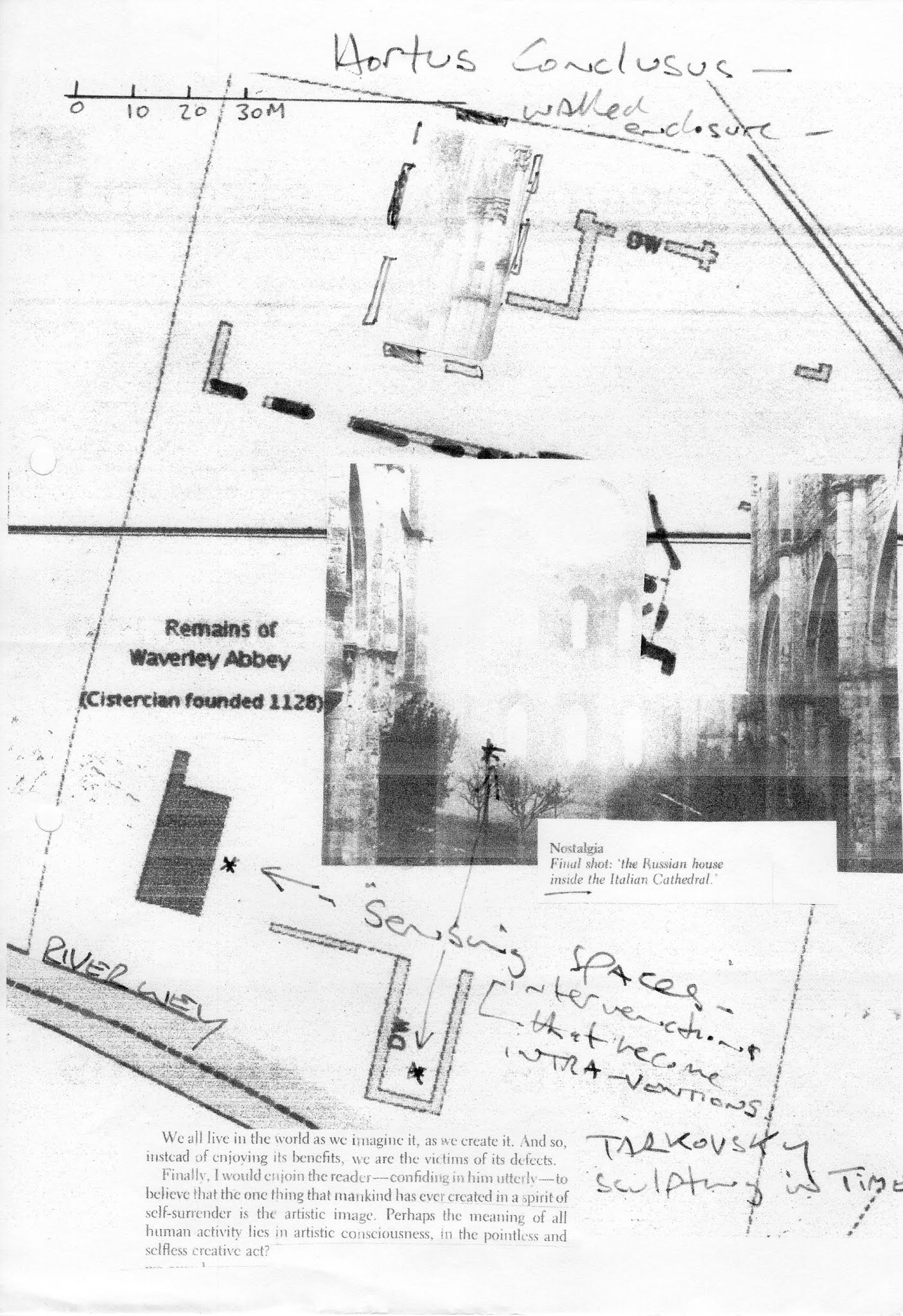
    The Cemetery and The Allotment, differences and similarities. What is important is what is contained, not the container.

    Space for an architect does not exist, so we design the limits that give the impression of space.

    Eduardo Souto de Moura. RA Sensing Spaces 2014

    There is a sense of pleasure in moving from darkness to light or vice versa because as human beings were cyclical. How light reflects and how light is contained is the stuff of architecture.

    Grafton Architects. RA Sensing Spaces 2014

    Space is already structured (Deleuze), it is place that is the relational human praxis of space.

    The Dehumanised Nature of Human Consciousness, Silke Panse. Screening Nature : Cinema beyond the human. 2013

    Metaphor (as a spatial experience/sensation?) is itself a philosophical concept. Multiplicity and Memory : Talking about Architecture with Peter Zumthor. Six Memos for The New Millennium, Italo Calvino.

    Interiors as book, poem, essay, philosophical treatise.

    To define these spaces one needs decisive characteristics woven into the fabric of the building in its everyday function. These characteristics or spatial zones will define exact physical limits to be read or navigated as an experiential experience. These zones mark the outside limits or boundaries of layered experiences.

    GLAS; Derrida, (a philosopher interested with the “between”) Gias in French means the death knell tolling of a bell.

    The methodology of reading.

    Playful interrogations of the borders between philosophy and literary writing. “This anti-book stages a kind of linguistic battle between philosophy and literature.”

    Destabilising tactics through different typographical styles, formats and languages.

    Derrida’s text turns philosophers, thieves, fathers and families into unstable figures; their identities are no longer assured, and neither are the usual hierarchies.

    On The Lefthand Side.

    Philosophy as expressed by Hegel, who believed that the bourgeoisie family was an embodiment of absolute knowledge and its subsequent passing down through strictly controlled channels.

    On The Righthand side.

    Subversive literature in the shape of the writings of Jean Genet, whose writings celebrate the very opposite of family values.

    The experience of the text is its reading (like that of a collage) is that neither column can be read without its internal boundaries or edges being constantly opened up to the other column.

    In each column, Derrida cites and grafts (what might these terms generate in architectural space) from Hegel’s personal letters and documents or from his philosophical texts, and from Genet’s journal of the thief and his prose poetry.

    GLAS; Has in fact a multiplicity (multiplicity and memory in architecture, Peter Zumthor) of author’s and their authority is always placed in doubt; in fact GLAS has an excess of boundaries that seek to divide it up inside itself.
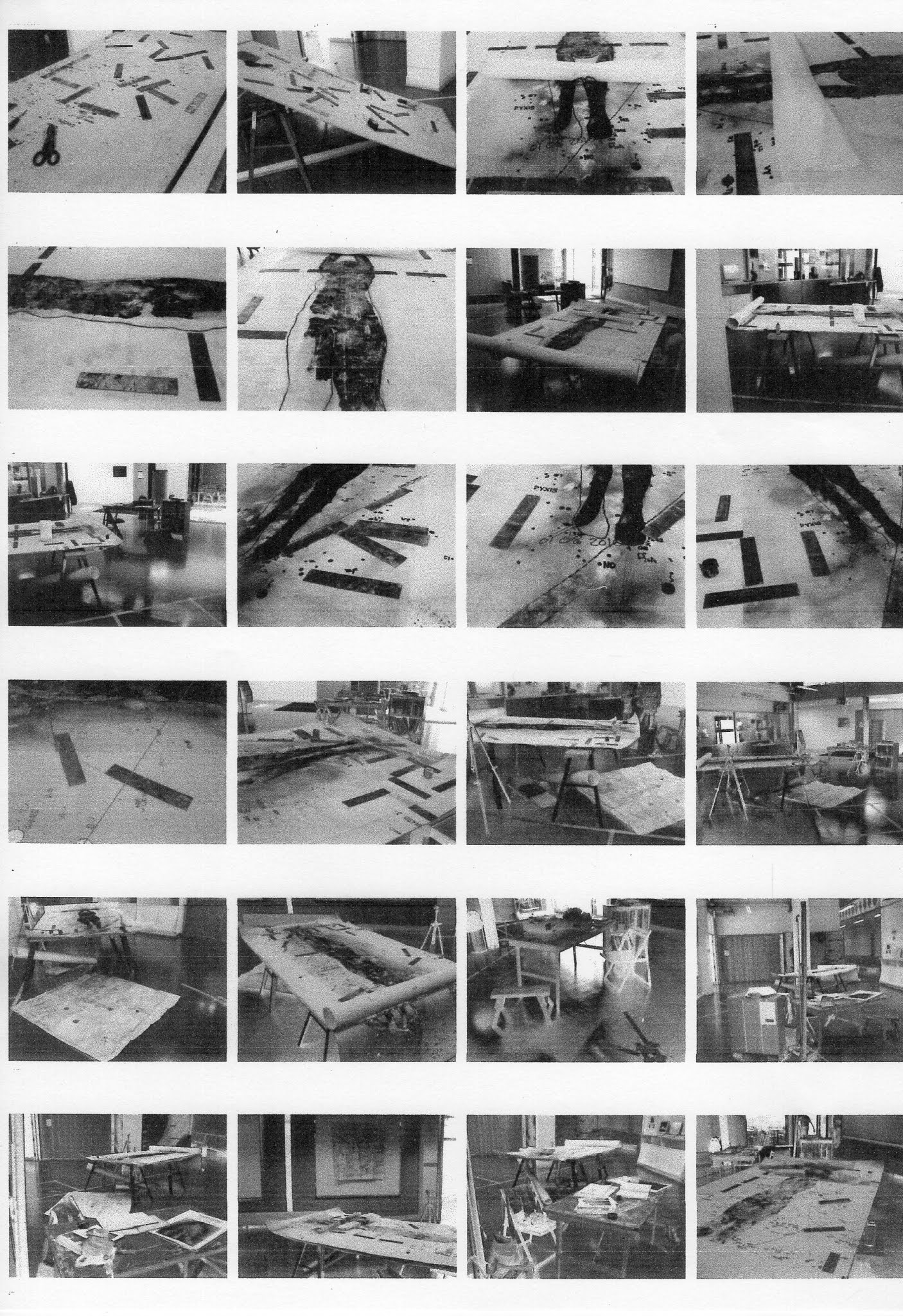
    Its fragments offer multiple beginnings and endings. Hegel’s Columns. (Heidegger)

    Hegel’s “Absolute Knowledge” spirals through dialogues of thesis and antithesis into a higher synthesis that is in tum interrogated by conflict and resolution (dwelling) until it comes to rest as an “ultimate harmony” presided over by “absolute reason”.

    Genet’s Columns. (Winterson)

    Metaphors and puns seductively unfolding their colourful eddies, ruffles and dark labyrinths.

    Derrida by placing both on the same page and in close proximity forces the reader to experience the literary effects, the unintentional connotations and insinuations and metaphors that blossom up in explosions of meaning; from within the most rigorously unruffled philosophical prose.

    Architecture on reality and living (dwelling)

    Architecture can go too far in completing and controlling social space and influencing the politics of the everyday. Spatial practices are needed as a plastic and permeable social architecture that loosens and adapts the everyday from the imposition of both state and history. From these first speculative oppositions, architectural practice can be informed with the differences between the logic of design and the reality of place.

    Heidegger. Jung. Archetypes. Pottery

    Architecture

    Old Buildings/New Designs: Architectural Transformations. Charles Bloszies. Knocktopher Friary is a quiet place of contemplation. The new residential cloister

    unifies the friary and the church. The composition of the architecture is a knitting together of two original forms with a ribbon of concrete, glass and wood. The new buildings are crafted from a minimalist vocabulary where the palette of materials was kept to a minimum. One of the interesting design features is that the new elevations never touch the old facades with a solid-to-solid intersection; the new is either set back from the old (Ashley Castle) or the joint is glazed. The existing church floor is used as both a datum for maintaining the new floor level in the new construction, and as a vein of closely controlled changes of materials and finishes. The resultant architecture is played between subtle material exchanges of concrete meeting wood, concrete meeting glass, and concrete meeting concrete with slightly different surface qualities. What results is a clear differentiation between the old and the new, both are remarkably quiet architecturally reflecting the concerns of the site as a Carmelite monastery in the southeast of Ireland.

    Working Thoughts.

    Scarpa, extensive use of concrete with different aggregates and finishes.

    Ashley Castle, restoration of ruin into a domestic dwelling, sensitive use of materials and methods of joining or revealing the historical fabric (allowing the ruinous to remain visible) of the building.

    The Dovecote Studio, a building made of CORTEN steel built within the interior of a ruined Victorian dovecote (see further notes).

    Building Practices

    The Everyday : The Jug.

    The Dwelling Place : The Bridge Mediators for spatial experiences.

    Libraries with research conduits for immersive and interactive cognitive mappings, allowing a praxis to enter the practicability of the everyday, a crafted philosophical inquiry, building new livelihoods.

    Colour

    Texture Surface Enclosures Voids

    Sample Materials

    Relationships through Localities/Mood Boards/Technical and Physical Details. Erasure  in  drawing  and  architectural  planning  (space  voids)  as  a  methodology  to

    superimpose multiplicities.

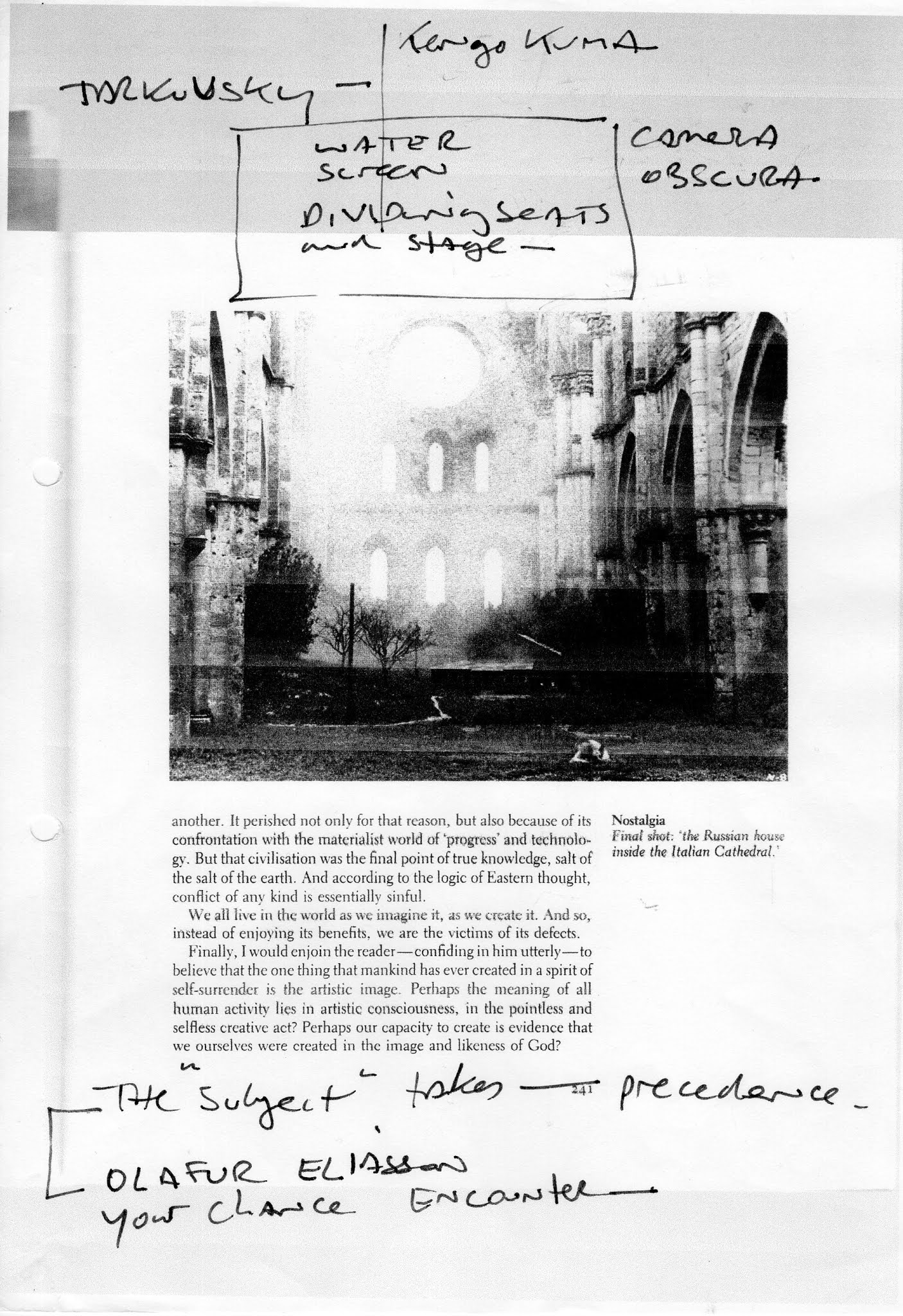
    Erasing : Kirosan Observatory, Anti-Object, Kengo Kuma. Multiplicities and Memory, Peter Zumthor.

    Learning  Spaces  as  a  performative  spatial  practice  through  a  process of tuning and minimising (Minimising, NO stage in the forest, Kego Kuma).

    Reading Rooms between the Body and the Book Not just a project but also a field of study.

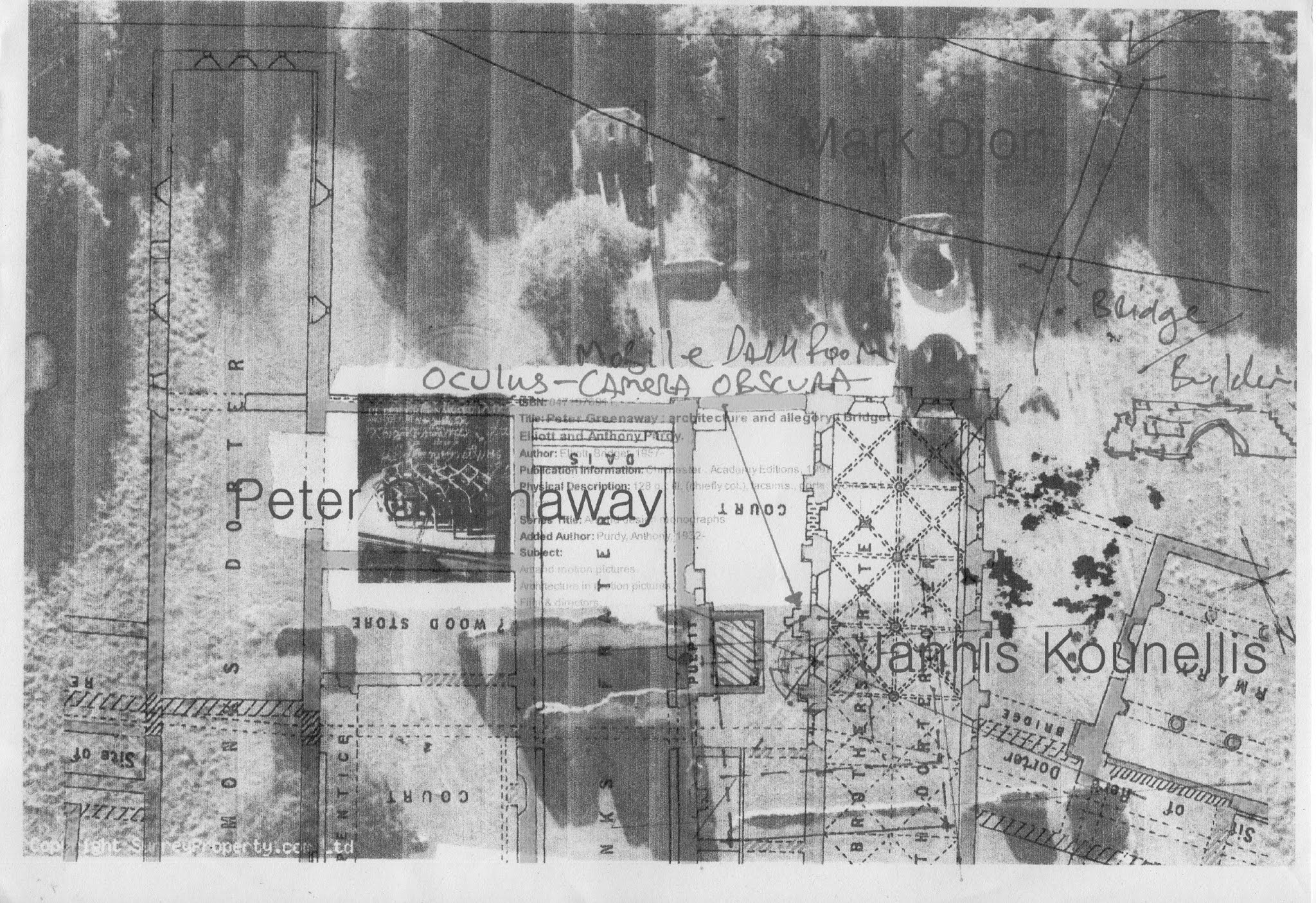
    Peter Greenaway, Architecture and Allegory. Peter Greenaway, The Physical Self.

    Mark Dion, Archaeology (The Project as Archaeology/Thames Dig). Herzog and De Meuron, Natural History.

    Appropriation and Modification/Interlocking Spaces.

    Speculative Architecture : On the Aesthetics of Herzog and De Meuron. The speculative solution, which turns not the real world but logic itself on its head.

    Without opposition nothing is revealed, No image appears in a clear mirror If one side is not darkend.

    Jacob Bohme, De tribus principiis 1619.

    Everything is interrelated and suffers when it acts, so too the purest human thought

    Holderlin, 1798.

    Text definitions/Spatial frames and small interventions.

    Surfaces and Spaces. Colour and Material dialogues/engagements.


    Source: Making Spaces : Between Speculative Movements of Reading Architecture
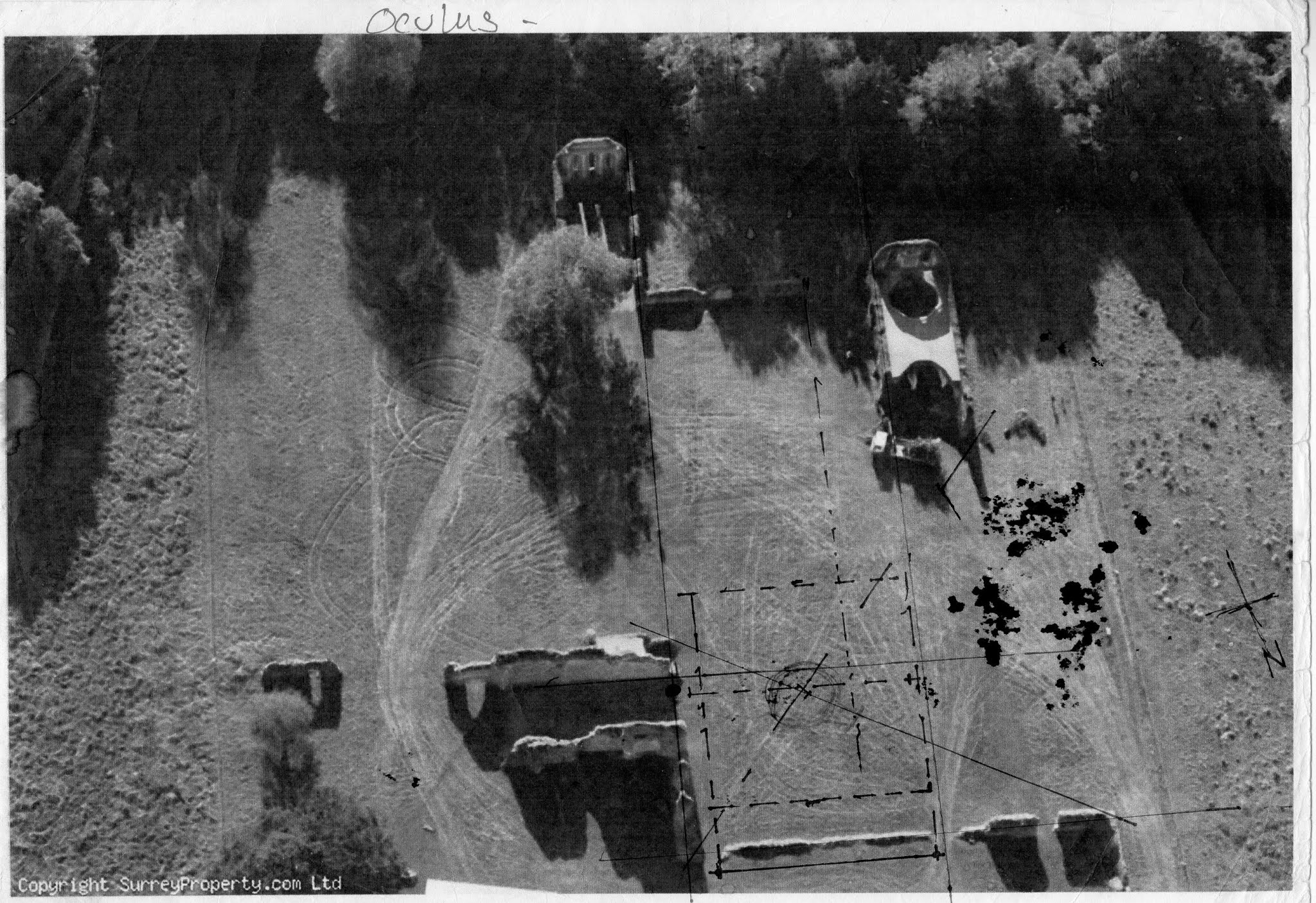
  • The Waverley Project : Working Notes: 2014 Exploratory Project MA Interior Design

    SPACE SITE INTERVENTION Through Archaeological Methods.

    A space has been created, allowing for a different construction of what may be significant in these circumstances, relative to objects found in association with each other. (Robert Williams, Disjecta Reliquiae The Tate Thames Dig)

    Associations and coincidences that become meaningful (or are unearthed) within the context of the activity.

    Erika Suderburg. On Installation and Site Specificity

    THE WAVERLEY PROJECT, methodologies in the making.

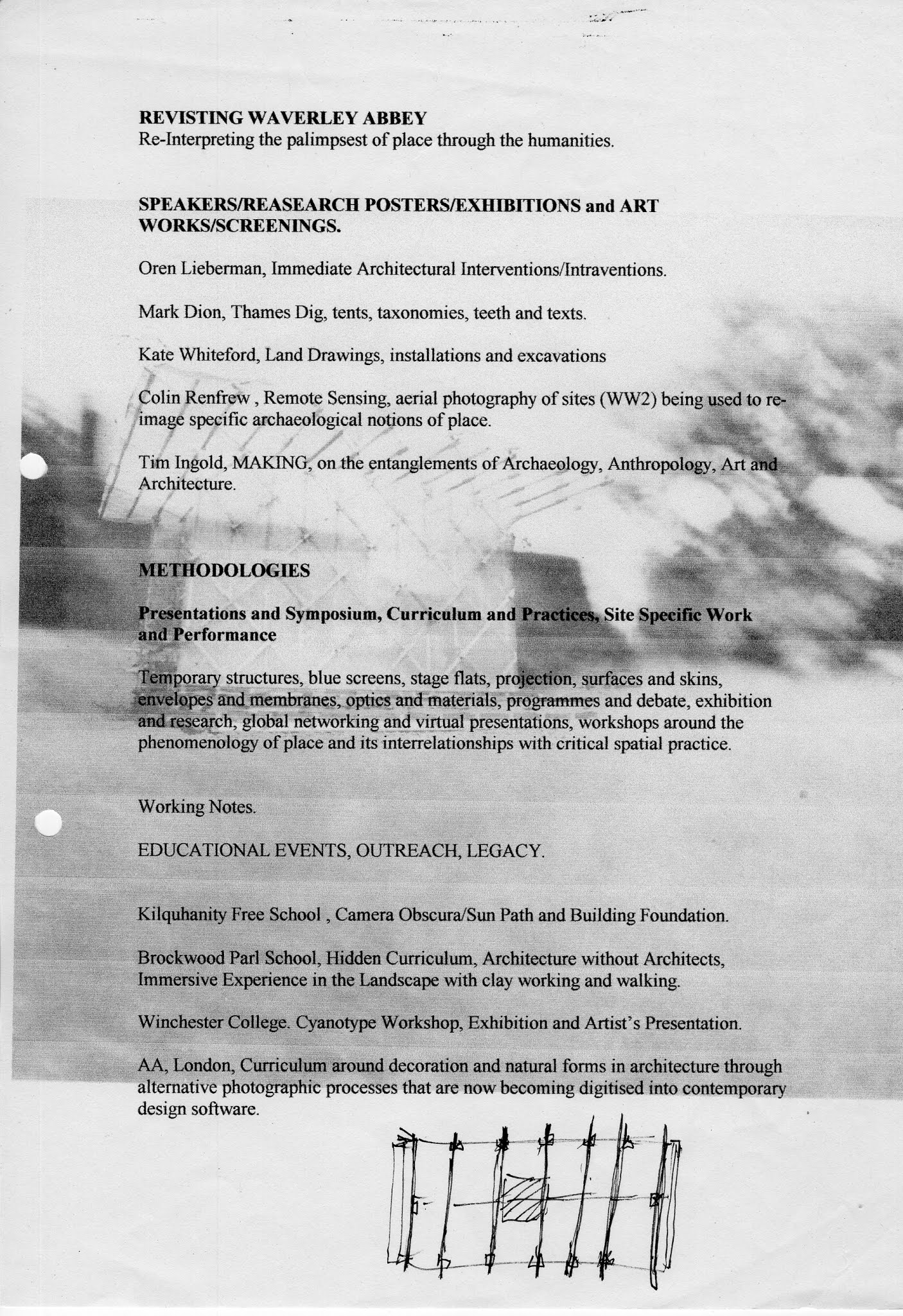
    This research and its design proposal are centred on the arts and the humanities and their ongoing function in our contemporary society. The emphasis of this inquiry is located by the spatial practices of architecture, fine art and performance. My project is a field event and symposium that would be able to host intellectual dialogues, lectures (TED) workshops, performative events and exhibitions. I am particularly interested the relational production of social spaces and the aesthetics of builtspaces, both historical and ephemeral. The proposed use of Waverley Abbey near Famham as a possible site and retreat for this venture is valid as it links a possible interdisciplinary territory of anthropology, archaeology, art and architecture. Tim Ingold (Making) Colin Renfrew (Figuring it Out) and others have for many years been researching and mapping this new spatiality.

    What remains of Waverley Abbey and its sense of place are critical to the holistic and contemporary underpinning of this experiential event. Founded in 1128 it was the first Cistercian Abbey to be built in England. It is recorded that Cistercian life was initially based on manual labour and self-sufficiency, this was further supplemented by other activities like agriculture and brewing that enabled the abbey to support itself. Later over the centuries education and academia began to dominate the concerns of the abbey. The abbey was suppressed with its dissolution in 1536, although records show its activities were already at this time substantially diminished. The ruins and their site then enter into the imaginary realm through classic literature in the novel Waverley by Scott. Further on a pictorial reference from an engraving shows the ruins now incorporated as a fashionable landscape feature within the newly built Waverley Abbey House.

    On a contemporary note Waverley Abbey has featured in a number of films ranging in genres from period costume dramas through to fantasy, together with post apocalyptic visions of dystopia. A recent film shoot required the construction of a sixty-foot tower made from internal scaffolding with a skin that recreated the adjacent ruinous fabric of this historic site.

    Encountering the site is currently only manageable by foot; this short walk in the surrounding landscape sets up the sense of place and prepares our own subjectivities to its reception. It is in this expectation, this thinking in the landscape that the pastoral and educational aspects of the site become apparent. Currently access is only available through one directed pathway; a multiplicity of other access points and even other structures (bridges, earthworks and thickets) could begin to open up the spatial palimpsest already located at Waverley. What remains of the architectural fabric with its diminished interiors still grants a hospitality and refuge for both the body and the imagination. This activity opens up the experiential space of encountering ourselves through the enjoyment/entanglements of layered social space.

    Waverley Abbey is a public monument in the custodian care of English Heritage. It can only be accessed by walking about a quarter of a mile from the limited parking spaces.

    Waverley Site

    Hortus Conclusus Sensing Spaces

    Peter Zumthor, Hortus Conclusus 2011.

    Directors’ Foreword: Julia Peyton-Jones, Hans Ulrich Obrist.

    Zumthor’s architectural design practices consider each project in terms of a comprehensive and encompassing sensory experience. Looking at more than the physical fabric and form of the building, he often draws inspiration from memories of childhood experience. His projects aim to reference all aspects of sensory perception, addressing the relationship between the human body and the ways it may interact within the built environment. Many of Zumthor’s projects have been specifically noted for their thoughtful and evocative play on scale, colour, material and light in harmony with the buildings function and surroundings. (Peyton-Jones 2011: 9)

    Using spatial practices as an inquiry into issues of “site” through architecture, art and performance.

    What are the possible phenomenological assets of the site?

    What remains of the interior spaces of the architecture and how much of the ruin has been submerged into the parkland setting?

    How might these be explored and subsequently re-presented into the public realm?

    A SITE BASED Symposium on ‘Making’ as experienced through the palimpsest of place.

    Featuring the ‘Reading Room’ an ephemeral interior space, which gathers-up the experiential values of ‘Ruins’ and re-enacts them as a site to explore the architectures of images.

    Library of Contents/Taxonomies Knots of Reference/Lines

    Humanity, An Emotional History:

    The Poetics of Space:

    Architecture and Allegory:

    The Psychoanalysis of Fire:

    Existential Space in Cinema:

    Natural History:

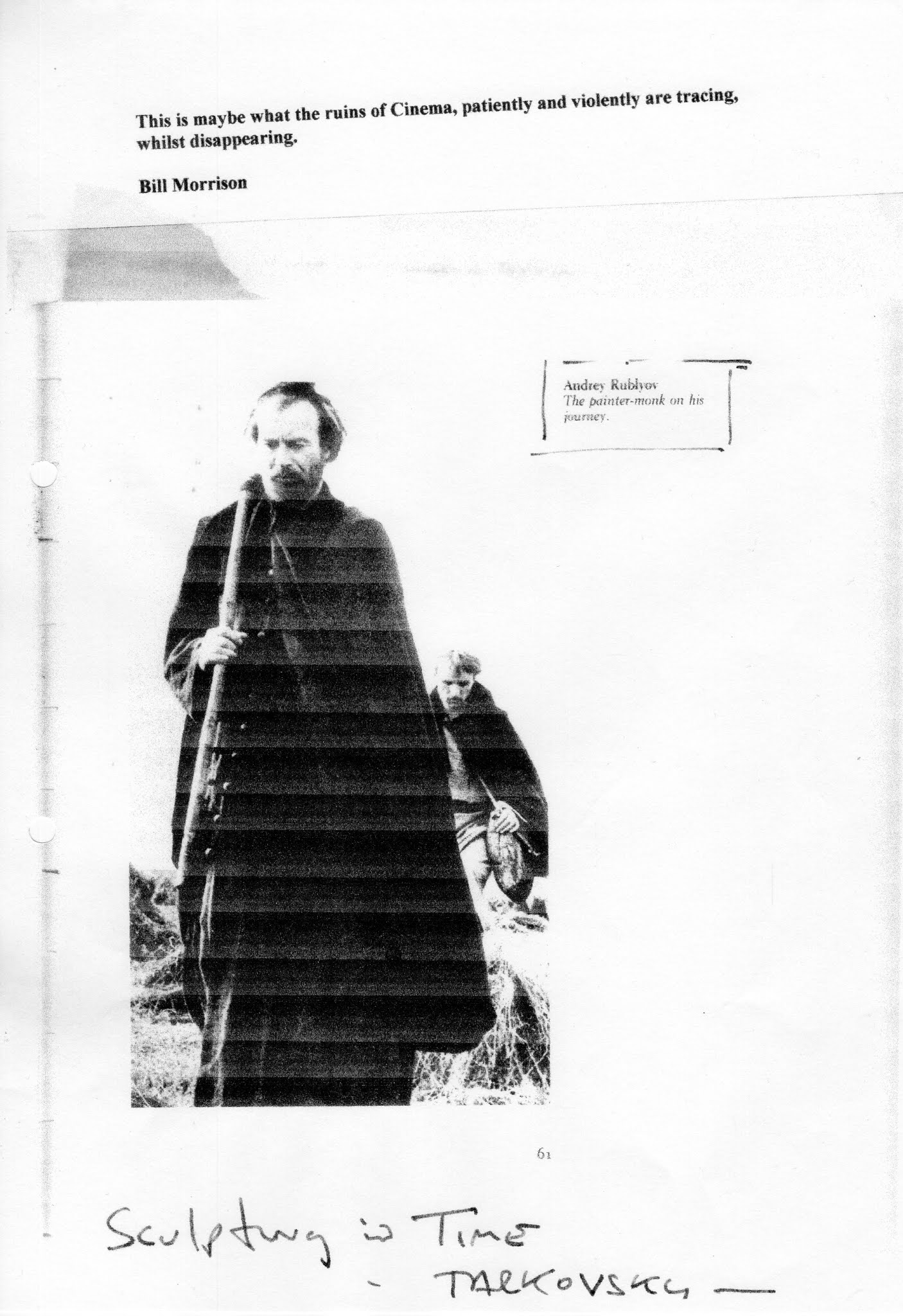
    Sculpting in Time:

    Land Drawings, Installations and Excavations:

    The Physical Self:

    Archaeology:

    Making:

    Politics of Rehearsal:

    Palimpsest usage by Historians as a description, of the way people experience time. That is as a layering of present experiences over faded pasts. The production of augmented realities brought about by the melding of layers of material place with virtual representations.

    Accumulated iterations of a design or site, evidence of the former use remains.

    A kind of forensic science used to describe objects/things placed over one another to establish the sequence of events of an accident or crime scene.

    The Concept of Palimpsest, a way of describing how generations alter the landscape.

    Heidegger. Jung. Archetypes. Pottery

    Architecture

    Building Practices

    The Everyday : The Jug.

    The Dwelling Place : The Bridge Mediators for spatial experiences.

    Libraries with research conduits for immersive and interactive cognitive mappings, allowing a praxis to enter the practicability of the everyday, a crafted philosophical inquiry, building new livelihoods.

    Colour

    Texture Surface Enclosures Voids

    Sample Materials

    Relationships through Localities/Mood Boards/Technical and Physical Details. Erasure  in  drawing  and  architectural  planning  (space  voids)  as  a  methodology  to superimpose multiplicities.

    Erasing : Kirosan Observatory, Anti-Object, Kengo Kuma. Multiplicities and Memory, Peter Zumthor.

    Learning  Spaces  as  a  performative  spatial  practice  through  a  process of tuning and minimising (Minimising, NO stage in the forest, Kego Kuma).

    NAVIGATION AND CRITICALITY THE READING ROOM

    ORGANISATION IN THE FIELD OF RUINS COMPONENTS, AGENTS AND ARCHIVES.

    Categories of Architecture as Categories of Perception. Architecture and Nature.

    Architecture as a reflecting/gathering of the phenomena of human nature/Nature.

    The exhibition and research relationships around the nature of things.

    The architecture provides a point of intersection between mass and its sublimation in imagery and thought, between immateriality and its reification. It allows apparent opposites to be seamlessly united – or parted again, at the whim of the weather god. (Building with Images, Herzog and De Meuron’s Library at Eberswalde)

    Robin Evans. Translations from Drawing to Building

    Figures, Doors and Passages

    Essays and Other Texts (AA Documents 2)

    The Social Condenser in Operation.

    Five figures and a stature distributed evenly in its isotropic space-a picture of the socialized as opposed to the sociable.

    Figures, Doors and Passages, Robin Evans. 1978 (Titled Image) Robin Evans (1944-1993) Historian of Architecture.

    His writings covered a wide range of concerns such as society’s role in the evolution and development of building types, together with interests on architectural representation, aspects of geometry and modes of projection. Evans always drew on first-hand experience from direct observation to arrive at his insights. These insights ‘open up the way for alternative constructions of everyday reality-a reality, an architecture, which bears the traces, albeit invisible, of its own provisional circumstances.’(Mostafavi,Mohsen, Paradoxes of the Ordinary. 1997)

    Peter Greenaway. Architecture and Allegory Gaston Bachelard. The Poetics of Space

    The Psychoanalysis of Fire

    Herzog and De Meuron. Natural History

    Eberswalde Library (is both a concrete cube and a

    pictorial skin)

    Western Culture ‘Is a culture of blending and mixing substances until they are unrecognisable producing products fated to harden into a useless degenerative state in a dump or depot.’

    Alchemy of Building using Images (Eberswalde Library).

    Herzog and De Meuron have a sensitivity to irreversible, entropic processes.

    Since the 1980s Herzog and De Meuron have been actively working with an art praxis that has positively saturated some of the outer skins of their buildings with images. Herzog himself acknowledge that it is impossible for him to be able to art and architecture at the same time, and he comments that ‘there is no longer any need to express himself other than in architectural terms. ’

    Beauty and Atmosphere/ Science and Art in Motion.

    Dialogues of built works between sites of collection/classification and construction. Building on the threshold of tensions (human fabrications/craft and social interactions) between the material and the metaphysical, between evanescence and substance and illusion and specificity.

    Much of Herzog and De Meuron’s practice has focused on museums and libraries, or represented other transformative ventures around winemaking and medicine.

    Tony Fretton. The Architecture of the Unconscious Collective

    Abstraction and Familiarity Buildings and Their Territories

    The Lisson Gallery, London. 1991

    This was a building that had more in common with the sculpture of Donald Judd and Dan Graham than with any known architectural tendency. Like that work , it is presented less as an object demanding scrutiny in its own right and rather as an instrument (Observatory, Kengo Kuma) that directs the viewers attention to their relationship with the wider world, (bdonline.co.uk, Tony Fretton’s Fuglsang Art Museum 2008/Ellis Woodman)

    Library as a ‘type’ of spatial classification (architectonics) through visual vocabularies and working practices.

    Derrida. GLAS

    This ‘Anti-Book’ (see also Anti-Object, Kengo Kuma) stages a kind of linguistic battle between philosophy and literature as it creates playful interrogations/situations around the methodology of reading. Derrida cites and grafts from the works of Hegel and Jean Genet. The physical qualities of the book are arranged in such a way as to make it read like a collage open for subjective and subversive interpretations. Its boundaries and borders, paragraphs and spacings are constantly becoming merged as a fugitive entity. In fact GLAS has an excess of boundaries (The Postmodern) that seek to divide it up inside itself (Deconstruct). Its fragments (What Remains from its reading) offer multiple beginnings and endings (or maybe Openings and Conclusions, see Lefebvre).

    Kate Whiteford. Land Drawings, Installations, Excavations (Fictional Archaeologies)

    Colin Renfrew. Remote Sensing (Subtle Transpositions between media)

    The whole landscape is a palimpsest of human activities: lines (See also Ingold) which experience has etched on the ageing face of the past. Landscape history. Where does history stop and art begin?

    Peter Zumthor. Multiplicity and Memory

    Thinking Architecture Atmospheres
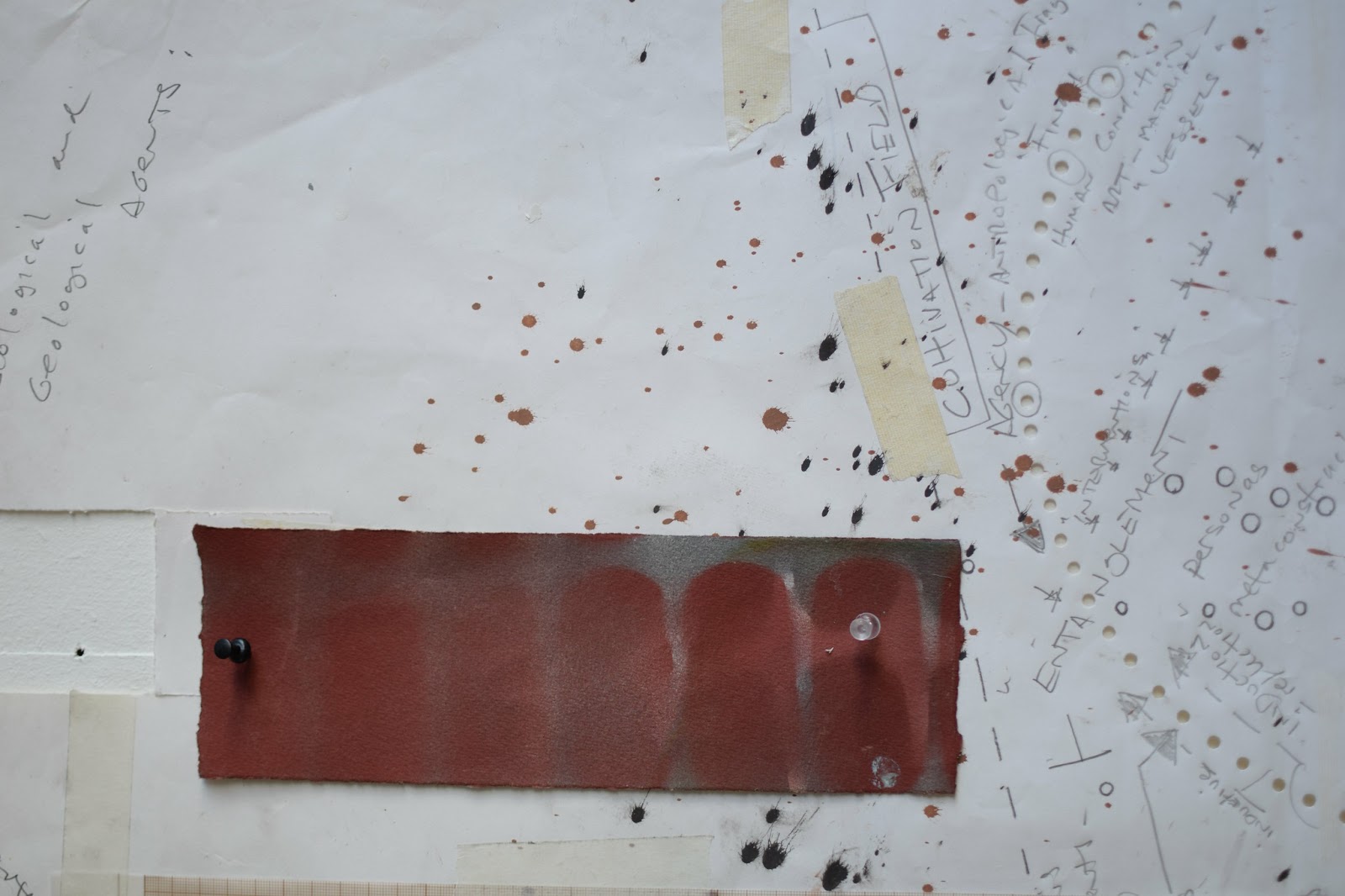
    Heidegger for Architects

    Juhani Pallasmaa. The Eyes of The Skin

    Identity, Intimacy, Domicile, the phenomenology of home. The Thinking Hand


    Source: The Waverley Project : Working Notes: 2014 Exploratory Project MA Interior Design

  • Bioscleave/Blue Particle Cloud/Diagram.


    ARCHITECTURAL Body
    An ORGANISM that PERSONS
    Gins and Arakawa 2002
    Although the human condition is a crisis condition if ever there was one, few individuals and societies act with the dispatch a state of emergency requires. The fact that the human condition is a crises condition gets routinely covered up, with culture invariably functioning to obscure how dire the condition is and to float it as bearable
    If organisms form themselves as persons by uptaking the environment, then they involve not only bodies but domains, spheres of activity and influence
    Start by thinking of architecture as a tentative constructing toward a holding in place. Architecture’s holding in place occurs within and as part of a prevailing atmospheric condition that others routinely call biosphere but which we, feeling the need to stress its dynamic nature, have renamed bioscleave
    Procedural Architure/Architectural Body
    Gins and Arakawa
    The role of architecture as a tool for researching the body-environment towards the implementation of these considerations is paramount
    The goal of an experimental teaching and learning space based on architectural procedures would be that the process of design and construction would allow students/staff to rethink, re-imagine and enact the curriculum
    An Arakawa and Gins Experimental Teaching Space/A Feasibility Study 2013
    Jondi Keane
    An Architecture of Viability
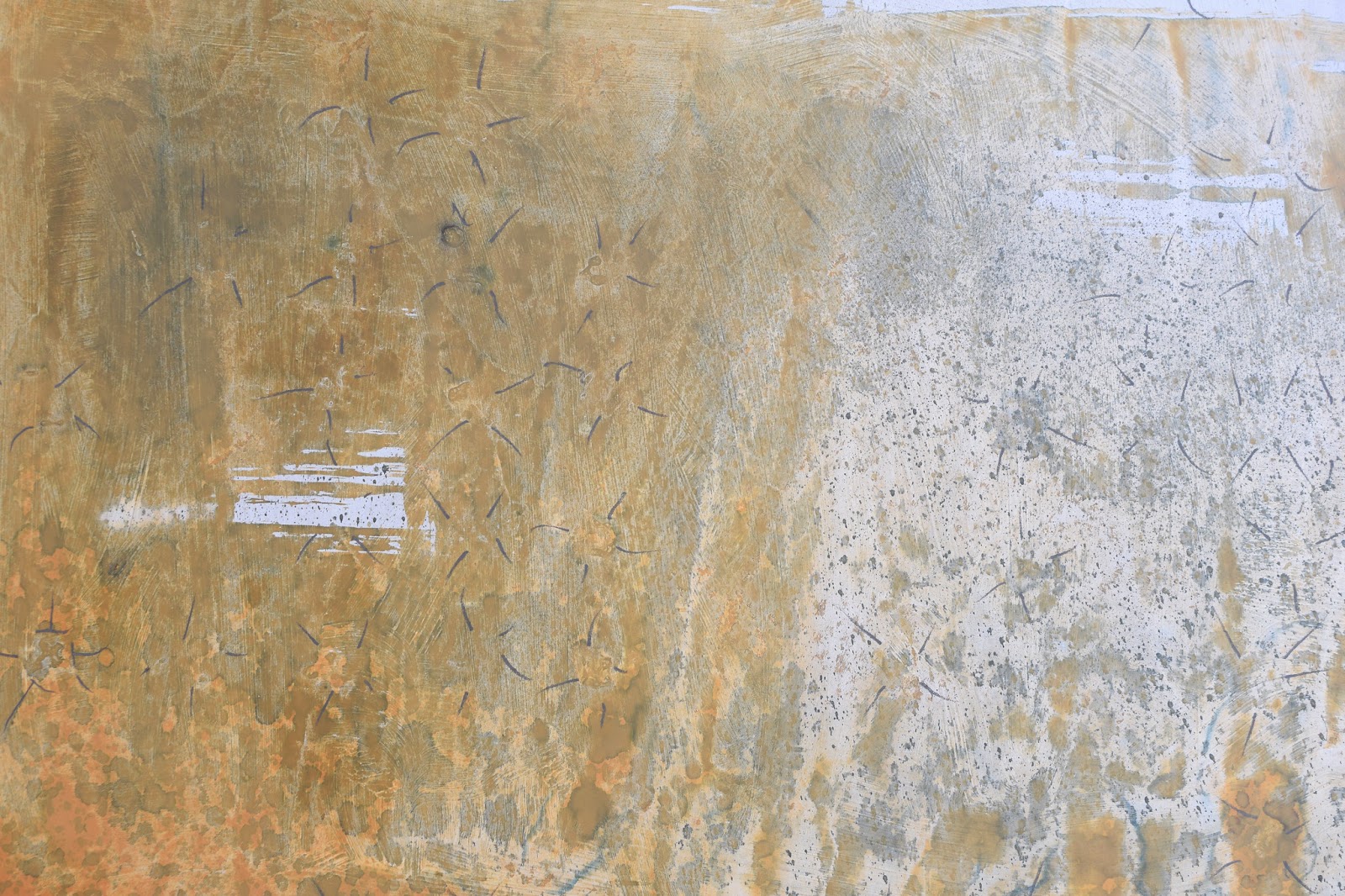
    To help to sustain one throughout life/ to stay tentative
    Bioscleave House as an inter-active laboratory of everyday life
    Wayfinding (unpacking discourse/meaning) through Landing Sites and Architectural Bodies
    What is the metachallenge that bioscleave demands of us? Is it, I propose, wayfinding, a wayfinding defined at many scales from finding one’s way as a person to finding one’s way in a strange physical or social environment
    Exploring the Roles of Trajectoriness, Affectivatoriness, and Imaging Along 2013
    Reuben M. Baron
    Figure/Ground : Double Occupations of Discourses and Events (relationships/co-existances)
    So as a diagram (performative agent), the figure/ground does not function to represent even something real. But rather constructs a real that is yet to come (theoretical object/apparatus) as a new type of reality
    Situated Field/Constructed Site of People, Institutions, Apparatuses, Events, Discourses
    We see intraventions as heuristic devices, as apparatuses that are imbued with a will to transform.
    The intravention is not autonomous but contingent and relational and dependent on many other things
    The intravention is made as it happens, and it makes us at the same time
    Immediate Architectural Interventions, Durations and Effects
    Oren Lieberman, Alberto Altes
    AEffect initiating Heuristic Life
    Procedural architecture, developed in both their written and buillt discourse, providing a process by which to connect theory to practice, disciplinary inquiry to knowledge and art to life
    Research should be conducted , not in a library or laboratory but where living happens, enabling the complexity of relationships to be studied within and across the organism-person-environment
    Jondi Keane
    Carnal Knowledge
    Towards a New Materialism through the Arts
    Estelle Barrett, Barbara Bolt
    To provide observational heuristic devices so that persons may devise transformational and reconfigurative opportunities
    Heuristic tools whether built hypothesis or discursive sequences, are of no use if they do not provide a way forward, a way of learning
    This house is a tool, a procedural one
    A functional tool, whether it be a hammer, a telephone, or a telescope, extends the senses, but a procedural tool examines and reorders the sensorium
    Interlude : Cornering a Beginning
    An object becomes the threshold for thinking feeling
    Relationscapes : Movement, Art, Philosopy
    Erin Manning
    Born into a new territory, and that territory is myself as organism. There is no place to go but here. Each organism that persons finds the new territory that is itself, and having found it, adjusts it
    Ellipsis,(gaps in everyday narratives)
    The Construction of Representation of Identity
    Using their bodies and immediate surroundings and environment as both subject and context
    An Organism-Person-Environment
    You cannot see me from where I look at myself
    Francesca Woodman
    An organism-person-environment has given birth to an organism-person-environment
    Bioscleave
    Chaos, Territory, Art
    Deleuze and the framing of the earth
    Elizabeth Grosz
    Body, Personal Relations, Spatial Values
    Upright Human Body : Space and Time
    Yi Fu Tuan
    Figuring It Out
    The Parallel Visions of Artists and Archaeologists
    Colin Renfrew
    The act of relating is analysed as a constitutive feature of human agency. Relating is viewed as the continuous work of connecting and disconnecting in a fluctuating network of existential events
    Categories and things may make it easier for us to grasp reality but they also hide its underlying complexities
    Relationality 2005
    Robert Cooper


    Source: Bioscleave/Blue Particle Cloud/Diagram.

  • Raveningham : Exploring the aesthetic ecology of things

    Collected Notes : Raveningham Sculpture Trail 2020
    Studio Blackboard
    ODYSSEY Aesthetic Intervals/Timbre/Traces
    Immateriality/Temporal/Transitions material and movement/Human agency
    A Species of Spaces
    Construction/Making/Collage
    Forming, slowness and repetition, elements of painting
    Assemblage, sensation, surface, objects and spaces between them gathered/thresholds
    Sheltering/Weathered/ Exploring a fragility of a painting in the landscape
    Robert Mangold, Paintings and Architectural Forms
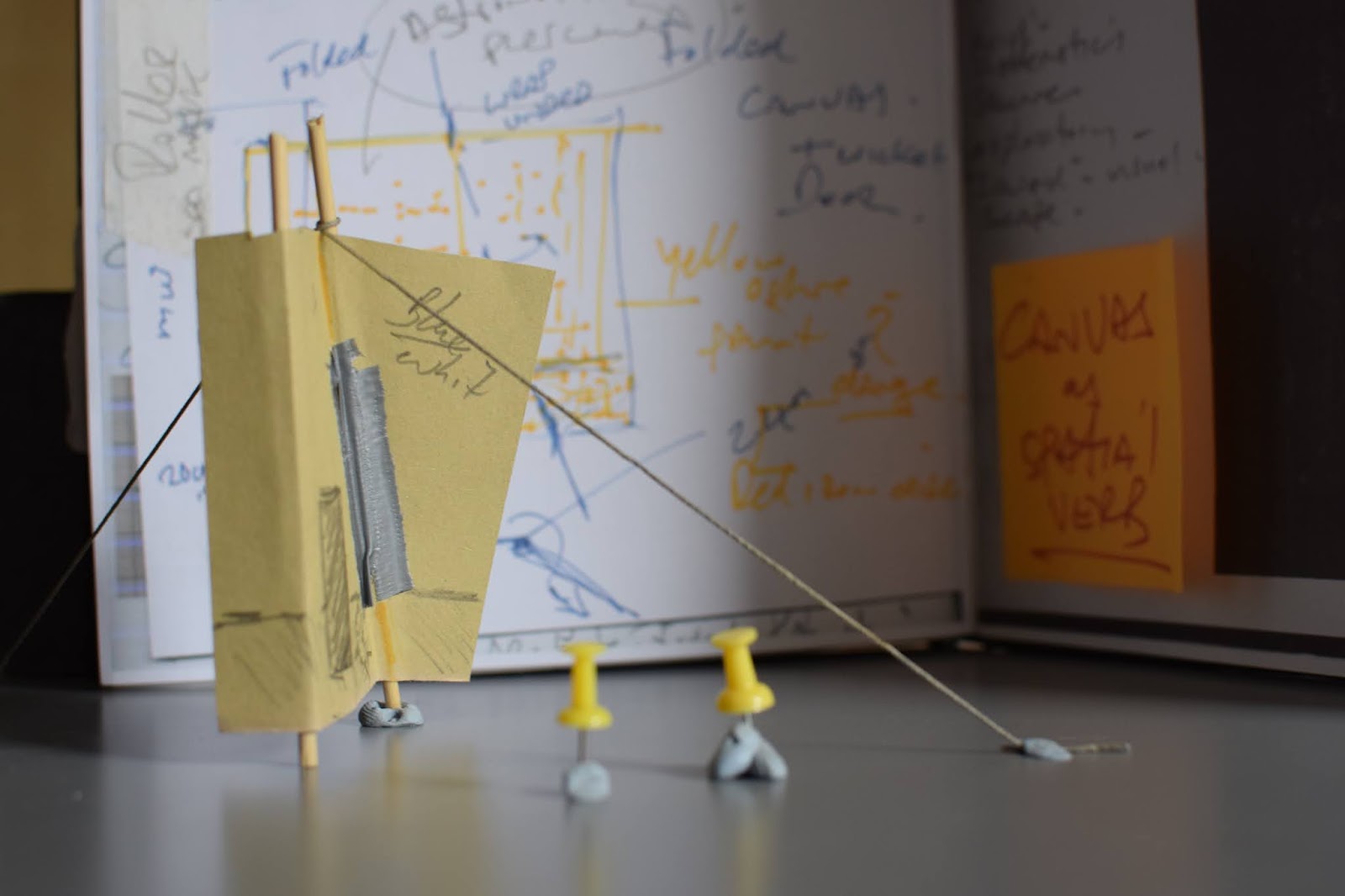
    Fragments from sketchbooks
    Ephemeral Architecture
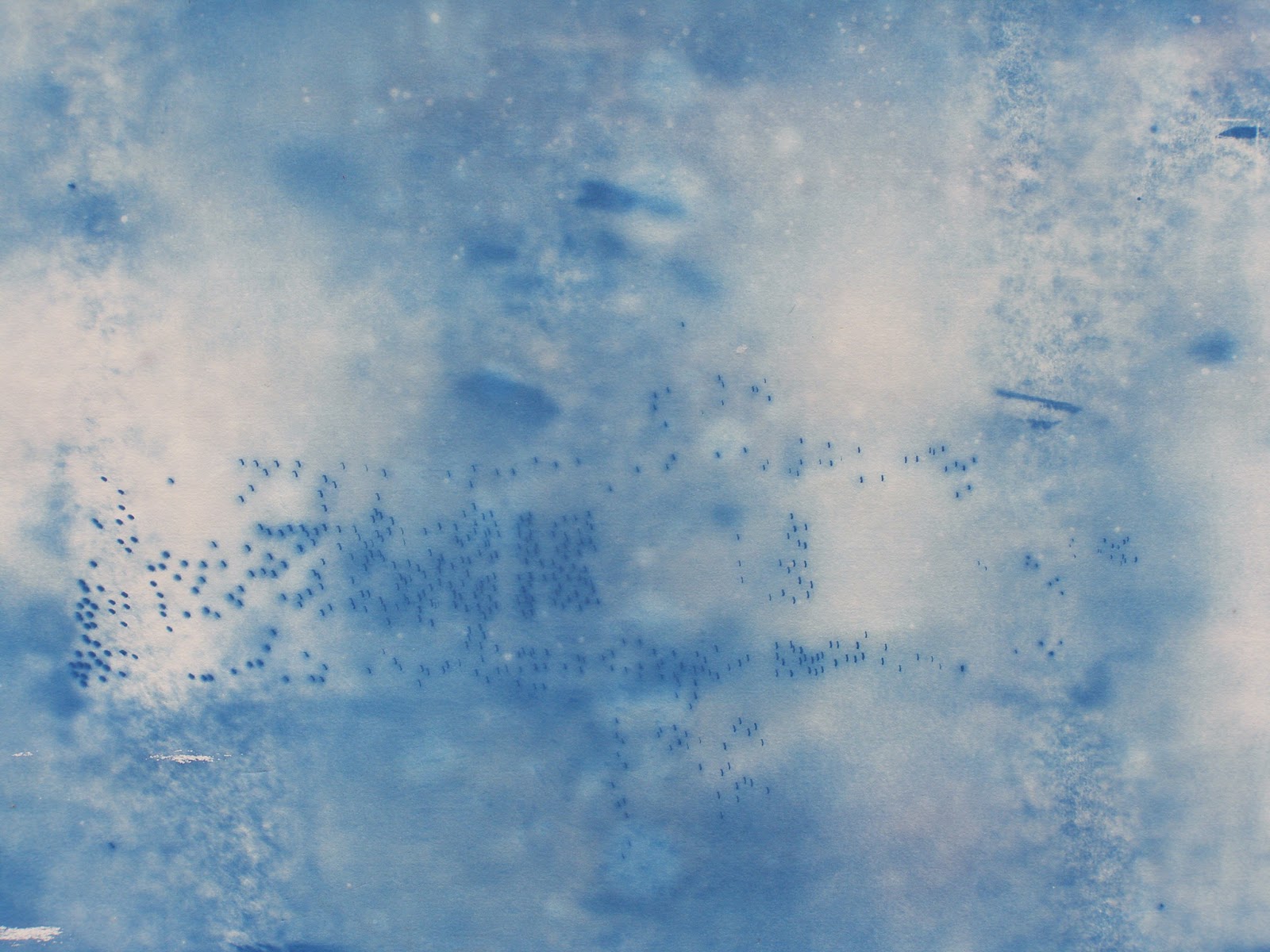
    Canvas as spatial verb
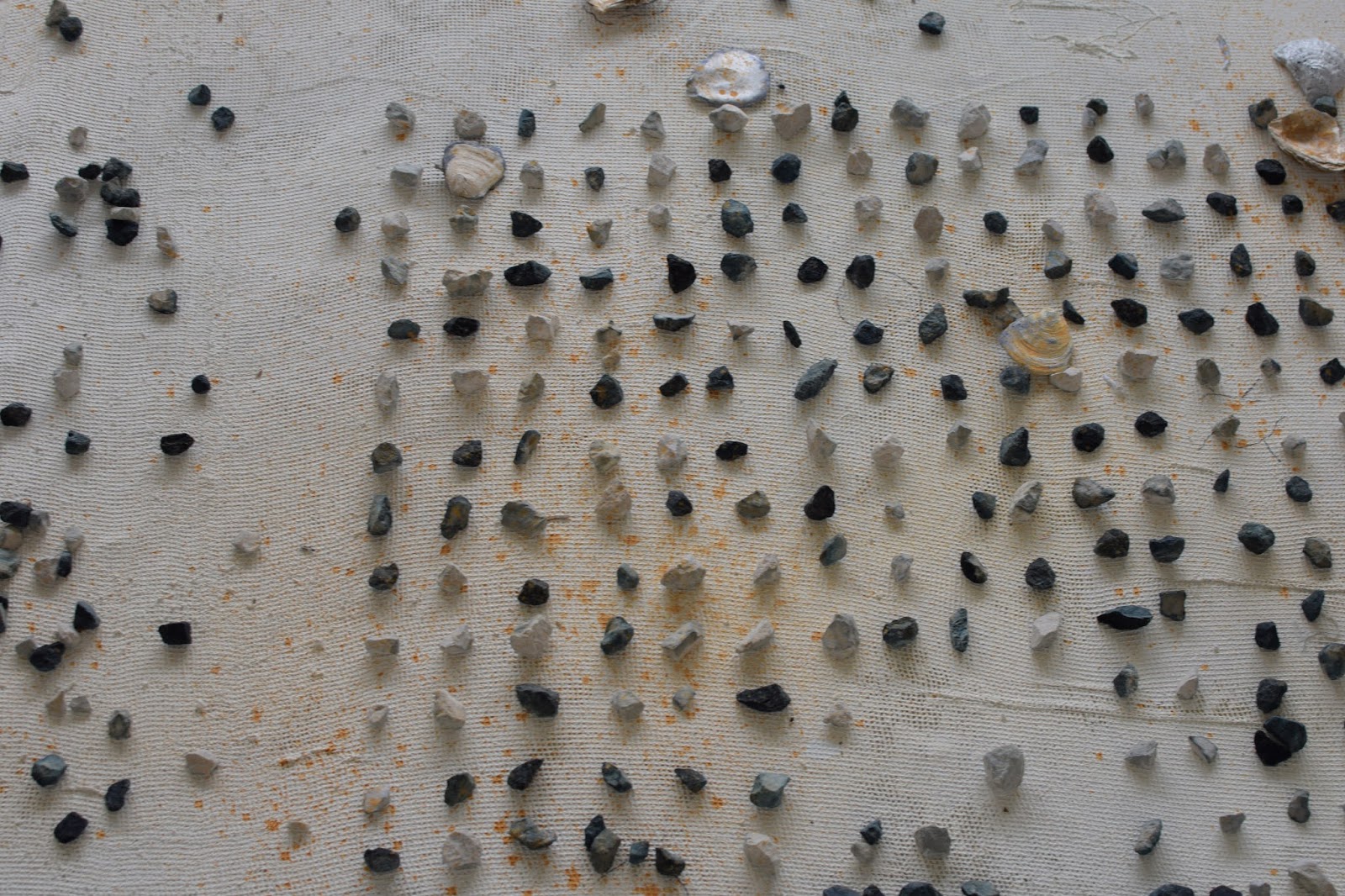
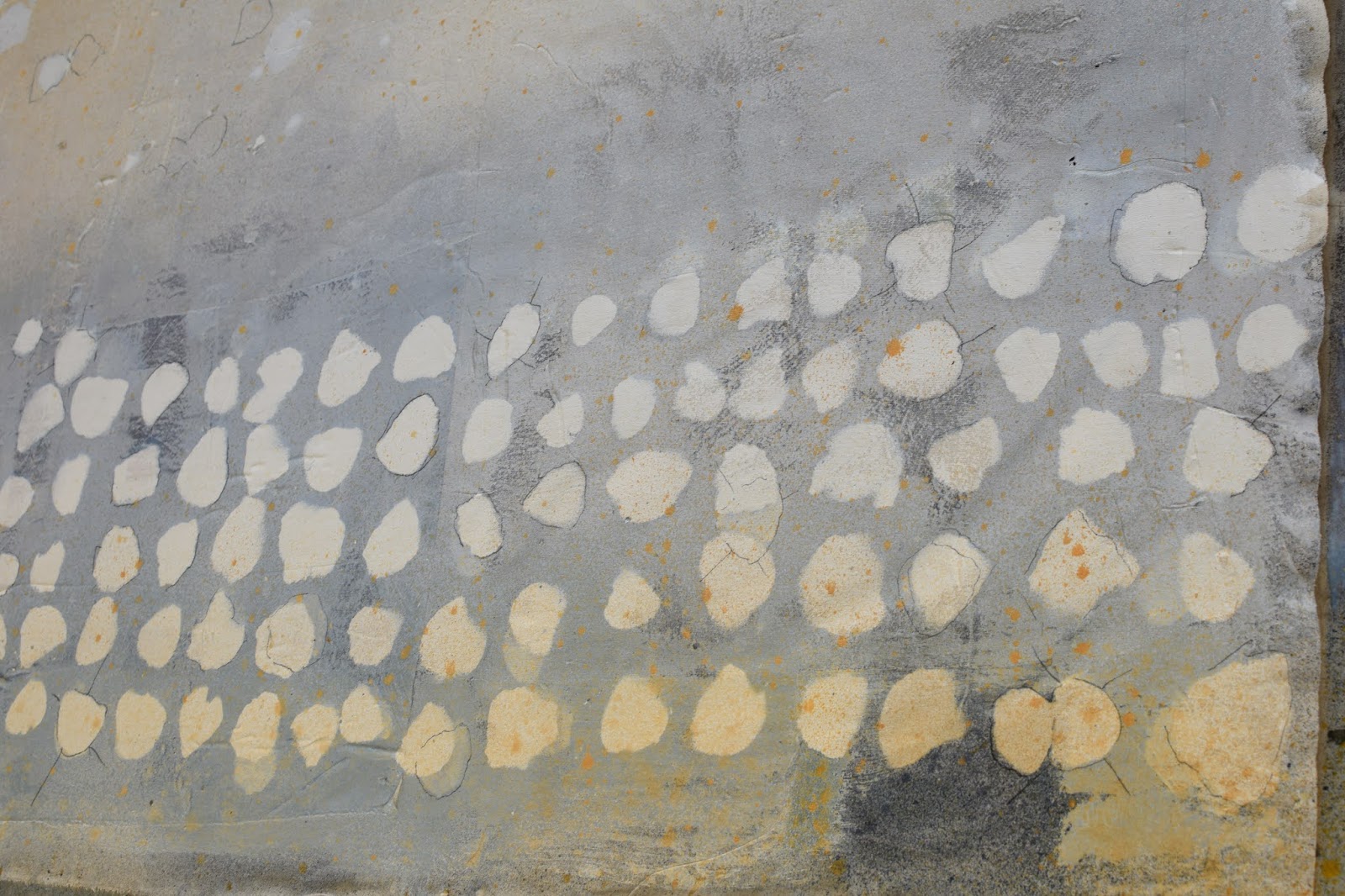
    Yellow Ochre, Molochite, Gesso, Canvas, Paper, Textiles,Wood, Lead, Nails
    Canvas as folded construction/shelter/place
    Operative Design, A Catologue of Spatial Verbs
    Georg Simmel, text Frames, Handles, Landscapes and the aesthetic ecology of things


    Source: Raveningham : Exploring the aesthetic ecology of things

  • Discursive Documents : Enchantment/Somantic Affects/Assemblage

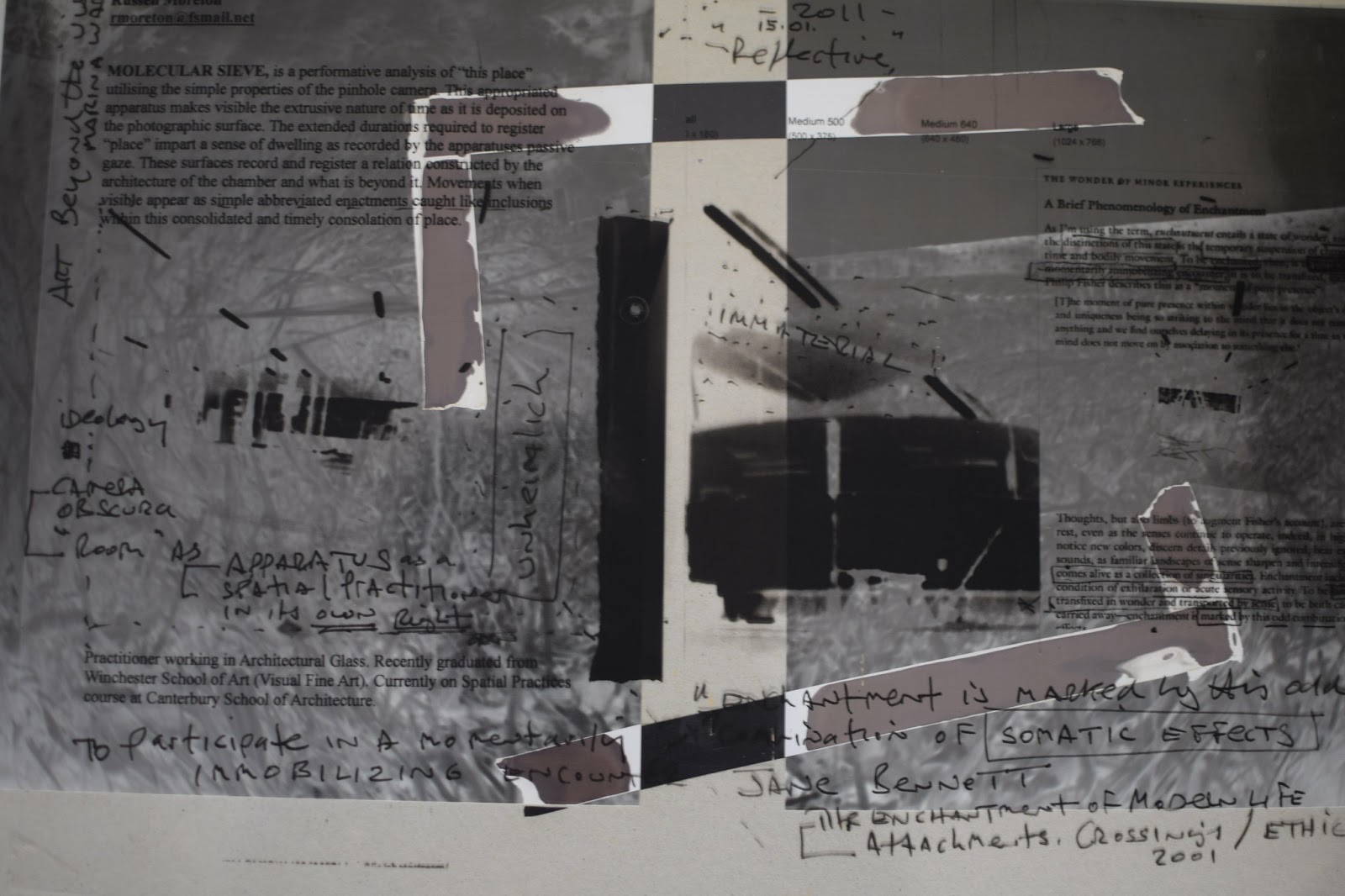
    DSC_8759 Discursive Documents : Enchantment/Somantic Affects, Jane Bennett Assemblage : Aesthetic Convergence Cultivation Field/Vibrant Matter Becoming complicit with materials Realist Magic, Objects, Ontology, Causality. Timothy Morton. 2013 Matter and Desire, an erotic ecology. Andreas Weber. 2017 Vibrant Matter, a political ecology of things. Jane Bennett. 2010 Therese Oulton Paintings and new digital prints Lines of Flight. 2006 Being Alive Essays on Movement, Knowledge and Description Tim Ingold. 2011 MAKING vibrant gaps/assemblages between the texts/images/objects and everyday things LANDSCAPES OF AFFECTIVE AESTHETIC ATTRACTION MATERIALS THEMSELVES become the TOOLS of PERCEPTION Enchantment from the potential of things. The Fabric of thoughts The invisible within the visible (energy,magic,causality) RELATEDNESS, connected to the Place and Function of Things within a Field. Texts, form their own contexts/reflexivity, breaking down phenomena into meaning, conclusions and critique, they render phenomena and its psychic information redundant. We think we know how we should feel sociologically, yet in doing so we deny ourselves the direct affectiveness of people and objects that can provide different perceptual relationships. EMBODIED KNOWLEDGE=ECOLOGY Lygia Clark : A Space open to time. Cornelia H. Butler The World is a Collage Collage and montage are quintessential techniques in modern and contemporary art and filmmaking. Collage combines pictorial motifs and fragments from disconnected origins into a new synthetic entity which casts new roles and meanings to the parts. It suggests new narratives, dialogues, juxtapositions and temporal durations. Its elements lead double-lives; the collaged ingredients are suspended between their originary essences and the new roles assigned to them by the poetic ensemble. Juhani Pallasmaa Hapticity and Time Notes on a fragile Architecture The Perception of the Environment Essay in Livelihood, dwelling and skill Tim Ingold See Yourself Sensing Redefining Human Perception Madeline Schwartzman STILLNESS IN A MOBILE WORLD Bissell, Fuller
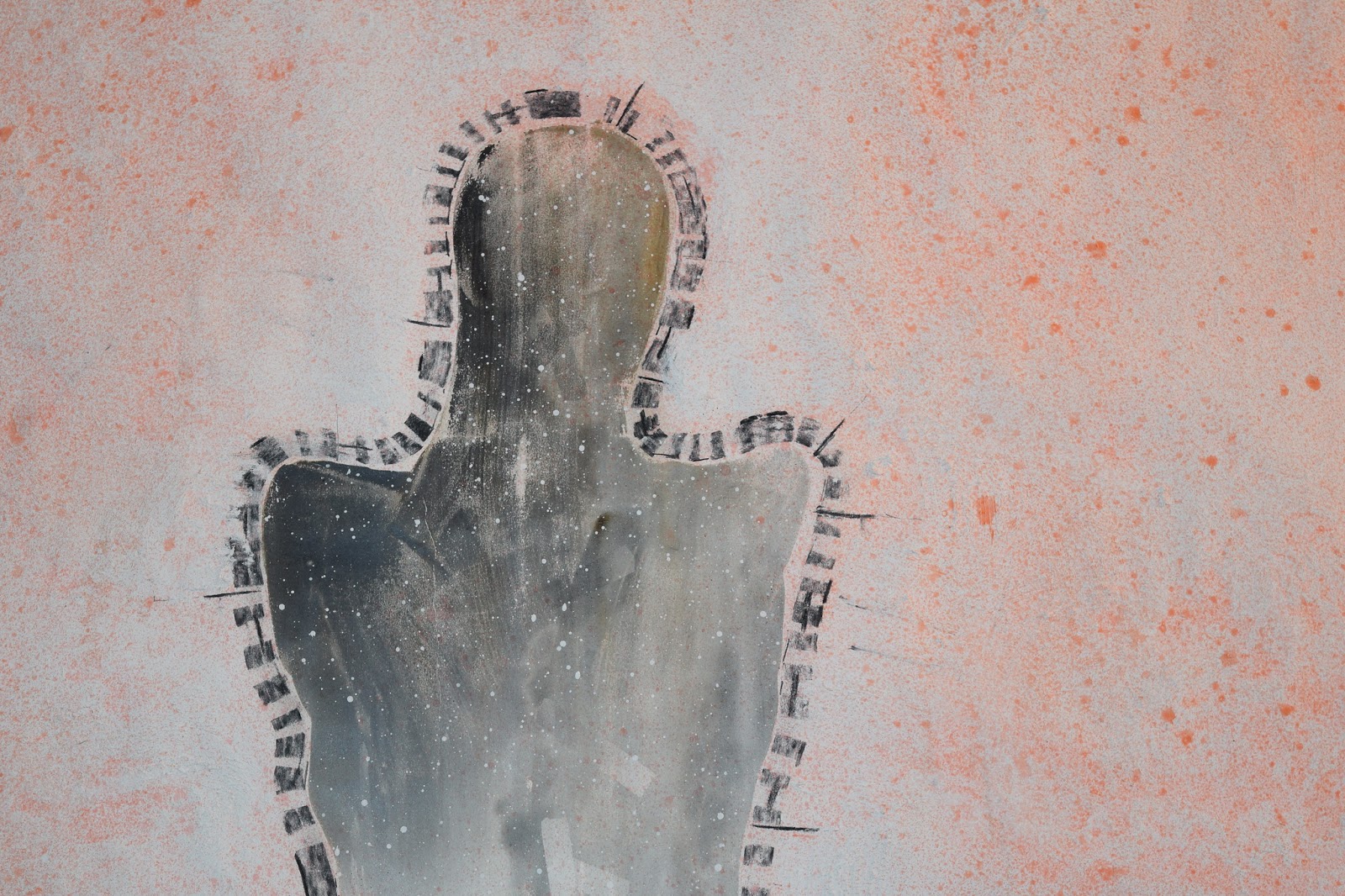
     

    Source: Discursive Documents : Enchantment/Somantic Affects/Assemblage

  • Ecological approaches/affordances to aesthetic perception

    When I gather together the animals, arguments, molecules, suggestions, forces, interpretations, sounds, people, and images of this study, one theme emerges. The modern story of disenchantment leaves out important things, and it neglects crucial sources of ethical generosity in doing so. Without modes of enchantment, we might not have the energy and inspiration to enact ecological projects, or to contest ugly and unjust modes of commercialization, or to respond generously to humans and nonhumans that challenge our settled identities. These enchantments are already in and around us.
    Jane Bennett
    Be not inhospitable to strangers
    lest they be angels in disguise
    Jackie Leven, The Dent In The Fender And The Wheel Of Fate
    David Childers, Heart In My Soul


    Source: Ecological approaches/affordances to aesthetic perception

  • Espace-Milieu : Painting as Environment

     Aerial
     Social Mappings. Winchester Cathedral :
     Space for Peace 2011.
    Crafting the mind : Human Inhumation/Containment
    Julian Stair
    Quietus/The Body Politic
    Morality
    Jonathan Sacks
    Co-Existing with the Virus
    Jozef Van Wissem
    Grand Central Confessional
    Nature Boy
    He said that in the end it is beauty
    That is going to save the world, now
    Nick Cave and The Bad Seeds


    Source: Espace-Milieu : Painting as Environment

  • Melancholy Landscapes : The Plague/Vermilion Sands

    Film Collages, hybrid processes and temporal states
    Liminality : Literature/Philosophy/Visual Art

    Landscapes : entering/intruding/emerging (holga819)
    Existential Gestures : Looking away from the sea
    Ballard : Vermilion Sands  :  Speculative Fields/Spatial Practices

    Albert Camus : The Plague, 1947. (Penguin Fiction)

    The townspeople of Oran are in the grip of a virulent plague.

    Cut off from the rest of the world, living in fear, they each respond in their own way to the grim challenge of the deadly bacillus. Among them is Dr Rieux, a humanitarian and healer, and it is through his eyes that that we witness the devastating course of the epidemic.

    Written in 1947, just after the Nazi occupation of France, Camus’s magnificent novel is also a story of courage and determination against the arbitrariness and seeming absurdity of human existence.

    ‘Camus represents a particularly modern type of temperament, a mystic soul in a Godless universe, thirsty for the absolute, forever rebellious against the essential injustice of the human condition’
    Shusha Guppy, Sunday Times


    Source: Melancholy Landscapes : The Plague/Vermilion Sands