Russell Moreton : Matter(s) in Correspondence

Spatial practices of clay, ceramic, drawing, bodies, places and making.

Spatial Practice

Architecture, sites, spatial situations, bodies, inhabitation, installations, spatial propositions.

Ceramic Bodies

Clay, ceramic sculpture, vessels, apertures, surfaces, firing, ceramic interiors, ceramic atmospheres.

Drawing / Image

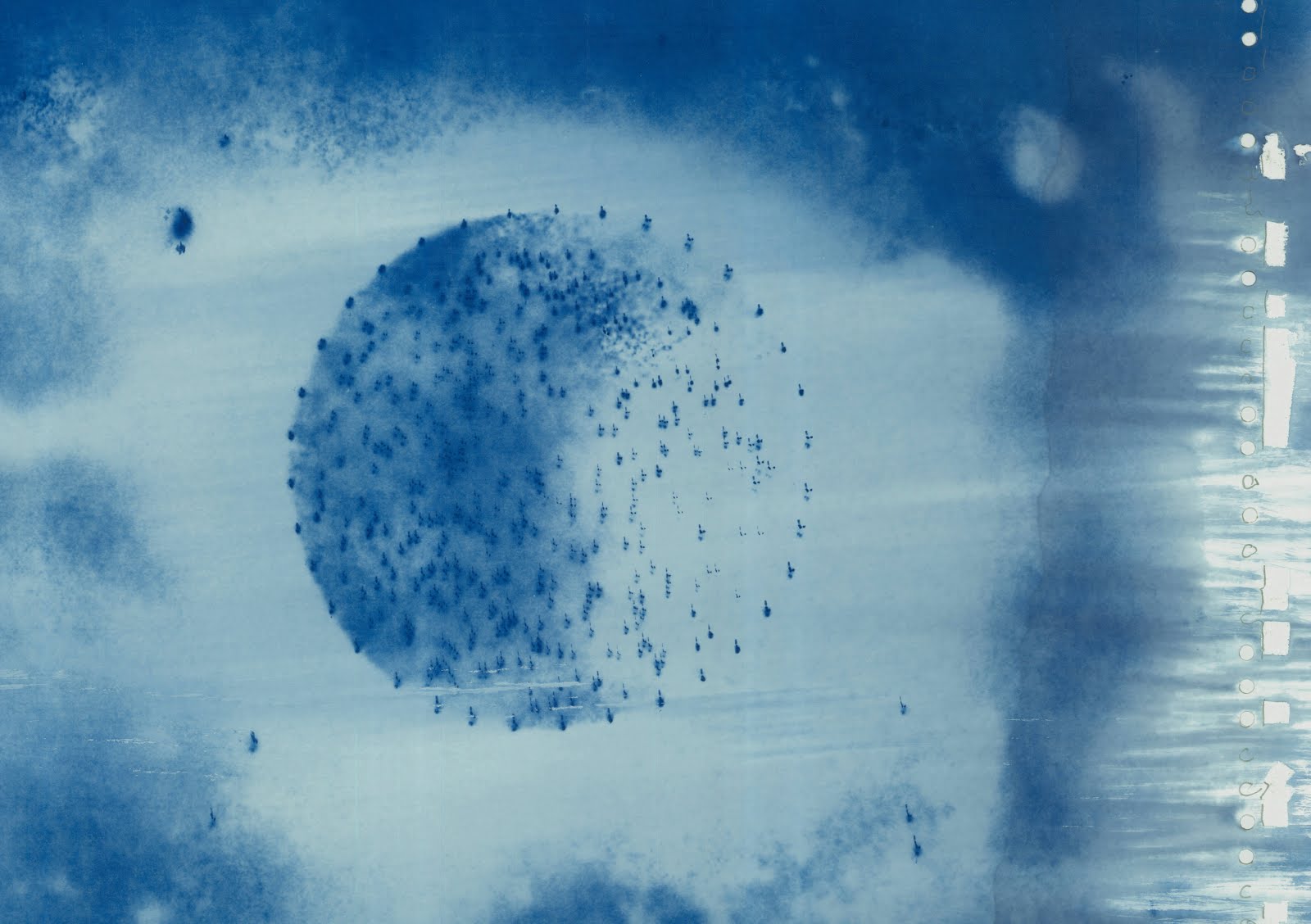
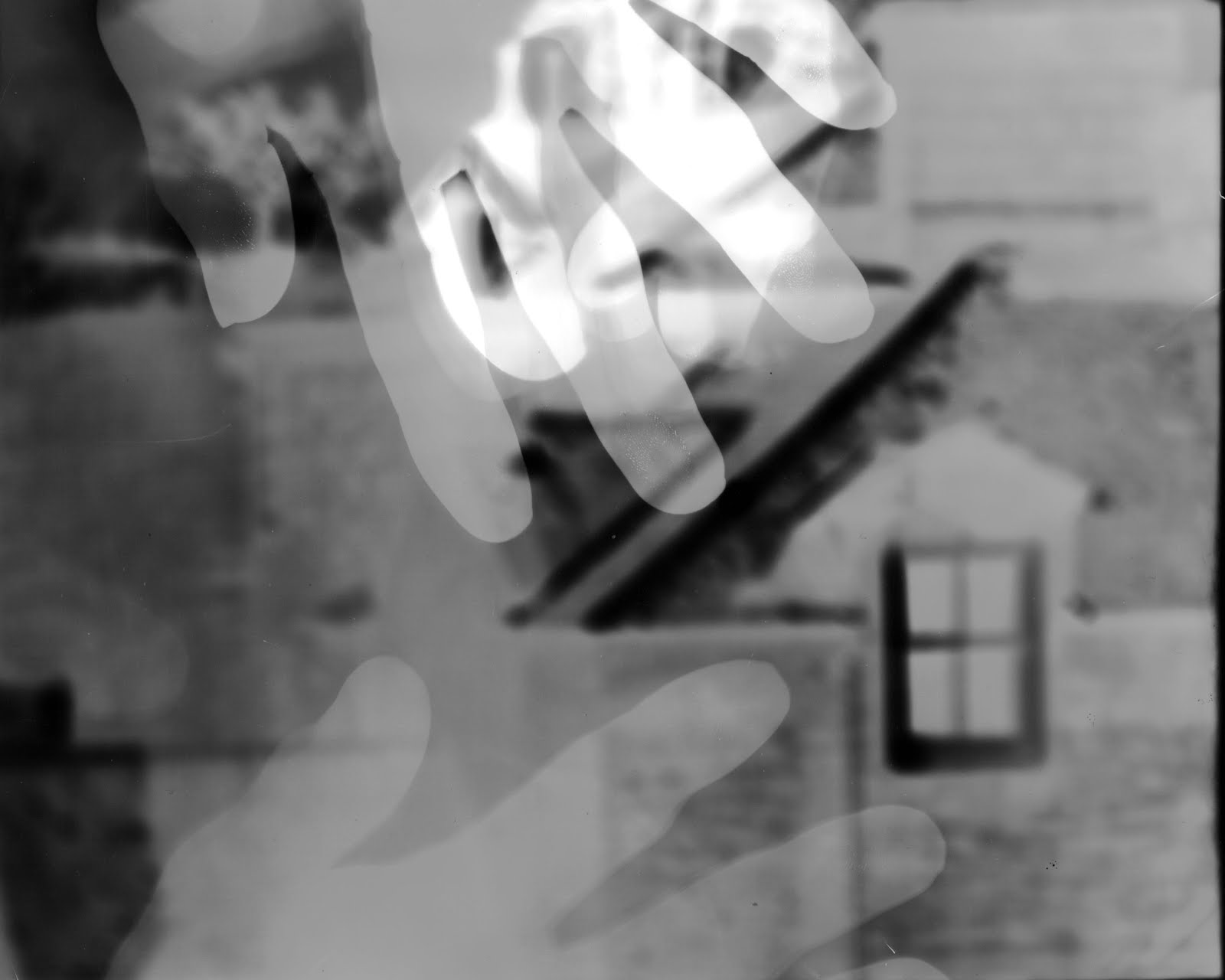
Drawing, cyanotype, photography, diagram, mapping, collage, visual experiments.

Interiority / Atmosphere

Bachelard, refuge, reverie, innerness, thresholds, chambers, light, shadow, atmosphere, sensing.

Making / Materiality

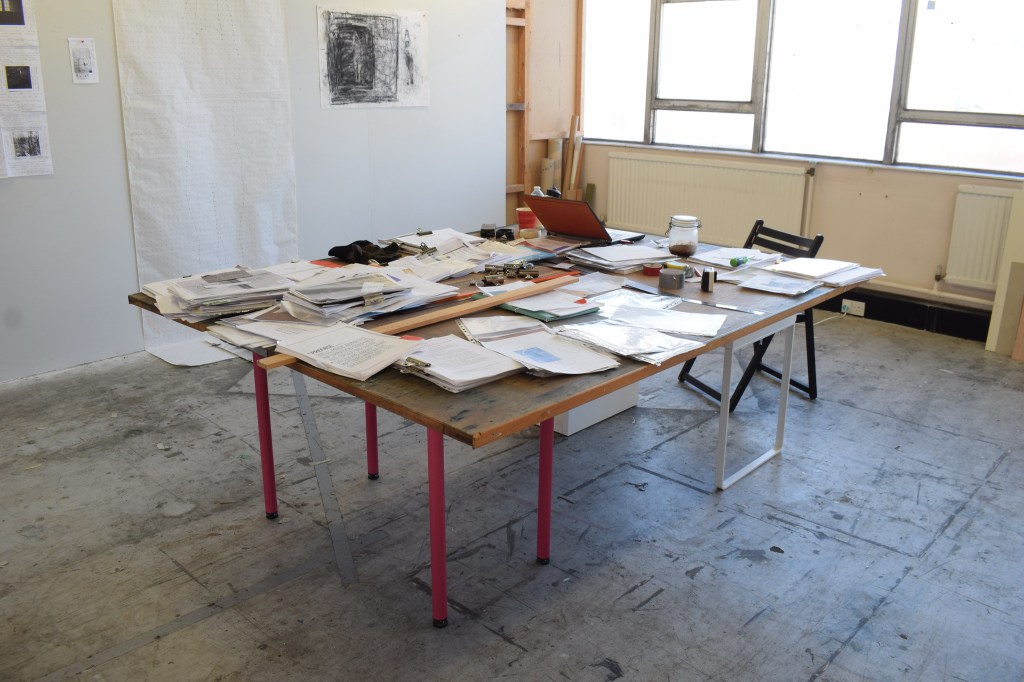
Studio practice, making, material resistance, gesture, process, firing, construction, surface, force.

Research / Working Texts

Reading, theoretical writing, notes, research propositions, older texts being re-entered, speculative learning.

Curriculum Making : The Enactment of Dwelling in Places.


Re-entering / 2026 — Dwelling is no longer simply inhabiting a place. It becomes a way of learning through the material relations of body, surface, space and movement.

This is worth keeping as an ancestral chamber in the archive. The newer work can now read its “dwelling” less as a theory of habitation and more as a material condition of correspondence: bodies, clay, architecture and place learning through their encounters.


What shall I do next?

Tim Ingold

Re-registering Overlapping Spaces

Spatial Practices.
UCA Canterbury.
A diffractive methodology is a knowledge-making process.
Liminality/Glass/Display/Presentation.
How things work in art museums.
Creative processes of presentation, a spatiality for narratives that can navigate the spaces between objects
What shall I do next?
Tim Ingold
Reading Matter/Rooms.
The Lake of The Mind.
Stochastic Thinking.
Steven Holl.
Raveningham : Site-specific project place
The Garden of Ongoing Differences.
Diffraction/Energy/Analysis/Attunement
Public intimacies, personal dialogues in social spaces.
‘Blocking In’ of a private studio space of creative inquiry into the public realm as a permeable intervention.
Curriculum Making.
The Enactment of Dwelling in Places.
An Ontology of Dwelling.
The dwelling ontology we want to describe rejects any possibility of living in the world through mental schemas of the world, and insists that the material-relational world is the only world in which we live, the only source of our capacities to communicate and learn, the only world in which our activities take effect, and the only world in which meaning inheres.
Greg Mannion, Hamish Ross.
Tim Ingold is an anthropologist who has looked at the interface between people and the environment. In The Perception of the Environment, he argues that ecological psychology and the philosophical writings of Heidegger and Merleau-Ponty share the view that the world becomes  meaningful through active inhabitation, or ‘dwelling’, rather than cognitive representation.
Exploratory Ceramic/Spatial Practice
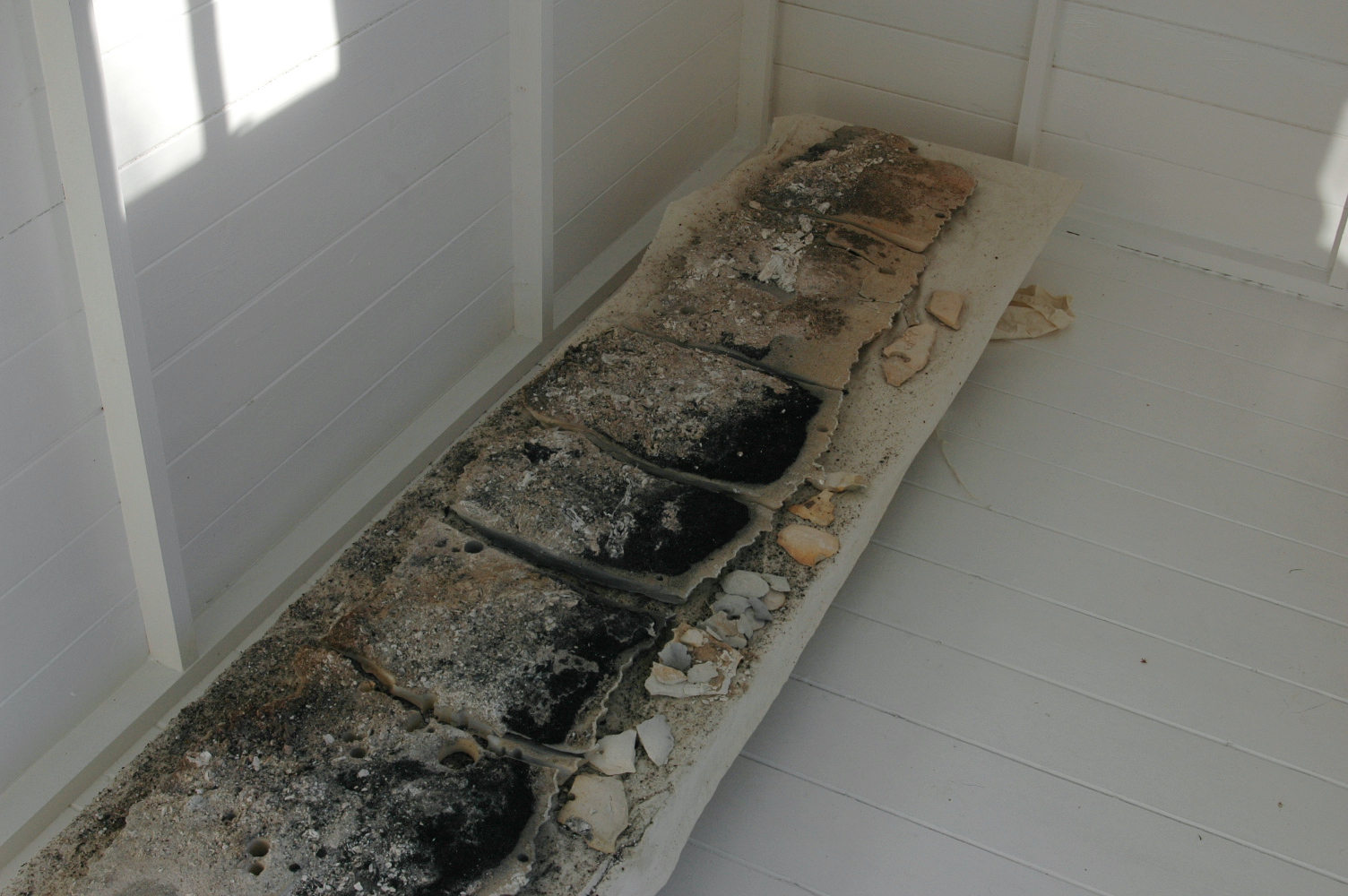
Slab Built Ceramics.
Ferini Gallery 2023.
‘ Splitting ‘ constructions after Gordon Matta-Clarke.
Terracotta and Oxides/Glaze.
Intermediaries/Making
Capacitances.
Vessels for relationships between movements.
Space/Surface/Volume
Spatial Agency/Enactments of Organism-Person-Environment.
Gins and Arakawa.
Physical Models
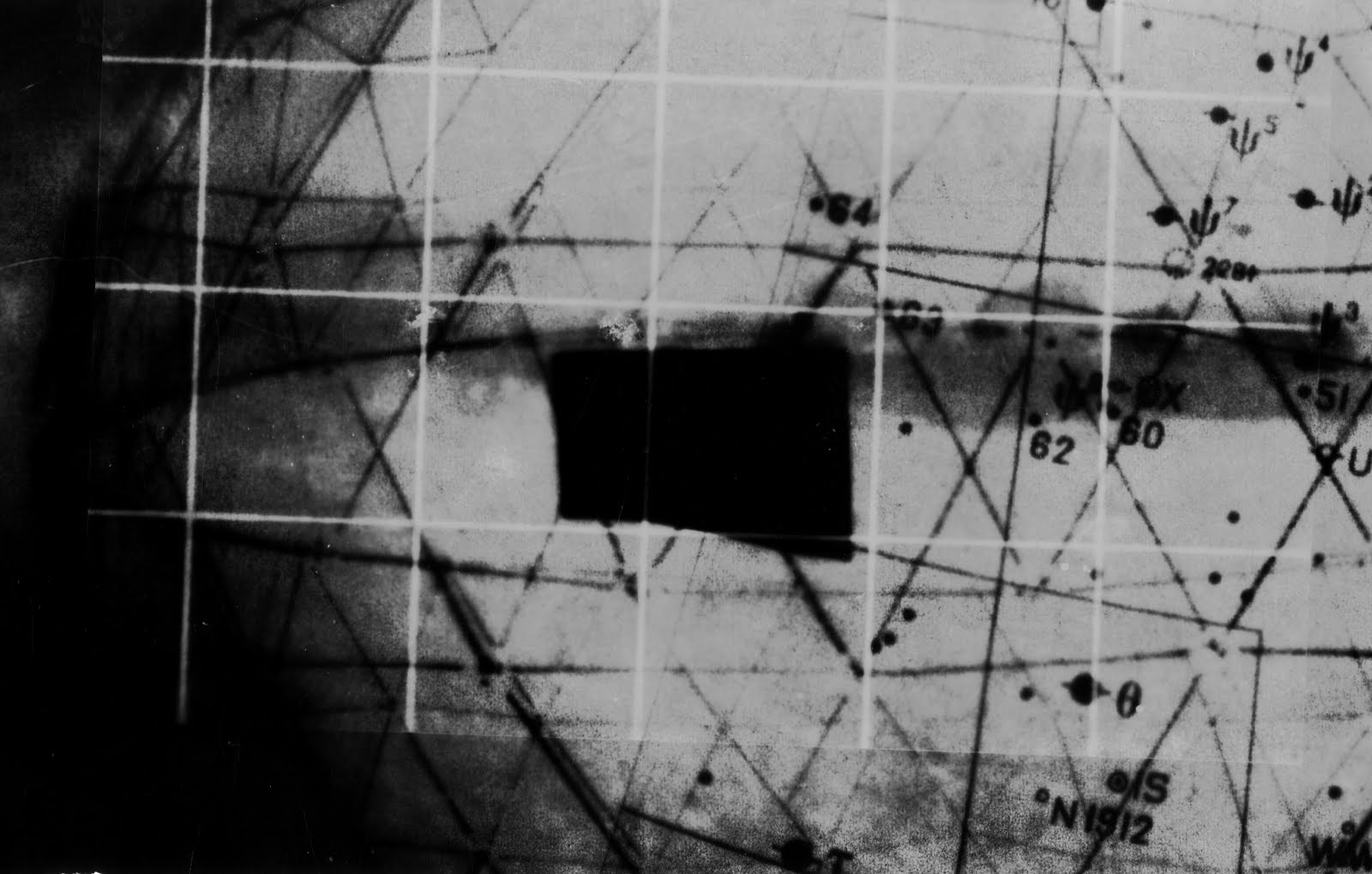
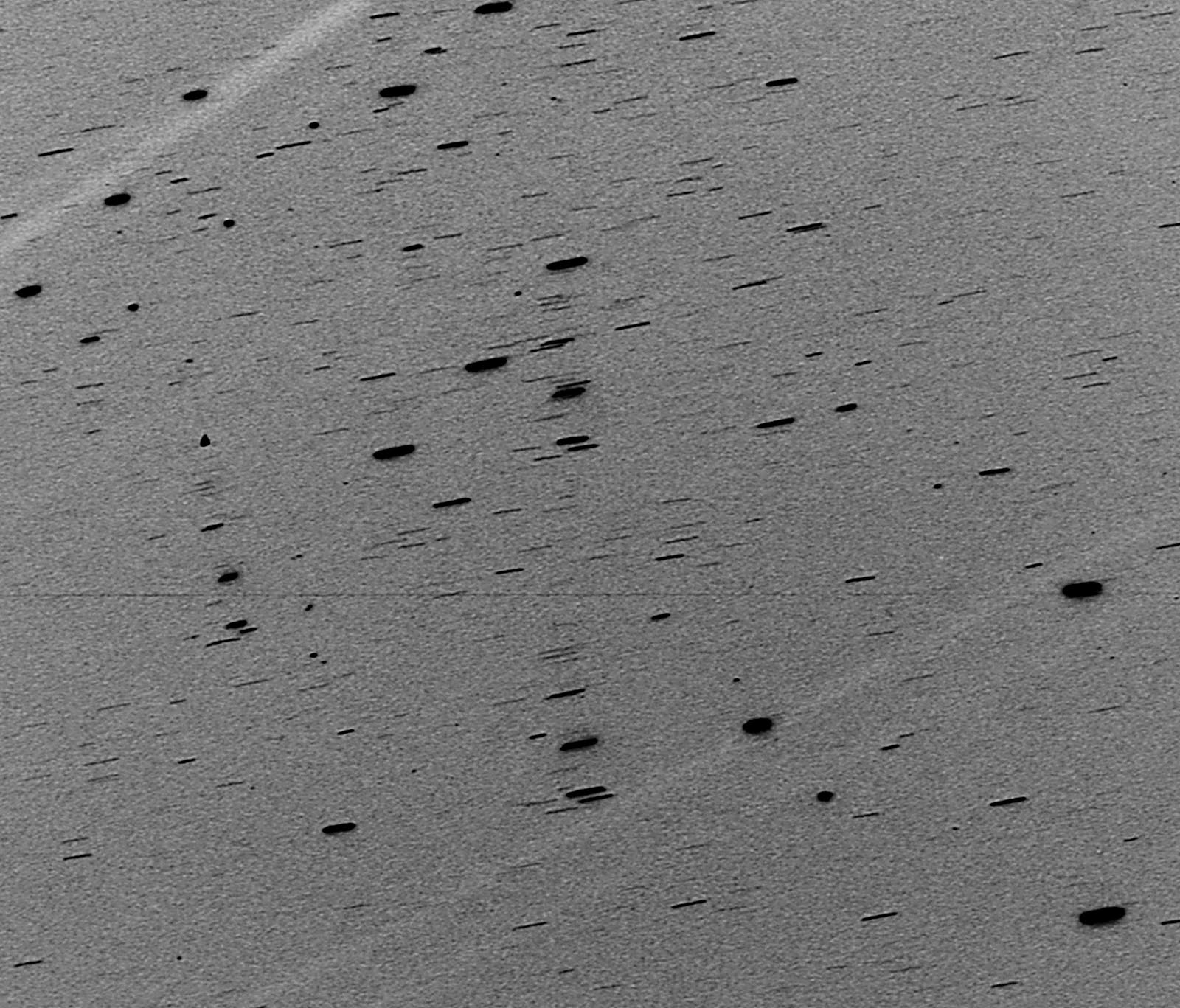
Speculative Drawings/Diagrams/Maps and Charts are all a symbolic depiction emphasizing mapping relationships.
Assemblages
Liminality/Superposition/Luminous
Coloured and Filtered Light.
Architectural Glazes/Surfaces/Textures.
Materials/Substances/Natural Qualities.
Lead/Iron/Cotton/Canvas/Clay
Painting and Drawing Substances/Chemicals/Raw Materials.
Sprays/Objects/Screens/Templates/Resists/Piercings.
Body-Craft
Corpus/Body/Surface/Skin/Thickness/Wall/Volume/Void.
Dialogues between the body/material and process.
Vessels for materiality.
Edges/Forms of Human Mortality.
Trace/Disappearance/Drawing/Limits/Boundaries.

spatial practice, alternative photography, fine art, ceramics,making,Russell Moreton,

Source: Curriculum Making : The Enactment of Dwelling in Places.


Archival / Anarchival

This is a significant bridge post because it brings together several strands that have since become central to your practice: dwelling, active inhabitation, material-relational knowledge, spatial learning, permeability, ceramic bodies and the relationship between body, surface, volume and void.

The strongest conceptual thread is the move away from knowledge as representation towards knowledge as something enacted through inhabitation. The post explicitly draws on Ingold’s argument that meaning emerges through active dwelling rather than through mental representations of the world.

It also contains an important early formulation of “vessels for relationships between movements”. That now reads particularly well against your current understanding of the ceramic body as a threshold or chamber rather than simply a container.

I would therefore move this from Uncategorized → Spatial Practice, while retaining curriculum making as a tag. It is fundamentally about how spatial practice becomes a mode of learning and dwelling.

Posted in

Leave a Reply