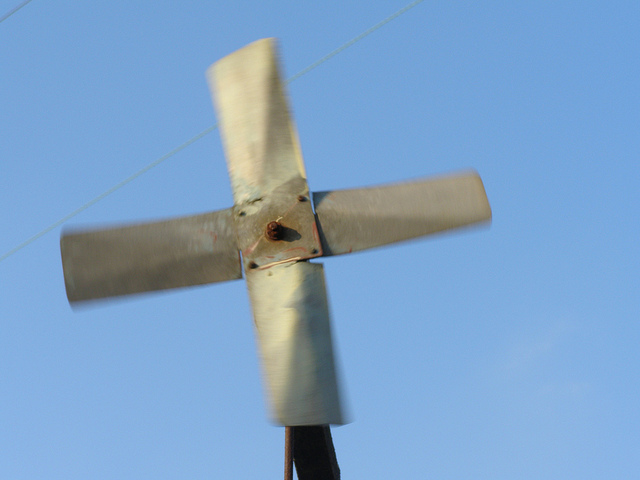
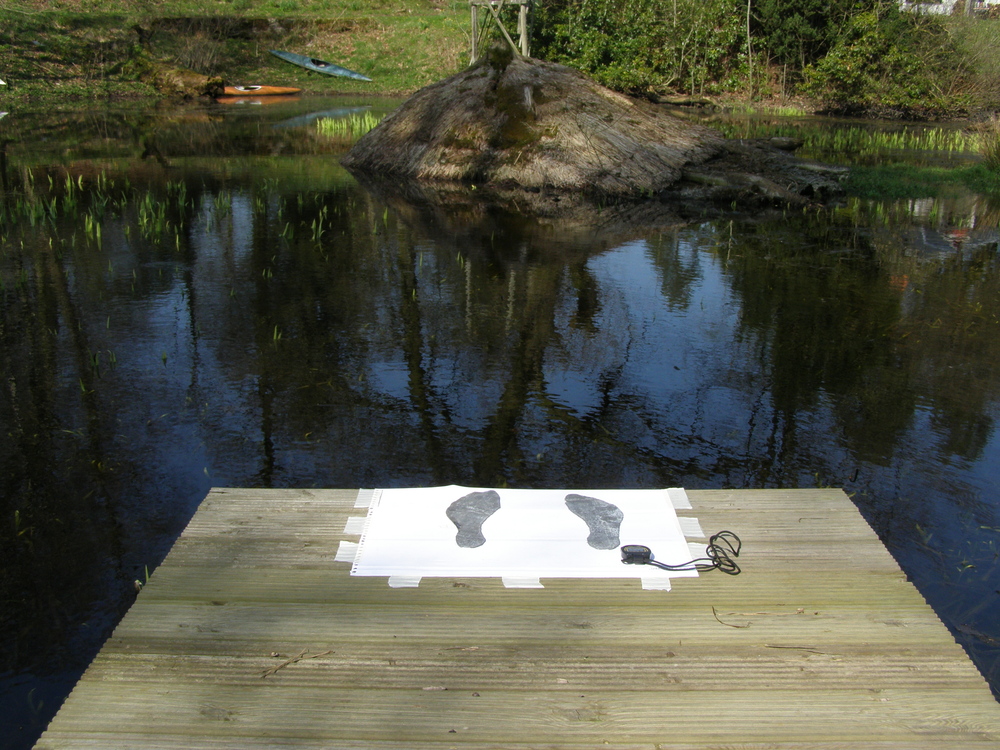
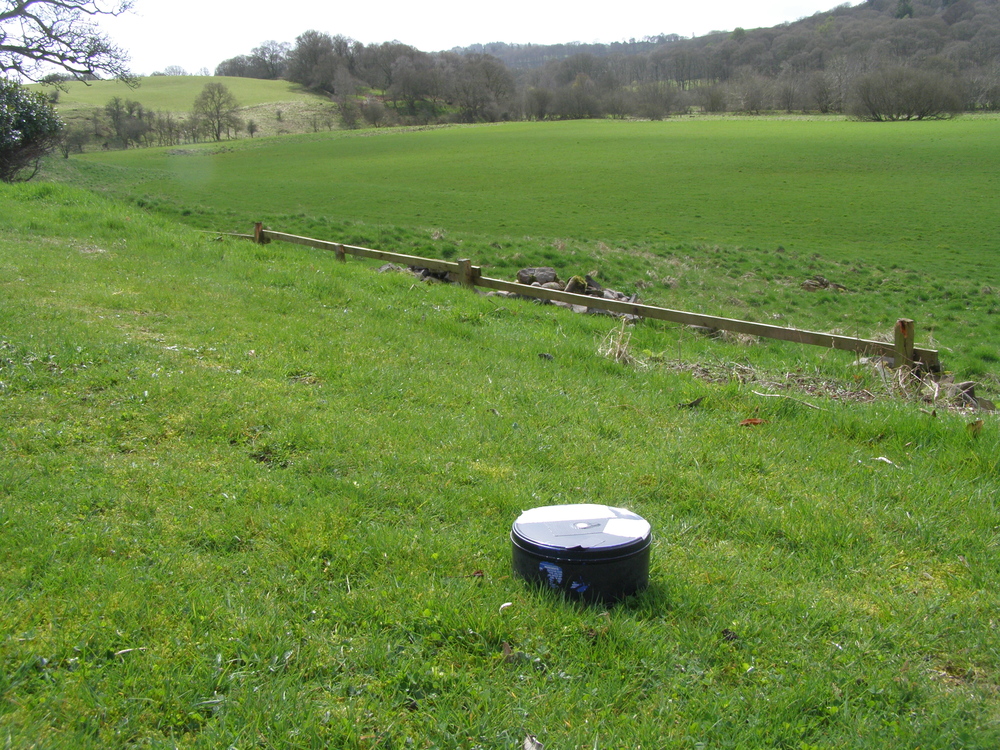
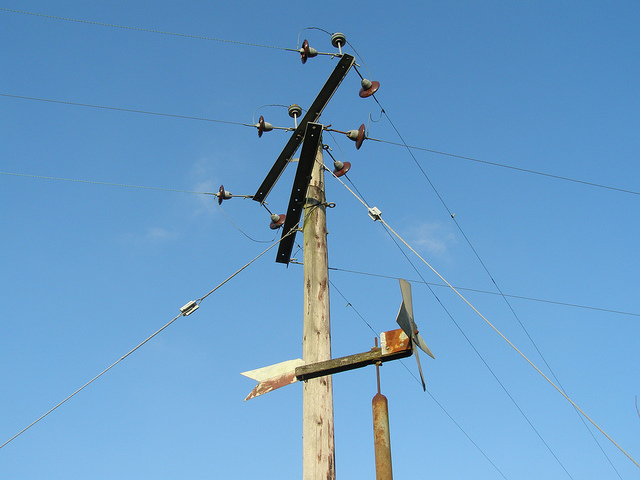
Found Object: Weathervane (relocated) #2 on Flickr.

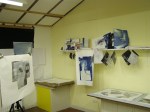
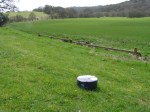
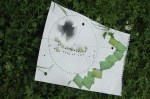
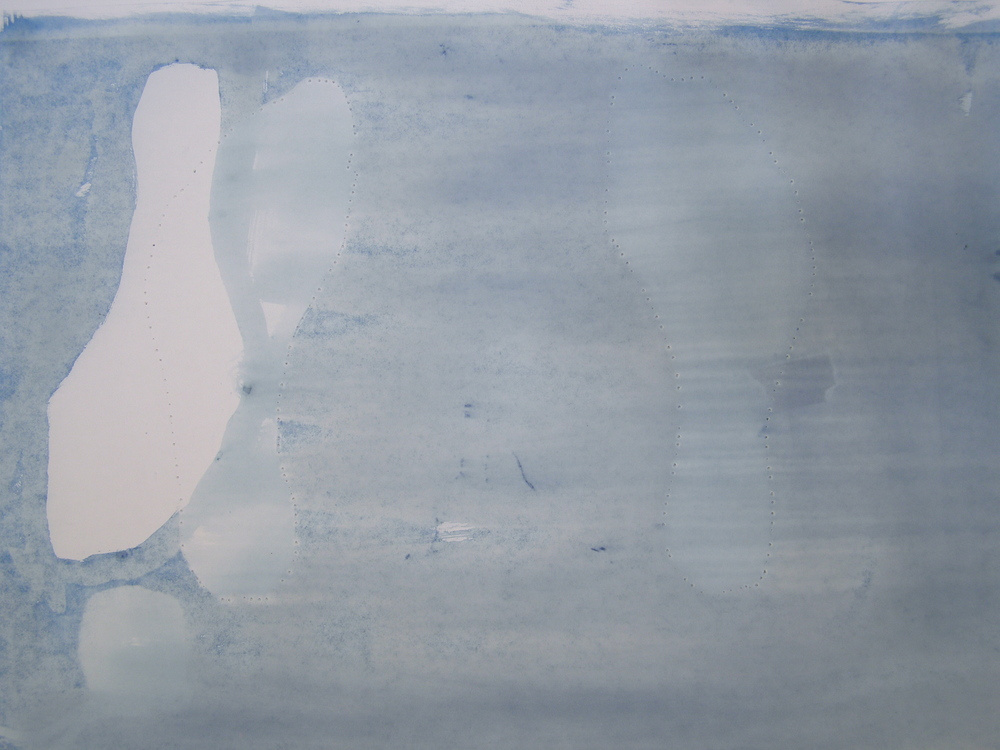
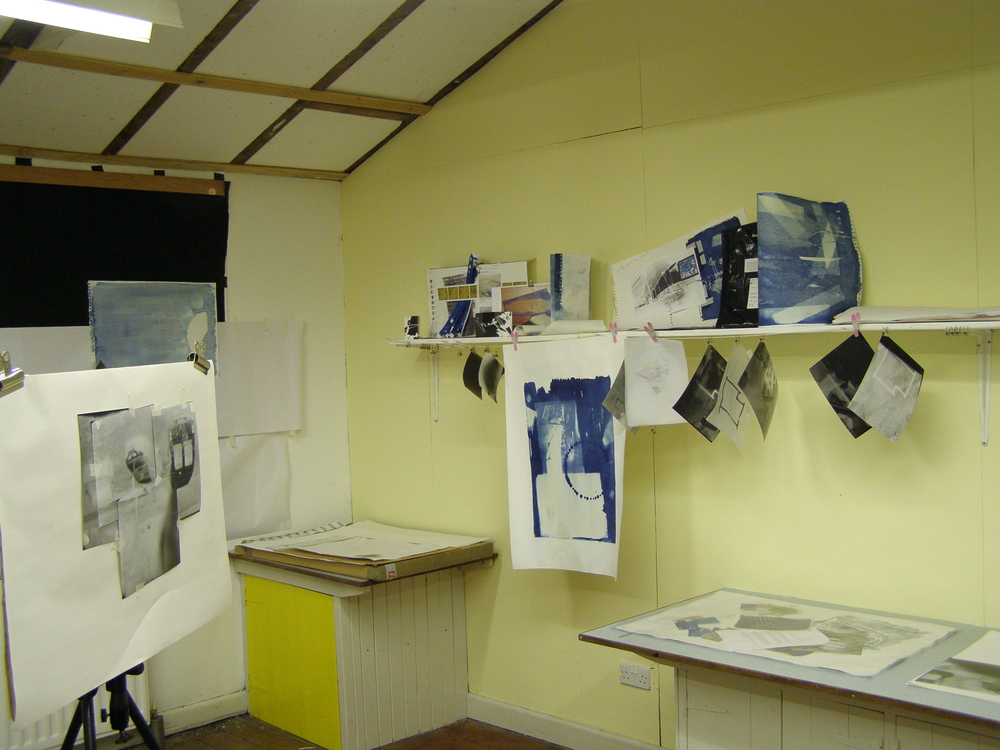
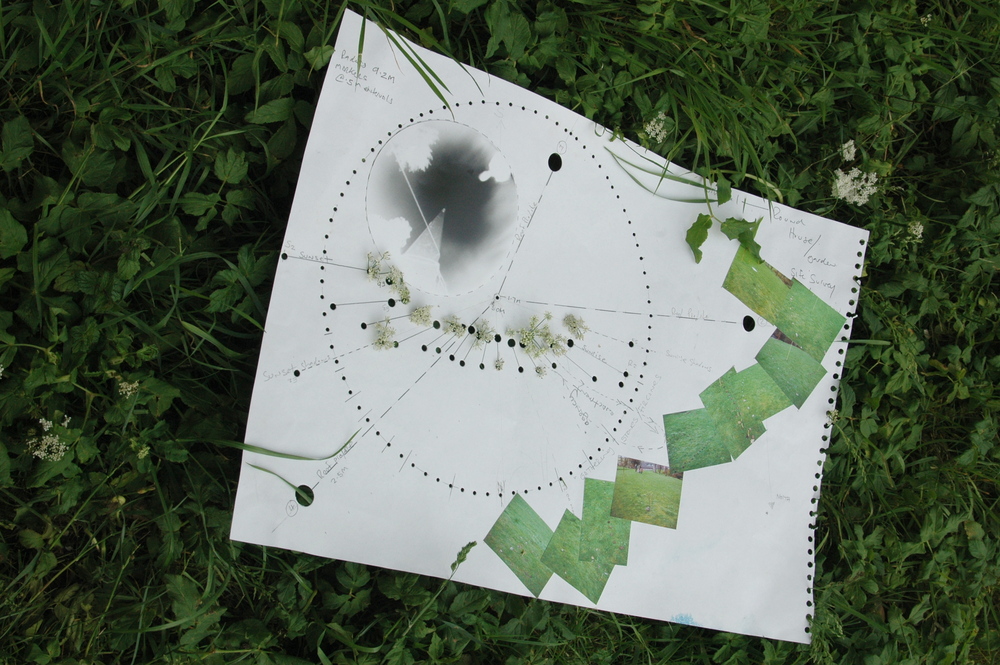
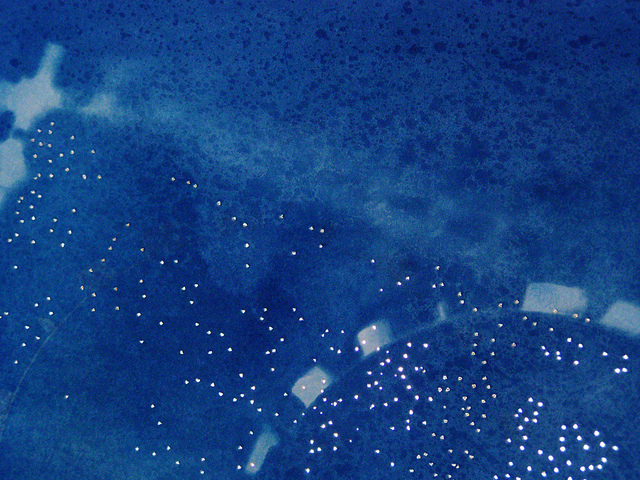
As part of my residency I undertook to turn the space of a pottery into a “Camera (room) Obscura”. In this space I exposed directly the view gathered from “outside” onto photographic paper as a collage of interwoven documents. The cyanotype printing process was employed in field-studies using the sun to recording the movement of the earth. A single day spent charting the suns shadow through an architectural space-frame on the lawn at Kilquhanity resulted in a “pathway between sunrise to sunset”.
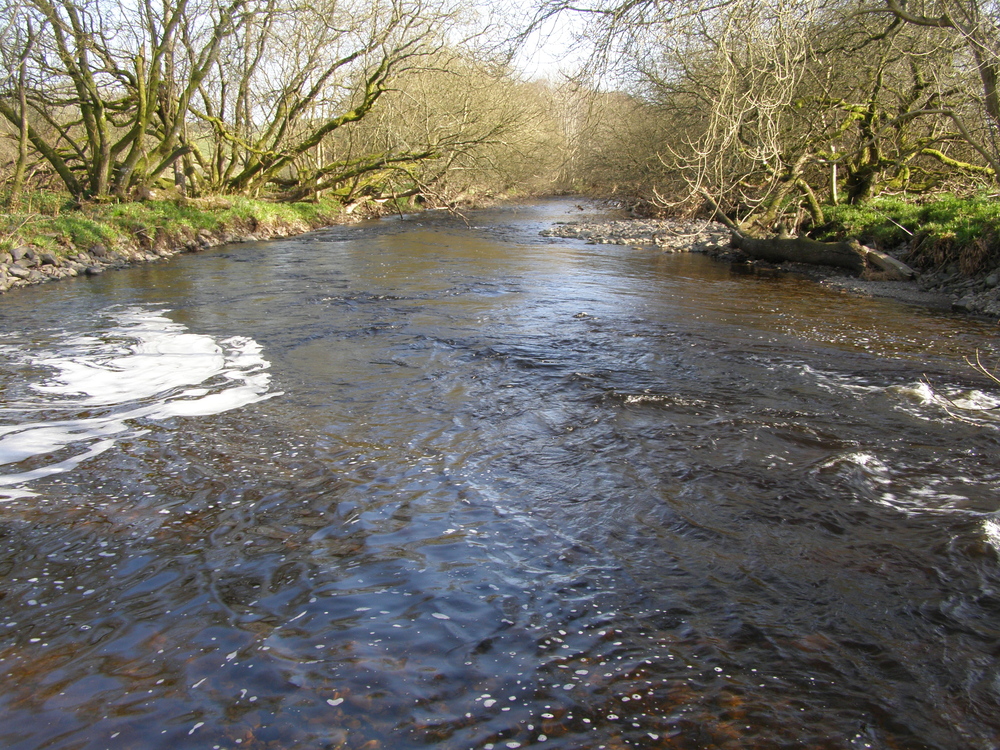
Back to free school:Drawing out the archive was a week long residential project that took place between the 9th and the 17th of April 2011 in Galloway,Scotland. The site for the project was Kilquhanity, one of the original free schools established in the UK by John Aitkenhead in the 1940’s.
The project aims to open up opportunities for different approaches, practices and areas of interest. These might include exploring concepts of the archive through the project’s free school “methodology”, examining ideas of free school through Kilquhanity’s particular history and/or engaging with the site itself as a concrete history or archive.
Charlotte Knox Williams and Trish Bould. Project participants.Drawing Place.
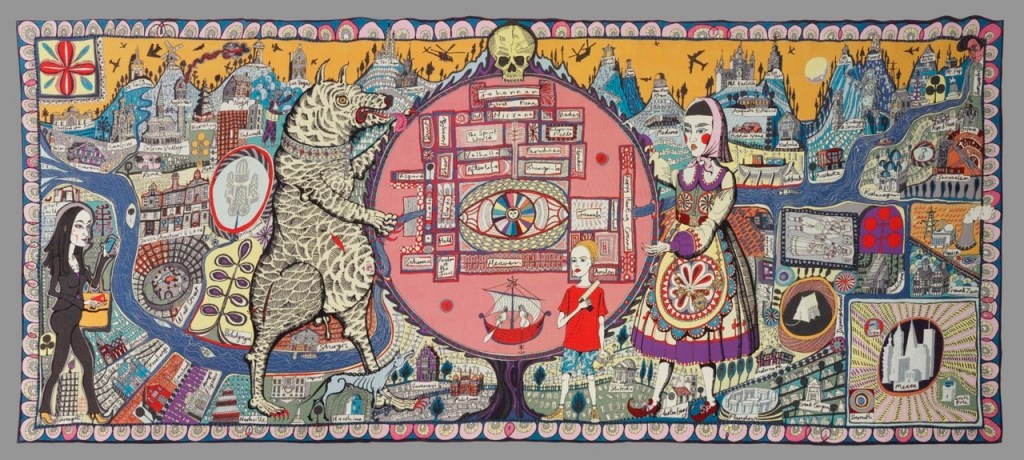
THE TOMB OF THE UNKNOWN CRAFTSMAN CURATED BY GRAYSON PERRY // THE BRITISH MUSEUM
It has taken me too long to see this exhibition, the critics have raved about it, my friends… a mixed review. So despite a general wariness I knew I was going to be intrigued, at least due to the unusual framework that this exhibition has taken.
This framework consists of many conflicting factors. Firstly, the collaboration of an internationally renowned museological institution and that of a contemporary (and often sensational) fine artist. It cannot be argued that The British Museum is a shrine to the historical artefact, and not a contemporary art gallery.
Secondly, there is the issue of fine artists as curator. Such a process is often a subject of ferocious debate in modern curatorial practice, so the idea of such a programme being in place at the British Museum, where academic and historical curation is so far divorced from the artistic practitioner is phenomenal.
A third point to consider is the prescriptive title of “craftsman” which embodies both the works of Perry and the museum’s artefacts. By using such a title the issue of fine art object is raised. By placing his chosen objects in a new setting, alongside that of his own work, is Perry elevating the significance of these objects? Or at least readdressing their importance in terms of the museum’s collection? Perhaps he is redefining his own work, and establishing his position as a craftsman as well as artist? (the importance of craft is something he has often talked about). These are all questions I felt myself asking as soon as I entered the exhibition.
Whether or not you can come to a conclusion, the impact of Perry’s presentation is immediate. The most profound realisation is that, of all the artists I could imagine, none would fit more perfectly in terms of inspiration, practice and knowledge than Perry; and that’s a bold conclusion to come to about a flamboyant cross-dressing ceramicist with often sexually explicit leanings.
But as I said, the connection is clear. Perry’s work has always pulled strong influences from ancient cultures and rituals. He has also worked closely with ideas of gender and sexual power, not to mention his huge breadth of imagination in terms of celebrating (and even creating his own) civilisation. In terms of aesthetics his work also sits bizarrely comfortably next to ancient shrines or tapestries, and suddenly his post-modern aesthetic of bricolaged cities and found materials seem inextricably intertwined with ancient religious icons.
The amalgamation of such a huge breadth of objects could be seen as clumsy and insensitive to the museum’s collection, but some how there is an autonomous feel, caused in part by the overarching presence of Perry’s authorship. Where you find labels mentioning the provenance of a stone age object, there will also be visible commentary from Perry.
There is also the strong sense that the audience Perry is speaking to is not that of the elitist contemporary art fan. The descriptive narration of the objects sits comfortably within the museum’s blueprint, as is the aesthetic curatorial framing. Temporary walls and glass cases make no attempt to assume a white cube gallery space, we are very much still in the realm of the artefact. In a way this creates a much more comfortable atmosphere in which to appreciate the exhibition, without worrying about a wider contemporary art critique.
I genuinely think this show is an unusual success, and there are parallels to be drawn between this presentation and that of the Museum of Everything, which focuses on ‘outsider art’ and (as it develops) marginalised groups who do not see their own work as ‘art’ in the traditional context. By re-representing these works a new platform for appreciating the craft, the social history, and what we deem artwork and artefact, can be reconsidered. Perhaps in this way a more self conscious and diverse art historical practice can be created, and the huge chasm between what is deemed ‘art’ and ‘craft’ can be narrowed.
ROTHKO IN BRITAIN // WHITECHAPEL GALLERY
I am always excited by the Gallery 4 / Foyle Reading Room exhibitions at The Whitechapel Gallery. Utilising the gallery’s extensive archives self-conscious ‘meta exhibitions’ (an exhibition about an exhibition) analyse the impact of past Whitechapel shows in terms of their engagement with the surrounding community, broader public and critics, as well as presenting fascinating documentation, correspondence and ephemera relating to the original event.
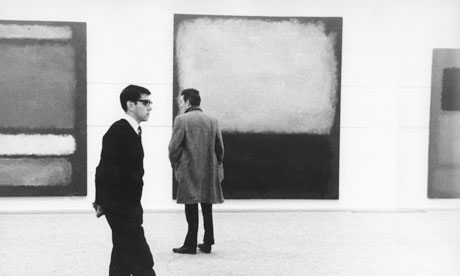
‘Rothko in Britain’ presents Whitechapel’s breathtaking 1961 show, which displayed Rotho’s work for the first time in Britain. Most of the reviews of the exhibition in question seem to spent far longer dwelling on this original show and it’s awe-inspiring impact, as opposed to what is actually going on now in Gallery 4. Perhaps this is a testament to the success of this show? It is at least re-igniting an ever present love affair that British institutions have with Rothko. But perhaps the defining factor here is that the meta-exhibitions of Gallery 4 always explore their subject in relation to their human interaction and impact, with the benefit of hindsight. The gallery space itself is relatively small in comparison to the vast expanse of The Whitechapel, and yet this lends itself to the nature of the pieces on display. The only original piece: ‘Light Red Over Black’ engulfs one wall space, creating the considerable impact expected from a Rothko show.
However the documentation is what really enthralls me. Sandra Lousada’s beautiful photographs encompass both installation shots and visitors to the gallery. The variety of viewers is incredible: mothers with prams, art students, a couple of elderly women. Add to this of course the romanticism and ‘cool’ cache of 1960s Britain (some of the outfits literally floored me, others were indecipherable from modern hipsters) and you have some truly fascinating social history.
The exhaustive instructions laid out in a letter entitled ‘Suggestions from Mr. Mark Rothko regarding installation of his paintings’ also reveals the painstaking detail given to the hanging and installation of this show. Such archival information never fails to fascinate me, I feel there is always a compelling need to know how and why something was done and appreciate the huge amount of work that goes into a final presentation.
A cabinet containing correspondence, family photos of Rothko, press cuttings (even the most marginal mentions) also remains a defining feature, coupled with a listening deck in which both modern retellings of viewer experiences play alongside 60s discussions.
All of these aspects create a colourful and comprehensive cultural history not only of the show itself, but of the 1960s viewing public, London’s East End and a snapshot into Rothko’s life.
I always find the Gallery 4 shows a triumph, and I only wish that more established galleries would take an invested interest in displaying the enormous archival materials they have at their disposal. Of course it could be argued that much is available online, but sadly Britain’s galleries and museums actually have an awful track record of maintaining any form of relevant online presence.
By actually embodying this information within an exhibition context it also makes it much more accessible to a wider audience. A tangible show which can be visited and reflected upon is much more likely to seem appealing to a member of the public than the offer of consulting an archive, something which is only really associated with academic activity.
The Whitechapel has always been extremely aware of it’s position within the East End, and in my view strikes a brilliant chord between addressing it’s social and cultural responsibility to the area and maintaining it’s profile as a respected artistic institution. This unassuming gallery and immediately accessible reading room (I must also mention that the archivist is the friendliest and most helpful member of a gallery institution I have ever met) is a real pleasure to visit, and will always leave you coming away with not only a sense of increased artistic knowledge, but a greater sense of the gallery’s history, and our own collective memory.
Go and visit.
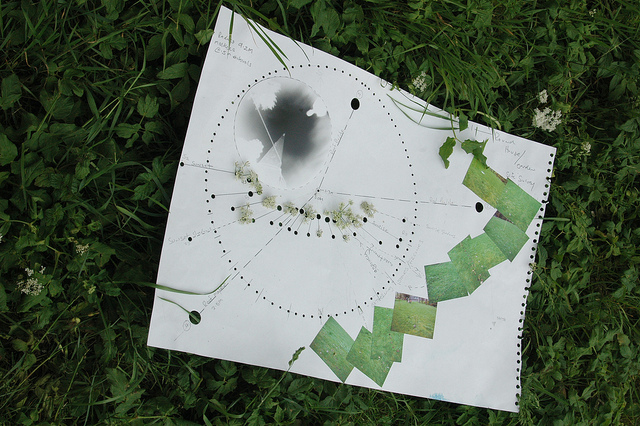
The Garden.Document on the building of an inquiry. #1 on Flickr.
The Garden of Sensory Experimentation
Space for Peace 2011, a set on Flickr.
I use a combination of drawing/mapping processes to gain some sense of involvement with the place and its situation.
I find these aerial tracings speak to me of a value beyond the confines of an architecture or a society.
Russell Moreton, artists statement 2012
I use a combination of drawing/mapping processes to gain some sense of involvement with the place and its situation.
I find these aerial tracings speak to me of a value beyond the confines of an architecture or a society.
Russell Moreton, artists statement 2012
Space for Peace 2012 (work still in progress)



 Russell Moreton : Matter(s) in Correspondence