Category: Uncategorized
-
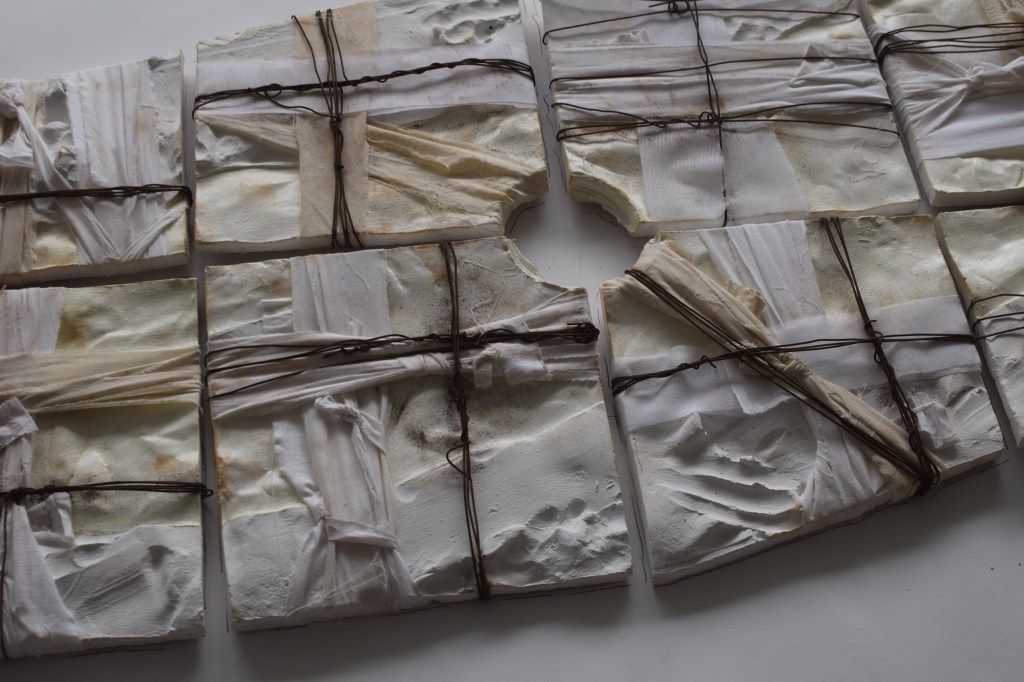
This paper reflects on an emerging spatial practice developed through clay, ceramic bodies, drawing, material encounters and the uncertain conditions of making. Rather than positioning clay within an ecology from the outside, Moreton approaches clay as an ecology through which the maker becomes permeable: entering it sufficiently to be altered by its resistances, forces and…
-
. For Moreton, attentiveness is sensate because the practice does not locate knowledge exclusively within conceptual reflection or detached observation. Knowing develops through the body’s participation in situations: looking, touching, moving, listening, inhabiting, making and responding to the resistances and affordances encountered within particular spatial and material conditions. Attentiveness is therefore not simply concentration upon…
-
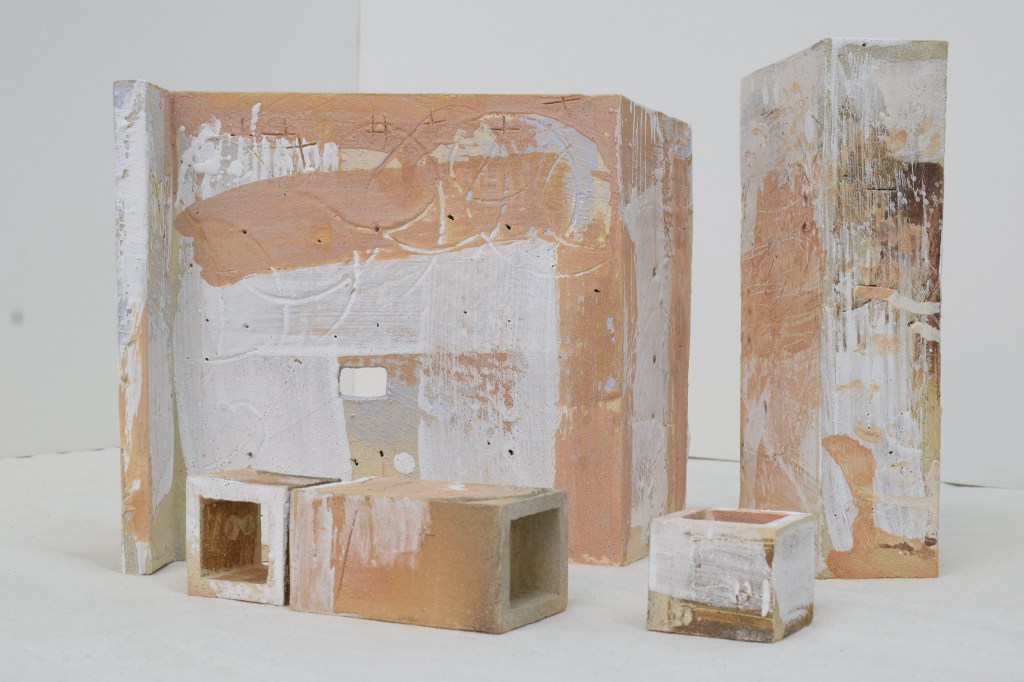
Clay begins to think architecture differently. Enclosure, interior, aperture, surface and volume become less like spatial descriptions and more like sensations within a material body. The architectural begins to move closer to touch: pressure, resistance, piercing, gravity, fire and gesture. Clay~ceramic becomes an atmospheric body, moving between inside and outside, receiving and returning forces. What…
-
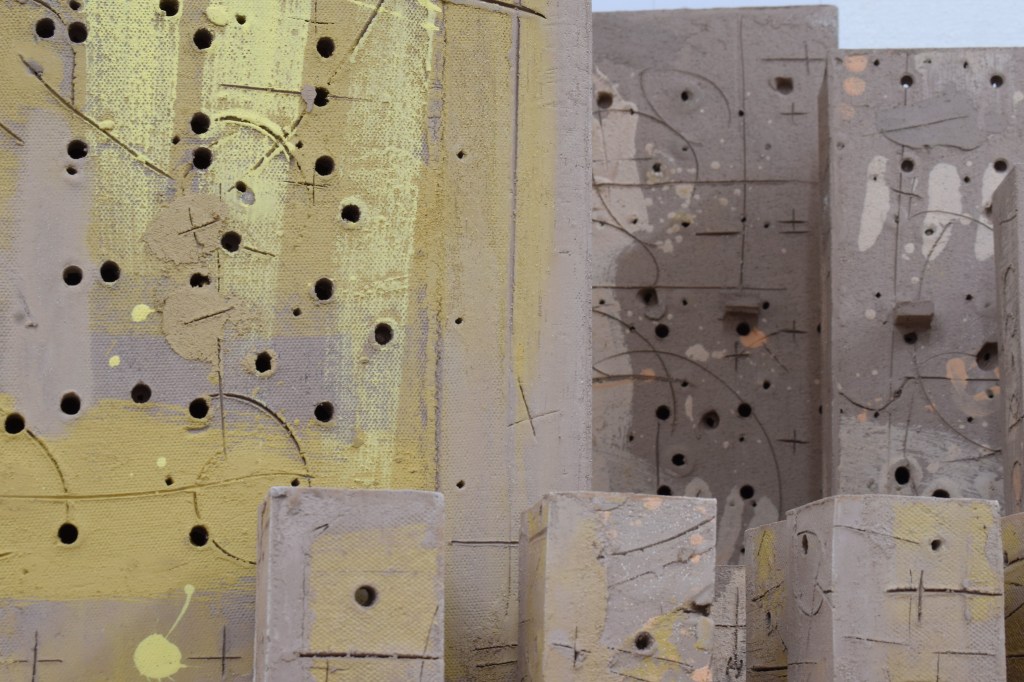
This text adds to the literature by proposing gathering as a spatial and affective mode of inquiry. It develops a vocabulary of force~feeling, permeability, correspondence, interiority and Kairos through which bodies, materials, traces and atmospheres can be encountered beyond established distinctions between research, making and spatial practice. Earlier propositions are not resolved here; they remain…
-
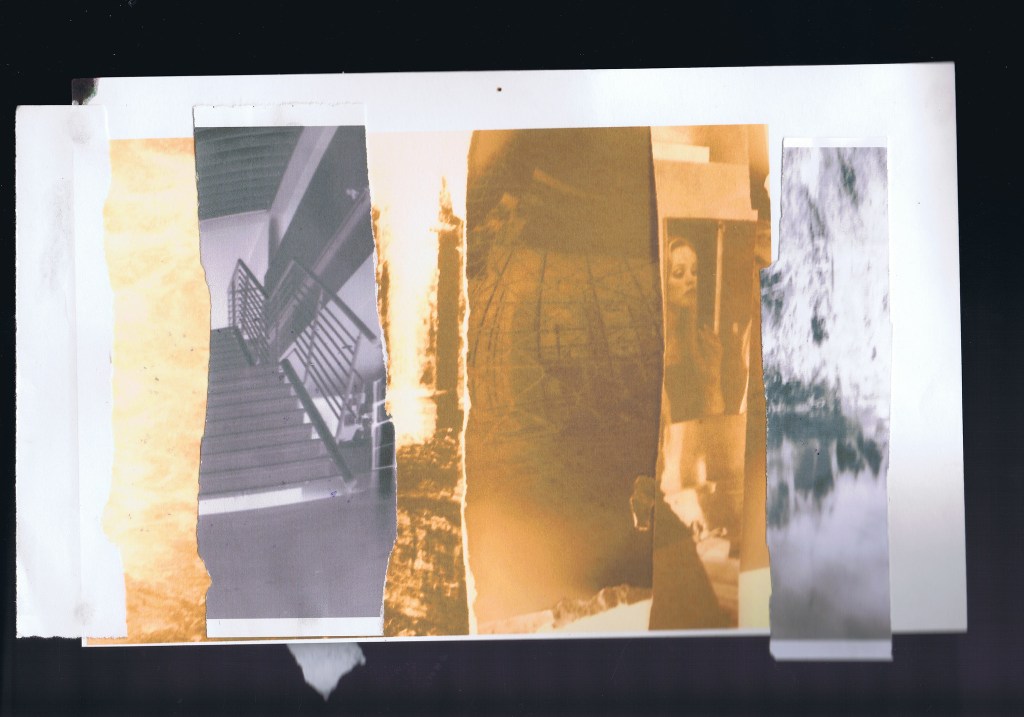
Enchantment begins at the periphery, where the certainty of boundaries starts to loosen. Body and world share a flesh; material and thought begin to move together. The site is not a background to experience but an active body within it. Clay enters this field as something capable of responding, resisting and transforming. To become attentive…
-
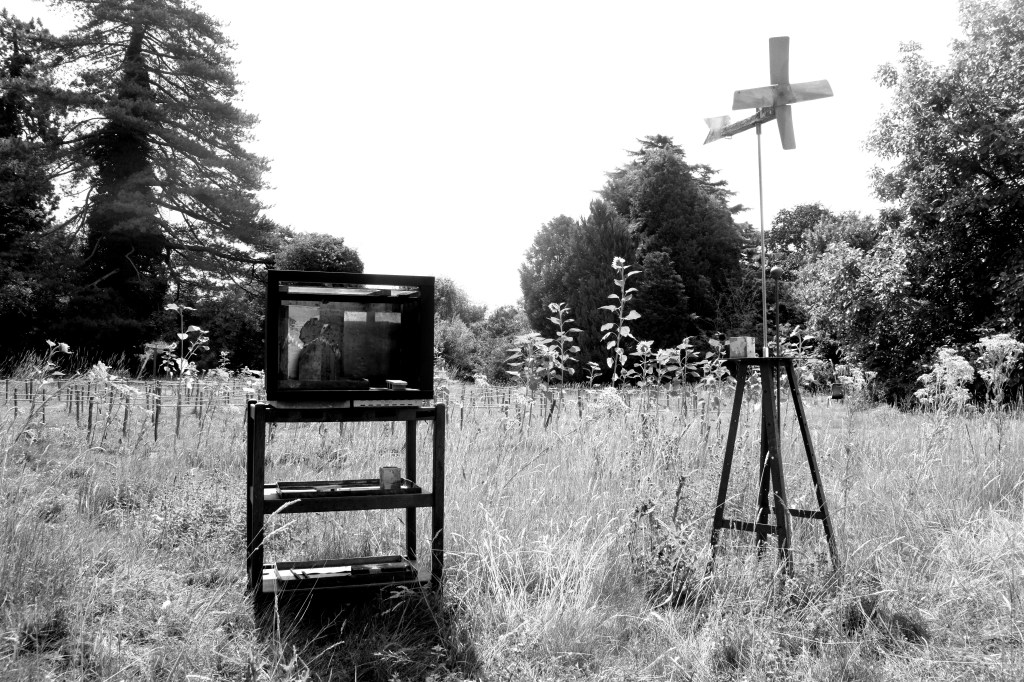
Bricolage begins with fragments that have not yet decided what they belong to. Images, readings, materials, memories and spatial propositions gather without needing to become one thing. The scaffold is provisional; it holds things close enough for something unexpected to pass between them. Perhaps this is a way of thinking through making—not assembling a conclusion,…
-
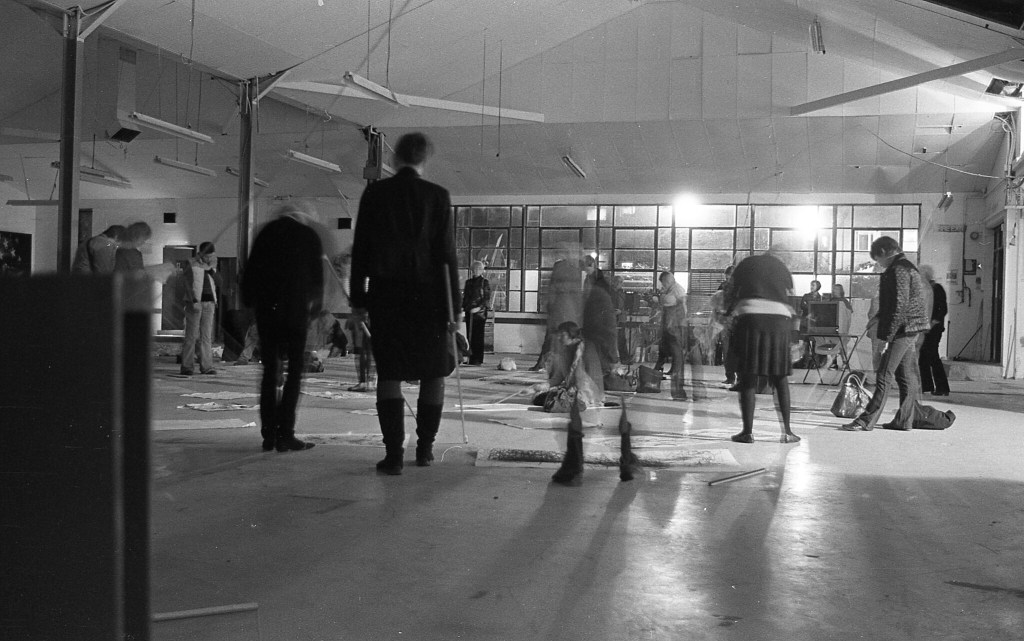
A formwork holds without determining. An enclosure gathers without completely containing. A membrane separates while allowing something to pass through. These provisional structures become ways of thinking with material, where touch, movement, resistance and repetition participate in the making of space. The form is less an endpoint than a temporary registration of forces. Perhaps thinking…
-
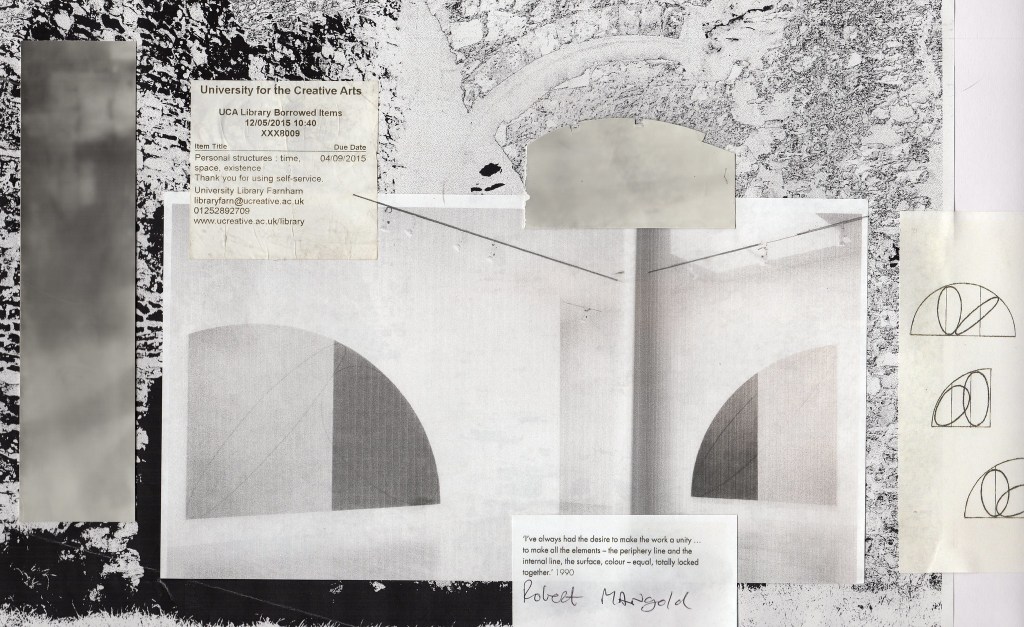
What happens when a space becomes a vessel for things that cannot quite be contained? The Scriptorium brings architecture, memory, reading, image and material presence into a temporary correspondence. Its enclosure is not simply a boundary but an invitation to inhabit the space between bodies, histories and sensations. The site becomes part of the thinking.…
-

What if a space is less a container than a body becoming affected? Spatial and human bodies meet through movement, intensity, leakage, interruption and proximity. Boundaries begin to soften; the situation becomes less predictable. Here, spatial practice becomes an experiment in what might happen between bodies rather than a proposition imposed upon them. The provisional…
-
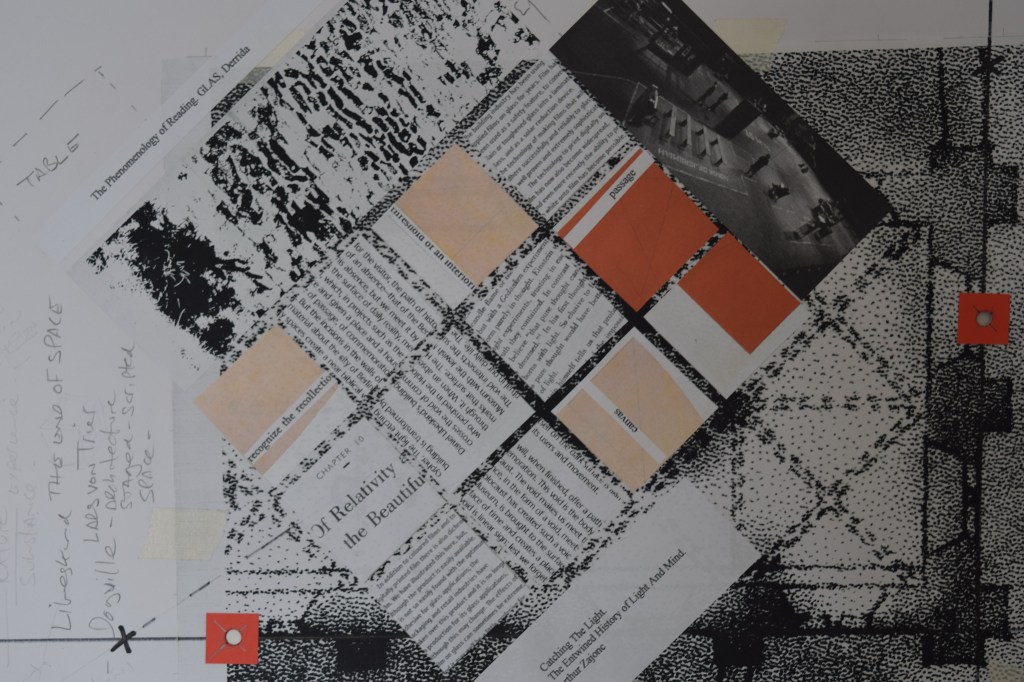
Spatial Markers. gatherings, spatial practice, correspondence, interiority, permeability, trace, chamber, hole, surfacing, material reciprocity, force~feeling, kairos, Scriptorium, Theatre of Research, futurity, This text revisits an earlier body of spatial inquiry through a vocabulary that has emerged subsequently through working with clay, ceramic bodies, reading, drawing and material encounters. Rather than correcting or replacing the earlier…

