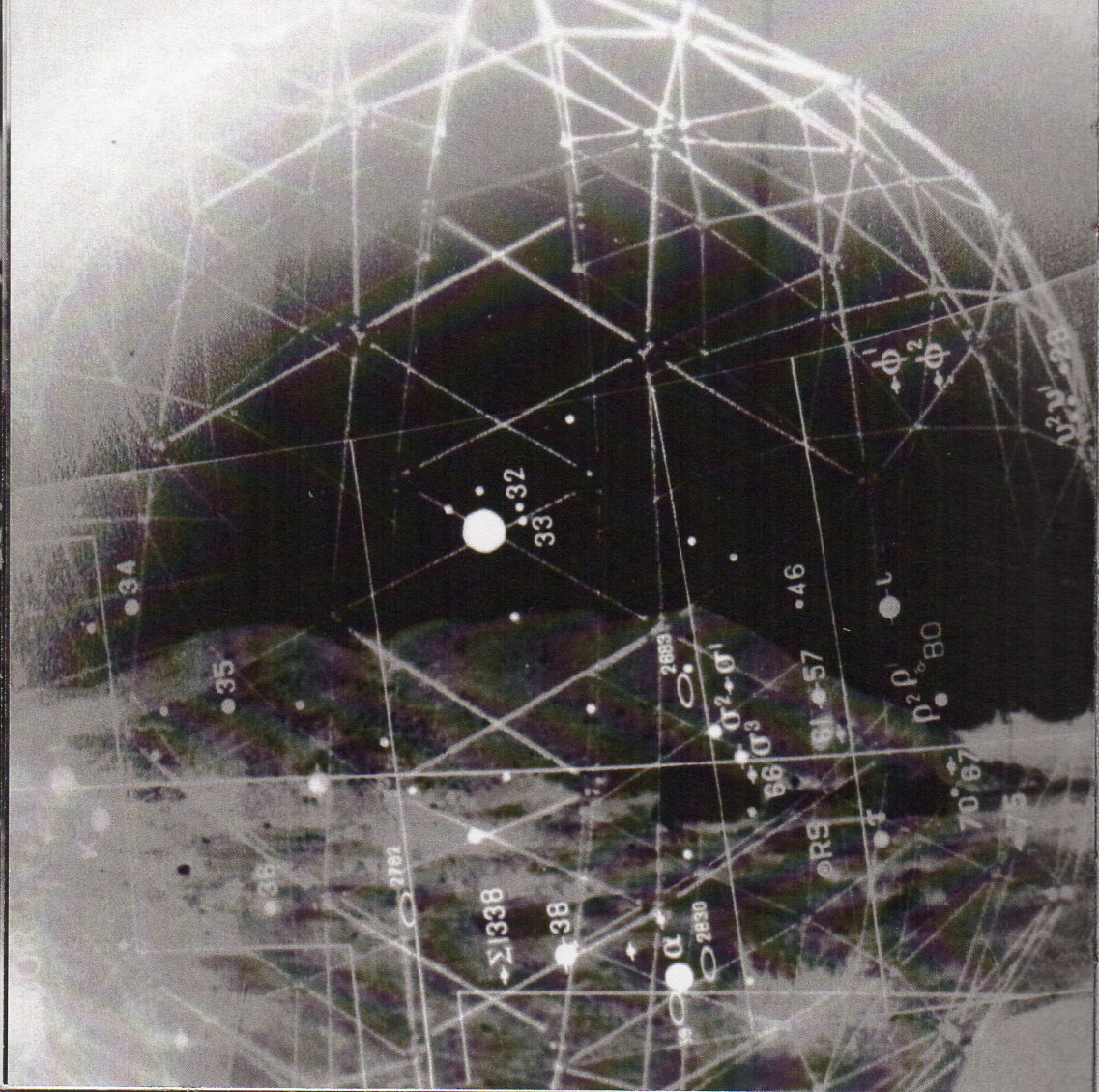
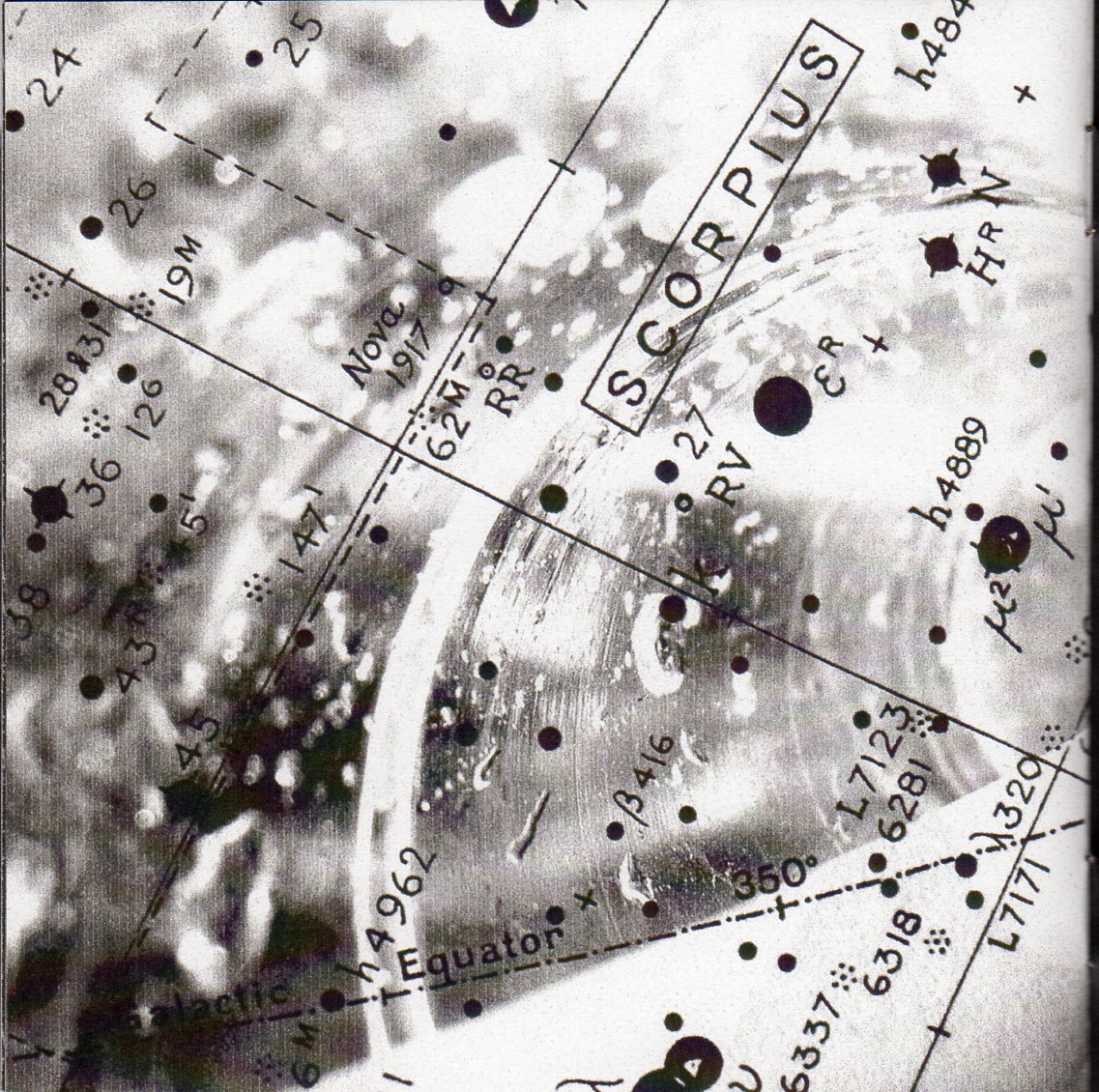
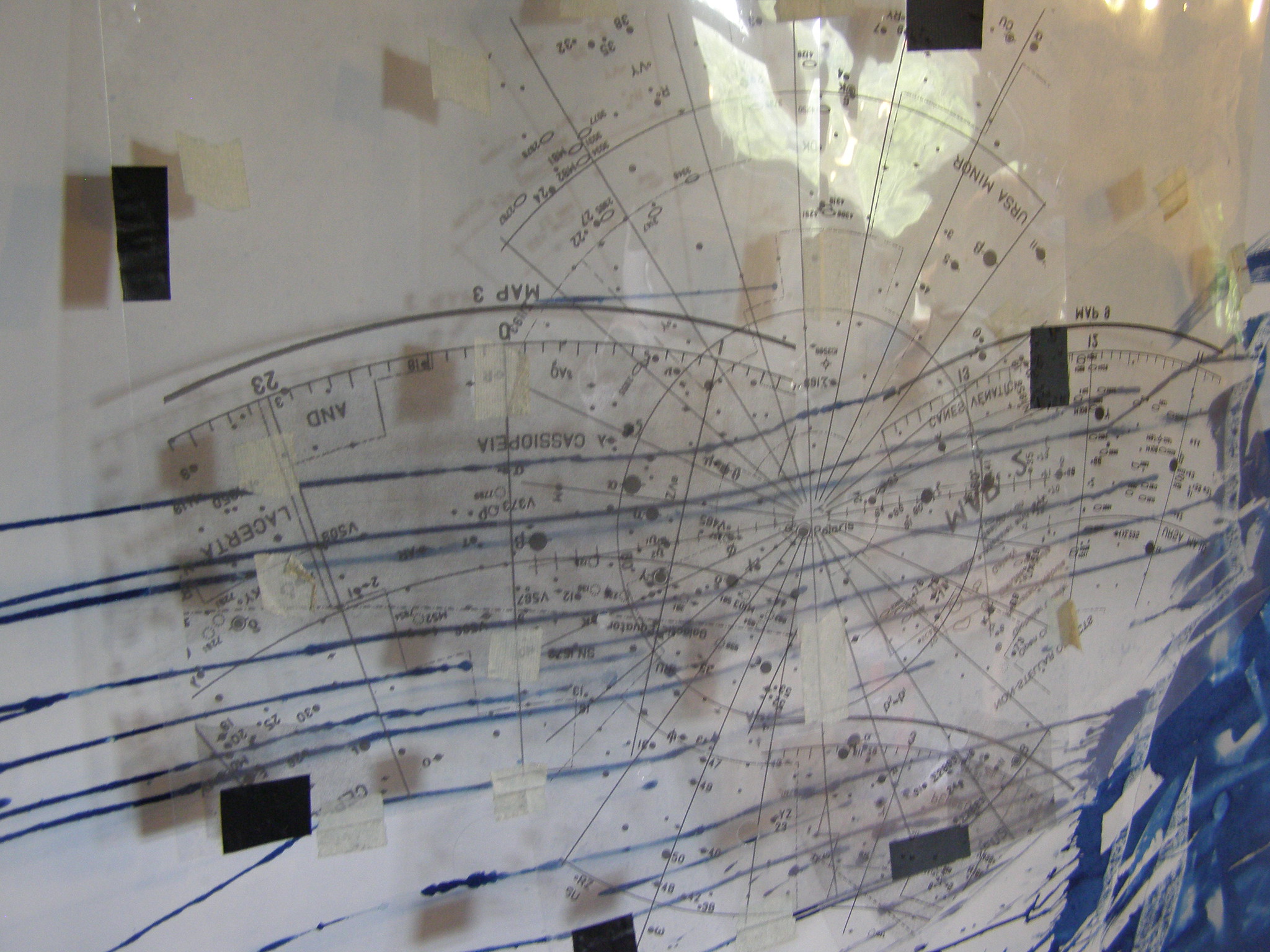
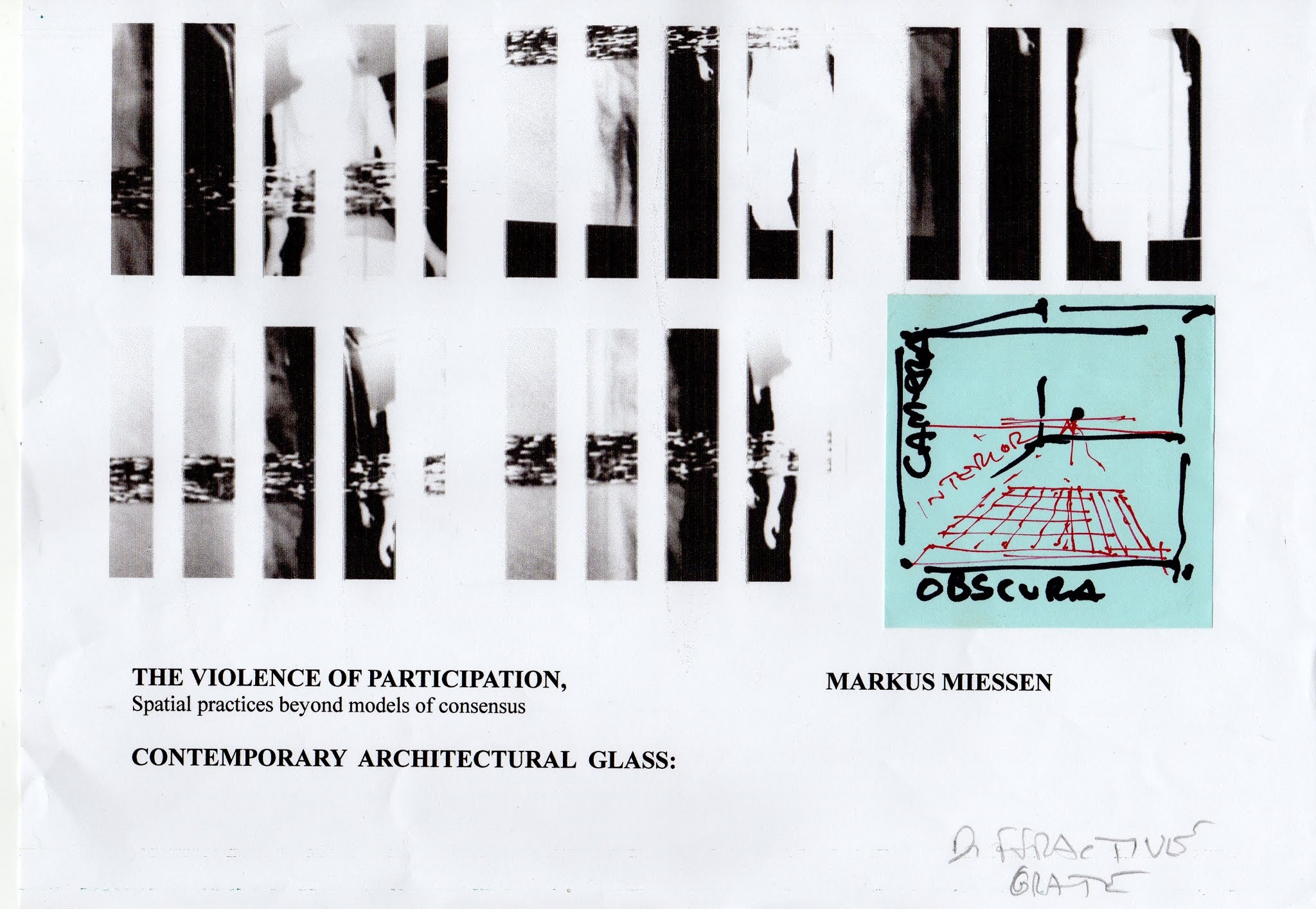
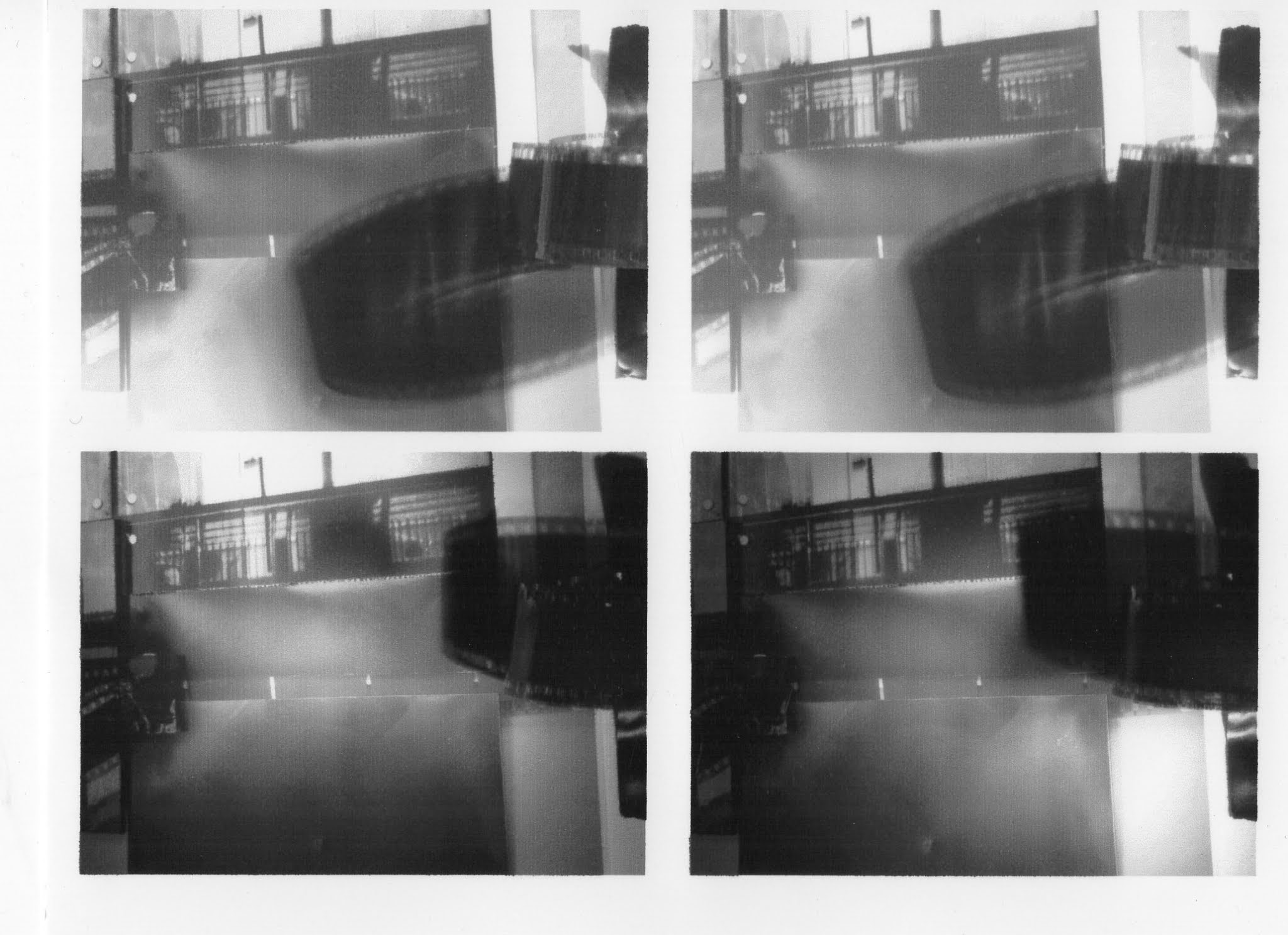
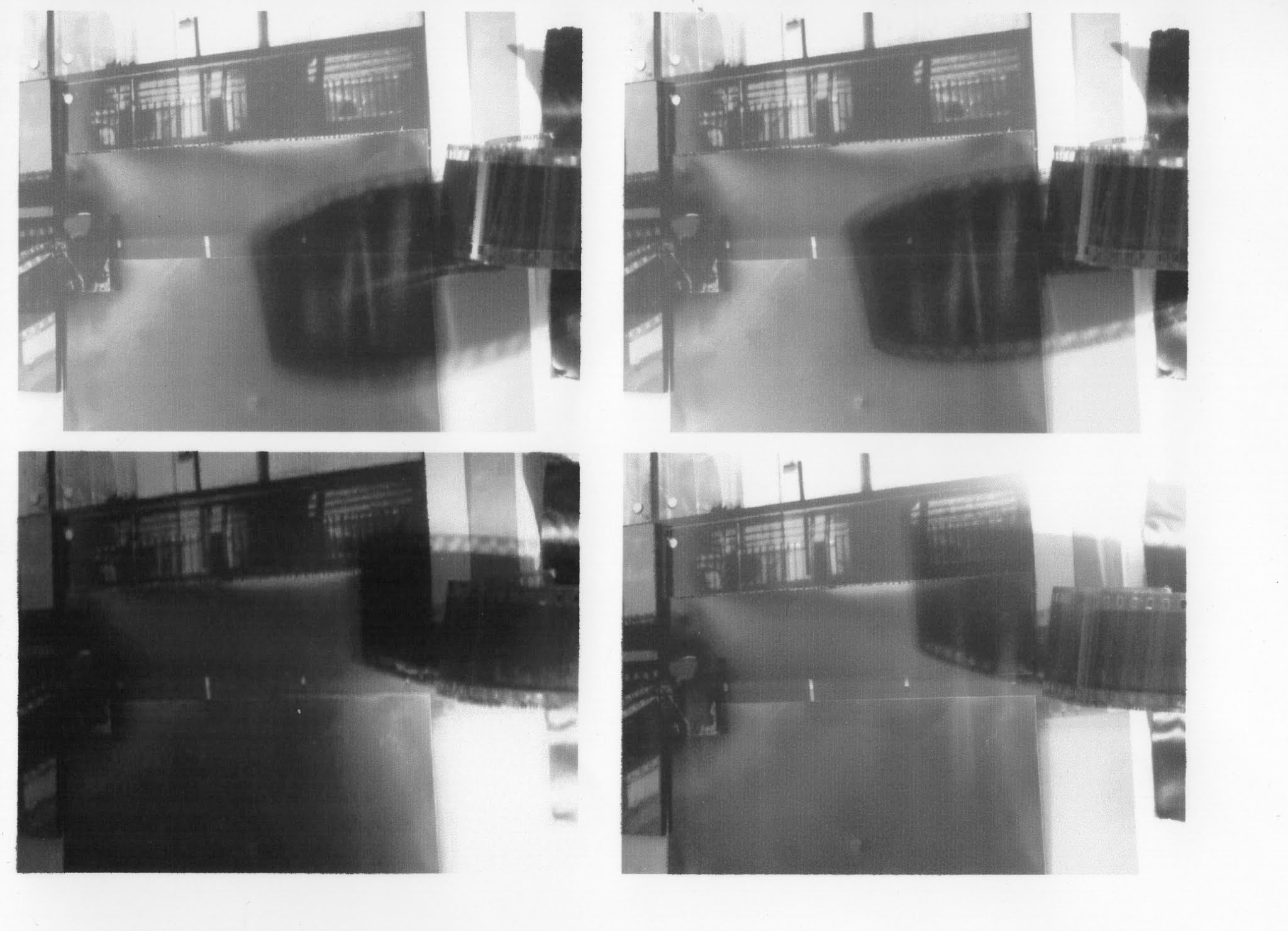
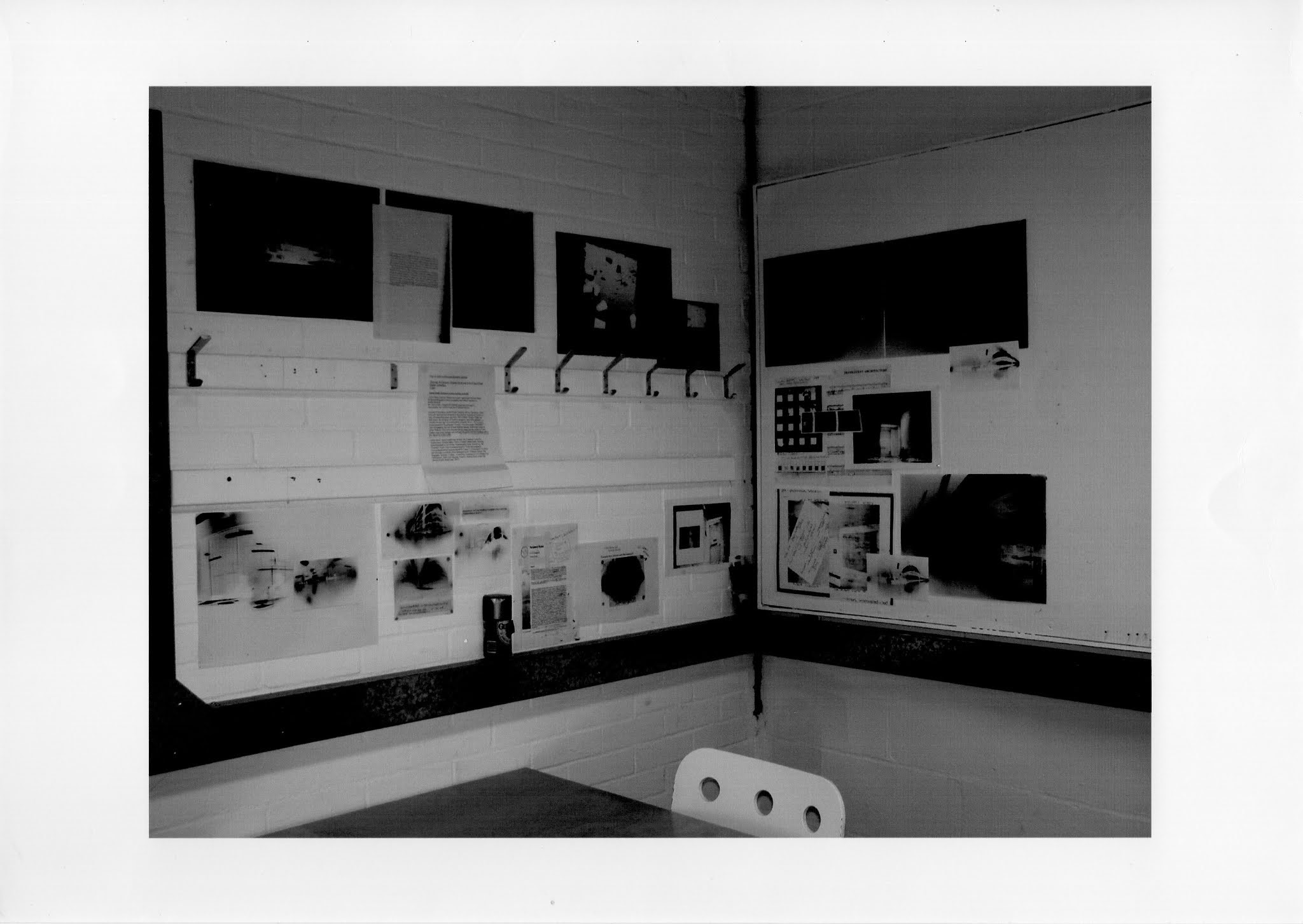
• Corpus/Borderlands : A Society in Excess, Marc Auge.

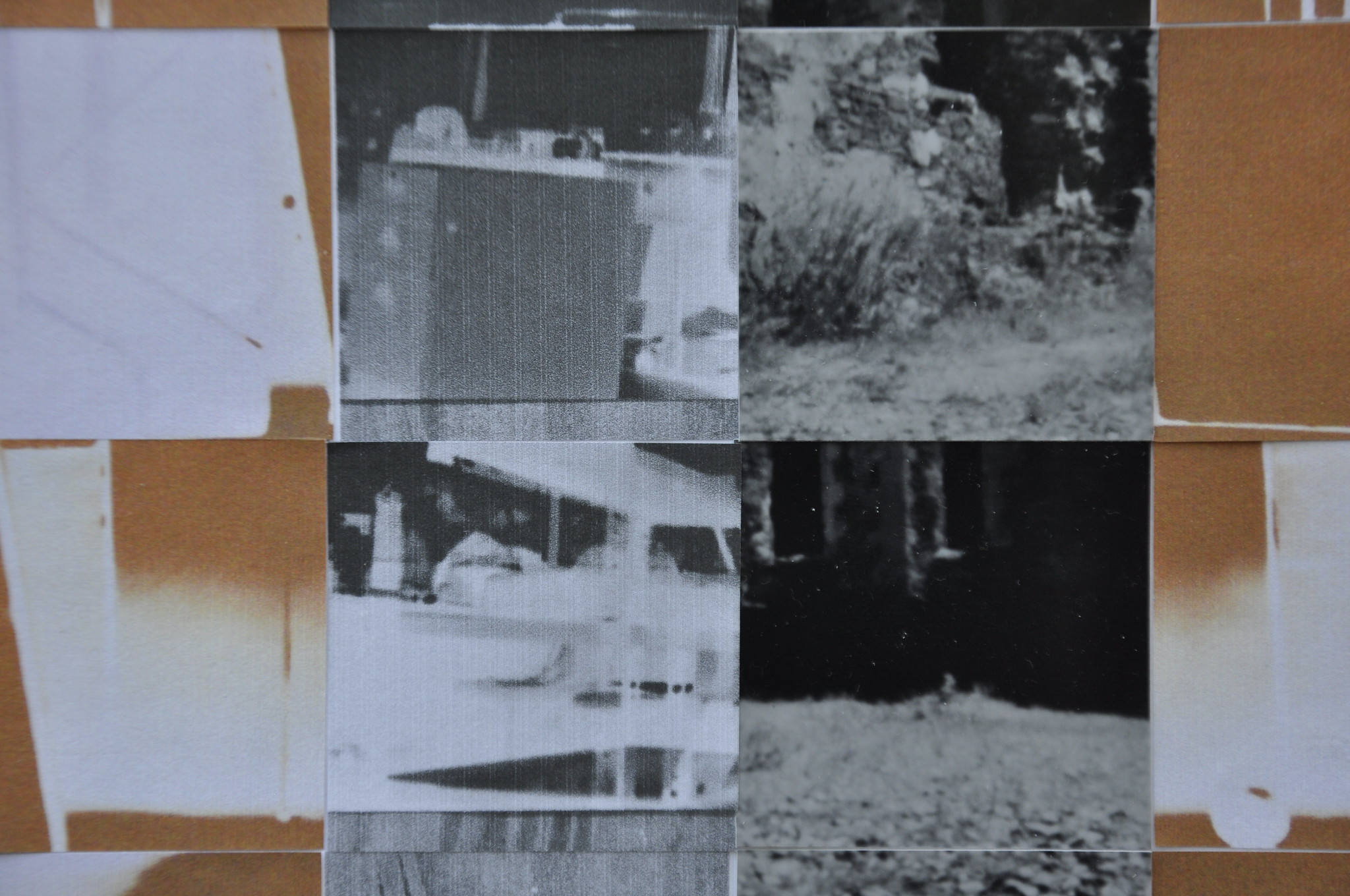
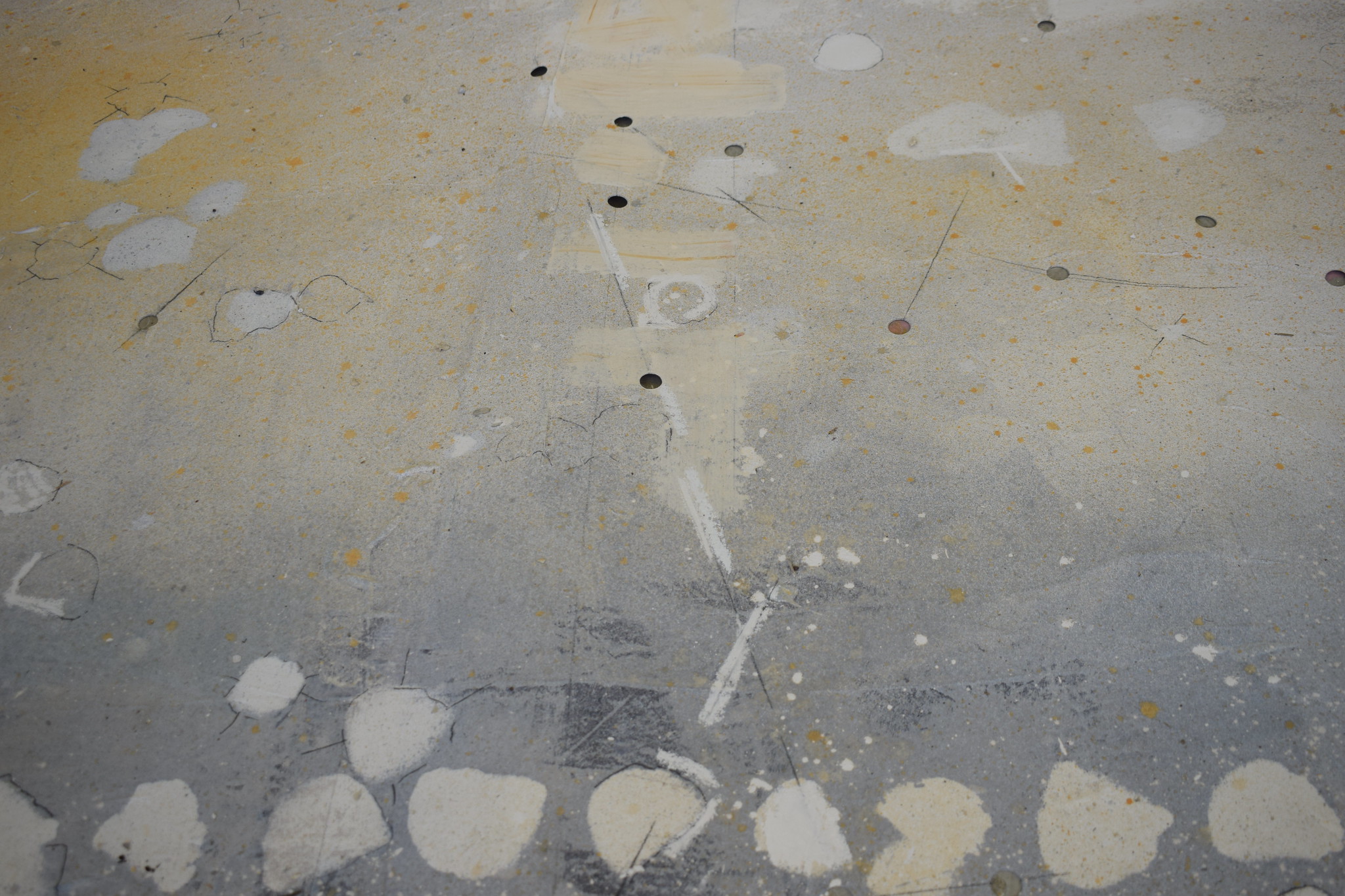
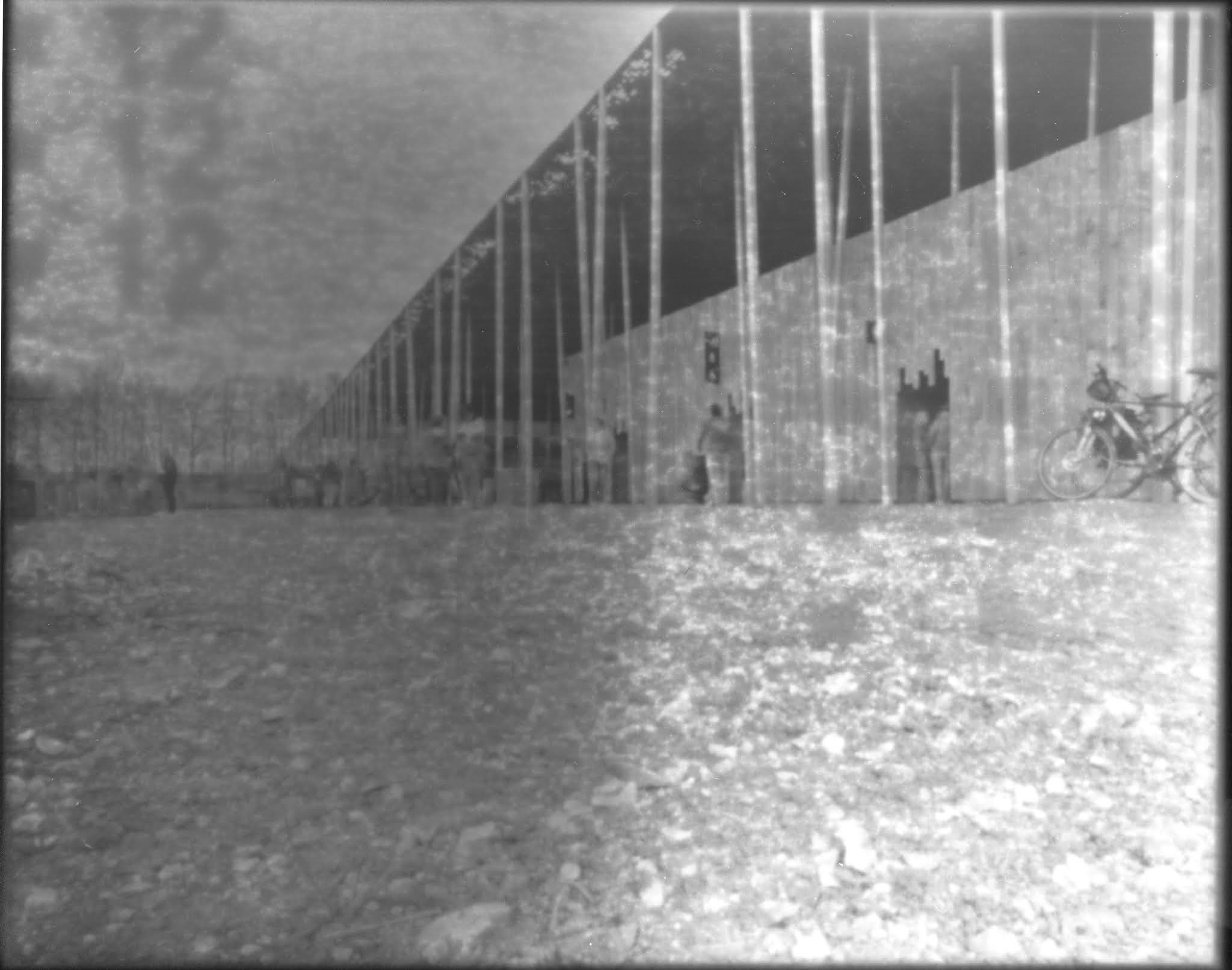
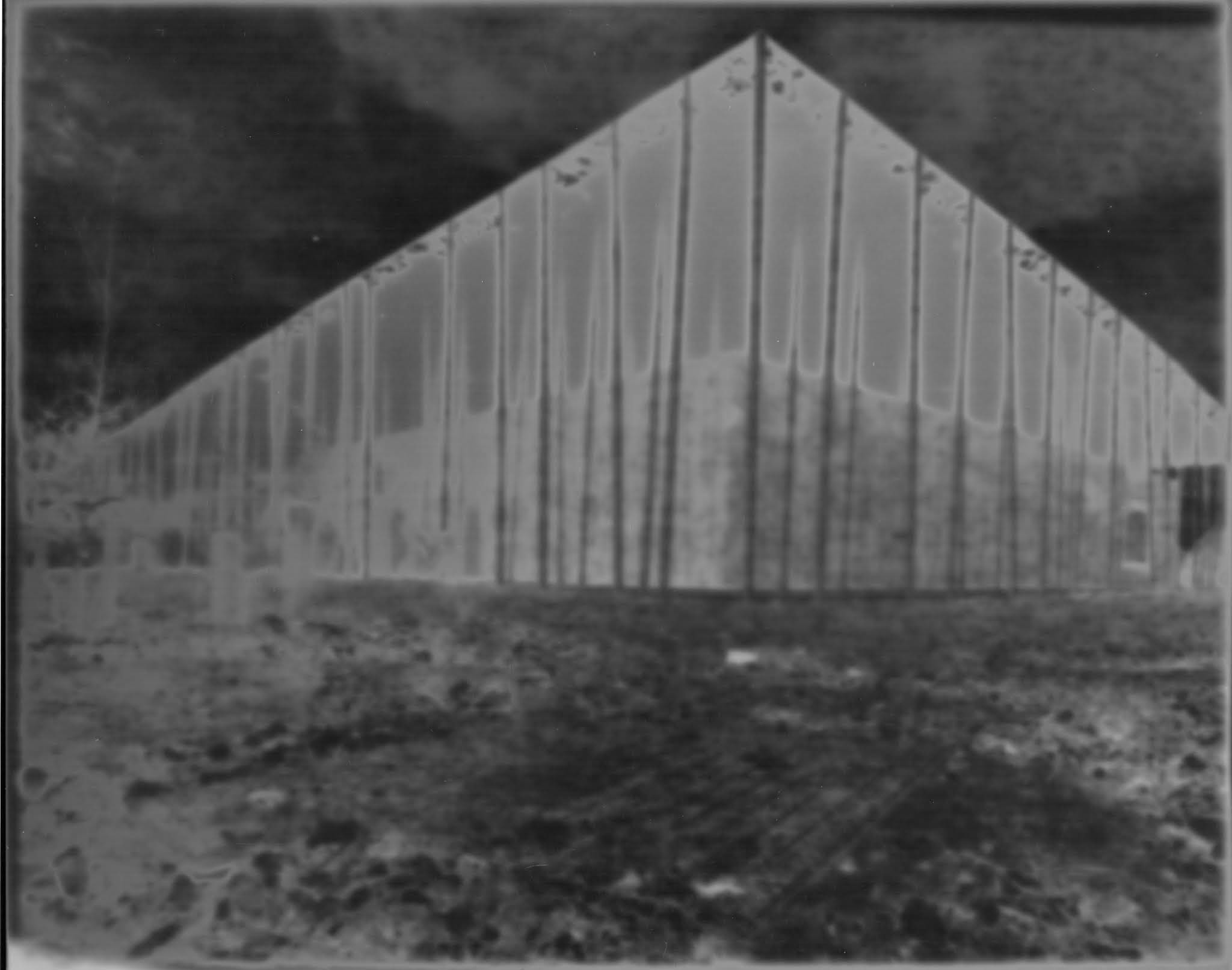
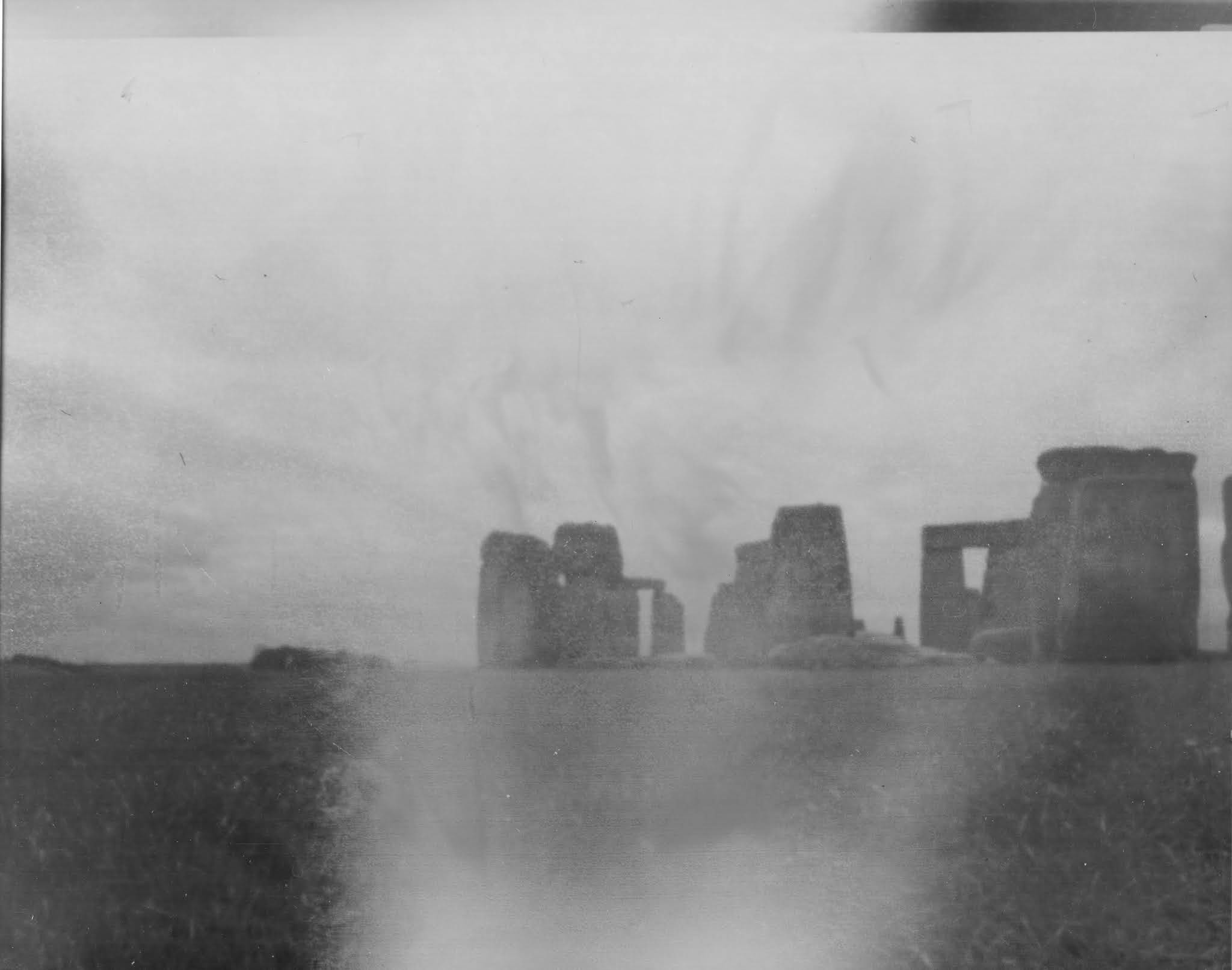
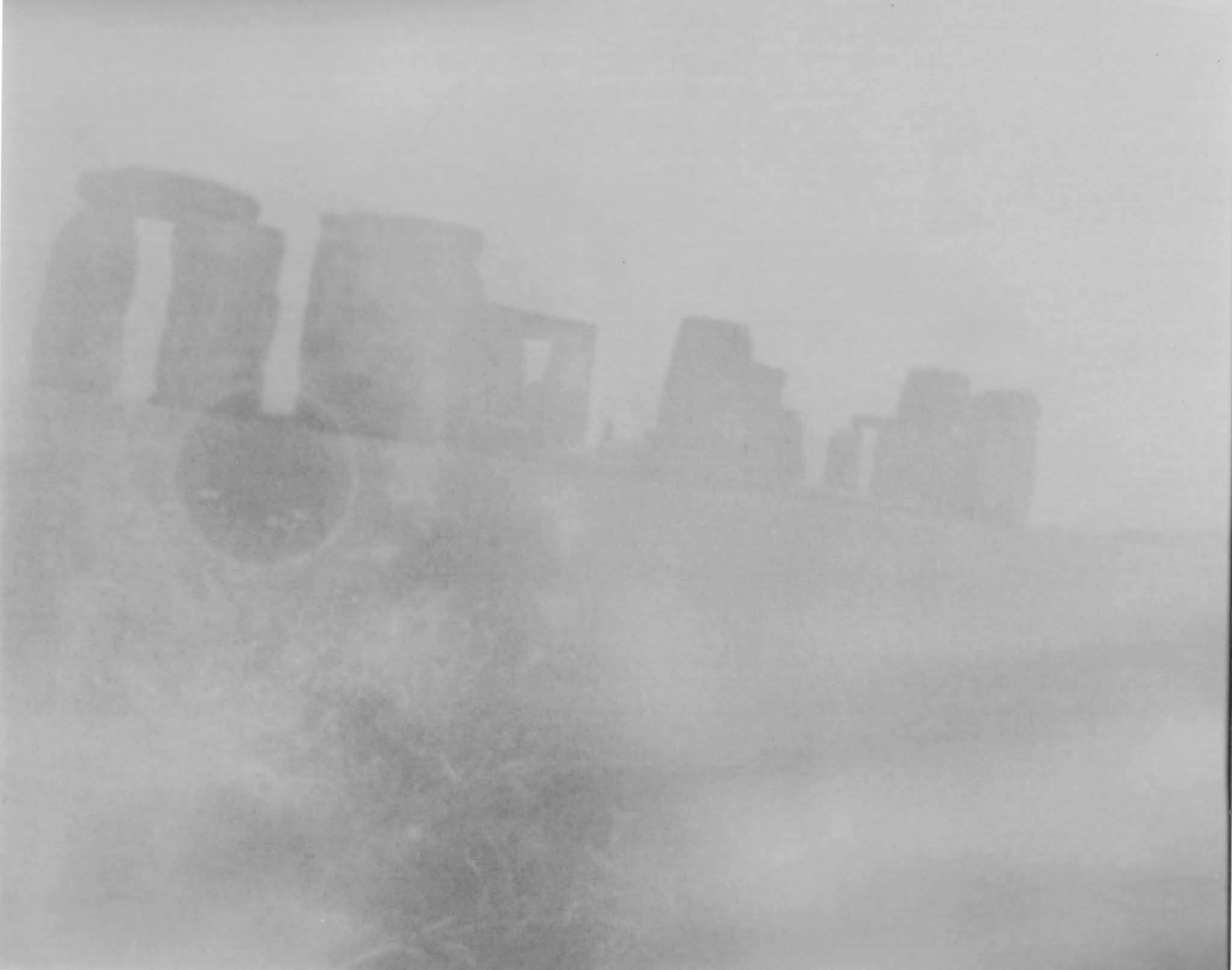
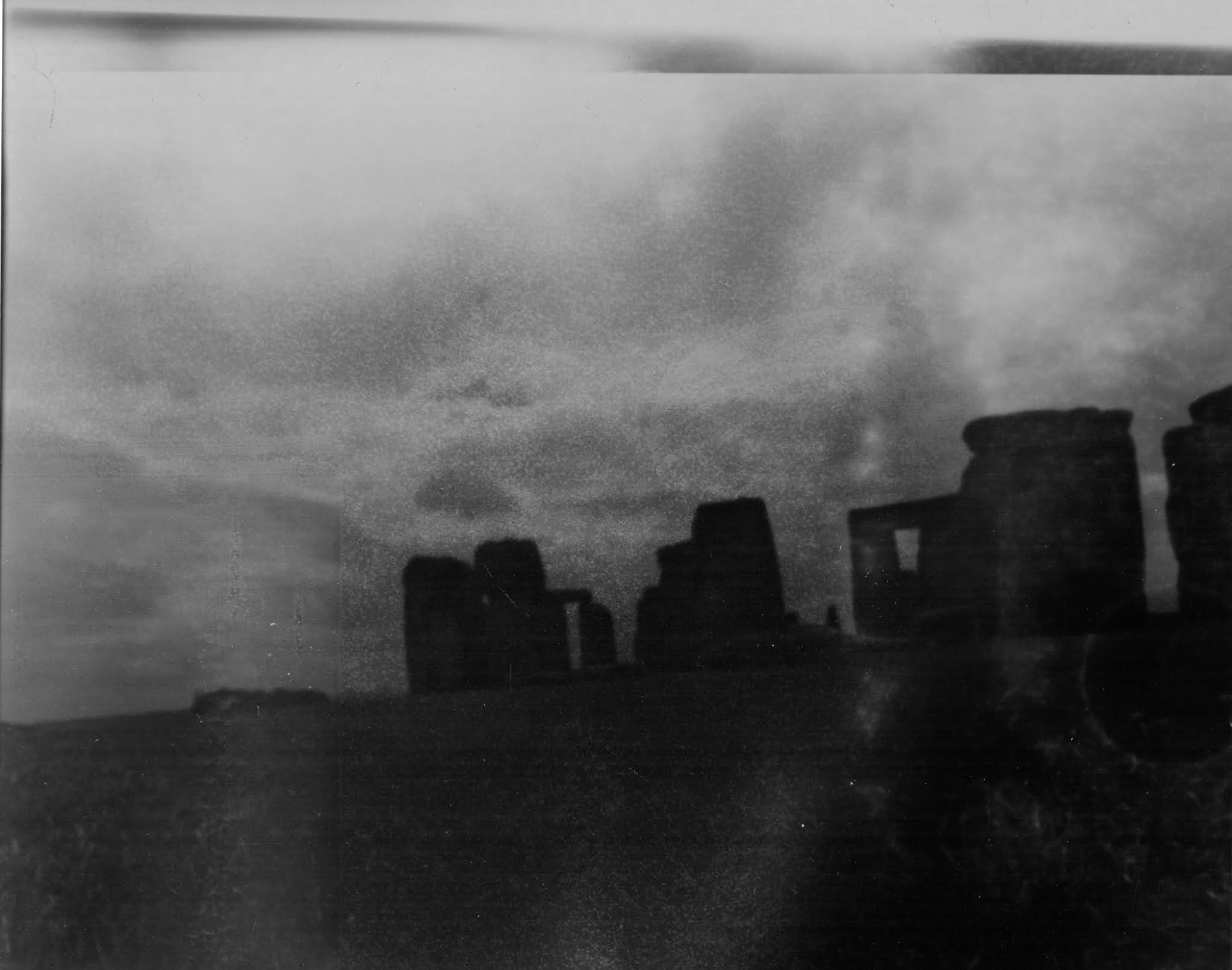
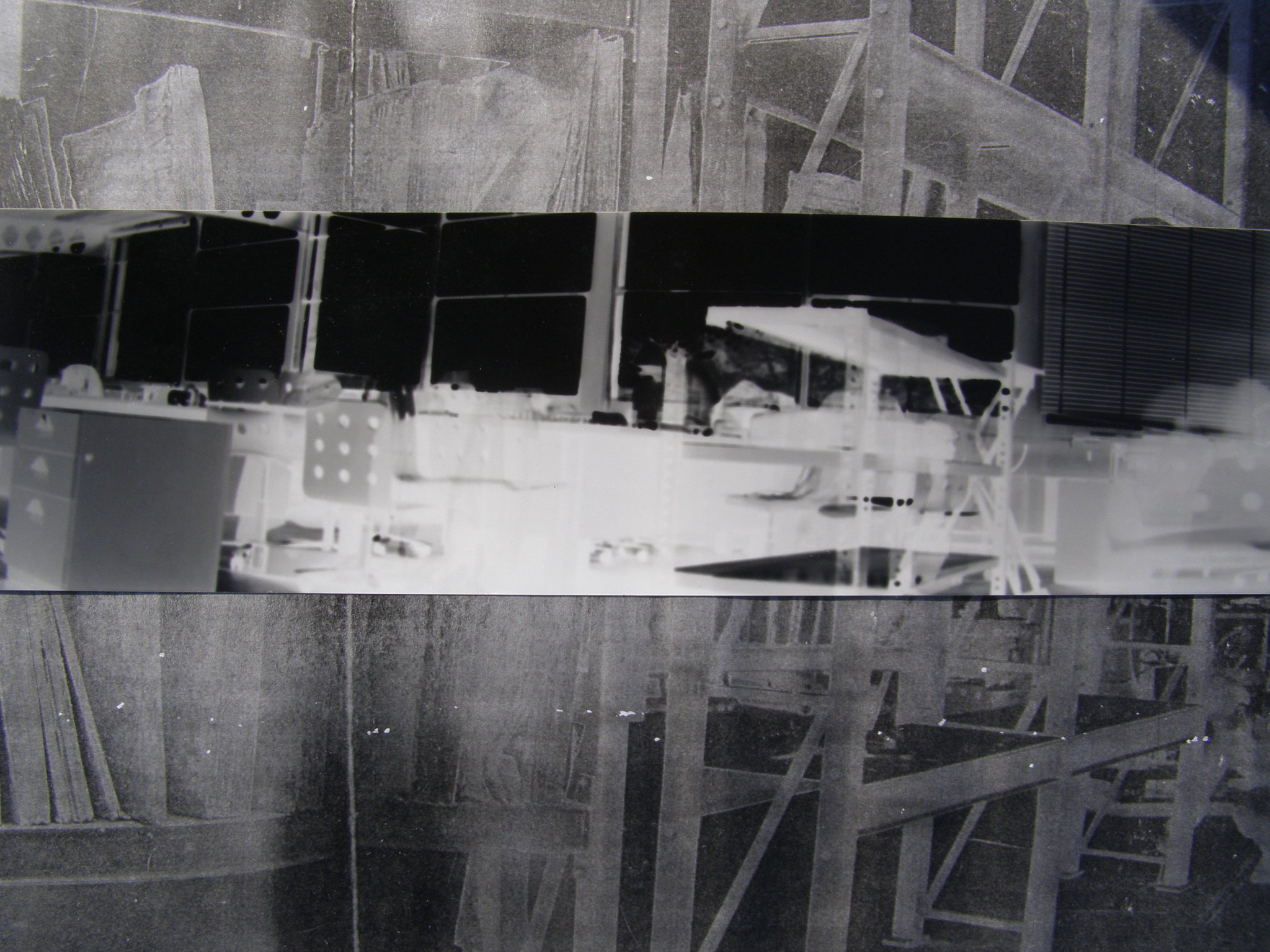
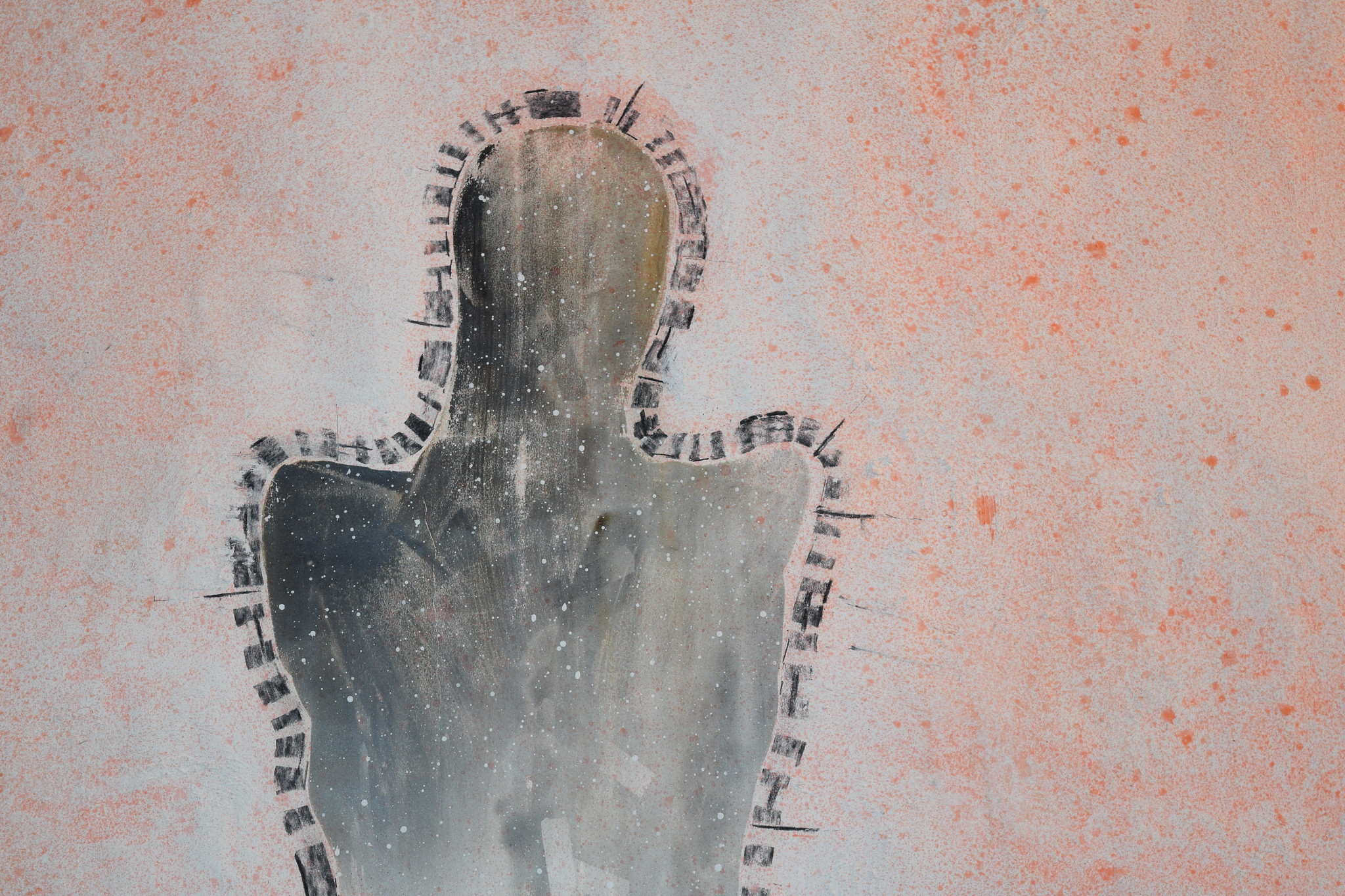
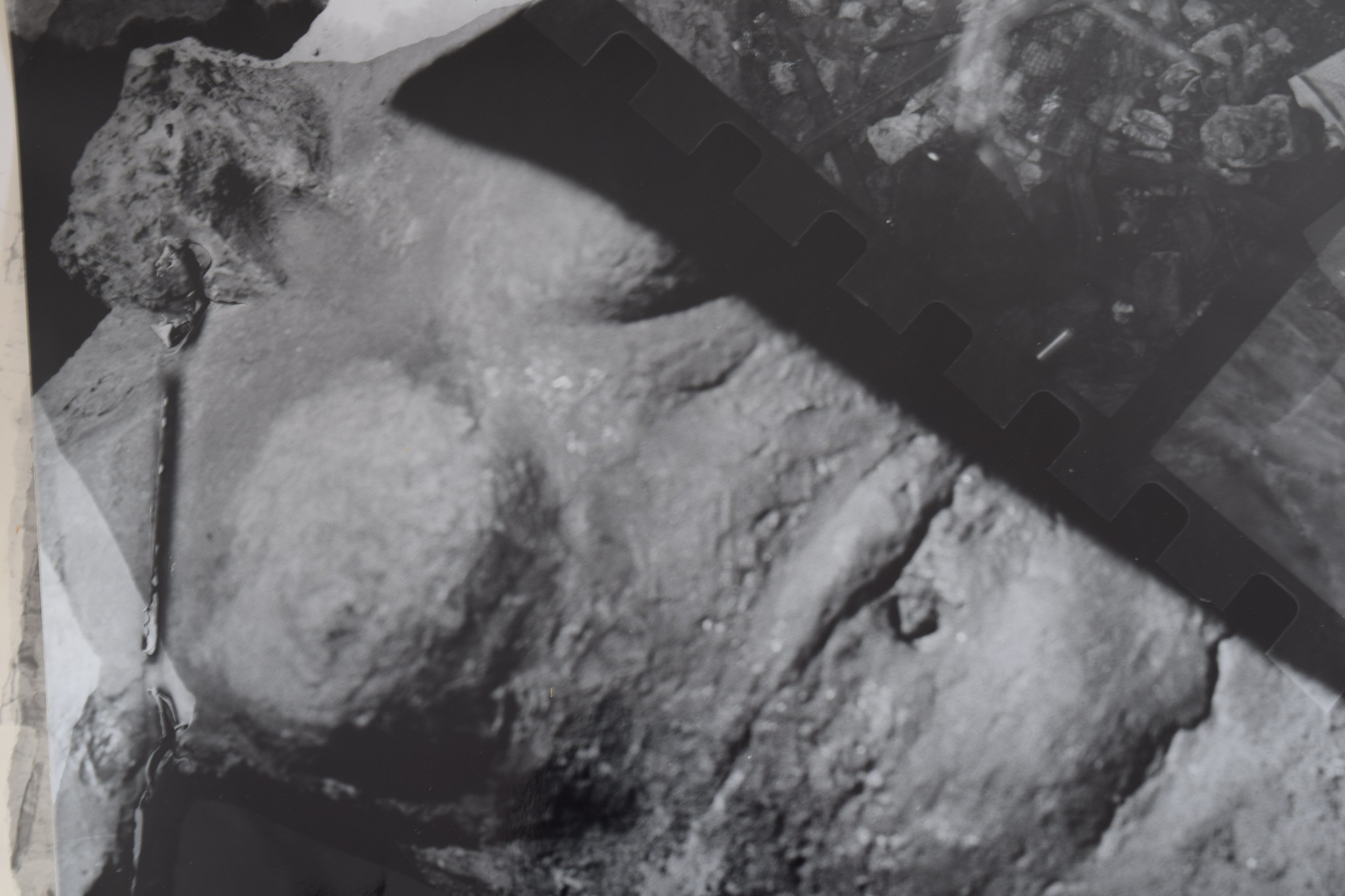
    Corpus : Photographic drawings from human outlines

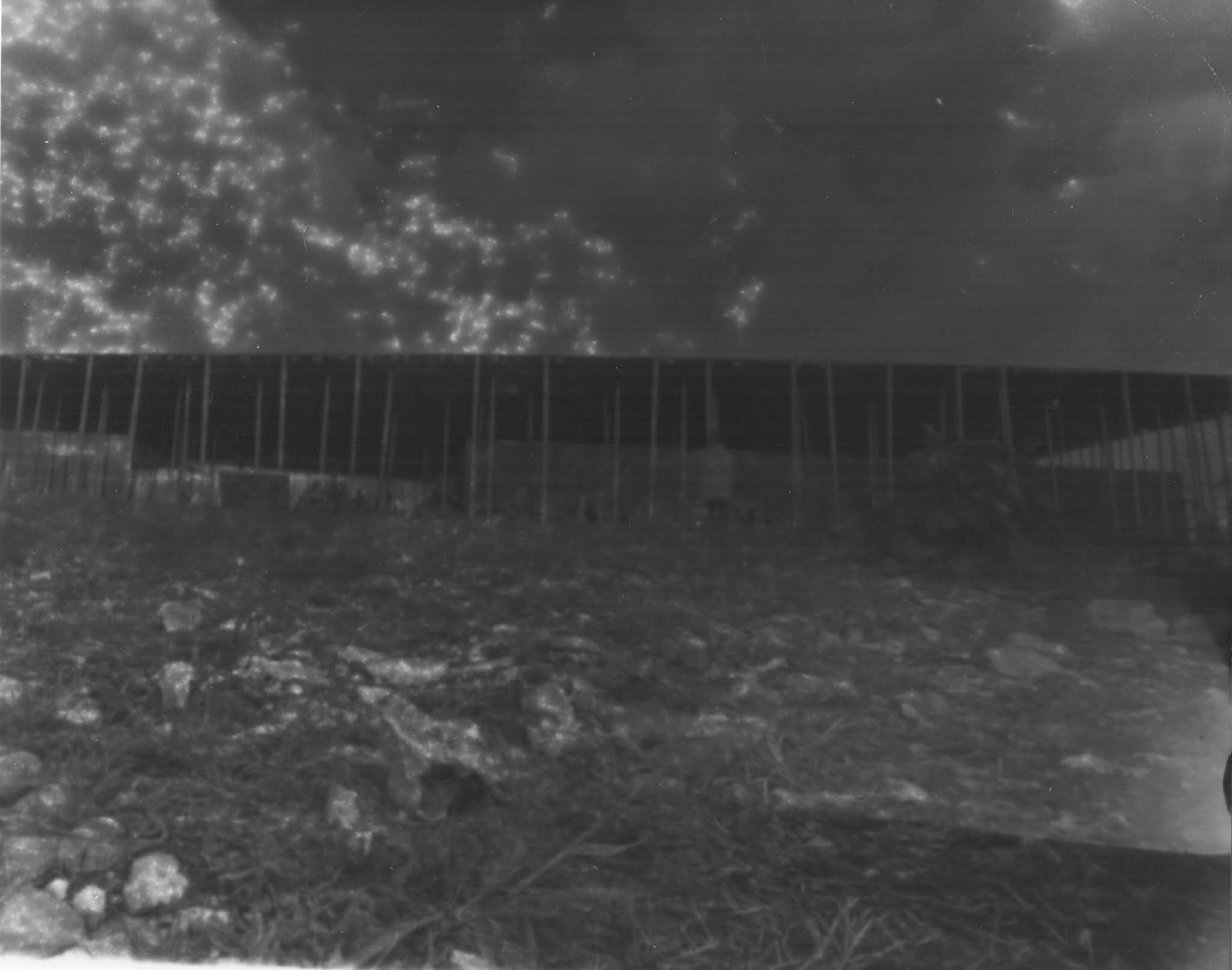
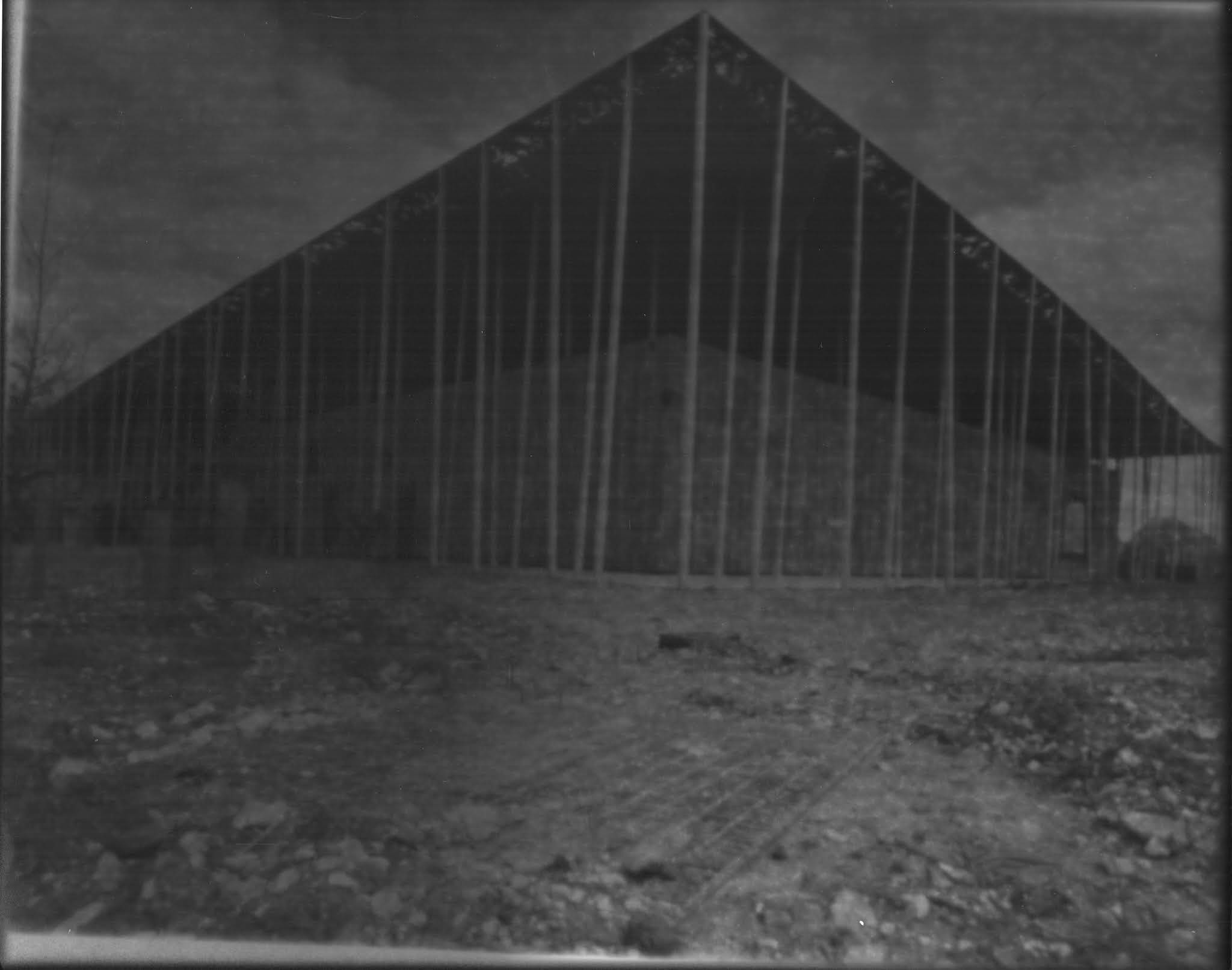
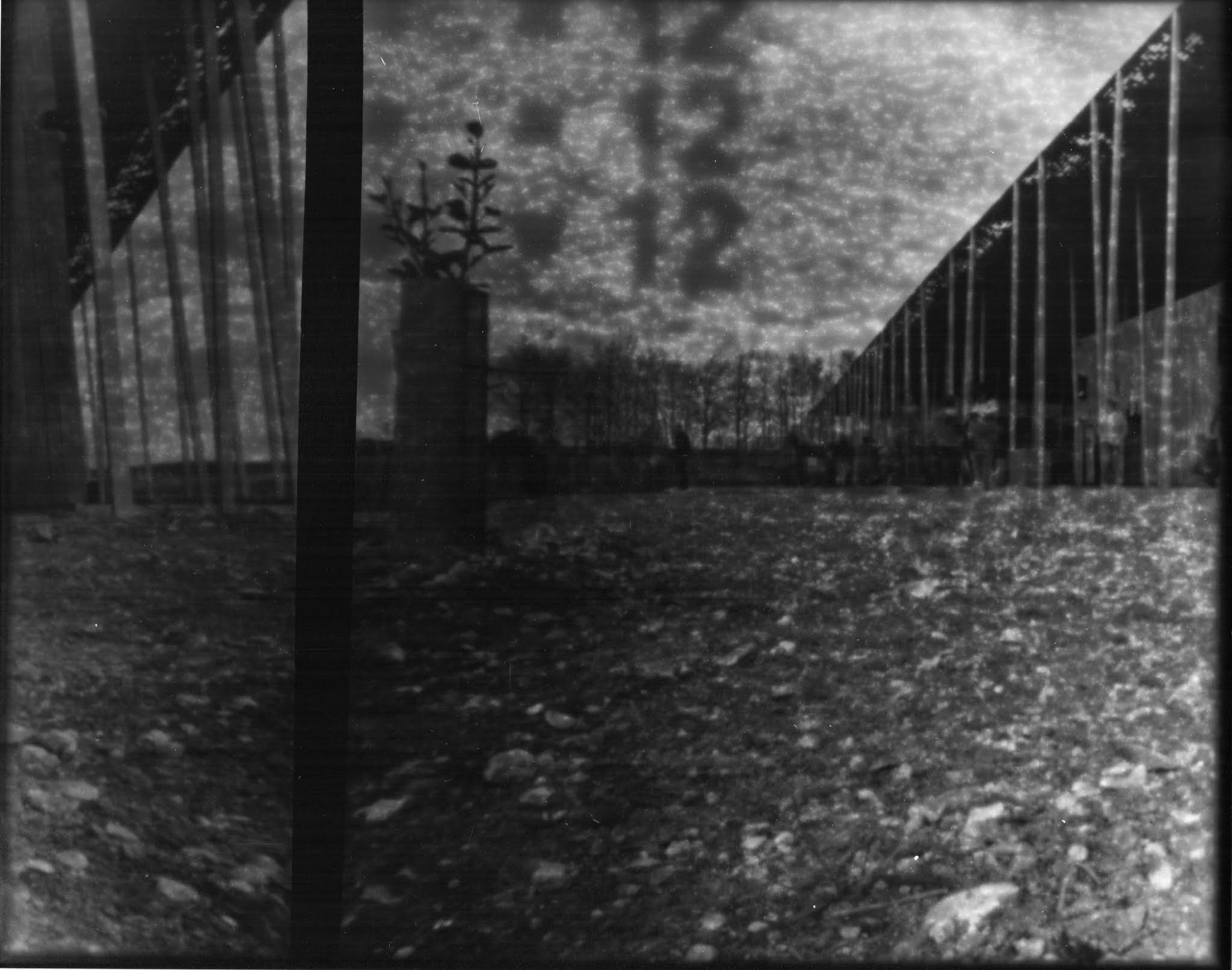
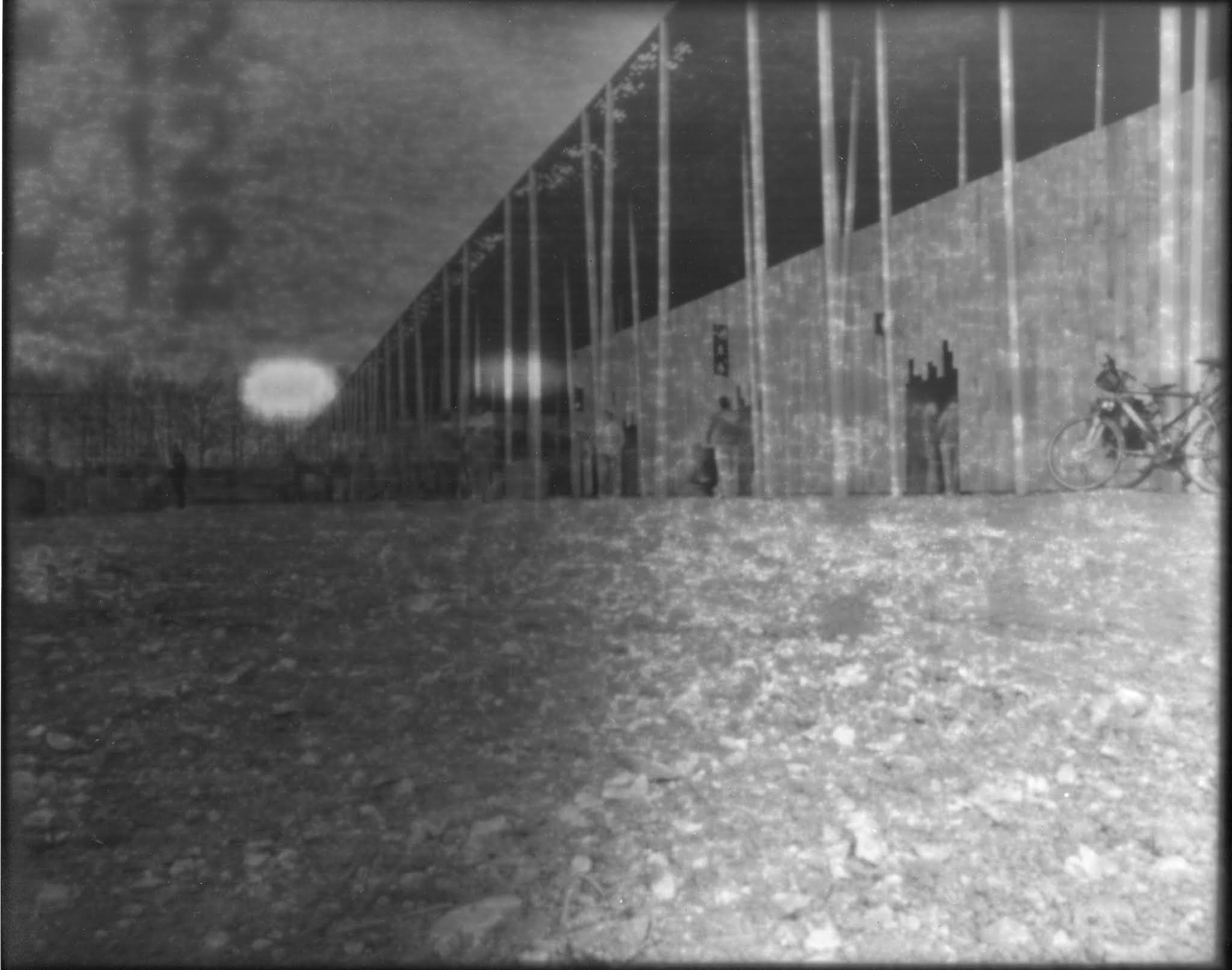
    Borderlines : Cley 19, speculative submission for exhibition

    ANTHROPOLOGICAL NOTIONS AROUND ISSUES OF SPACES, ORIGINS, SOCIAL RITUALS AND TABOOS.


    CREATING CREATIVE ANTHROPOLOGY INTO TEMPORAL SITES, between the concrete and the spatial.

    Utilising processes and strategies and terminologies.

    Demarcation, set the boundaries or limits.

    Acculturate, assimilate to a different culture.

    Ethnology, the study of the characteristics of different peoples and the differences and relationships between them.

    NON- SPACES, Introduction to an anthropology of super modernity. Marc Auge. My working practice intuitively reflects and responds to what Marc Auge considers to be the condition of Supermodemity, briefly his defining parameters on the idea of Supermodemity are.

    Overabundance of events.

    Spatial overabundance.

    The individualization of references. A SOCIETY IN EXCESS.

    My creative practice attempts to reconstitute spaces from this condition of Supermodemity into temporal sites, places from which to solicit a sense of a mobile anthropology, a dwelling that is both intimate and public and promotes solitudes and subjectivity.

    Marc Auge states the twenty-first century will be anthropological, not because the three figures of excess are just the current form of a perennial raw material which is the very ore of anthropology, but also because in situations of supermodemitiy the components pile up without destroying one another.1

    Contemporary Practitioners like anthropologists will attempt to make sense, they will attempt to resolve, to make or rather remake meaning through the processes of observing the phenomena of acculturation.

    1  Marc Auge, Non-Places, introduction to an anthropology of super modernity. (London: Verso, 1992) page 41.

    Submission Guidelines

    All proposals must be for new work that addresses the brief, artists are encouraged to experiment, be playful and push the boundaries of their practice.

    BORDERLINES

    Artists translate cultural moments and offer responses to their environment, whether geographical, political or spiritual. Inviting artist’s to respond to the theme Borderlines as it requires an inquisitive approach to the site that surrounds them and to the climate in which we live.

    Geographical Environmental Landscape

    Terrain

    Migration (Wildlife/Humans) Transmigration

    Socio Political Departure

    Borderlands

    Borderlines

    Borders

    Lines

    Spiritual Embodied Walking

    Wandering

    Wanderlust

    Movement

    Borderlines, simultaneously both boundary and threshold.

    Visible, Existential, Imaginative, Porous, Contingent, Reflexive, Nowness, Un-Knowing, Awkwardness, Liminality, Territory, Subjectivity,

    Concrete Collage : Raku fragment, clay form/photograph, drawing, handwriting and painted surfaces.

    Ancient Lights : Abstract Painting and Constructional Drawing for Architectural Glass.

    Anthropological Landscape : Drawing from archaeological dig, liquid light, field chalk, charcoal.

    Cley, St Margaret’s South Entrance : Collage, Sketchbook, working ideas for small glass panels.

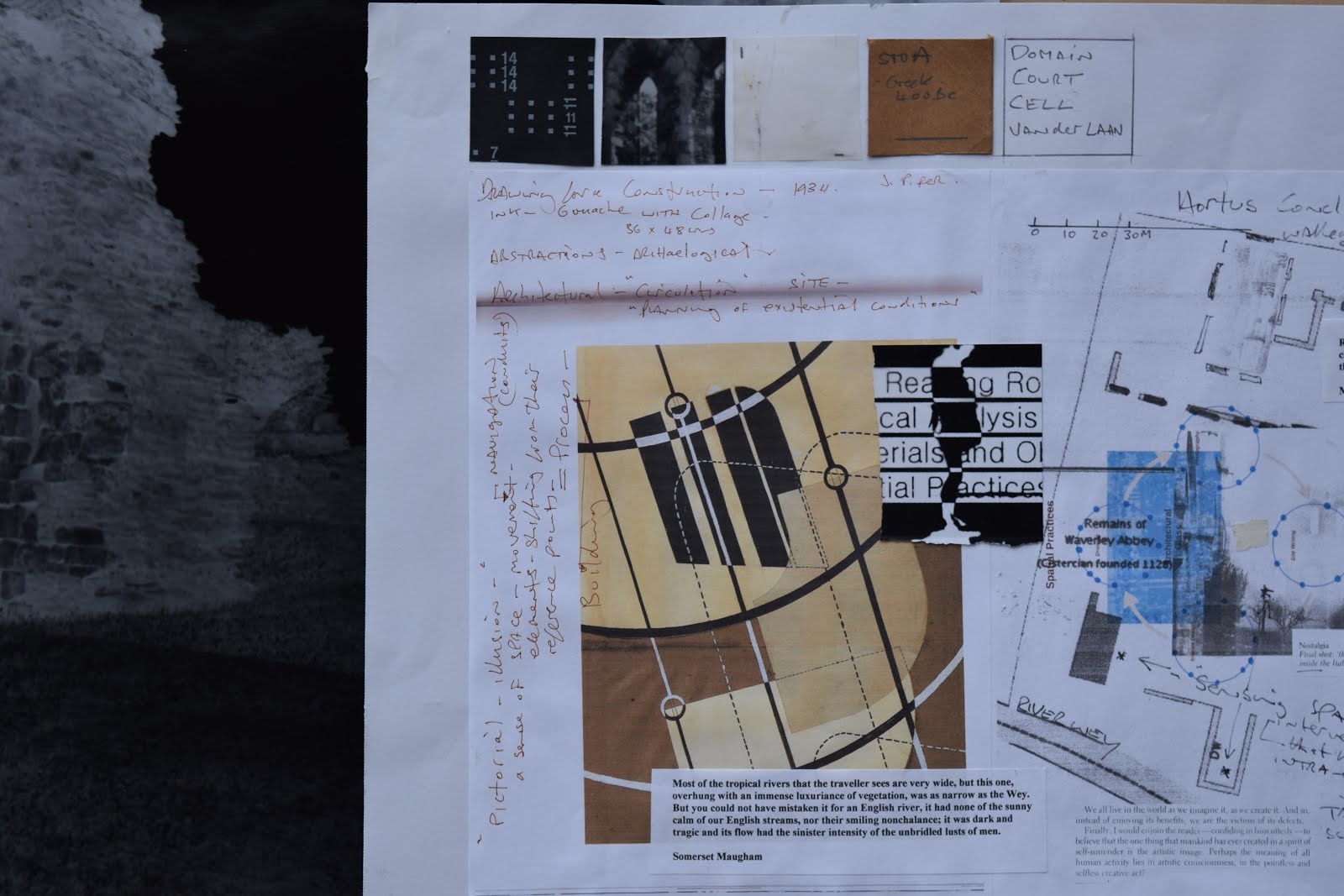
    Cell, Court, Domain, Field : Layered paper, paint, and absent objects.

    Architectural Concerns : Collage ,drawing, installation, blue prints, historical building plans. Scriptorium : Architectural model for a reading space within a pastoral landscape or community.

    Working Notes/Extracts and Fragments from site visit. St Margaret’s Church

    Silence and stillness, social/historical shelter from/within the landscape

    A place acting through our sensate/spiritual world, a space crafted by the specificity of its making/usage.

    An interior sensing space of a protected and defended/fortified silence, affirming beliefs and community.

    Subtle and muted, stillness, embodiment from the patina of use. Bleached woodwork, lightness, dryness and the humidity of absences.

    Empty and eroded stone mullion windows/ancient lights, architecture framing its un-making worn, broken and repaired flooring surfaces, ceramic and stone.

    What does Borderlines mean to you? Boundary and Threshold

    Visible, existential, imaginative, porous, contingent, reflexive, nowness, un-knowing, awkwardness, liminal, territory,

    Material Process/Inquiry, Praxis, Content, Context

    Form, Existential Qualities/Values AGENCY

    Mindfullness of the brief to discover things through the inquiry and engagement with the site.

    Develop Inquiry

    Documentation, Artist Book, and other media mixed media painting

    Small series of glass panels ceramic tiles/facades

    Photographic material/photograms, drawings/hangings on Chinese paper

    Melancholy Landscapes : The Plague/Vermilion Sands

    Film Collages, hybrid processes and temporal states Liminality: Literature/Philosophy/Visual Art

    Landscapes : entering/intruding/emerging (holga819) Existential Gestures : Looking away from the sea

    Ballard : Vermilion Sands : Speculative Fields/Spatial Practices Albert Camus : The Plague, 1947. (Penguin Fiction)

    The townspeople of Oran are in the grip of a virulent plague.

    Cut off from the rest of the world, living in fear, they each respond in their own way to the grim challenge of the deadly bacillus. Among them is Dr Rieux, a humanitarian and healer, and it is through his eyes that that we witness the devastating course of the epidemic.

    Written in 1947, just after the Nazi occupation of France, Camus’s magnificent novel is also a story of courage and determination against the arbitrariness and seeming absurdity of human existence.

    ‘Camus represents a particularly modem type of temperament, a mystic soul in a Godless universe, thirsty for the absolute, forever rebellious against the essential injustice of the human condition’

    Shusha Guppy, Sunday Times

    Walking into Emergent Landscapes

    Walking/Thinking/Physical Entanglements in the Landscape
    Deeper Darkness, Photographic Memory/Process, Metonymy, Negative,

    Analogue, Negated Nocturne. Walking, Others, Presence, Becoming,

    Walking into Emergent Landscapes : Covehithe Beach

    The OLD WAYS, a JOURNEY ON FOOT, Robert Macfarlane

    “ Walking was a means of personal myth-making, but it also shaped his everyday longings:

    Edward Thomas not only thought on paths and of them, but also with them.”

    “To Thomas, paths connected real places but they also led out-wards to metaphysics, backwards to history and inward to the self. These traverses- between the conceptual, the spectral and the personal-occur often without signage in his writing, and are among its most characteristic events. He imagined himself in topographical terms.”


    Corpus : Photographic drawings from human outlines Borderlines : Cley 19, speculative submission for exhibition ANTHROPOLOGICAL NOTIONS AROU…

    Source: Corpus/Borderlands : A Society in Excess, Marc Auge.

  • Speculative Reading/Making : Life outside the circle of architecture

    In troubled times they all sought to experience life away from social definitions of success or failure. From there, these primitive huts marked personal, original inquires into the ever-mysterious nature of human existence.
    Anne Cline. A Hut of One’s Own
    Life Outside The Circle Of Architecture.
    The realisation of my interiors project consists of two separate but relational elements that are presented into a built environment. The small ‘Scriptorium’ conceived as a space as a refuge, an intimate minimal construction that features a doorway and an interior that contains a place for objects, perhaps books, as well as a small sitting area.
    This construction, an open cell perhaps is evocative to a state of contemplation between the fabric of the everyday. The rather hybrid design appropriates a merging of minimalism, modernism and the plastic architecture of a ruined Cistercian Abbey. The construction comes into close contact with its occupant, it is a restricted spatial apparatus that attempts to promote through its awkwardness distinctive experiences. In particular the apparatus of the Scriptorium and its materiality is attempting to promote a sensory intensification that is further underpinned by the cognitive processes of reading and perhaps other social dialogues. The sensory intensification of a hut like space promotes a haptic sensibility, allowing the nearness and intimacies of both the built space and the imaginative, virtual realm to become entangled.
    Ultimately the Scriptorium is trying to build on unique human subjectivities that are manifested through a kinaesthetic repertoire or script that helps to enact further spatial experiences. It might be useful to think of this constructed space as itself still under construction, a site that acts as its own vessel within the multiplicities of human perception itself. The influence of the Cistercian Order, the site of Waverly Abbey and its pastoral landscape, have all contributed to a sense of the design process, The Scriptorium like the ruins themselves is open to the elements. Waverley Abbey remains as a sensory site between the remains of architecture and its society and the effects of our own global culture in the information age.

    Spatial Practice could be a program and a site for a critical approach to social engagement and interdisciplinary collaboration.

    A HUT WITHIN THE INFLUENCE AND NATURE OF ARCHITECTURE
    The tendency of technological culture to standardize environmental condition and make
    the environment entirely predictable is causing a serious sensory impoverishment. Our buildings have lost their opacity and depth, sensory invitation and discovery, mystery and shadow.
    Juhani Pallasmaa. Hapticity and Time. Notes on Fragile Architecture. 2000
    The Scriptorium
    Description of Work
    The ruined site of the abbey at Waverley, near Farnham has been appropriated as a site and as a place within which to position and develop architectural and sociological inquires. The design processes of interiors have been employed as a tool to both critique and to create how we might further develop the contents of architecture. This Spatiality and its diffractions of differences and similarities, narratives and subjective experiences are what my interior spaces attempt to initiate.
    Design as a interactive structure, an interlocutory interior in the making of space and spatial relations.
    Interior design presented as an interactive and immersive spatial inquiry
    The Scriptorium brings together a varied and discursive set of objects, texts and interior architectures. This work seeks to understand how the virtual changes physical
    architecture and how this affects the space between people and buildings. The
    “performativity of research” is presented through specifically designed apparatuses and partitions. These designed components, made objects together with annotated texts and drawings conspire to create a complex design led inquiry a “Place Study” staged in a niche-like space. This interior presents itself as both distinct and relational to the other projects in the MA Interiors Show. The interior presents the many manifestations of creative research, structures and even symposia that have been developed through engaging with the site. The visualization of the research and the relational architectures rendered through montage and collage explores digital and analogue technologies. This hybridisation and the use of pinhole photography and film footage further explore interests in the field of performance as an immaterial architecture drawn in the presence of place.

    Praxis could be the energy produced between combining research and creative embodiment as speculative strategies/assemblages.

    The Reading Room
    Materials and Objects in Social Space
    Spatial Practices in The Politics of Things

    ‘Ordinary things contain the deepest mysteries’

    The Social Condenser in Operation.
    Five figures and a stature distributed evenly in its isotropic space; a picture of the socialized as opposed to the sociable.

    Robin Evans,
    Figures, Doors and Passages

    Project Proposal Waverley Abbey Site 2014.
    Exploratory project centred around the proposal to return the site with its Cistercian origins and its surviving ruins into a self sustaining pastoral and educational retreat.
    Secular Retreat, Peter Zumthor
    Krishnamurti Centre
    Brockwood Park School, Holistic, Sustainable, Education.
    This site requires a new working order much the same in stature as before its dissolution. This holistically based institute would operate as both a learning centre with research facilities and practical workshops that would facilitate in the development and maintenance of the site and its structures.
    It is envisaged that new enclosures will articulate the project space as a whole and help to regenerate this once prolific pastoral community. The choice of materials and building practices is being reviewed and extended to allow the hybridising of the vernacular with the technological advancements of new building processes and materials. The new structures built into the existing site will mutually accommodate any existing feature or surface.
    The scaffolding systems of construction will inform the envelope of the internal frames and built components will be incorporated as single spatial entities within the headroom of the structure. The seductive densities of materials and substances will theatrically inform space and surfaces.
    Rooms can become thematic, theorised even through their content of substances, materiality, space and ambient light.
    It is a design feature that these new adaptations for dwelling spaces should in some way index and register the spaces that have been erased by a process of over writing in the sense of a double occupancy, a place reopened back to a site. New surfaces become facsimiles of existing forms (use of clay impressions as floors) from which to create within the building a series of subtle palimpsests.
    Spaces become fused with the monumentality of the existing historical remnants. Corridors navigate both the passage of individuals and the interventions that set-up possibilities for spaces between walls and floors.
    The adaptation of this ruinous mass of historical architectural forms becomes enmeshed through sensitive and site responsive adaptations; living architectures that can playfully through a vocational necessity that (a being close at hand) crafts evocative, poignant and precise interior spaces.

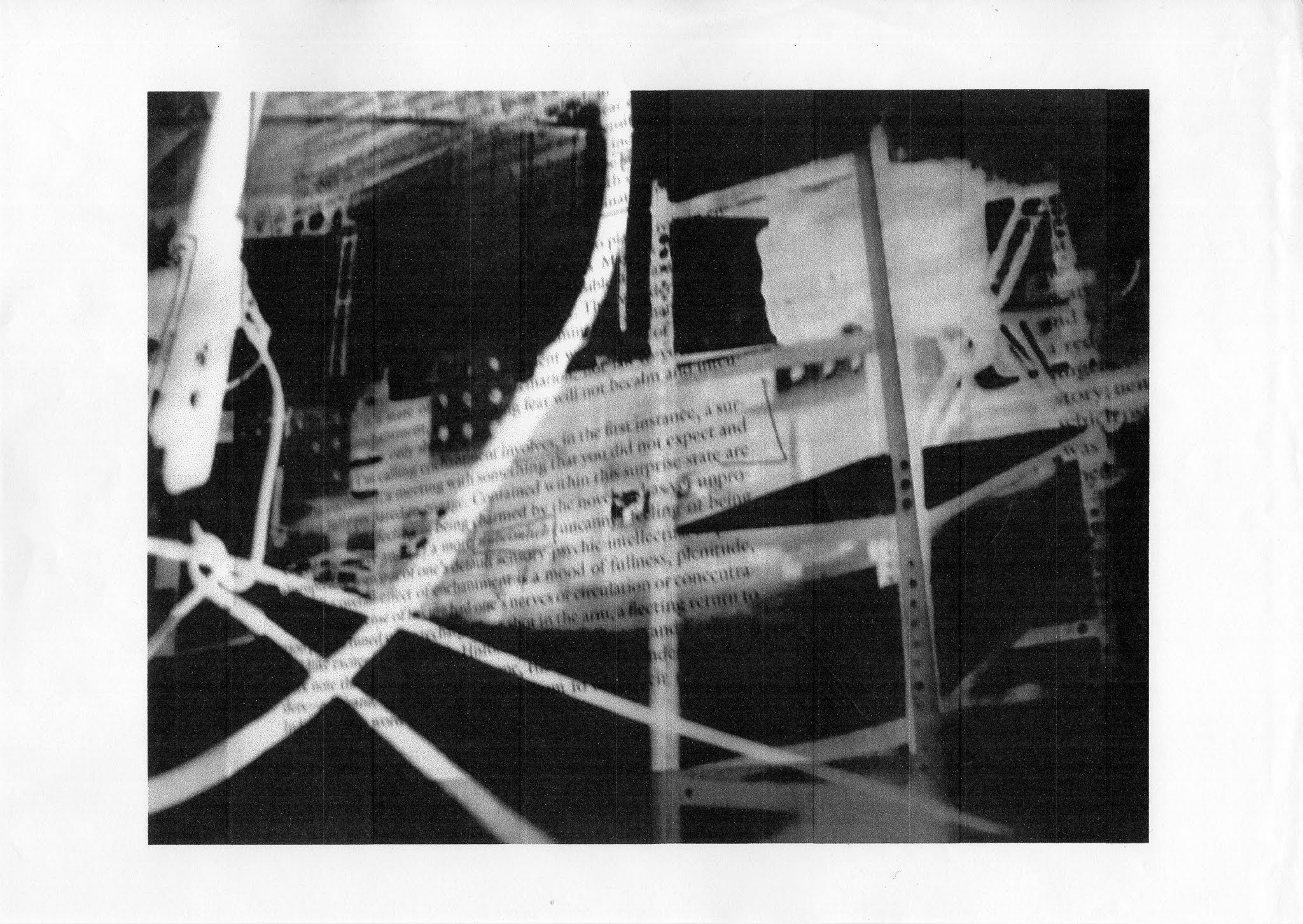
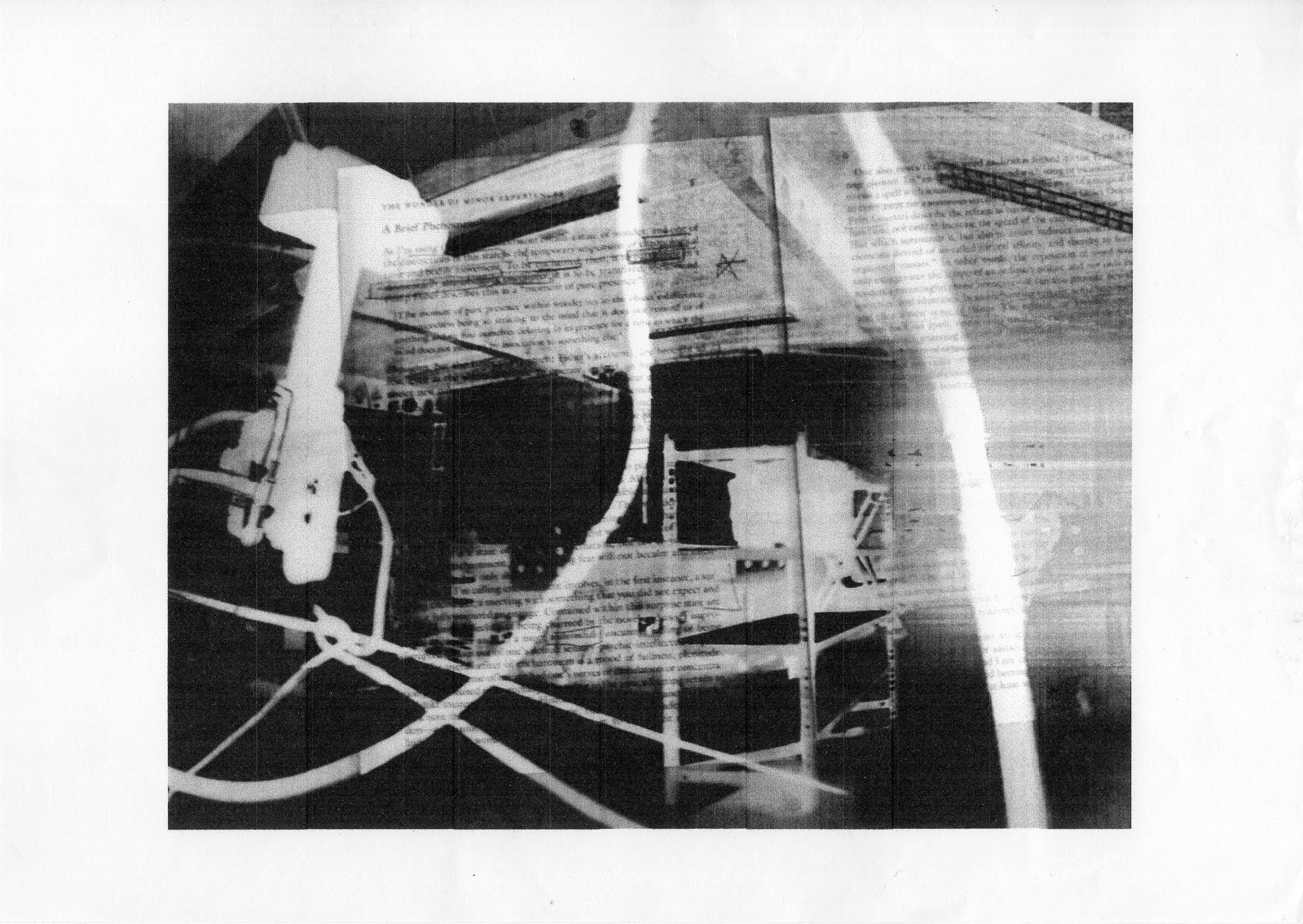
    Photographic Collage with text fragments and disparate images

    Originally published 14 February 2017, revisited 2021


    In troubled times they all sought to experience life away from social definitions of success or failure. From there, these primitive huts ma…

    Source: Speculative Reading/Making : Life outside the circle of architecture

  • Localities of experience and research : Making Entangled

    Making Entangled : An eclectic synthesis of knowledge fields

    Confronting Spatial Intelligence-tracing the use of spatial intelligence.

    What are we learning about in the concrete particularity of this space?

    Leon van Schaik : Spatial Intelligence

    ‘Architecture is the product of our spatial intelligence, of its workings in establishing the mental spaces of every individual, and of the spatial values shared by groups.’

    The Retreat, Upper Lawn Pavilion. 1959

    This country retreat presents itself as a glass box but is grounded by its relationship to the pre-existing masonry of a walled garden.

    Leon van Schaik comments that the little glass house retreat built by Peter and Alison Smithson around a walled garden evokes for him memories(mental spaces) of being a schoolboy working in a conservatory in a walled garden at Cliveden, such that the notion of a retreat is this ideal of being built into the walls of an existing walled garden.

    You rise up into its glazed upper storey with views over the rolling hills beyond and perch atop the wall on the edge of a threshold space carved out of the woods, or remove yourself from view sink down to the ground and sit with your back to the wall.

    Kenneth Frampton subscribes to a general theory of architecture independent of any local articulation beyond adaptations to meet the needs of local climatic conditions.

    Dalibor Vesely, an architectural theorist who spent his teaching life demonstrating that in the modern era the unity of time, place and culture that is essential to architectural reality has been fractured. Leon van Schaik comments as a consequence in architecture today our spatial knowledge is either buried deep within our unconscious, or it is surfaced in a highly simplified (adolescent) form.

    Architecture as ‘a purveyor of esoteric spatial luxuries to domestic elites’ (Schaik, 2008:84)

    It follows that this fractured reality is deeply problematical to architecture, to the increasing number of architectural practices that have no ready connection to the daily expectations of citizens, resulting in a brutal instrumental policing of space (and our mental spaces) via the architecture that underpins the politics of our corporate or governmental interests.

    Mediators for spatial experiences.

    Interior design presented as an interactive and immersive spatial inquiry

    The ruined site of the abbey at Waverley, near Farnham has been appropriated as a site and as a place within which to position and develop my practice. The Abbey, its buildings, and its grounds have provided a valuable source of the material evidence for thinking about hapticity and time in a pastoral setting.

    The Scriptorium presents the “performativity of research” through specifically designed apparatuses and partitions. These designed components, made objects, together with annotated texts and drawings conspire to create a complex interior design, a “Place Study” staged in a niche-like space. This interior presents itself as both distinct and relational to the other projects in the MA Interiors Show. The interior presents the many manifestations of creative research that have been developed through engaging with the site.

    The small ‘Scriptorium’ conceived as a space as a refuge, an intimate minimal construction that features a doorway and an interior that contains a place for objects, perhaps books, as well as a small sitting area. This construction, an open cell perhaps is evocative to a state of contemplation between the fabric of the everyday. The rather hybrid design appropriates a merging of minimalism, modernism and the plastic architecture of a ruined Cistercian Abbey. The construction comes into close contact with its occupant, it is a restricted spatial apparatus that attempts to promote through its awkwardness distinctive experiences.

    Libraries with research conduits for immersive and interactive cognitive mappings, allowing a praxis to enter the practicability of the everyday, a crafted philosophical inquiry, building new livelihoods.

    Colour Texture Surface Enclosures Voids

    Sample Materials: Relationships through Localities/Mood Boards/Technical and Physical Details.

    Erasure in drawing and architectural planning (space voids) as a methodology to superimpose multiplicities.

    Erasing : Kirosan Observatory, Anti-Object, Kengo Kuma.

    Multiplicities and Memory, Peter Zumthor.

    Learning Spaces as a performative spatial practice through a process of tuning and minimizing. Noh stage in the forest, Kego Kuma.

    PLANNING DOCUMENT use GRAPHIC DESIGN, theories and applications to visualize, design and map out the nature/interior spaces and experiences of this proposal.

    Natural Connections: Retreat and Awareness through Architecture (Architectural Experience).

    Experiencing The Phenomenology of Place at Waverley Abbey

    INTERIOR ARCHITECTURE through a sensitive adaptation of place studies, and using materials and built spaces to form the container/scaffold/stage for an activity not its contents. Working spaces that can be given a multiplicity of tasks that can accommodate the humanities and the life sciences.

    Architecture and landscape, together with the localised weather, and the sheltering buildings all contribute to finding the mental spaces for the retreat.

    APPARATUSES DURATIONS EFFECTS

    THINGS-MAKING-PEOPLE-IN THE WORLD

    Heightening the experiential experiences of place. Ramps, stairs and passages as devices (movable) to examine and to create immediate architectural interventions. Notion of the observatory (part built/part still under development) (monuments as instruments, Japor). The camera obscura’s darken room becomes a stage and a cinema; a drawing black boarded room for making creative reciprocal social practices.

    MAKING SPACES PARTIAL to the material flows and currents of sensory awareness in which IMAGES and OBJECTS reciprocally take shape/meaning.

    The Body in Space: merging/mediating/climbing over architecture and its territory in the landscape.

    Keywords,

    Place Studies : Spatiality : Phenomenology of Place : Spatial Intelligence :

    Relational Aesthetics:

    Retreat, Sensing Spaces, Experiential, Pastoral, Architectural Fabric, Ruined Buildings, Historical Community/Order, Neo Romantic, Camera Obscura, Mortality, Consumption, Palimpsest, Remote Sensing, Architectural Interventions, Material, Massing, Body, Objects and Things, Craft, The Physical Body (Historical/Postmodern), Contemporary Art Practices, Tim Ingold

    ‘Making’ and the inter relationships of Archaeology, Anthropology, Art and Architecture.

    Assets of Site

    Listed Historical Site, Tranquil (of road site in parkland), Otherness (ruination and romance), Water, Archaeology (building), anthropology (significant settlement Cistercian Abbey)

    CREATING FORMS AND MESSAGES

    The Way Things Are Connected (or the stickiness of dependence between things and humans)

    Kengo Kuma. Anti-Object

    Not Networks, but rather Entanglements or Meshworks/Mesh (implying infinite connections and infinitesimal differences) or Mess (resists neat compartmentalization and order).

    Mark Dion. Archaeology

    The Work, its Shelter, the Collection and its Process and Furniture (Agency)

    The Wunderkammer as a structural feature (De Waal, V&A )

    The Mapping/Charting Table (conduit, meeting/passing place)

    Tim Ingold. Making

    Ian Hodder. Entangled: An Archaeology of the Relationships between Humans and Things.

    Peter Greenaway. The Physical Self.

    The Self in a Spatial/Social/Corporeal Situation The Tactility/Closeness of Learning (Craft)

    DESIGN CREATIVELY/COLLABORATIVELY AND STRATEGICALLY THINKING IN THE RUINS

    THINKING IN THE FICTION OF RUINS

    THE ABBEY AS A REMNANT OF ITS WORLD, IN WHICH WE HAVE COME TO LATE,

    TO A WORLD THAT HAS SEEN TOO MUCH.

    POLITICS OF PLACE, English Heritage/Listed Building, has been used as a filming locating in contemporary cinema ranging in genres from the historical to the dystopian. Recently use of the site as a film location allowed the building of a temporary tower structure situated in close proximity to the existing ruinous fabric of the site.

    POETICS OF SPACE/Bachelard AETHETICS OF DECAY/Trigg

    THE WAR OF DREAMS/Marc Auge

    The Theatre of Operations.

    Ruins, as a notion and a phenomena are slowly disappearing from our western cities, out of a lack of time (faute de temps) Marc Auge further comments that we are condemned to produce waste, not remnants of the past.

    LOCATION, Streetfinder O/S. GPS Locality and access options/experiences.

    World placing with solar and astronomical positioning. Scale and proximity

    HISTORY, site, occupations, ruination, dereliction, reclamation into a garden feature. SITE SPECIFIC to GLOBAL CONCERNS

    LOCALITIES and HISTORIES

    HUMAN EXPERIENCE, Qualitative and Quantitative

    DWELLING, LEARNING, RUINS, AND MEMORY> WHAT REMAINS?

    MAPPING/REMOTE SENSING using the palimpsest of this landscape/of its human occupation, of its demise to re-instate and re-imagine the cultural and anthropological shifts that have affected humanity.

    RE-INSTATING a gathering with intellectual concerns in the humanities.

    SPEAKERS/REASEARCH POSTERS/EXHIBITIONS and ART WORKS/SCREENINGS.

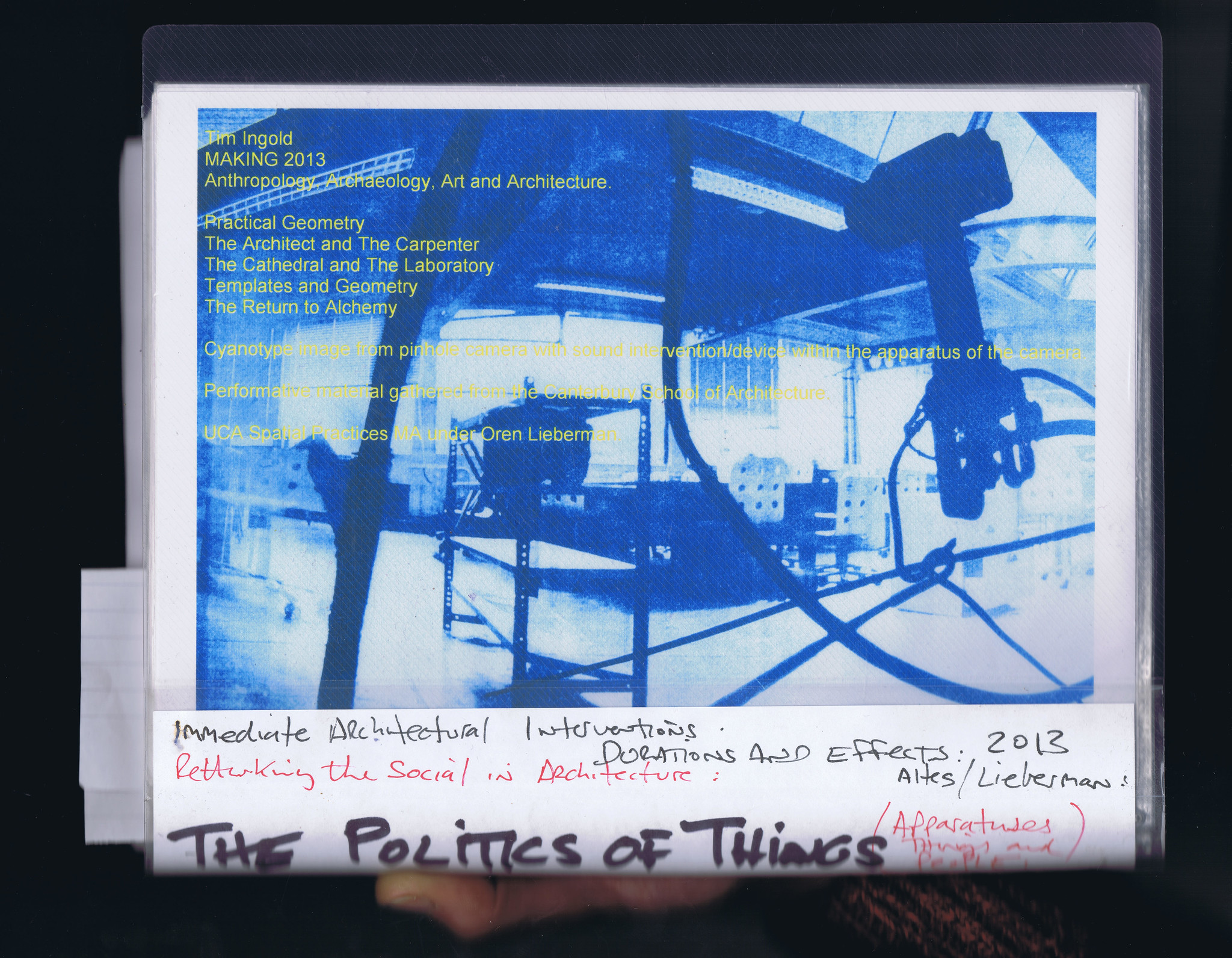
    Oren Lieberman, Immediate Architectural Interventions/Intraventions.

    Mark Dion, Thames Dig, tents, taxonomies, teeth and texts.

    Kate Whiteford, Land Drawings, installations and excavations

    Colin Renfrew , Remote Sensing, aerial photography of sites (WW2) being used to re­ image specific archaeological notions of place.

    Tim Ingold, MAKING, on the entanglements of Archaeology, Anthropology, Art and Architecture.

    METHODOLOGIES

    Temporary structures, blue screens, stage flats, projection, surfaces and skins, envelopes and membranes, optics and materials, programmes and debate, exhibition and research, global networking and virtual presentations, workshops around the phenomenology of place and its interrelationships with critical spatial practice. Presentations and Symposium, Curriculum and Practices, Site Specific Work and Performance.

    Public Intimacy in Social Spaces. Architecture and The Contemporary Arts.

    Learning through Making, (The Parallel of Life and Art) Anthropology, Archaeology, Art and Architecture.

    Visitor’s Centre, with interpretive exhibition (Stonehenge/Denton Corker Marshall) or an immersive intervention (Winchester Cathedral,Anima-Animus/Elferova and Wilson). A place where the interior space evokes a sense of place/a becoming (Existential, Historical, Social, Cultural) see ‘The Physical Self exhibition curated by Peter Greenaway. The Fate of Place/Human Sociology.

    A contemplative space or spiritual/secular retreat featuring a series of interventions (Follies/Pavilions/Huts/Heidegger/Tschumi) that focuses the gaze on a particular view or detail, framing a distant reference (landmark or natural phenomenon, research into Lutyen’s ‘Thunder House’ for Gertrude Jekyll).

    Museum of Wisdom. Kengo Kuma.

    Noh Stage In The Forest. Kengo Kuma.

    Hortus Conclusus. Peter Zumthor.

    The Solar Pavilion. Alison and Peter Smithson.

    The Secular Retreat, Living Architecture. Peter Zumthor.

    Heidegger’s Hut, Bachelard’s Poetics, Ingold’s making.

    Spatial Apparatuses, Buildings and Social Devices/Agendas

    Events as Interventions producing Intraventions from Sociology, Architecture and the Humanities/Contemporary Arts.

    USING the existing site to host concerns and education through a light footprint of temporary structures and intermediary arts based events.

    THEMATIC SPACES in literature and the arts locate themselves within the ruins; become new creative points of departure, new narratives that add to the spatiality of the events experience.

    CRITICAL SPATIAL PRACTICES (Architecture/Fine Art and Performance) as a methodology for engaging with the transformative processes now emerging is of vital scholarly concern for design practices and professionals.

    Inclusions of observation and practice.

    Experiential experiences from a place by the river, under the canopy of dappled sunlight; a secluded proximity of the monks dormitory through the pleasing decay that is aging beautifully.

    Variegated and mutable veiling of transparencies through sunlight and a gentle breeze.

    Shadow (voids) and Forms (layered movements) Permeable membrane (time passes through here)

    The River (Jackie Leven/Kenneth Patchen, The Skaters) a corporeal presence on loss, memory/absence, subjectivity and flow.

    Kengo Kuma. Complete Works, Kenneth Frampton.

    ‘Our aim is to create architecture that confronts and fuses with the earth’

    ‘Architecture should not be cut off from the ground like a building designed and transported to the site’

    Kema’s ‘anti-objective’ architecture is anti-perspectival in that it is categorically anti­ thetical to the subject/object split of the occidental tradition.

    ‘The asymmetrical projection of the Water/Glass volume, derived from the diagonal platform of the Noh stage, makes it explicit that there is no single ideal point from which this waterborne scene may be experienced.’ (Frampton, 2012:12)

    Katsura Aesthetic.

    Non Corporeal Architecture ( 2001 A Space Odyssey, the final room with its dematerialised phantom character of absence and voyeurism)

    Japanesse Vernacular, Void/Ma space, Translucency, Sequence of Spaces,

    Siddig El’Nigoumi’s pots hold an interior space that cannot itself be transposed only broken ; they are in effect testimonial silences to his humility and his agency working with clay. In my mental space on these inner spaces of Nigoumi’s ceramics I can reach a correspondence, a pitch with its distinctive mutual timbre that is still active. The existential trait left in the innerness of these vessels is irreducible to my own subjectivity.

    Site drawings, archaeology of found objects, anthropological observations, time based media, architectural plans.

    Interior Spaces/Making and the adaptation of existing.

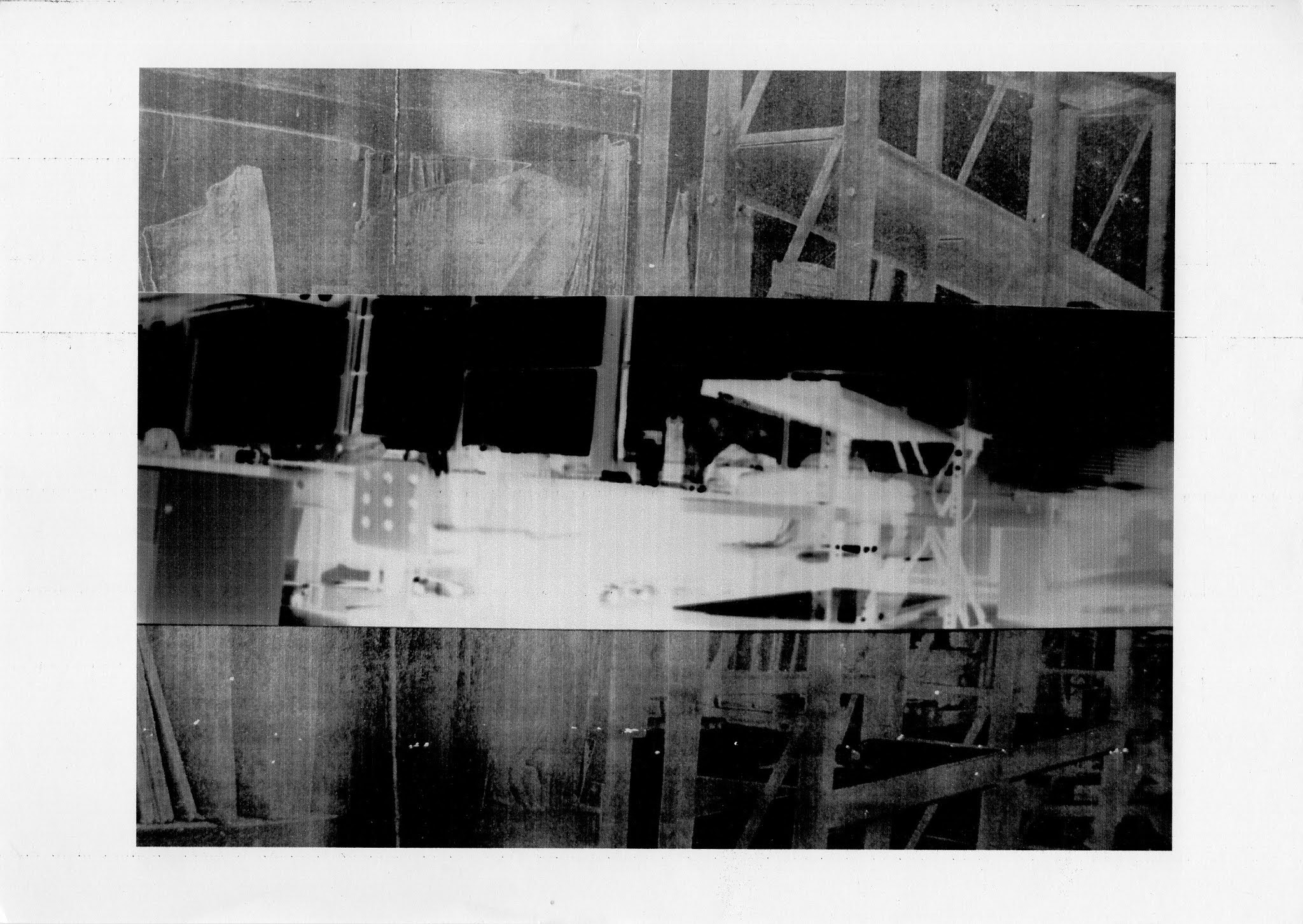
    Photographic drawings, collage, montage, interventions through designed walls/pathways/interactions.

    “Hut” Sensing Spaces/Building.

    Materials, aesthetics, volumes, dwelling, social, light and dark, place.

    Localities of experience and research.

    Negative Capability Exhibition (art works in response to archaeological sites),Winchester University.

    Bookmark and Share

    No comments:

    Post a comment


    Making Entangled : An eclectic synthesis of knowledge fields Confronting Spatial Intelligence-tracing the use of spatial intelligence.  What…

    Source: Localities of experience and research : Making Entangled

  • EMOTIVE SPATIAL ENCOUNTERS : Performativity/Unbounded Outcomes


    MATERIAL and AFFECT

    EMOTIVE SPATIAL ENCOUNTERS

    RUINS and SUBJECTIVITY

    Encounter with place through transpositions/re-deployment of materials/technologies and design

    The rules followed by medieval cathedral builders could not and did not prescribe their practice in every detail, but instead allowed scope for action to be precisely fine-tuned in relation to the exigencies of the situation at hand. The cathedral and the laboratory, MAKING, Tim Ingold

    PATHS alert us to how we are scattered as well as affirmed by the places through which we move. Edward Thomas.

    THE GEOGRAPHY OF WHAT HAPPENS: SPACE, POLITICS and AFFECT.

    Nigel Thrift

    VISUAL FINE ART / TRANSACTIVE through Digital Technologies POETIC / EVERYDAY ABSTRACTIONS

    MAKING / MANIFESTING FORMS / STRANGE TOOLS

    INDEXICAL / ITERATION ( new version, repetition, closer approximation, scrutiny, observations, sequence, finding a solution/perception to a problem)

    UNBOUNDED OUTCOMES / ITERATION becomes the starting point of the next iteration PROGRESSION through PERFORMATIVITY

    AGAINST SPACE

    Making : anthropology, archaeology, art and architecture.

    Tim Ingold

    Immaterial architecture creation and contemplation artist and architect

    The contemplation of art is primarily a form of visual awareness, of a single object by a single viewer, in which sound, smell and touch are as far as possible eradicated. Placed in a hermetic enclosure and protected against decay, the artwork is seen and not used. The viewer leaves no trace or mark because touch would undermine the artwork’s status as an idea and connect it to the material world.

    To translate the drawing into the building requires an intimate knowledge of the techniques and materials of drawing and building.

    ATMOSPHERES

    THE EPIPHANY OF ARCHITECTURE

    CIRCULATION, ENCLOSURES and their LIGHT

    TOTAL ARCHITECTURE, Walter Gropius

    TOTAL ART, Theo van Doesburg/DE STIJL

    GESAMTKUNSTWERK, all embracing aesthetic, where art becomes architecture and architecture art. A synthesis, and revolving intersection where each medium exists at the service of formal innovation; a kind of essentialist discourse or tradition that might be buried in the past.

    Brian Clarke, Nerves of Ecstasy by Robert C. Morgan, PACE 2013.

    ARCHITECTURAL FORMS OF ENCOUNTER/DEBATE

    HISTORIES, PHILOSOPHIES, AESTHETICS

    Katsura Detached Palace. Kenzo Tange, Walter Gropius. 1960

    (extended in a modular fashion and adapted to changing royal needs over the centuries)

    Katsura consolidates all qualities in history but not in a creative way. Since it lacks in the strength of its unifying all members, its impression is lyricism but lacking unifying tension. KenzoTange

    Ise : Prototype of Japanese Architecture. Kenzo Tange, Noboru Kawazoe. 1961

    (Ise Shrine rebuilt every 20 years with new materials)

    Ise Shrine manifests primate yet powerful, simple yet noble, and serene yet ecliptic qualities, which cannot help moving us. Tange

    THE PRIMATIVE

    JOMON POT, 2000 BCE, (Jomon period 14,000 BCE-300 BCE)

    Jomon, (means Rope pattern) wildly decorated pottery, idols, and thatched pit dwellings. The style comes to stand for the savage and dynamic.

    Jomon appeals to us with the flooding energy of the fundamental life of the people. It has a resilient strength and a sense of mass, which comes out of through their wild battles with nature: it also has a free and agile sensitivity. Kenzo Tange

    THE ARISTOCRATIC

    YAYOI EARTHENWARE, 350 AD, (Yayoi period 300 BCE-250 BCE)

    In the Yayoi period, earthenware becomes more refined, and structures like granaries are raised on stilts, building developments reflect the emergence of social hierarchies.

    In Yayoi, man and nature are synthesized to create a calm lyricism, acknowledging nature’s blessings. A passive attitude, submitting to the surroundings prevails. A flat equilibrium and quiet balance with no dynamism are left in a transient mood.

    Kenzo Tange is originally drawn to the Yayoi style, but starts to oscillate with the Jomon style in the late ‘50s’ For Tange and the future Metabolists there is no conflict in their simultaneous study of tradition and modernism. Tange insists on exploiting tradition as a means of innovation, while building prolifically in a modern mode and strategizing the high-tech avant-garde of Metabolism.

    There’s more truth about a camp than a house. Planning laws need not worry the improvised builder because temporary structures are more beautiful anyway, and you don’t need permission for them. There’s more truth about a camp because that is the position we are in. The house represents what we ourselves would like to be on earth: permanent, rooted, here for eternity. But a camp represents the true reality of things: we’re just passing through.

    Wildwood, A Journey Through Trees. Roger Deakin.2007

    PAO, a structure that you can repeatedly put up and dismantle. Because of occupant’s nomadic life, it needed to be lightweight, and be able to be built very quickly and have the ability to be taken apart and re-built many times. Even materials that have already been used can be reused so long as they are disassembled correctly and preserved properly.

    To maximize the reuse of components one needs to standardize them so they can be pre-fabricated. The order of construction becomes important as it influences the disassembling of the structure; the technical features of joints, assemblages of materials and their localities can become both conceptual to the experience of the space and its architectonics and to the actual innovative building process.

    In the Mesopotamia city of Ur, they bricked over houses buried in the mud and built new houses in the same spot over and over. Its been learned that they repeated this eight times. There was apparently a very strong impulse to create an eternal building.

    Kiyonori Kikutake

    Rem Koolhaas

    SO THE MUD HOUSE BECAME THE RENAISSANCE AND THE TENT BECAME METABOLOLISM?

    Kiyonori Kikutake

    YES, IT BECAME A METABOLIST STRUCTURE MADE OF WOOD. AND I THINK THE NOTION OF ATTAINING ETERNITY WITH A MUD HOUSE-OR ATTEMPTING TO-IS REALLY FASCINATING.

    In The Making : Hollowing out Space through Innerness and Difference.

    Quietus : Interiors of Silence and Space.

    Innerness : A (sensorial) space or even a place interior to its environment.

    Sensing Spaces : Through displacements and hidden volumes.

    Defined Interiors : By material, agency and social and private architectures.

    Interiors of Pots : Analogies with the Hut as both being dwelling places made from the inquiry of form and the need for a reflective solitude. Fragment as a broken shard, from notebook March 2014.

    Innerness

    The light of reflection and our immediacy moves from light to dark and from dark to light; from surface to interior and interior to surface. The pot becomes a cyclical vessel reflecting our geocentric origins.

    The Hut is a vessel in the making for reflective dwelling.

    The Pot with its interior underpins its fidelity, its completeness.

    Some pots are tuned and balanced for their “innerness”; others promote their surfaces (noise) at the expense of their interior integrity (quietness).

    Vessels of Defined Spaces : Creatures of Light and Dark

    In sensing a pots interior from its surface, we are as it were in some intimate tacit correspondence with its spatial sensing centre. We become known to it through its maker’s creative gesture of innerness. This anthropological inner space linking us to the potter is both sensual and distant; its vacancy allows us dwell in the maker’s absence.

    Reflections on Heidegger,

    We traverse from light to dark many times as we gather in the pots (thingness) as it were unfolding in our presence (nearness).

    Vessels as Spatial Metaphors around Innerness and Difference.

    The Jar

    Heidegger as a pouring and gathering social metaphor. Anecdote of the Jar.

    Dominion over the Unmade.

    Wallace Stevens, poem cited by Edmund de Waal.

    WORKING at the transitional surface/stage in the HUMANITIES as it re-boots itself into THE POSTMODERN.

    A SOMATIC ARCHIVE, of subjectivities whose perceptions and environments are going to change forever; like the particularities of the analogue trace in photography that is now becoming a distant experiential condition, an orphan extinct from the subjectivities of its originating culture/organism.

    The imagination and process aesthetic of the Posthuman Condition

    A Theoretical and Semantic search amongst Ruins and Archetypes

    Historical Perspectives

    Dwelling/Poetics Heidegger Archetypes/Symbols Jung

    Flesh and Stone, Richard Sennett

    Flesh and The Logic of Sensation, Deleuze/Bacon

    Feminist Geographies The Posthuman

    Posthuman thought inscribes the contemporary subject in the conditions of its own historicity.

    Posthuman Subjectivity : Rosi Braidotti

    LIGHT into SOMANTIC SPACES

    Continuum and Chora (light and the shadow of chora)

    Life expresses itself in a multiplicity of empirical act: there is nothing to say, but everything to do. Life, simply by being life, expresses itself by actualiizing flows of energies, through codes of vital information across complex somatic, cultural and technologically networked systems. (Braidotti, 2013:190)

    De Architectura, Vitruvius

    Architecture consists of order, arrangement, proportion or eurythmy, symmetry and decor, and distribution.

    Arrangement as an “Idea” refers to the Aristotelian notion of “Image­ representation” as phaantasia a precondition to drawing, effectively occupying and revealing a space between Being and becoming.

    INTERIOR DESIGN UCA FARNHAM

    DESIGN AND RESEARCH PROJECT 2015 SPACE BETWEEN PEOPLE.

    SITE-PLACE-DIALOGUES

    THE RUINED ABBEY, stands as architectural remnants of a pastoral community now set in parkland and open to the public as a site for recreation.

    The Abbey and its experiential values and feelings have been employed as both a reality of a lived experience and as a virtual diffractive site for thinking through contemporary issues in arts (relational aesthetics), and architectural design through exploratory spatial inquires with the specifics of place studies.

    What this project is not

    Gift Shop and Visitors Centre What this project might become

    Proposal for a symposium,

    Personal Structures, artists and writers talk about “Time, Space and Existence”. Setting for an exhibition that can promote the symposium.

    A room containing a virtual work of design that challenges and opens up the physical architecture.

    A design for a interactive (mobile) component, a structure that can act as an interlocutory apparatus in the transposition of the phenomena of place.

    Building Partitioning of Space.

    Architectures as atmospheres that promote the contents and support the interaction of things including humans.

    Design as a tool of transposition, of layering and collaging different spatial values both cultural and experiential.

    Painting Subjectivities, matter drawn and crafted from site inquiry.

    LIGHT VALUES

    The Transmission of Light,

    Instantaneous psychological effect that stimulates the senses. The Specificity of Colour

    Synergistically working with place and symbolizing abstract concepts and thoughts.

    Humans use colour in their surroundings for decorative purposes or to chronicle their every day lives and other important events.

    Earthy, Corporeal, Spiritual, Pastoral. Capricious.

    Colour has always been used symbolically, whether pained directly on the body or worn in garments to announce the wearers’ social status, their tribe or country’ or other significant group.

    The Abbey, On-Site (qualitative research with stained glass samples) Analogous Colour Fields with Monochromatic Features, utilise complementary colours or forms to focus the difference and diversity of the design installation.

    Red, Flashed Ruby glass.

    Brown is the ultimate earth colour associated with a “durability” of terra-cotta, clay.

    Amber, Light, Medium and Dark. Yellow, Orange, Imagination/Enlightenment, Intensity, Sunlight.

    Purple, Red/Blue, Spirituality, New Age, Cutting Edge Technologies. Diversity, Complexity, Artistry, Uniqueness.

    THE ABBEY AND THE CISTERCIAN ORDER

    THE PHENOMENOLOGY OF CONSTRUCTION : Caruso St John

    HISTORY IS THE RAW MATERIAL OF ARCHITECTURE. Aldo Rossi

    TRADITION AND MODERNISM

    CONTINUITY-LEGACY-TOWARDS AN ONTOLOGY OF CONSTRUCTION

    Today the nuances of language that make up these architectures only exist as an intellectual discourse and do not operate at the emotional level that would have engaged the original inhabitants, or audiences of these buildings. And yet we are still emotionally affected by these structures. Denied access to the specific culture of their iconography. We respond, at a more visceral level, to the more general culture of their construction.

    Adam Caruso on the medieval ruins of Fountains Abbey, Yorkshire.

    Towards an Ontology of Construction, Knitting Weaving Pressing. 2002

    Thinking with Walking/Paths/Huts

    WALKING was a means of personal myth-making, but it also shaped his everyday longings; Edward Thomas not only thought on paths and of them, but also with them.

    The Old Ways, A Journey on Foot. Robert Macfarlene

    ON REFLECTION

    What do I know when I am in this place that I can know nowhere else?

    What does this place know of me that I cannot know of myself?

    For Edward Thomas, paths connected real places but they also led out-wards to metaphysics, backwards to history and inward to the self. These traverses-between the conceptual, the spectral and the personal occur often without signage in his writing, and are among its most characteristic events.

    HE IMAGINED HIMSELF IN TOPOGRAPHICAL TERMS

    HEIDEGGER’S HUT

    A TOPOLOGY OF BEING, PLACE, WORLD. Jeff Malpas

    METHODOLOGIES OF DESIGN

    GESALT, GRISAILLE, LEITMOTIF, MATRIX, FORMAL PATTERN, SURFACE

    VISITORS : A film by Godfrey Reggio

    MEANING IN THE FORM OF THE FILM

    THE ACTIVITY OF PERCEPTION

    We have art so that we may not perish by the truth. Friedrich Nietzsche

    SENSORIUM AND STILLNESS, MOVEMENT AND MIRROR

    A MIRROR ON WHAT IT IS TO BE HUMAN

    THE RECIPROCAL GAZE :

    The screen is gazing at us; we are framed by our own looking. A direct relationship (what the image tells me); a singularity held by the vivacity of the image, through the activity of perception and introspection.

    THE SPECTATOR MAKES THE JOURNEY into the PREMORDIAL IMAGINATION OF THE CAMERA.

    CONCRETE PHOTOGRAPHY, PHOTOGRAMS, IMPRESSIONS, TRACES

    THE SENSATE AND THE CONCEPTUAL

    PAINTING, Robert Mangold.

    TRANSFORMATION AND PROPHECY

    BEUYS-KLEIN-ROTHKO

    ARCHITECTURAL LEXICON OF STRUCTURES AND SYMBOLS

    WORKING NOTES 20 August 2018

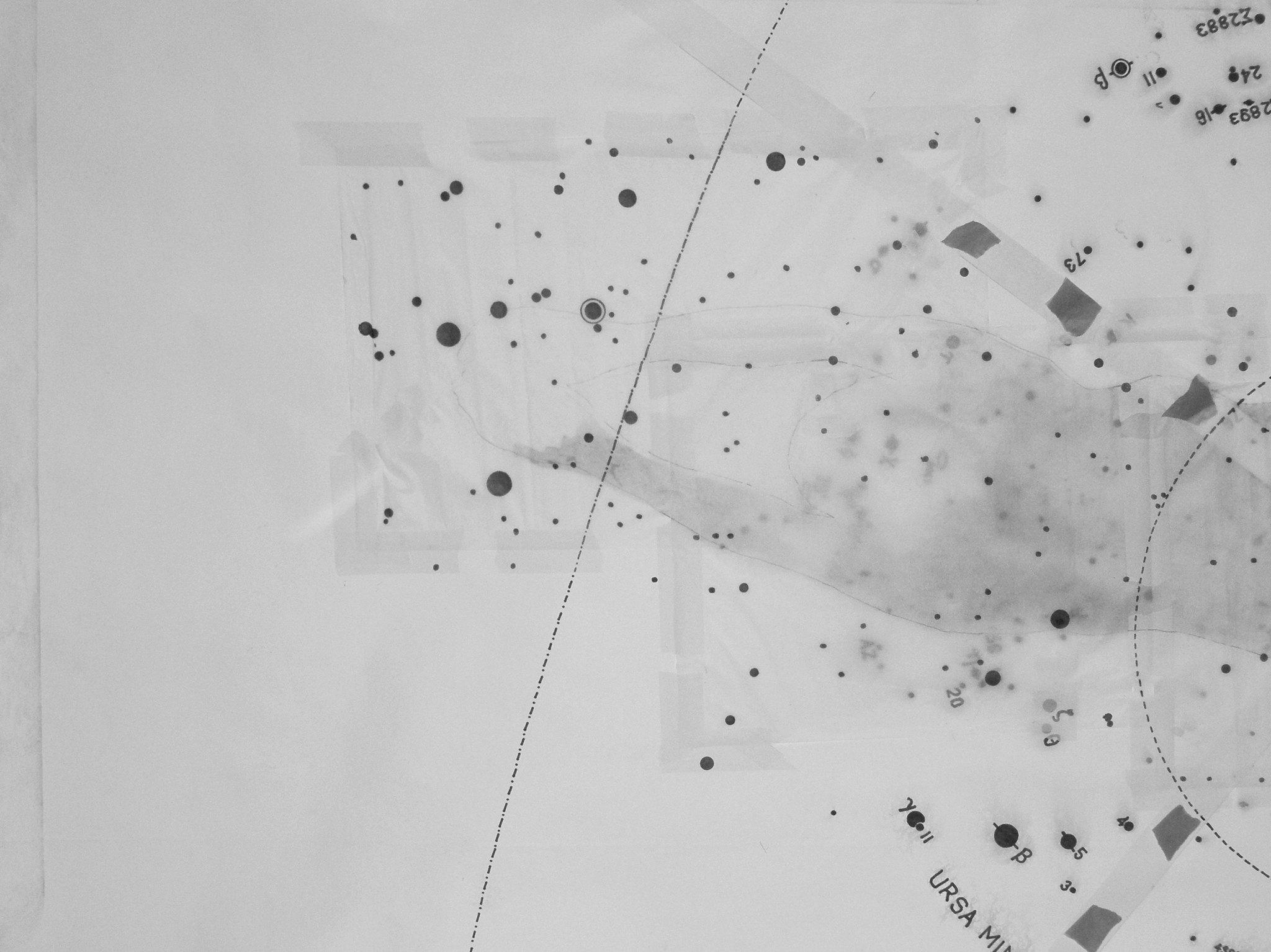
    Fragments/Thoughts CONSTELLATIONS NIGHT DRAWINGS

    OUTPOST URBAN FROTTAGES/ Drawing Strategies

    SCULPTURE TRAIL/ Minimalist, Post Modem, elements, assemblage, collage REFLEXIVITITY / AGENCY / POST STUDIO

    Mobius Strip, experiential feedback into REAL LIFE / NOWNESS SEARCHING for creative anthropologies from the landscape.

    ACTIVE and creative engagements. PERFORMATIVITY LANDSCAPES

    SENSORY WALKS

    USING the topology close to hand, the unique geographies of the rivers from source to sea.


    MATERIAL and AFFECT EMOTIVE SPATIAL ENCOUNTERS RUINS and SUBJECTIVITY Encounter with place through transpositions/re-deployment of materia…

    Source: EMOTIVE SPATIAL ENCOUNTERS : Performativity/Unbounded Outcomes

  • An asperity of thoughts/Vibrant Matter : Braking Down/Diffracting The Apparatus of Reading/Research

    Bringing back vibrant matter into a world cluttered by images that are standing in for the redundancy of that experiential experience.

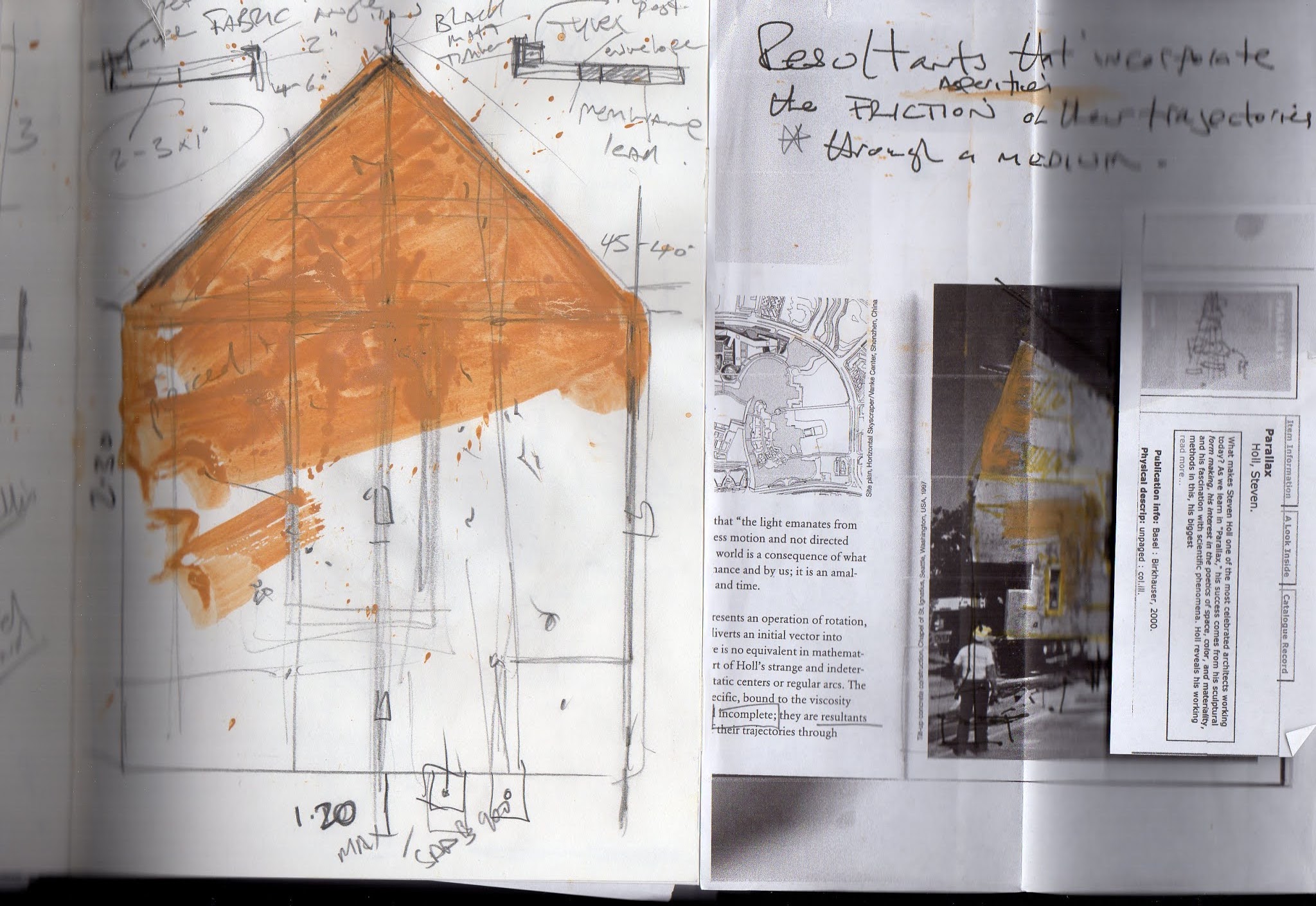
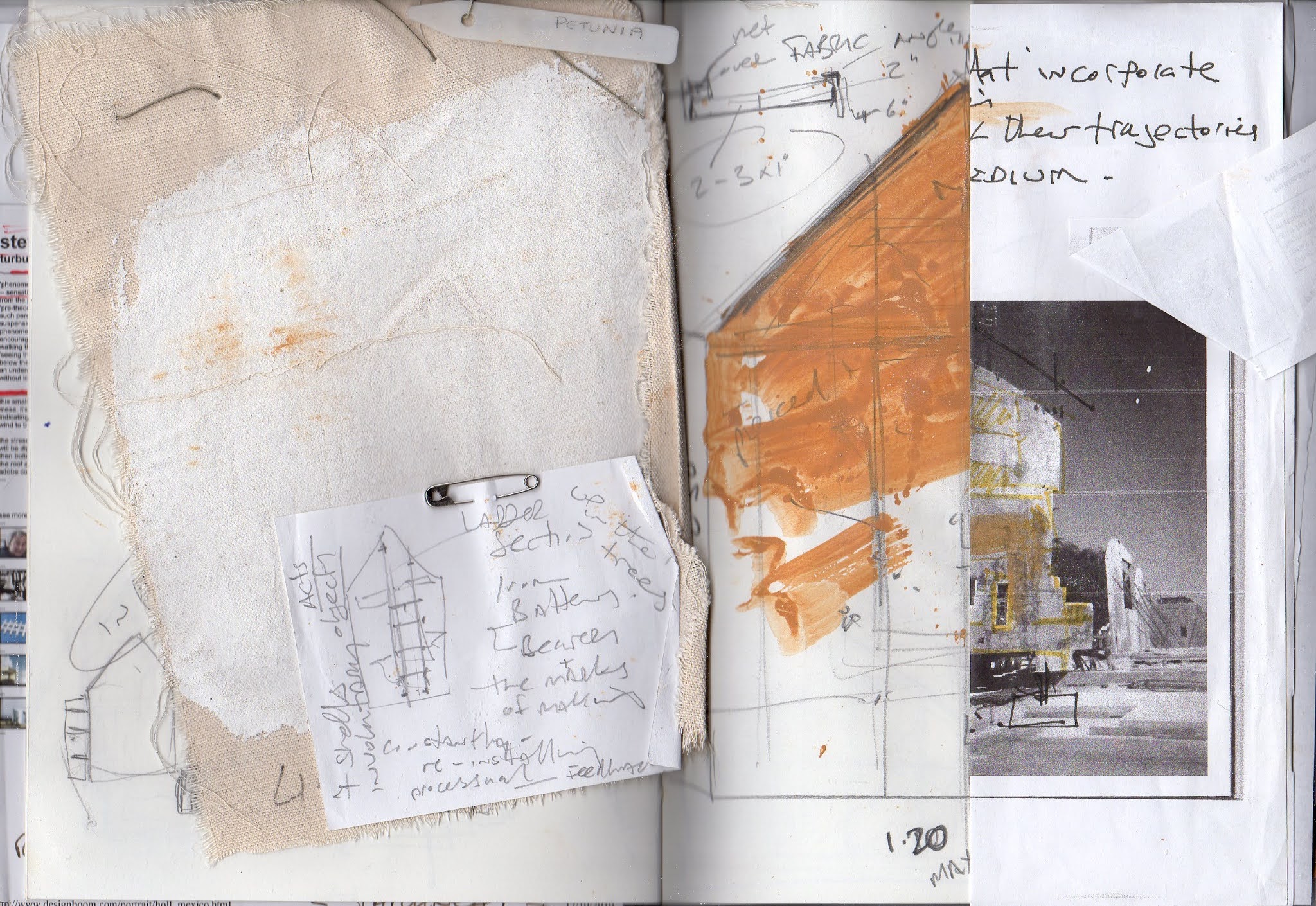
    Research as a discursive activity gathering new forms of expression. Duration, Steven Holl

    Building Uncertainties into the explorations of making

    .

    REVIEW into INTERIORS MA UCA 2013-15 Research into new forms of translation/transmission

    MAKING vibrant gaps/assemblages between the texts/images/objects and everyday things LANDSCAPES OF AFFECTIVE AESTHETIC ATTRACTION

    MATERIALS THEMSELVES become the TOOLS of PERCEPTION

    Enchantment from the potential of things.

    The Fabric of thoughts

    The invisible within the visible (energy,magic,causality)

    RELATEDNESS, connected to the Place and Function of Things within a Field.

    Texts, form their own contexts/reflexivity, breaking down phenomena into meaning, conclusions and critique, they render phenomena and its psychic information redundant.

    We think we know how we should feel sociologically, yet in doing so we deny ourselves the direct affectiveness of people and objects that can provide different perceptual relationships.

    EMBODIED KNOWLEDGE=ECOLOGY Lygia Clark : A Space open to time. Cornelia H. Butler

    The World is a Collage

    Collage and montage are quintessential techniques in modem and contemporary art and filmmaking. Collage combines pictorial motifs and fragments from disconnected origins into a new synthetic entity which casts new roles and meanings to the parts. It suggests new narratives, dialogues, juxtapositions and temporal durations. Its elements lead double-lives; the collaged ingredients are suspended between their originary essences and the new roles assigned to them by the poetic ensemble.

    Juhani Pallasmaa

    Hapticity and Time

    Notes on a fragile Architecture

    The Perception of the Environment Essay in Livelihood, dwelling and skill Tim Ingold

    See Yourself Sensing Redefining Human Perception Madeline Schwartzman

    STILLNESS IN A MOBILE WORLD Bissell, Fuller

    ECOLOGICAL approaches/affordances to aesthetic perception ART and AESTHETIC PATTERNS : into an ecology of mind.

    Going beyond what it may represent into the important psychic information that it contains. Camouflage is addressed, perhaps, less to architecture itself than to the subjective processes by which

    human beings experience architecture. Illustrated by the photographic practice of Francesca Woodman, we see her seemingly absorbed by her environment in way that shows a desire to both identify with, and become part of her surroundings.

    A desire/transgression met and mediated through a certain sensitivity and openness to the environment, fostering a sense of connectivity between human beings and their environment.

    Neil Leach

    EXISTENCE, SPACE and ARCHITECTURE Christian Norberg-Schulz

    A child ‘concretizes’ its existential space.

    Developing the idea that architectural space may be understood as a concretization of environmental schemata or images, which form a necessary part of man’s general orientation or ‘being in the world.’

    SUBSTANCES guide the kinds of practical actions that the organism senses from elements of the environment, creating affordances/utilities for the human body.

    SURFACES separate substances from medium, the wall and roof of my house afford comfort by separating me from water and too much air.

    AFFORDANCES as aesthetic sensations determined both by the environment and qualities we impose through observation, sensation and perception.

    Without arousal of perception, no aesthetic experience is possible. The rational organization of society has its own Aesthetic Attraction

    Symmetrical Patteming/redundancy : provides for the observing mind a maximum of insight with a minimum of intellectual effort.

    Colour Light Time

    Quintessentially relational phenomena in which location, background, density will provide for different perceptual relations.

    Bringing back vibrant matter into a world cluttered by images that are standing in for the redundancy of that experiential experience.

    WORKING TEXT: 16/May/2020 The R Value in Academia

    Reading/Reflexivity/Research with precision and indeterminacy

    Research Material : Studio/Archive 2004-2020

    The Language of Specitivity/Places of Inquiry Extradisciplinary Investigations

    Social Utilities/Contemporary Art Practices imported from Political Philosophy

    The return of limited and ancillary projects where the human being is the fulcrum and the fire of research in replacement of the medium and the instrument.

    A whole range of materials and topics that do not fit, that can create an eclectic synthesis of knowledge fields.

    Arte Povera, an aesthetic-philosophical movement, artists that chose to live with direct experience and feel the necessity of leaving intact the value of the existence of things. An art that asks only for the essential information, that refuses the dialogue with the social and cultural system, and aspires to present itself as something sudden and unforeseen.

    Germano Celant 1940-2020

    Developing discursive reading

    WORKING DOCUMENT/LANDSCAPE LANDSCAPES/Thinking Spaces

    Concepts of space-time/Ecologies, embodiments through identity, individuality and environments. Our universe is evolving in time as our views are evolving

    RIVERS/Eddies and husbandry

    (in/with the phenomena of water, thinking with the fish in mind)

    Research as a discursive activity gathering new forms of expression. Duration, Steven Holl

    Time is only understood in relation to a process or a phenomenon.

    The duration of human beings alive in one time and place is a relational notion.

    The time of one’s being is provisional; it is a circumstance with an adopted aim for the time being. SPACE-and ARCHITECTURE-exceeds the provisional

    Architecture/Built Environments Ecology/Political Philosophy

    Spatial Practice, Culture, Creativity and Environment

    Diffractive erotics of the body in her speculative post studio practice

    Asperities of flesh, dirt and the built environment

    Neil Leach, Camouflage, F Woodman


    The Enchantment of Modem Life.

    Attachments, Crossing and Ethics

    The performativity of social representations

    When I gather together the animals, arguments, molecules, suggestions, forces, interpretations, sounds, people, and images of this study, one theme emerges. The modern story of disenchantment leaves out important things, and it neglects crucial sources of ethical generosity in doing so. Without modes of enchantment, we might not have the energy and inspiration to enact ecological projects, or to contest ugly and unjust modes of commercialization, or to respond generously to humans and nonhumans that challenge our settled identities. These enchantments are already in and around us.

    Jane Bennett

    Be not inhospitable to strangers lest they be angels in disguise

    Jackie Leven, The Dent In The Fender And The Wheel Of Fate David Childers, Heart In My Soul

    Spatial Practice Interior Design

    Building a precision/working praxis that is both aesthetic and technical that can give an intimate understanding of the material and its situation.

    Subjectivities interwoven through light and media Asperities of fabric and texture : White Collaged Postcards

    CREATING AN ANTHROPOLOGY TOR BEING IN THE LANDSCAPE DEVELOPING MATTER AND DESIRE IN ART BASED ACTIVITIES

    WORKING NOTES, 24 October 2018

    SETTING UP THE CRITICAL DISTANCE / DISCURSIVE FIELDS OF ANALYSIS MEASURING AFFECT

    PERFORMATIVITY ITS EXPERIENTIAL QUALITIES/PSYCHIC IMPACT RESEARCH IN LANDSCAPE AND ENVIRONMENTAL DESIGN Visiting the Archive : Exploratory Workshop

    September 1, 2018. W&BA Harleston

    CREATING THE FEEDBACK LOOP

    BLURRING THE BOUNDARIES BETWEEN PARTICAPANTS AND ARTISTS RADICAL INTERVENTIONS INTO THE EVERYDAY

    Walking and Making with Clay, Brockwood, Speculative Learning Program

    ‘ the clay itself seemed to absorb them into a wandering relation with the landscape’ A Field Guide To Getting Lost, Rebecca Solnit.

    In this investigation into loss, losing and being lost, Rebecca Solnit explores the challenges of living with uncertainty.

    Tracks Across The Landscape

    Setting up a critical spatial practice within the walking landscape of the everyday. Edward Thomas, Paths

    John Piper, Covehithe, South Bank Show, painting/drawing both on site and in the studio.

    Watts Gallery, analysis and audit of activities from which to develop visitor programs and the experiential circulation of those who visit.

    Melancholy and The Landscape, Jacky Bowring.

    Locating Sadness, Memory and Reflection in the Landscape. Investigation into the creative membership and activities of W&BA.

    Sculpture Trail, Curatorial Strategies/Market/Audiences

    From newsletter to art themed walks, Historic Culture/Landscape and Tourism Plotting points of social interactions, asking Why Here, Why Not There?

    What directs events, governs outcomes? Success and failures?

    Management and event led, members as audience? MA Arts Management

    New Cultural Diversities

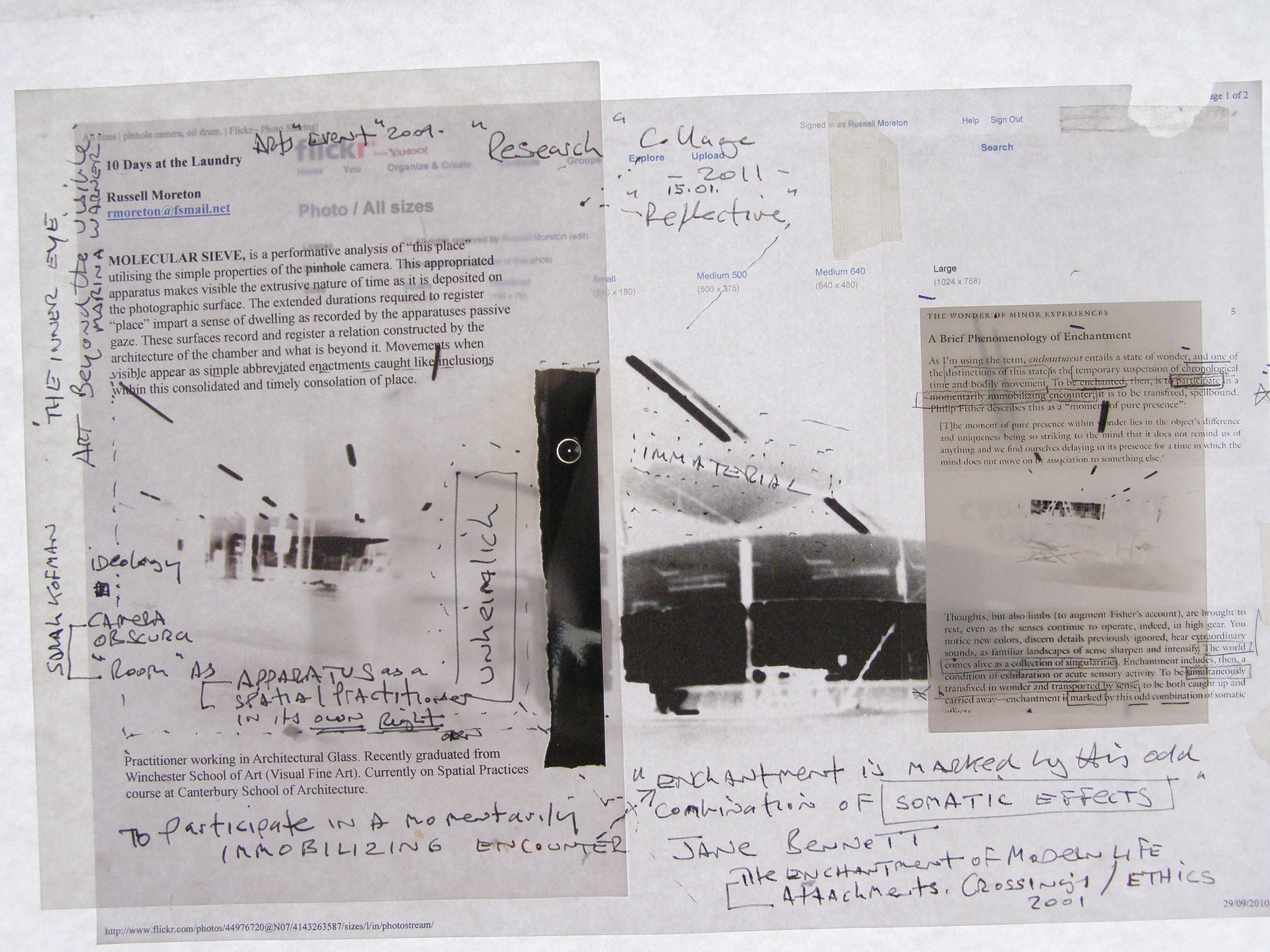
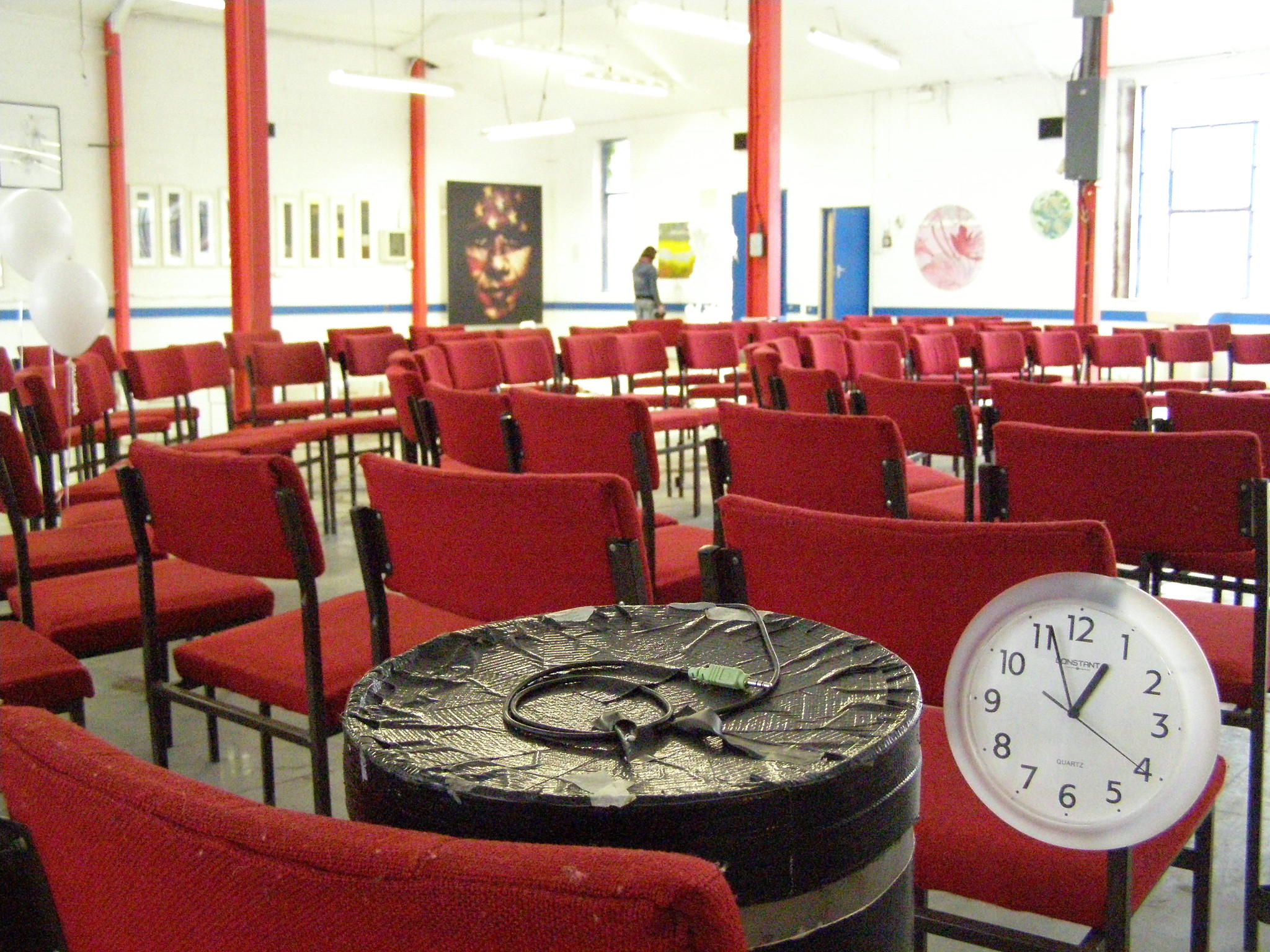
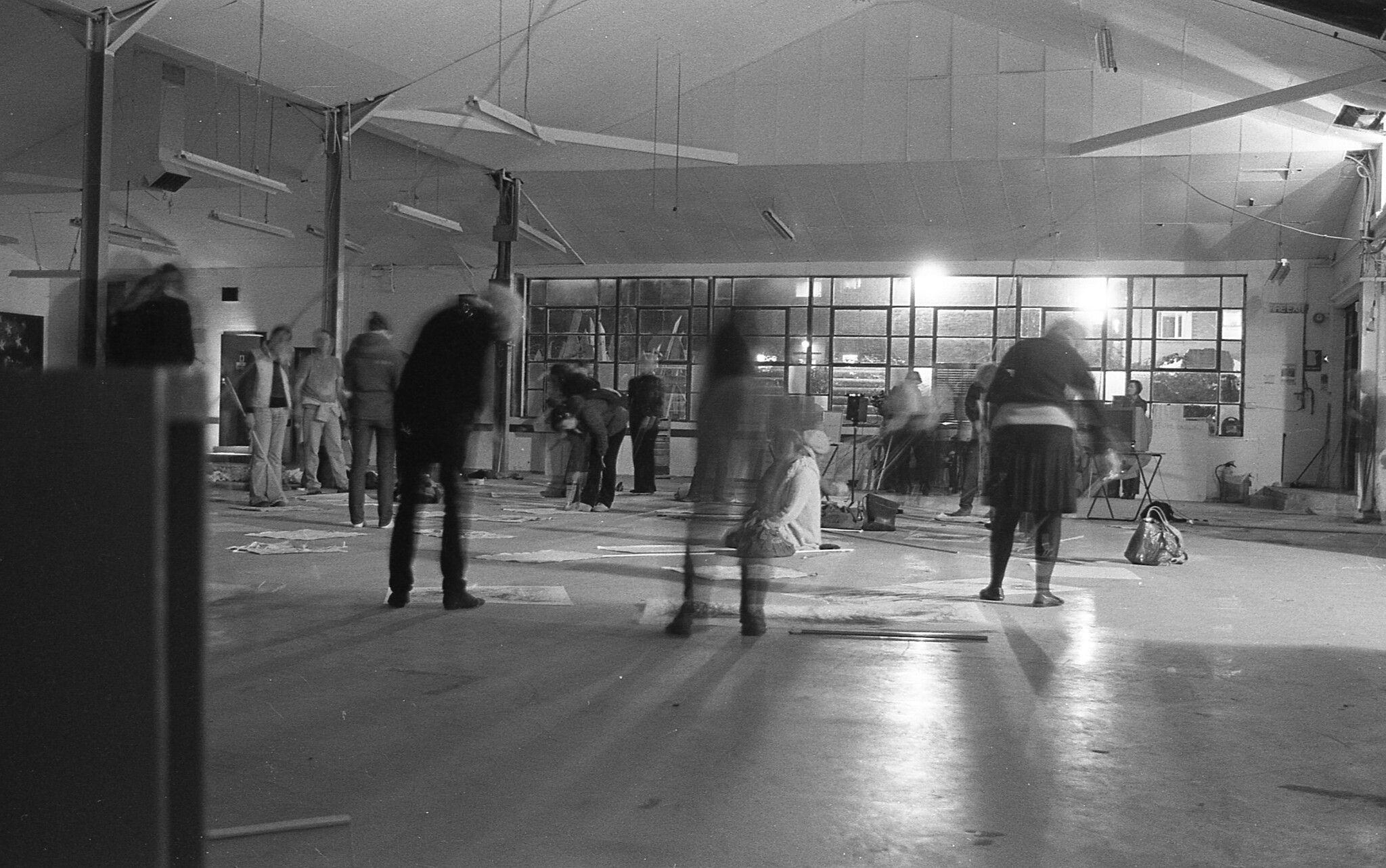
    10 Days at the Laundry, Winchester 2009.

    Group of creatives based in and around Winchester School of Art, use of fallow site in which to respond and to create for 10 days a contemporary arts festival. This original event ‘fused’ new creative partnerships that went on to produce other groups and exhibitions. The follow-up event 10 Days in the City, was funded, had more prestigious venues, but lacked the cohesion and community of the first site.

    Supplementary content, resources, dossier outlining the inquiry of which the work is a part. MOVING THE CULTURE

    DISCURSIVE FIELDS FOR NEW TYPOLOGIES/OPERATIONS AND TACTICS CONCRETE POETRIES

    LOWER GREEN, NORWICH

    ‘ At the surface, the gorgeous materiality of Okon’s work is seductive but her intention to breach superficial readings is much more serious. This conjugation of material is also a conjuration, an earnest attempt to attempt to imagine and materialise new possible realities.’

    Matter and Desire, An Erotic Ecology, Andreas Weber.

    SITE SPECIFIC EMBODIMENT, working, making, discovering. Post Studio Practices, Daniel Buren. Deep Arts Ecology Investment and Nurturing, ‘it always begins with the art, Hans Ulrich Obrist.

    The heavy, awkward investment of actually getting people to ‘place’ to participate is difficult. New technologies could offer solutions that could in turn promote innovative creative ecologies.

    NEW TOPOLOGIES FOR BEING IN THE LANDSCAPE NETWORKS, MESHES, NODES, CONNECTIONS

    Becoming embodied within the making of the work, within an intimate dwelling place. Strange Tools, Art and Human Nature, Alva Noe.

    Crafted Scenography,

    Exhibition,

    Visual Art, Tacita Dean

    Shadowcatchers

    OUTPOST

    STUDIO as a discursive site for un-doing and re-making relations/aesthetics between objects/the social/the everyday.

    STUDIO ANALYSIS 2018-2020 21 September 2018-19 August 2020

    Art School Spaces Outpost Studio Spaces Urban Fallow Institutional Buildings

    Open Plan Office Spaces

    Studio 3.16, Central Norwich, nearby parking, Floor area/footprint 5.0mx5.0m, wall spaces 2×2.4mx5.0m, well lit, open plan, large making table 1.2mx2.4m. Electricity, small heater, lighting, running water WC, access 24/7.

    Projects/Contexts bought into the studio space

    Drawings/Southampton roof rubbing, drawings/art works as sociological shelters/habitats Immaterial Paintings/Cyanotype, layered papers

    Raveningham sculpture elements from intervention Cley, sketch books and paintings

    Re-presentation of drawings/collages with new research material/contexts

    Paintings displayed with large analogue phonographic images and collages Architectural concerns, coloured glass, aesthetic surfaces, paintings with raw materials Installation of research bookcases as diffractive elements/spatial practice within the studio White paintings, used layers of paper texts, meshes and cloth

    Ceramic objects on field paintings/grounds

    Research material, folders, wrapped ceramics with fabric, yellow ochre on paper

    Canvas painting, inclusions, shells/stones, cyanotype/yellow ochre, gesso/white paint, pierced

    STUDIO WORKS

    Paper/canvas paintings 1.5mx2.4m Canvas re Raveningham Shelter, 2.4mx2.4m

    Spray paint, large floor works left undisturbed during making Future proposals Cley 2021, Artpocket activities, Project Space,

    WORKING NOTES

    OUTPOST 12/09/2019

    A Philosophy of Solitude

    Hand Bookbinding

    Lead/Waxed Paper

    Art puts US on Display

    Strange Tools

    Art and Human Nature

    The Politics of Things

    The properties of Light

    Fred Sandback/Luis Barragin

    On Pictures and the Words that Fail Them Melancholy and the Landscape Process-Relational Philosophy

    Jannis Kounellis

    Christopher Wilmarth

    The Ground of The Image

    Sally Mann, The Flesh and The Spirit

    The Eyes Of the Skin


    Bringing back vibrant matter into a world cluttered by images that are standing in for the redundancy of that experiential experience. Resea…

    Source: An asperity of thoughts/Vibrant Matter : Braking Down/Diffracting The Apparatus of Reading/Research

  • A Vessel Defines Emptiness As Presence : Craft, Studio Practice /Theory and Analysis on Hans Coper, Edmund De Waal, Martin Heidegger


    STUDIO PRACTICE, THEORY AND ANALYSIS.

    MA SCHOOL OF CRAFTS AND DESIGN.

    Working Notes : Brockwood Granary 2014

    Theory and Analysis Documents, UCA Farnham

    Working Contexts/Title : Spatial/Making analogies/relationscapes

    “Innerness” in Ceramics/Architecture and Philosophy/Painting


    BUILDing something “existentially unknowable” but with a critical context.

    The CONTENTS of the INTERIOR, defining encounters between objects, feelings and taxonomies, bibliographic research material and explorations.

    Making Things, to locate subjectivities and ground relations around the fluid and the relational.


    Interfaces around the nature of place, its document and its textual narrative creating spatial subjectivities, tools as ways of thinking.

    An Assemblage as INTERIOR, contingent to its situation of partial un-builtness.

    Space as both text and its scaffold.

    Interior as an “Open Text” the spatial development of research from various approaches.


    Hans Coper, essay re “Object Analysis” for CSC Exhibition has opened up a number of new avenues of research.

    Jean Vacher acknowledges Hans Coper’s links with Modernism and that his pots possess an “innerness” that might be profoundly biographical in nature stemming from “the profound displacements that occurred to him and his family as a result of the upheavals in Europe.” (Personal e-mail correspondence CSC 28March 2014)


    “The Pot, ancient as it is, is the first instance of pure innerness, of something made from the inside out.”

    Adam Gopnik 2014

    “A predynastic Egyptian pot, roughly egg-shaped, the size of my hand : made thousands of years ago it has survived in more than one sense. A humble, passive, somewhat absurd object, yet potent, mysterious, sensuous. It conveys no comment, no self-expression, but seems to contain and reflect its maker and the human world it inhabits, to contribute its minute quantum of energy.”


    Hans Coper, 1969

    “Innerness” from Atemwende by Edmund de Waal, text by Adam Gopnik.

    The material goes down, gets wet, is pulled open by the hand, spins and then produces, as if by magic, the most transcendently human of all things: volume, inner space, an interior, the space carved out of air that connects the morning teacup with the domes and spandrels of San Marco.1

    The Potters wheel, one of the most ancient forms of technology, pastoral and low-tech. The notion of making and its practice of craft could be seen in Heideggian terms as a sort of dwelling, a thinking through materials as a building adapting to the process and situation of the practitioner.


    Heidegger on Architecture, through Building Dwelling Thinking.

    His definition of the state of nearness that is carried in an object “nearness is at work in bringing near” and that in so doing it is a fundamental aspect of human experience, and as such it can be experienced and appreciated through the tactile, cognitive and sociological familiarity of things. (Adam Sharr. Heidegger for Architects)

    “Nearness thus becomes a function of immediacy: one is near to what one finds immediate,”

    Is this trait reflected in the throwing of a pot and the urgency of the wet clay?

    The agency of throwing and its attentiveness between mind, body and material.

    “I become part of the process, I am learning to operate a sensitive instrument, which may be resonant to my experience of existence now.” ( Hans Coper on Throwing)

    “A naked confrontation with a single material which would show one’s every mistake and mark.” (Tony Birks comments on Hans Coper’s relationship with clay)

    “You have to work quickly and with definition, and your ideas have to come into focus with enormous rapidity.” ( Edmund de Waal)

    The Porcelain Room:

    Pots and room together to create an experience of possessed space. (Edmund de Waal)

    Use of the Jug as both a hypothetical (cognitive, thinking through things) and actual vessel to carry connotations of meeting and assembly through its void.2

    This interior space/void/Ma is echoed in architecture as referenced by Kengo Kuma, Sensing Spaces RA 2014.3

    “The jar takes dominion over the unmade world.”

    Wallace Stevens

    1 Adam Gopnik. About the art of Edmund de Waal. 6

    2 Adam Sharr. Heidegger for Architects 32


    3 Kengo Kuma. Sensing Spaces RA. 65

    Working Notes: 10 April 2014.

    Crit UCA Farnham MA Interiors

    Interior “encloses space” Design “useful”. Damien Blower

    “Forms” “ a labyrinth” as a being evocative of a formal design language.

    4 Dimensions plus 2. The sensorial/spatial and social body in the interior environment.

    The Project/Structuring with descriptors and contexts.

    1 Context to the building, an interior that relates through a culture, history, or a society.

    2 Brief, what does it need to do to function as an interior and to meet other criteria intrinsic to the user/programme/function relationships on site.

    3 Experiential, what is the experience of this interior space, what phenomenological effects drive the design process.

    The Ruined Abbey :Re-Building Walls : Re-instating or Re-Imagining Hierarchies.

    What’s going on in here, and why?

    Making and Marking the Building:

    Footings over the ruins: Wall/Trench/Event (Ritual)

    Access,

    Containment,

    Privilege,

    Inner Spaces,

    Between Walls,

    Voids,

    Membrane,

    Openings,

    Adaptations,

    Plastic “Building” Stone/Mortar/Bargate Stone/Terracotta.

    Figure/Ground,

    Positive/Negative Spatial Masses,

    Movement/Duration of Participation,

    The Spirit of The Place,

    Detailed site analysis/audit of assets in both qualitative/quantitative terms.

    Use methodologies and narratives together with materials to create a new spatial interior of “authenticity” a design that can function as an experiential charged interior experience.

    Interior designers are not architects; they specialize in the design/programme and function of interior spaces created through architectural practices.

    Working Notes.

    Theory and Analysis Unit.

    Working Title :

    Innerness and Defined Space/Air

    The Potter ( Hans Coper) and the Philosopher (Martin Heidegger),

    Throwing, Building, Dwelling, Thinking,

    The innerness of a ceramic vessel can be seen to be dealing with presences and absences, as like that of a building it can demonstrate the presence of its making and the absence of that same presence.

    The Philosopher. Martin Heidegger.

    Building Dwelling Thinking. 1951

    Heidegger “resolutely romanticised the rural and the low-tech before, during and after Nazism, skating dangerously close to fascist rhetoric of blood and soil.”1

    Architecture can help to centre people in the world; it can offer individuals places from which to inquire for themselves. Heidegger felt that this was how architecture had been understood in the past, and that the insatiable rise of technology had obscured that understanding.

    Heidegger interested on centring his qualities of architecture around those of human experience, to reintegrate building with dwelling, making the qualities of its inhabitation become part of the buildings authenticity to its locality.

    This almost vocational unfinished “architecture finds itself more at home with the ongoing daily life than any sort of finished product.”2

    Contemporary architects of which Peter Zumthor is an exemplary example utilise and readily acknowledge the influence of Heidegger’s thinking. The inner spaces, the materiality and the locality are all directly traceable to traits found in Heidegger’s notion of the value of human presence and inhabitation.

    Heidegger claims for architecture “the authority of immediate experience”3

    As recorded in his most architectural writings.

    The Origin of the Work of Art 1935/trans 1971

    Being and Time 1927/1962

    Art and Space 1971/1973


    “To Heidegger, proper thinking was highly tuned to the fact of being and its traces. These traces, like our own shadow, the outline of the hills or the sounds of birdsong and stream, remain reminders of our miraculous presence,”4

    Building locates human existence,

    Heidegger “ believed that building was set out around human presence, configured by it but also configuring the activities of that presence over time”5

    This almost vocational activity of building human presence it at the heart of what it means “to dwell”, the poetics of which form the phenomenological inquiry of Gaston Bachelard’s, Poetics of Space. Heidegger acknowledges that the inhabitants lives are in turn configured by the building.

    Adam Sharr, notes that “for Heidegger, a building was built according to the specifics of place and inhabitants, shaped by its physical and human topography.”6

    Heidegger on Thinking,

    The forest track, the clearing, wandering from a starting point and remaining open to findings reached on the way, it could not be readily summarised or contained by a system. It was referential, mystical model that sought to promote the authority of being.

    Heidegger on the Void at the centre of the Jug.7

    Made from earth/clay/fire connected the human experience of earth and sky. Heidegger attributed sacred qualities to the jugs ability to give/to pour. Part of his fourfold cosmology of earth, sky, divinities and mortals. This “fourfold” represents Heidegger’s attempt at what he judges to be the most primary circumstances of existence, “ the inescapable pre-requisite of the world into which humans are thrown without consent (1962,164-168).

    Mythic and mystical, far from the strictures of logical thinking.

    Influences on the “fourfold”

    Meister Eckhart/mystic theologian.

    Lao Tse/eastern philosopher.

    Friedrich Holderlin/poet.

    George Steiner on the “fourfold” suggests it is a manifestation of an “ideolect” a personal language offered as universal.

    Heidegger would refute this on the grounds that it is our technocratic conception of the world that is unhinged not his.

    Heidegger: A mysticism that seems to border onto/into the realm of site specific art?

    Waverley Project 2014.

    Spaces and Shadows in Architecture, Defined Light and Volumes.

    In Praise of Shadows. Junichiro Tanizaki

    Architectural Voids/ Spaces only assessable whilst under construction, scaffolding and specific access points, maintenance and service corridors/rooms.

    Kengo Kuma on “Ma” a void or pause, a rich emptiness, it can be created in many ways: through the effect of light, or through attention to details.8

    Being close to things, Heidegger on Nearness.

    “The thing is not “in” nearness, “in” proximity, as if nearness were a container. Nearness is at work in bringing near, as the thinging of the thing,”(1971:177-178)9

    This spatial complexity ( Critical Spatial Practices) suggests that we do indeed think through things, this is picked up by Tim Ingold in The Perception of the Environment (Essays in livelihood, dwelling and skill) 2000.

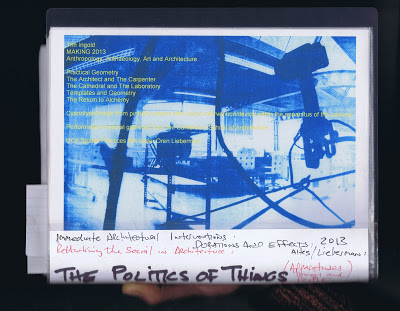
    Also see, The Politics of Things/Immediate Architectural Interventions : Durations and Effects. Alres/Lieberman 2013.

    On building a house. Ingold.

    “The architect, then, conceives the lineaments of the structure, while the builder’s task is to unite the structure with the material”10

    Simon Unwin defines architecture as “the determination by which a mind gives intellectual structure to a building”, whereas building is “the performance of physical realization”, of which “a building” is the product. (Unwin. Understanding Architecture 2007)

    Heidegger notes that “nearness is a fundamental aspect of human experience, and as such it can be experienced and appreciated through the tactile, cognitive and sociological familiarity of things”11

    It is a this relationship of nearness to the daily intricacies of living, being/becoming and dwelling that Heidegger’s philosophy is appropriated into architectural theory and practice. “Nearness thus becomes a function of immediacy : in that one is near to what one finds immediate, however far away it may be.”

    For Heidegger, the definite characteristic of a thing (of a pot) is its possibility to bring people nearer to themselves, to help them engage with their existence and the fourfold.12

    Heidegger attributed both the Jug and Buildings the potential to gather up and to be able to carry connotations of meeting and assembly, the jug and the building both have a corresponding void, that has the potential to contain/embody his preconditions of existence (the fourfold). This sensing space/void/Ma, can be reflected in the interiors of architecture and can be found within innerness spaces of objects.

    The pot like the building participates in daily life.

    This can be further theorised into the realm of building social spaces.

    In Heidegger’s reasoning by using a table we are in effect constituting ourselves in the process of dwelling, by moving the table to accommodate the needs of its users, we are in effect turning the room back into a building.

    Heidegger’s building and dwelling take place together over time, forming ongoing relationships with the world. Like the Potter in his Studio, these critical spatial relations inform both the working practice and the situation and biography of their making.

    “Heidegger suggested that it was this disruption of relations between building and dwelling, rather than the production of houses, that remained the most important plight in the contemporary world”13

    Piety of Thinking. 1976 (Piety for Heidegger listened to and facilitated the world around)14

    Quietude : Allow and enabling what is already there.

    Silence in Ceramics. Coper/Rie.

    Clay and the Primacy of Being.

    Studio Spaces.

    The residents’ dwelling was recorded over time in the fabric of the building and the paraphernalia of their lives placed there.

    For the philosopher , buildings are rich in insight, comprising a “workshop of long experience and incessant practice. 1971,161.15

    Manifesting the everyday crafts of life in a physical form.


    1 Adam Sharr. Heidegger for Architects.

    2 Adam Sharr. Heidegger for Architects. 3


    3 Adam Sharr. Heidegger for Architects. 3

    4 Adam Sharr. Heidegger for Architects. 7

    5 Adam Sharr. Heidegger for Architects. 9

    6 Adam Sharr. Heidegger for Architects. 10


    7 Adam Sharr. Heidegger for Architects. 30


    8 Kengo Kuma. Sensing Spaces. Royal Academy of Arts. 2014, 65

    9 Adam Sharr. Heidegger for Architects. 35


    10 Tim Ingold. Making. 59

    11 Adam Sharr. Heidegger for Architects. 35


    12 Adam Sharr. Heidegger for Architects. 35

    13 Adam Sharr. Heidegger for Architects. 43

    14 Adam Sharr. Heidegger for Architects. 45


    15 Adam Sharr. Heidegger for Architects. 71

    Signs and Wonders: Edmund de Waal and the V&A Ceramic Galleries 2009.


    During his career Edmund de Waal has moved from that of being a domestic potter to that of an installation artist.

    Rather than the object stranded on the plinth attempting to flag you down, if you place it elsewhere there is a feeling of possibility and latent discovery, similar to the feeling that you get if you are lucky enough to see the stores of the museum. (De Waal,2009:30)

    In between spaces/stores and other latent spaces, re Mike Nelson, photographic darkroom between rooms. London 2007.

    Wallace Stevens, Anecdote of the Jar. (1919)

    Heidegger, The Jug, “gathering vessel”

    “What is de Waal charting in these looping circles within circles?”

    De Waal acknowledges the influence of Wallace Steven’s poem “Anecdote of the Jar”. Glenn Adamson remarks how the special qualities of the round perhaps thrown pot is itself both an object, brought into the being by the world and encircled by it. (Adamson,2009:34)

    In so “being” the vessel brings its own order, a subjectivity that acts and takes dominion everywhere. This communion (spatial relation) between the vessel and its environment is further echoed in the lines of the poem “the wilderness rose up to it, and sprawled around, no longer wild”(Stevens, Anecdote of the Jar. (1919)

    Signs and Wonders is about seeing pots from a distance, De Waal is seeking to reflect the sentiments found in Wallace Stevens poem that makes the pot itself appear as a still centre from which we can step back from and observe as it/we gather our surroundings. This work is not about tactility, immediacy or possession, perhaps De Waal has succeeded in producing a collection that is also ‘a talisman of subjectivity’ of one man’s personal vision of ceramics.

    ‘When potters throw a certain curve in a vessel wall, they are in affect in dialogue with every kindred pot that they have seen or held. Like an archaeologist’s excavated sherd, the experiential dimension of making can act as a bridge across temporal distances.’ (Adamson,2009:44)

    Temporal Zones/Re-Imagined Social Landscapes:

    Archaeology/Making : Pot Shard/Pottery.

    See Tim Ingold the four A’s, Anthropology/Archaeology/Art and Architecture.

    Memory, Material and the Patina of Human Dwelling.

    Silence and Sensory Spaces into Experiential Places.

    Zumthor: Inner spaces within his architecture, what is he attempting to explore?

    How are these practically constructed with the materials and the locality of the site’s environment?

    Does Zumthor attempt to build interiors experiences (sensing spaces of both memory/reverie and immediacy) around Heidegger’s notion of nearness?

    Practices and Practicalities.
    Environment,

    Architectural Project,

    Building Material,

    Vernacular Processes,

    Sensitivities to Site,

    Architecture as Walled Installations?

    Design as “Place Studies”.

    Architectural interiors as interventions within the Waverley Site.

    Rooms in the Pastoral Landscape.(Heidegger for Architects, Sharr)

    Phenomenological and Experiential Soundings.(Parallax, Steven Holl) (The Fate of Place, Casey)(The Poetics of Space, Bachelard)

    Narratives through the unique “Spatiality” of this place.(Spatiality, Tally)

    Spatial Intelligence. Embodied Wisdom in Architecture.

    Theory and Analysis,  2014

    A vessel defines emptiness as presence.

    Innerness and Defined Space/Air

    The Potter ( Hans Coper) and the Philosopher (Martin Heidegger)


    Throwing, Building, Dwelling, Thinking,

    This essay is an attempt to get to understand my interests centred around the interior spaces of things. This sense of the interior is itself held in place by the notion of some kind of vessel. It is this vessel with its form and its formlessness that I want to explore more closely. This interior sensing space with its particular characteristics is an extension of our own existential space, it can promote memories, sensations and can act as a reflective refuge from our postmodern lives. Do these vessels re-enact the particulars of traditions, of other maybe unknown makers; are they in fact expressions on the basic needs of civilisation whether they be pots or architecture. There is the notion that in some way we reconcile and balance opposites, the outside with the inside; and as a result the practicality of a space depends on a larger degree to issues regarding its actual emptiness.

    In her essay The Essential Vessel, Natasha Daintry(Daintry2007:9) cites The Tao Te Cing “We turn clay to make a vessel, but it is on the space where there is nothing that the usefulness of the vessel depends” It follows then that this might be where the vessel starts to become permeable because it embodies ‘something and nothing and is an effortless three dimensional manifestation of form and formlessness.’ (Daintry2007:8) It is interesting to note that the potter hollows out the clay to create what might be termed an ‘essay to abstraction, a clothing of emptiness.’(Daintry2007:8) This defined air is the ‘most transcendently human of all made things; volume, inner space, an interior, the carved out air that connects the morning teacup with the domes and spandels of San Maco. There’s nothing there but clay and air, then there’s defined air.’(Gopnik2014:6)

    This sentiment and its sensitivity to describing visible aspects of the world that are conjoining the concrete with emptiness becomes a poetic on the permeability of spaces. The philosopher, Lucretius who was interested in infinitesimal entities comments in his poetic work “On the Nature of Things” records how ‘knowledge of the world tends to dissolve the solidity of the world’.(Daintry2007:8) This lightness and its associative attendances can be found in ‘Hans Coper’s only extant piece of writing.’(DeWaal2004:34)

    A pre-dynastic Egyptian pot, roughly egg-sheped, the size of my hand made thousands of years ago, possibly by a slave, it has survived in more than one sense. A humble, passive, somehow absurd object – yet potent, mysterious, sensuous. It conveys no comment, no self expression, but it seems to contain and reflect its maker and the human world it inhabits, to contribute its minute quantum of energy – and homage. Hans Coper, 1969.

    Does Hans Coper’s text reflect on an archaic pre Christian paganism? Does the human sense of innerness that this vessel dwells with been and was created from remain present? ‘Theories of relativity and uncertainty have shown that all matter, even the airy oxygenated void inside a vessel is energy, and that it is composed of the same building blocks generated from exploded stars.’ (Daintry2007:8) Hans Coper’s Egyptian pot certainly as he observes is still contributing its minute quantum of energy from thousands of years ago; an innerness but into being by the human hand. The sensing, doing and being that is caught, even marooned in this vessel talks of existential states, rituals, of things that shift and move as you inhabit the interlockingness of skin, volume and displacement. There is a material memory at work here, an artefact from another epoch, another mindset, but our corporality and the physical traces left in the clay concur its humanity.

    ‘The special historical value of pottery is due to its stillness underground. Almost uniquely, it does not corrode or disintegrate when exposed to earth and water, and so it forms the most important part of the physical record of the past. Like an invisible architecture, inverted and buried out of sight, they are our most reliable evidence of human endeavour.’ (Adamson,2009:36)

    Gaston Bachelard writes in his Poetics of Space that ‘We absorb a mixture of being and nothingness’. He is interested in the dialectic of ‘outside’ and ‘inside’. He asks is outside vast and fluid and inside concrete and small? He surmises that perhaps there is some membrane or intermediate surface that could separate the two states or rather the duality of ‘outside’ and ‘inside’. But these are concepts and abstractions , ‘the real experience is more kinetic, more fluid and interchangeable.’ (Daintry2007:11) Can it be that as Bachelard argues that the mind and its imagination actually blur and in some way inverts the experience of in or out? He comments ’everything, even size, is a human value, even the miniature can accumulate size’.In this way he explains further ‘Being does not see itself. It does not stand out, it is not bordered by nothingness: one is never sure of finding it, or of finding a solid when one approaches a centre of being. We absorb a mixture of being and nothingness.’(Bachelard1994)

    Bachelard seems to be in accord with the poetics of Lucretius as described by Italo Calvino in his Six Memos for the Next Millennium as ‘the poet of physical concreteness, viewed in its permanent and immutable substance, but the first thing he tells us is that emptiness is just as concrete as solid bodies.’(Calvino1996) There is a lightness and an exactitude in this ‘interior space’ that exists between its states of form and its formlessness. The vessel seems to have the ability to inhabit, mediate and transpose spaces between the ‘rich liminal territory of uncertainty and abstraction.’ (Daintry2007:12)

    The transformative power of the vessel on changing spaces and our perceptions through its existential condition is illustrated in the poem “Anecdote of the Jar by Wallace Stevens” cited by Edmund De Waal. The jar or rather its vessel qualities becomes a spatial metaphor as it ‘practices’ the landscape around it by taking dominion as it were over the unmade. Perhaps Wallace Stevens’s ‘Jar’ promotes an architecture for the soul, an intimate yet social interior illuminated through the imagination?

    Natasha Daintry asks are we now using objects to lead us back to ourselves, objects that before were used as a way of feeling our way into the world? (Daintry2007:13) She remarks on the strong resonance that clay in particular has to human civilisation and as a material that can socially inform us.

    I am interested in exploring further these notions of material and spaces, of form and formlessness through the social contexts and professional practices of Hans Coper and Edmund de Waal. I am particularly interested in the making process ‘throwing’ as it promotes the situation of attending to the physicality of things which has the effect of locating you in the world and connecting you to your own physicality. Daintry comments ‘it represents a way of existence of felt experience, of being known, and knowing the world through the corporeal.’ (Daintry2007:13)

    Pottery Making, Inner Spaces, Installation Art and the Postmodern.

    ‘When potters throw a certain curve in a vessel wall, they are in affect in dialogue with every kindred pot that they have seen or held. Like an archaeologist’s excavated shard, the experiential dimension of making can act as a bridge across temporal distances.’ (Adamson,2009:44) The pot can be seen as a cultural trace that can bring a sense of immediacy from across the centuries.

    Hans Coper’s assembled ceramics are constructed from a number of thrown components, “throwing” as a process that he remarks on as saying “I become part of the process, I am learning to operate a sensitive instrument, which may be resonant to my experience of existence now”.(Birks1983:63) Tony Birks comments that all his works were containers and that they were all thrown and that some of their energy is the direct response of being solely conceived on the wheel. This ceramic practice of throwing gave him his sense of livelihood, dwelling and skill. Coper’s pots celebrate the studio potters spirit of innovation and discovery through the daily practice of a craft. His unique ways of working in clay are conceptualised by the very practice and history of ceramics. These composite forms of his own invention underpin his modernist aesthetic. His ceramics form a series of archetypes, families and groupings, from which he could propose subtle amendments and adaptations that became permanent and that could endure the world without him.

    Hans Coper’s pots are objects that spatialize their surroundings with their complex inner spaces that radiate outwards to the surface of the vessel. The almost mechanical surface treatment of the pots surface caused by abrading the glazed layer seems to give their interior space a reverence for the handmade and sensibilities of the once plastic clay.

    Hans Coper’s candlesticks made for Coventry Cathedral mark epochal points of reflection and reconciliation with humanity through their darkened and defined interior geometries that surface into the environment. These forms appear caught or carefully placed between a modernist need for atonement of the recent past and the deeper sensibilities found in the archaic traces of lost civilisations.

    His pottery making epitomises his perception of the world around him. His pottery takes up dominion as thinking, sensorial vessels, artefacts that enter into our existential social realm.

    Hans Coper’s pots were an ethical avant-garde produced through the very backbone of his practice. He produced artefacts that sat on his studio shelves, artefacts that did not actually require need of biography, plinth or cabinet. They exist solely through the agency and inquiry of their makers’ situation; they reference the modernist traits of their time, yet they are archaic and were crafted by things close to hand. These pots now question the new social consciousness that has itself left art in the world of the Postmodern, which is itself addictive, conditioned and fetishized.

    Suzi Gablik in The Re-enchantment of Art confirms that our way of thinking about art (has become conditioned) to the point where we have become incredibly addicted to certain kinds of experience at the expense of others, such as community, or ritual. Not only does the particular way of life for which we have been programmed lack any cosmic, or transpersonal dimension, but its underlying principles (have become) manic production and consumption, maximum energy flow, mind-less waste and greed. (Gablik,1991:2)

    Do Coper’s pots now find themselves navigating in a fetishized monopoly of Post Modernism; can they really gives us some sense of ‘a vision that affords perspective on our existence and the hidden aspirations of man?’(Kuspit,1994:5)

    In sharp contrast to the abraded and textured reworkings found on Hans Coper’s pots, Edmund de Waal’s contemporary installations furnished with his own hand thrown porcelain pots; shimmer and shine with a suffused surface of reflections producing a delicate aesthetic that promotes his ‘dialogue about the use, preciousness, survival, presentation and display of ceramics.’(Graves,2008:8)

    His large scale installations show large groups of ceramic vessels, these are often in historic architectural settings. He is both an artist and an historian of ceramics. His installation Signs and Wonders contains up to 425 pieces of wheel thrown porcelain. This site specific installation is located at the heart of the galleries. The installation will be visible to viewers as they look upwards into the space of the monumental central dome.

    Signs and Wonders is about seeing pots from a distance, De Waal is seeking to reflect the sentiments found in Wallace Stevens poem that makes the pot itself appear as a still centre from which we can step back from and observe as it/we gather our surroundings.

    ‘De Waal has placed his pots in circulation, but not in the sense that they can be held and passed around. They are even, to some degree withheld.’ (Adamson,2009:34) De Waal’s porcelain vessels (shape shifters) are in effect objects from memory brought into a shifting nature of influences from the Chinese porcelains, the 1800 Century European porcelains and the collections of the Modern era from Vienna, Bauhaus and the Constructivists. ‘The way in which the pots are displayed has become an integral part of the work. And increasingly there is a sense that it is about putting on a show, albeit one that might be for a private audience.’ (Graves,2009:8)

    This work is not about tactility, immediacy or possession, perhaps De Waal has succeeded in producing a collection that is also ‘a talisman of subjectivity’ of one man’s personal vision of ceramics.

    Through working with specific settings De Waal has produced installations that by their very impermanence offer ‘new and unexpected dialogues’ through staged interventions that are ‘framing pots within architectural features or the intimate spaces of furniture.’ (Graves,2009:10)

    His work and the interior spaces associated with it are in some way endemic of his and our postmodern world. Is there some sense that De Waal’s throwing has itself become just a function, an endless repetition. Grapham Gussin that this can take you nowhere Endless repetition, Graham Gussin can take you nowhere, to a non state, akind of Utopia-meaning literally ‘no place’ Gregory Bateson cites this no place as like a plateau ‘a continuous, self-vibrating region of intensities whose development avoids any orientation towards a culminating point or external end’. (Daintry2007:13)

    Although the body has been existential through the throwing process and is clearly represented in Edmund de Waals work it still none the less appears was if it were now atrophied through his preoccupation with presentation and academic preservation.

    Solnit explores Susan Bordo’s claim that ‘if the body is a metaphor for our locatedness in space and time and thus for the finitude of human perception and knowledge, then the postmodern body is no body at all.’ Solnit comments on this postmodern body that it is more of a passive object, appearing most often laid out upon an examining table or in bed. ‘A medical and sexual phenomenon, it is site of sensations, processes, and desires rather than a source of action and production, this body has nothing left but the erotic as a residue of what it means to be embodied. Which is not to disparage sex and the erotic as fascinating and profound, only to propose that they are so emphasised because other aspects of being embodied have atrophied for many people.’(Solnit 2002)


    Will we be able to extract the Platonic values that Hans Coper writes about with regard to the Egyptian vessel?

    In sensing a pots interior from its surface, we are as it were in some intimate tacit correspondence with its spatial sensing centre. We become known to it through its maker’s creative gesture of innerness. This anthropological inner space linking us to the potter is both sensual and distant; its vacancy allows us dwell in the maker’s absence.

    Some pots are tuned and balanced for their “innerness”; others promote their surfaces (noise) at the expense of their interior integrity (quietness).

    The light of reflection and our immediacy moves from light to dark and from dark to light; from surface to interior and interior to surface. The pot becomes a cyclical vessel reflecting our geocentric origins.

    The Hut is a vessel in the making for reflective dwelling.

    The Pot with its interior underpins its fidelity, its completeness.

    In The Making : Hollowing out Space through Innerness and Difference.

    Quietus : Interiors of Silence and Space.

    Innerness : A (sensorial) space or even a place interior to its environment.

    Sensing Spaces : Through displacements and hidden volumes.

    Defined Interiors : By material, agency and social and private architectures.

    Interiors of Pots : Analogies with the Hut as both being dwelling places made from the inquiry of form and the need for a reflective solitude.


    STUDIO PRACTICE, THEORY AND ANALYSIS. MA SCHOOL OF CRAFTS AND DESIGN. Working Notes : Brockwood Granary 2014 Theory and Analysis Documen…

    Source: A Vessel Defines Emptiness As Presence : Craft, Studio Practice /Theory and Analysis on Hans Coper, Edward De Waal, Martin Heidegger

  • Source: Raveningham Sculpture Trail : Working Notes, Sensing Space a camp within a creative landscape

    Raveningham Sculpture Trail : Working Notes, Sensing Space a camp within a creative landscape

    WORKING NOTES
    IMMATERIAL ARCHITECTURES
    MAKING IN THE LANDSCAPE
    SCULPTURE TRAIL 2018
    The House-sheds : Camping
    There’s more truth about a camp than a house. Planning laws need not worry the improvising builder because temporary structures are more beautiful anyway, and you don’t need permission for them. There’s more truth about a camp because that is the position we are in. The house represents what we ourselves would like to be on earth: permanent, rooted, here for eternity. But a camp represents the true reality of things: we’re just passing through.
    Roger Deakin
    WILDWOOD
    A Journey Through Trees
    Russell Moreton, Speculative Spatial Practices
    A reflective building is an echo not a statement.
    Haptic devices/seating/dwelling in the landscapes of the mind.
    Landscape assemblages and the significance of solitude.
    The immensity/intimacy and its immediacy to the imagination.
    Immensity is within ourselves  Bachelard
    The site a Raveningham offers the spatial practice of a social event and the opportunity to playfully engage with architectural forms, fine art surfaces and textures.
    The sensing space, a sculptural assemblage created at Raveningham is an inquiry into ‘making’ and ‘reflexivity’ amongst a social landscape.
    Supportive Material/Texts/Cyanotype Drawings from found objects
    AFFECT
    SENSATION / CAUSALITY
    LIVING
    THINKING
    LOOKING
    DRAWING and THE LAW OF STRATIFICATION, the inevitable results of the working of GRAVITY
    STRATIFICATION OF RECOLLECTION / MEMORY OF THE WORLD. (A Land, J Hawkes )
    FACTORING THE TACTILE CONDITIONS OF THE REAL WORLD into perceptual awareness
    PERCEPTUAL psychologist, J.J. Gibson departs from ‘the classical approach to depth or space’ in favour of an ECOLOGICAL approach to VISUAL SPACE PERCEPTION, which take SURFACES and TEXTURE as its starting point.
    Mediating the experience of LANDSCAPE
    SITE / COLLAGE / COMPONENTS working/walking, developing a creative spatial syntax
    COLOUR AS CONDUIT / PERCEPTUAL ENVIRONS / CRAFT MEDIA / IMPROVISATION
    PIERCED / DAPPLED NATURAL LIGHT
    DIFFERENTIATED SHADOW / SURFACE
    EXTRAORDINARY MATERIALS / TECTONICS AND TEXTILES
    INDEXICAL / GESTALT / VISUAL PERCEPTION
    NETWORKS / RESOURCES / AGENCY for the potential of BUILDING
    SCAFFOLDS / GAUZE / POCHE solids of a building/architectural plan
    ABSENCES / INTERSECTIONS / GRIDS / MESHES / SPRAYS / MOTIFS
    ACTUALITY
    IMMATERIAL / REPETITION / SINGULARITY
    ENCLOSURES / ITERATIONS / THINKING FORMS
    MINIMALIST SPACES / INTERVALS, tuning objects to construct environments
    A child ‘concretizes’ its existential space.
    Dwelling, Reverberations, Epiphanic Instant, Gaston Bachelard.
    Tidbury Ring, field drawings with cyanotype liquid on paper.
    A Hut of Ones Own.
    Heidegger for Architects.
    Immaterial Architectures.
    SENSING AND SPATIAL PRACTICE
    EXPLORING THE LANDSCAPE, through the CORPOREAL EXPERIENCE of OTHERS
    A STRUCTURE INTERPOSED between the sunlight and the interior space it encloses.
    Poetic abstractions/Physical experience
    Soft/Blurring boundaries between art and the everyday making/becoming
    REFLEXIVITY / TRANSLUCENCY surfaces into an architectural presence
    TEXTURES / LIMINALITY on the absence of material
    STATIC ENVIRON / ANIMATED THROUGH THE BODY
    THE ARCHITECTURAL SKIN / SURFACE, Blurring, revealing, masking, filtering,
    ARCHITECTURAL FEATURE / WALL / ARCH / PASSAGE /
    VISUAL TOOL / POCHOIR, hand coloured through stencils
    SCULPTURAL ASSEMBLAGES, towards Speculative Forms/Expression
    TECTONICS IN MAKING, and the tectonics of immateriality/traces hidden by building.
    Concerned with bringing the material from its physical form into the meta-physical world.
    PAVILION
    FUSELAGE
    THE CAMP/HUT
    represents the true reality of things, Deakin.
    The building as nothing more than an exposition of itself.
    A subjective hypothesis, a drawing developed into an objectivity for experience/learning.
    SITE, the undoing of PLACE
    BRICOLAGE / HEURISTIC PRACTICE, Using things at hand, temporal, self constructions, becomings, mind forming explorations.
    MOBILITY
    MOVEMENT
    TEMPORAL CONSTRUCTED SPACE
    A building component, scaffold, joists and fixings, a surface of absences and the movement of others come together.
    MAKING, from form to programme.
    ABSURDITY
    POLEMIC POETRY
    CONFLICTING
    DYSFUNCTIONAL
    TETHERED FOLLY against a fabric of time.
    ART AS INDETERMINATE, able to arrest perceptions into different states (becomings)
    Stone Worlds
    Narrative and Reflexivity in Landscape Archaeology
    Architecture and Ritual, how buildings shape society.
    Bought to Light
    Photography and The Invisible 1840-1900
    CURATORIAL / DEVICE / BENCH / INTERLOCATOR
    Jannis Kounellis, Theatre, stage crew shifting actors during a performance.
    Interconnected, between contexts, opening places between the social fabric.
    Making spaces, expanding vision to create spaces ‘between’ in which to write ourselves.
    CONTEXT AND CONSIDERATIONS / MAKING, EXHIBIT, VIEW
    ART MUSEUM CULTURE
    THE CONTEXT FOR CONTEMPORARY ART IS THAT WE MAKE, EXHIBIT AND VIEW
    MUSEUM DIRECTOR, CURATOR, COLLECTOR, ARTIST
    None of that means anything anymore. Artists are now more DIVIDUALISTIC. They discover themselves not by securing a role within the historic narrative of a chosen medium. But by INTERGRATING into a more DIFFUSE ECOLOGY that involves not only making art, but also putting on shows, publishing, organizing events, teaching, networking.
    THE STUDIO is no longer a retreat, but it now INTEGRATES, IT IS ALL EXTERIOR.
    THE NETWORK places the artist as a ‘like’ ITEM within an INTEGRATIVE INVENTORY or
    DATABASE.

  • The Social : Catching The Light/Architectural Apparatuses/Spatial Methodologies

    It would probably not be wrong to define the ex­treme phase of capitalist development in which we live as a massive accumulation and proliferation of apparatuses.

    To recapitulate, we have then two great classes: liv­ing beings (or substances) and apparatuses. And, be­ tween these two, as a third class, subjects. I call a sub­ject that which results from the relation and, so to speak, from the relentless fight between living beings and apparatuses. Naturally, the substances and the subjects, as in ancient metaphysics, seem to over­ lap, but not completely. In this sense, for example, the same individual, the same substance, can be the place of multiple processes of subjectification.­

    I shall call an apparatus literally anything that has in some way the capacity to capture, orient, determine, intercept, model, control, or secure the gestures, behaviors, opinions, or discourses of liv­ing beings.

    What Is an Apparatus? Giorgio Agamben 2009.

    Alternative Photography : Photography and Architectural Space.

    Photogram, a numinous construction, spaces amongst and within other spaces

    Catching The Light.

    The Entwined History of Light And Mind. Arthur Zajonc

    PROXIMITY OF SPACE

    INTIMACIES IN SOCIAL SPACES

    SCRIPTORIUM

    THREE STAGE METHODOLOGY (Kikutake) Mitsuo Taketani

    KA ‘ESSENCE’

    KATA ‘SUBSTANCE’

    KATACHI ‘PHENOMENON’

    Characteristics of an architect

    CHI ‘BLOOD’

    TACHI ‘TEMPERAMENT’

    KATACHI ‘EMBODIMENT’

    The Phenomenology of Reading. GLAS, Derrida Literature and Language.

    The Stride of The Mind

    Reading Rooms. Figuring Space. Text/Fumiture/Dwelling Reading with Paths

    The Production/use of Space into Places to engender Societies.
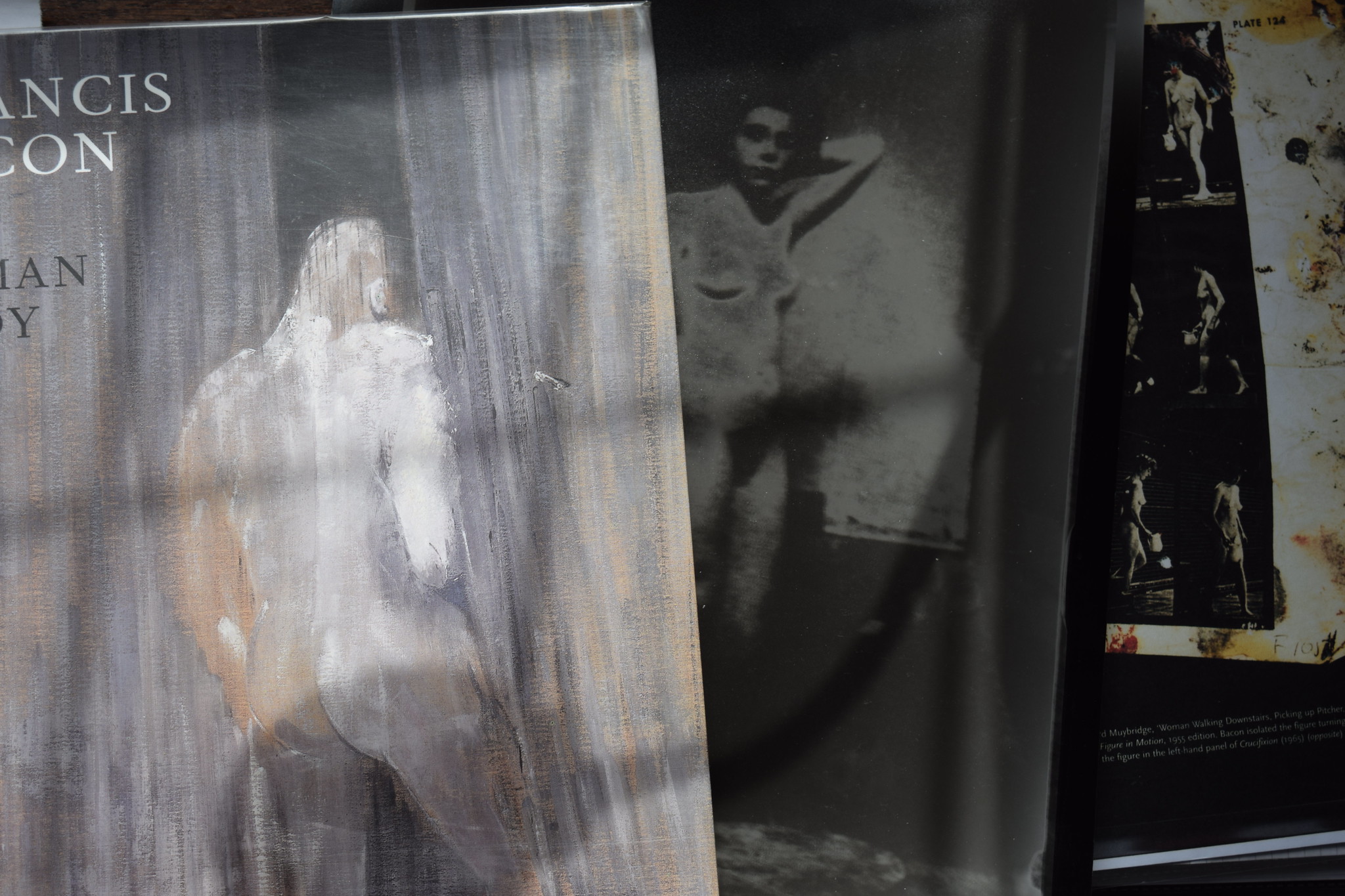
    A site specific induced inquiry into dwelling and building through/by way of an attentive awareness (anthropological) to people and place.

    ‘What I am post interested in now is inverting the structure of a culture that is centred around the city.’

    ‘The richness and strength of that (their) culture cannot be understood until one has worked with the people who live their- until one has eaten their food, drunk their sake, talked together with the craftsmen and made things with them.’

    Kengo Kuma, Complete Works, (preface) 2012

    Relativity/Relationality through Walking and Thinking. Subjectivity. Space – Politics – Affect

    Waverley Abbey. Cistercian Monastery

    The peculiarity of the ruin is defined in that it demythologises the impression of seamlessness and linearity. In the ruin, we are at once removed from dichotomised and levelled down space by entering a place at the threshold of experience. At the threshold, we return to the pre- spatial, if primordial, landscape, yet to submit to the suppression of space and site. Instead the place of ruin creates protrusions, which desolates the category of clean space.

    The Aesthetics of Decay, An Uncanny Place. Dylan Trigg

    Immaterial Architecture : The Glass Observatory

    Photograph (132) Cyanotype Alternative Photography

    Documents from research archive

    Tracing Light: Petworth House, West Sussex 2000 David Alan Mellor, Garry Fabian Miller.

    Light And The Genius Loci

    For Derrida, the sun not only marks the beginning of metaphoricity but it is also an inescapable reminder of the solar system and oscillations, hidings and occultrations, inherent in ‘a certain history of the relationships; earth/sun in the system of perception’.

    Mutations Of Light

    Petworth Window, 6 July 1999 Light’s Windows And Rooms

    Passing towards the Invisible.

    The prospect of some metaphysical realm beyond the blue end of the spectrum and beyond material things illuminated to carnal sight, was a recurrent theme in William Henry Fox Talbot’s early speculations.

    CATCHING THE LIGHT

    The entangled history of light and mind Arthur Zajonc

    BROUGHT TO LIGHT

    PHOTOGRAPHY AND THE INVISIBLE 1840-1900 Sight Unseen

    Picturing The Universe Corey Keller

    Invisible objects, penciled by nature’s own hand.

    In his introduction to the exhibition catalogue Iconoclash: Beyond the Image Wars in Science, Religion, and Art, the historian of science Bruno Latour argues that scientific pictures are powerfully affective because they more than mere images; they are, as he puts it, the ‘world itself.

    The Social Photographic Eye Jennifer Tucker

    Nineteenth century science was characterized by both the appeal to visual evidence and the need for confirmation by the testimony of eyewitnesses. The latter explains why scientists pursued public viewings of their photographs by means of illustrated slide lectures, exhibitions, and reproduction in newspapers and magazines.

    An understanding of the social boundaries of nineteenth century science helps make sense of a certain paradox within contemporary attitudes towards photography of the invisible. The ideal of mechanical objectivity in documenting visual knowledge demanded the elimination of the artist-observer and all of the subjectivity implicit in drawing by hand.

    Invisible Worlds Visible Media

    Tom Gunning

    William Henry Fox Talbot, Slice of horse chestnut, seen through the solar microscope, 1840, salt print 18.6×22.5 cm.

    Techniques Of The Observer

    On Vision And Modernity In The Nineteenth Century Jonathan Crary

    The Camera Obscura and its Subject

    Above all it indicates the appearance of a new model of subjectivity, the hegemony of a new subject­ effect. First of all the camera obscura performs an operation of individuation; that is, it necessarily defines an observer as isolated, enclosed, and autonomous within its dark confines. It impels a kind of askesis, or withdrawal from the world, in order to regulate and purify one’s relation to the manifold contents of the now ‘exterior’ world.

    UNDER THE SUN

    By The Light Of The Fertile Observer

    Metaphors of illumination in the photography of Christopher Bucklow, Susan Derges, Garry Fabian Miller, and Adam Fuss.

    An Epiphany Of Light

    David Alan Mellor

    Christopher Bucklow, Guests Jeanette Winterson, Gut Symmetries

    Matter is provisional and that includes me. If the physics is correct then we are neither alive or dead as we commonly understand it, but in different states of potentiality.

    From The Adamantine Land

    Variations on the art of Christopher Bucklow David Alan Mellor

    Etienne-Jules Marey

    A Passion For The Trace Francois Dagognet

    Painting, Photography, Film Laszlo Moholy-Nagy

    A Bauhaus Book

    L. MOHOLY-NAGY:

    DYNAMIC OF THE METROPOLIS SKETCH FOR A FILM

    ALSO TYPOPHOTO OSKAR SCHLEMMER

    MAN

    Interaction of Color Josef Albers

    The Elements of Color Johannes Itten

    Pedagogical Sketchbook Paul Klee

    The New Landscape in art and science Gyorgy Kepes

    The Colour of Time Garry Fabian Miller

    The Majesty of Darkness Adam Nicolson

    The Unmade

    The Pregnant

    The Half Erotically Unmade

    Camera Obscura of Ideology Sarah Kofman

    An optical instrument, which used in drawing, allows one to see at the same time the objects being drawn and the paper.

    I Am Not This Body

    Barbara Ess

    Working Collages

    Ann Wilde, Ulrike Meyer-Stump

    A German Tradition of Photographic Typology

    Collages made from contact prints from Blossfeldt’s negatives, showing the isolation of particular motifs. The working collages were an archive, not for the negatives but for motifs.

    The viewer is less interested in the subjects of the pictures, than in the effect created by the formal system subsuming them.

    His photographic archive of plant forms is not a finished work, but material awaiting processing.


    Enchantments and Crossings : Somatic Effects

    Spatial Methodologies. Worlds and Thresholds.
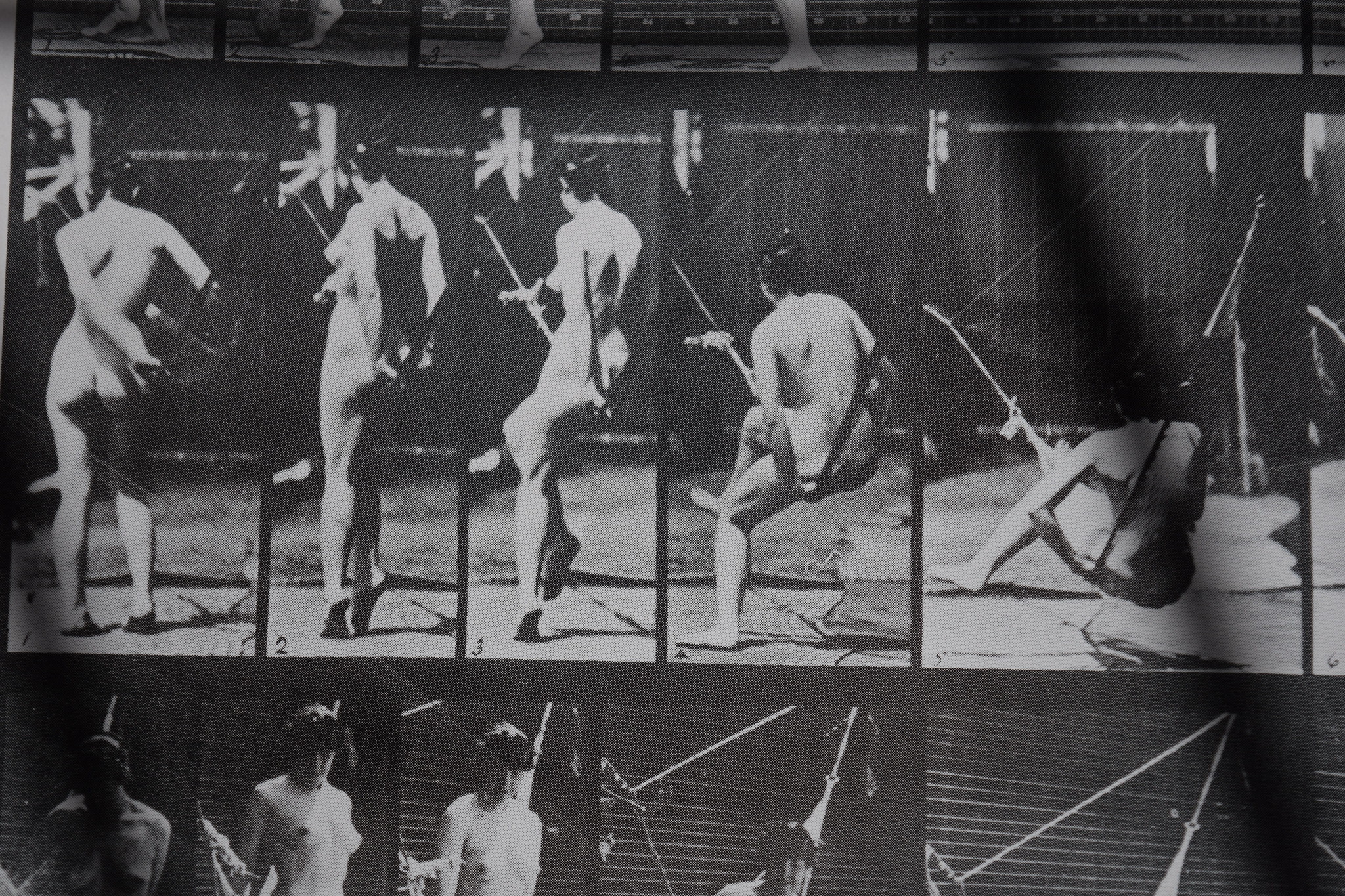
    The Fanciful and The Scientific.

    The Playful and The Reverent.

    The Material and The Metaphysical.

    Tensions in built spaces.
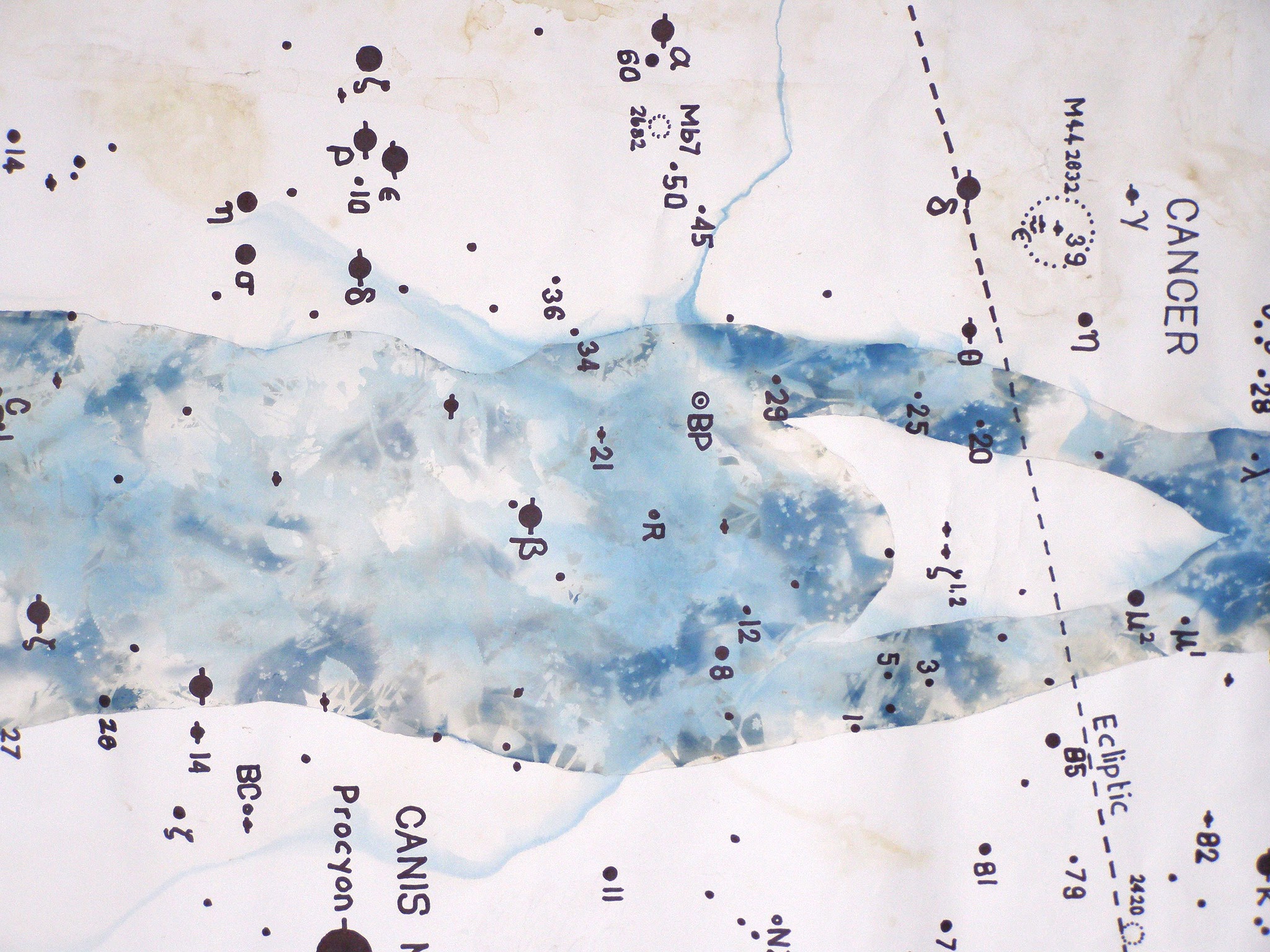
    Between Evanescence and Substance.

    Between Illusion and Specificity.

    Between Slickness and Tactility.

    Today there is not even a single instant in which the life of individuals is not modeled, contaminated, or controlled by some apparatus, In what way, then, can we confront this situation, what strategy must we follow in our everyday hand-to-hand struggle with ap­paratuses?

    What Is an Apparatus? Giorgio Agamben 2009.

    Making Places where times and tastes, human fabrications and accidents of nature, all collide; in these situations under the shelter of a forming/becoming architecture these ‘spatial texts’ or ‘visual conversations’ of one sort or another are suggested and are manifested and explored through a praxis of inquiry and making.

    Facility and retreat for cross-disciplinary inquiry (Humanities and the Social Sciences).

    Repository and archive of artefacts, texts and objects.
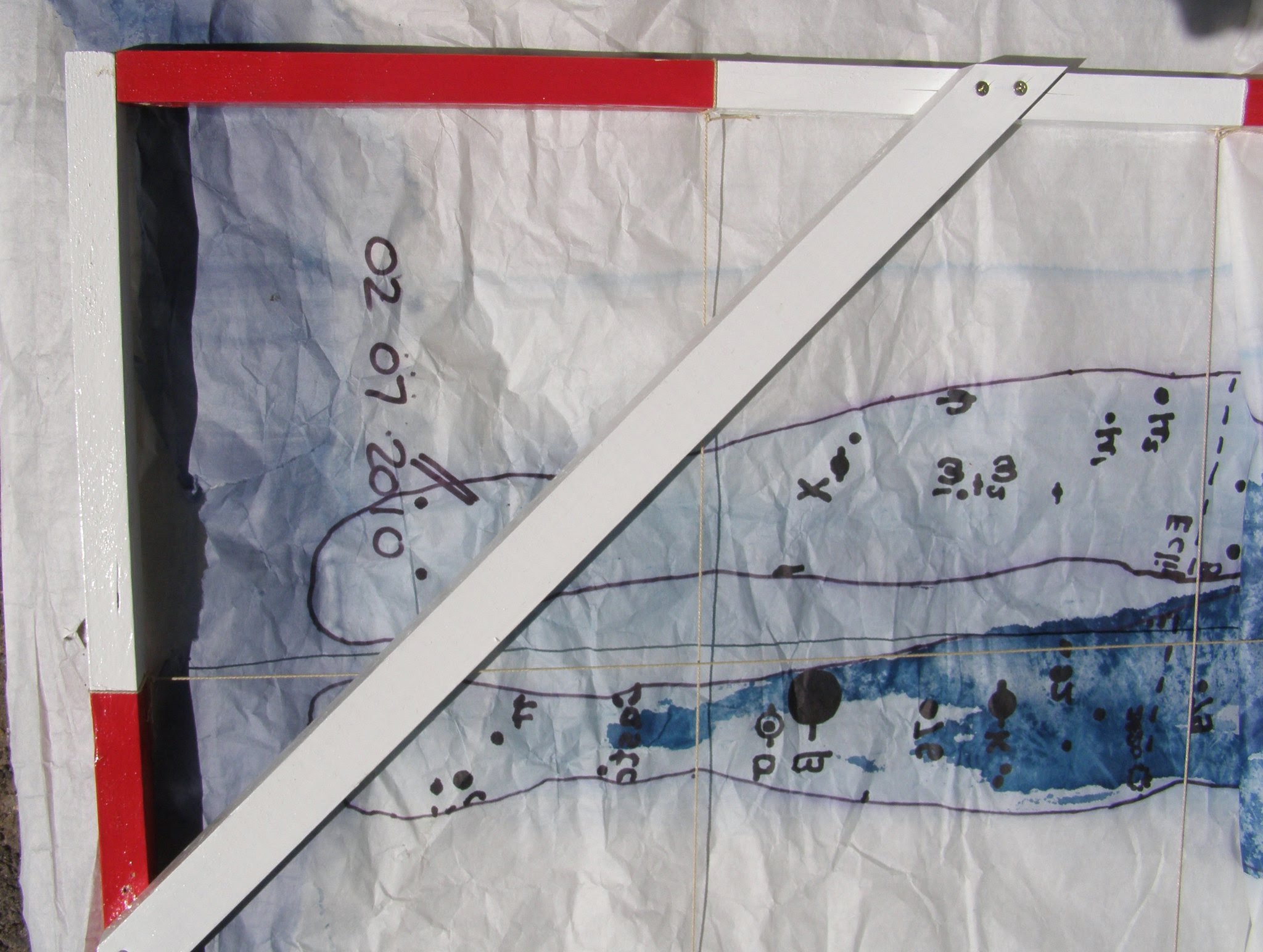
    Exhibition and making spaces, workshops and residential living spaces. Walled garden complex containing a reading pavilion and library.
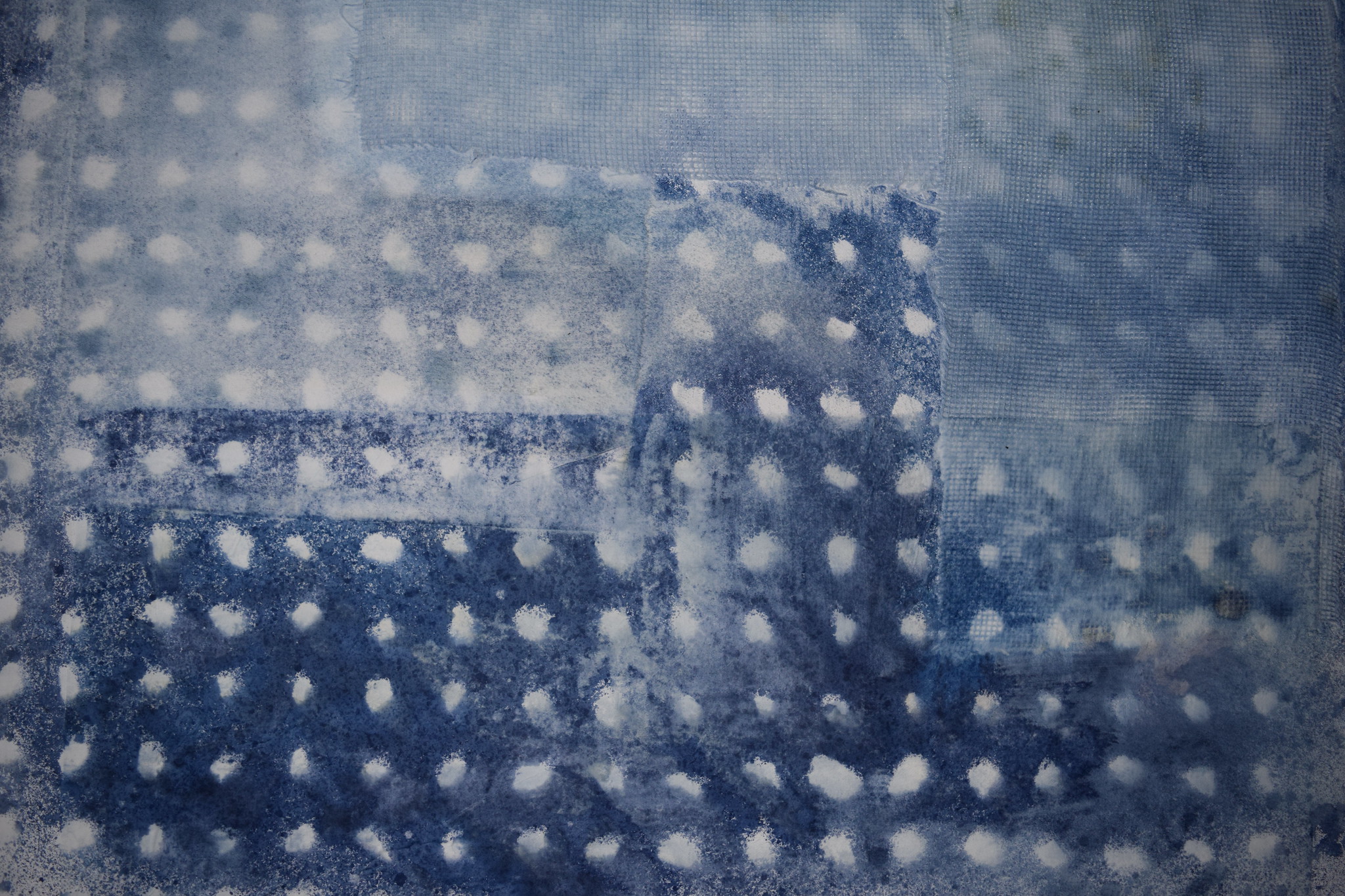
    Philosophy of Solitude, thresholds/spaces of serenity, a poetics of dwelling.

    Relationships between Art, Photography, Craft and Building. Expanded through Exhibition, Performance, Teaching and Making.

    Realized as a dialogue/delivery (Built Work) into Architectural Terms between Sites of Collection and Sites of Construction.

    Art as Spatial Practice.

    Catalyst Events/Situations to engender the experience of learning.

    West Dean, Singleton. Residential courses in the arts, both the grounds and the house are fully utilised in the social activity of learning.

    Kilquhanity,Scotland. Free School in country setting, used as a site for exploratory fine art practices(converted a pottery into a camera obscura and drew a garden from the movements of the sun across a specific terrain).

    Brockwood Park School, Bramdean. Re-imagining learning, conducted a walk across a landscape with clay, and hidden curriculum in the library with objects and texts centred around philosophy and architecture.

    Space folds : Containing “Spatialities around historicality and sociality”

    Perceptions now gathering at the end of the millennium. Spatiality, Robert T. Tally Jr. 2013

    “All that is solid melts into air”

    Karl Marx, Friedrich Engels,

    (Poetic observation concerning the constant revolutionizing of social conditions)


    Source: The Social : Catching The Light/Architectural Apparatuses/Spatial Methodologies

  • INSIDE THIS CLAY JUG : Vessel makers that recall the eidetic origination of our own mental space


    Architecture that forces us to confront our own spatial intelligence by moving us so much that we 

    recall the eidetic origination of our own mental space. (Schaik,2008:80)

    ‘The phenomenology of space – the matter of how we experience it.’

    Gaston Bachelard, Poetics of Space (space and reverie), The Psychoanalysis of Fire.

    Clay Jug

    Inside this clay jug there are canyons, and pine mountains, and the maker of canyons and pine mountains. All seven oceans are inside and hundred of millions of stars.

    Words, Kabir, Jackie Leven. The mystery of love is greater than the mystery of death

    The Architecture of The Ceramic Vessel

    The use of the vessel in the investigation of our world.

    The exploration through the dichotomy of the analysis between exterior and interior, of one pot to another and from the message they convey.

    Atemwende : A breathturn.

    Edmund de Waal.

    The Great Glass Case of Beautiful Things:

    About the Art Of Edmund de Waal

    Adam Gopnik. 2013.

    The Sensuality of the Clay Body.

    ‘You have to work quickly and with definition, and your ideas have to come into focus with enormous rapidity.’ Edmund de Waal, on working with the different presence demanded on ones mind and hand whilst throwing with porcelain. The practice of porcelain forced a change in colour and finish in his work. New glazes, shimmering celadon and shiny black, arrived to catch the light and send it back. (Gopnik,2014:9)

    The throwing of pots still remains central to his practice. ‘The material goes down, gets wet, is pulled open by the hand, spins- and then produces, as if by magic, the most transcendently human of all made things; volume, inner space, an interior, the carved out air that connects the morning teacup with the domes and spandrels of San Marco. There’s nothing there but clay and air, then there’s defined air. (Gopnik,2014:6)

    Edmund de Waal is a maker of objects with imagined histories. (Gopnik,2014:11)

    The Library : A Meditation on the Human Condition (Giacometti, artist-philosopher)

    Books can step up to us- into us- in many ways.

    Voices from Chernobyl by Svetlana Alexievich was for me that rare precipitate force which calls another book into being.

    Mario Petrucci, Heavy Water, a poem for Chernobyl.

    Hawking understood black holes because he could stare at them. Black holes mean oblivion. Mean death. And Hawking has been staring at death all his adult life. Hawking could see.
    Martin Amis, Night Train, 1997.
    For Baudrilland the actual photographs are beside the point. It is what precedes them that counts in his eyes- the mental event of taking a picture.
    Sylvere Lotringer, The Piracy of Art, 2008.

    Inner Worlds : Photographic Visions

    Beuys – Klein – Rothko

    Transformation and Prophecy

    Anne Seymour

    The Inner Eye

    Art Beyond the Visible

    Marina Warner

    Thinkers and Vessel Makers.

    Ceramic space and life Gordon Baldwin

    Objects For A Landscape David Whiting

    Vessels-Spaces that cannot be drawn, rather they need to be experienced. Imagining a Vessel in a Rock on a Beach, 2006,(charcoal on paper)

    MATERIAL MATTERS ARCHITECTURE

    AND MATERIAL PRACTICE Katie Lloyd Thomas

    PLENUMS : RETHINKING MATTER. GEOMETRY AND SUBJECTIVITY Peg Rawes

    ARCHITECTURE

    IN THE AGE OF DIVIDED REPRESENTATION

    The Question of Creativity in the Shadow of Production. Dalibor Vesely

    The Nature of Communicative Space Creativity in the Shadow of Modem Technology

    The Rehabilitation of Fragment

    Towards a Poetics of Architecture The Projective Cast

    Architecture and its Three Geometries

    Robin Evans

    Architects do not produce geometry, they consume it

    Analysing ARCHITECTURE

    Simon Unwin

    Geometries of Being Architecture as Making Frames Space and Structure

    Poetics as an evolving and discursive system of dialogues that acknowledges environmental changes, of other spatial narratives and histories, and things that are not just about place and space.

    ‘Speculations about the first shelters, the relationship between our home and the universe, about spaces that we first use as surrogate houses as we form our spatial histories and our mental space. It is about the contemplative effects of the miniature, about the paradoxical way in which the scale of many of our most cherished monuments can switch in our minds from large to minute- the quality of intimate immensity. It is also about propositions around the complex relationships between inside and outside and the surface between, about the phenomenology of roundness’ (Schaik,2008:86-87)

    ‘We are composed of matter and live in the midst of matter. Our objective should not be to renounce matter, but to search for a form of matter other than objects. What that form is called-Architecture, Gardens, Technology- is not important.’

    Kengo Kuma.

    On Anti-Object : An extended essay that is not so much history or theory as a volume of self-assessment that gives an opportunity for the author to contextualise his own body of work through considered self-reflection.

    ‘My purpose in writing this book is to criticise architecture that is self-centred and coercive.’ Kengo Kuma.

    ‘Like McTiernan or the theorist PaulVirilio, Kuma sees new digital and information technologies as leading us to an aesthetics of disappearance, rather than image or form.(Steele,2008:3)

    My ultimate aim is to erase architecture’ (Kuma,2008:3)

    How then, can architecture be made to disappear?

    ‘To be precise, an object is a form of material existence distinct from its immediate environment. I do not deny that all buildings, as points of singularity created by humankind in the environment, are to some extent objects. However, buildings that are deliberately made distinct from their environment are very different from those that attempt to mitigate this isolation, and the difference is perceptible to everyone who experiences them.’ (Kuma,2008:Preface)

    Ceramics and Architecture.

    Exhibition Spaces of the Enlightenment

    The Porcelain Rooms

    The pot, ancient as it is, is the first instance of pure innerness, of something made from the inside out. Building objects upwards is, in its way, an obvious and brutal thing; it derives from piles, and makes pyramids. Turning objects inward, on the wheel, is a subtler one, and derives from our need to have a place to put things in. (Gopnik,2014:7)

    Together these new porcelain vessels collectively produced for De Waal an experience of possessed space.

    These collections of vessels in their Modernist vitrines seem to be both an expression of the architecture of a collection and simultaneously an affirmation of an interior space that can hold the singularity of a breath within a small pot.

    The ceramic module that he uses, the small pot, is deliberately made as non-functional as possible. (Gopnik,2014:9)

    ‘Even if we insist on seeing them impersonally, the sheer force of their numbers creates the poetic sense inherent, as Homer knew, in all inventories. They gang up on us.’ (Gopnik,2014:9) These groupings of objects placed together produce their own narratives, their own relations, and lines of inquiry. In so doing their ordering of the space around them brings meaning to those spaces. This is reinforced through the poetry and metaphor of the effect of ceramic vessels on space, as cited by De Waal himself through Wallace Stevens’s “Anecdote of the Jar” 1919.

    ‘The Jar, the elemental made thing, takes dominion over the unmade world. The air around it suddenly looks “slovenly,” insufficiently jar-like. Made things remake the unmade world. (Gopnik,2014:10)

    Gopnik comments that we can’t look at hollow things without sensing their hollowness, as he notes we perceive haptically as aptly as optically. This allows us to read these vessels through both our sense of sight and our sense of space. The result is that we feel these objects; we can sense the heft of them made from their weight, shape and size. We become aware that we can feel objects as much as we can see them.

    De Waal’s work brings about a sensuality and an empathy manifested between the strict ordering of his presentation through his vitrines and cabinets and the fragility and grouping of his porcelain vessels. This empathy promotes our interest with the interior parts of his groupings, with the interior emptiness and mystery of things we can only sense. His control and command of the geometric spatial relations found in his installations is juxtaposed by the multitude of diminutive interiors and negative spaces.

    The relations of the architectural and those of the vessel are in constant flux, held in some sort of spatial narrative that seems to meditate stillness, like the museum these vessels are protected and intact, yet strangely they are held hostage by their surroundings.

    The empathy we feel for their emptiness is perhaps choreographed, staged and ultimately forced, these are not just pots as De Waal admits but pots that have been by design rendered as non-functional as possible although they still bare the marks of his franchising. This neutering of his thrown clay forms into the realm of perhaps a purely sculptural object that is itself now a mere component in his Minimalist cabinets. What remains is a hollowness, but a contrived hollowness that speaks of spaces designed not made; unlike his Signs and Wonders intervention for the V&A, these works feel orphaned and cut adrift by their surroundings.

    Does? ‘His art takes a familiar grammer of display and turns it into a poetry of memory. Inside a room, a great case filled with rows of porcelain pots. Along each row, a story. Inside each pot, a breath. (Gopnik,2014:11)

    Craft and Art, Skill and Anxiety.

    Craft is logic, and art defies it. The defiance is what makes art. The serenity of the artisan lies in her knowledge that it can all be done again. The anxiety of the artist; lies in knowing that if it is done again, she has become an artisan. (Gopnik,2014:7)

    DEEP ECOLOGIES OF CONSTRUCTION

    Caruso St John : The Phenomenology of Construction

    History is the raw material of architecture. Aldo Rossi

    The ruined state of the buildings serves to exaggerate the presence of material. The feeling is that of an enormous weight drawn out of the ground into the volume of the valley and held in place by a matrix of structure whose schema is described by the pattern of stone joints.

    Adam Caruso, Towards an Ontology of Construction, KnittingWeaving Pressing 2002

    The essential change in perspective between Perret and Caruso St John is that of a construction as structure to a construction that is the application of matter. Perret observes the organic dimension of buildings from a distance that makes the structural framework’s overall logic intelligible.

    Caruso regards buildings much more closely, at a distance/closeness that enables him to grasp their tactile dimension: he looks at them with his hands. In Fountains Abbey, it is the brickwork joints that are essential; on the rear facade of his Van Nelle factory building, it is the micro-topography of the facade.

    Luis Moreno Mansilla remarks that buildings by Sigurd Lewerentz, one of Caruso St John’s main inspirations, can only be seen close up.

    For Caruso St John, construction does not refer to a constructional technique, nor to the coherence of its application as a technique, but rather the presence of the built object through the manner in which it is built.

    Interestingly Perret’s positivist and absolute approach belongs to a mindset that excludes all form of doubt or ambiguity. To this approach, Caruso St John propose a phenomenological approach in which construction frees itself from pure technological logic to find meaning, both inherent and more relativist, in the field of architecture itself.

    INNERNESS/AFFECT : THE CHANGE OF PERSPECTIVES SURFACES, Juxtaposed without articulation.

    QUESTIONING STRUCTURAL LOGIC, by playfully obscuring it.

    INCREASING THE BUILDINGS PHENOMENOLOGICAL AND PERSPECTIVE COMPLEXITY

     CONSTRUCTIVE DIALOGUES/CLADDINGS

    Through CRAFT, PROXIMITY, INTIMACY and SITUATION.

    The depth of the exposed beams in the exhibition areas is not proportional to their respective spans, but to the overall heights of the rooms in question. Walls with claddings of vertical timber boards alternate with bare concrete walls that seem to have been cast in shuttering identical to the timber cladding. These two surfaces are sometimes juxtaposed, without articulation, and question structural logic by obscuring it, thereby increasing the building’s phenomenological and perspective complexity.

    New Art Gallery, Walsall. Caruso St John

    The load bearing walls appear to be folded along the complex contours of the non-orthogonal site. At the comers, bricks are cut and bonded together with resin to adapt to the geometry, while maintaining the size of standard bricks. Although they are load bearing, these walls become surfaces that have tactile and phenomenological qualities as well as being constructed surfaces with real architectonic weight.

    The Brick House, London, Caruso St John

    ATMOSPHERE: CLADDINGS and ARCHITECTONICS.

    CLADDINGS and their ability/capacity to create ATMOSPHERES AESTHETICS AND SUBJECTIVITY: KANT to NIETZSCHE ( Andrew Bowie)

    Hortus Conclusus

    Often translated as meaning “a serious place”. Enclosed all round and open to the sky.

    STOA, building and social structure for dialogues

    A garden/a mindfulness in an architectural setting.

    What happened to the garden that was entrusted to you? Antonio Machado, Jackie Leven.

    “Sheltered places of great intimacy where I want to stay for a long time.” (Zumthor 2011: 15)

    Every plant name listed here evokes a distinct image; with each of them I associate specific lighting, smalls and sounds, many kinds of rest, and a deep awareness of the earth and its flora.

    A garden is the most intimate landscape ensemble I know of. In it we cultivate the plants we need. A garden requires care and protection. And so we encircle it, we defend it and fend for it. We give it shelter. The garden turns into a place.

    There is something else that strikes me in this image of a garden fenced off within the larger landscape around it: something small has found sanctuary within something big.(Zumthor 2011: 15)

    Illustration of “Orchard”, from Bible of Wenceslaus IV, Vienna, Austrian National Library

    Depicts in the manner of an illuminated manuscript, the husbandry and community of the medieval workforce in the secure and sheltered space of a walled garden. This pastoral craft/gathering is evocative of Zumthor’s Hortus Concluses.

    Working with ones hands, with the earth in sheltered spaces of a pastoral community. Zumthor underscores this pastoral setting when he places a pavilion at the centre of the garden; he talks of future meeting there, of looking forward “to the natural energy and beauty of the tableau vivant of grasses, flowers and shrubs. I am looking forward to the colours and shapes, the smell of the soil, the movement of the leaves.” (Zumthor 2011: 15)

    The Vintner’s Luck , Elizabeth Knox.

    Tasting the soil in the wine, the soil and the wine are of the same substance, from the same locality; they are bonded together by the landscape.

    The Potter, clay, agency, making, Ingold.

    The Pot, object, nearness, pastoral, Heidegger.


    Architecture that forces us to confront our own spatial intelligence by moving us so much that we  recall the eidetic origination of our o…

    Source: INSIDE THIS CLAY JUG : Vessel makers that recall the eidetic origination of our own mental space

  • A PAINTING IS BOTH CONCEPTUAL AND SENSATE, Robert Mangold : Towards a spatial inquiry


    COLLAGE and ARCHITECTURAL PRACTICES

    THE TRANSPOSITION AND ABDUCTION OF PLACE

    What protects us against delirium or hallucinations are not our critical powers but the structure of our space.

    The Phenomenology of Perception, Merleau-Ponty

    The Field-Fieldwork-Ethnography-Anthropology

    The Body-Spatiality-Creative Practices- Arts and the Humanities

    A PAINTING IS BOTH CONCEPTUAL AND SENSATE, Robert Mangold

    TRANSFORMATION AND PROPHECY

    JACOB’S LADDER—-Robert Fludd

    The Spatial Practice of Humans

    The idea of the human being as both transmitter and receiver of energetic forces on spiritual, physical and emotional levels.

    Beuys, Klein, Rothko “ Paintings as Presences”

    The Ruin as a facilitator in the search for forms and patterns of Spatiality.

    Environments, emotional states, late capitalism and its technology as it feeds into the posthuman predicament.

    Materiality(creative speculative response to the found situation), the innovative presence of building processes and their subsequent spaces.

    PRODUCTION COLLAGES TO ILLUMINATE DESIRES AND CONCERNS.

    Colour, Space, Building and the Multiplicity of Dwelling in Place.

    Contextual creative content through research material, collages and site based qualitative drawings and experiences with materials and the sense of place.

    CREATIVE STRATEGIES

    DEEP ECOLOGY : FINE ART, ARCHITECTURE, PLACE STUDIES

    Extracting, Abstracting, Subjectivities from the experience of Place

    ABBEY : INTERPRETIVE SITE FOR EXPORTING INTERIOR DESIGN THROUGH RELATIONAL AESTHETICS

    ART WORKS AS IDEALIZED MODELS FOR GENERATING FORMAL STRUCTURES AND THEORIES

    A UNIQUE UNIT OF PRODUCTION WITHIN A DEVELOPING DESIGN PROCESS (Mangold 1996)

    SECTIONAL UNITS THAT COULD BE ADDED

    THE CRITICAL DISTINCTION BETWEEN OBJECT AND UNIT.

    A section is part of something concretely physical, but a unit is merely an independent entity, equal in existential status to others of its kind , perhaps nothing more than an element within a conceptual system, a digital unit (value).

    Richard Shiff 2000

    MEANING IS NEVER MEANT IN ANY WAY TO BE AN EXPLANATION OF THE PAINTING OR A REPLACEMENT OF THE VIEWING OF THINGS

    (Mangold 1987)

    Mangold uses writing to ponder the mystery of his own visual production, within the privacy of his studio, long periods of ‘looking and thinking’ about his paintings are followed by a ‘third activity’, as if it were, if not an equal, then at least an essential part (catalyst) of the complex of his creativity. (Mangold 1994 Lecture notes)

    NATURALISTIC ABSTRACTIONS FROM THE BUILT ENVIRONMENT

    CONCERNED WITH THE MAN MADE LANDSCAPE IN PARTICULAR THE GAPS IN THE MASS OF STRUCTURES AND THEIR RUINS THAT DOMINATE THE HORIZON.

    One of the things that used to fascinate me was those architectural sections between buildings (Life between Buildings/Spatial Practices), sections of air that would glow. Sunsets or mornings … you’d see these incredible areas of light, and they were architectural shapes and yet they were nothing, because they were the voids of architecture. I used to think about them, and I used to think about a painting that would be atmospheric and architectural. (Mangold 1978)

    Robert Storr, Betwixt and Between, 2000:81

    VISUAL ACUITY/ACCUTANCE IS BEING REPLACED BY THE EXPLICIT RENDERING/ACCURACY OF THE SIGN/DISPLAY AND ITS IMAGE

    Tensions between aesthetic appreciation and objective measurement can occur even within the realm of measurement and calculation.

    The analogue slide rule and the miniaturized digital calculator ( both handheld devices) (Shiff 2000:56)

    MEANING THROUGH IDEOLOGICAL VALUES OF AUTONOMY ACTUALITY AND EXPERTISE.

    THE FACT PRESENTED IN THE LIGHT OF ITS PRESENCE

    BEYOND APPEARANCES: ART, SCIENCE AND TECHNOLOGIES OF PERCEPTION

    CONSTRUCTING ELLIPSES BY EYE

    A LIBERTY DEPENDANT ON A SPACE OR MOMENT OF ACTUALITY which is in itself inhospitable to anything ’scheduled’,’ calculated’ or ‘controlled’.

    THE SILENT RECEPTION OF A TRANSLATION NOT ON OFFER

    THE LACK OF RECOGNIZABLE REPRESENTATIONAL IMAGERY

    Krauss as critic is concerned with meaning.

    Mangold as artist is concerned with experience.

    Little common ground can be established, except to ask: what is the meaning of aesthetic experience itself, experience without ‘meaning’?

    Can an artist strive to increase the directness or intensity of experience without also attempting to communicate ‘meaning’? (Shiff 2000:17)

    Having assigned no meaning in advance, Robert Mangold presents his works to his viewers’ experience without guarantee of conceptual payback.

    The paintings exist to record consciousness and underpin the subjectivities, timbre and shape of conversations through the soul into a personal knowledge./

    ARCHITECTURE as becoming formal exercises in aesthetic problem-solving.

    Society lacking the resources to locate the significance the work was creating.

    AUTONOMY AND ACTUALITY:

    TOWARDS A SPATIAL INQUIRY.

    A THEORY OF MAKING LAYERED SPACES.

    The painter probes into the situation of his paintings, an art of ‘answers’ that lack articulated questions, or maybe the questions have not yet been ‘realised’ enough to be asked.

    Finding significance and situation in the art/activities of others

    ACTUALITY

    Between moments of ‘meaning’ lie spaces or blanks of immediate experience. Such blanks are actuality. Usually the blank, the actuality, goes unnoticed because it works so efficiently to differentiate one meaningful event from another.

    THE SHAPE OF TIME, George Kubler 1962

    Actuality is when the lighthouse is dark between flashes. It is the interchronic pause when nothing is happening. It is the void between events. Yet the instant of actuality is all we ever can know directly. The rest of time emerges only in signals relayed to us. The nature of the signal is that its message is neither here nor now, but there and then. (Kubler 1962:17)

    Meaning is always differentiated, dependent on what cannot be co-presented. Meaning, distanced from the thing it purports to interpret, resemble, identify with, has the problematic structure of de Man’s realization that ‘I’ cannot say and cannot mean ‘I’.

    THE VOID ALLOWS DIFFERENTIALS TO CO-EXIST

    THE BODY IN SPACE AND TIME

    MEMORY AND THE FATE OF PLACE

    Blankness, the void, the ‘dark’ between flashes, generates meaning by distinguishing events, separating one moment from another. Or simply marking time; but it has no form or structure in itself and therefore no ‘meaning’.

    STILLED SENSE OF ACTUALITY- SLOWED TIME

    CULTIVATING STILLNESS

    EXTENDING THE DURATION OF ACTUALITY

    DEEPENING THE DENSITY OF THE VOID

    CHORA

    Imagine the blanks between constructs. Committed to preserving his independence and its autonomy, Mangold has achieved an art outside articulated critical discourses, neither Formalist (Greenberg) nor Minimalist (Morris), neither picture nor object- an art that moves ‘outside’ by becoming ‘between’.

    The meaning of this no-reference, no-meaning art is actuality (the condition of being between) as much as it is autonomy (the capacity to move outside, unbounded).

    (Shiff 2000:47)

    PRACTICAL DEFINITION OF AUTONOMY

    He sees perhaps the very best evidence of his own autonomy, achieved in making an object devoid of ‘meaning’, one without a fully determining discourse to enframe or fix it.

    GESALT AND VARIABLES

    REFERENCES TO AN ABSTRACT UNIVERSE

    The painting, whatever it was, was actual?

    ACTUAL, What have I done?

    Rather than a relay or reference to something belonging to some other moment or situation.

    CRITICAL EVALUATION :

    VISUAL SYNERGIES formed from FORMAL and PERSONAL SUBJECTIVITIES

    THE PAINTINGS OF BRIAN CLARKE and ROBERT MANGOLD.

    Brian Clarke, On Polarities of Experience.

    Decoratively speaking these amorphs introduce a sense of oxygenating randomness into the experience. (Clarke 2010:5)

    Robert Mangold, The Correlative of Active Intuition is Passive Contemplation or The Assessment of Rightness.

    The success of a work by Mangold must continually be reaffirmed though the artist’s prolonged encounter with it. The artist needs a great amount of time alone with each and every painting, taking in the ‘oxygen’, which becomes for him an expansive experience (as it should be for his viewers). (Shiff 2000:47)

    ABBEY SITE SUBJECTIVITY BECOMES A GESALT/ORGANISATIONAL MOTIF (LEITMOTIF, small signs or shapes that constitute the basic building blocks of the design, its intervals, spaces between figure and ground)

    Robert Mangold : Studio Notes (29 April 1993)

    Painting and Seeing and Being.

    A camera cannot see, it can only record.

    A person can only see, he or she cannot record.

    When you view a painting, you exist in relation to it.

    The relationship is one of seeing and being, not seeing along, since it is impossible to separate seeing from being.

    It is the experience of seeing and being in front of a work which affects us.

    Artists are always struggling against history and the moment, to propel themselves forward, not forward as in progress, but forward as reaching for oxygen, or as a plant reaches for light. You struggle both on behalf of and against what you have already accomplished. (14 March 1994)

    AN ART DERIVED FROM EMPIRICAL EXPERIENCE: OF ARRANGEMENTS AND RE-ARRANGEMENTS OF CONCRETE ELEMENTS.

    ‘Thrusts of the moment’ it approaches neither a limit nor a totalising conclusion. Open, it seeks its fortune rather than attaining some aim.

    RECEPTIVITY IN ARCHITECTURE

    Robert Mangold speaks of an architecture that is not conducive for the contemplation of art.

    Mark Rothko said a picture lives by companionship, expanding and quickening in the eyes of the sensitive observer. It dies by the same token. It is therefore a risky and unfeeling act to send it out into the world.

    RECEPTIVE SPACES IN ARCHITECTURE FOR PUBLIC INTIMACY

    In confronting a Rothko, the viewer becomes acutely sensitised and conscious of his own receptivity on many levels. He also seems to dematerialise in response to the nature of the painting in front of him, identifying with it almost to the extent of becoming it (dwelling within it). But while the receptivity is part of it, the viewer also loses the intrusive sense of self as he feels the emotion the painting contains.

    (Seymour 1987:12) Beuys, Klein, Rothko, Transformation and Prophecy.

    THE ARCHITECTURE OF SCIENCE IN ART

    THE ANATOMY LESSON

    SPECTATORIAL ARCHITECTURES AND EXHIBITIONS DEDICATED TO CORPOREALITY.

    The Anatomist is the allegory of curiosity and the invader of private spaces. He could reveal to the world not only the superficial misdemeanors of the exterior of the naked corpse that he pawed and trawled alone in his nocturnal morgue, but also its interior felonies. (Greenaway 1998:221)

    THE BUILDERS: Peter Greenaway, 100 Allegories to represent the World

    The Architect, the Gardener and the Greenman are a small family concerned with the building and the protection of a sense of place.

    BUILDING AND CONSTRUCTING VOID SPACES

    Green Tilted Ellipse/Grey Frame 1989

    Acrylic and pencil on canvas

    256.5x424cm

    The centre space, the void, had to be large enough for a big expanse to be there. It isn’t like a hole, but an actual area of wall (Mangold 1989)

    I’ve always had the desire to make the work a unity, to make all the elements-the periphery line and the internal line, the surface, colour-equal, totally locked together.

    (Mangold 1990)

    A beautiful thing about a quarter circle is that it is a fragment that implies a circle, but is also a complete thing in itself. (Mangold 1993)

    ‘Red Wall 1965’ was almost like a revelation to me. I understood the essential nature of what painting is: painting is surface, painting is edge – and painting is flat. (Mangold 1993)

    In Mangold’s hands, colour and its shaped support acquired neither illusion nor allusion, nor any general theory that could explain that colour and shape. He had his own way of letting materials and forms remain mere matter-as matter-of-fact as the edge of a building or the distant horizon, no explanation necessary. (Shiff 2000:29)

    Robert Irwin was concerned to preserve the direct experience of a physical form, one that would dissipate into second-hand worlds of exchangeable ‘meaning’ or ‘identity’ if distributed by photography, verbal description, or any other means of representing what the artist had already presented. Mangold shared Irwin’s concern for material specificity and physical ‘fact’, as well as his apprehensiveness regarding reproduction.

    (Shiff 2000:34)

    I am concerned with specifics and reject the generalities of photographs. Every element in painting has had both an identity and a physical existence-identity has always lent itself to being transferred in both photographic and literary terms. The physical existence never has. (Irwin1965:23) Artform 3 June 1965.

    GORDAN MATTA-CLARKE

    CONICAL INTERSECT, 1975

    FOUR GELATIN SILVER PRINTS

    42x42x3in each, framed.

    GORDAN MATTA-CLARKE

    SPLITTING 32, 1975

    FIVE GELATIN SILVER PRINTS, CUT AND COLLAGED

    41×30.5in, framed.


    COLLAGE and ARCHITECTURAL PRACTICES THE TRANSPOSITION AND ABDUCTION OF PLACE What protects us against delirium or hallucinations are not …

    Source: A PAINTING IS BOTH CONCEPTUAL AND SENSATE, Robert Mangold : Towards a spatial inquiry