Category: art
-
Littoral Environments : Arts and Subjectivity (the making of things) Text Extract/Inclusion. “Pure Presence” The enchantment of modern life: attachments, crossings, and ethics : Jane Bennett 2001. It is a commonplace that the modern world cannot be experienced as enchanted–that the very concept of enchantment belongs to past ages of superstition. Jane Bennett challenges that…
-
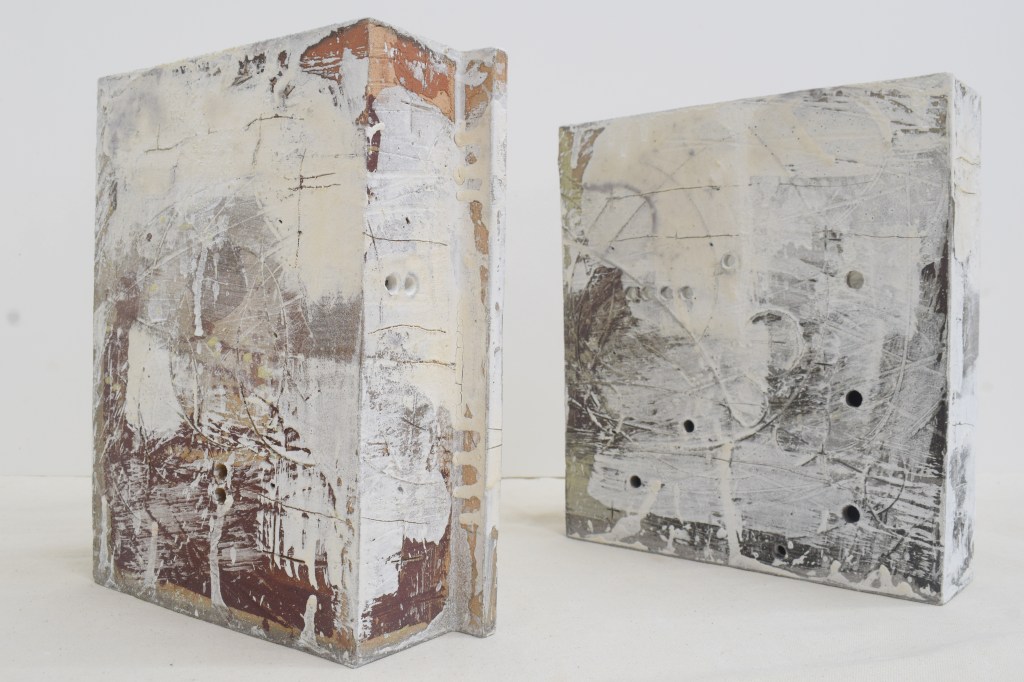
Anthropocene Aesthetics : Ceramics and Environmental Engagement Urbanism : Fossil Futures~Anthropocene Ceramics Following Resonances : Interiors in fired clay. Ruins · Jozef van Wissem · Zola Jesus When Shall This Bright Day Begin ℗ 2016 Jozef van Wissem and Zola Jesus Released on: 2016-02-05 Mixer: Jozef van Wissem Producer: Jozef van Wissem Composer: Jozef van…
-
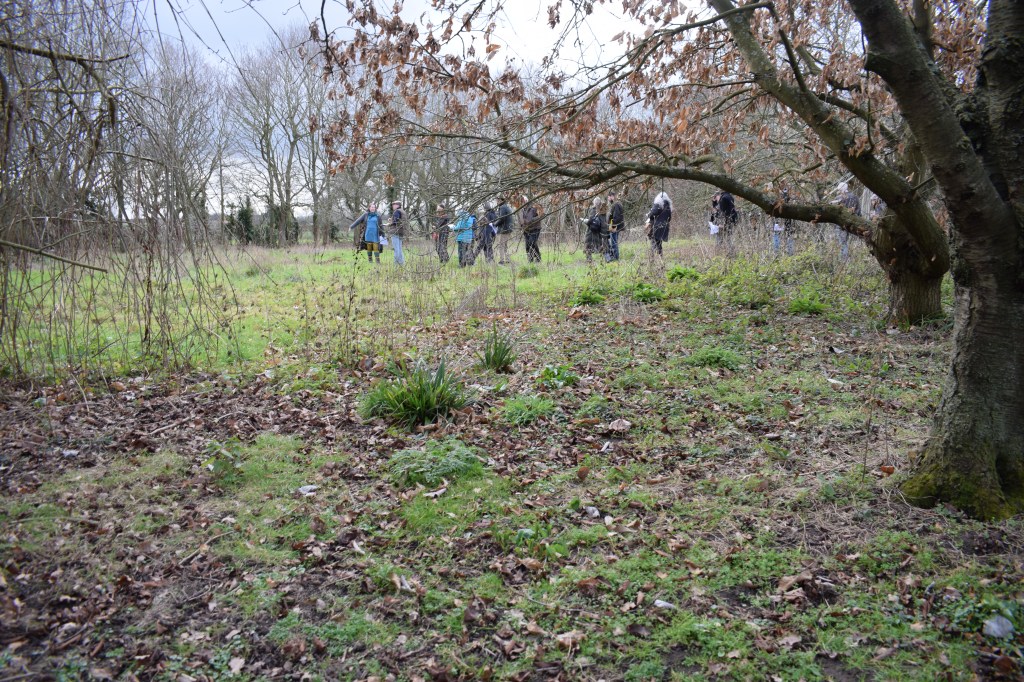
Pastoral Space: Material,Inquiry and Craft.#4, a photo by Russell Moreton on Flickr. Material Agency : Carl Knappett, Lambros Malafouris Visualising Environmental Agency “Agents are defined as persons or things, which have the ability and intention to “cause” something “in the vicinity” or “in the mileau” to happen ( Gell 1998)” “These latter artefacts are described…
-
Camera Obscura : Kilquhanity 2011. #1.
-
ArtSlant – Plan View : Cathedral with occupants.. Full Artwork Details Artist: Russell Moreton Title: Plan View : Cathedral with occupants. Date: 2011 Medium: Cyanotype print from original site drawing/event ( Space for Peace) mapping. Original Dimensions: 42×28 cm Copyright: Yes Primary color: Tags: Cyanotype, documentation, Space for Peace, Winchester Cathedral, architects plan, blue-print,…
-
“We live our lives sunk in vast forgetting.” Milan Kundera, IGNORANCE., a photo by Russell Moreton on Flickr. Human mapping of social groups from the occupancy of the Cathedral, Space for Peace 2011.
-
If you want to understand function, study structure – but does it float.
-
Drawing,Footprint and Pavilion. #11 | Flickr – Photo Sharing!.
-
Drawing from the body, 2010 Pencil,cyanotype and ink on paper with astronomical data., a photo by Russell Moreton on Flickr. Panspermia, life creating “spores” travelling across the universe.
-
Drawing as a structural component #1, a photo by Russell Moreton on Flickr. Material Odyssey, ideas around space and structure.

