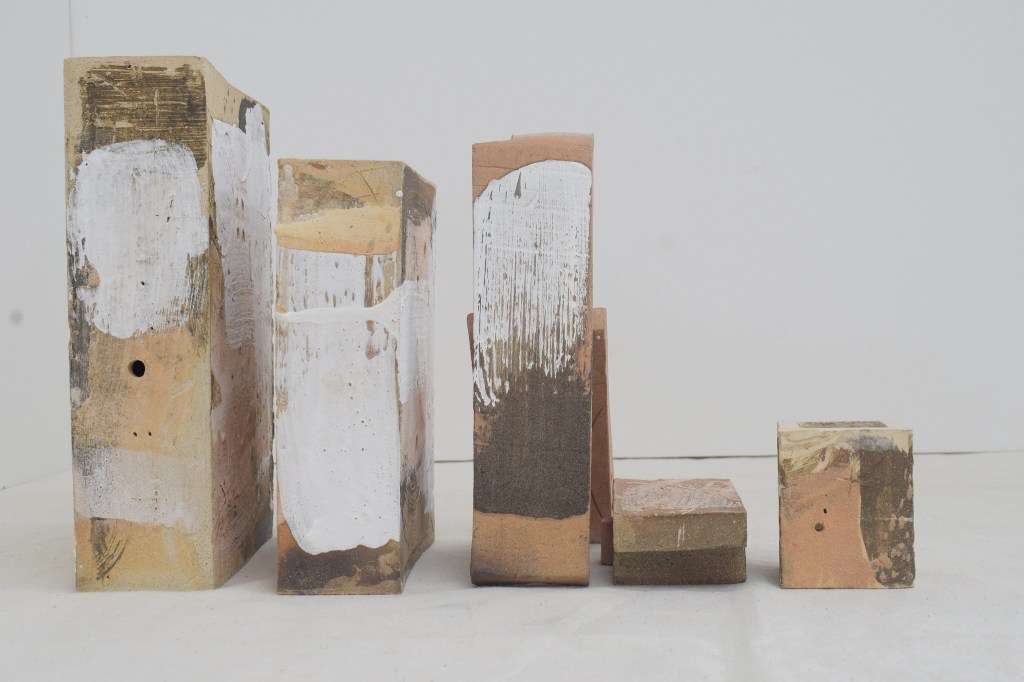
Spatial Poetics~Phronesis : Encounters in the making.
Re-entering / 2026 — Ruination becomes material rather than representational: surface accumulates staining, abrasion, coating, gesture and time until the ceramic body begins to remember the architecture it never simply represented.
The important thing for the taxonomy is that ruination isn’t simply a subject. The ceramic surface itself begins to behave like a ruined architectural surface: accumulation, abrasion, coating, fracture and marking become the means through which spatial history is materially produced. The post’s own language of ceramic substances, coatings and layered gestures supports that reading.
The post is explicitly concerned with ruination, architectural ceramics, materiality, layered markings, gesture and spatial decay, with John Piper’s ruined buildings as an important point of departure. It also describes the ceramic work as exploratory and architectural rather than simply sculptural.
Phronesis~Poetics only encountered in movement.
Generative Claywork.
Correspondences in Ceramics.
Ceramic Bodies
I think this is stronger than Making / Materiality. The ceramic body itself is the site where architecture, ruination, surface and gesture become entangled.
Mutant Sponge : Spatial Bodies~Human Bodies~Performativity
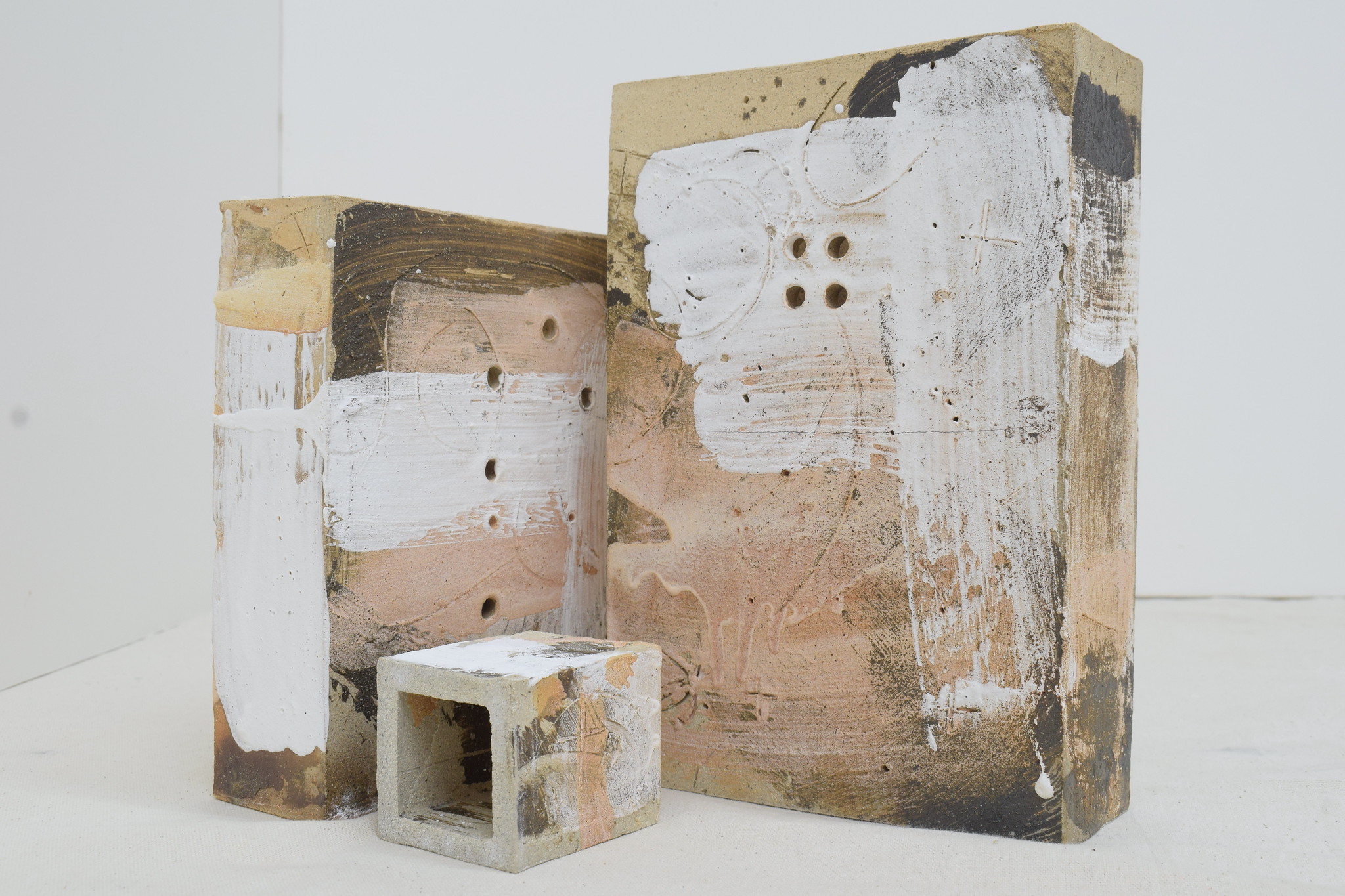
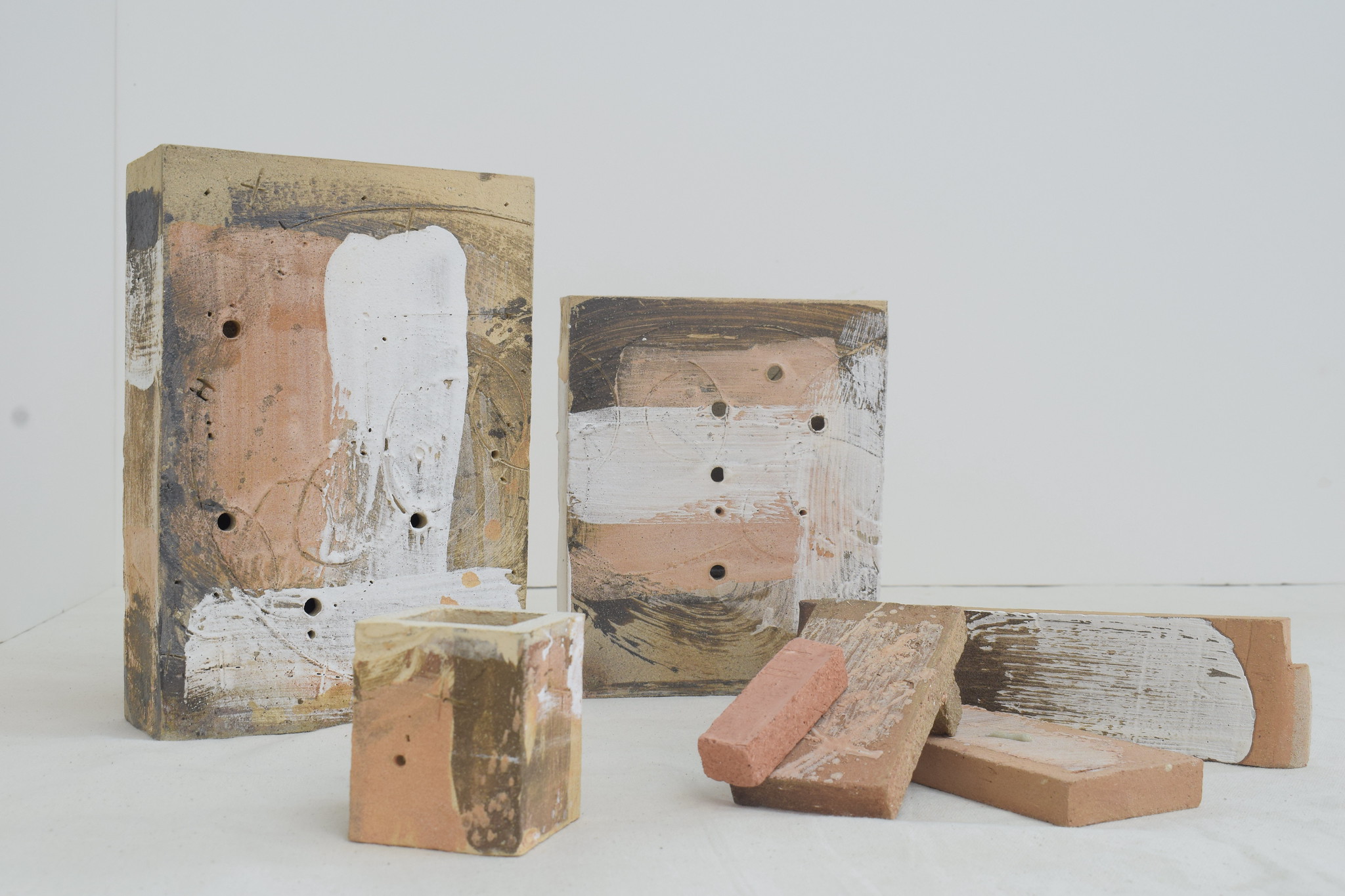
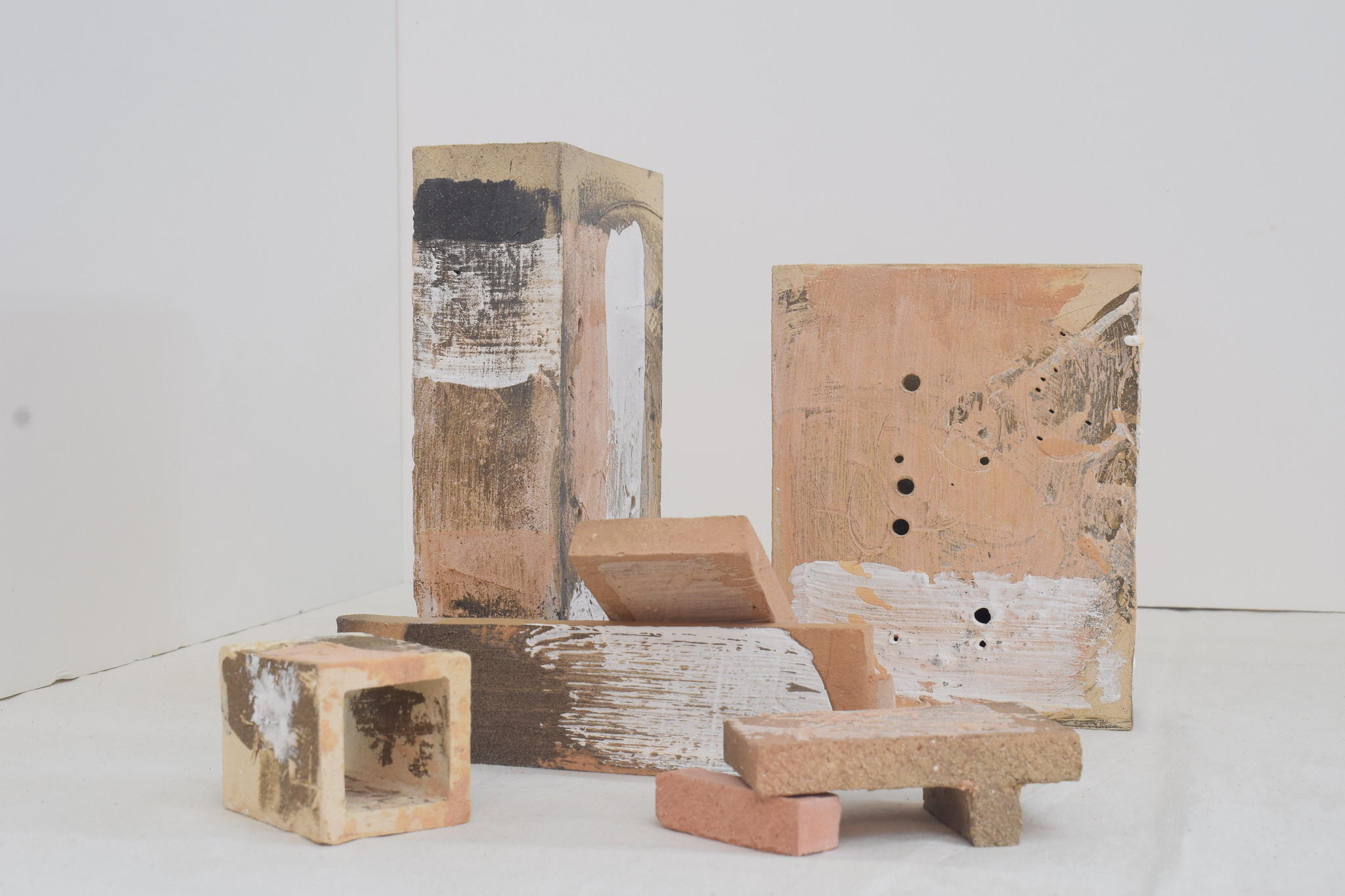
Influenced in part by John Piper (Ruined Cottages) and the materiality, of old stained stonework, lime wash, carlite plaster and yellow ochre.
On Materiality~Ruination Architectural Ceramics Of Scepticism.
Ceramic substances/coatings and the layering of markings, instances and gestures into a spatial decay.
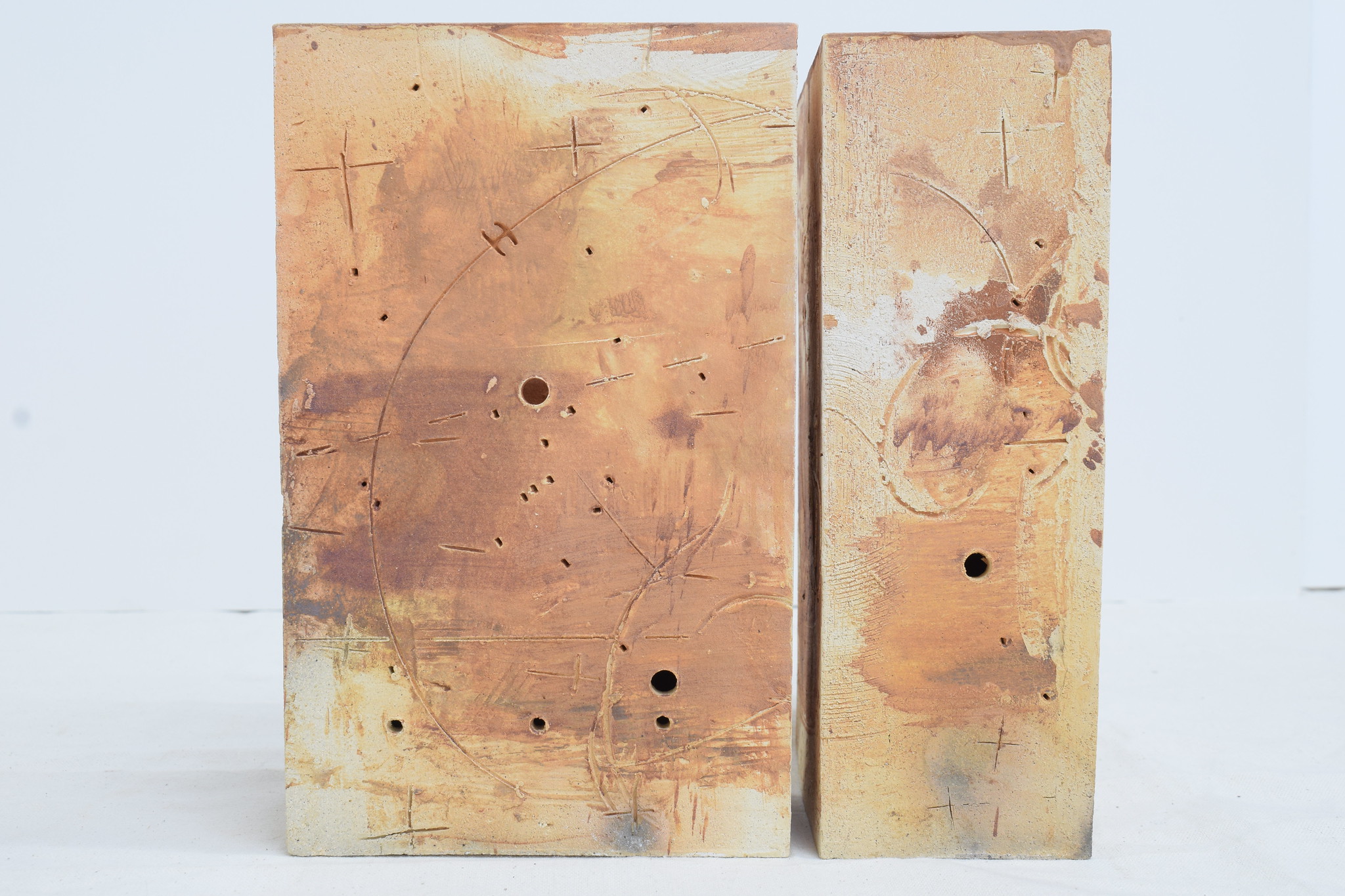
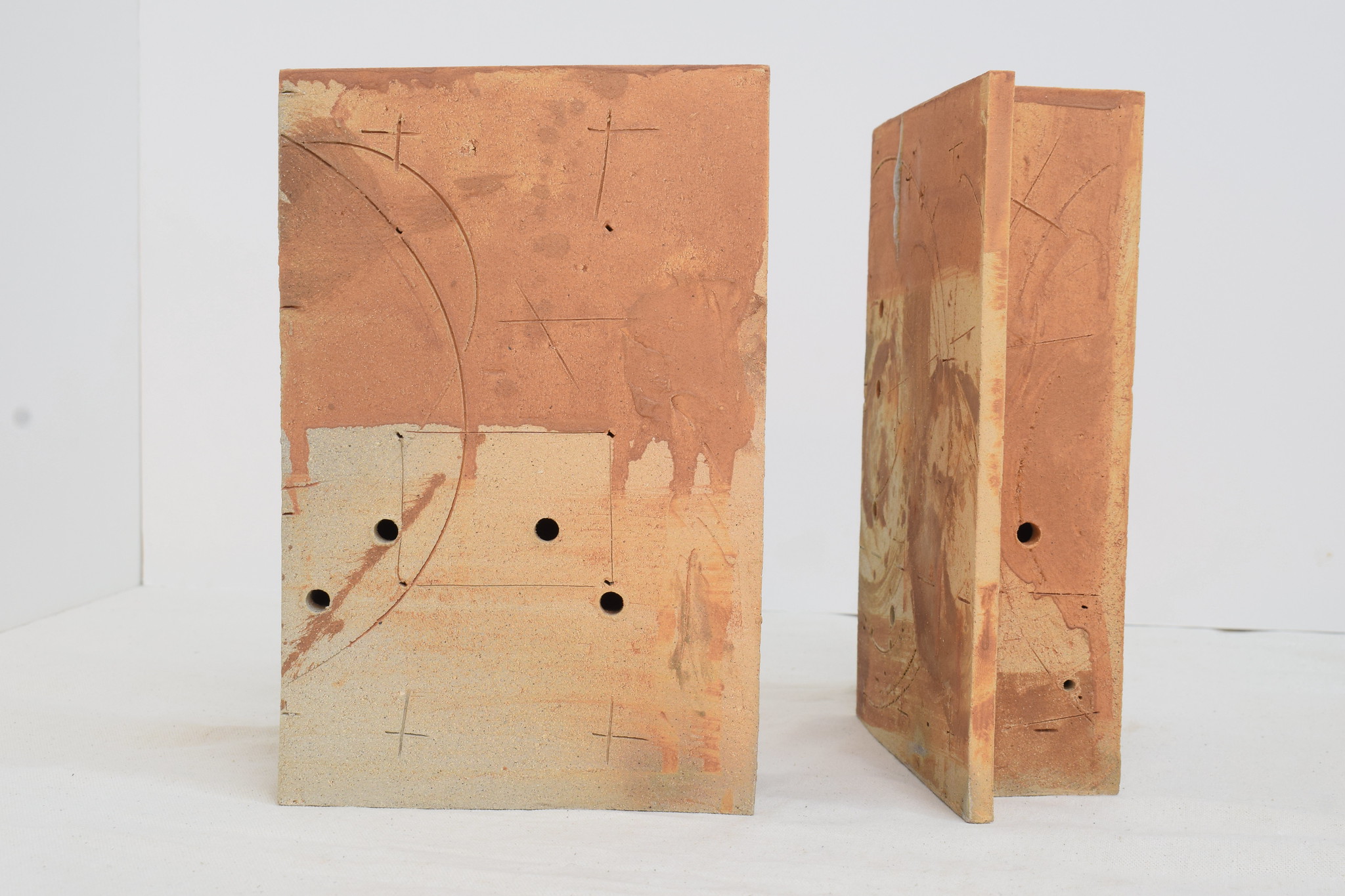
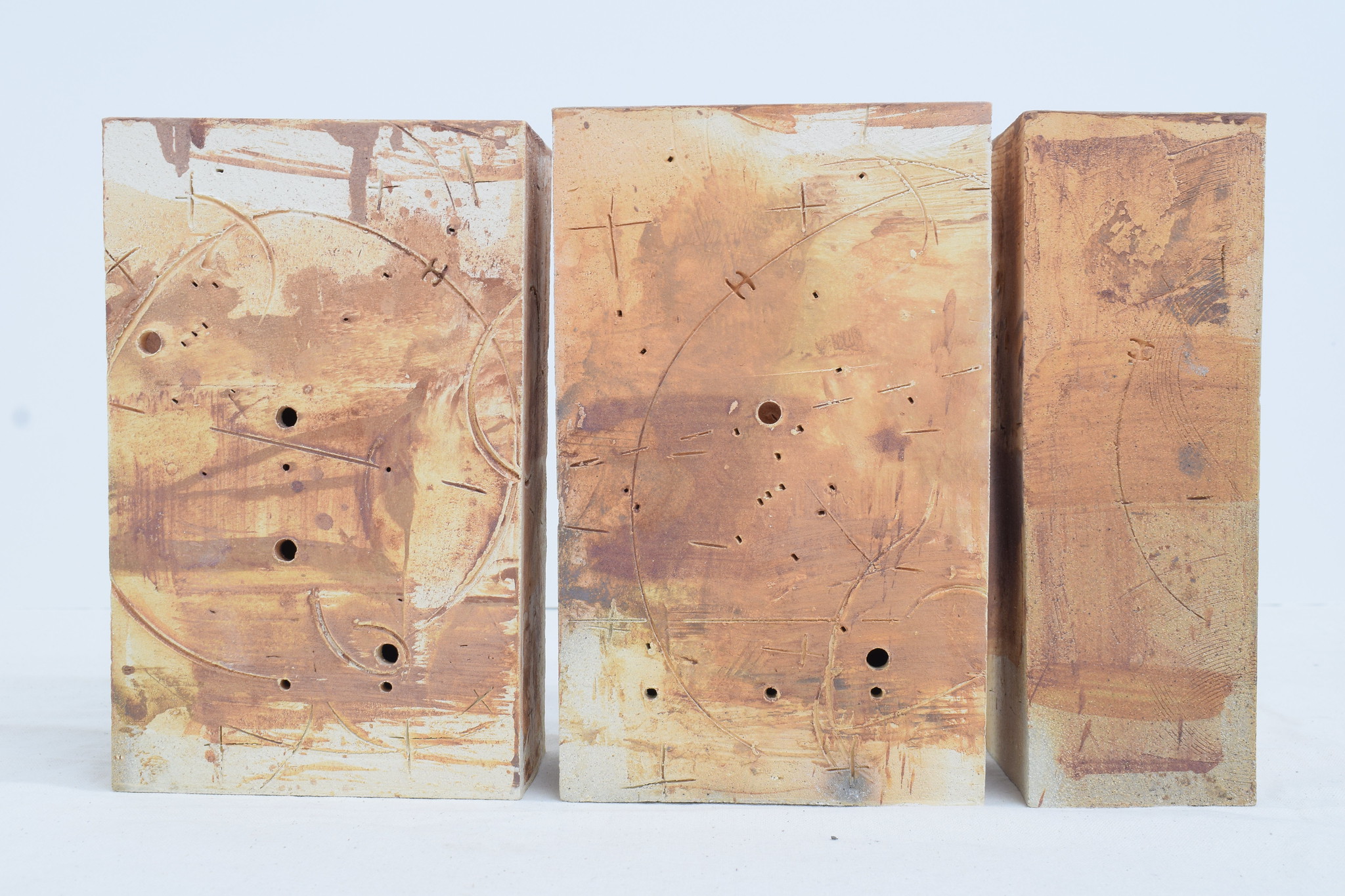
These are ceramic sculptures, specifically exploratory, architectural-themed works by artist Russell Moreton.
The artist uses clay as a primary medium to explore themes of architecture and space.
The works are processual in nature, focusing on the imprint of the artist and the material itself.
The raw, distressed finish with white paint and visible cracks reflects the artist’s interest in the material’s vocabulary and the “drama” of a building when its use has ceased.
The pieces are categorized as contemporary craft and design or fine art sculpture.
Year
2024
Medium
Ceramic
Size
130mmW x 230H x 60mmD, 150mmW x 200mmH x 60mmD, 75mmW x 50mmH x 50mmW.
Archival / Anarchival
I would place this firmly in Ceramic Bodies.
This is a particularly useful later post because the theoretical language has begun to become material and tactile. The post describes ceramic substances and coatings, layers of markings, instances and gestures, and a “spatial decay” informed by John Piper’s ruined architectural surfaces.
What matters retrospectively is the movement from architecture as subject → architectural materiality → ceramic surface.
The ruin is not simply represented. It becomes something that the ceramic body performs through its surface: staining, abrasion, coating, cracking, layering, weathering and accumulation. This makes it an important precursor to your current interest in the surface as something that is not merely applied to a body but records an ongoing material correspondence.
I would also keep ruination as a specific tag. It has enough conceptual weight in your archive to distinguish these works from generic “weathering” or “texture”.
Migration judgement:
High-value Ceramic Bodies post. It sits very well after CLAY/WITH FIRE and Spatial Poetics~Phronesis, but moves the discussion decisively towards the sensate surface—which I think is important for the direction you’ve been developing. The surface here is already beginning to behave less like an exterior skin and more like a record of forces passing through a body.


Leave a Reply