Affective Poetics: Exploring Ceramic Practices
This title emphasizes the emotional and artistic aspects of ceramics, appealing to an audience interested in creative expression and poetics.
Crafting Care: Ceramics and Built Environments
Highlighting the connection between ceramics and care practices can attract readers focused on sustainability and community engagement in art.
Speculative Ceramics: Knowledge and Practice
By framing ceramics as a speculative practice, this title positions the content within contemporary discussions of knowledge creation and interdisciplinary work.
Inhabiting material spaces of reading and making into affective poetics that comes into play through working clay into forms of ceramic.
Gatherings on Care. Working Party SPAB Lime mortar repairs.
Built Environments : Complex Ecologies~Anthropocene Aesthetics.
Speculative Applications on Ceramics : Slow knowledge over a post disciplinary field of making. Spatial Bodies : Interiorities and their entangled relations.
Year
2025
Medium
Ceramic
Size
200mmL x 270mmH x 80mmW.
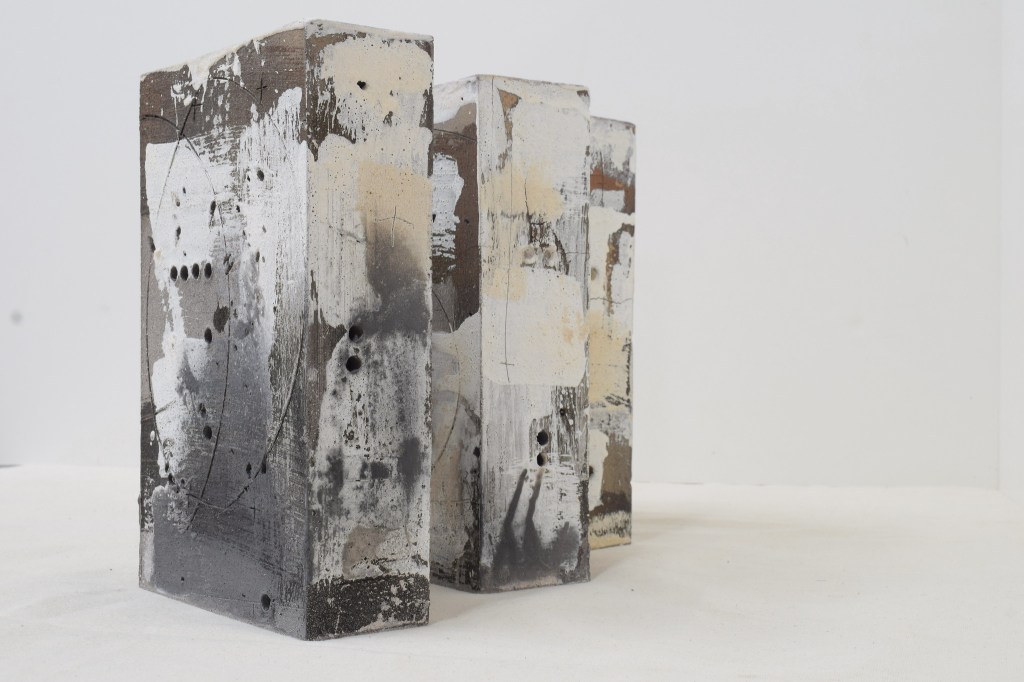
Moreton’s site-based practices using clay as his principle material further develops his inquiry into a site based speculative learning, and with it creative propositions for knowledge production through his ceramic objects. He finds in ceramics an analogy with architecture, in particular a resonance of a spatial structure in which the the drama of the building has now ceased.
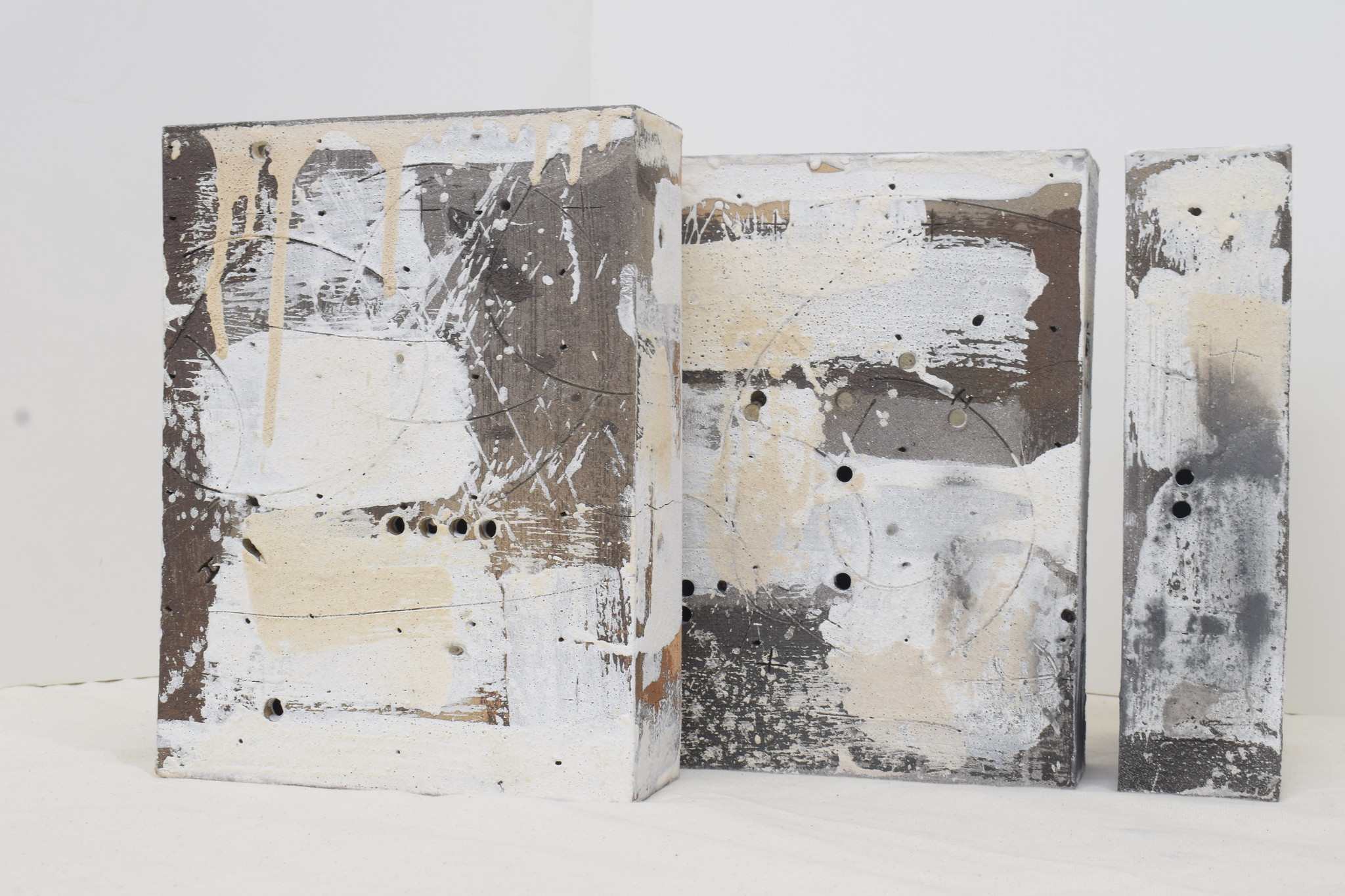
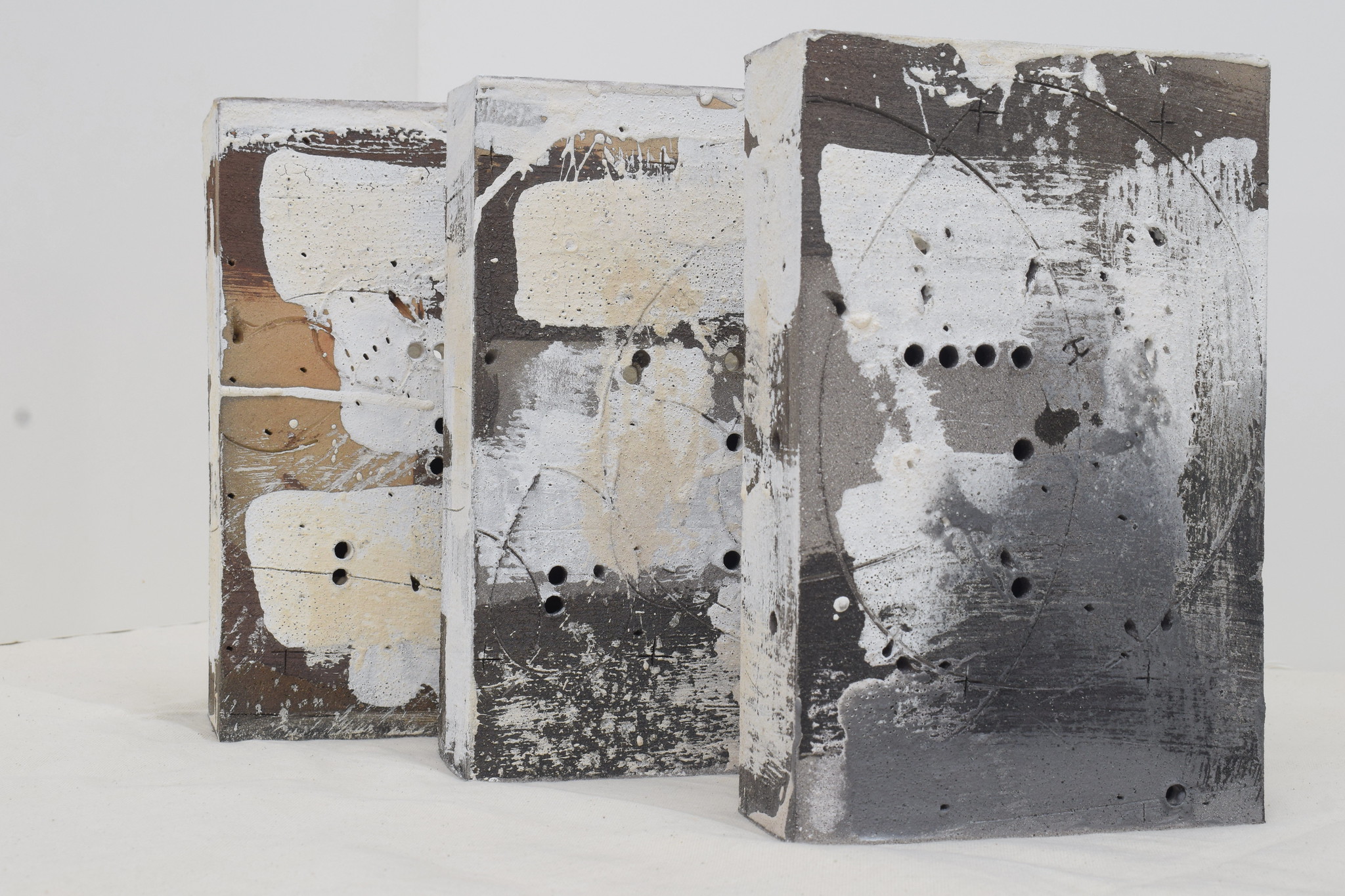
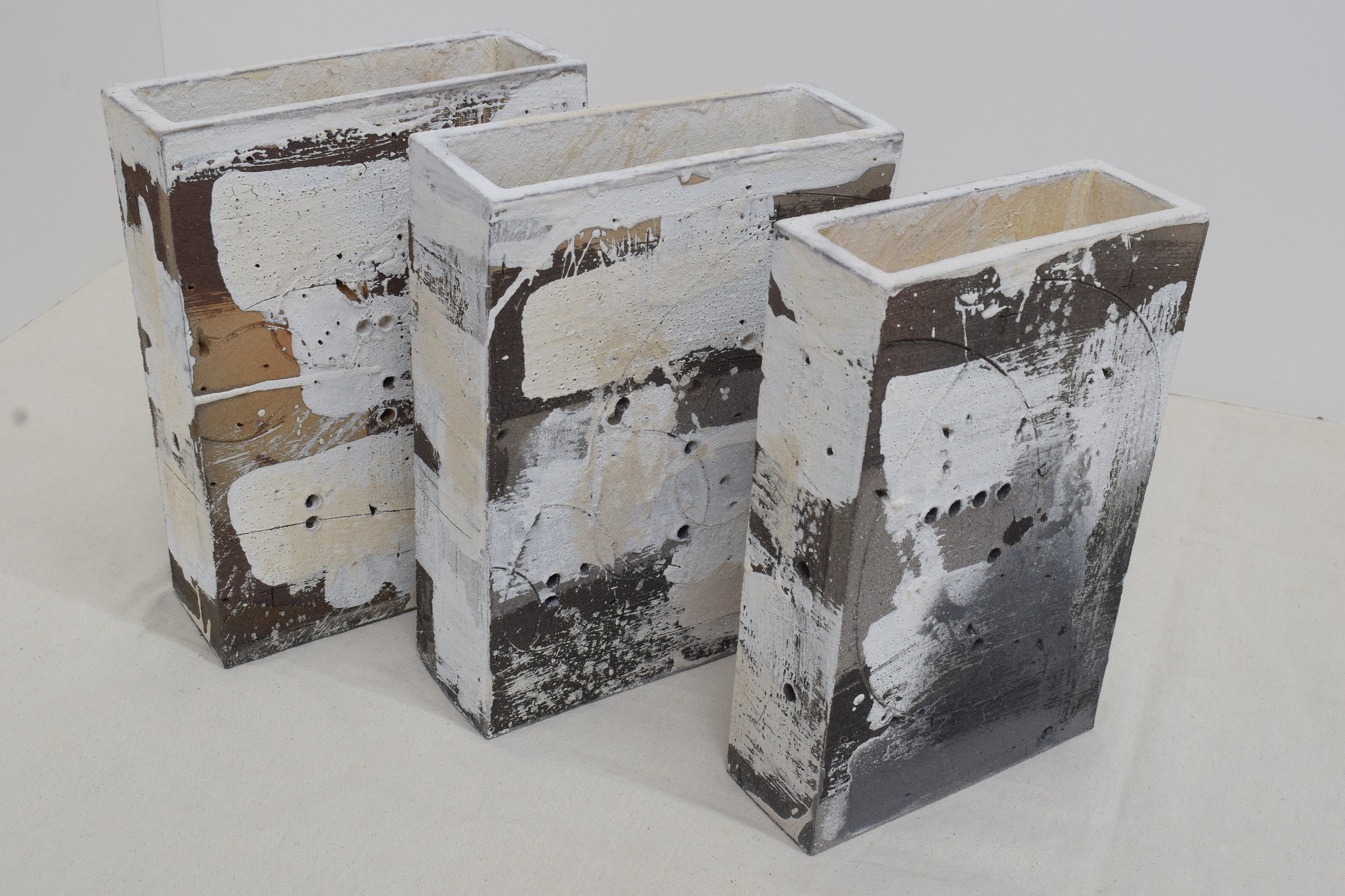
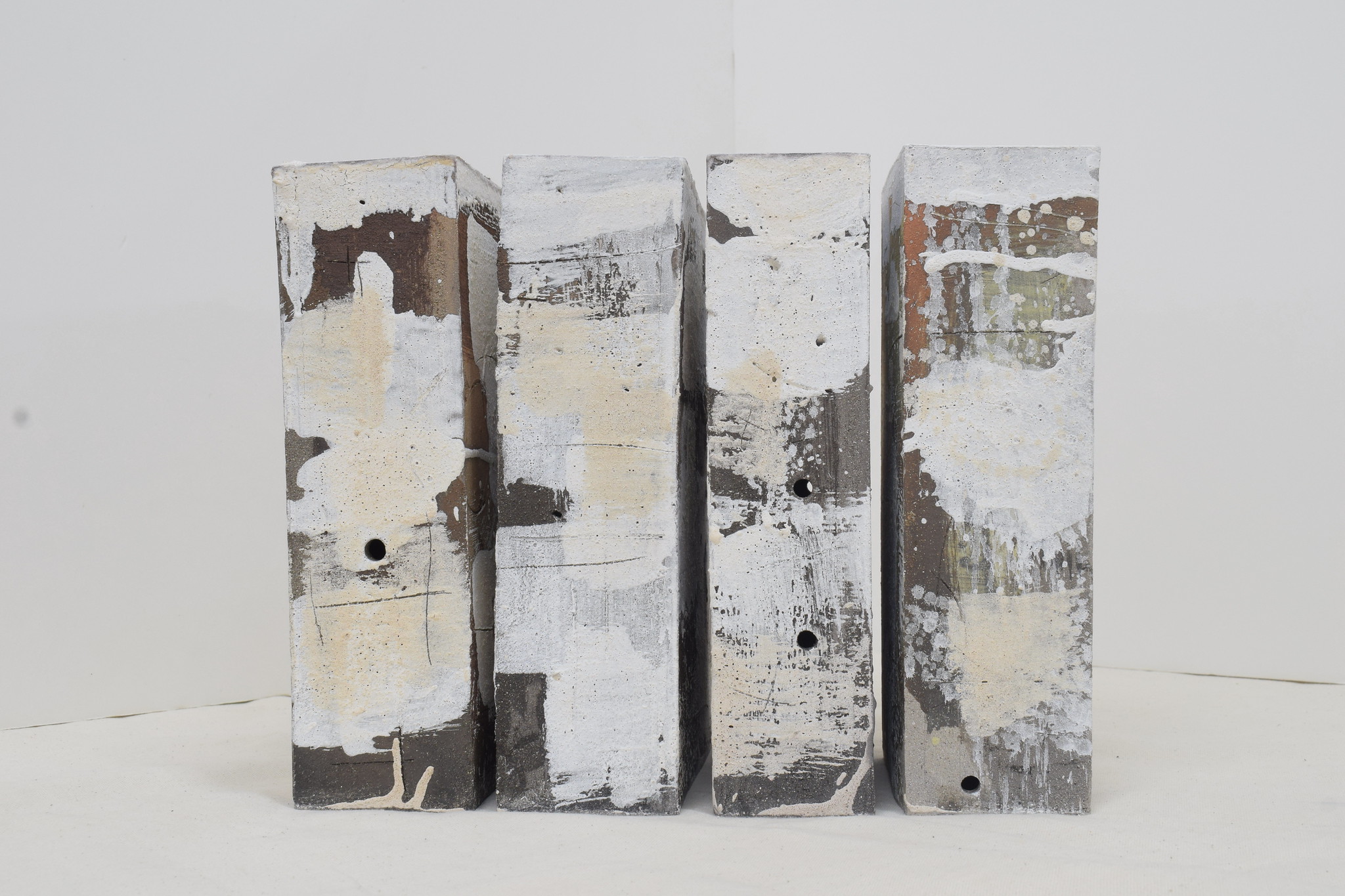
His practice investigates the interconnectedness of making interior spaces. These works in clay are processual in nature, developed by a need to demarcate and fold material into spatial forms and volumes. The act and gesture of drawing further adds ephemeral marks of process amongst the materiality of the built spaces. Clay slips and other incised marks on both sides of the clay are all interwoven into his spatial forms.
Assembled forms are then divided into several spatial interiors, in which the use of piercings are used through the surface to set up a circulation for light to enter into the interiors. Further firings and more ceramic coatings are applied to further investigate the involuntary relationships that have emerged. These objects are unknowable as they are extracted from the kiln, and as such they act as forms that can take on a theoretical nature, gathering his discursive researches and readings into a performative ceramic body.
For Moreton ceramics help to facilitate the essential auditory experience of silence, as experience by architecture as tranquillity. He is drawn by the solitudes of libraries and the sounds of construction, of pounding on materials, of making and constructing space. Architecture also presents this drama of construction silenced into matter, space and time. His finished fired constructions could become a museum for a waiting, patient silence. The silence of architecture, like that of clay is a responsive, remembering and meditative gathering, a correspondence of matter(s).

AI Overview
These are ceramic sculptural objects created by artist Russell Moreton, likely part of his “Clay with Fire” series.
The works are processual in nature, developed from an inquiry into making interior spaces.
The material is part of the vocabulary of meaning, with the artist interested in how ceramics can draw an analogy with architecture.
Moreton has a background in ceramics, glass, and construction.
The pieces are one-of-a-kind artworks, with some related works being photography of “landscape shelters”.
The work is an exploratory, ceramic-based inquiry into architectural and contemporary art, focusing on the concept of “spatial bodies”.
It explores the interconnectedness of making interior spaces.
The piece incorporates clay slips and incised marks, which are interwoven into the spatial forms.
The assembled forms are divided into several spatial interiors, utilizing piercings through the surface to allow light to enter.
The image is a photograph of an abstract, mixed-media artwork, possibly ceramic or a painting with significant texture.
The piece features a combination of earthy colors, including white, beige, and brown.
It incorporates various textures, likely from layered materials like clay, paint, or plaster.
Several small holes are visible, adding to the raw, industrial aesthetic.
The composition is abstract, focusing on form and surface details rather than a representational subject.
 russellmoreton.com
Leave a comment