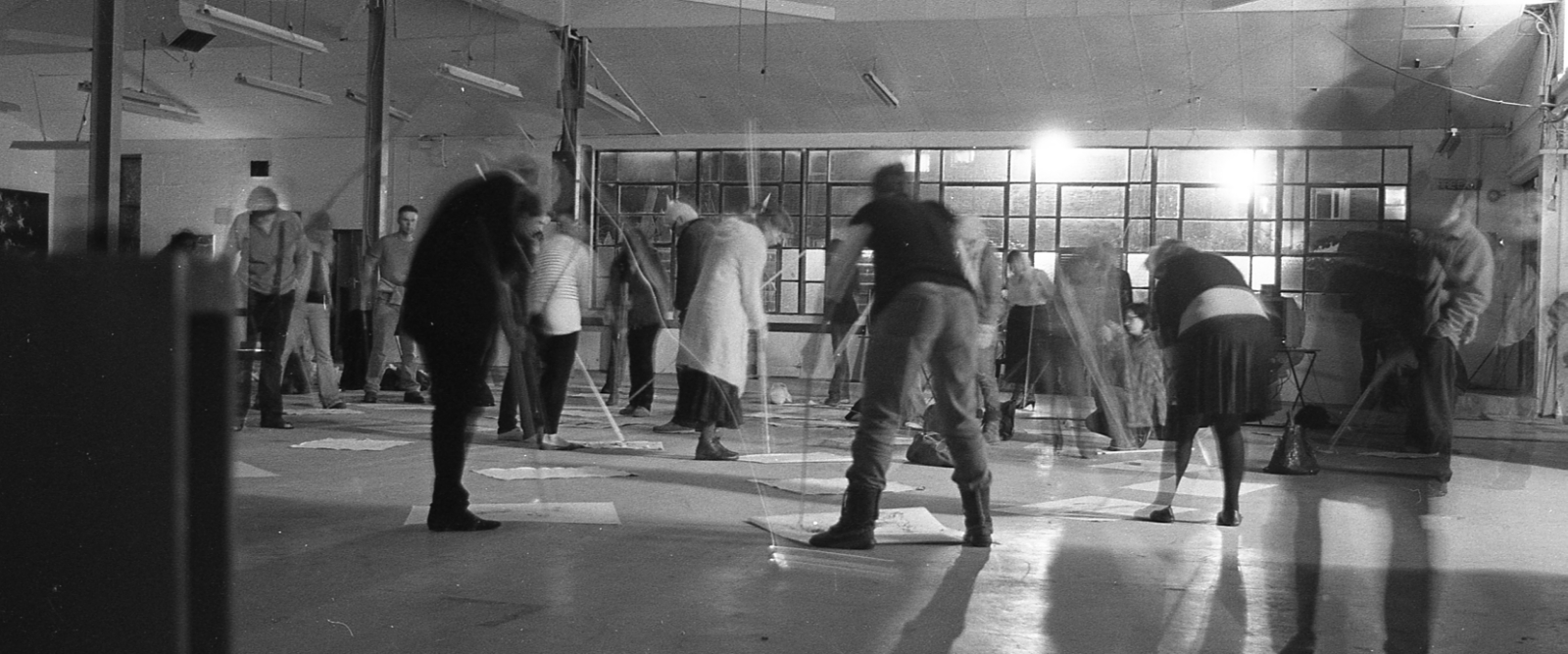
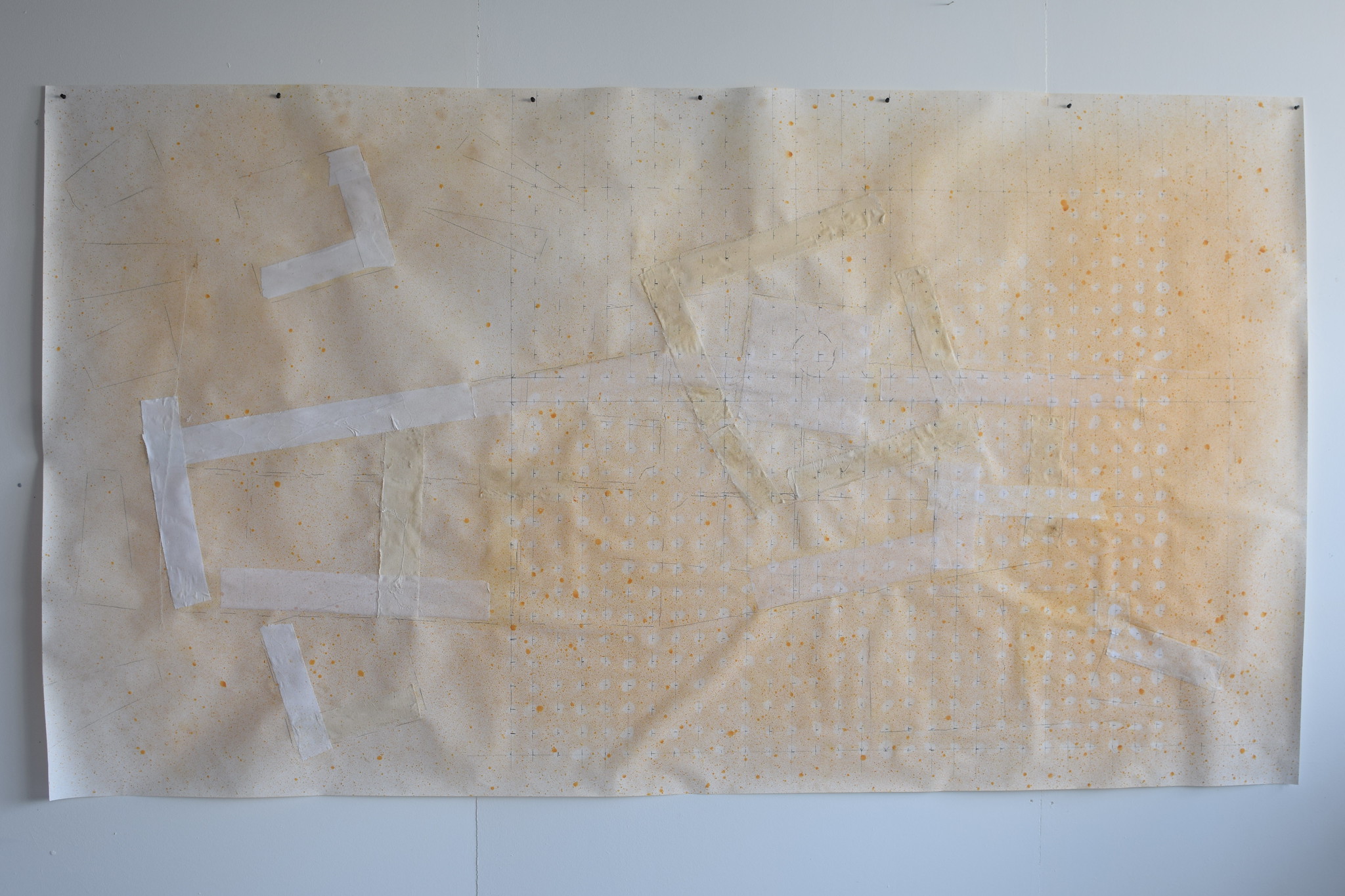
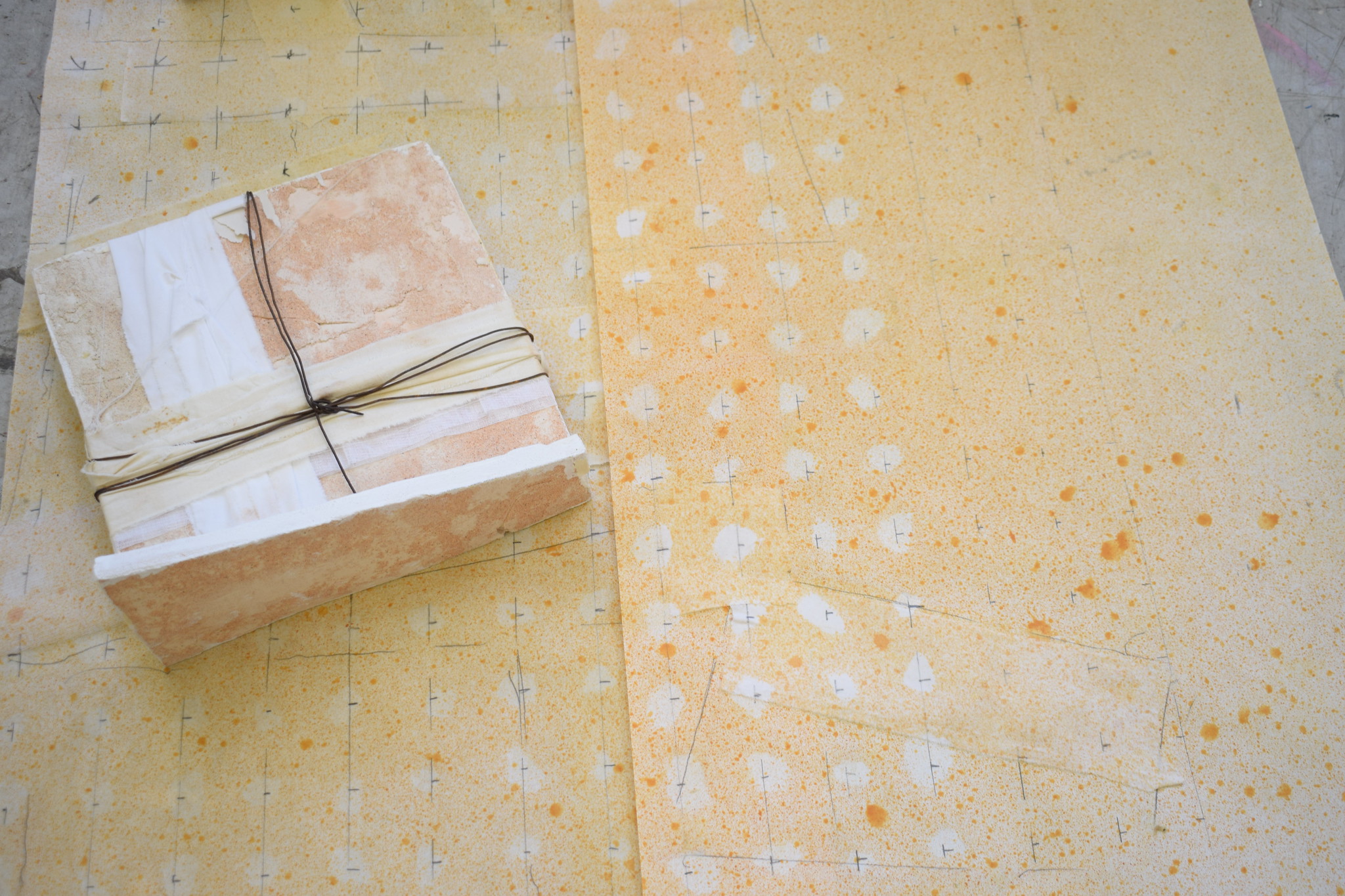
Spatial Practices : Experimental drawing and alternative photography.

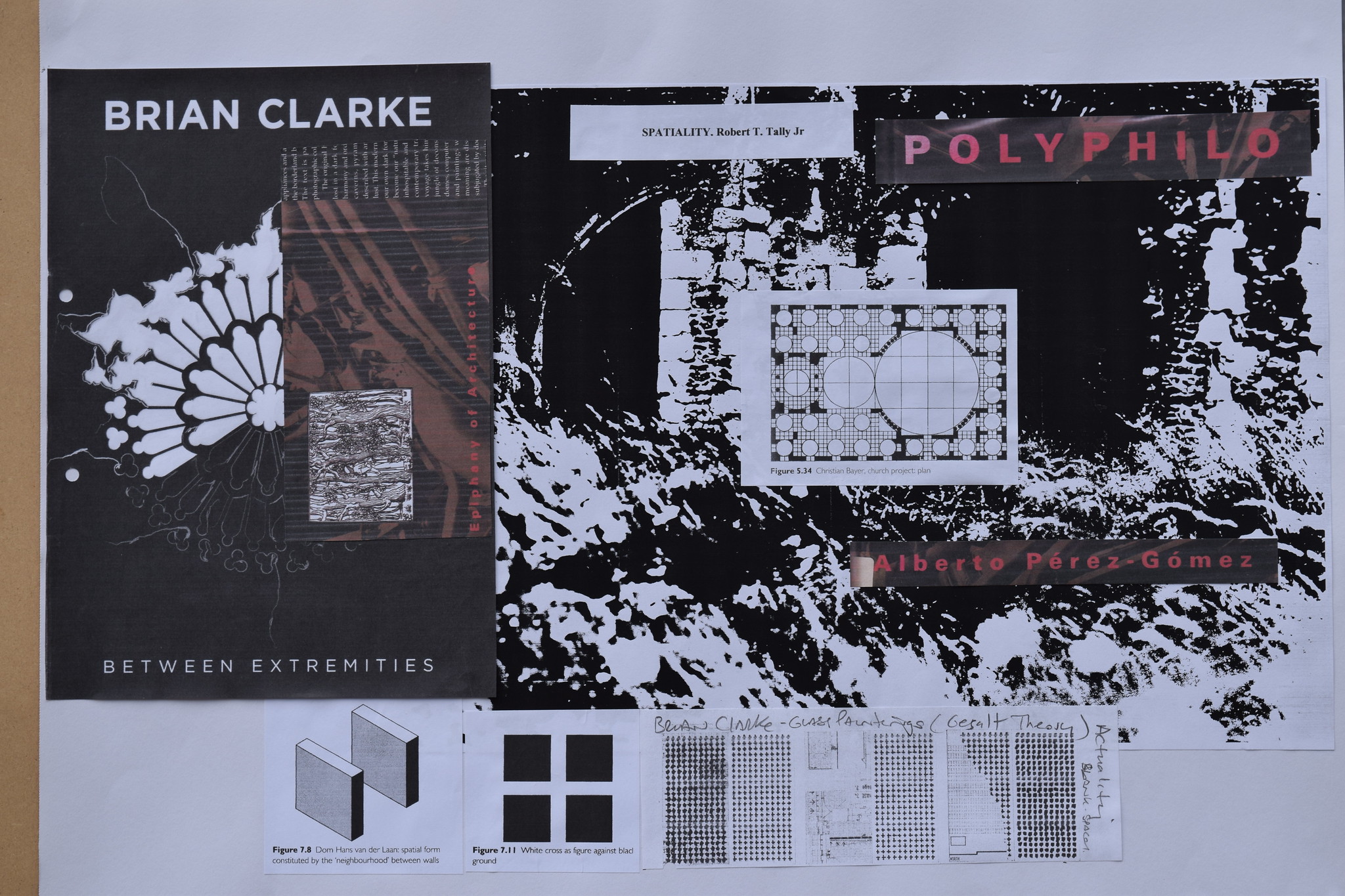
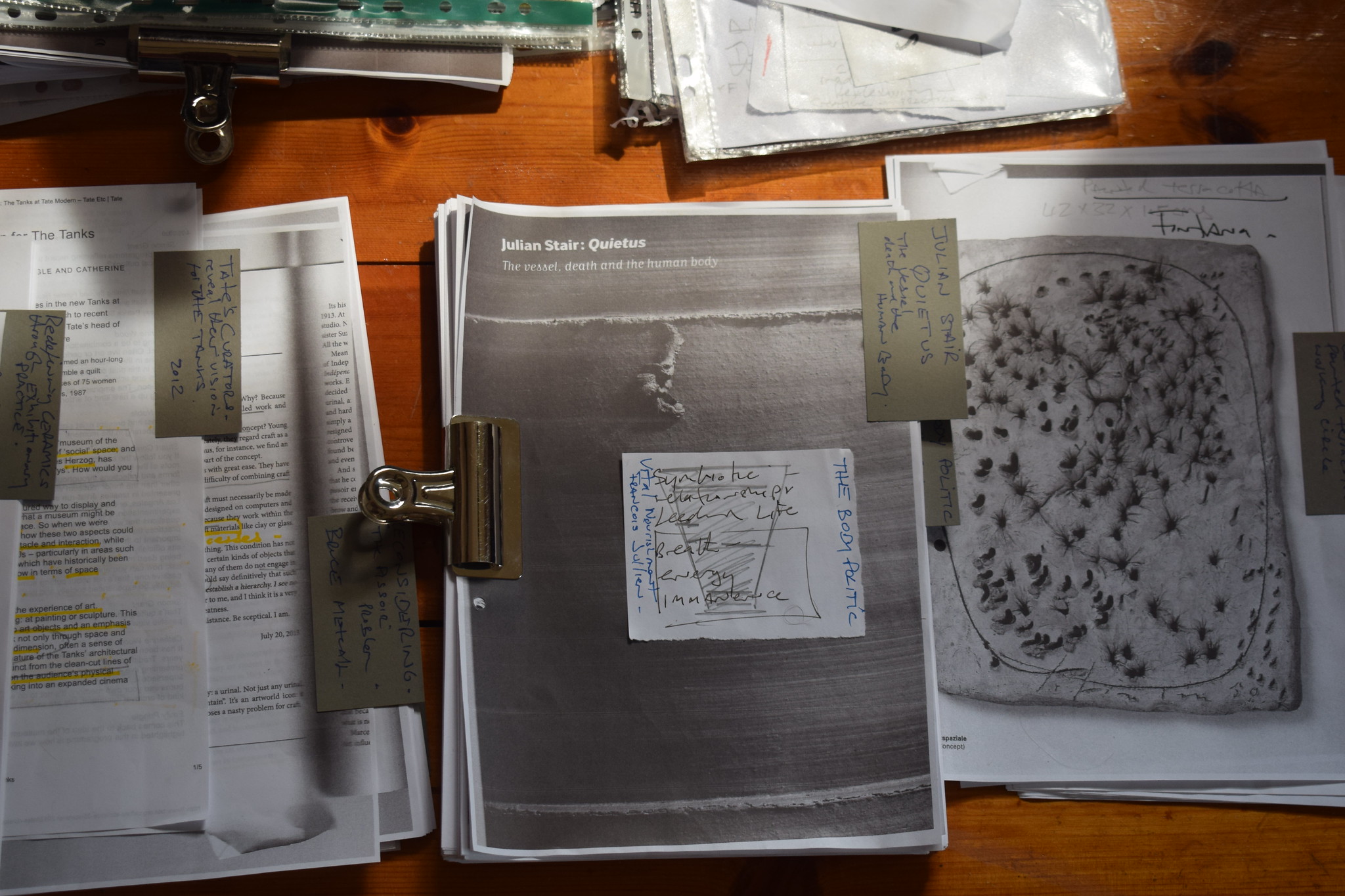
  • Brian Clarke : Properties of Matter and Imagination (Working Text)

    Brian Clarke
    The Art of Light/Paul Greenhalgh,2018.
    Sainsbury Centre for Visual Arts
    Architecture and Material Practice, Katie Lloyd Thomas.
    Water and Dreams; An Essay on the Imagination of Matter, Gaston Bachelard.
    Properties of Matter and Imagination
    FUSION OF PHYSICAL/METAPHYSICAL
    Working Title : An Inquiry with a Material Practice
    The poetics of glass as a super-cooled liquid.
    Molten Fluidity.
    An organic flux frozen for an instant.
    Chaos and order, flow and turbulence, pooling and shifting translucence.
    Chemistry becomes alchemy, the banality of the raw materials – sand, metal and minerals – turn into a magical universe of the imagination. Perhaps this is the key to Brian Clarke’s stained glass; it embodies the fusion of two things that normally don’t mingle; the physical and metaphysical.
    Botanical
    Cosmological
    Biographical
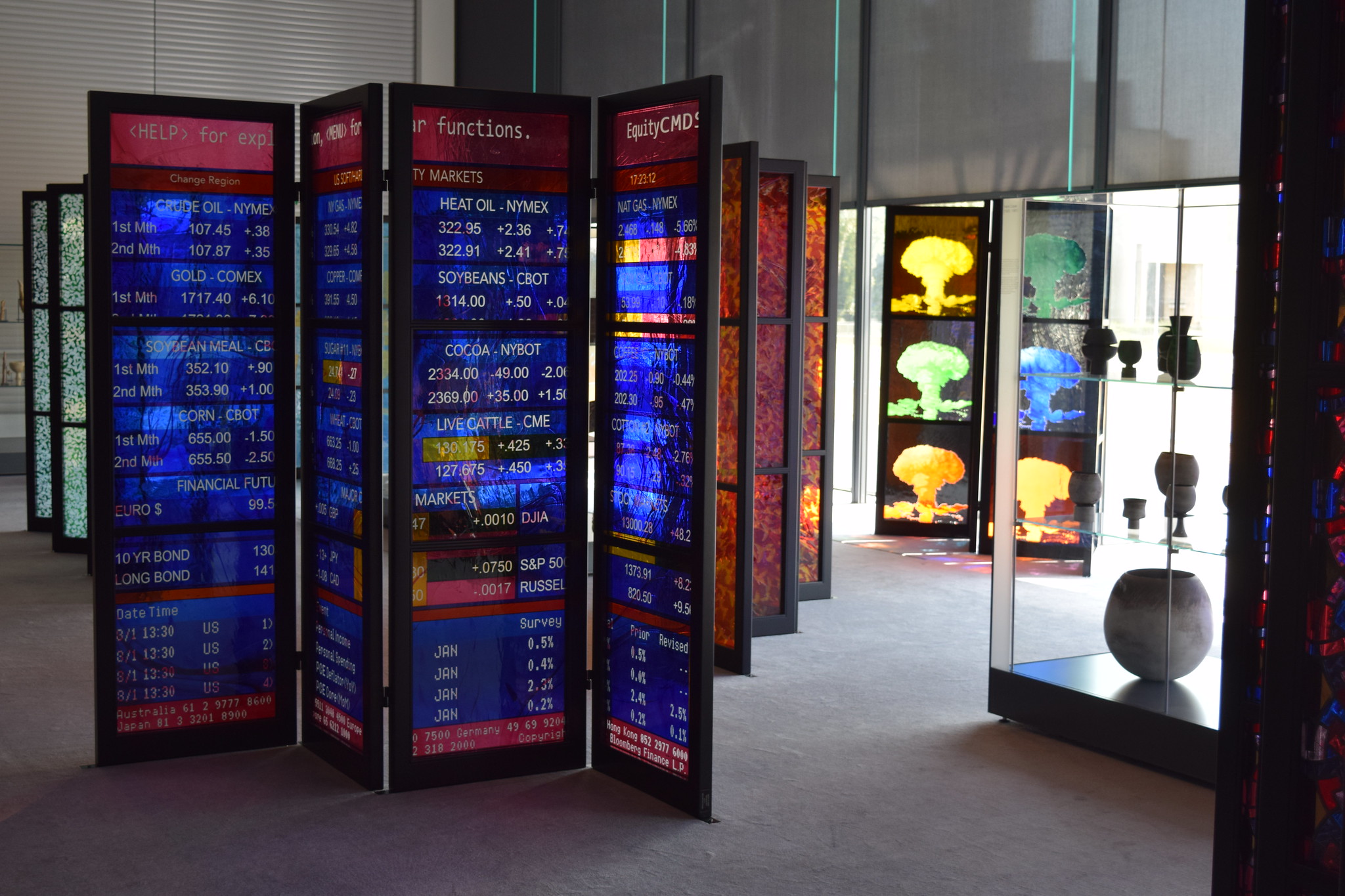
    The screens are an intense site of innovation and artistic consolidation. Some of the screens are principally about the organic flow of forms derived from nature; some of them deal with ideas that push into universal concepts and have a symbolist, otherworldly ambiance; and some yet their driving force incidents, memories and emotions that shaped the artist’s life.
    The Modern World (the artist’s attitudes to)
    Life
    Violence
    Mortality
    Many of the screens are highly specific to an incident or influence, the titles give us a clue to the complex symbology at work and the intertwining of the artist’s personal response with wider perceptions about place.
    Contrapuntal/Counterpoint music introduces multiple melodies that are equally important.
    Polyphony describes the use of overlapping melodies.
    For Clarke the concept of a screen as a vehicle of artistic expression is not a new concept, rather it clearly resonates back through his life, becoming part of his artistic consciousness virtually from the start of his work in glass.
    Literal and Phenomenal Transparency
    Layering of Planes/Layering of Spaces
    Rowe and Slutzky 1982
    What exactly is a screen and what does it mean in the context of modernity?
    A screen is simultaneously a physical object and a complex conceptual metaphor. We use screens to divide and to mask things off from each other, and as boundaries/barriers to hide behind. At the same time, the screen provides ways of looking at things/displaying; we screen films and we screen people. We look through them, and they can act as a catalyst that changes our vision of whatever is on the other side. In its usage in art, a screen is automatically a series of images – a diptych, triptych or polyptych – a sequence of free standing panels that allows the artist to develop a narrative and aesthetic theme.
    Screens divide up space and make it function differently.
    Alabaster windows before glass. (contemporary windows by both Soulages/Sigmar Polke/Iglesias
    The Glass House
    The screen as emblematic of modernity.
    Conceptually, the sensibility at work in many early Modern buildings was one of space divided by screen walls and windows. In this sense, the giant windows at either end of Norman Foster’s seminal Sainsbury Centre building for example are light-screens.
    The nature of Brian Clarke’s architectural practice, in which his core practice is painting.
    It is through painting that I understand how to view architecture. It is through painting that I can appreciate the rhythm of the poem. It is through painting that I can appreciate and draw pleasure from the structure of a well-composed sentence. And it is through painting that the complexity of music makes itself understood to me. It is through painting, in fact, that I am.
    Brian Clarke, 1989.
    I do not identify mostly with painting, but I identify mostly with all other things because of painting.
    Brian Clarke, 2018.
    Clarke is gripped by the technology and engineering of how a building is made, but also by the psychological function and its emotional impact, he refers to himself as an architectural artist.
    The medium of glass in its modern form will only be seen when people have been sufficiently exposed to it.
    During the 20th century – the age of specialisation – theorists and historians were obsessed with separating out the arts disciplines, positioning them in specific groups or classes, and then subjecting them to philosophical discourse as to why they belonged there. In short, the Anglo-Saxon world in particular artificially created the categories of art, design and craft, and then intellectually policed them. Stained glass was inevitably positioned as a craft, with all the confused cultural and economic consequences of this class allocation.
    Clarke with the complexity of his practice and interests has led to embrace the concept of gesamtkunstwerk (total works of art). A concept first championed by Richard Wagner, who perceived opera as a means of combining all of the arts, including music, and literature, in order to completely surround the spectator. In the visual arts, it is essentially about generating a complete art environment, in which all elements are orchestrated into an aesthetic whole.
    Charles Rennie Mackintosh, Frank Lloyd Wright, designers of the De Stijl movement.
    Contemporary Opera/Ballet/Dance : Choreography Wayne McGregor
    I first consciously noticed in 1977 that a ‘duality’ or ‘contradiction’ existed in my work. During that year I made the pictures entitled Dangerous Visions. These ten paintings were in large part born out of the Punk Rock movement and carried a nihilistic attack upon the orthodoxies of the day. They are in part an attempt to undermine conventional ideas about art and beauty, whilst also attempting to convey primary emotion. In the same period I designed a number of stained glass windows and free standing pieces, some of which are abstracted Arcadian landscapes in celebration of an as yet undefined optimism.
    Brian Clarke, 2018.
    The Orthogonal Grid Interrupted by Organic Material
    Neo Baroque, Postmodern rendered/computer generated surfaces.
    New Forms of Media Aesthetics, Peter Greenaway
    Much of his oeuvre, and his deliberate disturbance of rhythms, of interruption as a tool in art, and about the reconciliation of contrary forces. We encounter this visual dialectic, of interjection and then reconciliation, frequently across the range of his imagery. The artist often creates a grid-like, geometric pattern across the picture frame, and then he interjects lines and marks, often as a more flowing, organic nature, to break this regularity.
    The Interrupted Grid/Motifs
    Interjection of Lines and Marks/Anomalies
    The Fusion of Organic and Artificial Phenomena
    Incidents in his life are fundamental to the mood of the work.
    The screen confronts us with the timeless ubiquity of death and presents the silent anonymity that follows the chattering individuality of life.
    Chill Out, a giant collection of skulls referenced from a catacomb, Subiaco, near Rome.
    Grisaille
    Pointillism
    Divisionism
    Dot Matrix, (The Swimmer, Clarke) see also Johan Thorn Prikker/Sigmar Polke (Girlfriends)
    The concept of juxtaposing dots and marks of pure colour.
    Mesh Topologies
    Despite his deep interest in first generation abstraction and, most notably, Constructivism and De Stijl, Clarke has never accepted pure abstraction as a given. He has always been a symbolist.
    Calligraphic drawings on sheet lead.
    An idiom of sheet lead, with stained glass, relief drawing, attachments and sgraffito-style mark making.
    The artist has through the leaded works revealed how the physical becomes the metaphysical, by turning lead – a pragmatic material in the stained glass process, a necessary physical component of the discipline – into poetic expression, into imagery saturated with universal and personal iconography.
    All art is phenomenological, every aspect of the celebration that is art comes out of this encounter between two physical actualities, the material of art and the body of the spectator. Everything else – the poetry, ideas, emotions – emerges from this basic fact. The touchable physical stuff, the glass and lead that impacts our senses, our bodies.
    Night Orchids
    Embodying the idea of metamorphosis , the process whereby the human and the natural fuse together.
    The orchid also has a twilight feeling of hanging between life and death, between beauty and decay, and as such it reflects a central theme in much of Clarke’s recent work; mortality.
    The orchid itself has been dissected and disassembled, but it is still has the unsettling, heady ability to simulate human sexuality.
    There is another kind of fragility to many of these images, or should I say to many of these flower. They appear to have been wounded, bruised. Indeed, they would seem to be bruises blossoming before one’s eyes – Fleurs du mal of an intensely physical kind.
    Robert Storr.
    Francis Bacon
    The Logic of Sensation
    Gilles Deleuze
    Memento Mori
    The inevitability of things.
    The banality to evil, and of beauty in destiny.
    Not to constantly remind oneself of mortality is to reduce the intensity and urgency of the living moment. It is essential part of the human condition.
    Brian Clarke, 2018.
    Memory as a tool in the processes of the imagination. One can look at Clarke’s work and be moved by it without knowing the stories buried in it, but the narratives are a vital cerebral tool for the artist; they drive him along and affect his formal decision -making, contributing to the atmosphere of finished pieces. His use of memory, in fact, directly connects him back to the intellectual formation of modern art.
    The use of memory as a conceptual tool.
    ‘Every instant has a thousand memories’. Henri Bergson.
    Bergson is implying that we constantly carry our past experience around with us, that it impacts every aspect of our normative experience, everything we look at, touch, hear or taste. Our memories interpenetrate the fabric of our consciousness in support of this notion, Marc Auge has recently suggested that ‘the past is never wholly occluded either on the individual or the collective level’.
    Memory is a means by which the artist’s subjective consciousness can be harnessed and used to impact, inflect and transform the objective formal processes of artistic creation. It is a principal tool with which the artist can explore the nature of the human.
    Bergson pointed out that one could take a million photographs of a room, from every conceivable angle and level of detail, but these photographs could never capture the experience one has of entering the room. In other words, there are aspects of human experience we cannot capture photographically; we must find other means of describing the world.
    Objective and subjective visions of life – and death – come together in this fusion of history and memory. Ultimately, it is up to us to make connections and develop themes.
    Metaphysical Poets, John Donne, 1572-1631.
    A Valediction of Weeping.
    Christopher Walmarth, Sculpture, using metal and glass through the minimalist idiom with poetical content.
    Liminality
    Numinous
    Spiritual
    Transendental
    A poem about the absolutely human trait of finding a way to move through tragedy towards hope and the ongoing nature of love; a determination not to forget the euphoria of life in the midst of suffering and desperation.
    Explorations on temporality, loss and mourning.
    Objects and words come to stand for many things and the personal becomes the universal.
    The simultaneity of meaning , that easy shift that carries us from the personal, everyday life to spiritual values of universal themes.
    I don’t want to do anything that isn’t at least an attempt to explore what it is to be a human being.
    Brian Clarke, 2018.
    UEA Brian Clarke in conversation with Paul Greenhalgh, 2018.
    Dangerous Visions, slashed canvas Clarke acknowledges the work of Fontana.
    Visual and visionary poet interested in images of deadly beauty, conception and death.
    The Faures, colour and grids/grissaille as a membranous veil, a spiritual body.
    Erotics of the screened body, dominatrix, ways of sensing the body.
    Lilies for Linda stained glass envisioned as a portal/an in-between, an existentialism from the living to the dead.
    Trans-Illumination, glass as a kinetic material activated by the movement of light and that of the viewer.
    Alchemy and the urban fabric of the medieval mind. ( the leaded skulls beyond the tradition of the medium)
    Beginning with a visual idea, a collage of feeling affect, and the honest collision of experiences.


    Brian Clarke The Art of Light/Paul Greenhalgh,2018. Sainsbury Centre for Visual Arts Architecture and Material Practice, Katie Llo…
    Source: Brian Clarke : Properties of Matter and Imagination (Working Text)
  • Drawing/Situatedness and Site : John Berger, simultaneously a now and an elsewhere

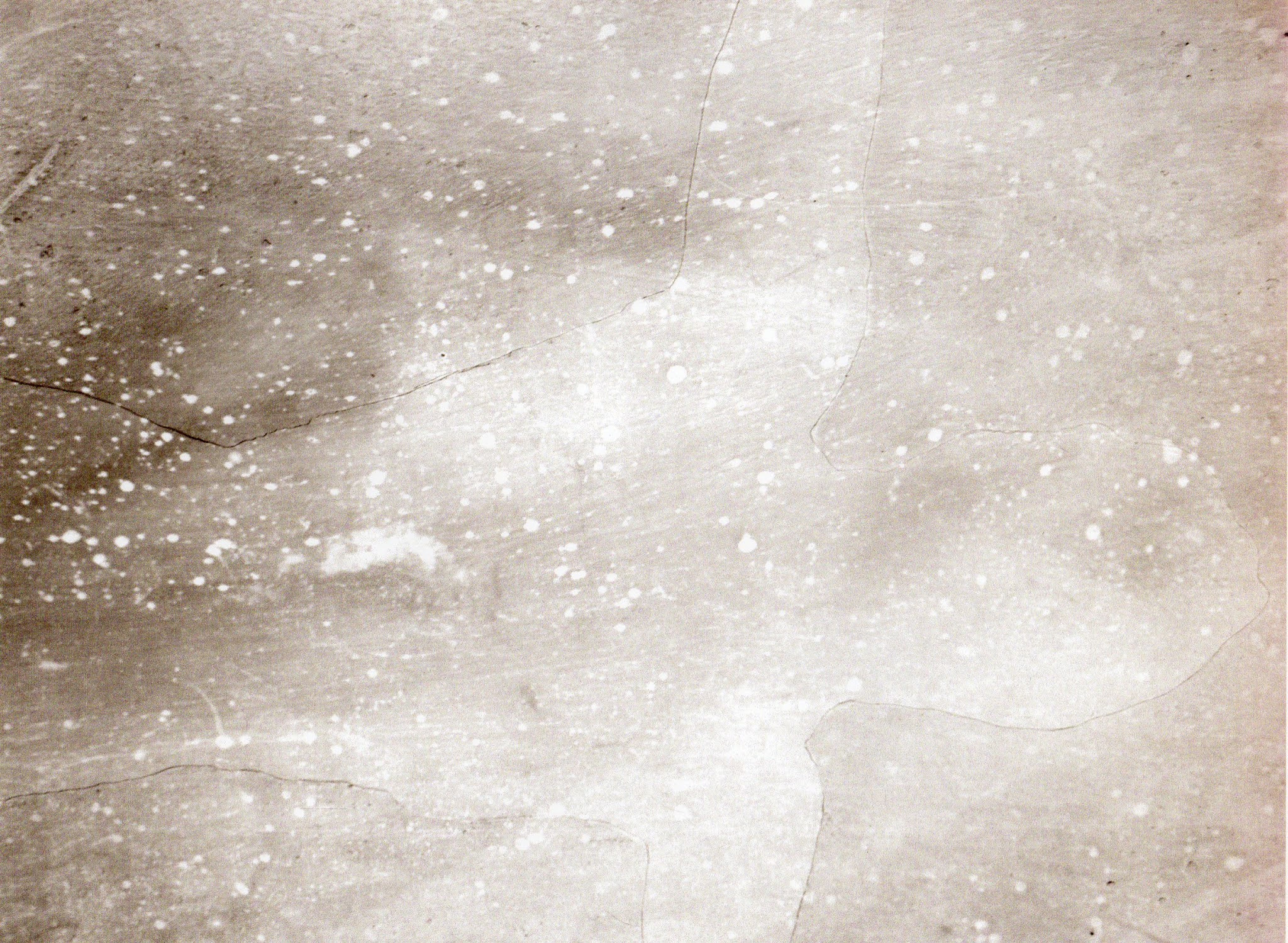
    Drawing has the ability to hold complexities separate enough so as to be read, yet drawings also merge into a perceptive unity marked by a sensation or realisation of intuitive nowness authentically caught in the tension of the line.

    John Berger’s definition of what a drawing might contain when it is simultaneously viewed as both a now and an elsewhere, marks for me a threshold of encountering space­ time, we are passing through as we perceive our very consciousness.

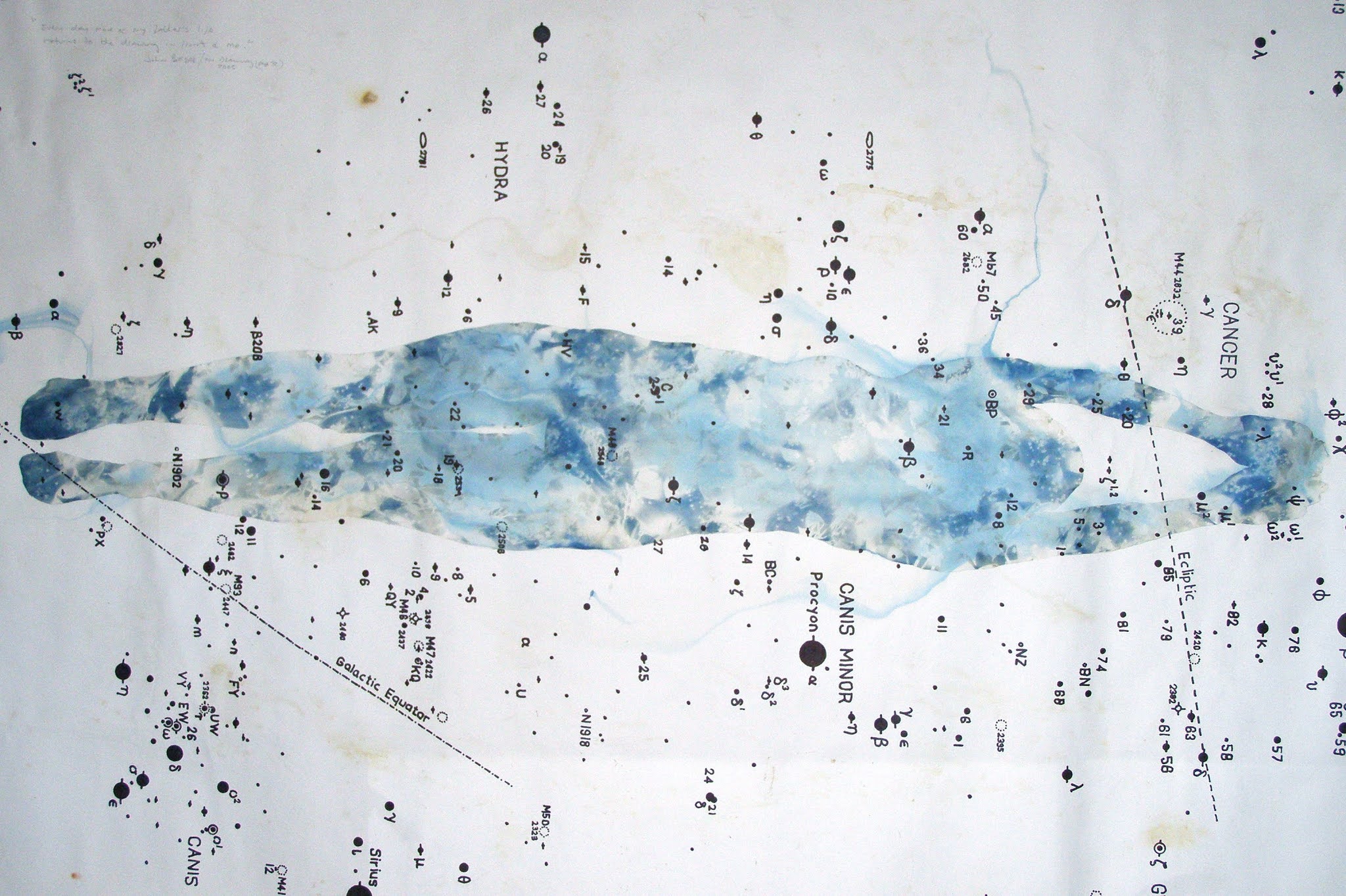
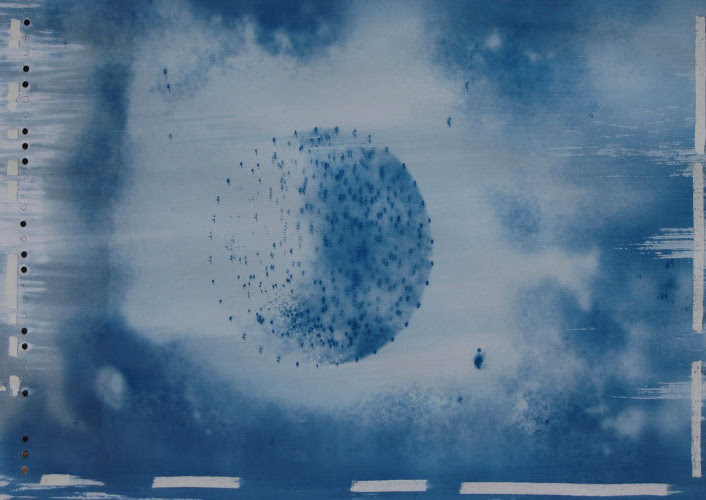
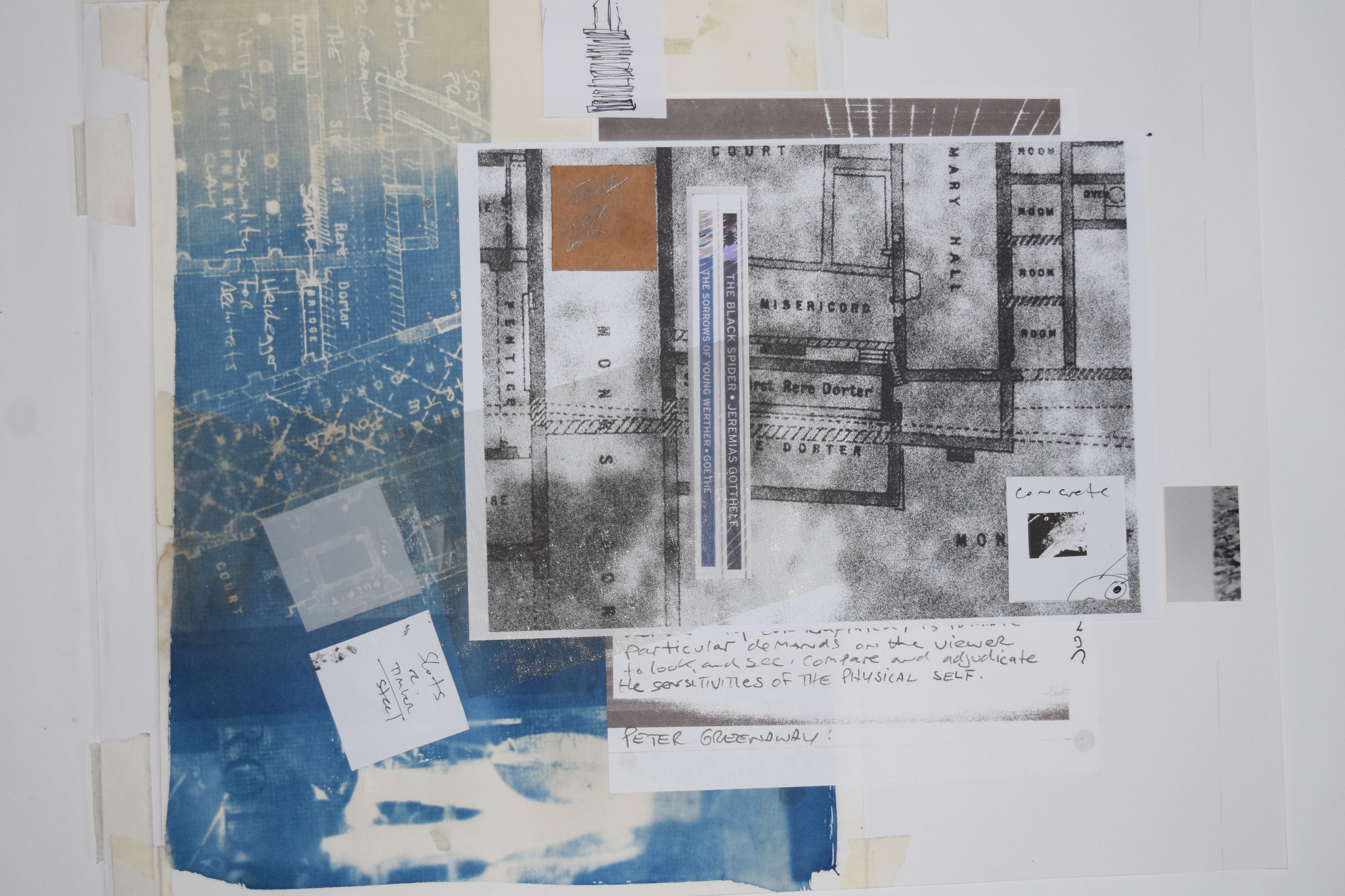
    I sometimes think of these drawings as sites, containing both physical and playful evidence of explorations. The cyanotype process captures objects and turns them into “inclusions” or vessels that might induce an interesting dialogue, a buried association or simply a stage for thought. I feel the objects recorded are the result of an assemblage of thoughts/interests close at hand driven into the visual through an expediency (working with light and time) and an aesthetic that contains my sense of materiality from which to nurture a creative subjectivity. Strangely it is this aesthetic that just keeps things separate enough but which still makes things actively conspiratorial. It appears to be able to render things in isolation and then bring them together. It is as if the intuition that comes from working and theorising within an art practice is placed into the realm of things, off loaded, detached, and orphaned to make its own way in the world.

    Link Gallery.

    Forum Notes, 27 March 2010

    Site is anti-place hovering precariously over the abyss of no-place.1

    Art Practitioner with earlier experience in ceramics and glass, recently completed visual arts course at Winchester, now at Canterbury completing MA course in spatial practices. Working mainly on drawing, photography and architectural interventions/ installations that explore our sense and experience of place.

    My work explores a philosophical inquiry into the need for a reflective solitude, a sense of dwelling amongst absences.

    The use of materials from the locality (field chalk) implies a personal geography drawn from the direct relationship to an inherited Earth. There is the suggestion that the absence recorded by the trace is an inclusion, a legacy set into a field of materiality, but it might also suggest a metaphysical field of thought.

    This act of drawing becomes its own experimental field of exploration, a sort of “in-between reality’’/Maurice Merleau-Ponty) an enmeshed experience. Thought of and read as a material memory encountering the realm of the insubstantial.

    This “undoing of place” might instigate a threshold and a situation/room from which to reflect upon critical spatial, sociological and psychological conditions and perceptions.

    This work and others like it attempt to articulate an interest in the body as both a physicality ( social, spatial and per formative presence ) and a poetic surface in architectural space.

    Influences, Myth of Butades, origin of drawing, Pliny

    Interested in the inscription ( a surface inscribed, written or carved as a formal or permanent record ) of a presence, a trace that reveals an origin of feelings/gestures centred around the body.

    Inscription brings with it a notion of performativity, that of body and place, and their interaction, situation and experience. This spatial activity renders a sense of a material memory surfaced by place.

    Tacita Dean, Drawings are more than just visual therapy, they speak of collective experiences and dilemmas that trouble humanity.

    This simple work gathers-up an intimate social inscription on a surface, a playful act to then associate natural material.

    Drawing is the primal means of symbolic communication which predates and embraces writing, and as such it functions as a tool of conceptualization parallel with language.

    Drawings offer a partial comprehended rumination of the mind, Avis Newman. Drawing, becomes a sort of dwelling amongst an intimate comer of oneself, perhaps even a site for the solitude for the imagination. Gaston Bachelard comments in the Poetics of Space that a corner in a room can become “a symbol of solitude.”

    Drawing like walking becomes a form of thinking. This thinking is further articulated and accompanied by the intrinsic qualities of substances and liquids that are placed in proximity so as to be encountered.

    My use of chalk as a materiality, emblematic of a solidity, a localised material and a metaphor of a inherited and compressed layering of time. The whiteness of this found material draws associations with the surface of the paper, there similarities’ also render there material differences. The inclusion of wax onto the surface was an attempt to seal a sense of a reflective surface, a surface amongst the work that might accommodate the light and nowness of place. Any drawing is a static object, but contains the trace of actions, traces carried out in time. Perhaps this drawing is registering itself into a language of matter.

    1  Edward S. Casey, The Fate of Place, a Philosophical History. (London: University of California Press, 1998) page 186.

    ARTISTS CV/STATEMENT re INTERNATIONAL BOSPHORUS ART BIENNALE, ISTANBUL 2011.

    RUSSELL MORETON

    Visual artist/maker of dwelling spaces.

    Spatial Practices MA Canterbury UK.

    Visual Fine Art BA hons Winchester UK

    Contemporary Crafts Sculpture Waterlooville UK

    Ceramics HSND Epsom UK

    June 2011 Artist Statement/Outline of Interests.

    Visual artist working with alternative photographic processes, clay and architectural glass. The current practice continues to explore themes and realities around the contemporary human condition. The exploration of these interests is predominately developed through drawing and traces of actual objects and performative gestures referencing the body as a site amongst the layering of material and data. The use in some works of site specificity and materials drawn from the location are used to further underpin a sense of engagement and dwelling. The resultant drawings with their traces of agency and exactitude, lightness and ambiguous multiplicities seem like a compression of a filmic substrate, a material memory brought to the surface. These personal consolations of working practice are initiating thoughts centred on building architectural spaces, from which to register and response to a sense of serenity and enchantment amongst the scripting of materials in spatial/social dialogues.

    Astronomy, Science, Natural History, Architectural Spaces, Stained Glass, Early photographic Processes, Ceramics, Anthropology, Craft Disciplines, Theatre, Film, Arte Povera, Contemporary Art Practice/Research/Philosophy/Exploration.

    IMAGE, PANSPERMIA 2010 Added notes.

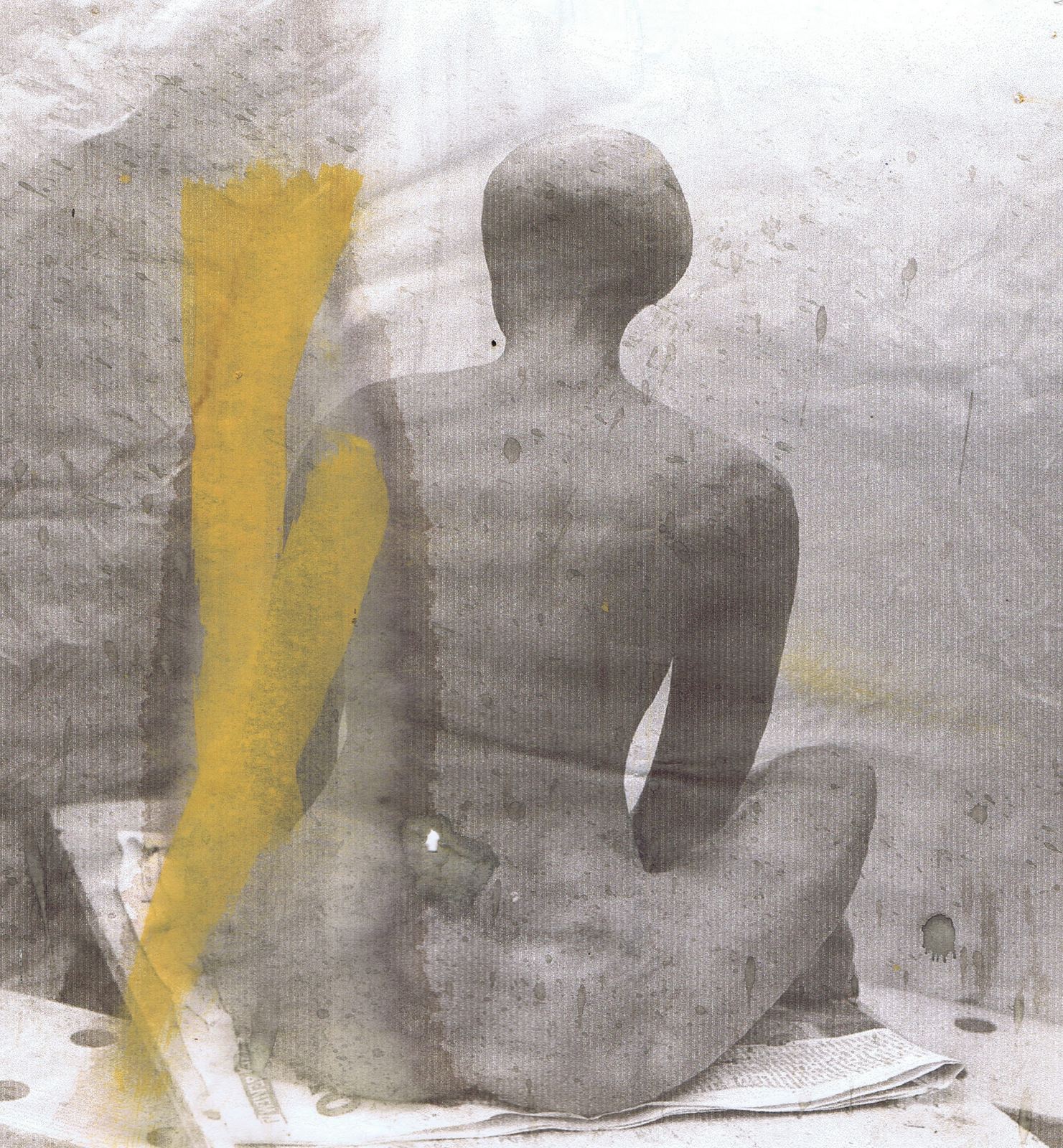
    This work began as a performative drawing between the touch and tact of its maker, marking a personal and intimate involvement with both the corporeality of the female body and a loved one. This fragile union and fecundity is expressed by the photograms of “elderflower seedheads” left as evidence within the territory of the body/vessel. The personal intimate space of these initial acts and gestures are shifted against infinite space of the known universe. The title stems from speculation that life might have been introduced onto a fertile Earth from spores from space. Interestingly having dwelled with these initial thoughts, I feel that perhaps the work augurs an exodus at some point in the future.

    Russell Moreton

    CHAPEL ARTS, ARTISTS OPEN STUDIO AND TALK

    TALKING AROUND A TABLE OF DRAWINGS

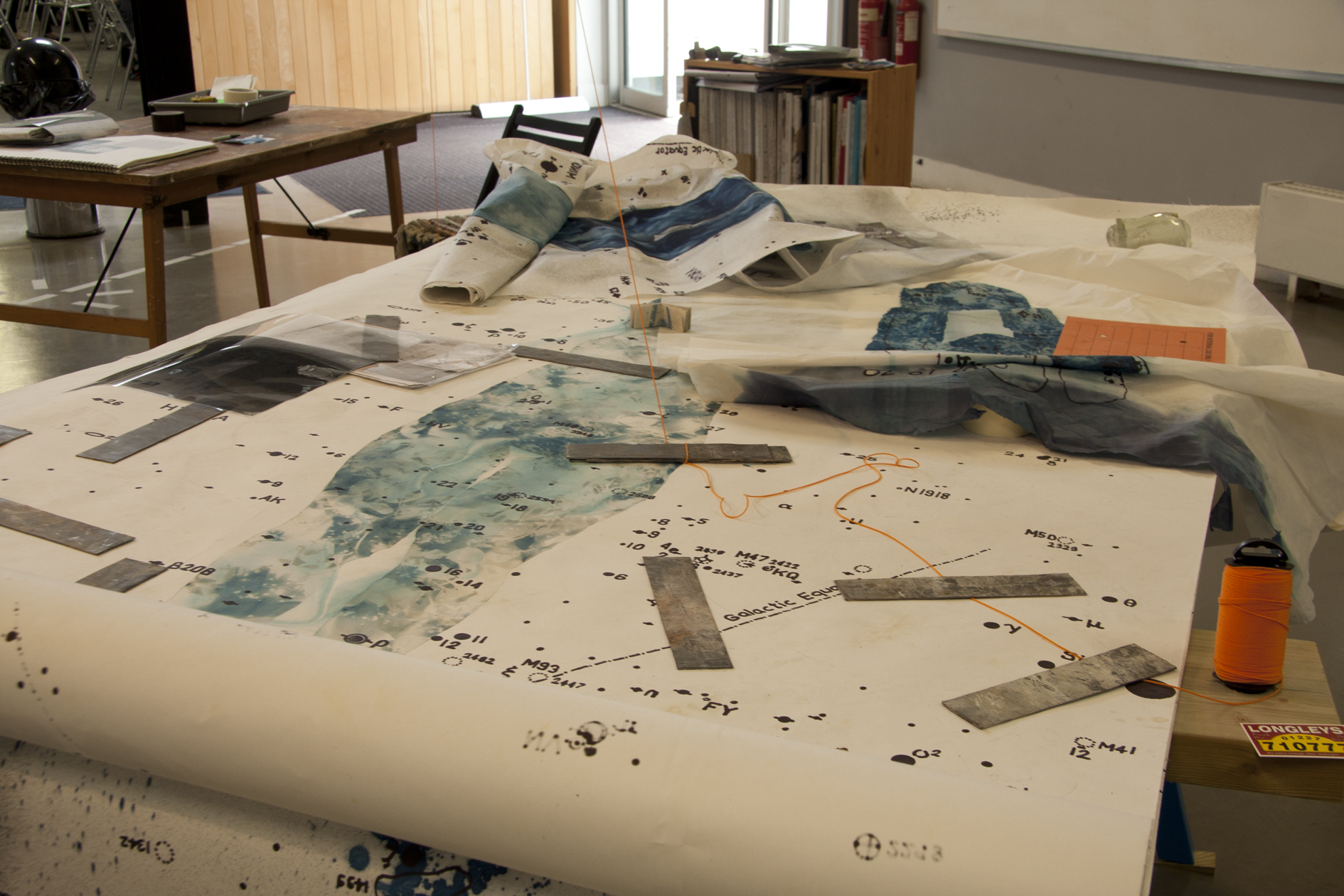
    THE WORKING SPACE AS INSTALLATION

    THE SPATIAL PRACTICE OF RUSSELL MORETON

    Objects or vessels that might induce an interesting dialogue a stage for a future event or trajectory. I feel the objects are the result of an assembly of thoughts driven into the visual through an expediency and an aesthetic that just keeps things separate yet somehow they remain actively conspiratorial. It is all about the intuition that comes from working and theorising with and within an art practice.

    The intension of the “charting table” (8×4 ply sheet on builders trestles) was to allow the subject of practice together with my activities to become visible, and in so doing create a public sense of speculation around the material on show. The spatial agenda would be addressed, bought into being as it were by the exposure and placement of objects, tables and projections into the main reception area at UCA Canterbury. It is hoped that the curiosity of some will solicit the interest of others and thereby create the unfolding of an event; the projection could be a real time monitor of the charting table. I am beginning to view the show as an exhibition/event around working practices, but unfortunately the sense of site dominates my practices situatedness. Conceived as a contingent/speculative intervention into the normal running of this space as a reception area.

    Resident artist will host an “open studio” at Chapel Arts Studios on 2 December. The chapel will be open from 12.30 onwards to view an installation and other material. The “talk around a table of drawings” will commence at around 6.45 pm.

    Earlier training in ceramics and stained glass together with extensive experience in the construction industry are now being utilised in my contemporary practice.

    My current spatial practice, is centred around a multi disciplinary approach underpinned by “drawing” to critical issues of site. This activity could be understood as an investigative creativity amongst the phenomenological aspects of architectural place and the potentials of producing working spaces/sites for the reflection of others. The working practice currently employs the use of clay, glass and photographic processes. The practice is informed by interests in astronomy, architectural space, theatre and anthropology.

    The use of “site” as a working drawing from which to create a temporary intervention into place helps to instigate a threshold, a room or event from which to reflect upon critical spatial, sociological and psychological conditions and perceptions.

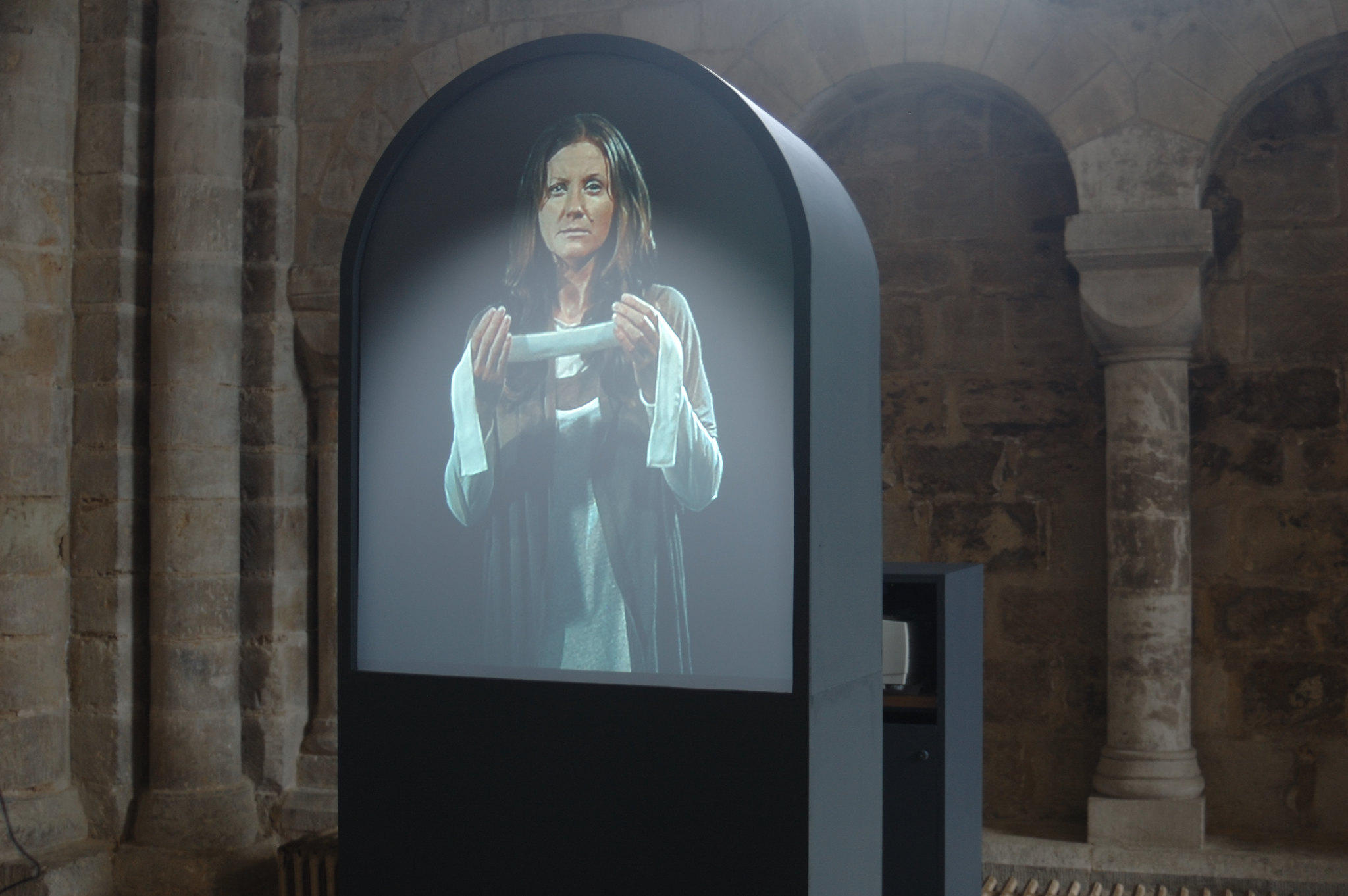
    Anima-Animus : Winchester Cathedral/10 Days in the City

    ‘When animus and anima meet, the animus draws his sword of power and the anima ejects her poison of illusion and seduction’ Jung.

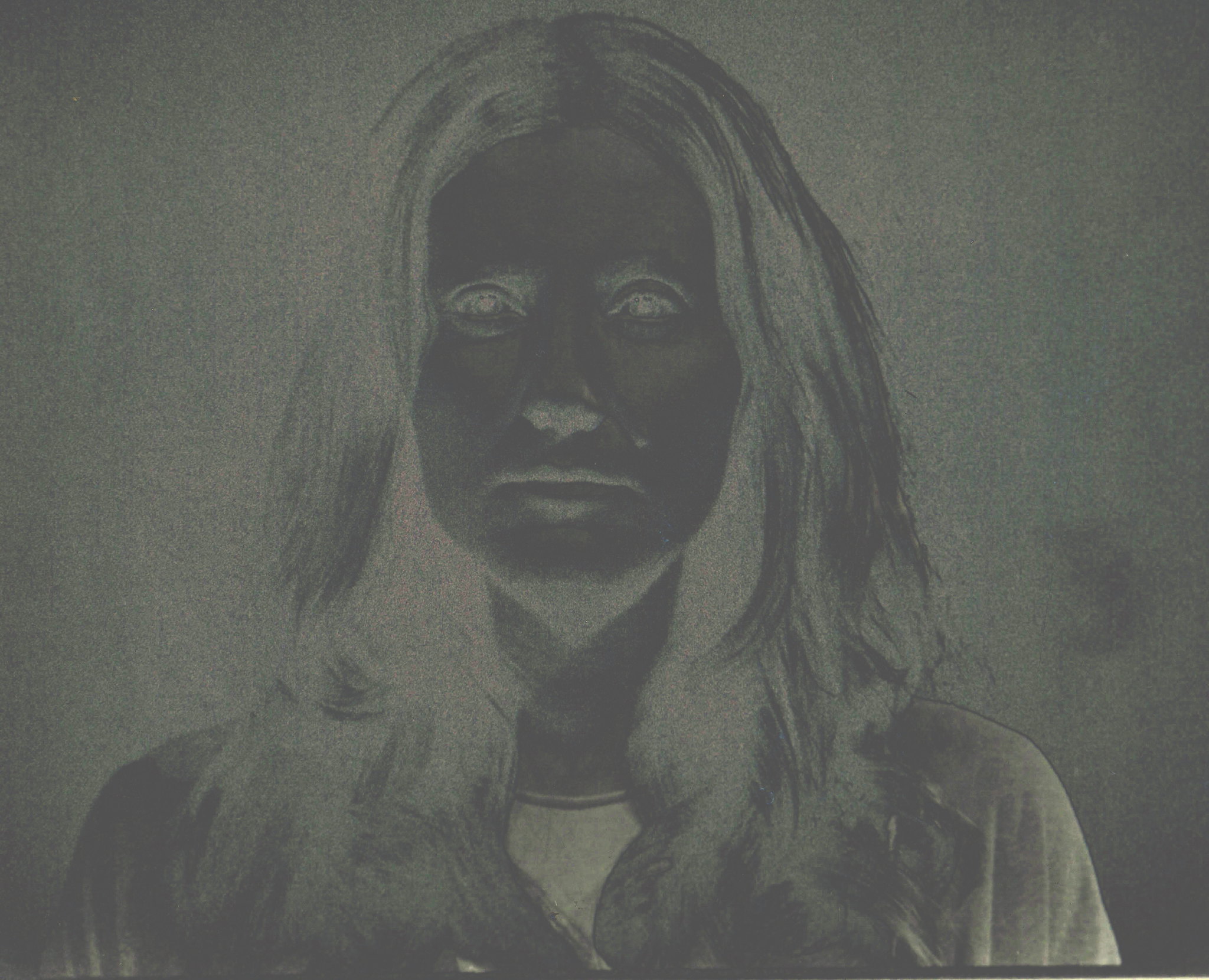
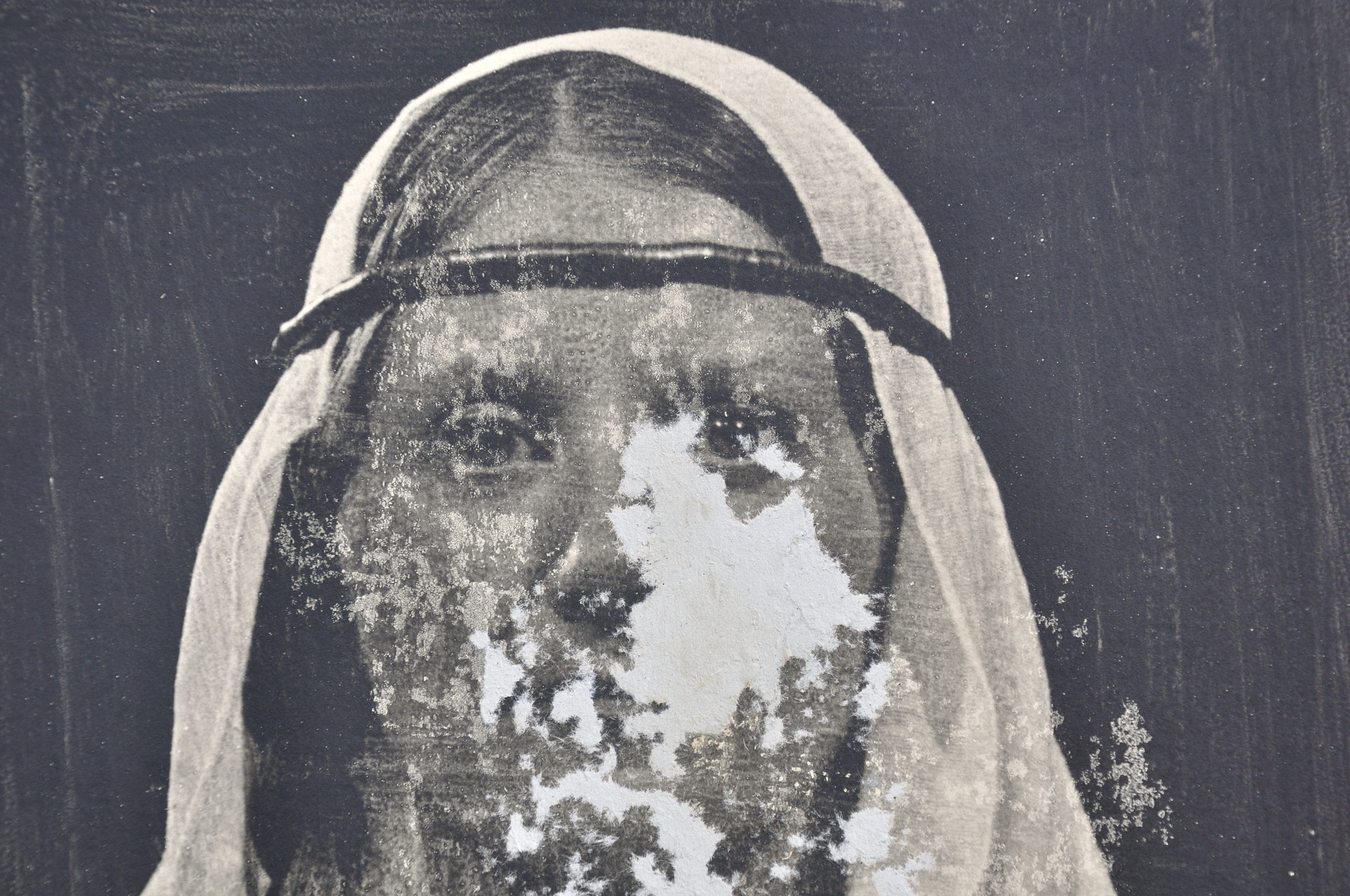
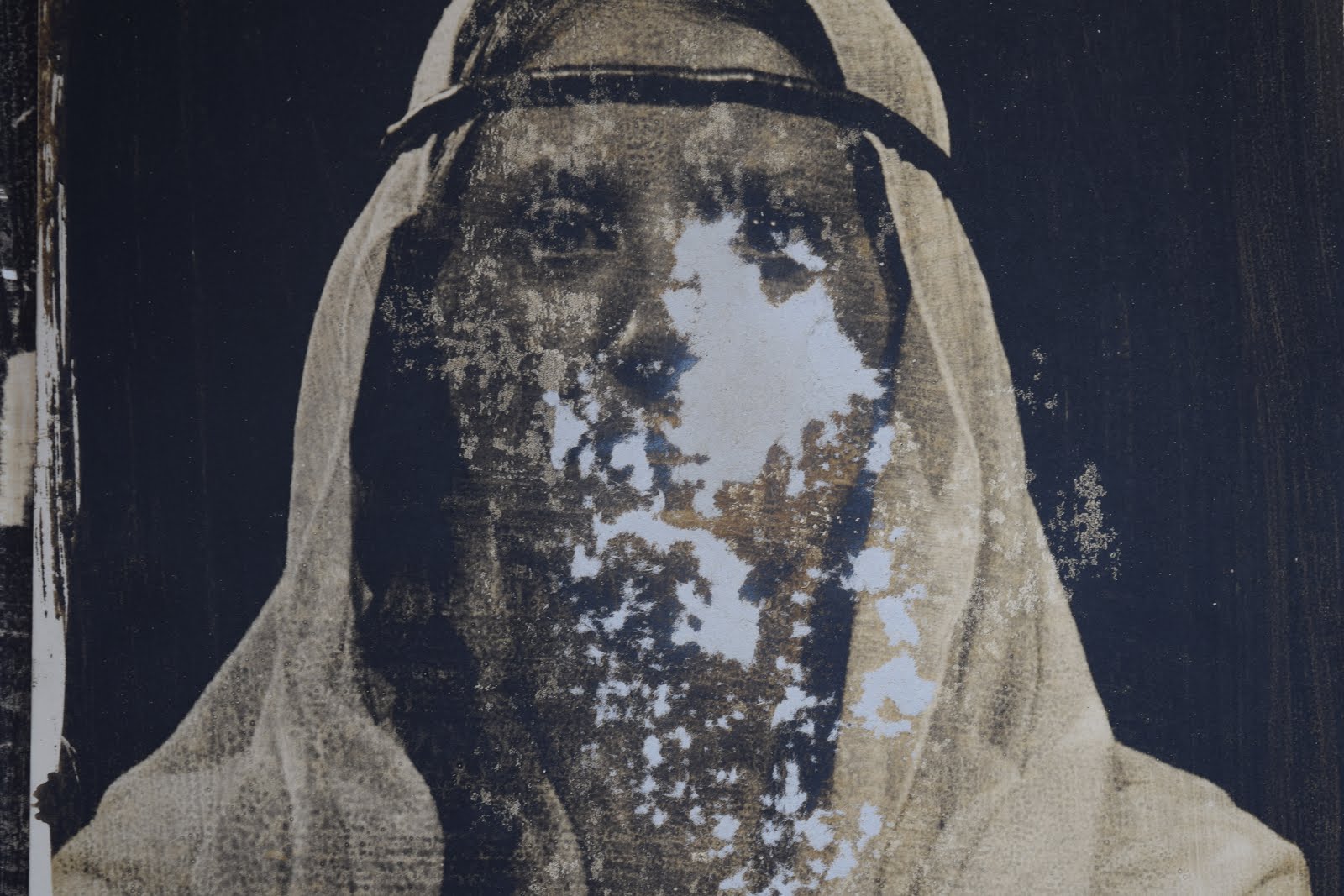
    Russell Moreton uses analogue film processes that inquiry into both the surface and the materiality of the photographic image. He was invited by Helena Eflerova and Kye Wilson to document the filming process of Anima-Animus. He uses 35mm and medium format cameras together with a number of pinhole type cameras. In using historical processes like cyanotype and light sensitive silver gelatine, he explores the relationship of the image to its supporting surface. A number of his images are heavily worked in the darkroom to exploit differences between the seduction of the photographic surface and its actual physical presence altered by chemical and physical interventions. His work echoes themes around the body and the architectural spaces of institutions and beliefs.


    Drawing has the ability to hold complexities separate enough so as to be read, yet drawings also merge into a perceptive unity marked by a s…

    Source: Drawing/Situatedness and Site : John Berger, simultaneously a now and an elsewhere

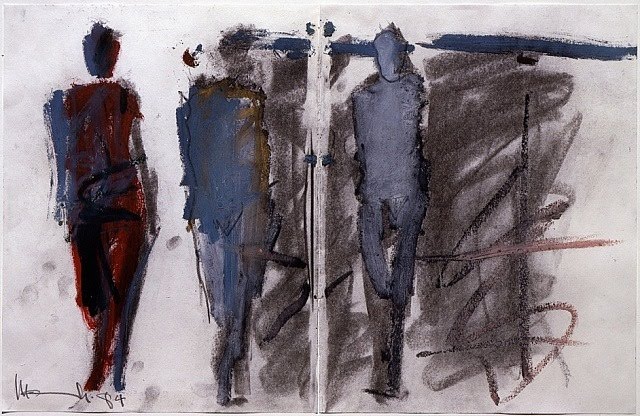
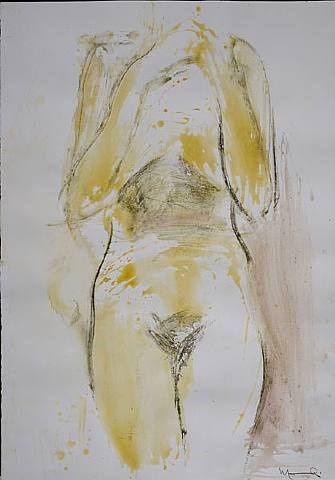
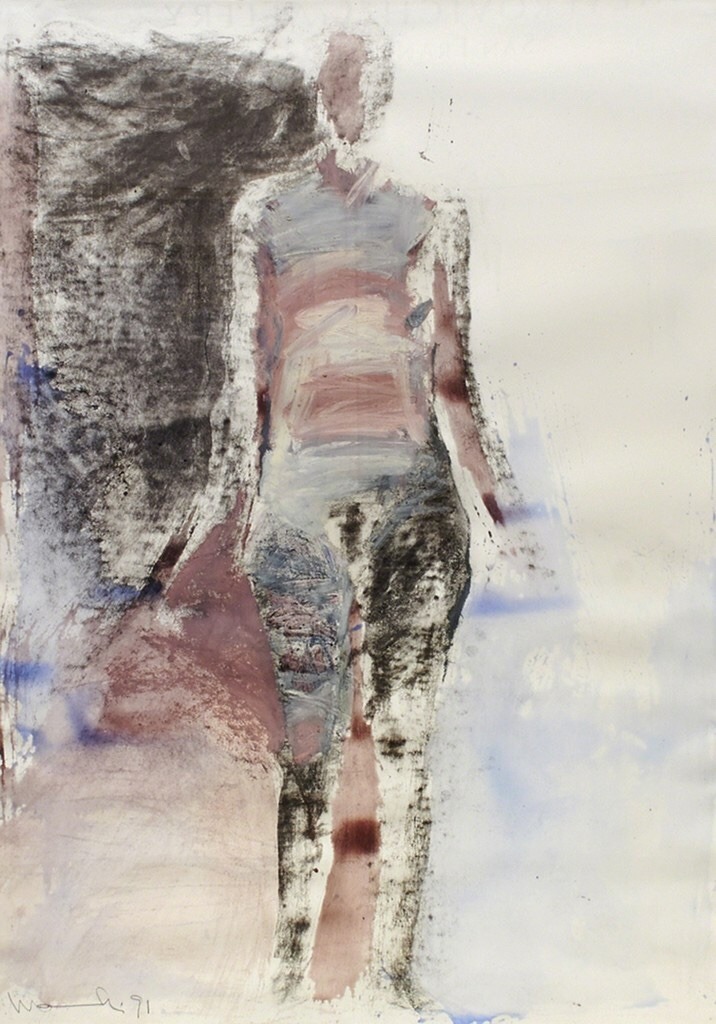
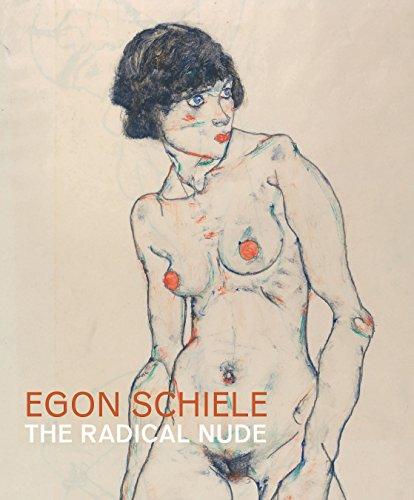
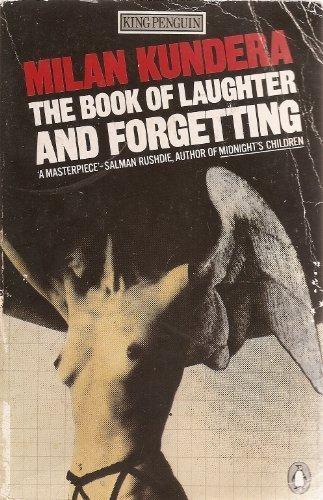
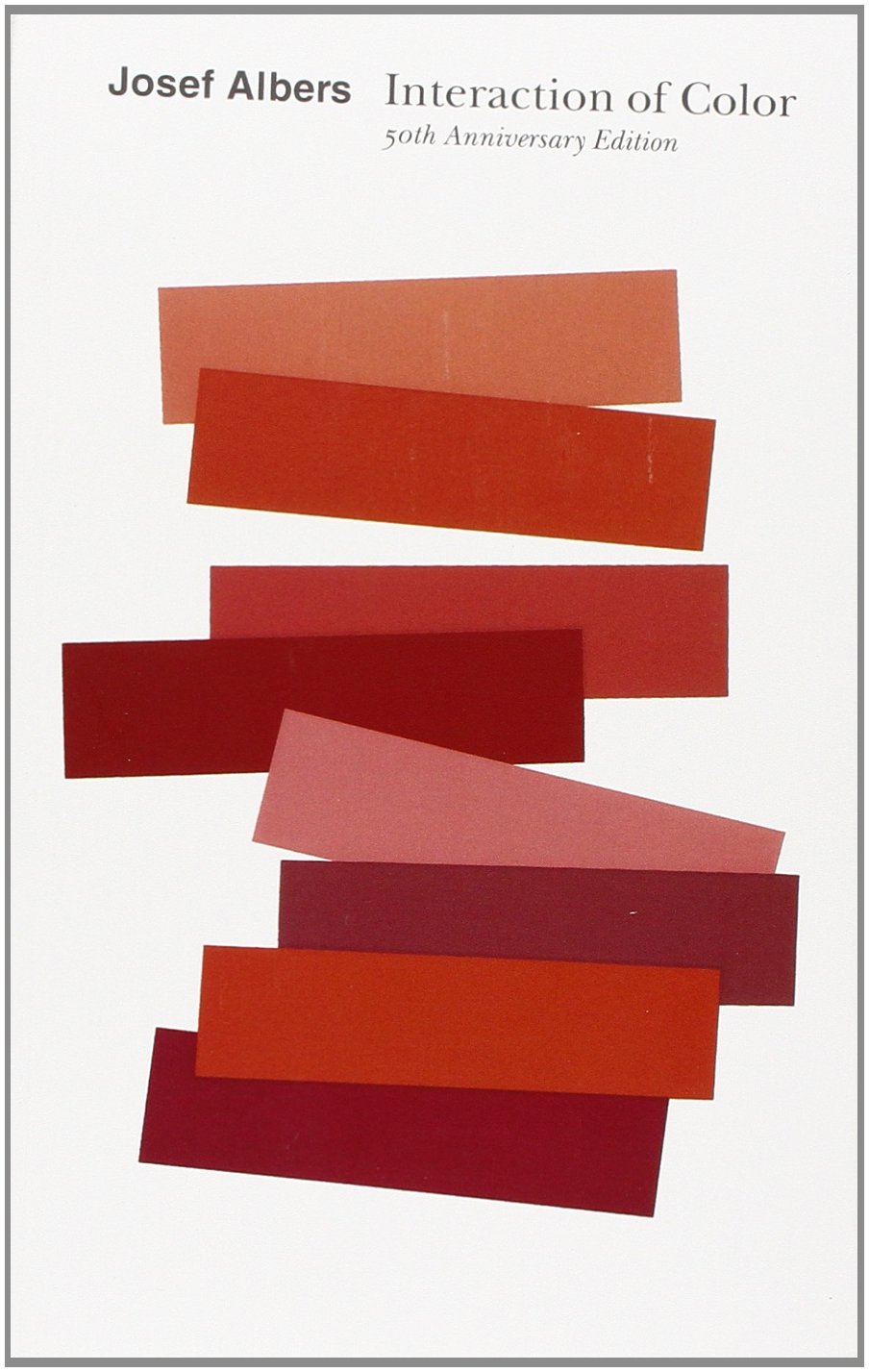
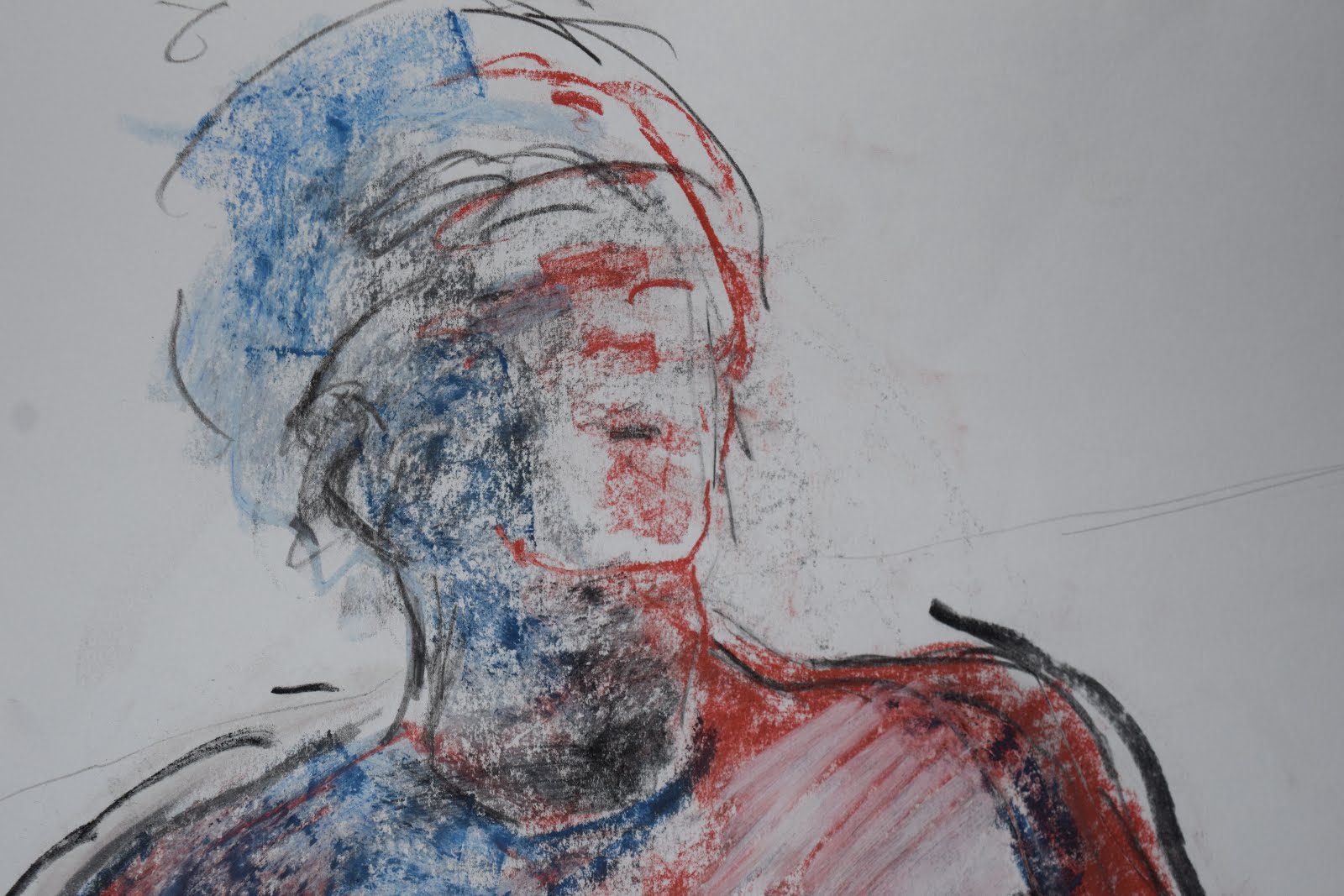
  • Interactions of Colour and Bodies : Rothko/Neri/Kundera/Schiele, subjects alone in a moment of utter immobility

    Manuel Neri

    Milan Kundera

    Josef Albers

    Mark Rothko

    Egon Schiele

    The use of the word ‘immobility’ recalls an article that Rothko wrote in the 1947

    “For me the great achievements of the centuries in which the artist accepted the probable and familiar as his subjects were the pictures of the single human figure – alone in a moment of utter immobility.”

    p84, Possibilities , 1, New York, 1947

    The world is overloaded/the nature of things : Peter Zumthor, Jean Baudrillard

    The world is overloaded of signs and information, representative of things that nobody completely understands, because they are in turn nothing but signs representative of other signs.

    The real thing remains hidden. Nobody can ever see it.

    Peter Zumthor

    The nature of things cannot be discovered by analyzing them according to their functions, by labeling or categorizing them but by understanding their relationship to people, their behavior and emotions which caused creation of these objects.

    Jean Baudrillard


    Manuel Neri Milan Kundera Josef Albers Mark Rothko Egon Schiele The use of the word ‘immobility’ recalls an article that Rothko wrote in the…

    Source: Interactions of Colour and Bodies : Rothko/Neri/Kundera/Schiele, subjects alone in a moment of utter immobility

  • Drawing as a participant in amongst a world of active materials

    Art as Spatial Practice.
    Space folds : Containing “Spatialities around historicality and sociality”

    “All that is solid melts into air”

    Karl Marx, Friedrich Engels,
    (Poetic observation concerning the constant revolutionizing of social conditions)

    Perceptions now gathering at the end of the millennium. Spatiality, Robert T. Tally Jr. 2013

    http://pictify.saatchigallery.com/user/russellmoreton


    Art as Spatial Practice. Space folds : Containing ‘Spatialities around historicality and sociality’ ‘All that is solid melts…

    Source: Drawing as a participant in amongst a world of active materials

  • Diffractive Surfaces : Imaginative Cartographies/Spatialities

    Speculative Fields/Spatial Practices

    Site-Specificity/Spatial Practice
    The distinguishing characteristic of today’s site-oriented art is the way in which both the art work’s relationship to the actuality of a location (as site) and the social conditions of the institutional frame (as site) are subordinated to a discursively determined site that is delineated as a field of knowledge, intellectual exchange or cultural debate
    Miwon Kwon 1997

    Discursive Reading (against linearity)/New Modalities of Inquiry

    New Generative Boundaries/Situatedness

    Wayfinding and Heuristic/Everyday Practices

    Reading is also thinking through the body

    Viscous Porosity/Flesh of the world

    Enfleshed Materialism/Membranes that affect interactions

    Words Become Material

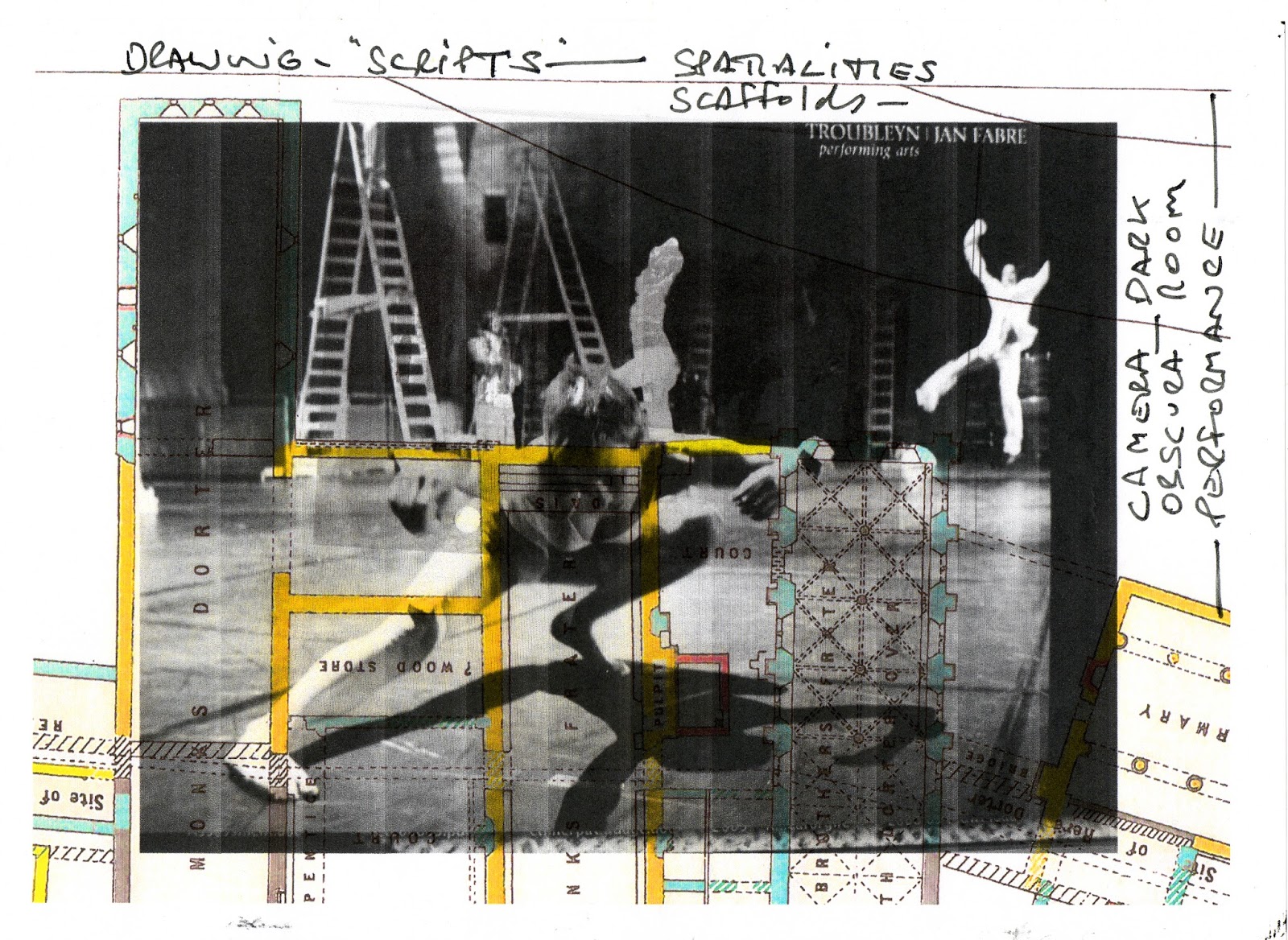
    Troubleyn Laboratorium/Jan Fabre

    In this moment the words become a performative agent writing and acting on the body

    Installing ourselves in the event, that emerges in our reading

    Reading diffractively means that we try to fold these texts into one anther in a move that flattens out our relationship to the material. In so doing we install ourselves into its/our becoming

    Thinking with Theory in Qualitative Research/Barad Thinking with intra-action

    Alecia Y. Jackson, Lisa A. Mazzei

    Paintings/Art Works are boundary making apparatusses

    The Diffractive Apparatus/Analysis of Intra-ventions/actively/entanglements

    Phenomena and Thresholds from which to create new analytical questions/forms

    An entangled state of agencies, that which exceed the traditional notion of how we conceive of agency, subjectivity, and the individual.

    Agency is an enactment, not something that someone has. Such entanglements require an analysis that enables us to theorize the social and the natural together.

    Barad

    Diffraction

    Two major authors write about the metaphor of diffraction, Karen Barad and Donna Haraway.
    They explain how diffraction is a method for reading and writing based upon the physical phenomena. Diffraction is a way of coping with epistemological problems of representation (invisible knowledge maker as a false sense of objectivity, self-vision of reflexivity as totalizing and undermining knowledge claims).

    To paraphrase Haraway, from “Modest_Witness@Second_Millenium.FemaleMan_Meets_OncoMouse” diffraction is an attempt to make differences while recording interactions, interference, and reinforcement. It does not have an origin and has a heterogeneous history. In addition, the practice of diffractive reading and writing never sediments the relationship between signifier and signified. Van der Tuin explains, “Diffraction is meant to disrupt linear and fixed causalities, and to work toward ‘‘more promising interference patterns’’ (26). She also explains that this can be practiced by reading texts through one another, and rewriting.This disrupts the temporality of a piece of writing, transverses boundaries such as discipline, and can change meanings in different contexts opening up meaning.

    https://newmaterialistscartographies.wikispaces.com/Diffraction

    Diffracting Photography/Painting/Collage Works
    Heuristic reconfigurations through making/understanding/encounters with material

    Is there still an aesthetic illusion? And if not, a path to an “aesthetic” illusion, the radical illusion of secret, seduction and magic? Is there still, on the edges of hypervisibility, of virtuality, room for an image?
    — Jean Baudrillard, The Conspiracy of Art, 2005

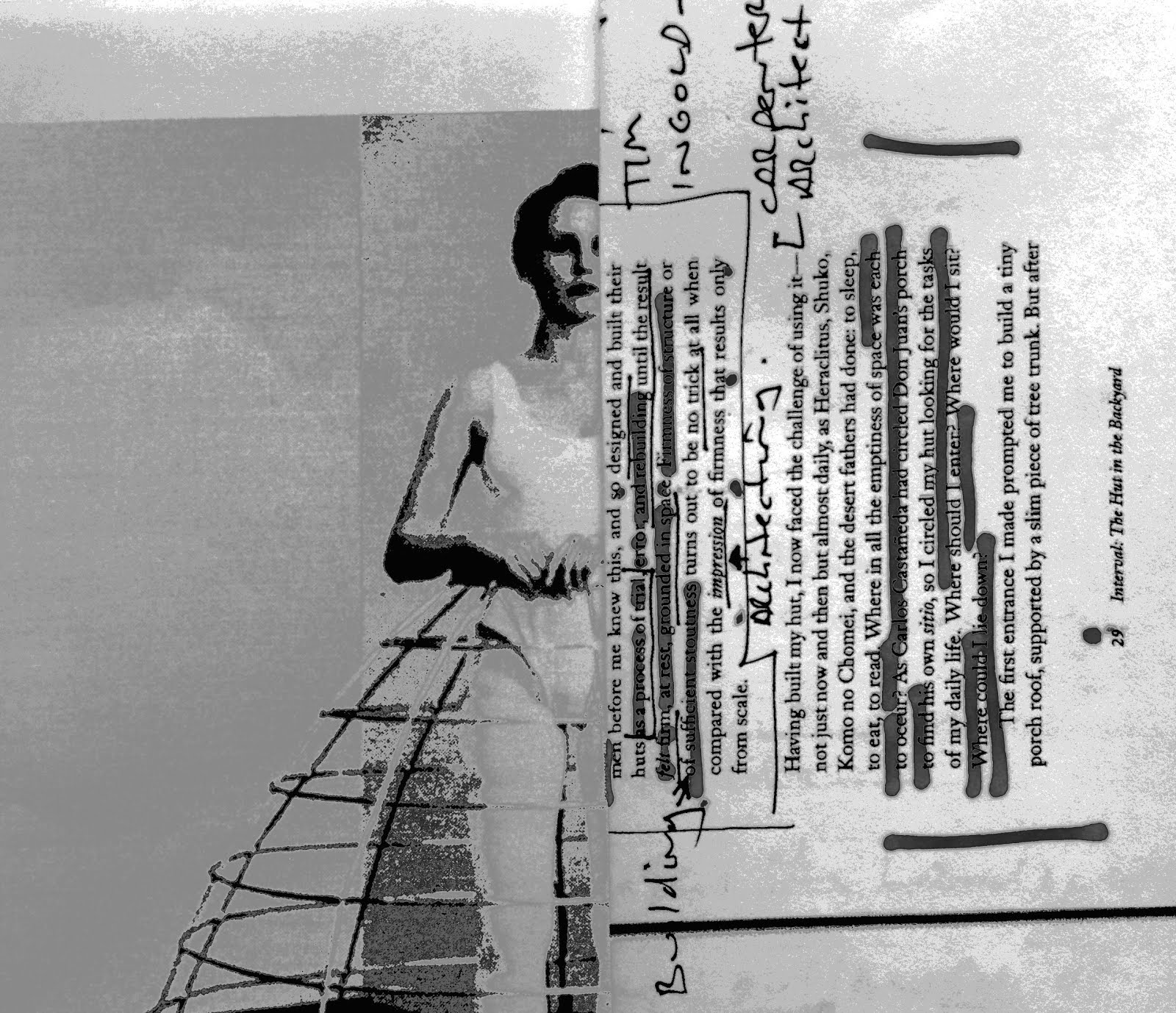
    Collage Works, A Hut of Ones Own

    Jana Sterbak
    Remote Control 1989

    A heuristic technique (/hjᵿˈrɪstᵻk/; Ancient Greek: εὑρίσκω, “find” or “discover”), often called simply a heuristic, is any approach to problem solving, learning, or discovery that employs a practical method not guaranteed to be optimal or perfect, but sufficient for the immediate goals.

    A Hut of One’s Own, Ann Cline

    Texts, Annotations, Foundations, Pathways, Corridors, Bookmarks, Walking, Thinking, Ramble, Cross Country, Disciplines,


    Speculative Fields/Spatial Practices Site-Specificity/Spatial Practice The distinguishing characteristic of today’s site-oriented art is the…

    Source: Diffractive Surfaces : Imaginative Cartographies/Spatialities

  • Transformative Drawing and Cyanotype Processes : The Drowned World, JG Ballard/Humanity an Emotional History, Stuart Walton.

    Biosphere (Ecology and Entropy) 2012. by Russell Moreton
    Biosphere (Ecology and Entropy) 2012., a photo by Russell Moreton on Flickr.

    Transformative Drawing Processes
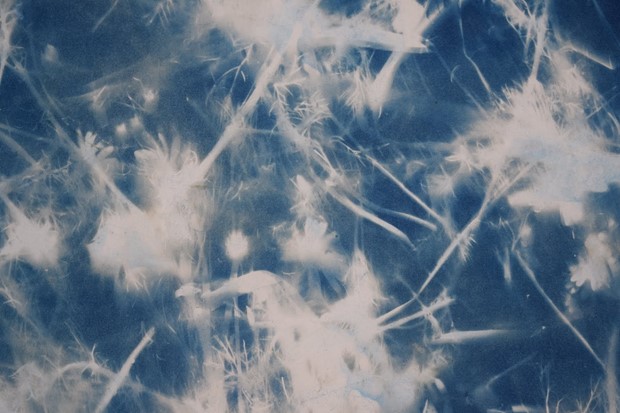
    Sun Printed Cyanotype

    The sun has gone mad and stripped the earth of its ionosphere. For decades blasting radiation has poured upon earth, melting the polar caps and turning permafrost into streams, rivers, oceans. Huge deltas have been built, lakes formed, seas have risen.

    The Drowned World, JG Ballard.

    The Custodians, Richard Cowper 1976.
    russellmoreton.wordpress.com/

    russellmoreton.tumblr.com/archive

    Humanity : An Emotional History
    Stuart Walton. 2004

    Fear
    Anger
    Disgust
    Sadness
    Jealousy
    Contempt
    Shame
    Embarrassment
    Surprise
    Happiness


    Biosphere (Ecology and Entropy) 2012. , a photo by Russell Moreton on Flickr. Transformative Drawing Processes Sun Printed Cyanotype …

    Source: Transformative Drawing and Cyanotype Processes : The Drowned World, JG Ballard/Humanity an Emotional History, Stuart Walton.

  • Anthropological Entanglements/Emergent Landscapes : Strange Tools/The Rings of Saturn


    Walking into Emergent Landscapes : Covehithe Beach

    The OLD WAYS, a JOURNEY ON FOOT, Robert Macfarlane

    “ Walking was a means of personal myth-making, but it also shaped his everyday longings:

    Edward Thomas not only thought on paths and of them, but also with them.”

    “To Thomas, paths connected real places but they also led out-wards to metaphysics, backwards to history and inward to the self. These traverses- between the conceptual, the spectral and the personal-occur often without signage in his writing, and are among its most characteristic events. He imagined himself in topographical terms.”

    DSC_0585 Covehithe : Walking/Thinking/Physical Entanglements in the Landscape

    Natural History : Dried Carnations

    Blueprints : Anthropological Forms

    Botanical traces with leper graves

    P1174407

    Contexts:

    Art therapy , Exhibition , Open studio , Practice-based research,

    Artforms:

    Film & video , Painting , Photography , Printmaking,


    Walking into Emergent Landscapes : Covehithe Beach The OLD WAYS, a JOURNEY ON FOOT, Robert Macfarlane “ Walking was a means of personal my…

    Source: Anthropological Entanglements/Emergent Landscapes : Strange Tools/The Rings of Saturn

  • Ecological approaches/affordances to aesthetic perception/production

    When I gather together the animals, arguments, molecules, suggestions, forces, interpretations, sounds, people, and images of this study, one theme emerges. The modern story of disenchantment leaves out important things, and it neglects crucial sources of ethical generosity in doing so. Without modes of enchantment, we might not have the energy and inspiration to enact ecological projects, or to contest ugly and unjust modes of commercialization, or to respond generously to humans and nonhumans that challenge our settled identities. These enchantments are already in and around us.

    Jane Bennett

    Be not inhospitable to strangers

    lest they be angels in disguise

    Jackie Leven, The Dent In The Fender And The Wheel Of Fate

    David Childers, Heart In My Soul

    Camouflage/Aesthetics//Spatiality : Relating the individual to the environment

    Grasping the complexities involved in our negotiations with the world.

    Cognitive mapping within the aesthetic domain, locating the self against the otherwise, homogenising placelessness of contemporary existence.

    Contexts:

    Documentation , Practice-based research , Research , Studio practice

    Artforms:

    Drawing , Mixed media , Photography


    When I gather together the animals, arguments, molecules, suggestions, forces, interpretations, sounds, people, and images of this study, on…

    Source: Ecological approaches/affordances to aesthetic perception/production

  • Panspermia 2010/Banga, Patti Smith : Layered Drawings/Silent readings/diagrams/ceramics of imaginary space

    Patti Smith – After The Gold Rush – Banga, 2012 (A Neil Young Song).

    Reading : Slow Philosophy
    With Fire, Richard Hirsch
    A Life Between Chance and Design (invites the unknown)
    Scott Meyer 2012
    Hirsch takes us to the heart of the interface between ageless earth and the spare evidence of the rhythm of human utility
    Raku as an Ideology
    Breath-Energy-Immanence
    Raku, A Review of Contemporary Work
    Tim Andrews 1994
    The Poetry of The Vessel
    A calm invitation to thought and imagination
    Chris Tyler
    The vessel (making, thinking, subject) as both a historically grounded form, and a vehicle to examine abstract aspects of the physical body and the natural world
    Arte Povera/Germano Celant, an aesthetic-philosophical movement
    An eclectic synthesis of knowledge fields, that emerges into a total space where disparate categories can meet; a art that asks only for the essential information, that refuses the dialogue with the social and cultural system, and aspires to present itself as something sudden and unforeseen
    Materials are substances in becoming
    Karen Barad
    Towards an Ecology of Materials
    Tim Ingold 2012
    From the ‘objectness’ of things to the material flows and formative processes wherein they come into being. It means to think of making as a process of growth or ontogenesis
    Materials-Centered Perspective
    Making, almost defies precise definition
    The composition and/or manipulation of materials that bring into being new or revised objects
    Tim Ingold 2010
    Cultures of thrift and scavenging, maintenance and repair
    Making encompasses the ingenuity of fluid, locally situated and adapted technologies
    Materials carry on overtaking the formal destinations that, at one time or another, have been assigned to them
    Sensibilities and dispositions that are centred on a deep and considered relationship with materials
    The Craftsman, Richard Sennett 2008
    Crafting, often reconnects mind and body in the sites and processes of production, thereby potentially reconstituting labour processes in ways that ascribe agency to workers
    Makers finding ways to resist norms of gender and neoliberal entrepreneurial subjectivities, finding ways and spaces for ethical practice to predominate
    Contemporary conceptual ceramics operates at the permeable boundary between art and craft, partaking of aspects of both, and ultimately demonstrating (or performing) that permeability
     

    Patti Smith  – After The Gold Rush – Banga, 2012 (A Neil Young Song). Reading : Slow Philosophy With Fire, Richard Hirsch A Life Be…

    Source: Panspermia 2010/Banga, Patti Smith : Layered Drawings/Silent readings/diagrams/ceramics of imaginary space