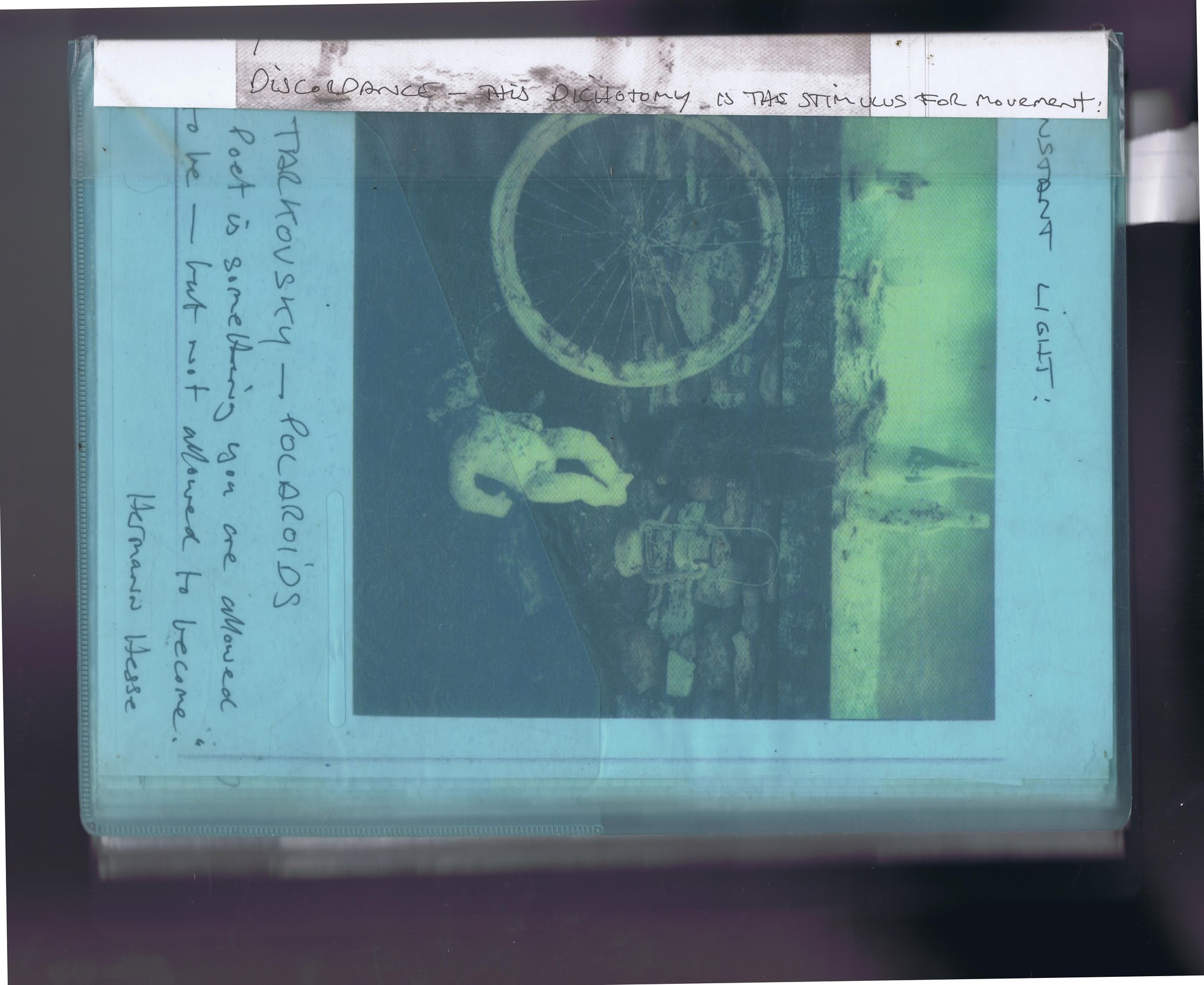
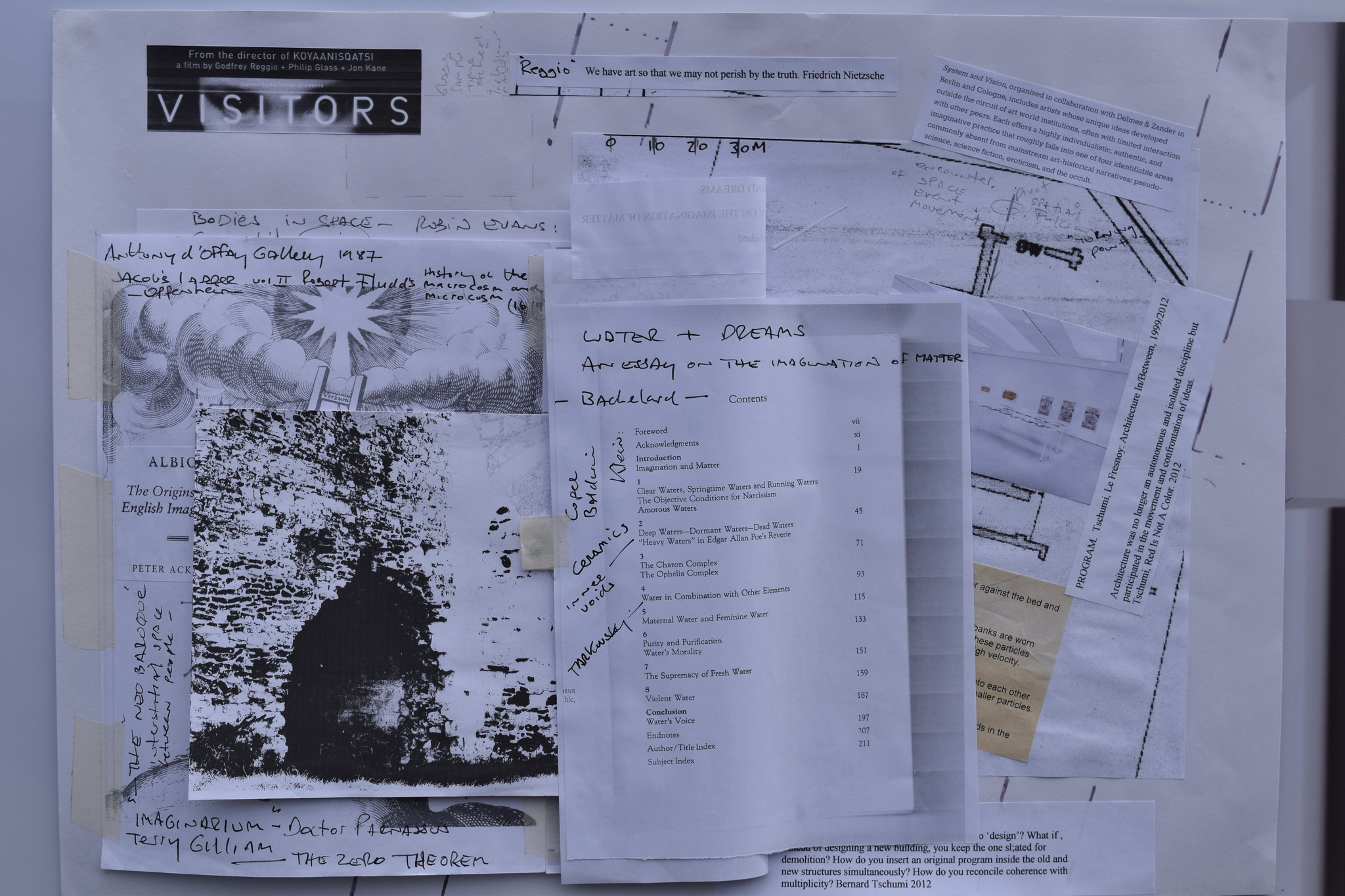
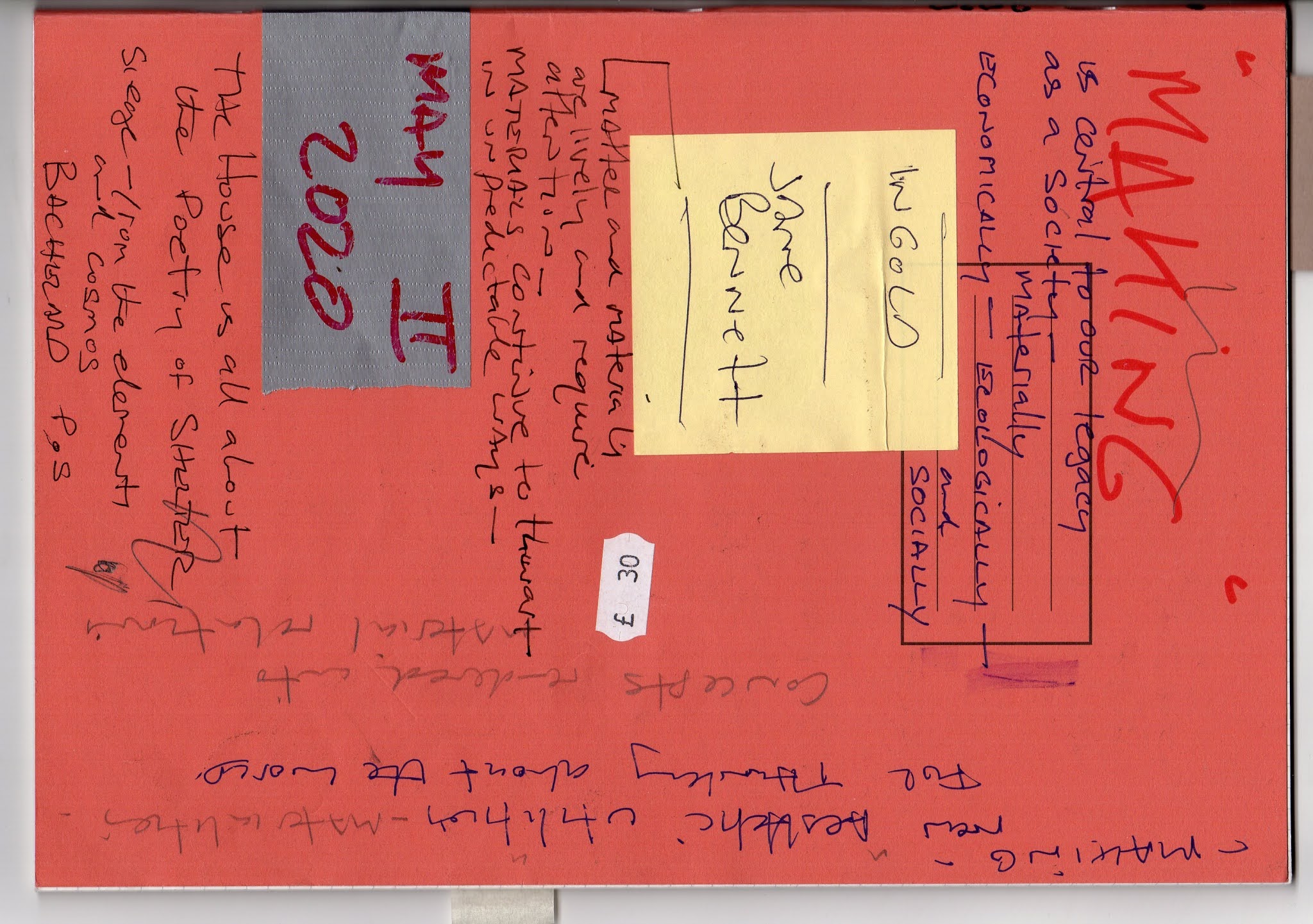
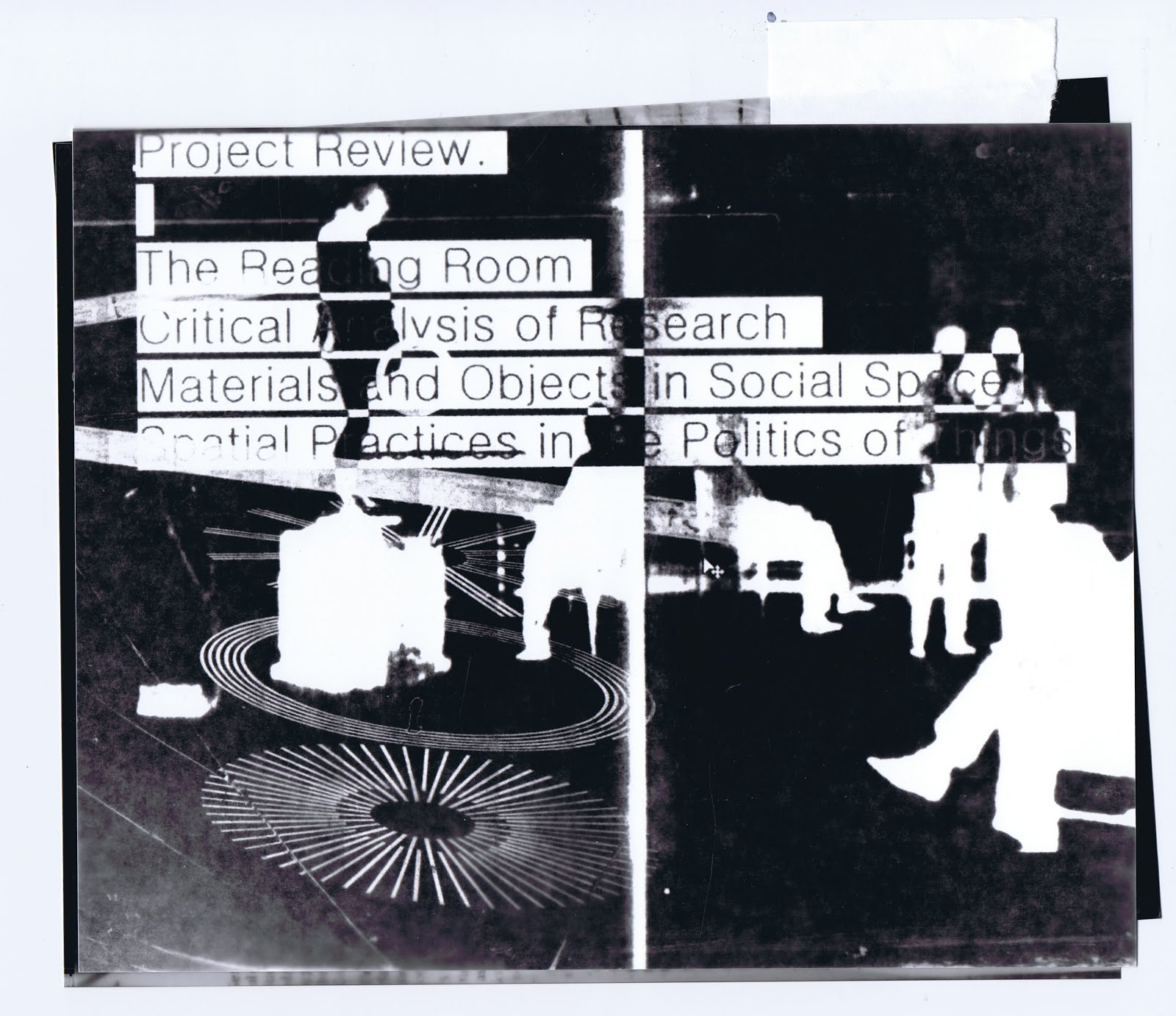
Spatial Practices : Experimental drawing and alternative photography.

  • Architectural Interiors : Collage and Photography

    (For architecture) to become highly human it must represent not only the beautiful action of the space, but above all that of time. For this matter the most refined art, the most difficult and dangerous, is that of patina.
    Luis Barragan

    Red Wall/Pace Gallery London 2014
    Robert Mangold

    Waverley Project/Research Collage
    Design based photogram
    Russell Moreton

    Speculative Drawings : Becoming Spatial/Figural

    Bookmark and Share


    Social apparatuses and agents that explore the possibilities of space. Other Worlds : Insistent moments of mark making/subjectivity.

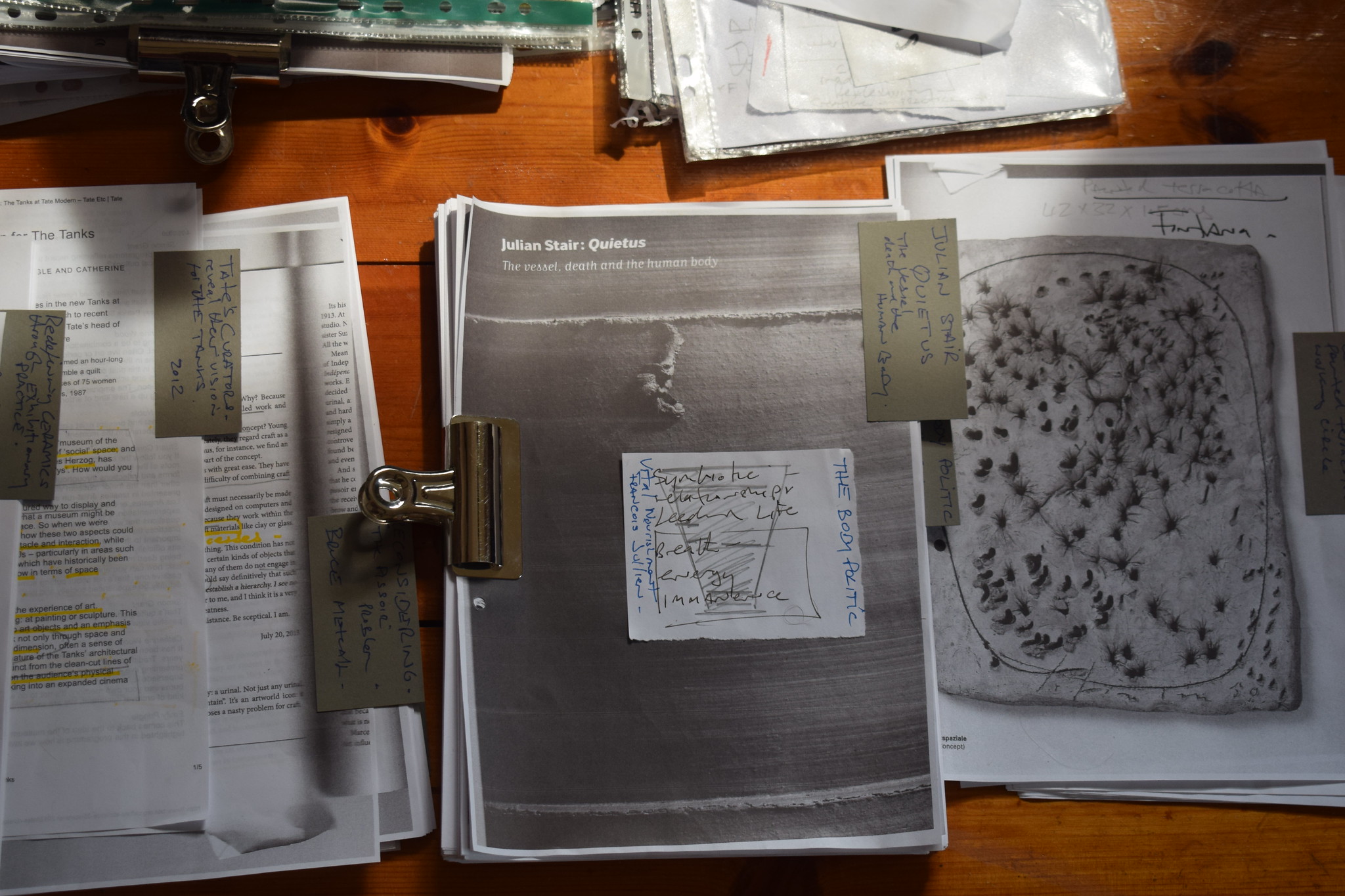
    Source: Architectural Interiors : Collage and Photography

  • BLUE LIGHT : Evoking an inner room in the Mind/Consciousness

    Walking In My Mind, Stephanie Rosenthal. Hayward Gallery 2009

    At last we could talk about and investigate mental imagery, subjectivity, imagination and creativity. At last scientists could tackle the mystery of consciousness without being laughed at.
    Mysteries Of The Mind, Susan Blackmore.

    Between The Microcosm And The Macrocosm, Mami Kataoka.

    A Field Guide To Getting Lost, Rebecca Solnit.
    The Blue of Distance

    The world is blue at its edges and its depths. This blue is the light that got lost. Light at the blue end of the spectrum does not travel the whole distance from the sun to us. It disperses among the molecules of the air, it scatters in water. Water is colourless, shallow water appears to be the colour of whatever lies underneath it, but deep water is full of this scattered light, the purer the water the deeper the blue. The sky  is blue for the same reason, but the blue at the horizon, the blue of land that seems to be dissolving into the sky, is a deeper, dreamier, melancholy blue, the blue at the farthest reaches of the places where you see for miles, the blue of distance.

    This light that does not touch us, does not travel the whole distance, the light gets lost, gives us the beauty of the world, so much of which is in the colour blue.

    Digital Dye : Blue
    Photogram

    Blue Spaces : White Absences #2. Silence/Void : Gap/Reveal

    DSC_6772 Absence/Potential  of Dialogue : Raveningham
    Cyanotype, paper negative on used canvas frame

    DSC_6761 CELL COURT DOMAIN FIELD

    Bookmark and Share


    Social apparatuses and agents that explore the possibilities of space. Other Worlds : Insistent moments of mark making/subjectivity.
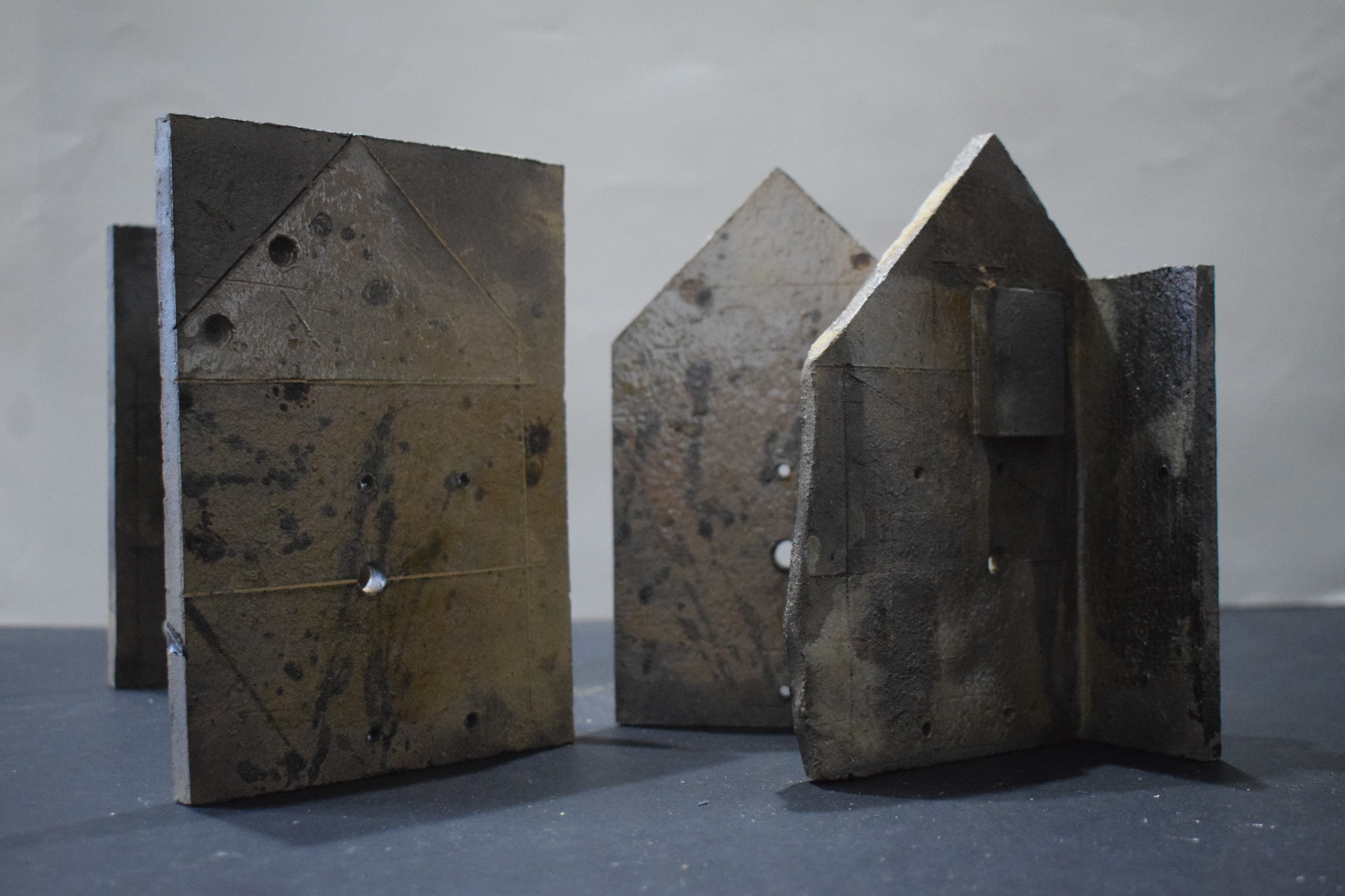
    Source: BLUE LIGHT : Evoking an inner room in the Mind/Consciousness

  • Biosphere/Archipelago : Sun Drawing/Cyanotype/Spheres of Activity

    Bioscleave/Blue Particle Cloud/Diagram.

    Biosphere/Archipelago : Sun Drawing/Cyanotype

    The sun has gone mad and stripped the earth of its ionosphere. For decades blasting radiation has poured upon earth, melting the polar caps and turning permafrost into streams, rivers, oceans. Huge deltas have been built, lakes formed, seas have risen.

    The Drowned World, JG Ballard.

    blueprints, cyanotype, alternative printing processes, light drawings,

    precision and indeterminacy, human form, ecology,

    environments, contemporary art practice

    ARCHITECTURAL Body

    An ORGANISM that PERSONS

    Gins and Arakawa 2002

    Although the human condition is a crisis condition if ever there was one, few individuals and societies act with the dispatch a state of emergency requires. The fact that the human condition is a crises condition gets routinely covered up, with culture invariably functioning to obscure how dire the condition is and to float it as bearable

    If organisms form themselves as persons by uptaking the environment, then they involve not only bodies but domains, spheres of activity and influence

    Start by thinking of architecture as a tentative constructing toward a holding in place. Architecture’s holding in place occurs within and as part of a prevailing atmospheric condition that others routinely call biosphere but which we, feeling the need to stress its dynamic nature, have renamed bioscleave

    Procedural Architecture/Architectural Body

    Gins and Arakawa

    The role of architecture as a tool for researching the body-environment towards the implementation of these considerations is paramount

    The goal of an experimental teaching and learning space based on architectural procedures would be that the process of design and construction would allow students/staff to rethink, re-imagine and enact the curriculum

    An Arakawa and Gins Experimental Teaching Space/A Feasibility Study 2013

    Jondi Keane

    Contexts:

    Practice-based research , Research , Studio practice

    Artforms:

    Painting , Mixed media , Drawing

    Tags:

    Bioscleave, Architectural Research, Arakawa and Gins,

    cyanotype, diagram, collage, texts, current concerns, contemporary practice

    Cyanotype from a site drawing, Space for Peace, Winchester Cathedral

    Shroud

    Richard Stillman

    Yard and Metre Event, Winchester

    As the marks resonated, did they sound true?

    Could we tolerate margins of error or latitude?

    Is there strength in that built by blue ink?

    It is hard to see without certainty.

    Why have they flown, gathered, shrouded?

    Is the date significant? A memorial?

    Or is it white noise reverberating,

    striking parallels, refusing focus, insisting?

    The shape of the cross is still distinct

    but opening out, refusing definition,

    never quite caught as an intention,

    pinned on dimensions it wants to refuse.

    When objects or atmospheres collide energy is transferred, a new force may be created. And, as forensic scientists can attest, when objects touch they exchange traces, each leaves something of itself with the other.

    This is why artists enjoy collaborating. Working with another artist can give a jolt of inspiration, a spark of creative thinking, a surge of new skill, the stimulus for a new work. And the experience will leave its mark in some way on each individual’s practice.

    The specific ‘collision’ may also result in a work which has its own integrity, which does not belong’ to either party and where their particular contributions merge indistinguishably – in effect fusion takes place.

    This is the thinking behind 10 days | Creative Collisions and for The Yard artists and Hyde Writers it was the ideal excuse to come together, to let the shockwaves flow and see what new possibilities emerged. As with all the best creative practice, in science or in art, this has been an experiment, it involved risk, trust and open minds. Whether or not the outcomes are fully resolved they will be filled with potential – and with potency.

    Stephen Boyce

    Contexts:

    Arts in health , Community , Publication , Socially Engaged , Writing

    Artforms:

    Painting , Performance , Photography , Printmaking , Text

    Tags:

    Space for Peace, 10 Days, Creative Collisions, Winchester Yard Artists,

    Hyde Writers, collaborations. visual art, poetry

    Bookmark and Share


    Social apparatuses and agents that explore the possibilities of space. Other Worlds : Insistent moments of mark making/subjectivity.

    Source: Biosphere/Archipelago : Sun Drawing/Cyanotype/Spheres of Activity

  • Explorations around dwelling/site based ontologies : Site/Life-specific installations.

     Outpost 240123

    Speculative/Creative /Geographies/around Moving Bodies of Thought.

    Explorations around dwelling/site based ontologies.

    Dwelling/Person/Environment/Engagements.

    The simple fluid ‘flat’ making ontologies of bringing/bonding clay forms together.

    Worlding/Water/Performative/Intraventions.

    A Practice of Transformational Modalities.

    The Processual Character of Form.

    Organic life, as I envisage it, is active rather than reactive, the creative unfolding of an entire field of relations within which beings emerge and take on the forms they do, each in relation to the others. Life is the very process wherein forms are generated and held in place.

    Ingold.

    For Ingold, there is no environment without the folding and enmeshment that is the process of life. Organisms are not folded in on themselves and surrounded by an ‘environment’. Instead organisms are points of growth of environment, and whose relations are rhizoidal; and the environment is better understood as a domain of entanglement.


    Making/Curriculum/Dwelling/Landscape/Place.

    Re-imagining Education.

    Brockwood Park School.

    Understandings of place and agency.

    Development/Growth/Knowledge/Skill.

    Studies in Philosophy and Education.

    Discussions around epistemology and ontology.

    Improving Human-Environment Relations.

    Dwelling.

    Rethinking the animate, re-animating thought.

    Tim Ingold.

    Ingold insists on a flat,continuous and processual ontology of dwelling and becoming.

    Curriculum Making as the Enactment of Dwelling in Places.

    Empirical Research.

    Participation.

    Poetics of Space.

    Reverberations/Dwelling.

    Gaston Bachelard.

    Why is everything we think we know about ecology wrong?

    Being Ecological.

    Timothy Morton.

    Architecture has the capacity to be inspiring, engaging and life-enhancing. But why is it that architectural schemes which look good on the drawing board or the computer screen can be so disappointing ‘in the flesh’?

    The Eyes Of The Skin.

    Architecture and the Senses.

    Juhani Pallasmaa.

    Marking The Line.

    Ceramics and Architecture.

    Formal/Monumental/Archetypal Vessels.

    The giving jug/the receiving bowl.

    The making by pressing clay into a mould and then manually hollowing and adjusting the form is clearly a sculptural one-off procedure as opposed to industrial repetition. However, the obsessive working of the surface- post-firing pigments, hand painted layers and final waxing- is reminiscent of the prototyping of industrial design and automotive design products in a mimesis of an envisaged perfected shell.

    The Present in the Past, Eric Parry.


    Site/Life-specific installations.

    Building a bridge between ceramics and architecture.

    Shared ground, both pursuits are primarily occupied with the use of space, scale, volume and materials.

    Bookmark and Share


    Social apparatuses and agents that explore the possibilities of space. Other Worlds : Insistent moments of mark making/subjectivity.
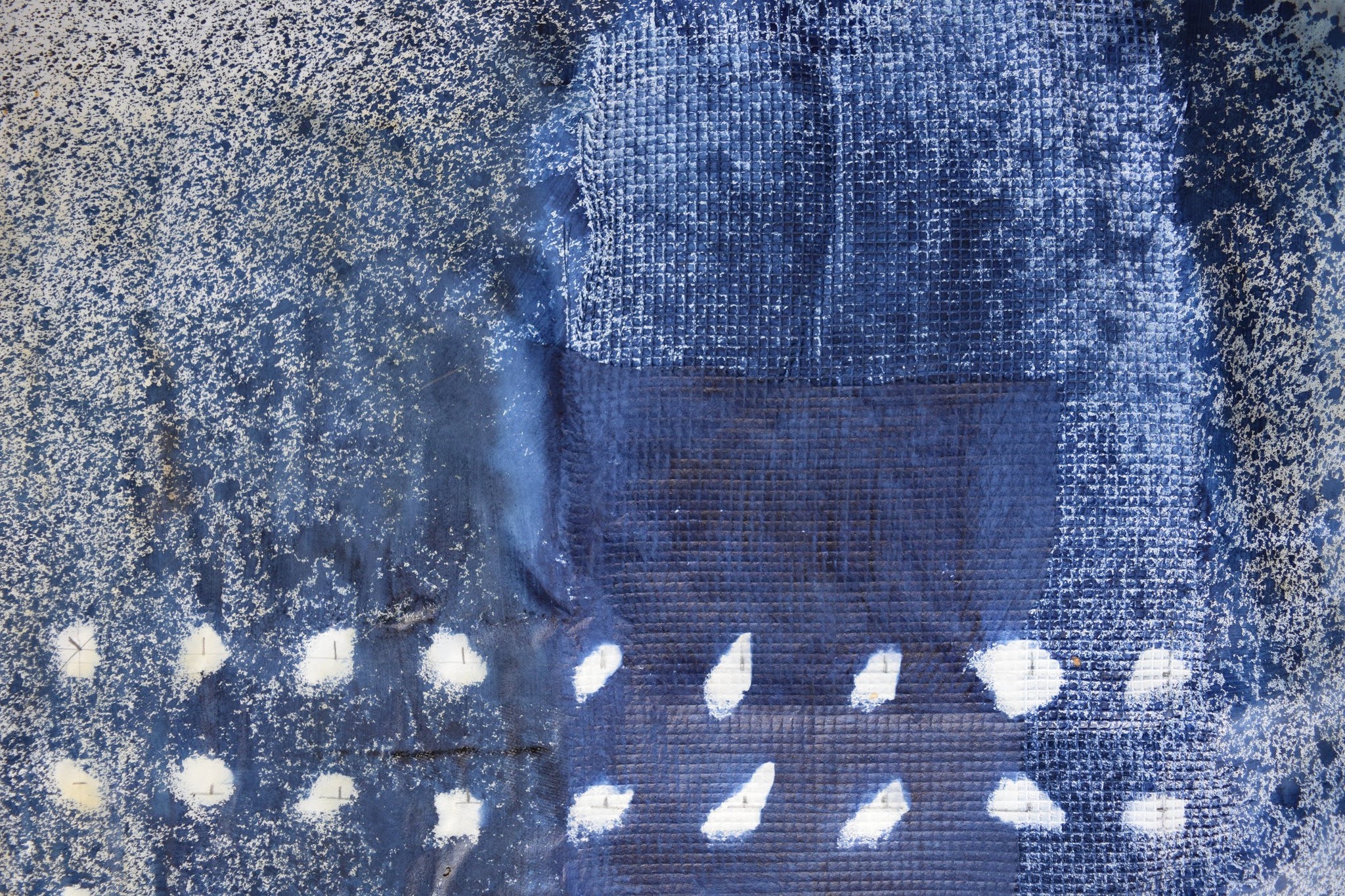
    Source: Explorations around dwelling/site based ontologies : Site/Life-specific installations.

  • Playing With Structural Modalities/Making/Tensions : Speculative Spatial Constructions.

     Structural Modalities/Making/Tensions : Spatial Forms to gather/interact with discursive research.

    https://www.flickr.com/photos/russellmoreton/24337820341/in/dateposted-public/

    5

    Procedural Architecture

    Start by thinking of architecture as a tentative constructing toward a holding in place. Architecture’s holding in place occurs within and as part of a prevailing atmospheric condition that others routinely call biosphere but which we, feeling the need to stress its dynamic nature, have renamed bioscleave.

    Architectural Body

    Madeline Gins and Arakawa

    Working Notes/Holding in Place

    Entanglement of Matter and Meaning

    Intertwining Metamorphoses

    Germano Celant

    Giuseppe Penone

    Diffractions : Differences, Contingencies, and Entanglements That Matter

    Meeting The Universe Halfway

    Quantum physics and the entanglement of matter and meaning

    Karen Barad

    Art and Technics

    Lewis Mumford

    James Turrell

    Aten Reign

    Miwon Kwon

    Under The Volcano

    Carmen Gimenez

    Kees Goudzwaard

    Assemblage

    Pinholes and Dust

    Grisaille

    Transparent Body

    Robert Mangold

    Column Structure Paintings

    Frank Stella Architecture

    Architecture as a means towards creating space

    The Optical Unconscious

    To throw its net over the whole of the external world in order to enter it into consciousness. To think it

    Rosalind Krauss

    Postproduction

    Nicolas Bourriaud

    Body

    Personal Relations

    Spatial Values

    Yi-Fu Tuan

    Wayfinding/Movements through accumulated research

    Running scripts, enactments, instances, involvements

    Collaborative texts, complexity, emergent, discursive

    From The Bookcase to The Field Table : Landing Sites of Inquiry

    Camouflage

    Neil Leach

    For Benjamin, the twentieth century is an age of alienation. Human beings are no longer ‘cocooned’ within their dwelling spaces. Architectural spaces are no longer reflections of the human spirit. Something has been lost.

    Mimesis, 19.

    New Concepts of Architecture

    Existence, Space and Architecture

    Christian Norberg-Schulz

    A child ‘concretizes’ its existential space.

    A Philosophy of Emptiness

    Gay Watson

    Artistic Emptiness

    Everything flows, nothing remains.

    Heraclitus

    Rethinking Architecture

    Neil Leach

    Figure 1, Sketch by Jacques Derrida for Choral Work project. 343

    Foucault, Figure 2 Bentham’s Panopticon (1791). 360

    Page laid in, The Atrocity Exhibition by J. G. Ballard, new revised edition,annotations, commentary, illustrations and photos.

    Tracing Eisaenman

    Plenum, juxtaposed to form/haptic values/body absences

    Robert Mangold

    Between moments of ‘meaning’ lie spaces or blanks of immediate experience. Such blanks are actuality. Usually the blank, the actuality, goes unnoticed because it works so efficiently to differentiate one meaningful event from another. Kubler discussed this in The Shape of Time.

    Interactions of the Abstract Body

    Josiah McElheny

    Object Lesson/Heuristic Device

    The term ‘heuristic’ is understood here to denote a method of addressing and solving problems that draws not on logic but on experience, learning and testing. In this regard stories and fictional narratives can be heuristic devices in acting as ideal models that are not to be emulated but which help to situate characters, actions and objects.

    Space Between People

    Degrees of virtualization

    Mario Gerosa

    Adaptive Architectural Design

    Device-Apparatus

    Place

    Function

    Adaptation

    The second phase of project activity acknowledges that the proposal involves two sites; the landscape of settlement and the artifice of the factory. The design is intended to be a reflection of the conditions of each, so there was a need to work directly with the manufacturing process, at full scale, as early as possible. This would provide an immediate counterpoint to the earlier representations and a necessary part of exploring the manufacturing medium in the context of architectural design. 69

    Building The Drawing

    The Illegal Architect

    Immaterial Architecture

    Mark Cousins suggests that the discipline of architecture is weak because it involves not just objects but relations between subjects and objects. And if the discipline of architecture is weak, then so, too, is the practice of architects. Architecture must be immaterial and spatially porous, as well as solid and stable where necessary, and so should be the practice of architects.

    Jonathan Hill

    Index of immaterial architectures

    Herzog and De Meuron

    Natural History

    Exhibiting Herzog and De Meuron

    We are not out to fill the exhibition space in the usual manner and to adorn it with records of our architectonic work. Exhibitions of that kind just bore us, since their didactic value would be conveying false information regarding our architecture. People imagine that they can follow the process, from the sketch to the final, photographed work, but in reality nothing has really been understood, all that has happened is that records of an architectural reality have been added together.

    My studio is a piece of architecture that is silent. The things of which it is made say all and at the same time nothing. Its strength lies in its demanding silence. A stern silence in order to permit works to occur. I imagine that a painting by Newman could be hung there.

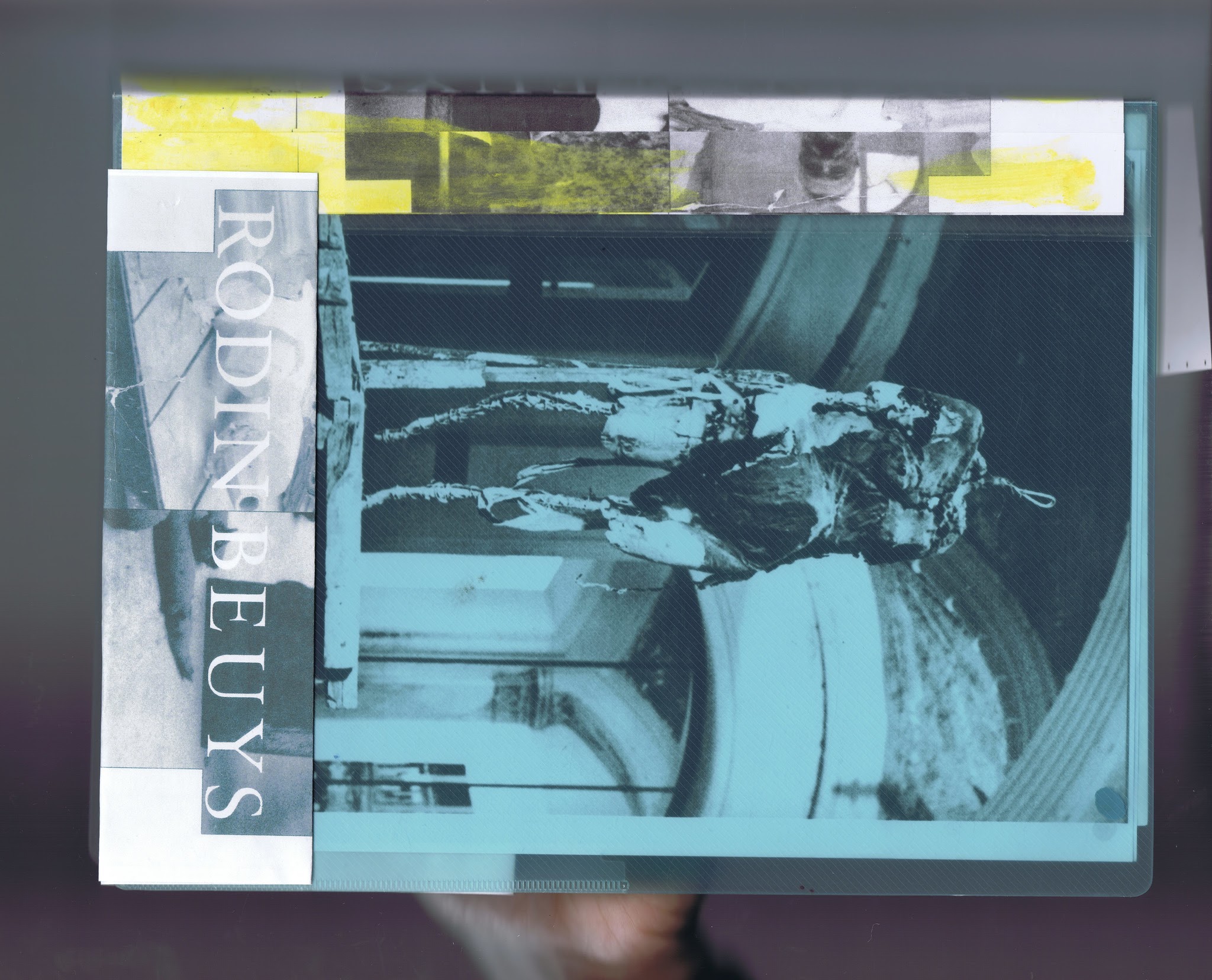
    The arrival of Beuys in a world that was gradually falling asleep amidst minimalism generated a kind of confusion that was truly excellent for opening up the mind. Comfort vanished, driven away by subversive complexity.

    Speculative architecture

    On the aesthetics of Herzog and De Meuron

    Without opposition nothing is revealed,

    no image appears in a clear mirror

    if one side is not darkened

    Jacob Bohme, De tribus principii (1619)

    Reflections on a photographic medium

    Memorial to the Unknown Photographer

    Thomas Ruff’s Newspaper Photos

    Valeria Liebermann

    Working Collages

    Karl Blossfeldt

    Sensing Spaces/Architecture Reimagined

    Royal Academy of Arts

    Anti Object

    We are composed of matter and live in the midst of matter. Our objective should not be to renounce matter, but to search for a form of matter other than objects. What that form is called architecture, gardens, technology is not important.

    Kengo Kuma

    Body and Perception

    The Phenomenon Of Place

    Places at the Zero Point

    The Box Man

    Furnishing the Primitive Hut

    An Architecture of the Seven Senses

    Walter Pichler

    Architect/Sculptor

    The Thinking Hand

    Existential and Embodied Wisdom in Architecture

    Encounters

    Architectural Essays

    Identity, Intimacy and Domicile

    Notes on the phenomenology of home

    The Architecture of Image/Existential Space in Cinema

    Lived space in Architecture and cinema

    The Eyes Of The Skin/Architecture and the Senses

    Juhani Pallasmaa

    Atlas of Emotion

    Journeys in Art, Architecture and Film

    Giuliana Bruno

    Questions Of Perception

    Phenomenology Of Architecture

    Steven Holl

    Juhani Pallasmaa

    Alberto Perez-Gomez

    Materials and Meaning in Architecture

    Essays on the Bodily Experience of Buildings

    Nathaniel Coleman

    Matter and Desire

    An Erotic Ecology

    Andreas Weber

    Visualizing Feeling

    Affect and the feminine avant-garde

    Susan Best

    Making/Anthropology, Archaeology/Art and Architecture

    Being Alive/Essays On Movement

    Knowledge and Description

    Tim Ingold

    Thinking Through Craft

    Glenn Adamson

    The Ceramic Process

    A manual and source of inspiration for ceramic art and design

    European Ceramic Work Centre

    A Hut Of One’s Own

    Ann Cline

    Smithson, Alison and Peter

    Solar Pavilion

    Architecture is not made with the brain

    Architectural Association

    The Kunsthaus Bregenz as an Architecture of Art

    The Conditioning of Perception

    Multiplicity and Memory

    Hortus Conclusus

    Thinking Architecture

    Peter Zumthor

    Re-Shaping Learning

    A Critical Reader

    The Future of Learning Spaces in Post-Compulsory Education

    Anne Boddington, Jos Boys

    Hiding, Making, Showing, Creation

    The Studio from Turner to Tacita Dean

    Rachel Esner

    Conversations With Strangers

    Performing the broom and the bricoleur

    Malcolm Doidge

    Corpus

    The Ground of the Image

    Jean-Luc Nancy

    Life Between Buildings/Parking Day Manifesto

    Poststructuralism, a very short introduction

    Mapping Intermediality in Performance/Intermedia Chart

    Sarah Bay-Cheng

    Liminality, a psychological, neurological, or metaphysical subjective, conscious state of being on the ‘threshold’ of or between two different existential planes.

    Heidegger for Architects/Emotions Building Presence

    Adam Sharr

    The Visual Poetics of Jannis Kounellis

    Suzanne Cotter, Andrew Nairne

    Carlo Scarpa

    Craft Intensive/Spaces, Vistas

    Technical specifications of materials

    Site-Specific Art/Tschumi, Robert Morris, Robert Smithson, Giuseppe Penone

    Performance, Place and Documentation/Material Affects, Frames, Site, Spaces

    What is the relationship between the visual arts and ‘performativity’?

    Nick Kaye

    Wittgenstein, The Duty of Genius

    Oren Lieberman/Spatial Practices/What does it Do?

    These remarks show the unmistakable influence of Schopenhauer. In the World as Will and Representation, Schopenhauer discusses, in a remarkably similar way, a form of contemplation in which we relinquish ‘the ordinary way of considering things’, and ‘no longer consider the where, the when, the why, and the whither in things, but simply the what. 143


    Bookmark and Share


    Social apparatuses and agents that explore the possibilities of space. Other Worlds : Insistent moments of mark making/subjectivity.
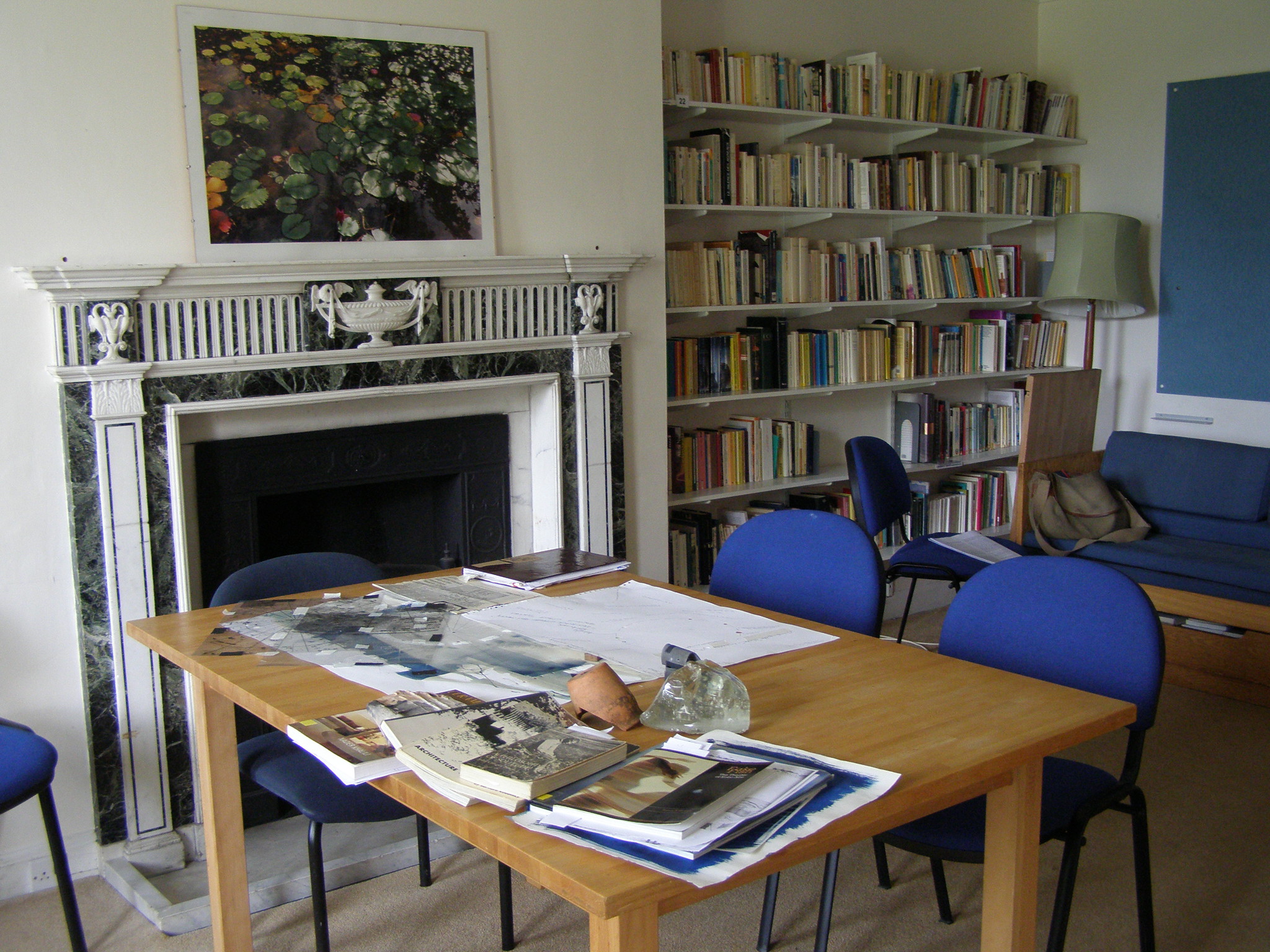
    Source: Playing With Structural Modalities/Making/Tensions : Speculative Spatial Constructions.

  • Giving Sensations Place/Site : Subjective/Hypothesis/Bricolage/Tectonics/Working Scripts/Making Camps.


    IMMATERIAL ARCHITECTURES MAKING IN THE LANDSCAPE.

    RAVENINGHAM SCULPTURE TRAIL 2018/2020

    STIMULATING TENSIONS.

    BRICOLAGE / HEURISTIC PRACTICE, Using things at hand, temporal, self constructions, becomings, mind forming explorations.

    Mediating/Architecting the experience of LANDSCAPE.

    The building as nothing more than an exposition of itself.

    Georg Simmel, text Frames, Handles, Landscapes and the aesthetic ecology of things.

    A subjective hypothesis, a drawing developed into an objectivity for experience/learning.

    SITE, the undoing of PLACE.

    The House-sheds : Camping

    There’s more truth about a camp than a house. Planning laws need not worry the improvising builder because temporary structures are more beautiful anyway, and you don’t need permission for them. There’s more truth about a camp because that is the position we are in. The house represents what we ourselves would like to be on earth: permanent, rooted, here for eternity. But a camp represents the true reality of things: we’re just passing through.

    Roger Deakin

    WILDWOOD

    A Journey Through Trees

    Art Practice as a Speculative Spatial Practice.

    A reflective building is an echo not a statement.

    Haptic devices/seating/dwelling in the landscapes of the mind. Landscape assemblages and the significance of solitude.

    The immensity/intimacy and its immediacy to the imagination. Immensity is within ourselves. Gaston Bachelard

    The site a Raveningham offers the spatial practice of a social event and the opportunity to playfully engage with architectural forms, fine art surfaces and textures.

    The sensing space, a sculptural assemblage created at Raveningham is an inquiry into ‘making’ and ‘reflexivity’ amongst a social landscape.

    SENSING AND SPATIAL PRACTICE.

    Creating a new viewer, who has to look in two self contradictory/self annihilating directions at once. Darkest Spaces of Our Times, Therese Oulton, Jacqueline Rose.

    CONTEMPORARY ART AND ANTHROPOLOGY : SPATIAL PRACTICE.

    Making Place/Tools, cognitive enactments/materials and performativity/wellbeing.

    Sociological aspects of the Arts

    Archaeology, Anthropology, Architecture, Art, Tim Ingold.

    A FIELD GUIDE TO GETTING LOST : Rebecca Solnit

    Experiential anthropology / Walking as ‘being/becoming in place’

    Sensate, Sensing Sensuality, Otherness.

    WHITEBOARD : PAVILIONS/RAVENINGHAM

    Art as Contemplative Practice : An Applied Praxis/Inquiry

    Expressive Pathways/Building/Making as an extension to the Self/Selves In Response : To Place/Site and “Dwelling/Hut”

    Subjective Hypothesis Bricolage/Tectonics/Making.

    Poetic Abstractions/ Components, Elements

    Physical Experience/Experiential Phenomena ( Light/Gravity/Air) Sculptural Assemblage, Building/Making an Exposition of Itself

    Smithsons, The Parallel of Life/Art the everyday/quotidian Grounding/Earthing/Dwelling/Home : Reflexivity/Reflection/Reverberations

    Knowing Through Making/ Embodying Insights, Tim Ingold

    MAKING : Deliberation/Awareness : Constructed Situations/SURFACES and TEXTURES SENSING, Sensorium/Embodied Experience, Sensate, Intra/Intervention

    PLACES that transform Chaos into Cosmos, Karsten Harries

    PERCEPTUAL psychologist, J.J. Gibson departs from ‘the classical approach to depth or space’ in favour of an ECOLOGICAL approach to VISUAL SPACE PERCEPTION, which take SURFACES and TEXTURE as its starting point.

    Socializing a Sculptural Practice, Jack Robins 2015

    Strange Tools, Art and Human Nature, Alva Noe 2015

    Visual Tool, Post Studio, Daniel Buren

    INDEXICAL, Traits/Traces and subjective narratives Situational/Relational Aesthetics, Victor Burgin, Nicollas Bourriaud

    Handmade, Repetition, Empirical, Experiences.

    Metonymy, Cristina Iglesias ( Metonymic Thinking Processes)

    Architecturally Speaking, Practices, praxis between art .architecture and the everyday. Visual Perceptions/ The Image

    Surrealist Techniques, Collage, Photograms. Decalmania, Frottage. Assemblage, Brutalist/Modemity/Intervention

    Minimalist/Drawing/Painting ARCHAEOLOGY : Mark Dion

    Agency/Nature/Subject Matter. Collection of Finds, Metaphors/Interpretations for the lived experience. AN ANTHROPOLOGY OF LANDSCAPE :

    Taskscapes/Relationscapes

    Anarchism, everyday Aesthetics/The aesthetics of everyday LIVING Pragmatist Aesthetics/Interpretation of Concepts

    Materiality, material makes more than one language possible, excess of material. LANDSCAPES for an excess of Interpretation/Politics

    EXPLORING THE LANDSCAPE, through/with the CORPOREAL EXPERIENCE of OTHERS

    A STRUCTURE INTERPOSED between the sunlight and the interior space it encloses. Poetic abstractions/Physical experience

    Soft/Blurring boundaries between art and the everyday making/becoming REFLEXIVITY / TRANSLUCENCY surfaces into an architectural presence TEXTURES ILIMINALITY on the absence of material

    STATIC ENVIRON I ANIMATED THROUGH THE BODY

    THE ARCHITECTURAL SKIN / SURFACE. Blurring, revealing, masking, filtering, ARCHITECTURAL FEATURE / WALL / ARCH / PASSAGE /

    VISUAL TOOL / POCHOIR, hand coloured through stencils

    SCULPTURAL ASSEMBLAGES, towards Speculative Forms/Expression

    TECTONICS IN MAKING, and the tectonics of immateriality/traces hidden by building.

    Concerned with bringing the material from its physical form into the meta-physical world.

    PAVILION

    FUSELAGE

    THE CAMP/HUT

    represents the true reality of things, Deakin.

    MOBILITY MOVEMENT

    TEMPORAL CONSTRUCTED SPACE

    A building component, scaffold, joists and fixings, a surface of absences and the movement of others come together.

    MAKING, from form to programme.

    WAVENEY VALLEY SCULPTURE TRAIL 2018 RAVENINGHAM

    AUDIT OF NOTE FRAGMENTS 27 August 2018.

    Archive as a generative form/membrane Tarlaton, mesh, paper, liquid light,

    Presenting, Creating, Synergies, that further explore site embodiments. The Politics of Things

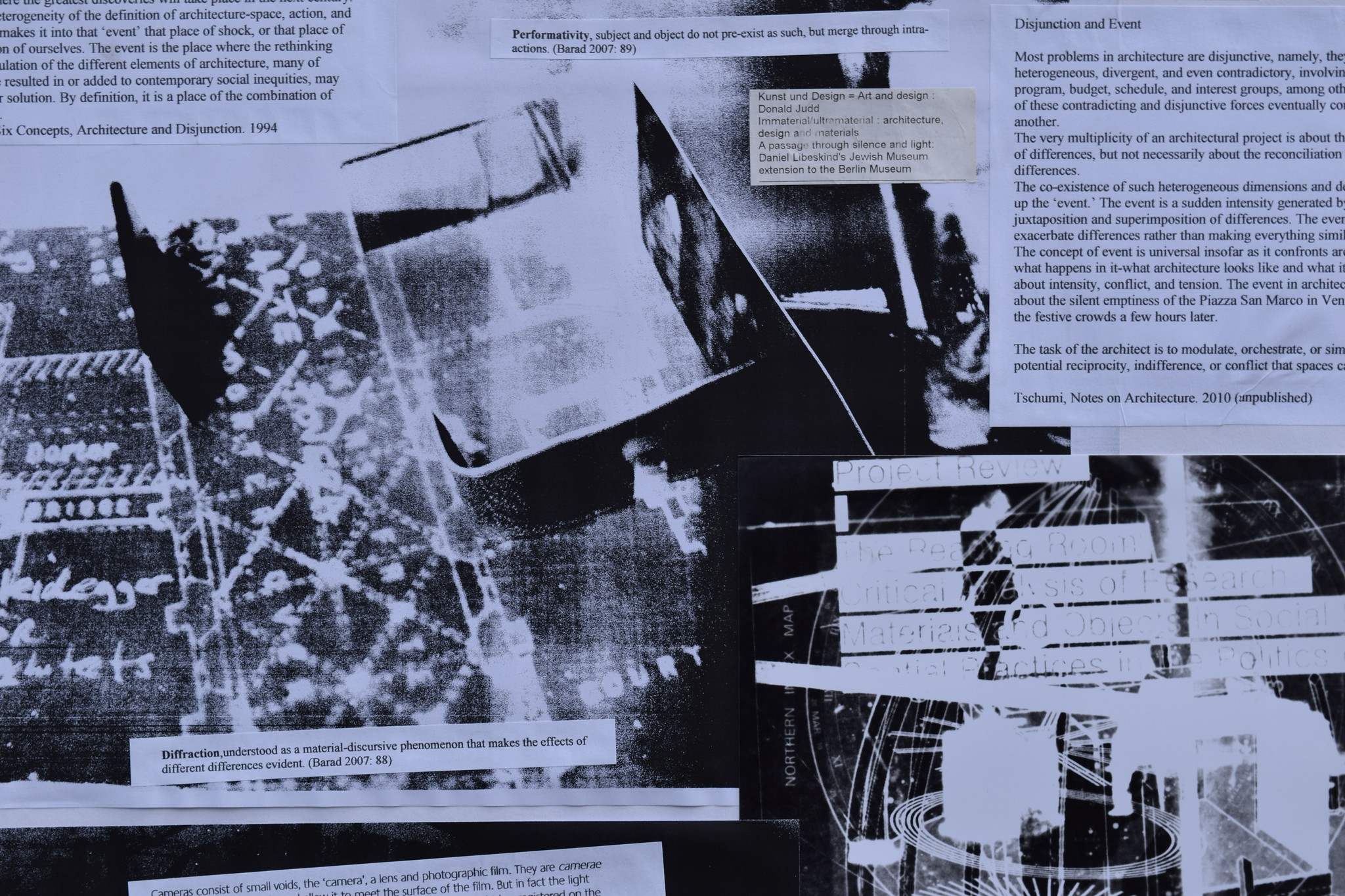
    Diffractive Practices : Agential Cut, Barad, Learning Spaces,

    Brockwood Park School. Reimagining  Education

    In The Cave/Canvas of the Cave

    ART. began with the questioning of the involuntary, trace of a human hand, an otherness.

    Moments, Nowness, The Instant, Actuality,

    Habitus of Difference

    Robert Mangold text on painting/drawing minimalist interrogation into the spaces around perception Minimalist Works / Working Processes represent fields of energy/causality within our experiential perceptions.

    Drawing is the experience of seeing made visible/manifest Rhizomic feedback and flow, Deleuze

    Research Horizons,

    Culture drives growth, wellbeing, social enterprise and community

    Lines of intervals, linerality, chains of codes, intersections, utilities, interventions Causality and Chance of ideas, creative acts, art,nature, becoming, the everyday,

    Quotidian/Everyday Interests, Complexities of Contemporary Life. Ambients, Phenomenas, Objects, Subjectivities,

    Everyday aesthetics, heuristic practice,

    Photography, Social pathology of traces layered into ecologies (Anthropological localities of desire)

    Photography, The Body, Life, Death, Flemish Painting, Vivitas, Domestic Life, Nature on reclaiming the void left by the death of the mind

    Walking creates its own feedback loop, The Journey, The Return,

    The specific, Here and Now

    Psychogeography, Dossier, Forensic Study, Inquiry.

    Spatial Abstractions : Reflexivity on Reflection. Embodiment on Experiential Subjectivity LANDSCAPES Constituted by creative practice

    Walks as erasures, sedimentation, (Gardiner)

    Getting Lost, Walking whilst deep in thought/embodiment in the environment

    Working Towards a Secular Retreat in the Landscape

    Between PLACE and SITE.

    Art Making  Agency/Spatial Agency.

    Art Poverva, Materiality, Agency, Making, Nesting Building,

    NASCENT FINDINGS

    Encoding DATA, LANGUAGE

    Entanglements of Visual Data and Abstract Language

    CATHEDRALS OF INTELLIGENCE

    The Urban Documentary,Text, Sebalt,

    The River : The Colour of Light

    Albers/Colour Perceptions

    Vernacular Architectures, Building/Making beyond the design

    Footings, Voids, Roof Structures, Cavities, Between Walls.

    Sensing Spaces in the very making of the building.

    The Architectural plan/model and its proposal became the real virtual space for architectural energy and innovation.

    TRANSACTIVE MEMORY Texts, Contents, Particulars, Process,

    Working through ideas with things/devices/apparatuses Cognitive Landscapes /Relationalities ? Possible Worlds Subsumed by the causality of relationships/culture

    Mies van der Rohe

    The Art of Sculpture

    Moholy Nagy

    The New Vision Abstract of an Artist

    Light brings the moment in time to us

    Presence, Praesentia, exactitude of light on place and time.

    LAND, LANDSCAPE, CLAY

    Pot, Shard, Remnant, Culture, Jug, Dominion/Grounded Temporal/Spatial Perspectives

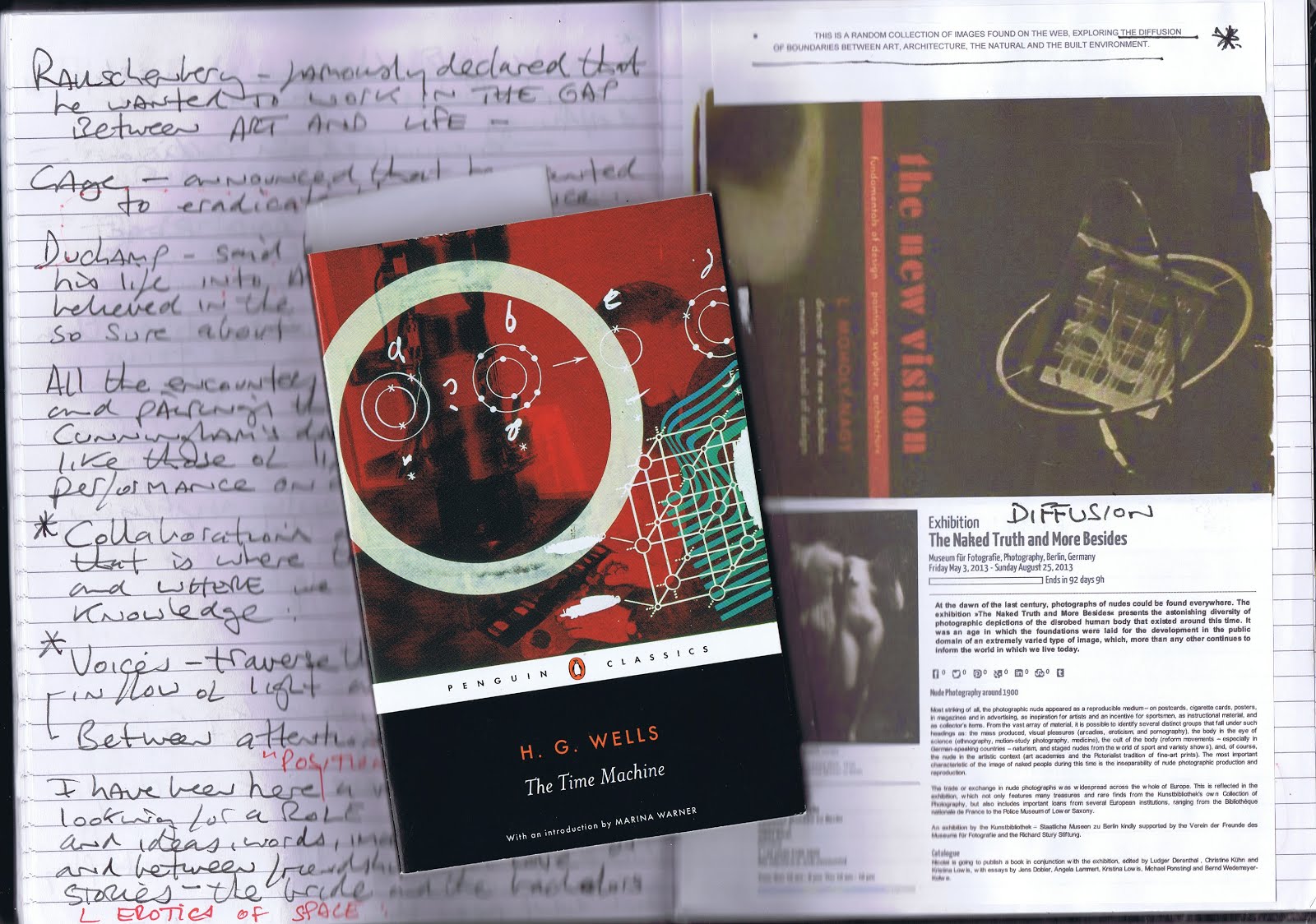
    Light/Dark Room : Towards a new Interior Experimental Vision : Research Collage

    Aesthetics of the Everyday Creative, Human Praxis

    Supportive Material/Texts/Cyanotype Drawings from found objects

    SITE / COLLAGE COMPONENTS working/walking, developing a creative spatial syntax

    AFFECT

    SENSATION / CAUSALITY LIVING

    THINKING LOOKING

    DRAWING and THE LAW OF STRATIFICATION, the inevitable results of the working of GRAVITY STRATIFICATION OF RECOLLECTION / MEMORY OF THE WORLD.

    A Land, J Hawkes.

    FACTORING THE TACTILE CONDITIONS OF THE REAL WORLD into perceptual awareness.

    PERCEPTUAL psychologist, J.J. Gibson departs from ‘the classical approach to depth or space’ in favour of an ECOLOGICAL approach to VISUAL SPACE PERCEPTION, which take SURFACES and TEXTURE as its starting point.

    COLOUR AS CONDUIT.

    PERCEPTUAL ENVIRONS / CRAFT MEDIA /IMPROVISATION

    PIERCED /DAPPLED NATURAL LIGHT

    DIFFERENTIATED SHADOW /SURFACE

    EXTRAORDINARY MATERIALS.

    TECTONICS AND TEXTILES.

    INDEXICAL /GESTALT / VISUAL PERCEPTION

    NETWORKS / RESOURCES / AGENCY for the potential of BUILDING SCAFFOLDS / GAUZE / POCHE solids of a building/architectural plan

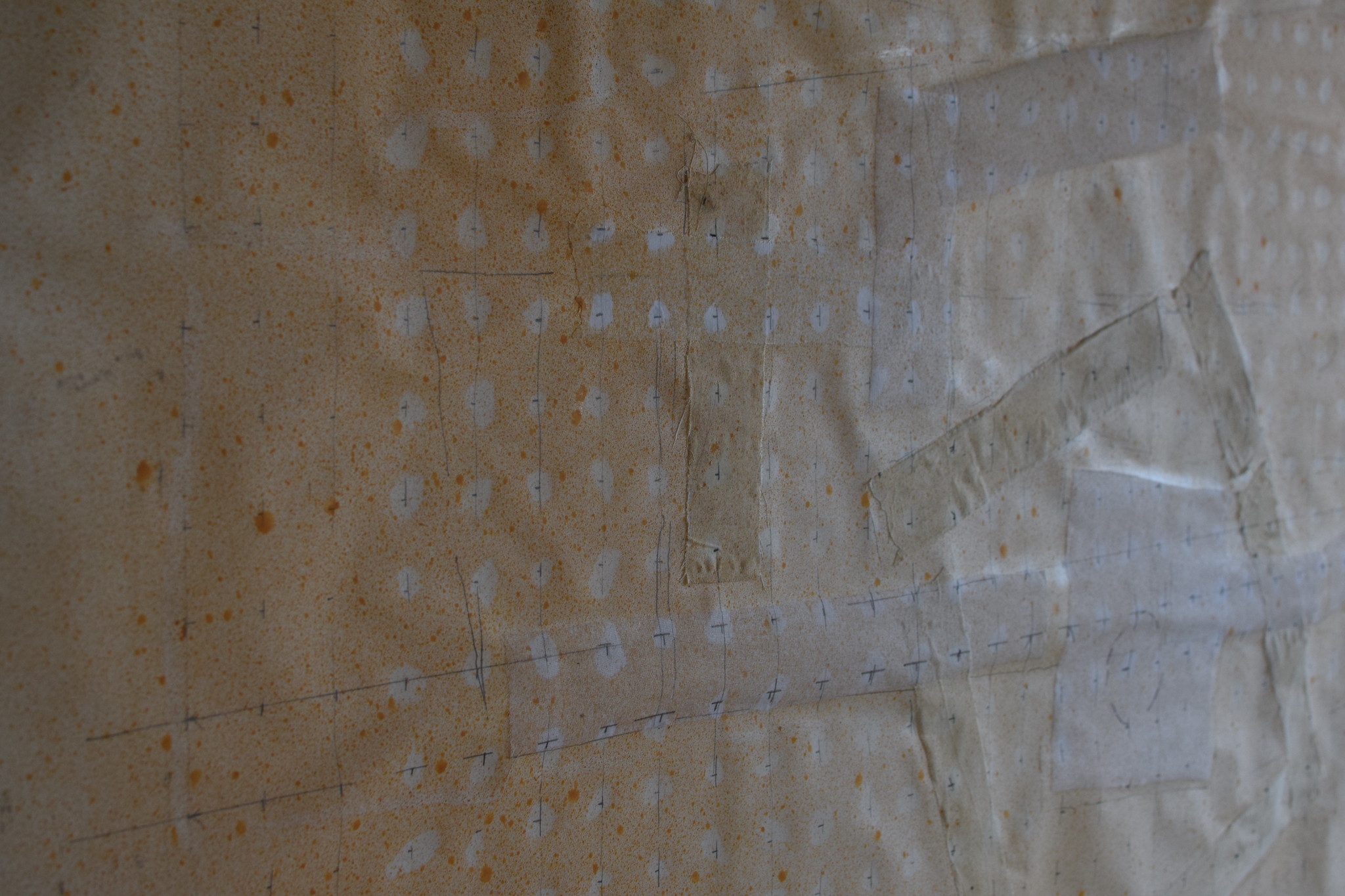
    ABSENCES / INTERSECTIONS I GRIDS / MESHES / SPRAYS / MOTIFS ACTUALITY

    IMMATERIAL / REPETITION / SINGULARITY ENCLOSURES / ITERATIONS / THINKING FORMS

    MINIMALIST SPACES / INTERVALS, tuning objects to construct environments A child ‘concretizes’ its existential space.

    Dwelling, Reverberations, Epiphanic Instant, Gaston Bachelard.

    Tidbury Ring, field drawings with cyanotype liquid on paper.

    A Hut of Ones Own. Heidegger for Architects.

    Immaterial Architectures.

    SENSING AND SPATIAL PRACTICE

    EXPLORING THE LANDSCAPE

    Soft/Blurring boundaries between art and the everyday making/becoming REFLEXIVITY / TRANSLUCENCY surfaces into an architectural presence TEXTURES / LIMINALITY on the absence of material.

    STATIC ENVIRON / ANIMATED THROUGH THE BODY

    THE ARCHITECTURAL SKIN / SURFACE, Blurring, revealing, masking, filtering, ARCHITECTURAL FEATURE / WALL / ARCH / PASSAGE /

    VISUAL TOOL

    SCULPTURAL ASSEMBLAGES, towards Speculative Forms/Expression.

    TECTONICS IN MAKING, and the tectonics of immateriality/traces hidden by building. Concerned with bringing the material from its physical form into the meta-physical world.

    PAVILION / FUSELAGE

    THE CAMP / HUT

    represents the true reality of things, Deakin.

    The building as nothing more than an exposition of itself.

    A subjective hypothesis, a drawing developed into an objectivity for experience/learning.

    SITE, the undoing of PLACE. (Casey)

    BRICOLAGE / HEURISTIC PRACTICE, Using things at hand, temporal, self constructions, becomings, mind forming explorations.

    DWELLING / MOBILITY / MOVEMENT IN THOUGHT

    TEMPORAL CONSTRUCTED SPACE

    TETHERED FOLLY against a fabric of time.

    ART AS INDETERMINATE, able to arrest perceptions into different states (becomings) Stone Worlds

    Narrative and Reflexivity in Landscape Archaeology Architecture and Ritual, how buildings shape society.

    Bought to Light

    Photography and The Invisible 1840-1900

    CURATORIAL / DEVICE / BENCH / INTERLOCATOR

    Jannis Kounellis, Theatre, stage crew shifting actors during a performance. Interconnected, between contexts, opening places between the social fabric.

    Making spaces, expanding vision to create spaces ‘between’ in which to write ourselves.

    CONTEXT AND CONSIDERATIONS :

    ART MUSEUM CULTURE

    THE CONTEXT FOR CONTEMPORARY ART IS THAT WE MAKE, EXHIBIT AND VIEW.

    MUSEUM DIRECTOR, CURATOR, COLLECTOR, ARTIST

    None of that means anything anymore. Artists are now more DIVIDUALISTIC. They discover themselves not by securing a role within the historic narrative of a chosen medium. But by INTERGRATING into a more DIFFUSE ECOLOGY that involves not only making art, but also putting on shows, publishing, organizing events, teaching, networking.

    THE STUDIO is no longer a retreat, but it now INTEGRATES, IT IS ALL EXTERIOR. THE NETWORK places the artist as a ’like’ ITEM within an INTEGRATIVE

    INVENTORY or DATABASE.

    Immateriality/Temporal/Transitions material and movement/Human agency

    A Species of Spaces

    Construction/Making/Collage

    Forming, slowness and repetition, elements of painting

    Assemblage, sensation, surface, objects and spaces between them gathered/thresholds

    Sheltering/Weathered/ Exploring a fragility of a painting in the landscape

    Robert Mangold, Paintings and Architectural Forms

    Fragments from sketchbooks.

    Ephemeral Architecture

    Canvas as spatial verb

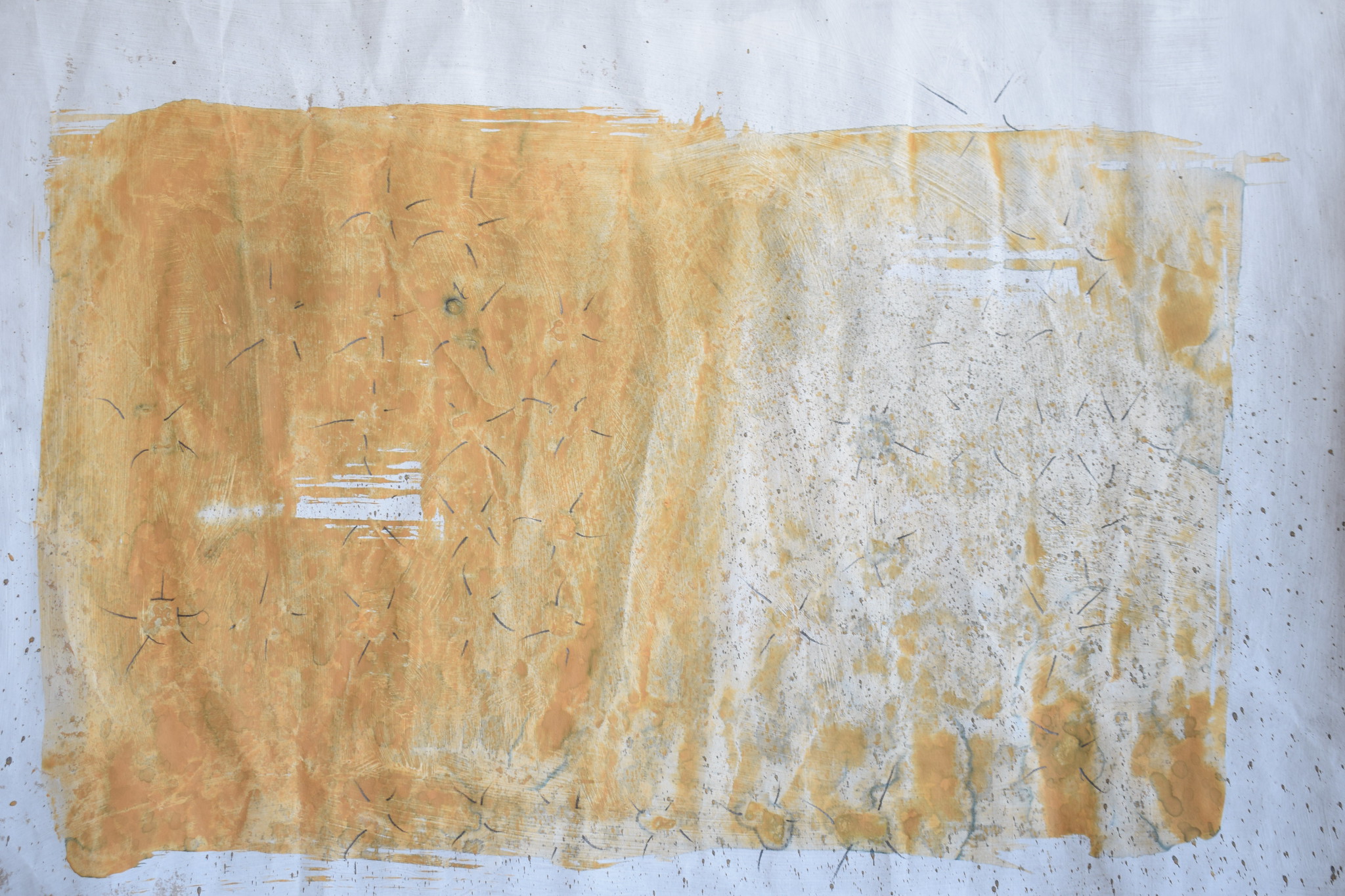
    Yellow Ochre, Molochite, Gesso, Canvas, Paper, Textiles,Wood, Lead, Nails.

    Canvas as folded construction/shelter/place

    Operative Design, A Catalogue of Spatial Verbs.

    Bookmark and Share


    Social apparatuses and agents that explore the possibilities of space. Other Worlds : Insistent moments of mark making/subjectivity.
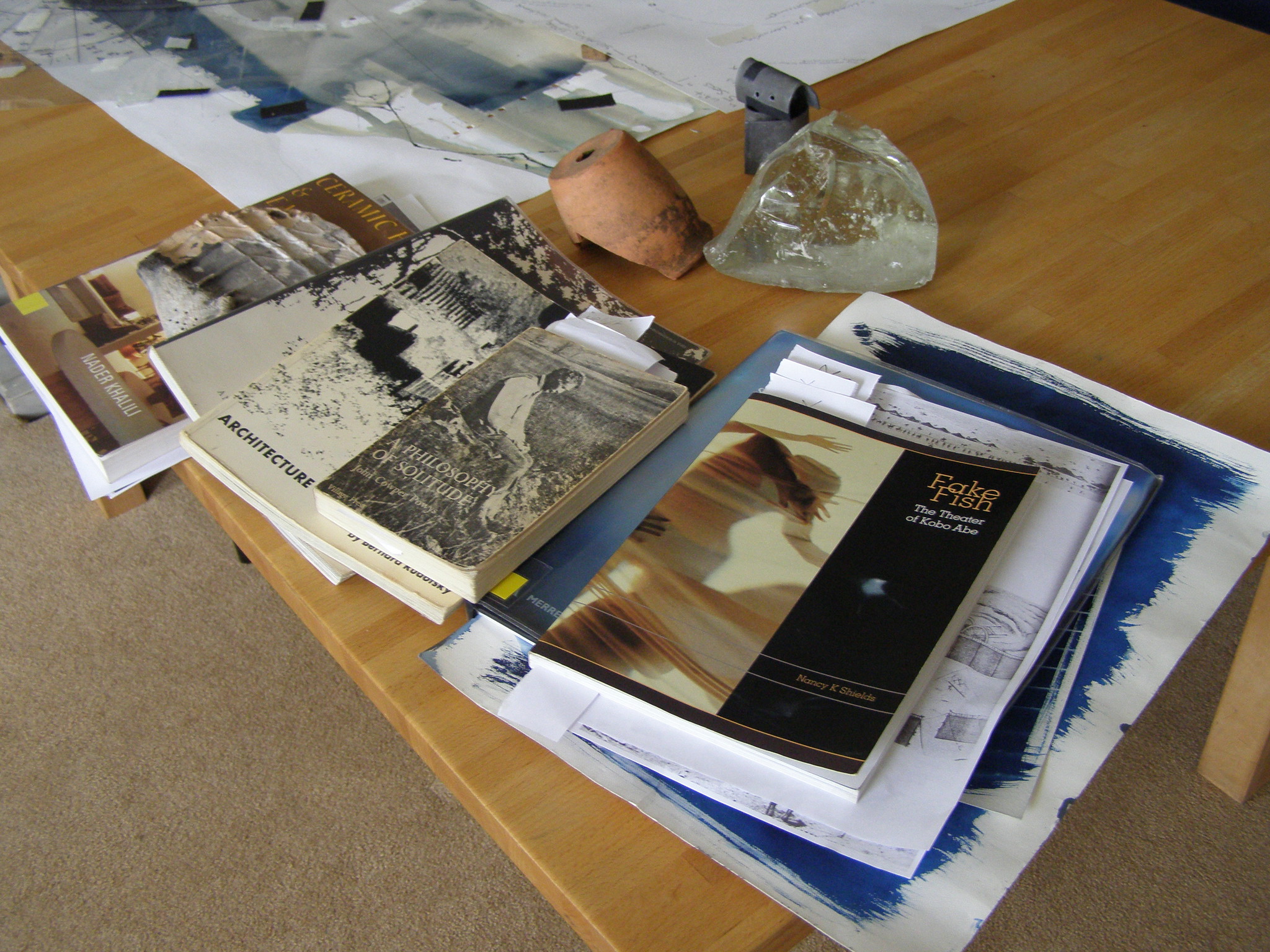
    Source: Giving Sensations Place/Site : Subjective/Hypothesis/Bricolage/Tectonics/Working Scripts/Making Camps.

  • Camouflage/Concept and Design : Re-Working Aesthetics/The Everyday

    Everyday Aesthetics : Ordinary Lives

    If the everyday can be considered an ecology where passions circulate in a perpetual state of intensification and entropic decline, the empirical self (and not just David Hume’s version of it) is essentially in a state of flux. This posits the human as an organism constantly adjusting to its passionate environment, with a self that is constantly appearing and disappearing, crystallising and dissolving.

    Ben Highmore
    Camouflage : Neil Leach
    Camouflage offers  a mechanism of locating the self against the otherwise homogenising placelessness of contemporary existence. It thereby promotes a sense of attachment and connection to place.
    Camouflage may  therefore provide a sense of belonging in a society where the hegemony of traditional structures of belonging – the family, church and so on – has begun to break down. This aesthetic sense of belonging can be compared to other modes of belonging, such as religious devotion or romantic attachment.
    In highlighting the creative capacity of human beings to adapt to their environment, this book offers a more optimistic account of human existence, which valorizes the present as the site of productive endeavor.
    Here we might cite the work of more positive thinkers, such as Fredric Jameson who looks to the realm of representation for a mechanism of reinserting the individual within society. Jameson has  developed a notion of  ‘cognitive mapping’, which serves  to overcome the lack of spatial co-ordinates within a society of late capitalism. He sees the potential of such mapping within the aesthetic  domain. What we need today, Jameson seems to be saying, is a viable form of aesthetic expression that reinserts the individual into society. The aesthetic  domain can therefore be seen to be somewhat Janus-faced. It is  both the source of many  of our problems, in a culture in which everything is co-opted into images and commodities, and potentially the way out.
    Aesthetic  production should maintain the capacity  to operate as  a mediation between the self and the environment, but only aesthetic production whose design has been carefully  controlled can achieve this. The difference between productive and unproductive modes of expression is therefore a question of design. In this respect we can recognise the important social role of design in providing a form of connectivity for ‘cognitively  mapping an individual within the environment.
    Design becomes  a crucial consideration for the effective operation of camouflage.
    Design plays a crucial social role in offering a form of connectivity, a mode of symbolisation, that allows  people to relate to their environment. Exquisitely designed works such as S, M, L, XL can therefore be interpreted not simply as highly aesthetic publications that could be accused of a process of ‘glossification’ — of turning the world into a designer representation of itself.
    Rather they  can be seen to be operating in the very space of contemporary culture, a space that is highly visual.
    The concept of ‘Camouflage’ can therefore also respond to some of the questions that Koolhaas himself raises. In his essay on the Generic City, for example, Koolhaas offers a critique of the placelessness of the contemporary cityscape, where each city is virtually indistinguishable from the next. The theory  of camouflage, however, would seem to suggest that design itself can overcome this  condition by  providing a mechanism for relating the individual to the environment.
    Design here must be contrasted to junk. If the junk  city  has  become the placeless  generic  city, the exquisitely  designed city  can become the city  of a new form of spatial mapping. This  theory  of camouflage is therefore presented not only  as  a retroactive manifesto through which to appreciate Koolhaas’s work, but also as a contribution to the debates which he initiates.
    The concept of ‘Camouflage’ will allow us, at least, to move beyond the often simplistic denigration of the aesthetic realm within recent critiques of postmodern culture, and to grasp the complexities involved in our negotiation with the world afforded through that realm. Above all, it will allow us  to recognise the important strategic  significance of aesthetics in contemporary culture in general and in Rem Koolhaas’s work in particular.

    The Architectural Plan

    An Anthropology of Architecture

    Embodiment and Architectural Form
    Process-Relational Philosophy

    Building The Drawing

    The drawing as analogue allows more subtle relations, of technique, material and process, to develop between drawing and building.
    Immaterial Architecture
    The Illegal Architect
    Jonathan Hill

    Oak Tree
    Oil
    Paper
    Plaster
    Rust
    Sgratfito
    Silence
    Sound
    Steel
    Television
    Weather

    Frosted Light
    Index of immaterial architectures

    TRANSPARENCY : LITERAL AND PHENOMENAL
    Colin Rowe, Robert Slutzky

    Interactions of the Abstract Body
    Josiah McElheny

    Object Lesson
    Interactive Abstract  Body (Square)
    The Spatial Body (After Fontana)

    Tracing Eisenman
    Stan Allen
    Indexical Characters

    FABRIC=MASS+ FORM
    Alan Chandler
    The interest in fabric formwork is in its deployment in a building process, which is faster than conventional formwork. Fabric formwork is inherently more sustainable due to the minimising of both concrete and shuttering, and more radically, allows the constructor to intervene in the process of casting even as the cast is taking place.

    ANTI OBJECT
    Kengo Kuma
    We are composed of matter and live in the midst of matter. Our objective should not be to  renounce matter, but to search for a form of matter other than objects.
    What that form is called- ARCHITECTURE, GARDENS< TECHNOLOGY is not important.

    ReThinking Matereriality
    The engagement of mind with the material world
    Elizabeth DeMarrais, Chris Gosden, Colin Renfrew

    The Affordances of Things
    Towards a  Theory of Material Engagement
    Aesthetics, Intelligence and Emotions
    Relationality of Mind and Matter

    Material Agency
    Towards a Non-Anthropocentric Approach
    Carl Knappett, Lambros Malafouris

    At The Potter’s Wheel : An Argument for Material Agency
    We should replace our view of cognition as residing inside the potter’s head, with that of cognition enacted at the potter’s wheel.

    The Neglected Networks of Material Agency : Artefacts, Pictures and Texts

    Material Agency as Cognitive Scaffolding

    The Cognitive Life of Things
    Material Engagement and the Extended Mind
    Lambros Malafouris, Colin Renfrew

    Minds, Things and Materiality
    Michael Wheeler

    Communities of Things and Objects : A Spatial Perspective
    Carl Knappett

    Imagining the Cognitive Life of Things
    Edwin Hutchins

    Things and Their Embodied Environments
    Architectures for Perception
    Structuring Perception through Material Artifacts
    Charles Goodwin

    Leach Pottery, Studio and Museum
    A Potter’s Book
    Bernard Leach

    Adventures of the Fire, Vessels Through Time
    Ceramic Pavilion
    People make space, and space contains people
    Ceramic space and life

    Gordon Baldwin
    Objects For A Landscape
    David Whiting
    Vessels-Spaces that cannot be drawn, rather they  need to be experienced.
    Imagining a Vessel in a Rock on a Beach, 2006,(charcoal on paper)

    The Architecture of The Ceramic Vessel
    The use of the vessel in the investigation of our world.
    The exploration through the dichotomy of the analysis between exterior and interior, of one pot to another and from  the message they convey.

    MATERIAL MATTERS
    ARCHITECTURE
    AND MATERIAL PRACTICE
    Katie Lloyd Thomas

    PLENUMS : RETHINKING MATTER, GEOMETRY AND SUBJECTIVITY
    Peg Rawes

    ARCHITECTURE
    IN THE AGE  OF DIVIDED REPRESENTATION
    The Question of Creativity in the Shadow of Production
    Dalibor Vesely
    The Nature of Communicative Space
    Creativity in the Shadow of Modern Technology
    The Rehabilitation of Fragment
    Towards a Poetics of Architecture

    The Projective Cast
    Architecture and its Three Geometries
    Robin Evans
    Architects do not produce geometry, they consume it

    Analysing ARCHITECTURE
    Simon Unwin
    Geometries of Being
    Architecture as Making Frames
    Space and Structure

    Bookmark and Share


    Social apparatuses and agents that explore the possibilities of space. Other Worlds : Insistent moments of mark making/subjectivity.
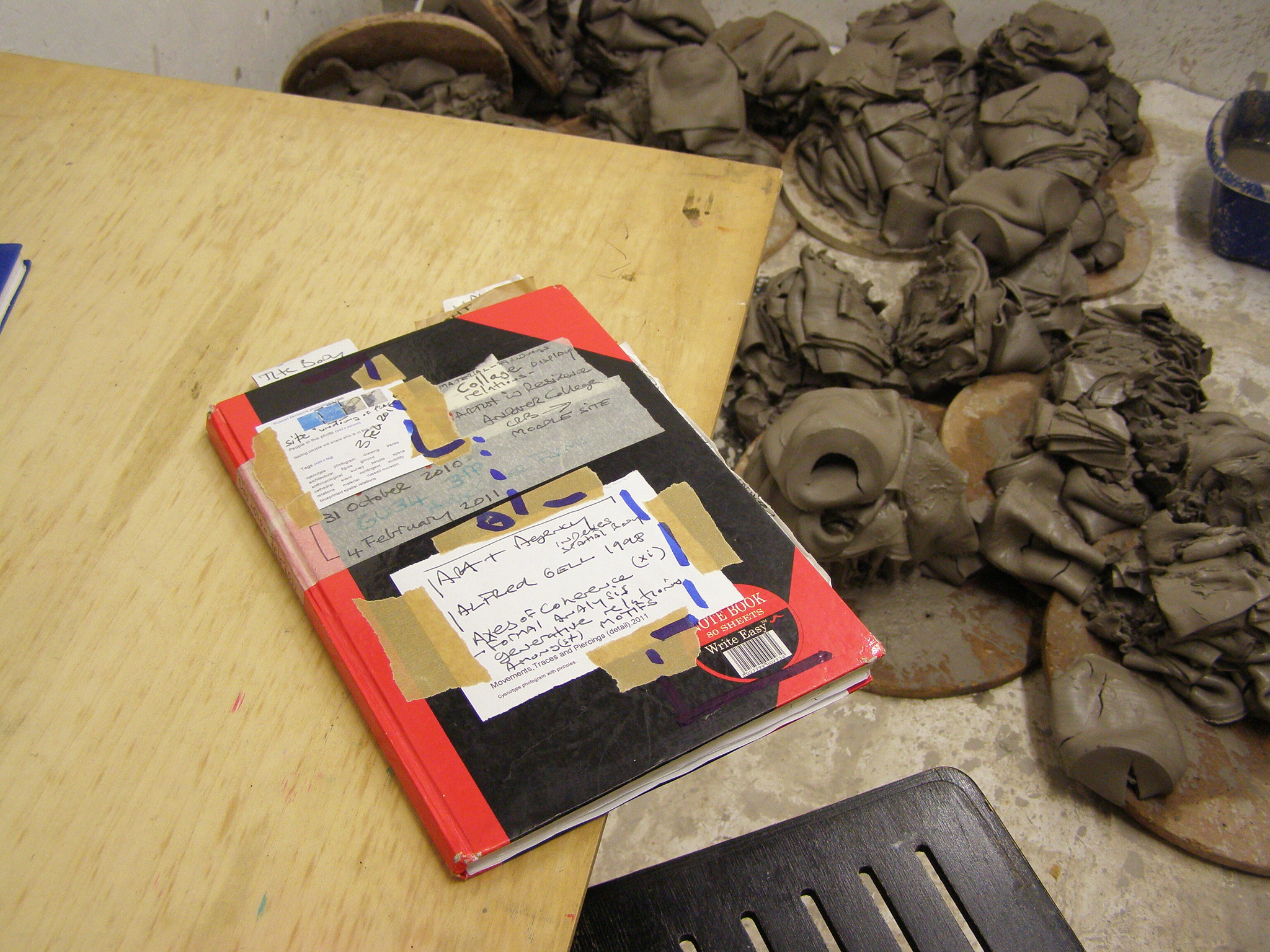
    Source: Camouflage/Concept and Design : Re-Working Aesthetics/The Everyday

  • Sketch Books/Strange Loops : Drawings, Materials, Annotations, Collages and Constructions 2018-20

     OUTPOST STUDIO 3.16

    Agency through sketchbooks

    Apokatastasis : Jim Jarmusch, Jozef Van Wissem

    Spatial Asperity/Mesh, Membrane and Gauze

    Drawing and its attempts to map out/make visible contingent things

    Contingency, is what remains, as it comes up against causality/constantly passing through

    Objects/Things conceptualized by the exploration of drawing (intervals of blindness)

    Linking Surface to the Aesthetic Experience of Space.

    Experiences incorporating interests with environmental textures into Art.

    Points of Contact/Confluence of Circumstances

    Materials bound by contact/canvas

    Patina, absences, gesso, textile wrappings, field chalk, exhumed oyster shells, yellow ochre,

    A philosophy of Reading

    Solitude/Libraries : Cell/Court/Domain

    Clay, Waxed Surface, Liquid Rust, Calico,

    Sensate Bandages/Windings/Armatures : Corporeal Landscapes/Assemblages/Things

    Social Architectures/Anthropologies/Imaginary Projects

    Timothy Morton : Realist Magic

    The elasticity of sensation, affective and wonderous

    Sally Mann : Matter Lent/Collodion wetplate negatives

    Corpus, liquid light, flesh, spirit, trace, outline, human body, performative,


    Bookmark and Share


    Social apparatuses and agents that explore the possibilities of space. Other Worlds : Insistent moments of mark making/subjectivity.

    Source: Sketch Books/Strange Loops : Drawings, Materials, Annotations, Collages and Constructions 2018-20