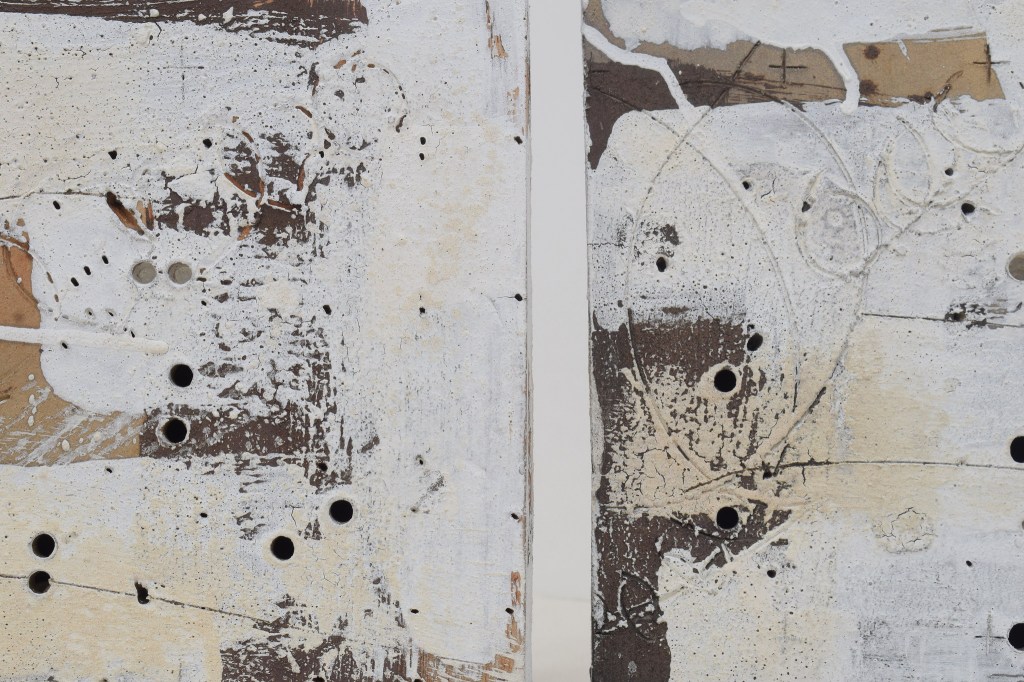
Ingold ~ Making, Correspondence and the Materials of Life.
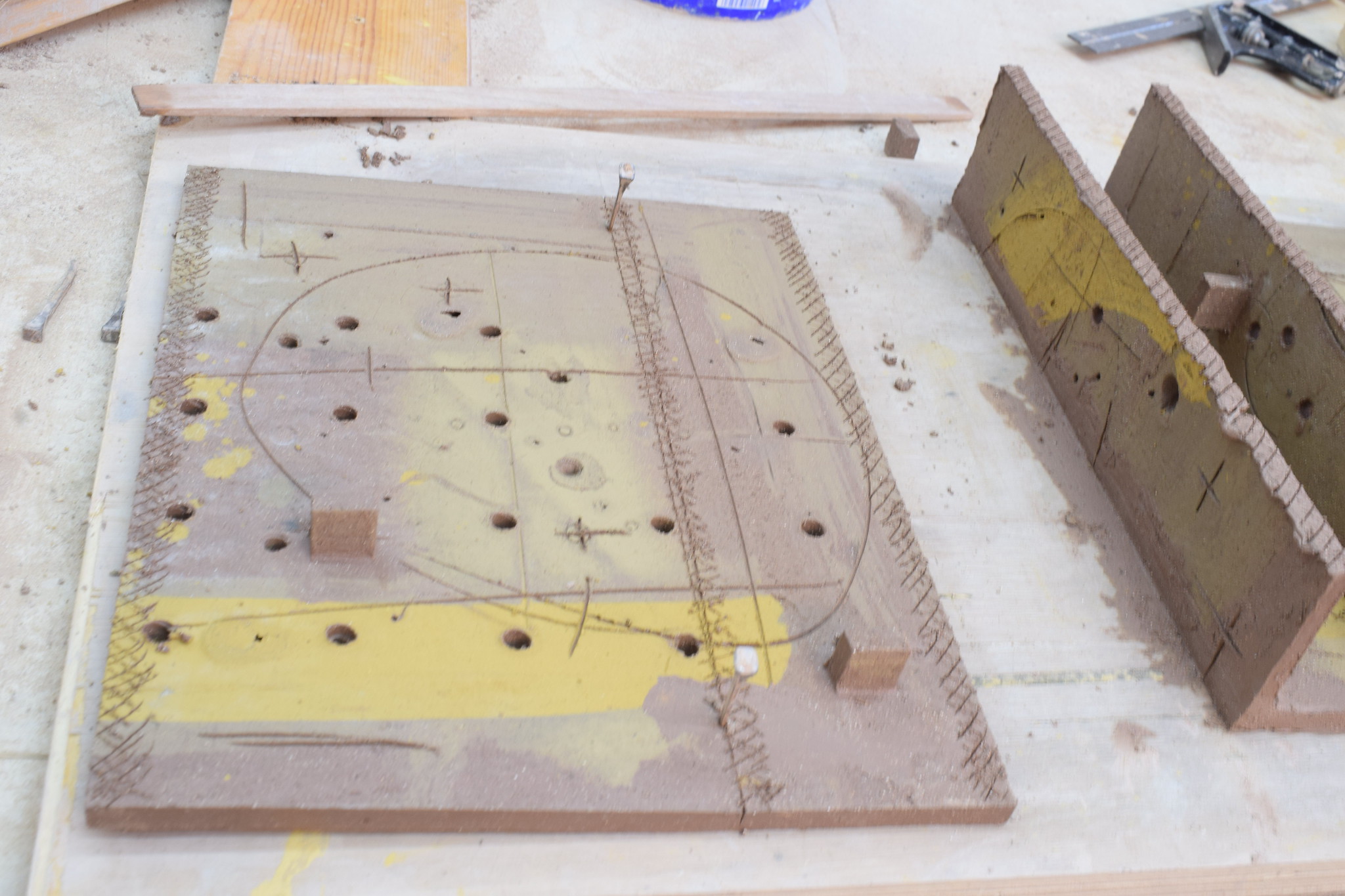
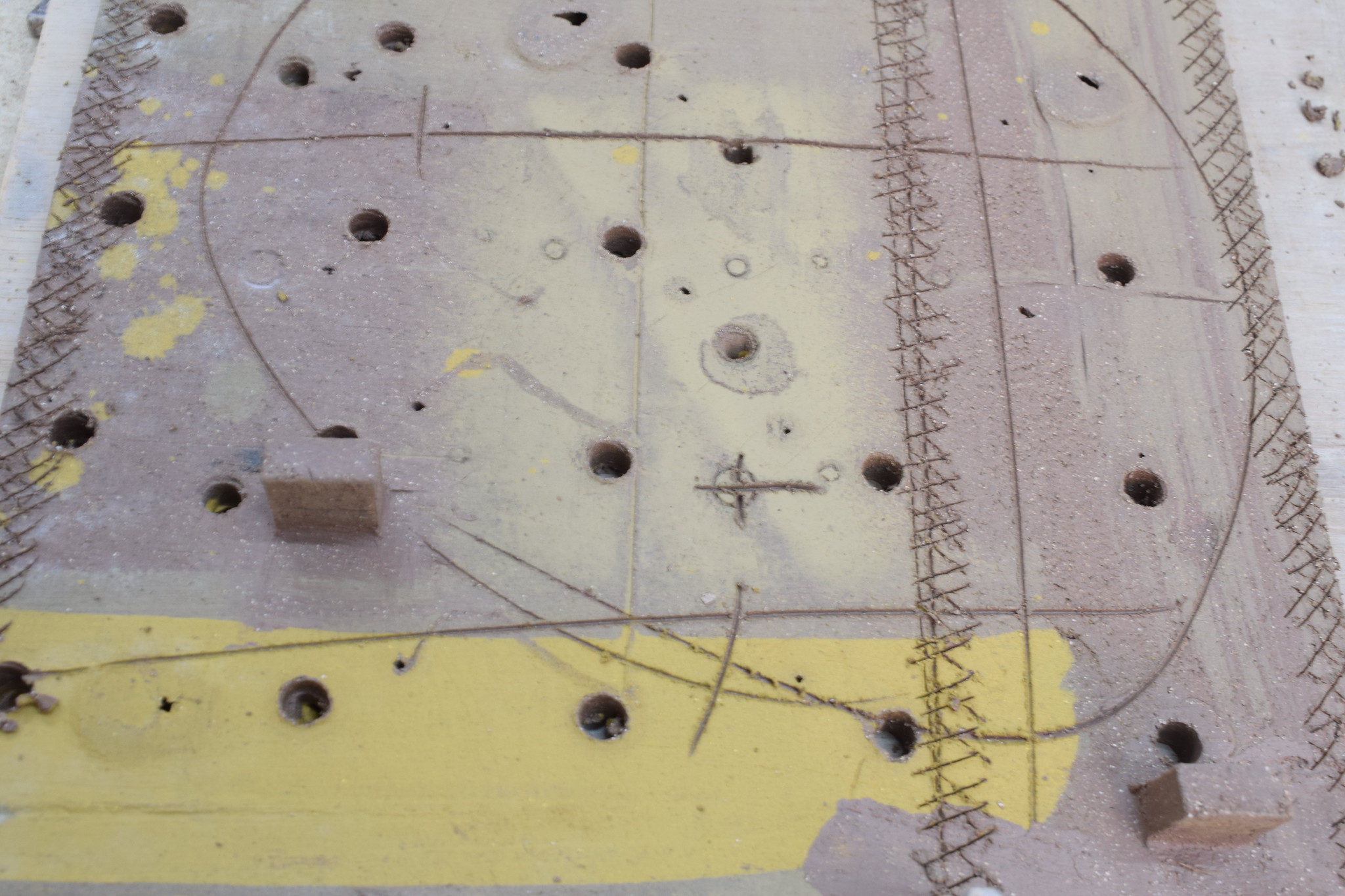
Ingold approaches making through correspondence between practitioners and active materials. Moreton asks what happens when this correspondence reaches an irreversible material threshold, producing a ceramic body that persists beyond the immediate activity of making.
Tim Ingold’s writing offers perhaps the closest point of contact with Moreton’s understanding of making as a way of knowing. In Making: Anthropology, Archaeology, Art and Architecture, Ingold challenges approaches that treat materials as passive substances awaiting the imposition of form. He proposes thinking through making, in which practitioners and active materials continually answer to one another in the generation of form.
This understanding resonates with Moreton’s experience of clay as a responsive and resistant material. Making is not the execution of a fully determined design. It is an unfolding negotiation in which each action changes the conditions for the next. Clay responds to pressure, moisture, weight and movement, but its response is never entirely predictable. The maker learns through this ongoing correspondence.
Ingold’s wider attention to lines, movement, landscape and ways of knowing also speaks to Moreton’s distributed studio practice. Reading, walking, drawing, gathering, photographing and making are not separate activities connected only through the artist’s intention. They are movements through which the practice develops. Knowledge emerges through attention and participation rather than through observation from a position outside the world.
The wayfarer and the piddock offer two distinct figures through which this proposition can be extended. The wayfarer moves across a field, gathering encounters, images, fragments and impressions. The piddock moves into material resistance, boring and producing an interior through its activity within another body. These are not interchangeable metaphors. They establish different movements and different conditions of inhabitation.
The wayfarer gathers across; the piddock makes passage into. Together they open a field through which Moreton can reconsider research, making and the production of interiority.
Ingold’s account of correspondence is important here, but the ceramic body introduces a further difficulty. If making is understood as an ongoing correspondence between practitioner and materials, what happens when the material process reaches a threshold beyond which the same correspondence can no longer continue?
Firing provides such a threshold. The clay body undergoes an irreversible transformation. The maker’s relationship with the material changes, and the resulting ceramic body is no longer available to the same forms of making. It carries the consequences of correspondence, but it also persists beyond the process through which it came into being.
This is where Moreton’s interest in withdrawal becomes significant. The ceramic is not simply the completed outcome of a continuing flow of making. It is a body that has become materially distinct from the immediate conditions of its production. Its subsequent relations are not merely extensions of the maker’s activity.
Ingold helps Moreton understand making as a process of attending and responding. The ceramic body asks what happens when correspondence produces something that can no longer be returned to the same process, but which continues to enter new relations.
Making, in this sense, does not end when the material becomes ceramic. It changes its conditions of possibility.
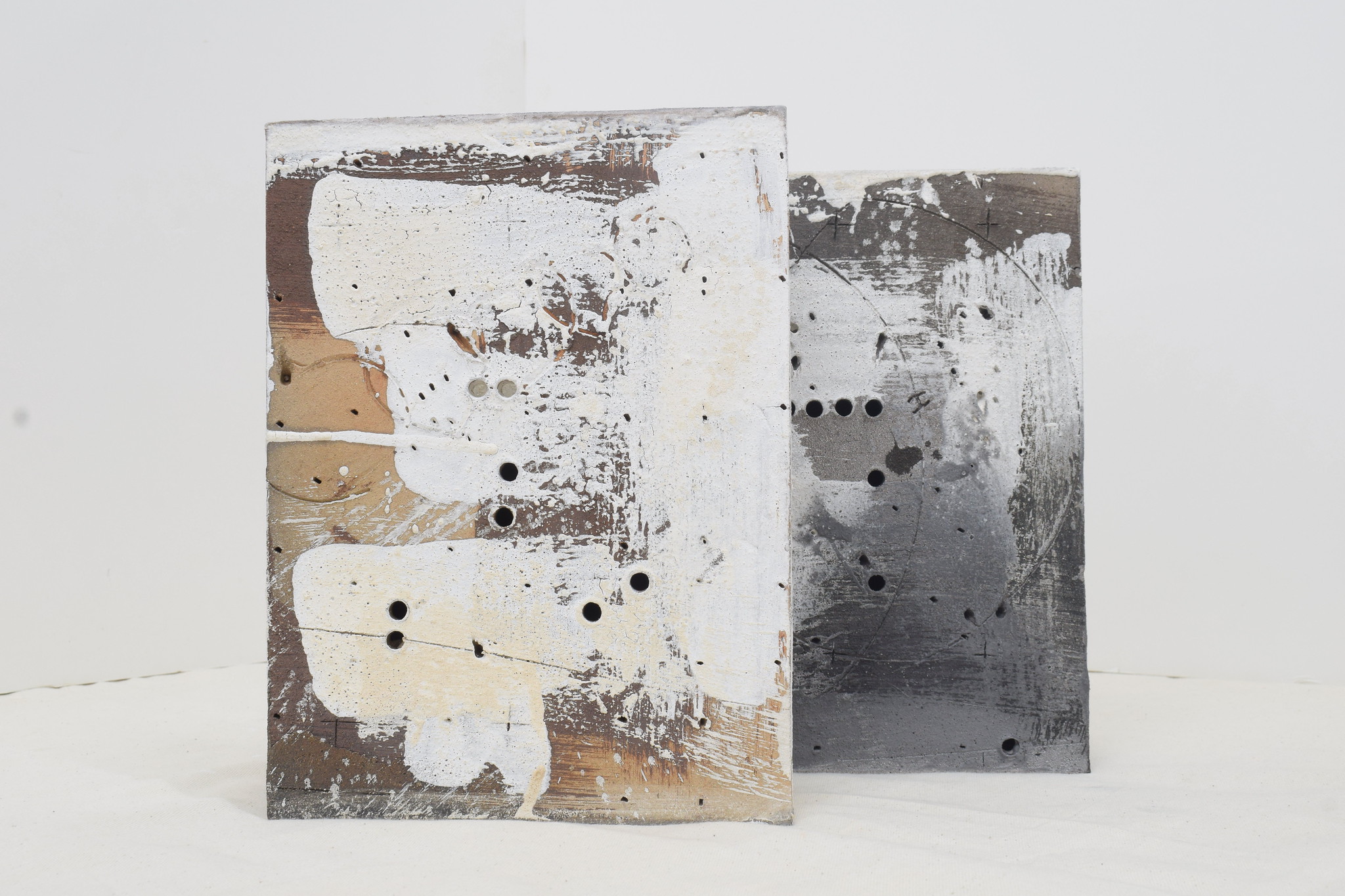
Ingold~Moreton
Making, material correspondence, lines, attention and knowing from within.
What happens when correspondence reaches an irreversible threshold and produces a body that persists beyond making?
Barad and Ingold: Both trouble the separation of bodies and materials, but their projects are not interchangeable. Barad’s agential realism is a specific philosophical-physical and ethical framework; Ingold’s correspondence emerges through anthropology, making, movement and attention to materials.
Tim Ingold, Making: Anthropology, Archaeology, Art and Architecture (2013), alongside Being Alive: Essays on Movement, Knowledge and Description (2011). Particularly the materials of life, knowing from the inside, making and correspondence.
Karen Barad, Meeting the Universe Halfway: Quantum Physics and the Entanglement of Matter and Meaning (2007). Particularly the introduction, “Agential Realism” and “The Ontology of Knowing, the Intra-activity of Becoming, and the Ethics of Mattering”. Duke University Press.
Further Readings.
This post outlines the core philosophy behind Russell Moreton’s ceramic sculptures, connecting anthropologist Tim Ingold’s concept of “making as correspondence” with what Moreton calls the “withdrawn ceramic body.”
Making as Correspondence (Ingold)
- Active Material: Rather than forcing a predetermined design onto passive clay, Moreton treats making as an ongoing negotiation where clay actively responds—and resists—through moisture, pressure, and weight.
- The Wayfarer and the Piddock: Moreton uses two figures to describe his process. The wayfarer moves across a surface gathering impressions and lines (visible in the incised arcs and layered washes across the slabs), while the piddock (a burrowing marine mollusk) bores directly into material resistance to create an interior—reflected in the clean, drilled perforations piercing the ceramic blocks.
Firing as an Irreversible Threshold.
- Material Persistence: While Ingold focuses on the continuous flow of making, Moreton asks what happens when firing permanently transforms soft, responsive clay into hard ceramic.
- Withdrawal: Once fired, the sculpture crosses a threshold where it can no longer be reshaped by the artist. It “withdraws” from the making process to become an independent physical body—carrying the physical history of its making while entering new spatial relationships with viewers and its surroundings.


Leave a Reply