Spatial Agency/The Arts and the dance of thinking : The body is open to the intensities of the present.
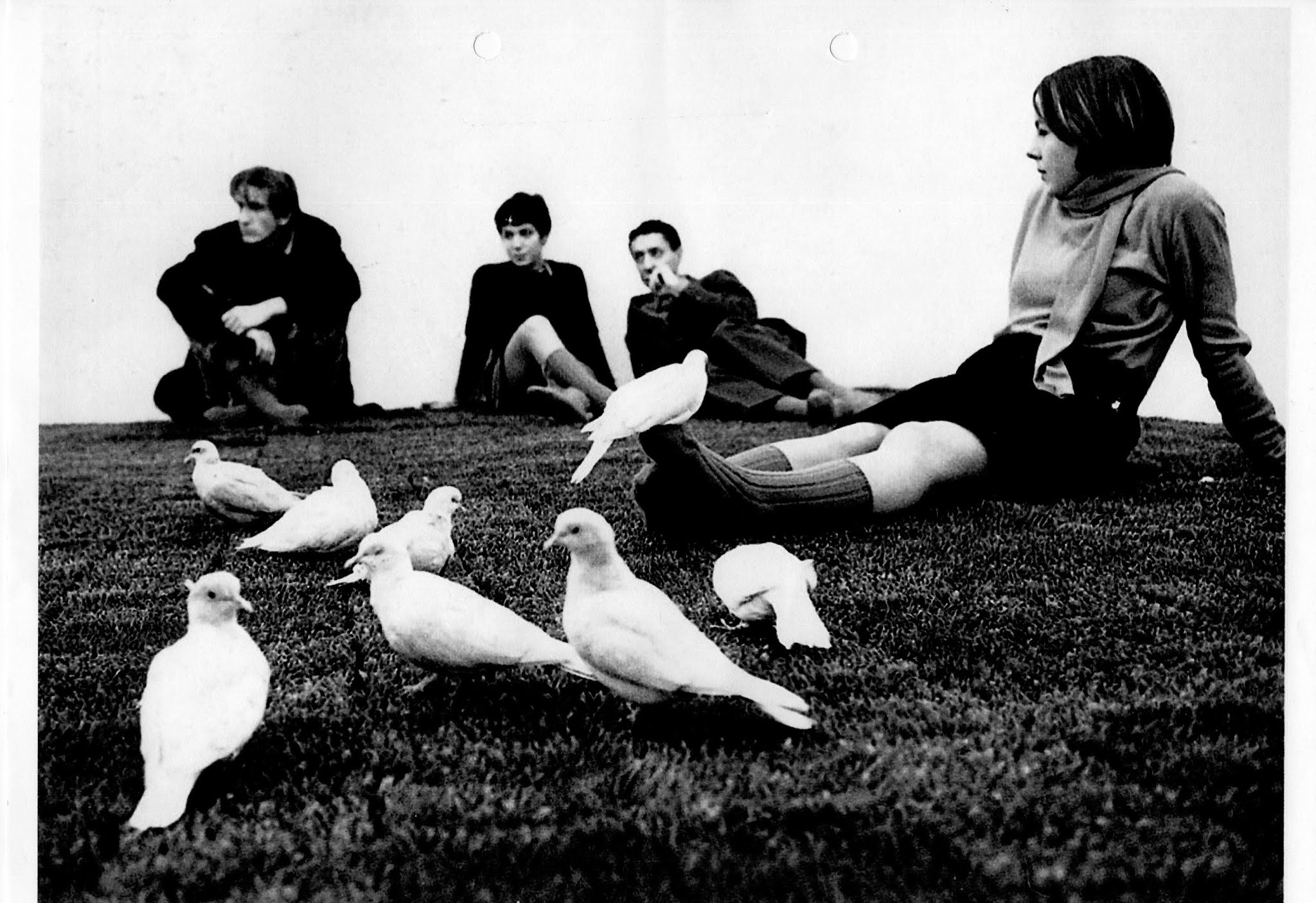

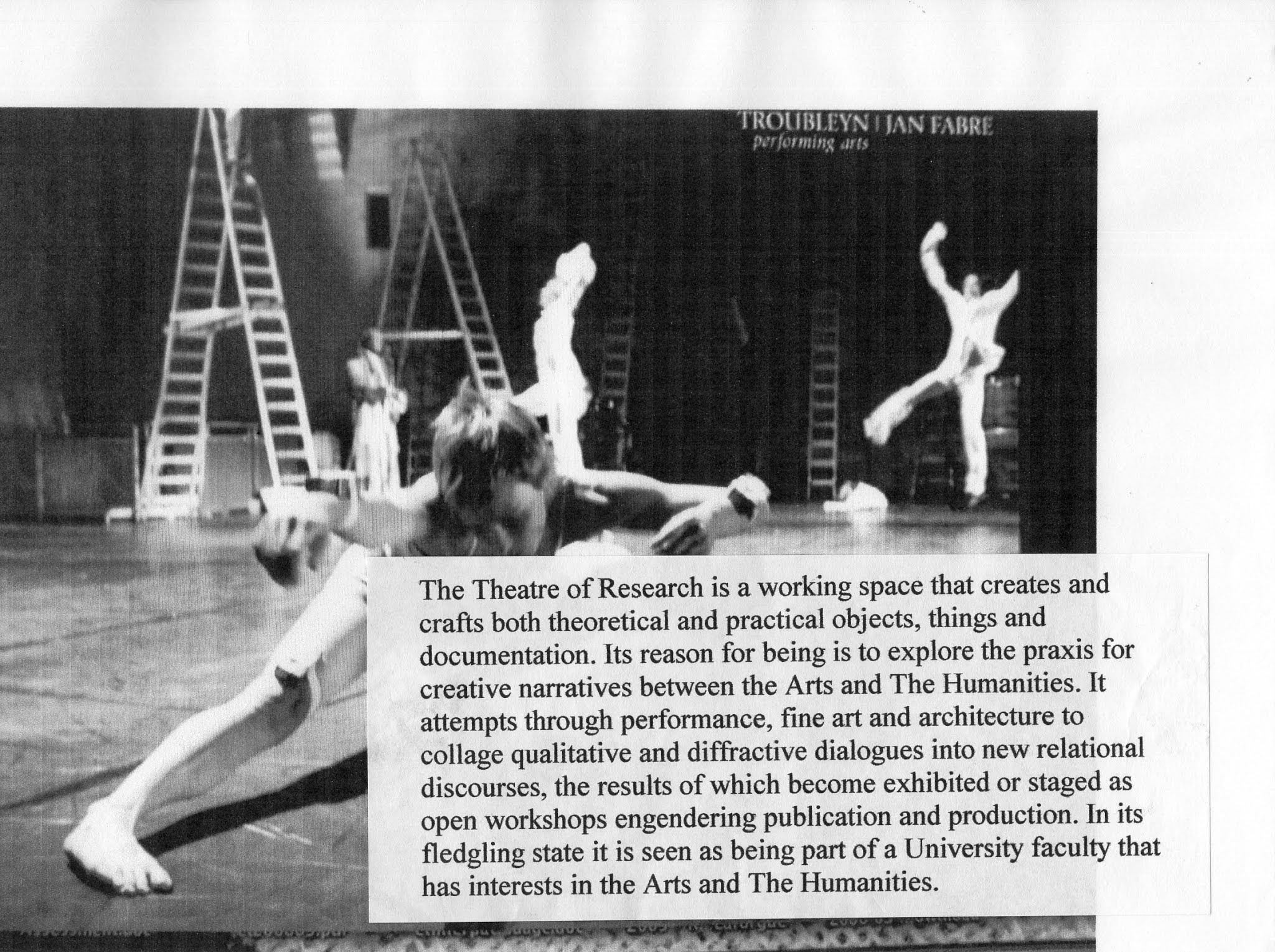
Categories and things may make it easier for us to grasp reality, but they also hide its underlying complexities.
The effect that space has on actions, interactions, entities, concepts, and theories. Physical spatiality can also be metaphorical. It is used to show social power—thrones are higher than the seats of commoners, and ‘high tables’ for university teachers in most Oxbridge colleges physically elevate the teachers over the taught. People use proximity to show how intimate they want to be with others (See personal space), or orientation; we may face someone or turn away from them. Institutions and governments have used large architectural spaces to invoke awe, while restaurateurs may create ‘cosiness’ in small spaces.
FILMIC COLLAGE : Veiled Melancholy/Book Narratives
“He rubbed his eyes. The riddle of his surroundings was confusing but his mind was quite clear – evidently his sleep had benefited him. He was not in a bed at all as he understood the word, but lying naked on a very soft and yielding mattress, in a trough of dark glass. The mattress was partly transparent, a fact he observed with a sense of insecurity, and below it was a mirror reflecting him greyly. Above his arm- and he saw with a shock that his skin was strangely dry and yellow – was bound a curious apparatus of rubber, bound so cunningly that it seemed to pass into his skin above and below. And this bed was placed in a case of greenish-coloured glass (as it seemed to him), a bar in the white framework of which had first arrested his attention. In the corner of the case was a stand of glittering and delicately made apparatus, for the most part quite strange appliances, though a maximum and minimum thermometer was recognizable.”
H. G. Wells : The Sleeper Awakes. 1899/1910
“Spatial turn” The increased attention to matters of space, place and mapping in literary and cultural studies, as well as in social theory, philosophy, and other disciplinary fields.
Spatiality, Robert T. Tally Jr. Routledge 2013.
Immediate Architectural Interventions, Durations and Effects : Apparatuses, Things and People in the Making of the City and the World. Alberto Altes Arlandis, Oren Lieberman. 2013
Preface (1921) ” The great city of this story is no more than a nightmare of Capitalism triumphant, a nightmare that was dreamt a quarter of a century ago. It is a fantastic possibility no longer possible. Much evil may be in store for mankind, but to this immense, grim organization of servitude, our race will never come” H.G. Wells. Easton Glebe, Dunmow,1921.
EMULSION : Photographic Landscape
I do not start with the idea but with the experience
Peter Lanyon
The Experience of Landscape
Paintings, Drawings and Photographs
South Bank Centre
An Anthropology Of Landscape
Christopher Tilley, Kate Cameron-Daum
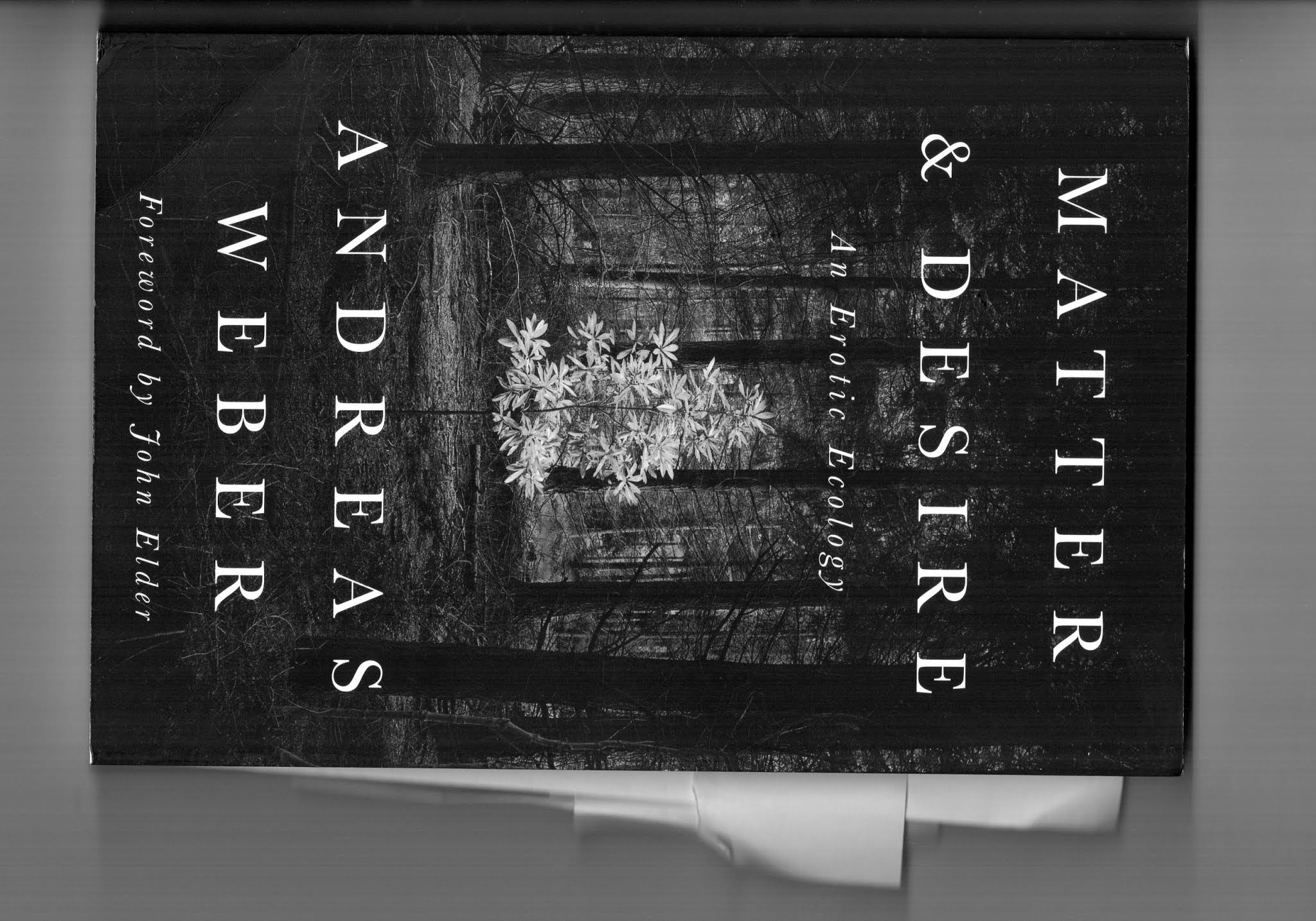
ECOLOGY WITHOUT NATURE
Rethinking Environmental Aesthetics
Timothy Morton
Ordinary Lives
Studies in the Everyday
Ben Highmore
Jacqueline Rose
Essay for ‘Elsewhere’ Therese Oulton
Hermeneutic Philosophy and The Sociology of Art
Janet Wolff
Hermeneutics
Jens Zimmermann



BIOSPHERE And all of our thinking, for its part, forms its own ecosystem as well. Mind is an ecological phenomenon, the result of a collecti…
 russellmoreton.com
Leave a comment